The first time I ate alone in Korea, I did it with my back against a wall, facing away from the room, like I was hiding from something. I wasn’t. Nobody was watching me. But eleven years ago, when I moved to Seoul, the idea of walking into a Korean barbecue place and asking for “one, please” felt like announcing a personal failure out loud. I remember picking the seat furthest from the door, ordering fast, and eating faster, like the meal itself was something to get through rather than enjoy. These days I do the exact opposite without thinking twice — I linger, I people-watch, I refill my own water — and that shift is worth unpacking properly.
So, is it actually rude?
Short answer: no, not anymore, and in most of Seoul it hasn’t been for close to a decade. Longer answer: it depends entirely on where you sit down. There’s a real difference between a restaurant that was built for one person and a restaurant that was built for four, and pretending that difference doesn’t exist is how foreigners end up with a bad first experience and a story they tell for years about how “Koreans don’t eat alone.” That story is out of date. I want to walk through why it used to be true, why it mostly isn’t now, and where the friction still lives.
The honjok shift, from taboo to totally normal
You’ll see the word 혼밥 (honbap, literally “alone” plus “rice”) and its cousin 혼술 (honsul, “alone” plus “alcohol”) everywhere in Korean media now, usually in a completely neutral, even aspirational tone. The broader term is 혼족 (honjok) — “alone tribe” — which covers everyone from the honbap diner to the person who takes solo trips and watches movies by themselves on a Tuesday night. What’s surprising, if you only arrived in the last couple of years, is how recently this was a genuinely loaded phrase. Ask anyone who was in Seoul around 2010 and they’ll tell you eating alone in a sit-down restaurant back then could get you an actual stare from the ajumma running the place, not because she disapproved morally, but because a table for one meant a table she couldn’t really profit from — full banchan spread, full water service, full seating turnover lost for one plate of food.
What changed wasn’t attitudes first — it was households. Statistics Korea’s most recent figures put 1인가구 (il-in gagu, single-person households) at roughly 34 percent of all households in Seoul, which is not a small demographic footnote, that’s a structural rewrite of who’s actually walking into restaurants on a Tuesday at 7pm. Restaurants that ignored that reality lost business to ones that didn’t, because in a city obsessed with 회전율 (hoejeon-yul, table turnover rate), a reliable solo customer who eats fast and leaves is often more profitable per hour than a slow group of four nursing one round of soju.
By the time honbap became a hashtag and then a marketing category, it had already become normal in the neighborhoods where young single professionals actually live. Yeonnam-dong is a good example — it’s packed with freelancers, remote workers, and small studio apartments, the kind of neighborhood where a solo dinner isn’t a special occasion, it’s just Tuesday. I’d argue the culture didn’t so much change its mind about solo dining as get economically outvoted by it.
My own honbap moment
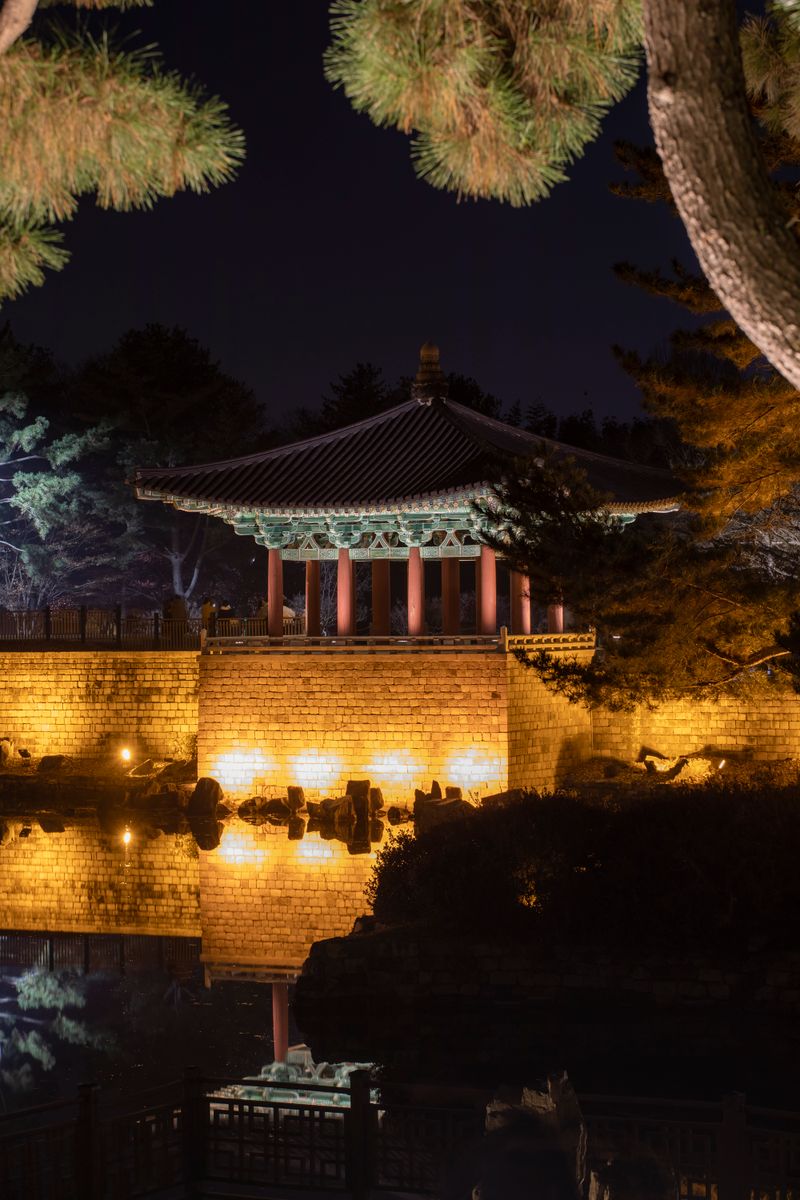
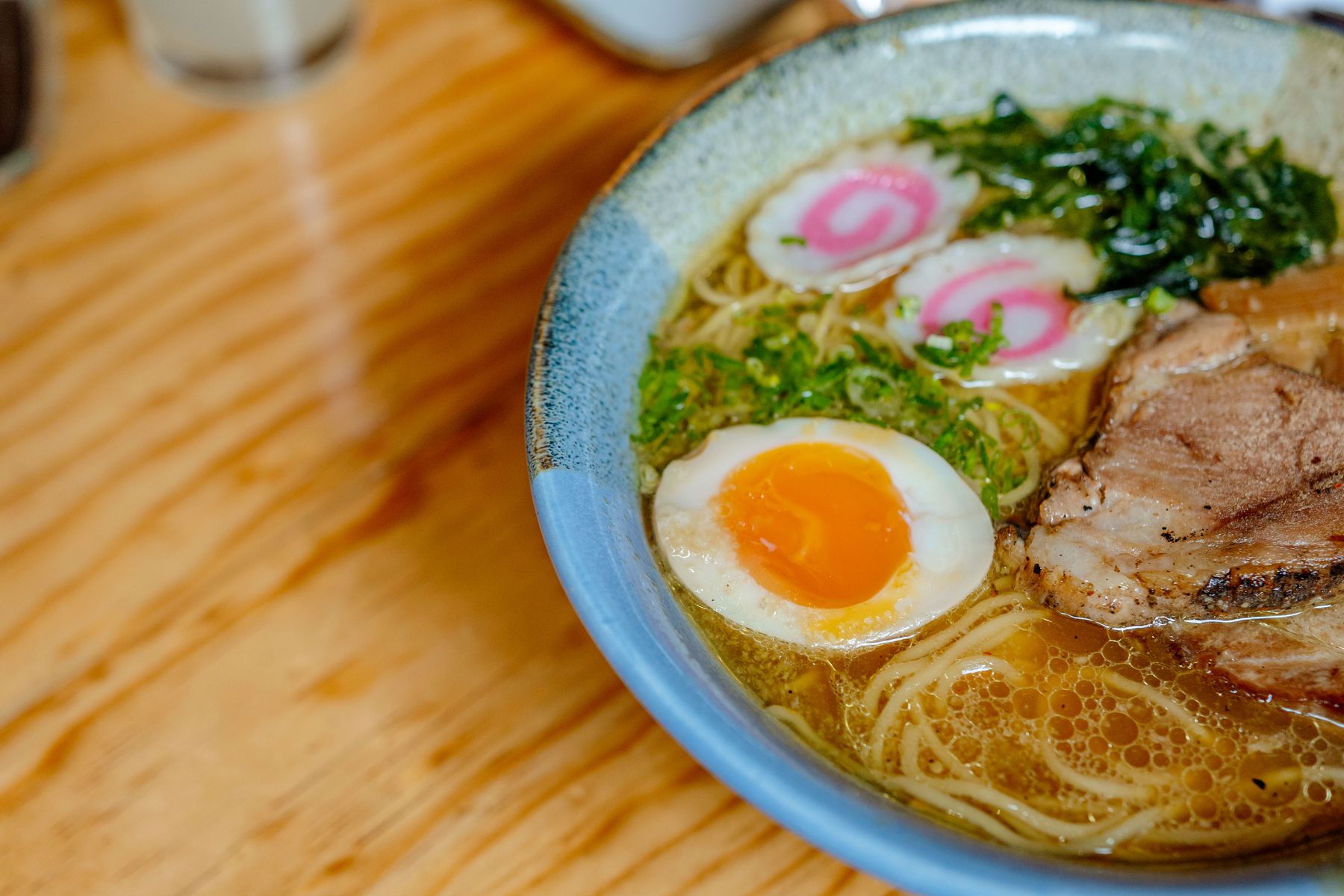
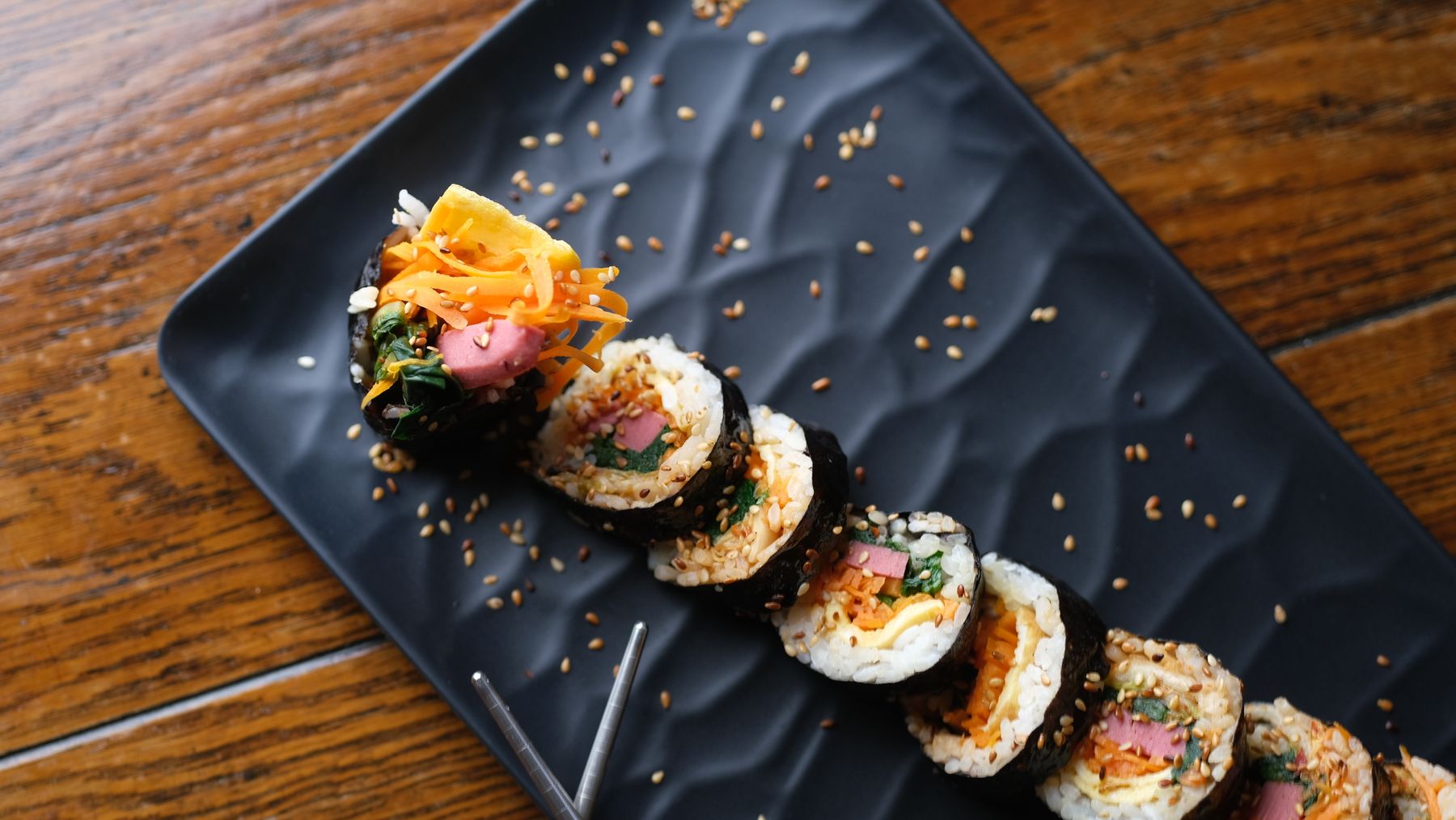
Knowing all that history didn’t instantly make it easier to shake off the modern awkwardness, though — for me, that took an actual afternoon, not a statistic. The one I keep coming back to happened three years into living here, on a Sunday in Ilsan Lake Park, when I ducked into a tiny ramyeon-and-kimbap place near the lake because I’d forgotten to eat before a long walk and everyone I knew was busy. I sat at a two-top by the window, ordered a bowl of ramyeon and a plate of tuna kimbap, and braced myself for the vaguely uncomfortable feeling I still associated with solo restaurant meals back then. It never came. The ahjussi running the place refilled my water, dropped off a small plate of pickled radish without a word, and went back to watching a baseball game on the TV mounted in the corner. Nobody looked at me twice. I remember thinking, somewhat absurdly, that I’d built up years of anticipated awkwardness around something that, in practice, took about eighteen minutes and ended with me full and slightly sunburned from the walk. That’s honestly the moment honbap stopped being a concept I was reading about and started being just lunch.
Where solo dining actually works
Not every restaurant format survived that shift equally, and this is the part guidebooks tend to gloss over. Some formats were basically built for one person from the ground up, and walking into them alone reads as completely unremarkable — nobody clocks it, nobody reseats you somewhere awkward, nobody brings extra chopsticks out of habit and then apologizes.
Gimbap chains are probably the most foreigner-friendly entry point, and I mean that literally. Kimbap Cheonguk (김밥천국) and its many regional clones have laminated menus the size of phone books, single-seat bar counters facing the kitchen, and a business model that has never once assumed you’re there with three friends. You order, you eat, you leave, and the whole interaction can take twelve minutes if you’re in a hurry.
Ramen and ramyeon bars follow the same logic — a lot of them are literally built as a single long counter, stools facing the wall or the cook, which if you’ve spent any time in Japan will look instantly familiar, and that’s not a coincidence given how much of Seoul’s ramen-bar aesthetic borrows directly from Tokyo.
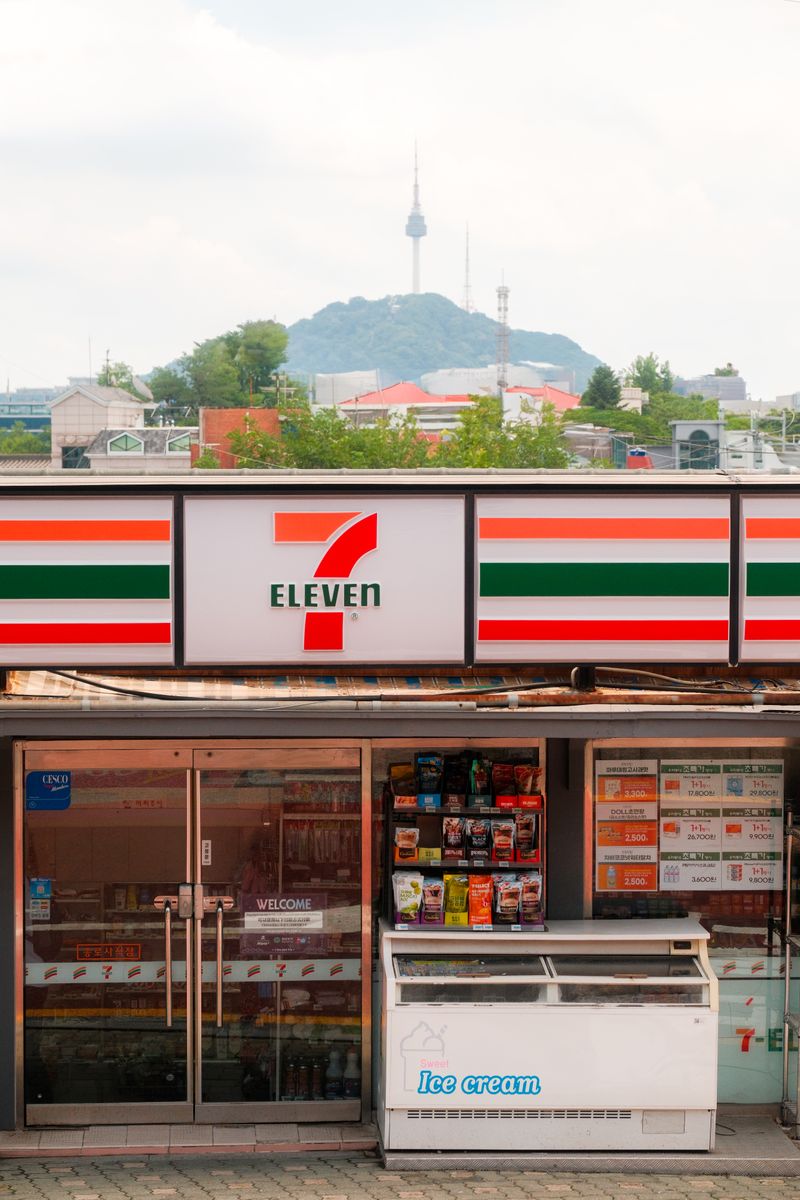
Convenience stores are their own category entirely: CU, GS25, 7-Eleven, and Emart24 all have those little plastic stools out front or a bar-height counter inside, specifically for people microwaving a triangle gimbap and a cup of instant ramyeon at 1am. Using them alone is so unremarkable it barely registers as a “solo dining” choice at all — it’s just lunch, and for a huge share of Seoul’s office workers it’s the default lunch, not a fallback.
Then there’s the newer wave of single-seat setups that restaurants added on purpose, once they realized honbap customers were a market worth chasing rather than a nuisance to tolerate — individual hot pot burners at the table, single-serving budae-jjigae pots, personal-size samgyetang bowls. These exist now specifically because a restaurant owner somewhere ran the numbers and decided one customer paying full price beats an empty seat. You honestly can’t tell, sitting at one of these counters, whether the restaurant was designed this way from day one or retrofitted for the honbap economy, and I’ve come to think that’s the whole point — it’s supposed to be invisible.
Where it’s still a little awkward
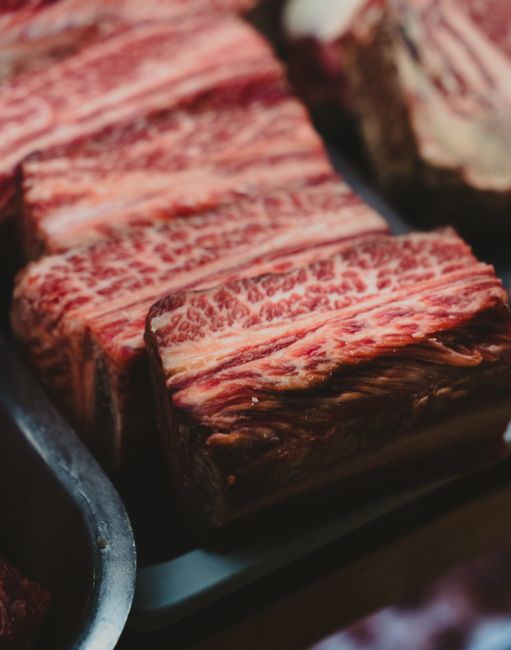
And then there’s the stuff that hasn’t caught up, and some of it probably never will, for reasons that are more about food chemistry and restaurant math than culture. Korean barbecue is the obvious one — a lot of places still have a two-person minimum order, not out of stubbornness but because the grill setup, the labor of tending a table’s fire, and the side-dish spread genuinely don’t make sense for one portion of samgyeopsal. A solo diner at a KBBQ spot still typically gets the same five to seven small banchan plates a table of four would get, which means the dishwashing labor and table real estate are wildly disproportionate to the revenue from one order of pork belly — that’s the actual math behind the “no solo diners” sign, not pure stubbornness. Some galbi places in my neighborhood in Ilsan will serve you solo if you order two portions and just eat both, which is a workaround, not a solution, and I’ve done it more than once purely because I wanted the smell of grilling pork belly on a rainy Tuesday and didn’t care that I’d be taking half of it home.
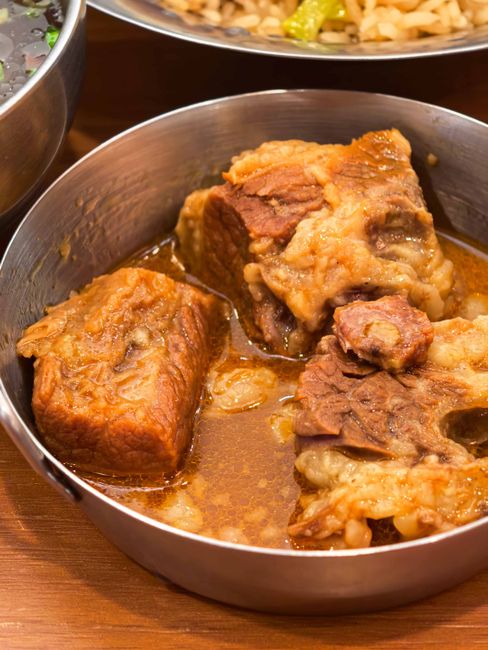
Group-portion stews are the other holdout — budae-jjigae, most jjigae ordered “big pot” style, dak-galbi, the stuff that arrives in a shared pot with everyone’s spoon going in from different directions. A lot of these dishes are portioned and priced around a minimum of two people almost as a structural fact of the recipe, not a policy decision, which means even the most honbap-friendly restaurant in Seoul might still tell you no for a table of one ordering dak-galbi specifically. It’s less “we don’t serve solo diners” and more “this dish doesn’t scale down cleanly,” which, honestly, is a more forgivable kind of no than the old-school version where the ajumma just didn’t want the hassle.
Why communal eating mattered so much in the first place
It’s worth understanding the historical weight behind all this, because the honbap trend isn’t just a lifestyle fad — it’s pushing against something that goes back centuries. The bapsang structure, that whole formal arrangement of rice, soup, kimchi, and rows of banchan spread across the table, has roots that trace to the Three Kingdoms period and got formalized hard during the Joseon dynasty, where the number of side dishes served at a table was practically a coded message about status — the king’s table reportedly ran to twelve dishes, noble households around nine, ordinary families closer to three or five. That’s not decoration, that’s a food system built explicitly around a group at a table, sharing from common plates, because the banchan themselves were never meant to be portioned per person to begin with.
There’s a word Koreans use for the emotional residue of that — 정 (jeong) — which doesn’t translate cleanly into English but gets described as something between affection, loyalty, and the specific warmth of shared history with someone. Passing a bowl, refilling someone’s water without being asked, pushing the best piece of galbi toward a guest — that’s jeong in action, and it’s genuinely hard to perform solo. You can’t pass banchan to yourself. So for a very long time, eating alone wasn’t read as odd behavior so much as a small, visible absence of the social fabric the meal was supposed to represent. Which, I think, is exactly why the honbap shift feels like such a big deal to people who grew up here — it’s not just about restaurant seating, it’s a quiet renegotiation of what a meal is actually for.
Practical tips if you still feel self-conscious
If you’re a foreigner in Korea and the idea of eating alone still makes you hesitate at the door, a few things genuinely help.
Start with formats that were built for it. Gimbap chains, ramyeon bars, and convenience store counters are close to zero-risk, and once you’ve done a few of those the muscle memory carries over to sit-down places.
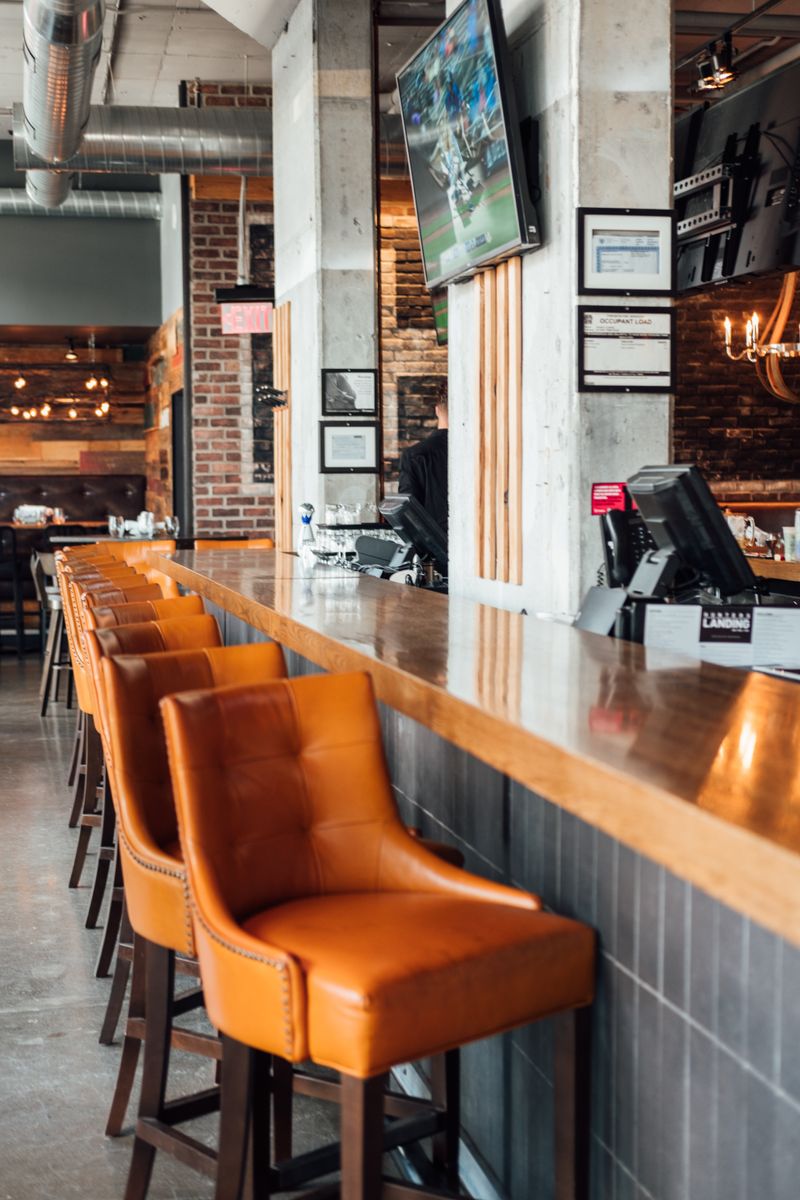
Look for single-seat bar counters facing the kitchen before you look for a table. A counter seat signals “efficient solo customer” in a way a four-top table doesn’t, and staff will treat you accordingly without you having to explain anything.
If you want Korean barbecue or a group-portioned stew and you’re genuinely alone, call ahead or check the door signage for “1인” (il-in, “one person”). Some places now explicitly market themselves as 1인 식당, one-person restaurants, and that label is doing real work — it tells you the kitchen has already solved the portioning problem so you don’t have to negotiate it.
Don’t assume a hesitant look from staff is judgment, either. Half the time it’s just them mentally recalculating which table makes sense for one person, the same recalculation a host in any country does before they’ve clocked how you’ll answer.
One more thing worth saying, and it deserves its own point rather than a throwaway line: honbap culture in Seoul specifically is well ahead of honbap culture in smaller cities and the countryside. What feels completely unremarkable in Hongdae might still get you a curious glance in a small town in Gyeongsangbuk-do. That’s not a contradiction of everything above, it’s just geography — trends radiate outward from Seoul on their own schedule, and food service is no exception. If you’re traveling outside the major metro areas and want a genuinely safe solo option regardless of region, gukbap (국밥) — rice served directly in a bowl of hot soup — is arguably the most honbap-proof dish in the entire country, because it was never a shared-pot food to begin with; it’s plated per person by default, which is probably why old-school truck-stop gukbap houses in rural areas have quietly served solo travelers for decades without anyone ever calling it a trend.
FAQ
Can I actually order Korean barbecue alone anywhere in Seoul?
In some places, yes — a growing number of samgyeopsal spots near university areas and business districts now offer single-portion grill setups specifically for honbap customers, often advertised with a “1인” sign near the door. But it’s still the exception rather than the rule; plenty of traditional galbi houses keep a genuine two-person minimum because the grill and side-dish economics don’t work below that, so it’s worth checking signage or asking before you sit down rather than assuming either way.
Will I get bad service or a worse table if I’m eating alone?
Rarely in Seoul proper, and almost never at places designed around solo dining like gimbap chains or ramyeon bars. You might occasionally get seated near the kitchen or at a smaller table rather than a prime window seat during a busy dinner rush, simply because staff are optimizing seating for revenue, the same as a host anywhere would with a party of one during peak hours — that’s a seating-efficiency decision, not a judgment on you personally.
Is honbap only a Seoul thing, or is it spreading nationwide?
It’s spreading, but unevenly. Busan and other larger cities have caught up fairly quickly, especially around university neighborhoods and business districts, while smaller towns and rural areas move slower simply because the single-person household numbers driving the whole trend are concentrated in big cities. If you’re traveling outside the major metro areas, lean on gimbap chains, convenience stores, ramyeon bars, and gukbap houses as your reliable fallback — those formats work almost everywhere in the country regardless of local dining norms.