Author: luxsman

  • Red Pens, Pig Dreams, and Other Korean Superstitions I Didn’t See Coming

    Red Pens, Pig Dreams, and Other Korean Superstitions I Didn’t See Coming

    A coworker once grabbed my wrist mid-signature. I had borrowed the only pen on her desk that actually worked, a red one, and was about to scrawl my name across a delivery slip when she stopped me like I’d reached for a live wire. “Not red,” she said, already swapping it for a black one. I laughed it off at the time, chalked it up to office quirk, and went about my day. It took me another two years in Korea to realize what she’d actually stopped: I’d almost written my own name in the color reserved for the dead.

    Superstition here isn’t a costume anyone puts on for a festival, and it isn’t a folk-tale relic trotted out for tourists at a hanok village. It lives in ordinary moments — a pen swap, a hesitation before handing someone a gift, a quick glance at a calendar app before booking a wedding hall. I’m Yijidaddy, an American who has now spent years raising a family in Korea, and what follows isn’t a checklist copied from a textbook. It’s the stuff I’ve actually bumped into, the moments where I said “wait, what?” out loud, and the explanations that followed.

    Fan Death: The One That Never Fully Left

    Somewhere in my first humid August here, an older relative on my wife’s side walked into our bedroom, saw the electric fan running with the door shut, and turned it off without a word of explanation — just an expression that said I was tempting fate. Fan death, the belief that sleeping in a sealed room with a fan running can kill you through suffocation, hypothermia, or some vague combination of the two, is one of Korea’s most famous superstitions abroad, and honestly one of the hardest for a foreigner to take seriously at first. I didn’t. I ran fans all night for a solid year before I even heard the term.

    Here’s what surprised me: this isn’t some ancient shamanistic holdover. It traces back to newspaper reports from the 1920s, decades before window-unit air conditioning was common, warning readers that this strange new appliance could cause facial paralysis or worse. Fans back then even sold with automatic timers built in specifically so people could set them to shut off in the middle of the night. Even now, in 2026, you’ll still find that timer button on nearly every fan sold at Korean electronics stores — a quiet, everyday fossil of a fear that officially nobody admits to believing anymore. My father-in-law will insist he doesn’t buy into fan death, and then, without fail, hits the timer button before he goes to sleep. The belief may have faded; the reflex it trained into three generations clearly hasn’t.

    Writing a Name in Red Ink

    Back to that pen. In the family register system Korea used for generations, the names of the deceased were recorded in red ink, which is why writing a living person’s name in red carries an unmistakable undertone: either you’re marking them for death, or you’re already treating them as gone. I’ve since watched this rule hold firm in places you wouldn’t expect — teachers correcting homework in red are fine because that’s marking mistakes, not names, but a red signature on a contract, a red-inked birthday card, even a red highlighter dragged under someone’s name on a whiteboard can draw an actual wince from people in the room.

    What I didn’t expect is how the rule bends depending on context. Grading in red is completely normal. Red seals on official documents (the kind used for stamping instead of signing) are totally fine too, since that’s a different tradition entirely. It’s specifically the handwritten name, in red, that sets people on edge. My daughter came home from elementary school once having used a red gel pen to write her friend’s name on a birthday card, purely because it was the prettiest color in her pencil case, and her teacher gently steered her toward a different pen without making it a whole lesson. No lecture, just a quiet correction — which somehow made me take the superstition more seriously than if she’d explained it outright.
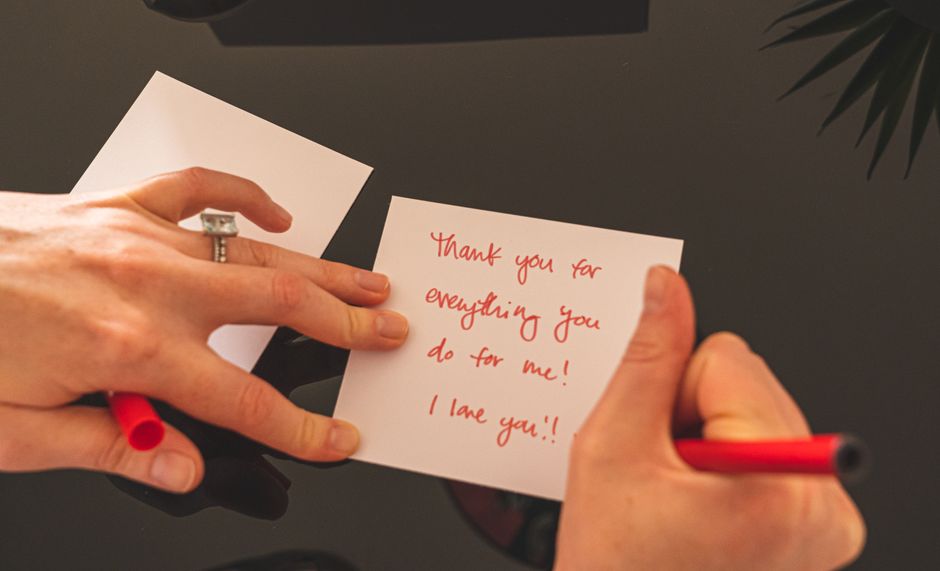
    A hand writing with a red pen on paper

    The Number Problem: Four, and the Math of Gift Money

    If red ink marks the end of a life on paper, numbers can apparently summon the same ending out loud. You’ve probably already heard that many Korean apartment buildings skip labeling the fourth floor “4,” swapping in an “F” instead, since the number four (사, sa) is a near-homophone for the word for death. I’ve written about that building quirk elsewhere, so I won’t retread it here — but the number-four aversion runs well past elevator buttons, and that’s the part fewer people talk about.

    It shows up hardest at weddings, in the little white envelopes everyone hands over at the door. Korean wedding gift money is supposed to come in odd numbers of 10,000-won units — 30,000, 50,000, 70,000, 100,000 — because odd numbers are traditionally read as auspicious, tied to yang energy, while even numbers lean toward yin and, by extension, funerals. It sounds like a tidy rule right up until you’re standing at an ATM doing the math under pressure: 40,000 won is out for the obvious reason (there’s that 4 again), but so is anything landing on an even multiple once you’re past six figures, unless it happens to be a “double” amount like 100,000, which gets a pass because round hundred-thousands are treated as their own category. I showed up to my first Korean wedding with what I thought was a perfectly generous 40,000 won tucked into a card, and the friend who’d invited me pulled me aside at the entrance to fix it before I even got near the guestbook table. Fifty thousand, cash, plain envelope, no note. I’ve never miscounted since — the number stuck the way a burned hand remembers a stove.

    Picking a Wedding Date Isn’t Just About the Venue’s Calendar

    This is the one that genuinely surprised me, because it runs so counter to how casually a lot of Western couples pick a wedding date — whatever Saturday the venue and the caterer both have open. In Korea, plenty of couples, especially when either family leans traditional, will still take their birth information to a saju reader for something called gunghap (궁합), a compatibility reading that checks how well two people’s “four pillars of destiny” — birth year, month, day, and hour — line up with each other.

    If the gunghap reading comes back favorable, the next step is taekil (택일): picking an actual auspicious date for the ceremony itself, sometimes down to the hour, cross-referenced against the lunar calendar and each partner’s chart. I’ve sat in on this process exactly once, for my wife’s cousin, and it was nothing like the mystical Hollywood version I’d half-expected — no incense, no candlelight, no dim back room. It happened in a bright, ordinary-looking office two floors above a dry cleaner, the fortune teller working from a laptop and a well-worn paper ledger side by side, occasionally tapping dates into a calendar app while flipping back to a chart printed in hanja. It looked more like a scheduling meeting with extra math than a séance — the couple sitting there half-amused, half-genuinely invested, waiting to see which Saturday would survive the cross-check. Even couples who describe themselves as “not really believers” often go through with it anyway, treating it less like prophecy and more like a cultural formality you don’t skip, the way you might not skip asking a parent’s blessing even if their answer was never really in doubt. Surprisingly, more than one Korean friend has told me they’d never marry someone their family’s fortune teller flagged as a bad match, even if every other sign pointed to “yes.” That’s not something I expected to hear from people who also, in the same conversation, laughed off horoscopes as nonsense.

    A Korean couple in traditional hanbok at a wedding ceremony

    What You Should Never Wrap and Hand Someone

    That same hyper-attention to auspicious timing doesn’t stop at the altar; it follows the couple straight into the gift-wrapping aisle. Gift-giving here comes with its own quiet minefield, and I found most of it out the hard way, one raised eyebrow at a time.

    Footwear and fast exits. Shoes are the big one for couples: give your girlfriend or boyfriend a pair of shoes and, according to the old belief, you’re handing them a fast exit — they’ll literally run away from you in them. I’ve noticed this one softening in real time. Younger couples I know gift sneakers to each other constantly, often as a joke referencing the superstition itself (“don’t run away, okay?” scrawled on the box), which tells you something about how a taboo survives even after most people stop fearing it: it turns into a bit.

    Clocks and other linguistic landmines. Clocks are a firmer no, and this one still holds strong across age groups. The issue isn’t the object, it’s the phrase — “to give a clock” in Chinese characters (送鐘, songjong) sounds identical to a phrase meaning “to attend a funeral” or “to see someone off in death.” Picture handing a friend a wristwatch in English and having it come out of your mouth sounding exactly like “here’s to your funeral” — that’s the jolt a Korean grandmother hears when a clock comes out of the wrapping paper. I nearly bought my father-in-law a nice wall clock for his birthday before a Korean friend physically intercepted me in the store. Handkerchiefs made the same “no” list in my research, for a similarly grim reason: they’re associated with wiping away tears, which makes them read less like a gift and more like an omen. Knives and scissors round out the taboo list too, tied to the fear of “cutting” a relationship — though I’ve watched people gift kitchen knife sets anyway, usually taped with a coin so the recipient can technically “buy” the knife for a token amount and dodge the curse on a technicality. Even the workarounds have their own logic.

    A pair of shoes neatly packed in a gift box

    What You Dream About on New Year’s Actually Matters

    The superstition I’ve come to enjoy the most, mostly because it’s the only one that comes with genuine excitement attached rather than dread, is 돼지꿈 — the pig dream. Dream about a pig, especially a fat one, or better yet a whole crowd of them, and you’re supposedly due for a windfall. The connection isn’t random: the Sino-Korean character for pig overlaps conceptually with abundance and wealth, and pigs themselves have long symbolized prosperity in Korean folk tradition, the same way they show up on old wedding chests and in New Year folk paintings.

    What genuinely surprised me the first time I heard about it was how literally people act on it. Dream about a pig around New Year’s — Seollal or just the start of the Gregorian calendar year — and it’s completely normal to head straight to a lottery kiosk and buy a ticket before the feeling fades. My wife did exactly this on January 2nd one year, recounting a dream about a pig blocking traffic on the way to her office, and bought five thousand won of instant scratch tickets on her lunch break. She didn’t win anything, for the record, but she wasn’t remotely embarrassed about having tried, and neither was the coworker standing next to her in line doing the exact same thing. It’s treated less like blind faith and more like hedging a bet you already feel good about — low cost, genuine excitement, zero shame if it doesn’t pan out.

    Even more than the buying, it’s the trading that got me. A good pig dream is treated almost like a tradable asset — I’ve heard of coworkers half-jokingly offering to “sell” a particularly vivid pig dream to a friend for a few thousand won, on the theory that once you’ve described a dream out loud and someone else “buys” it, the luck transfers with the story. Whether anyone actually collects on that is beside the point; the ritual of it is the fun. And the lottery-line effect is real, not just family folklore — convenience-store lottery counters near office districts in Seoul reliably see longer Monday-morning queues right after New Year’s, filled with people who woke up from the right kind of dream over the holiday and aren’t about to let the feeling go to waste. It’s the one superstition on this list where nobody’s afraid of anything. Everybody’s just hoping.

    Believing a Little, On Purpose

    What strikes me most, after all these years, isn’t that Koreans “believe” in superstition in some absolute sense — most people I know would tell you, straight-faced, that they don’t put real stock in fan death or red ink. And yet the fan timer still gets pressed. The red pen still gets swapped out. The wedding envelope still gets counted twice. I’ve started doing some of this myself, not because I’ve become a believer exactly, but because the habits carry their own quiet logic once you’ve lived inside them long enough. There’s something almost comforting about a superstition nobody fully believes but everybody still honors — it costs nothing to be careful, and the alternative is being the one person in the room who finds out the hard way that everyone else was taking it more seriously than they let on.

    Frequently Asked Questions

    Is fan death taken seriously by younger Koreans, or is it mostly an older generation thing? In my experience it splits generationally but not as cleanly as you’d expect. Most people under 40 will tell you it’s not real, medically speaking, but plenty of them still won’t run a fan all night in a sealed room out of pure habit — less belief, more muscle memory passed down from parents and grandparents.

    Do foreigners get a pass on these superstitions, or is it considered rude to break the rules by accident? Nobody’s ever gotten angry at me for a slip-up — the red pen moment, the almost-clock — but the correction usually comes fast and a little bit protective, like they’re saving you from bad luck rather than judging you for ignorance. I’d still say learn the shoes-and-clocks list before your first big Korean event; it’s a small thing that goes a long way.

    What happens if you can’t avoid an even-numbered amount of wedding gift money, say because that’s all the cash you have on hand? In practice, people just round up. I’ve never seen anyone hand over an awkward even number on principle — you go to an ATM, you round to the nearest odd ten-thousand, and nobody thinks twice about it. The rule bends to convenience far more easily than the shoes-and-clocks rule does.

  • 이스터섬 모아이 석상, 900개의 돌 얼굴은 누가 왜 만들었나

    이스터섬 모아이 석상, 900개의 돌 얼굴은 누가 왜 만들었나

    칠레 본토에서 3,700km 떨어진 태평양 한가운데, 인구 8천 명이 안 되는 작은 섬에 키 4m짜리 돌 얼굴 900개가 늘어서 있다는 사실부터가 좀 이상하지 않은가. 이스터섬(라파누이) 이야기를 처음 들으면 다들 “외계인이 만든 거 아니냐”는 농담부터 던지는데, 외계인이 만들었다는 그 실없는 농담이 어쩌면 인간에게 보내는 가장 큰 찬사였는지도 모른다. 적어도 학자들도 한동안 “대체 어떻게”라는 질문 앞에서 속 시원한 답을 못 내놨으니까. 그런데 2025년 11월 27일, 국제 학술지 플로스원(PLOS ONE)에 흥미로운 논문 하나가 실리면서 이 오래된 수수께끼의 퍼즐 조각이 하나 더 맞춰졌다. 다름 아니라 “대체 누가 이 일을 주도했는가”라는, 가장 근본적인 질문에 대한 단서였다.

    모아이는 누가, 언제 만들었나

    모아이(Moai)는 1250년부터 1500년 사이, 폴리네시아 동쪽 끝 라파누이족이 조각한 사람 얼굴 모양 석상이다. 250년이라는 긴 시간 동안 꾸준히 만들어졌다는 뜻인데, 이게 벌써 첫 번째 반전이다. 한 왕이 즉위 기념으로 한꺼번에 세운 게 아니라, 세대를 넘나들며 이어진 프로젝트였다는 얘기다. 섬 전체에 흩어진 석상 수는 약 900개, 평균 무게는 12.5톤. 가장 큰 것은 “엘 기간테”라는 별명이 붙은 미완성 석상으로, 완성됐다면 21m에 무게가 270톤을 넘었을 거라는 추정이 나온다. 저 무게를 실감하려면 시내버스 스무 대를 겹쳐 놓은 정도라고 생각하면 된다.

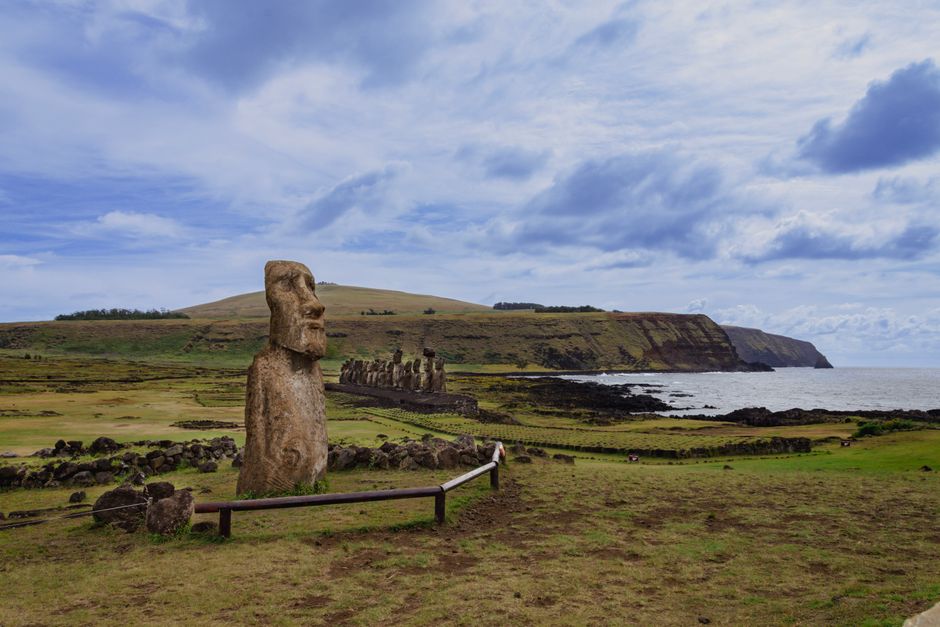
    이스터섬 모아이 석상들이 초원 위에 줄지어 서 있는 모습

    중앙 권력이 다 만들었을 거란 생각, 틀렸다

    보통 이런 대규모 석상 프로젝트라고 하면 이집트 피라미드처럼 왕이 명령을 내리고 수만 명이 동원되는 그림을 떠올리기 마련이다. 그런데 미국 빙엄턴대(Binghamton University)와 애리조나주립대(Arizona State University) 공동 연구팀이 라노 라라쿠(Rano Raraku) 채석장 일대를 다시 조사한 결과는 좀 달랐다. 채석장 안에서 최소 30개의 독립된 작업 구역이 확인됐고, 각 구역마다 조각 방식이 미묘하게 달랐다는 것이다. 얼굴부터 먼저 새기는 팀, 몸통 블록을 통째로 떠내는 팀, 수직 절벽 지형에 맞춰 옆으로 눕혀 작업하는 팀까지 — 마치 각 동네 목수마다 손에 익은 방식이 따로 있는 것처럼.

    이걸 보고 연구팀이 내놓은 결론은 “하나의 중앙 권력이 총지휘한 게 아니라, 소규모 친족 집단 여럿이 수평적으로 협업했다”는 쪽이었다. 왕정 국가라기보다는 이웃한 씨족들이 각자 구역을 맡아 경쟁하듯, 혹은 협력하듯 작업했다는 그림에 가깝다. 라파누이 인구가 한창때도 1만 5천 명 안팎이었다는데, 요즘으로 치면 웬만한 아파트 단지 두세 개를 합친 정도의 사람들이 12톤짜리 돌을 900개나 깎아냈다는 얘기다. 그러니 오히려 이 편이 훨씬 설득력 있게 다가온다. 거대한 관료제 없이도, 이웃 씨족끼리 “저쪽은 벌써 저만큼 세웠는데” 하며 은근히 자극받았을 법한 소규모 경쟁 구도라면 충분히 가능한 규모니까.

    그럼 저 무거운 돌을 어떻게 옮겼을까

    채석장에서 만들었다는 건 알겠는데, 문제는 완성된 석상 대부분이 채석장에서 수 킬로미터 떨어진 해안가 아후(Ahu, 제단)에 서 있다는 점이다. 바퀴도 없고 대형 가축도 없던 섬에서 12톤짜리 돌을 어떻게 끌고 갔을까 싶은데, 이 질문 하나가 학자들 머리를 수십 년째 쥐어짜게 만든 해묵은 숙제였다. 한때는 통나무를 깔고 굴렸다는 설이 정설처럼 받아들여졌는데, 라파누이는 삼림 파괴가 심각했던 섬이라 그 많은 통나무가 어디서 났느냐는 반박이 만만치 않았다.

    그러다 2012년 미국 학자 칼 리포(Carl Lipo)와 테리 헌트(Terry Hunt)가 내놓은 “걷는 모아이” 가설이 꽤 화제를 모았다. 밧줄 세 개를 석상 상단부에 묶어 좌우로 번갈아 당기면, 무게중심이 앞으로 쏠리면서 석상이 이동한다는 실험이었다. 성인 두세 명이 덩치 큰 냉장고를 억지로 옮길 때 양옆으로 기울여가며 뚱땅뚱땅 걷게 만드는 그 동작을 떠올리면 딱 맞다 — 왼쪽 밧줄을 당기면 오른쪽으로 무게가 쏠리며 한 걸음, 다시 오른쪽 밧줄을 당기면 왼쪽으로 한 걸음, 이런 식으로 갸우뚱거리며 조금씩 전진하는 방식이다. 실제로 라파누이 후손들의 구전 설화에도 “모아이가 스스로 걸어서 자리를 찾아갔다”는 이야기가 전해 내려온다는 점이 이 가설에 힘을 실어준다. 전설이 은유였을 뿐이라는 건데, 은유치고는 꽤 정확한 물리학적 묘사였던 셈이다.

    이스터섬 해안가에 세워진 아후 위 모아이 석상

    왜 만들었나 — 조상신을 마주 보게 하다

    모아이가 왜 만들어졌는지는 비교적 합의가 잘 이뤄진 편이다. 라파누이 사회에서 모아이는 조상의 영혼, 즉 마나(mana)를 담는 그릇으로 여겨졌다. 그래서 대부분의 석상은 바다가 아니라 마을 쪽을 바라보도록 세워졌다. 흔히 오해하는 것과 반대로, 바다를 감시하려고 만든 게 아니라 후손들을 지켜보고 보호하려고 마을 방향으로 얼굴을 돌린 것이다. 눈이 텅 비어 있는 석상이 많은데, 원래는 산호로 만든 흰자와 흑요석 눈동자를 끼워 넣어 “눈을 뜬” 상태로 완성했다는 흔적도 발굴되었다. 눈을 넣는 의식을 치른 순간부터 그 석상에 실제로 영적인 힘이 깃든다고 믿었다는 뜻이다.

    하지만 역설적이게도, 조상신을 향한 이 거대한 신앙은 비극적인 결말로 치달았다. 이렇게 애지중지 만들어 세운 석상들이 정작 유럽인들이 도착했을 무렵에는 대부분 쓰러져 있었던 것이다. 1722년 네덜란드 탐험가 야코프 로헤베인(Jacob Roggeveen)이 부활절 일요일에 이 섬을 발견해 “이스터섬”이라는 이름을 붙였을 때만 해도 상당수 석상이 서 있었다는 기록이 있는데, 이후 100여 년 사이 부족 간 갈등 속에서 서로의 조상신을 상징하는 석상을 일부러 쓰러뜨리는 일이 벌어졌다는 설이 유력하다. 제한된 섬 안에서 인구가 늘고 경작지와 목재가 바닥나면서, 씨족 간 다툼이 상대방의 신앙 그 자체를 겨냥하는 방향으로 번져간 셈이다.

    여전히 남은 수수께끼들

    2025년 연구로 “누가”에 대한 답은 한결 또렷해졌지만, 여전히 풀리지 않은 조각도 있다. 채석장에서 최종 목적지까지 정확히 어떤 도구와 인원으로 이동시켰는지, 그 과정에서 얼마나 많은 인력이 동원됐는지는 여전히 추정에 머물러 있다. 몸통은 채석장에 묻힌 채 얼굴만 지상에 드러나 있는 석상 사진을 본 적 있을 텐데, 이것도 흔히 오해하는 부분이다. “얼굴만 있는 석상”이 아니라, 화산섬 특유의 부드러운 화산재와 흙이 비바람에 씻겨 내려와 수백 년간 서서히 쌓이면서 몸통 전체가 지하에 파묻힌 것뿐이다. 실제로 발굴해보면 몸통에 등에 새긴 문양이나 팔 모양까지 온전히 남아 있는 경우가 많다.

    개인적으로 이 이야기를 좋아하는 이유는, 미스터리가 풀린다고 해서 신비로움이 사라지지 않는다는 점 때문이다. “외계인이 만들었다”는 설명보다 “8천 명 남짓한 섬사람들이 수백 년에 걸쳐 이웃끼리 경쟁하듯 돌을 깎았다”는 진짜 이야기가 오히려 더 놀랍게 느껴진다. 도구도 크레인도 없이 순전히 사람의 손과 협력만으로 저만한 규모의 유산을 남겼다는 사실 자체가, 어떤 초자연적 설명보다 인간에 대해 더 많은 걸 말해주는 셈이다.

    자주 묻는 질문

    모아이 석상은 실제로 몇 개나 남아 있나요?

    현재까지 확인된 모아이는 약 887~900개 사이로 집계된다(조사 기관마다 미세하게 다르게 발표한다). 이 중 완전히 서 있는 상태로 아후 위에 놓인 것은 절반이 채 안 되고, 나머지는 채석장 주변에 미완성으로 남았거나 이동 도중 쓰러진 채 방치된 경우다. 가장 유명한 아후 통가리키(Ahu Tongariki)에는 석상 15개가 나란히 복원되어 있는데, 이건 1960년 쓰나미로 흩어졌던 것을 1990년대에 일본 기업의 후원으로 다시 세운 결과다.

    이스터섬을 직접 여행으로 가려면 어떻게 해야 하나요?

    이스터섬(라파누이)은 칠레령이라 보통 산티아고를 경유해서 들어간다. 산티아고에서 이스터섬까지 항공편으로 약 5시간 반이 걸리고, 라탐항공(LATAM)이 사실상 유일한 정기 노선을 운항한다. 섬 자체가 유네스코 세계문화유산이라 입장료(약 80달러 상당, 현지 통화 기준 변동 있음)를 내고 국립공원 형태로 관리되는 구역을 둘러보게 된다. 한국에서 간다면 최소 이틀은 이동에만 써야 하는 만만치 않은 여정이라, 남미 여행 일정에 묶어서 가는 경우가 대부분이다.

    왜 하필 이 섬에서만 이런 거대 석상 문화가 발달했나요?

    폴리네시아 다른 섬에서도 조상 숭배 문화와 석조 유물은 존재하지만, 이스터섬만큼 규모가 크고 통일된 양식으로 발전한 사례는 드물다. 학자들은 섬이 극도로 고립돼 있었다는 점을 주요 원인으로 꼽는다. 가장 가까운 유인도까지도 수천 킬로미터 떨어져 있다 보니 외부와 교류가 거의 없었고, 자연히 독자적인 신앙 체계와 조각 전통이 수백 년간 방해받지 않고 축적될 수 있었다는 설명이다.

    ※ 이 글은 공개된 학술 연구 및 언론 보도를 바탕으로 정리한 콘텐츠이며, 최신 발굴 결과에 따라 세부 수치나 해석이 달라질 수 있습니다.

  • 여수 당일치기, 동백숲에서 시작해 밤바다 야경으로 끝내는 하루

    여수 당일치기, 동백숲에서 시작해 밤바다 야경으로 끝내는 하루

    2012년 여수엑스포가 도시에 남긴 유산이 여러 가지라지만, 정작 대한민국 사람들 머릿속에 “여수” 두 글자를 콱 박아 넣은 건 다름 아닌 버스커버스커의 노랫말이었다. 노래가 나온 지 벌써 14년, 그런데도 여수 숙소 예약률이 여름마다 그 노래 하나로 들썩인다면 믿을 사람이 몇이나 될까 싶지만, 실제로 여수 관광 담당자들 사이에서는 공공연한 이야기다. 서울역에서 KTX를 타면 여수엑스포역까지 2시간 46분, 왕복 교통비까지 넉넉잡아 10만 원 안팎이면 하루 만에 다녀올 수 있는 거리라 당일치기로도 충분히 승부를 볼 수 있다. 다만 아침부터 서둘러야 밤바다까지 다 챙길 수 있다는 게 함정이라면 함정이다.

    대략적인 동선을 먼저 그려보면 이렇다. 08:30 여수엑스포역 도착 → 09:00 오동도 산책 → 11:30 점심(게장백반 또는 서대회무침) → 14:00 해상 케이블카 → 16:00 이순신광장 간식 투어 → 19:00 낭만포차거리 → 21:00 여수엑스포역 복귀. 이 순서대로만 움직이면 웬만해서는 밤바다까지 놓치지 않고 하루 안에 다 담을 수 있다.

    오전 — 오동도, 동백꽃보다 방파제가 먼저 반긴다

    여수역에서 택시로 15분, 버스로는 30분 남짓이면 오동도 입구에 닿는다. 섬 이름에 오동나무가 들어가지만 정작 지금 섬을 뒤덮은 건 동백나무 약 5천 그루다. 개화 시기가 아니라도 상록수라 사시사철 초록빛 터널을 걸을 수 있다는 게 의외의 포인트인데, 방문객 대부분은 이 사실을 모르고 왔다가 “겨울에만 오는 곳 아니었어?”라고 되묻는다. 입장은 무료, 다만 방파제 산책로만 걸어도 왕복 40분은 잡아야 한다. 섬 안쪽 용굴과 등대 전망대까지 올라가면 그제야 남해 다도해가 한눈에 펼쳐지는데, 이 풍경 하나 보자고 아침 일찍부터 KTX를 탄 보람이 여기서 시작된다. 걷는 게 부담스럽다면 편도로 운행하는 동백열차를 타는 방법도 있다. 요금은 편도 1천 원 안팎으로 저렴한 편이라, 갈 때는 걷고 올 때는 열차로 돌아오는 식으로 체력을 아끼는 사람도 많다.

    여수 오동도 동백나무 숲길과 남해 바다 전경

    점심 — 간장게장이냐 서대회무침이냐, 단짠과 새콤함 사이

    여수 로컬들에게 “점심 뭐 먹을까요” 물어보면 열에 여덟은 두 가지로 갈린다. 하나는 간장게장·양념게장이 통째로 나오는 게장백반, 다른 하나는 삭힌 홍어 대신 서대라는 생선을 새콤달콤하게 무친 서대회무침이다. 여행객 입장에서는 게장백반 쪽이 실패 확률이 낮은 편인데, 1인분에 2만 원대 후반부터 시작하는 가격이 서울보다 살짝 비싸다고 느껴질 수도 있다. 그런데 막상 게딱지 안에 밥을 비벼 넣는 순간, 저 가격이 아깝지 않았다는 걸 다들 인정하게 된다. 요즘은 대부분 식당이 밥 1회 무료 리필 정도는 기본으로 해주는데, 간장게장과 양념게장을 번갈아 가며 밥 한 공기를 뚝딱 비우고 나면 “이래서 여수 오지” 소리가 절로 나온다. 여수종합버스터미널 인근이나 중앙동 골목에 오래된 백반집이 몰려 있어 골라 먹는 재미도 쏠쏠하다.

    오후 — 해상 케이블카, 발밑이 뻥 뚫린다는 게 이런 거구나

    점심을 먹고 나면 슬슬 돌산공원 쪽으로 이동할 차례다. 여수 해상 케이블카는 국내 최초로 바다 위 구간을 통과하는 노선인데, 자산공원에서 돌산공원까지 편도 1.5km, 왕복 약 13분이 걸린다. 일반 캐빈도 있지만 발밑이 강화유리로 된 크리스탈 캐빈이 진짜 인기다. 가격은 왕복 기준 일반 캐빈 1만 5천 원, 크리스탈 캐빈은 2만 5천 원 선(2026년 기준, 시기별 변동 있음)으로 만 원가량 차이가 나는데, 발밑으로 새파란 바다가 통째로 내려다보이는 그 순간을 한 번쯤 겪어보면 왜 다들 크리스탈 캐빈을 고르는지 이해가 간다. 고소공포증이 있다면 미리 각오하는 게 좋다 — 첫 하강 구간에서 진짜로 다리에 힘이 풀리는 사람들이 매년 속출한다니까. 개인적으로는 해 지기 직전, 하늘이 주황빛에서 남색으로 넘어가는 그 짧은 순간에 캐빈 안에서 사진을 찍어두라고 권하고 싶다. 낮에 찍은 사진과는 완전히 다른 색감이 나온다.

    여수 밤바다 위로 지나가는 해상 케이블카

    간식 투어 — 이순신광장 주변, 양손 가득 채우는 재미

    케이블카에서 내려오면 해는 이미 뉘엿뉘엿 넘어가고 있을 시간이다. 요즘 이순신광장 일대는 개성 있는 디저트 가게가 하나둘 늘면서 젊은 여행객 사이에서 “여수의 성수동”이라 불릴 만큼 분위기가 달라졌다. 거북선 모양으로 구워낸 거북선빵, 여수 특산 딸기로 만든 딸기모찌, 갓김치를 응용한 갓버터샌드까지 — 양손에 쇼핑백 하나씩 들고 광장 계단에 앉아 바다를 바라보는 게 요즘 당일치기 여행자들 사이의 국룰 코스로 자리 잡았다. 대기 줄이 길어 보여도 회전율이 빠른 가게가 많으니 겁먹지 말고 일단 줄부터 서보는 걸 추천한다.

    저녁 — 낭만포차거리와 이순신광장, 걷다 보면 밤이 온다

    도보로 5분 남짓이면 이순신광장에 닿는데, 거북선 모형과 분수, 야간 조명이 어우러진 이 광장이 여수 구도심의 상징 같은 공간이다. 광장 바로 옆에는 컨테이너 박스로 꾸며진 낭만포차거리가 있어, 여기서 갓김치를 곁들인 안주 하나에 소주 한잔 걸치는 게 여수 여행의 정석 코스처럼 자리 잡았다.

    밤 8시쯤 이순신광장에서 여수엑스포역까지는 택시로 10분이면 충분하다. 막차 KTX가 보통 밤 9시 반에서 10시 사이에 있으니, 시간 계산만 잘 해두면 당일치기로도 여수 밤바다의 낭만을 놓치지 않고 서울로 돌아올 수 있다. 물론 1박 하면서 여수 사도 케이블카나 향일암까지 욕심내는 사람도 많지만, 딱 하루만 낼 수 있다면 오동도·게장백반·해상케이블카·이순신광장 이 네 가지만으로도 충분히 “여수 다녀왔다”고 말할 수 있는 하루가 완성된다.

    자주 묻는 질문

    여수 당일치기, 서울에서 첫차로 출발하면 몇 시부터 움직일 수 있나요?

    용산역 기준 여수엑스포행 첫 KTX가 보통 오전 5~6시대에 출발한다. 이 열차를 타면 오전 8시 반에서 9시 사이 여수엑스포역에 도착하는 셈이라, 오동도부터 시작하는 위 일정을 여유 있게 다 소화할 수 있다. 다만 새벽 출발이 부담스럽다면 오전 7~8시대 열차를 타도 오동도와 케이블카, 저녁 낭만포차거리까지는 충분히 가능하고, 게장백반 점심 시간만 조금 당겨서 움직이면 된다.

    여수 해상 케이블카는 예매를 미리 해야 하나요?

    주말이나 성수기(여름휴가철, 가을 단풍철)에는 크리스탈 캐빈 대기 시간이 1시간을 훌쩍 넘기는 경우가 흔하다. 공식 홈페이지나 예매 앱에서 시간대를 지정해 미리 끊어두면 현장 대기를 크게 줄일 수 있다. 평일 오후라면 현장 구매로도 크게 무리 없는 편이지만, 노을 시간대(오후 5~7시)는 평일에도 붐비니 이 시간대를 노린다면 예매를 권한다.

    차 없이 대중교통만으로 하루 코스를 다 돌 수 있나요?

    가능하다. 여수엑스포역 앞에서 오동도행 버스와 시내버스가 자주 다니고, 오동도-시내-돌산공원 구간도 택시비가 대략 8천 원에서 1만 2천 원 선이라 서울 물가에 익숙한 여행객이라면 오히려 저렴하게 느껴질 수 있다. 다만 배차 간격이 서울만큼 촘촘하지 않으니, 이동 구간마다 택시를 적절히 섞어 쓰는 편이 시간을 아끼는 데 훨씬 유리하다.

    당일치기 여행인데 짐은 어디에 맡기면 좋을까요?

    여수엑스포역 안에 물품보관함이 있긴 한데, 주말이나 성수기 오전에는 빈 칸을 찾기가 은근히 힘들다. 보관함이 꽉 찼다면 역 근처 관광안내소에 문의해보는 것도 방법이다. 짐 때문에 오동도 산책까지 포기하는 사람들을 종종 보는데, 아침에 역에 도착하자마자 보관함부터 확인하는 습관을 들이면 하루 일정이 훨씬 가벼워진다.

  • 제육볶음 황금레시피, 여덟 번 실패하고 찾은 진짜 이유

    제육볶음 황금레시피, 여덟 번 실패하고 찾은 진짜 이유

    삼겹살보다 싸고 목살보다 실패 확률이 높은 부위, 그게 제육볶음용 앞다리살이다. 처음 제육볶음에 도전했던 날을 아직도 기억하는데, 고기는 질기고 양념은 겉돌고 프라이팬 바닥엔 물이 흥건히 고여 있었다. 국물 있는 볶음밥 재료를 만든 셈이었달까. 그날 이후로 레시피만 여덟 개쯤 비교해가며 만들어본 끝에, 이제는 “왜 그때 실패했는지” 원인을 하나하나 짚을 수 있게 됐다. 결론부터 말하면 문제는 대부분 세 가지 중 하나였다 — 고기 부위, 재우는 타이밍, 그리고 불 세기.

    고기 고르기 — 냉장 목전지가 답이다

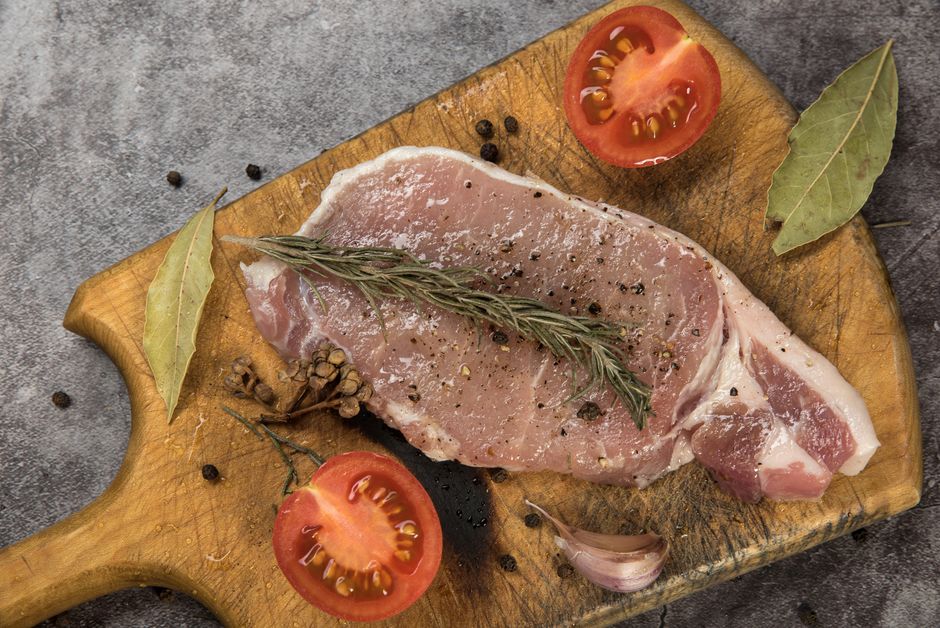
    제육볶음에는 앞다리살이나 목전지를 주로 쓰는데, 정확히 말하면 목전지는 목살과 앞다리살 사이 경계 부위를 가리킨다. 살코기와 비계가 적당히 섞여 있어서 비계가 거의 없는 순살 부위보다 훨씬 촉촉하게 볶아진다. 비계가 너무 없으면 구울 때 퍽퍽해지고, 반대로 너무 많으면 느끼해지는데 목전지는 그 사이 어딘가에서 딱 균형을 잡아주는 부위다. 이왕이면 냉동보다 냉장 상태 고기를 고르는 게 좋다. 냉동육은 해동 과정에서 수분이 빠져나가면서 육즙 손실이 크고, 식감도 뻑뻑해지기 쉽다. 정육점에서 “제육볶음용으로 썰어주세요”라고 하면 보통 0.5cm 두께로 썰어주는데, 이 정도 두께면 짧게 구워도 속까지 잘 익는다. 너무 두껍게 썰면 겉은 타는데 속은 안 익는 불상사가 생기니, 두께는 눈대중으로라도 확인하고 사는 게 좋다.

    제육볶음 재료로 쓰이는 생고기와 채소

    양념장 황금비율 — 고추장보다 고춧가루 비중을 높여라

    양념장 비율을 두고 입맛에 따라 의견이 엇갈리지만, 여러 레시피를 비교해보니 대략 이 비율에서 크게 벗어나지 않았다. 돼지고기 500g 기준으로 고추장 2큰술, 고춧가루 1.5큰술, 간장 2큰술, 설탕 1큰술, 다진 마늘 1큰술, 다진 생강 아주 조금, 후추 약간, 참기름 1큰술이 기본 골격이다. 여기에 사과나 배를 강판에 갈아 1/4개 정도 넣으면 고기 특유의 누린내가 거짓말처럼 잡히고 단맛이 훨씬 자연스러워진다. 과일에 든 효소가 고기 단백질 조직을 살짝 풀어주면서 육질까지 부드럽게 만드는 원리인데, 매번 과일을 갈기 귀찮다면 시판 배도라지즙이나 사과주스 한 스푼으로 대신해도 큰 차이는 안 난다. 시판 육수용 다시다나 굴소스를 반 큰술쯤 더하는 사람도 있는데, 이건 마트마다 파는 평범한 조합이라 처음엔 빼고 만들어본 뒤 부족하다 싶으면 추가하는 편을 추천한다.

    여기서 의외인 포인트가 하나 있다. 고추장을 많이 넣을수록 매콤하고 진할 것 같지만, 사실 고추장 비중이 너무 높으면 양념이 텁텁해지고 걸쭉하게 눌어붙는다. 고춧가루로 매운맛과 색을 내고, 고추장은 감칠맛과 농도를 잡아주는 보조 역할 정도로 생각하면 훨씬 깔끔한 맛이 나온다. 자, 이제 이 양념장으로 본격적인 볶기에 들어갈 차례인데, 여기서 절대 하지 말아야 할 실수가 하나 있다.

    재우는 타이밍 — 미리 재우지 말 것

    여기서부터가 진짜 반전이다. “양념은 미리 재워야 맛이 깊게 밴다”는 말을 다들 어디선가 들어봤을 텐데, 제육볶음만큼은 예외에 가깝다. 고기를 양념에 오래 재워두면 고추장의 당분이 먼저 타버려서 겉만 새까맣게 눌어붙고 속은 밍밍한 상태가 되기 쉽다. 그래서 요즘 많은 레시피가 권하는 방식은 이렇다 — 고기를 먼저 센 불에서 반쯤 익힌 다음, 그 위에 양념장을 부어 마저 볶는 것. 대신 채 썬 양파를 미리 고기와 살짝 버무려 두면, 양파의 수분과 단맛이 고기 속으로 스며들어 고기 자체가 훨씬 부드러워진다. 양념은 나중에, 양파는 미리 — 이 순서 하나만 바꿔도 결과물이 확 달라진다.

    팬에서 볶고 있는 매콤한 한국식 제육볶음 요리

    불 세기와 순서 — 채소는 맨 나중에

    불 세기는 처음부터 끝까지 센 불을 유지하는 게 핵심이다. 중불로 뭉근하게 볶으면 고기에서 수분이 계속 빠져나오면서 팬 바닥에 물이 고이는데, 이게 바로 첫 시도에서 내가 실패했던 원인이었다. 순서는 이렇다. 달군 팬에 식용유를 두르고 고기부터 넣어 겉면이 하얗게 익을 때까지 센 불에서 빠르게 볶는다. 여기에 준비해둔 양념장을 붓고 1~2분 정도 고기 표면에 양념이 스며들도록 볶은 다음, 그제야 양파와 대파, 청양고추 같은 채소를 넣는다. 채소를 너무 일찍 넣으면 숨이 죽으면서 물이 나와 볶음이 아니라 조림처럼 되어버린다. 마지막에 참기름 한 바퀴, 통깨 한 꼬집을 뿌리면 완성이다.

    한 가지 더 팁을 붙이자면, 갓 볶아냈을 때보다 30분쯤 식혔다가 약불에 살짝 데워 먹으면 양념이 고기 속까지 더 깊게 배어든다는 얘기가 있다. 손님 초대 요리라면 미리 볶아놓고 먹기 직전에 한 번 데우는 것도 방법이다. 완성된 제육볶음은 상추나 깻잎에 밥과 함께 싸 먹으면 느끼함 없이 끝까지 맛있게 먹을 수 있는데, 여기에 쌈장 대신 마늘 한 쪽을 곁들이면 매콤함 사이로 알싸한 향이 더해져 색다른 맛을 즐길 수 있다.

    남은 제육볶음의 두 번째 인생 — 볶음밥과 우동사리

    2인분 넉넉히 만들다 보면 늘 반 그릇쯤 남기 마련인데, 이걸 그대로 냉장고에 넣어뒀다가 다음 날 볶음밥으로 재탄생시키는 게 개인적으로 제일 좋아하는 마무리다. 팬에 기름을 살짝 두르고 남은 제육볶음과 찬밥, 송송 썬 신김치를 함께 넣어 볶다가 마지막에 참기름과 김가루를 뿌리면 끝이다. 처음 실패했던 날 국물 있는 볶음밥 재료를 만들었던 그 아쉬움을, 이번엔 의도적으로 완성해내는 셈이랄까. 국물이 좀 남았다면 우동사리를 넣고 살짝 조려도 훌륭한 한 끼가 된다. 국물 없이 딱 맞게 볶아졌다면 이렇게 활용할 거리가 마땅치 않을 수 있는데, 그럴 땐 그냥 다음 끼니에 데워 먹어도 충분히 맛있다.

    자주 묻는 질문

    고기에서 물이 계속 나와요, 왜 그런가요?

    가장 흔한 원인은 불 세기가 약해서다. 중불 이하에서 볶으면 고기 세포 속 수분이 서서히 빠져나오면서 팬 바닥에 고이게 된다. 반드시 센 불에서 짧고 빠르게 볶아야 겉면이 먼저 익으면서 수분 손실을 막을 수 있다. 팬이 코팅이 벗겨졌거나 얇은 팬을 쓰는 경우에도 열이 고르게 전달되지 않아 물이 잘 생기니, 두꺼운 팬을 예열 충분히 한 뒤 사용하는 것도 도움이 된다. 팬이 작아서 고기를 한꺼번에 다 넣고 뒤적이는 경우도 흔한데, 이러면 팬 안쪽 온도가 순간적으로 뚝 떨어지면서 고기가 익는 대신 서서히 데워지기만 한다. 팬 바닥이 고기로 가득 차 보인다면 절반씩 나눠서 두 번에 걸쳐 볶는 편이 결과물은 훨씬 낫다.

    매운 걸 잘 못 먹는데 순하게 만들 수 있을까요?

    고춧가루와 청양고추 양을 줄이고 그 자리를 설탕과 간장으로 살짝 보충하면 순한 맛으로 조정할 수 있다. 고추장은 매운맛뿐 아니라 감칠맛도 담당하기 때문에 완전히 빼기보다는 양을 유지하되 고춧가루만 절반으로 줄이는 편이 밸런스를 잡기 쉽다. 아이들과 같이 먹을 예정이라면 케찹을 1작은술 정도 더해 단맛과 산미를 살짝 얹는 것도 괜찮은 방법이다.

    돼지고기 대신 다른 고기로도 만들 수 있나요?

    닭다리살이나 소불고기용 고기로도 같은 양념을 응용할 수 있다. 다만 닭고기는 돼지고기보다 익는 속도가 빨라 볶는 시간을 1~2분 정도 줄여야 퍽퍽해지지 않는다. 소고기의 경우 지방이 적은 부위라면 양념에 참기름을 조금 더 넣어 고소한 맛을 보완하면 균형이 잘 맞는다.

  • Nunchi: The Korean Social Skill Nobody Explains But Everyone Expects

    Nunchi: The Korean Social Skill Nobody Explains But Everyone Expects

    Three months into living in Korea, I got scolded by my mother-in-law without a single word being said. We were sitting around the table at a family dinner, I reached for the last piece of galbi, and the room went quiet for about a second and a half. Nobody said “don’t.” Nobody said anything at all. But I felt it, that tiny drop in temperature, and I put the tongs down. Later my wife explained it to me: her older brother, sitting two seats away, hadn’t eaten yet. I was supposed to have noticed that on my own. That, more or less, is my origin story with nunchi.

    So what is nunchi, actually?

    The dictionary definition is “eye-measure,” and yes, that’s the phrase every article on this word opens with, myself apparently included — but stick with me. It’s the skill of reading a room fast enough to adjust before anyone has to tell you what’s wrong. Koreans grow up practicing this from childhood — I’ve watched my own kids, half-Korean and raised here, do it instinctively at family gatherings in ways that still catch me off guard. My son, at maybe six years old, once quietly moved his chair a few inches when his grandfather sat down, before anyone asked him to, before there was even room to ask. I didn’t teach him that. He just absorbed it, the way you absorb a language you’re immersed in rather than one you study from a textbook.

    You might assume this is just politeness, the same instinct that makes people hold doors or say “bless you.” It isn’t quite that. Western politeness tends to be rule-based — you learn the rules, you follow them, you’re done. Nunchi is closer to a continuously running background process. You’re not just being polite in a moment; you’re constantly scanning: who’s tired, who’s annoyed, who’s waiting for someone else to speak first, whose silence means something. It’s closer to a wifi connection that never drops than a switch you consciously flip, and that’s exactly what makes it so hard to explain to someone who didn’t grow up doing it.

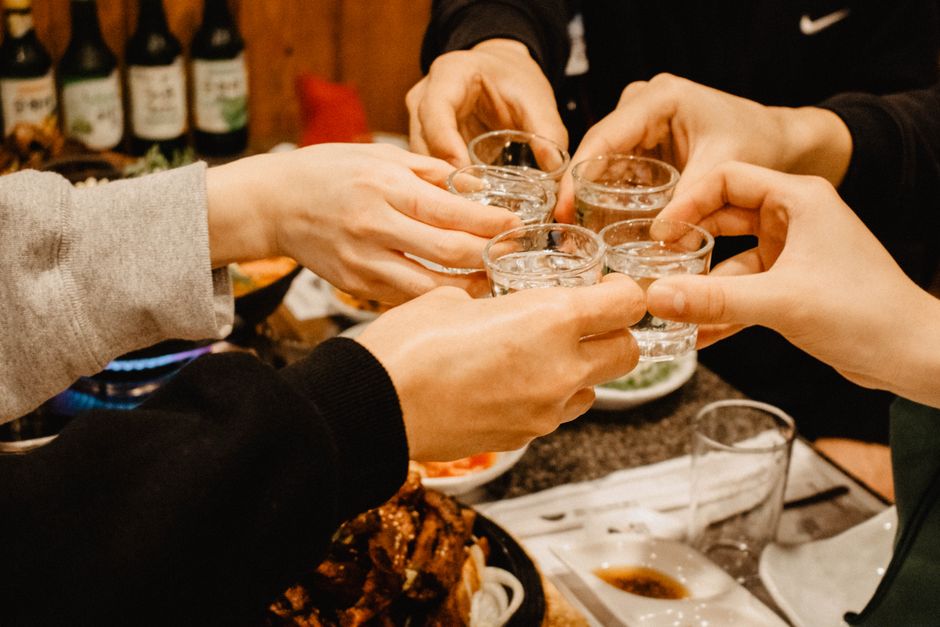
    Friends clinking glasses together at a Korean table gathering

    Why Korea, specifically, built a whole vocabulary around this

    Here’s where it gets interesting, and where I think a lot of explainer articles stop too early. Korean social structure runs on hierarchy — age, job title, seniority, who arrived at the company first, even who was born earlier in the same calendar year. Once you stack that many layers of hierarchy on top of each other, direct confrontation becomes expensive. You can’t just tell your boss he’s wrong in a meeting the way you might in, say, an American startup culture that prizes “radical candor.” So a huge amount of communication gets pushed underground, into tone, timing, posture, the length of a pause before someone answers. Nunchi is the tool that lets people navigate all of that without anyone losing face.

    I used to think this made Korean workplaces less honest than what I was used to back home. Give it a few years here, though, and you start to see it differently. It’s not dishonesty, it’s a different information channel. My father-in-law, who worked at a mid-sized manufacturing company in Incheon for nearly thirty years before retiring, once told me that the loudest disagreement he ever had with his own boss happened almost entirely in silence — a slightly longer pause, a specific way of setting down a teacup, a meeting that got rescheduled twice. Everyone in the room understood exactly what was going on. I would have understood absolutely nothing.

    The paradox that trips up almost every foreigner here

    This is the part I really want to get across, because it’s the part that surprised me most. Korea feels warm. People smile, they’re generous with compliments, strangers help you find your subway platform without being asked twice. So naturally you assume you’re reading the situation correctly — the friendliness itself becomes the trap. People say “it’s fine” when it very much is not fine. They say “let’s meet up sometime” as pure social lubricant, not an actual plan. Even now, after eleven years here, I occasionally get this wrong, and it’s almost always because I trusted the surface-level warmth instead of watching for the smaller signal underneath it. There’s a specific flavor of embarrassment that comes from realizing, three weeks too late, that someone’s relentless niceness was actually a polite wall.

    One specific memory: a coworker at a hagwon I used to teach at kept saying “I’m okay, don’t worry about it” every time I asked if a lesson plan change was a problem, always with the same easy smile and the same slight tilt of her head. She said it maybe four times over two weeks. It wasn’t until another Korean teacher pulled me aside — kindly, almost apologetically — and told me she’d actually been quietly frustrated the whole time, that I understood the mismatch. The words were consistent. The nunchi signal, which I simply wasn’t picking up on, had been screaming the opposite the entire time.

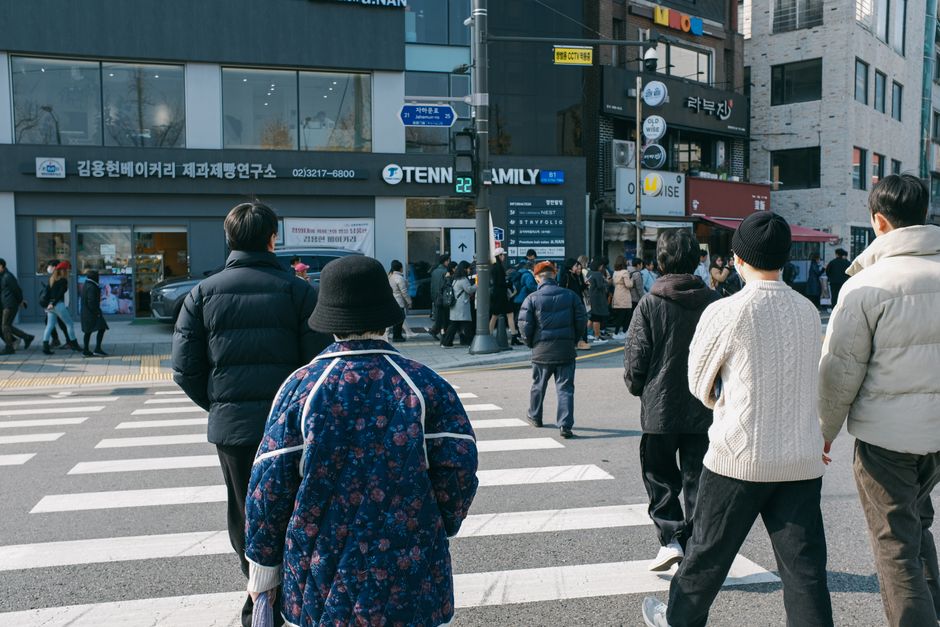
    Busy Seoul street scene with people walking

    Can an outsider actually learn this, or is it too late by adulthood?

    People ask me this a lot, usually somewhere between their second and third year here, right around the point where the honeymoon phase wears off and the friction starts to feel personal. The honest answer is yes, but it’s slower than learning the language, and it doesn’t come from a textbook. It comes from getting it wrong in front of people you respect, feeling that specific brand of quiet embarrassment, and adjusting.

    Euny Hong, who wrote a whole book on the subject, frames it less as a cultural fluke and more as trainable emotional intelligence — closer to reading a poker table than memorizing an etiquette guide. I’d agree with that, mostly. Age helps, oddly enough. Being older in Korea means people expect less patience from you and give you more grace as you fumble through it, which sounds backwards until you’ve lived it.

    What actually moved the needle for me wasn’t studying Korean harder, even though that obviously helped with vocabulary. It was watching pauses instead of words. Who speaks first in a meeting, and who waits. Whether someone’s “no, it’s fine, really” comes with eye contact or without it. Whether a drink gets poured for you unprompted, which usually means you’re doing something right, or whether it gets poured a beat too fast, which sometimes means the opposite. None of this shows up in a phrasebook. You just have to sit in enough rooms, embarrass yourself enough times, and slowly start noticing the pattern before the mistake happens instead of after.

    A few situations where nunchi shows up more than you’d expect

    Elevators are a surprisingly good training ground, actually. Watch who presses the “close door” button and how fast, watch who steps back to let the eldest person exit first without being told. Restaurant tables are another one — who picks up the check, who reaches for it exactly one beat too late on purpose, because reaching too eagerly can read as showing off, and not reaching at all can read as stingy. Even something as mundane as texting on KakaoTalk carries nunchi weight; leaving someone on “read” for too long after a certain kind of message is its own small social statement, whether you meant it that way or not. None of these are written rules anywhere. You just learn them by watching what happens when someone gets it wrong and the room quietly recalibrates around it.

    I’ll admit there’s a version of this that can wear you down if you let it. Constantly reading a room is tiring, and there were stretches in my first few years here where I genuinely missed the bluntness of back home, the relief of someone just telling me directly that something was wrong instead of making me guess. But I’ve also come to think nunchi solves a real problem that direct communication cultures often don’t handle well — it lets people disagree, adjust, and save face all at once, without anyone having to be the villain in the story. It’s not better or worse than directness. It’s just a completely different operating system, and once you’re running it, plenty of things about life here start clicking into place that never made sense before.

    Frequently Asked Questions

    Is nunchi the same thing as emotional intelligence?

    They overlap, but they’re not the same tool. Western emotional intelligence puts a lot of weight on understanding and managing your own feelings. Nunchi barely cares about your internal state at all — it’s almost entirely outward-facing, judging the temperature of one specific room at one specific moment, and it expects you to act on that reading in real time, not journal about it later.

    Do Korean parents actually teach nunchi directly, or is it just absorbed?

    Mostly absorbed, in my experience, though the phrase itself gets used constantly. A parent might say “have you got no nunchi?” to a kid who talked over an adult or missed an obvious social cue, which is less a lesson than a nudge — you’re expected to figure out the actual rule from the correction itself rather than getting it explained step by step.

    What’s the fastest way for a visitor to avoid an obvious nunchi mistake?

    Slow down and watch before you act, especially around meals, drinks, and elevators. Let the oldest or most senior person move first, wait a beat before reaching for shared food, and if someone says “it’s fine, don’t worry” with a tone that doesn’t quite match their face, it’s worth gently checking in again rather than taking the words at face value.

  • Why Nobody Tips in Korea (And What Happens If You Try)

    Why Nobody Tips in Korea (And What Happens If You Try)

    A friend visiting from Chicago handed a taxi driver an extra five thousand won once, on my recommendation, sort of — I’d said something vague like “just be generous, drivers here work hard.” The driver looked at the bill, looked at my friend, and then physically got out of the car to hand it back through the passenger window before driving off. My friend stood on the sidewalk holding a five-thousand-won note like it had personally rejected him. That’s roughly when I learned I should stop giving casual tipping advice to visitors.

    The short version: nobody expects it, and some people will actively refuse it

    Tipping in South Korea is neither expected nor customary, full stop. There’s no 15-to-20 percent mental math to do at the end of a meal, no awkward moment deciding whether to round up a cab fare, no line on a card receipt to fill in a gratuity. For someone who grew up doing the tipping math automatically, almost without thinking, the first few months here feel oddly weightless. You pay exactly what the menu says. Then you just… leave.

    What surprised me more than the absence of tipping itself was how some people react when you try anyway. It’s not universal — plenty of servers will just pocket a small tip without comment if you leave one on the table — but a noticeable number treat an offered tip as something closer to an accusation, as if you’re implying they weren’t already doing their job properly. I’ve seen a barista in Hongdae wave off a thousand-won coin left in a jar with something between confusion and mild offense on her face, the same look you might give someone who tried to pay you back for a favor you didn’t consider a transaction in the first place.

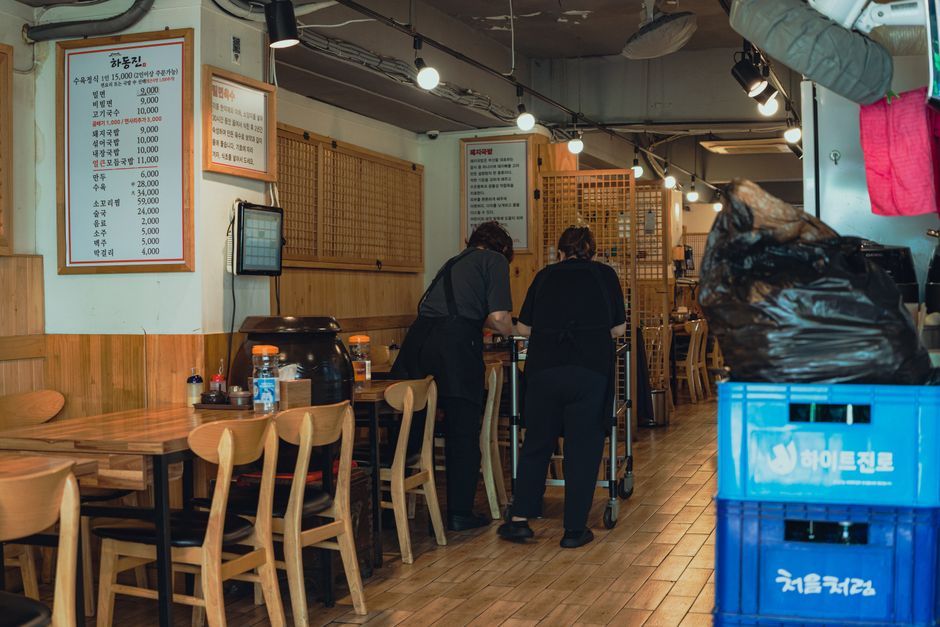
    Staff organizing tables inside a traditional Korean restaurant in Seoul

    Why, though? It’s not just “different culture,” there’s an actual mechanism

    So why did Korea land here in the first place, when plenty of other countries drifted the opposite direction? It’s tempting to chalk it up to vague notions of politeness, but that’s not really the answer. There’s a specific legal and economic scaffolding underneath it that most visitors never hear about, and once you see it, the whole no-tipping thing stops feeling like an arbitrary cultural quirk and starts feeling almost deliberately engineered.

    Back in 2013, a revision to the Food Sanitation Act introduced what’s called a “final price display” system, requiring restaurant menus to show prices that already include tax and any service charge, no hidden add-ons at the register. Before that, a handful of upscale restaurants and hotels did quietly print a separate service charge line on the bill, closer to the American model, and it created exactly the kind of confusion the government eventually moved to eliminate. The stated goal of the 2013 revision was to stop tipping from hardening into an expected norm the way it has elsewhere. It worked, more or less. Voluntary tipping isn’t illegal — you can absolutely hand cash directly to a server if you want — but the entire pricing infrastructure was built to make that unnecessary rather than assumed. I still catch myself, more than a decade in, feeling a small flicker of relief every time I glance at a Korean receipt and realize there’s no mental math left to do, no separate line waiting to be calculated on top of the number already printed.

    Underneath that legal layer sits an economic one that matters even more. Korean service workers are paid the legal minimum wage, which sits at 9,860 won per hour as of 2026, plus the standard benefits any employee is entitled to. Compare that to the American system, where a server’s base pay can legally dip well below minimum wage on the assumption that tips make up the difference — that gap is the entire reason tipping became load-bearing in the US to begin with. In Korea, nobody’s rent depends on whether a table tips well tonight. Take the tip jar away entirely and a server here still gets the same paycheck at the end of the month.

    The pride angle, and why it took me years to actually get it

    For a long time I read the no-tipping culture as purely transactional — a wage structure thing, full stop, nothing more philosophical going on. Then I spent enough dinners with my father-in-law, who ran a small restaurant near Incheon for almost two decades before he retired, to realize I’d been missing something. He genuinely bristled at the idea of tipping, not because of the money, but because it implied his service quality was optional, something extra he might or might not bother with depending on the incentive in front of him. To him, showing up and doing the job well wasn’t a favor you paid for afterward. It was just… the job. Attaching a cash reward to basic competence felt, in his words roughly translated, “like being tipped for remembering to breathe.” He used to say the taste of the food and the way he treated the people eating it were the one thing about the business nobody could ever talk him into discounting or upselling, and a tip sitting on the table felt like someone quietly grading something that wasn’t up for grading.

    I’ll admit that took me a while to internalize, mostly because I’d spent almost thirty years assuming good service and tipping were the same conversation. They’re not, here. Restaurant staff, cab drivers, hairdressers, hotel bellhops — pride in the work itself does a lot of the heavy lifting that a tip would otherwise be doing elsewhere. Whether that produces objectively better service than a tip-driven system is a genuinely different debate, and honestly a fair one to have. But it does mean the entire emotional transaction around a tip — the reassurance, the little performance of gratitude — simply isn’t part of the script here, and offering it can land as confusing rather than kind.

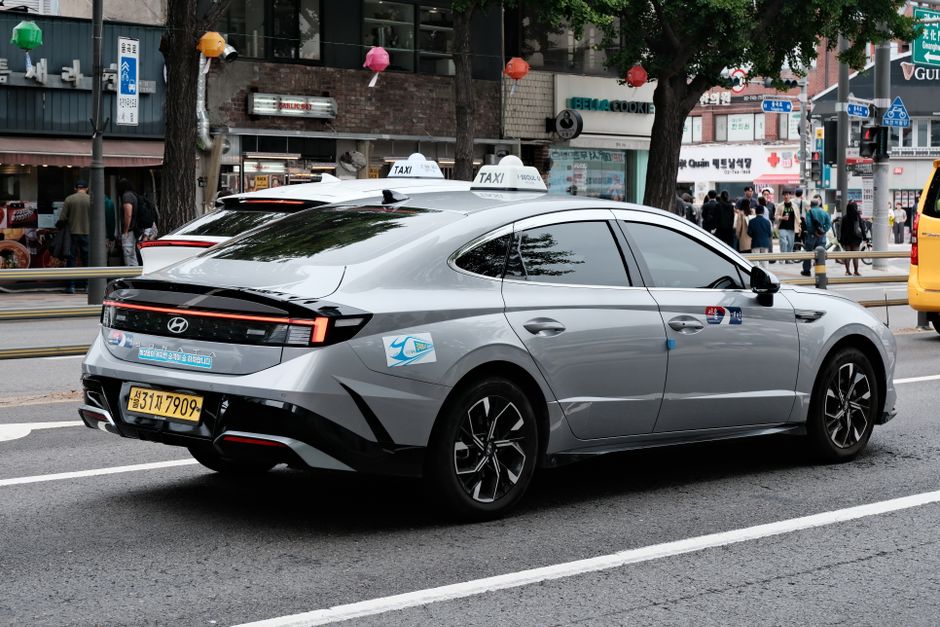
    A taxi driving through a bustling street in Seoul, South Korea

    What about kiosks, delivery apps, and the digital side of it?

    Korea went all-in on kiosk ordering and delivery apps faster than almost anywhere I’ve lived, and it’s worth noting that none of that digital infrastructure ever grew a tip prompt the way it did in, say, American coffee shop card readers over the last decade. Order a coffee at a kiosk in Seoul and you’ll get options for size, temperature, maybe a loyalty stamp — never a screen asking you to select 15, 20, or 25 percent before you can finish the transaction. Delivery apps like Baemin do offer an optional “quick delivery” upcharge, but it functions more like a rush fee baked into the base price than a tip handed to the individual rider, and it’s calculated automatically rather than left to the customer’s discretion at checkout. Watching that entire wave of automation roll through the country without ever picking up a tipping prompt says something, honestly — it suggests the absence of tipping here isn’t a fragile custom hanging on by habit, it’s structural enough that even new technology never bothered building the option in.

    Where the line actually gets blurry

    It’s not quite as absolute as “never, under any circumstances,” though, and this is where a lot of well-meaning advice online oversimplifies things. High-end hotels catering heavily to international guests sometimes have bellhop tipping baked into the culture specifically because so many Western guests expect to tip and feel uncomfortable not doing so — a five-thousand-won note for carrying bags at a five-star Seoul hotel won’t usually get handed back. Some hiking guides or private tour operators, especially ones who market specifically toward foreign tourists, have quietly adjusted to accept tips too, because enough visitors insisted on it that refusing became its own kind of awkward. But the baseline, everyday version of Korea — the neighborhood restaurant, the local cab, the corner hair salon — runs on the assumption that the listed price is the whole transaction, and treating it otherwise usually creates more friction than goodwill.

    There’s also a generational wrinkle worth mentioning. Younger service workers in trendier cafes and restaurants, especially the ones who’ve worked abroad or deal with international customers constantly, tend to be less thrown by a tip than an older shopkeeper would be. It’s not a hard rule, more a loose pattern I’ve noticed over the years — younger staff might just say a quick thank you and keep it, where an older business owner is far more likely to insist you take it back, sometimes almost sternly.

    What I’d actually tell someone visiting

    Skip the tip and skip the guilt with it — the price on the menu really is the whole story here, not a polite fiction. If you had exceptional service and genuinely want to show appreciation, there are other currencies that land better. A sincere “I’ll definitely come back” to the owner on your way out, or clearing your own dishes to the return counter without being asked, tends to register more than cash quietly left on the table. A specific verbal thank-you to a manager, or a good review afterward, does more culturally here than a tip ever would. And if you do try to tip and it gets refused, don’t push it into a whole negotiation — that refusal isn’t rudeness on their end, it’s closer to a compliment about how the system already works from where they’re standing. Take the note back, say thanks, and let it go. That’s basically the lesson my Chicago friend learned the expensive way, standing on a sidewalk holding a bill nobody wanted.

    Frequently Asked Questions

    Is it ever actually rude to tip in Korea?

    Rude is probably too strong a word for most situations — confusing is closer to the truth. In an everyday local restaurant or cab, an offered tip usually just gets refused or produces an awkward beat of confusion rather than genuine offense. Where it can tip into something closer to insulting is if the gesture reads as implying the person needed extra incentive to do a job they were already being paid fairly to do.

    Do delivery drivers or food delivery apps expect tips?

    Standard delivery in Korea doesn’t run on a tipping model the way it sometimes does elsewhere. Some apps have introduced an optional “quick delivery” fee that functions a bit like a rush charge rather than a gratuity, but it’s baked into the app’s pricing rather than something you hand over separately, and it’s not something drivers expect on every order.

    What about tour guides or private drivers hired specifically for foreign tourists?

    This is genuinely the gray zone. Guides and drivers who work primarily with international visitors are often more accustomed to tipping and less likely to refuse it, partly because enough of their regular clientele comes from tipping-culture countries. If in doubt, a quick question to the tour company or guide beforehand — “is a tip expected or welcome?” — clears it up fast and avoids any awkwardness either way.

  • The Quiet Shocks Nobody Mentions About Life in Korea

    The Quiet Shocks Nobody Mentions About Life in Korea

    Nobody warned me about the boxes.

    Not the moving boxes — those I expected. I’m Yijidaddy, and I mean the ones that pile up outside apartment doors on my floor, sometimes three or four at a time, sitting there for hours with nobody watching them, because whoever ordered them is at work and the delivery driver just left them and moved on. The first time I saw a stack of Coupang boxes sitting unguarded in the hallway of my building, my instinct was to knock on the neighbor’s door and ask if they knew their packages were “exposed.” They looked at me like I’d asked something slightly odd. That was my first real clue that I didn’t understand this place as well as I thought I did after two years of visiting before I actually moved here.

    What follows isn’t the standard “culture shock” list you’ve probably already read on a dozen other Korea blogs — the ones that recycle the same five bullet points until they stop meaning anything. I’ve written before about the broader practical basics I wish I’d known before moving, so consider this the follow-up: the smaller-scale things that took me longer to notice, and that still occasionally catch me off guard even now, two-plus years in.

    The speed of delivery stopped being novel and became a personality trait

    I want to push back on my own point before I even make it, because “Korean delivery is fast” is the single most repeated fact about this country online, and I promised myself I wouldn’t just restate it. But here’s the thing that never makes it into those posts: it’s not the speed itself that gets you, it’s what the speed does to your brain over time.

    I ordered a phone charger at 11:40 one night because mine had frayed and I had an early call. I wasn’t expecting it before the weekend. It was sitting outside my door at 6:50 the next morning — seven hours and ten minutes, door to door, for a nine-dollar cable. There’s a running joke among a few of us foreign friends here that you can start boiling water for ramyeon, realize you’re out of eggs, order a pack on the app, and the rider will be at your door before the water’s fully rolling. I’ve actually done this — mid-recipe, standing at the stove in socks, ordering four eggs because I was one short — and the eggs beat the boil by a couple of minutes. That happened enough times that I stopped being impressed and started getting mildly annoyed on the rare occasion something took two full days. My patience recalibrated itself without my permission. Now when I visit family back home and order something that takes five business days, it genuinely feels broken, like the system has failed, even though five days used to be completely normal to me. That’s the part nobody tells you — it’s not that the speed is nice, it’s that it quietly resets your baseline for what “normal” means, and you don’t notice the reset happening until you’re standing in a different country complaining out loud that a package is “taking forever” on day two.

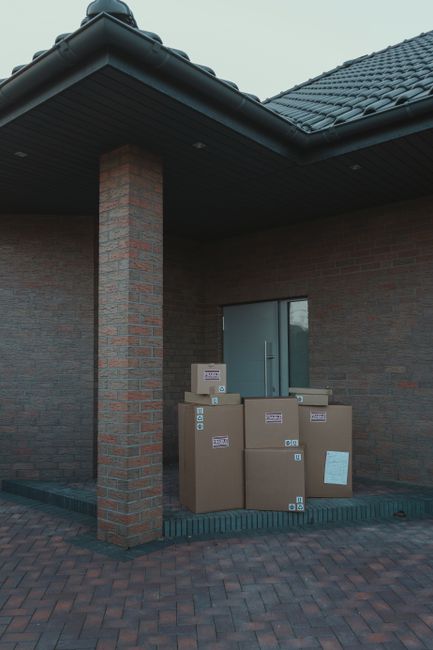
    Delivery boxes left outside a residential door in Korea

    Every apartment complex has a name, a personality, and its own micro-economy

    Before I moved here I assumed an apartment building was just a building — a box you live in, distinguished mostly by its address. I did not expect Korean apartment complexes (아파트 단지) to function almost like small towns with their own branding. My building has a name that sounds vaguely aspirational in English translation, its own security office, its own resident association, its own community bulletin board where notices get posted about heating maintenance and parking fines, and its own little cluster of businesses — a real estate office, a laundromat, sometimes a small convenience store — clinging to the outside wall like barnacles.

    You might reasonably ask why this matters more than “apartment buildings have amenities” everywhere. Fair question. What surprised me specifically was the numbering system, and how seriously people treat it. Buildings inside a complex are numbered — 101-dong, 102-dong, and so on — and then units get a floor-and-unit number after that, so a full address might read something like “103-dong, 1204-ho.” When I give this address to a taxi driver, they don’t need the street name at all. They just need the complex name and the dong number, and they’ll find it. The complex itself is the unit of navigation, not the street. Delivery drivers, food riders, even friends coming to visit — everyone orients around the complex name first. I had lived here for months before I fully internalized that my actual street address was almost irrelevant to daily life. What mattered was knowing which of the maybe eight nearly-identical towers was mine, especially at night, slightly tired, when they all genuinely do start to look the same.

    Rows of Korean high-rise apartment towers against a blue sky

    Convenience stores aren’t snack shops, they’re neighborhood infrastructure

    I know, I know — “there are a lot of convenience stores in Korea” is not exactly breaking news. But I don’t think the sheer functional role of them gets described accurately very often, so let me try counting instead of generalizing. Within a four-minute walk of my apartment, I can name five convenience stores from at least three competing chains, and two of them sit on the same block facing each other like they’re in a standoff nobody remembers starting.

    What surprised me wasn’t the count, though. It was realizing how much of my actual adult life runs through them. I’ve paid a parking fine at a convenience store counter. I’ve picked up a parcel I missed at home because I set the delivery address to my neighborhood GS25 as a locker point. I’ve printed a document there at 1 a.m. because the machine exists and my apartment doesn’t have a printer. I’ve sat at the little plastic stool out front eating instant noodles I made with the hot water dispenser, next to a guy in a suit doing the exact same thing after a late shift, both of us saying nothing, both of us completely fine with that. Back home, a convenience store meant milk and gas and maybe a lottery ticket. Here it functions more like the neighborhood’s back office — the place where a dozen unrelated small tasks quietly get handled, and which also happens to sell milk. I didn’t expect to reorganize how I think about “going out to grab something” around a store smaller than my living room.

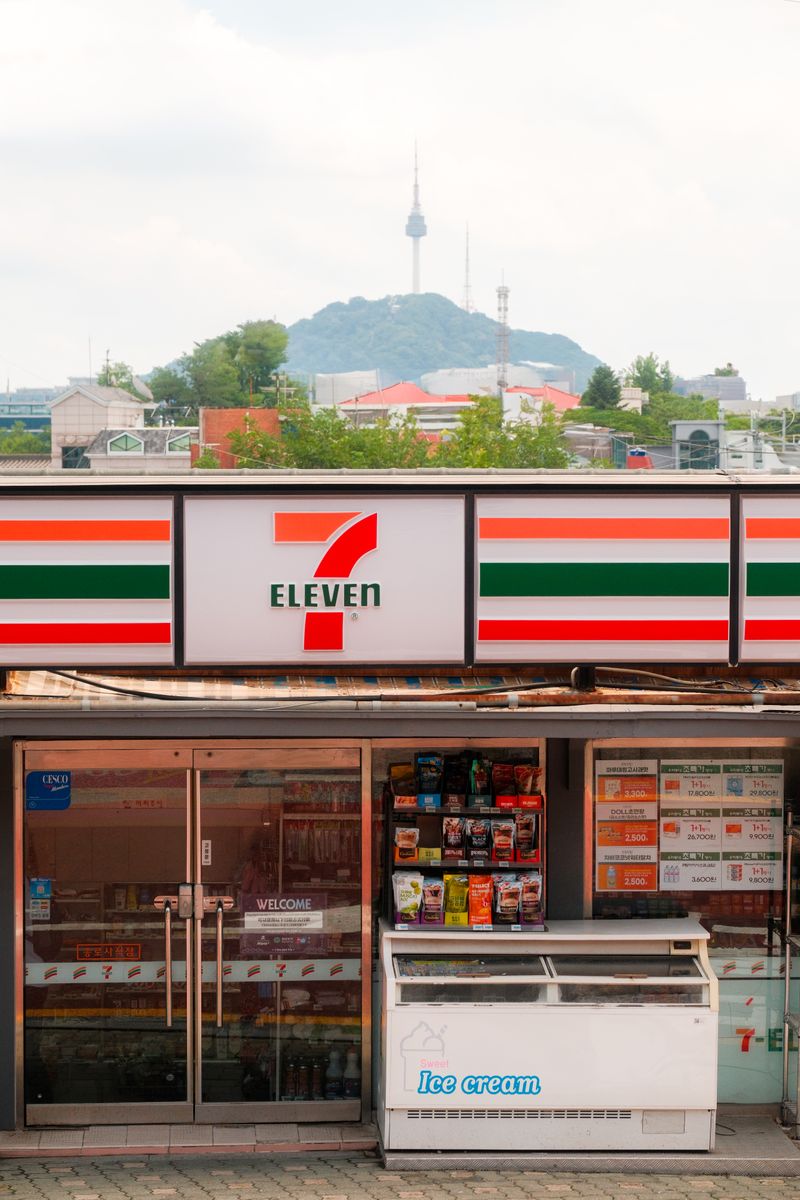
    A brightly lit 7-Eleven convenience store on a Korean street at night

    The streets go quiet in a way that took me a while to trust

    This one is hard to explain without sounding dramatic, so let me just describe the scene. It’s around 1 a.m., I’m walking home from a friend’s place maybe fifteen minutes away, and the street is nearly empty — no people, storefronts dark except the convenience store glow, the only sound my own footsteps and maybe a delivery scooter passing two blocks over. For the first few months, that quiet made me tense in a very specific way, an old survival script running automatically, because in most cities I’d lived in before, an empty street at 1 a.m. was a signal to be alert, maybe cross to the well-lit side, maybe walk a little faster.

    Here, I eventually had to consciously unlearn that reflex, because the quiet doesn’t mean what I assumed it meant. It’s not the “something’s wrong” kind of quiet. It’s just… late. People are asleep, or home, or at the noraebang three floors up in a building I can’t see into from the street, and the emptiness is simply emptiness, not a warning sign. I remember the exact moment this clicked — I’d left my phone on a café table, walked back forty minutes later assuming it was long gone, and it was sitting exactly where I left it, screen still unlocked, nobody had so much as moved it. That’s not a viral anecdote I’m exaggerating for effect; it’s just what happened, and it recalibrated how my body reads an empty street here versus everywhere else I’ve lived. Every so often I’ll still catch myself picking up the pace out of old habit — and then notice I’m doing it, which is its own small, slightly funny loop to be stuck in.

    An empty, quiet street in Seoul at night

    Everything so far has been about the environment around me — the boxes, the buildings, the stores, the quiet streets. But the surprises that actually changed how I move through daily life turned out to be less about the physical city and more about the systems and people underneath it, starting with the one document that decided almost everything else.

    Getting a bank account made me feel like a first-year student again

    People sometimes assume that because Korea is famous for fast internet and instant everything, the paperwork side must move at the same thumb-swipe speed. It genuinely does not, and I say that as someone who walked in expecting an app to solve it. Opening a bank account required me to physically show up at a branch with my Alien Registration Card and passport, take a paper ticket from the queue machine, and wait — my number was 47, they were on 22 when I sat down, so call it forty-five minutes of watching a screen. Then I filled out the same account-opening form twice because I’d written my English name where my Korean-transliterated name was supposed to go, and the teller, very patiently, slid me a second blank copy without comment.

    The ARC itself became this strange gatekeeping object in my life before I understood how central it was. I couldn’t get a phone plan without it. I couldn’t sign my apartment lease without it. I couldn’t even get a loyalty membership at one pharmacy chain without it. I’d naively expected my passport to be enough for most things, the way it mostly is when traveling, but here the ARC quickly became the document that actually mattered day to day, and the passport became almost a backup. It took about six weeks from application to having the card in hand, and during that stretch I felt oddly suspended — present in the country, working, paying rent, but locked out of anything that required a Korean resident number, which is a longer list than you’d guess: no gym contract, no phone plan of my own, not even a loyalty card at the pharmacy near my building. Once the ARC finally arrived, though, everything downstream — the bank account, the phone contract, the gym membership — moved fast, almost as fast as the delivery I mentioned earlier. It was as if the slow part was entirely front-loaded into that one card, and once you cleared it, the famous Korean efficiency kicked in for everything else.

    Nobody tells you “no” — they tell you something that means no

    This was the surprise that took the longest to actually understand, not just notice. Early on, I asked a small sundubu-jjigae place near my office if they could leave the raw egg out of the bowl — I’d had a bad experience with runny egg once and just couldn’t do it again. The owner didn’t say no. She paused, tilted her head slightly, looked back down at her prep counter instead of at me, and said, “eum… geuge jom eoryeoul su itneunde-yo,” which lands somewhere close to “that might be a little difficult.” I genuinely thought she was still deciding, so I stood there waiting for a follow-up. My Korean coworker, who’d come with me that day, gently pulled me toward our table and explained: that pause, that phrase, was the entire answer. There wasn’t a second, more direct no coming. The egg was staying in the bowl.

    I’ll admit my first reaction to this was mild frustration — why not just say no? But the more time I spent here, the more I came to see it less as evasiveness and more as a kind of social cushioning, a way of declining a request without making the other person feel rejected in the moment. Once I learned to listen for it, I started noticing it everywhere: a hairdresser saying a style “might not suit you that well” instead of refusing outright, a landlord saying a request would be “hard to arrange right now” rather than simply denying it. It’s the same soft-refusal instinct I ran into when I first wrote about turning down a drink at a work dinner — the discomfort isn’t with saying no, it’s with saying it bluntly. It’s not dishonesty. It’s a completely different texture of communication, one where the softness of the phrasing is doing real work, and once you can hear it, you realize how much of the “indirectness” foreigners complain about is actually a very consistent, very readable code — you just have to learn the dictionary first.

    What I’d tell someone about to move here

    None of these things are dealbreakers, and I don’t think any of them are uniquely good or bad — they’re just specific, and specificity is what most “moving to Korea” content skips past in favor of the same five bullet points everyone already knows. If you’re actually relocating, my honest advice is to spend less energy pre-learning facts and more energy building tolerance for the recalibration period, because that’s really what all six of these surprises have in common. Your sense of normal delivery speed shifts. Your sense of what an empty street means shifts. Your sense of how a “no” sounds shifts. None of it happens on day one. It happens gradually enough that you don’t notice until you’re the one explaining it to someone new, the way I’m doing right now.

    Frequently Asked Questions

    Is it actually safe to leave delivery boxes outside an apartment door in Korea?

    In my experience and from what neighbors have told me, yes, overwhelmingly — I’ve had packages sit in the hallway for six or seven hours with nothing missing. It’s not a guarantee against every possible incident, and I wouldn’t leave something irreplaceable out there overnight just to test it, but the norm here really is that hallway parcels are left untouched, and most apartment complexes also have CCTV covering the corridors, which helps explain why the habit is so widespread.

    Do I need an Alien Registration Card before I can do anything else in Korea?

    Not literally everything, but close to it for the practical basics — a proper bank account, a postpaid phone plan, and signing a lease in your own name typically all require it. If you’re arriving for a short stay before your ARC comes through, budget for that gap: a prepaid SIM and cash can cover you for the first several weeks, but don’t expect to open a full bank account or sign major contracts until the card is in hand.

    Why do Koreans rarely say a direct “no” in everyday situations?

    From what I’ve observed and had explained to me by Korean friends, it’s less about avoiding truth and more about avoiding making the other person feel bluntly rejected in the moment. Phrases like “that might be difficult” or “let me think about it” often function as a complete, final no, especially from service staff or in polite social settings. The fix isn’t to push for a more direct answer — it’s to learn to hear the softer phrasing as the actual answer, which honestly took me the better part of a year to get comfortable doing.

  • 건강검진에서 혈압 145를 본 순간, 40대는 왜 여기서 놀랄까

    건강검진에서 혈압 145를 본 순간, 40대는 왜 여기서 놀랄까

    회사 건강검진 결과표를 받아든 김 부장, 혈압란에 찍힌 숫자 앞에서 손이 잠깐 멈췄다. 145에 92. 작년까지만 해도 128에 84였는데, 1년 사이 뭐가 이렇게 뛰었나 싶었다. “어제 회식에서 치맥을 좀 먹긴 했는데…” 하고 슬쩍 변명거리를 찾아보다가, 문득 뱃살을 내려다보고는 입을 다물었다. 담배도 안 피우고 술도 회식 때만 마시는데 억울하다는 생각이 먼저 들었다. 그런데 간호사는 별일 아니라는 표정으로 “이 나이대에 흔한 거예요”라고 했다. 흔하다니, 그 말이 오히려 더 이상하게 들렸다.

    마흔 살, 혈관은 왜 하필 지금 삐걱대기 시작할까

    정상 혈압은 수축기(최고) 120mmHg, 이완기(최저) 80mmHg 미만이다. 140/90을 넘으면 고혈압으로 분류된다. 숫자만 보면 20mmHg 차이가 별거 아닌 것 같은데, 혈관 벽 입장에서는 매일 반복되는 20mmHg가 결코 작은 차이가 아니다. 문제는 이 숫자가 20~30대에는 잘 안 움직이다가 40대 중반을 넘기면서 갑자기 오른다는 점이다. 왜 하필 이 시기일까.

    혈관은 나이를 먹을수록 탄력을 잃는다. 젊을 때는 고무호스처럼 늘어났다 줄어들며 압력을 흡수하지만, 혈관벽에 콜레스테롤이나 칼슘이 조금씩 쌓이면 점점 딱딱한 파이프에 가까워진다. 이 변화는 사실 20~30대부터 조용히 진행된다. 그러다 40대에 체중 증가나 근육량 감소 같은 요인과 한꺼번에 겹치면서 그제야 수치로 드러난다. 그러니까 혈압이 마흔에 갑자기 생긴 게 아니라, 마흔이 되어서야 숨어 있던 게 들킨 셈이다.

    여성이라면 이야기가 조금 더 복잡해진다. 폐경 전후로 혈관을 보호하던 에스트로겐이 줄어들면서 혈압이 눈에 띄게 오르는 경우가 많다. “나 요즘 왜 이렇게 뒷목이 뻐근하지, 갑자기 열이 확 오르네” 하다가 정작 혈압까지 같이 뛰고 있다는 사실은 뒤늦게 알아차리는 경우가 흔하다. 갱년기 증상 하면 보통 안면홍조나 불면부터 떠올리지만, 혈압 변화도 그 목록에 조용히 끼어 있다가 뒷목 통증이나 두근거림으로 존재감을 드러낸다. 40~50대 갱년기가 왜 갑자기 찾아오는지 궁금하다면 함께 읽어봐도 좋다. 남성이라고 예외는 아니다. 복부 지방이 늘고 스트레스 호르몬 분비가 잦아지면 혈압은 성별과 무관하게 반응한다.

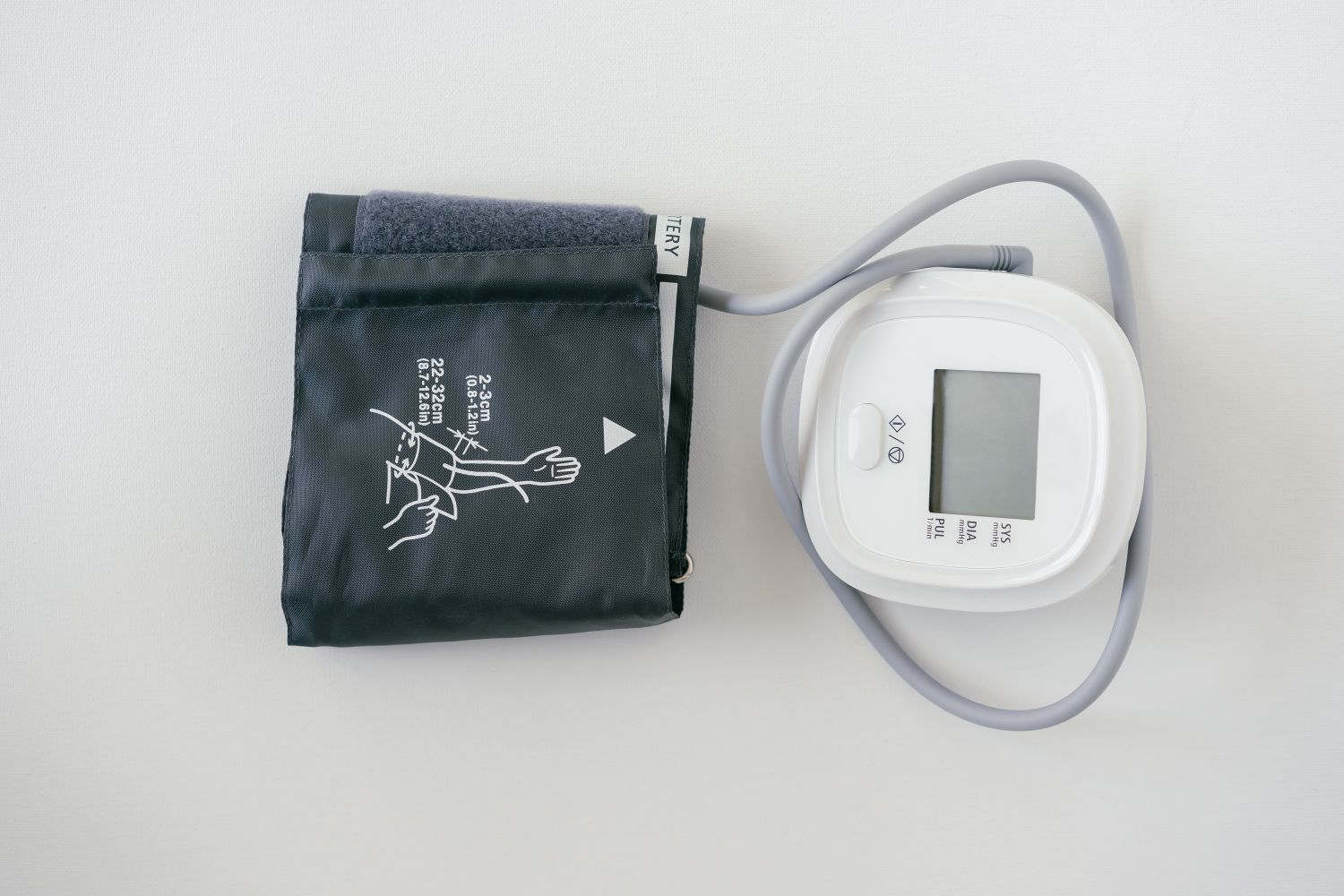
    가정용 디지털 혈압계로 혈압을 측정하는 모습

    생활습관, 어디부터 손봐야 실감이 날까

    병원에서 “짜게 먹지 마세요”라는 말을 들으면 대부분 김치나 젓갈부터 줄인다. 그런데 정작 혈압을 밀어 올리는 건 라면 국물이나 찌개 국물처럼 눈에 잘 안 띄는 액체 나트륨인 경우가 더 많다. 세계보건기구 권장량은 하루 소금 5g, 국내 권장량은 6g인데, 라면 한 봉지 국물만 다 마셔도 이미 그 절반을 넘긴다. 소금 섭취를 5g 수준으로만 줄여도 수축기 혈압이 4~6mmHg 떨어진다는 연구 결과가 있다. 이 정도면 별것 아닌 숫자처럼 보이지만, 혈압약 반 알 정도의 효과와 맞먹는 변화라고 하면 얘기가 좀 달라진다. 국물을 반만 남기는 습관 하나로 약 한 알의 절반을 대신하는 셈이다.

    나트륨만큼, 어쩌면 그보다 중요한 것

    소금을 줄이는 것만큼, 아니 어쩌면 그 이상으로 혈관을 지키는 의외의 방법이 있다. 바로 식사 순서다. 채소를 먼저 먹고 밥과 국을 나중에 먹는 것만 바꿔도 혈당과 혈압이 훨씬 완만하게 오르내린다. 왜 그럴까. 급격한 혈당 스파이크는 혈관을 순간적으로 긴장시키고, 그 긴장이 하루에도 몇 번씩 반복되면 평소 혈압도 조금씩 함께 밀려 올라간다. 채소, 단백질, 탄수화물 순서로 먹는 식습관이 벌써 혈압 관리의 첫걸음인 이유다.

    채소 위주의 저염식 샐러드

    두 달 만에 끊는 헬스장보다 동네 산책이 나을 수도 있다

    운동을 독하게 해야만 혈압이 잡힌다는 생각, 40대에겐 오히려 독이 될 수 있다. 헬스장을 등록하고 두 달 만에 그만두는 패턴이 이 나이대에서 유독 자주 보이기 때문이다. 사실 혈압 관리에 필요한 운동 강도는 생각보다 낮다. 하루 30분, 주 5회 빠르게 걷는 정도의 유산소 운동만으로도 수축기 혈압이 5~8mmHg 낮아진다는 보고가 있다. 헬스장까지 갈 필요 없이 아파트 단지를 두세 바퀴 도는 정도의 강도면 충분하다는 뜻이다. 40대 이후 근육량이 줄어드는 이유와도 맞닿아 있는 얘기인데, 걷기만 꾸준히 해도 다리 근육이 붙으면서 혈액을 심장 쪽으로 밀어 올리는 힘, 이른바 ‘제2의 심장’ 역할이 살아난다.

    가을 공원에서 빠르게 걷기 운동을 하는 중년 남성

    커피 한 잔이 다음 날 아침 혈압을 바꾼다

    “스트레스 받으면 혈압 오른다”는 말, 너무 많이 들어서 오히려 흘려듣기 쉽다. 그런데 이 흔한 말 안에 생각보다 직접적인 인과관계가 숨어 있다. 순서는 이렇다. 오후 늦게 마신 카페인이 밤 수면의 깊이를 얕게 만들고, 얕은 잠이 며칠 이어지면 자율신경이 제대로 쉬지 못한 채 다음 날 아침을 맞는다. 그 결과가 고스란히 아침 혈압으로 나타난다. 야근이 잦고 커피로 버티는 40대 직장인이라면, 오후 3시 이후 커피 한 잔만 줄여도 이 연쇄 고리를 끊을 수 있다. 수면 시간이 6시간 미만으로 며칠 이어지면 혈압이 오르는 경향은 여러 연구에서 반복적으로 확인된 부분이라, 야근 다음 날 혈압이 유독 높게 나왔다면 우연이 아닐 가능성이 크다.

    방금 잰 그 혈압, 실은 5mmHg 높게 나왔을 수도 있다

    혈압계를 샀다고 다 끝난 게 아니다. 앉자마자 팔을 걷고 바로 재는 사람이 벌써 흔하다. 그런데 이렇게 재면 실제보다 5~10mmHg 정도 높게 나오는 경우가 많다. 정확히 재려면 먼저 등받이가 있는 의자에 등을 기대고 앉아 5분 이상 가만히 있어야 한다. 다리는 꼬지 않고 바닥에 평평하게 내려놓는다. 커프는 심장과 같은 높이, 그러니까 팔뚝 위쪽 맨살이나 얇은 옷 위에 손가락 하나 들어갈 정도로 감는다. 별거 아닌 것 같은 이 5분이 실제 수치를 10 가까이 바꿔놓을 수 있다는 게 의외다.

    측정 시간도 은근히 중요하다. 식사 직전, 약 먹기 전, 흡연했다면 30분 후, 커피 마셨다면 1시간 후에 재는 게 원칙이다. 아침에 한 번, 저녁에 한 번씩 2회 측정해서 평균을 내는 방식이 권장되는데, 한 번 재고 “오늘은 괜찮네” 하고 끝내버리면 하루 중 변동폭을 놓치기 쉽다. 위팔에 감는 자동혈압계가 손목형보다 정확도가 높다는 점도 기억해두면 좋다.

    이럴 땐 더 미루지 말고 병원부터 가야 한다

    집에서 잰 수치가 며칠 연속 140/90을 넘긴다면, 그때부터는 혼자 판단하고 넘길 문제가 아니다. 특히 두통이 평소와 다르게 뒷목 쪽으로 뻐근하게 오거나, 어지럼증이 반복되거나, 가슴이 답답한 느낌이 새로 생겼다면 며칠 더 지켜보지 말고 진료를 받아보는 게 맞다. 처음 높은 수치가 한 번 나왔다고 바로 고혈압으로 단정 짓지는 않는다. 하루 간격을 두고 최소 두 번 더 측정해서 반복적으로 기준을 넘는지 확인하는 절차가 보통이다. 이미 고혈압 진단을 받은 상태라면 3~6개월마다 정기적으로 검사받는 흐름이 일반적이다.

    자주 묻는 질문

    Q. 운동 직후에 잰 혈압이 평소보다 훨씬 높게 나왔어요. 이것도 고혈압인가요?

    운동 직후에는 심장이 더 많은 피를 뿜어내야 하니 혈압이 일시적으로 오르는 게 자연스럽다. 걷기나 계단 오르기 직후 수치가 150을 넘어도, 30분쯤 쉬고 다시 재서 정상 범위로 돌아온다면 크게 걱정할 상황은 아니다. 다만 안정 상태에서 잰 수치가 반복적으로 높다면 그건 별개 문제이니 따로 기록해두는 게 좋다.

    Q. 저는 마른 편인데도 혈압이 높게 나옵니다. 살찐 사람만 고혈압인 거 아니었나요?

    체중은 여러 원인 중 하나일 뿐이다. 가족력, 나트륨 민감도, 스트레스, 수면의 질처럼 체중과 무관한 요인만으로도 혈압은 충분히 오를 수 있다. 마른 체형인데 혈압이 높다면 오히려 유전적인 소인이나 짠 음식 선호 같은 다른 원인을 살펴보는 편이 도움이 된다.

    Q. 혈압약을 먹기 시작하면 평생 끊을 수 없다는 말이 있던데, 사실인가요?

    이런 이야기 때문에 약 시작을 미루는 경우를 종종 본다. 하지만 이건 개인마다 편차가 커서 일률적으로 답하기 어려운 부분이다. 체중 감량이나 생활습관 개선으로 수치가 안정되면 복용량을 조절하는 사례도 있고, 반대로 계속 유지해야 하는 경우도 있다. 이 판단은 검사 결과와 개인 상태를 종합해서 의료진이 내리는 영역이라, 궁금하다면 담당의와 직접 상의하는 게 가장 정확하다.

    이 글은 일반적인 건강 정보를 정리한 것으로, 실제 진단이나 처방을 대신할 수 없다. 정확한 진단과 치료는 반드시 전문의와 상담하세요.

  • 비행기 다섯 대가 사라진 오후, 버뮤다 삼각지대의 기록

    비행기 다섯 대가 사라진 오후, 버뮤다 삼각지대의 기록

    1945년 12월 5일 오후 2시 10분, 플로리다 포트로더데일 해군기지에서 뇌격기 다섯 대가 떴다. 조종사 아홉 명, 훈련병 다섯 명, 도합 열네 명. 항로는 단순했다. 동쪽으로 나갔다가 방향을 틀어 돌아오는 두 시간짜리 항법 훈련이었다. 그런데 오후 4시가 넘어가면서 관제탑 무전기에 낯선 목소리가 흘러나왔다. “나침반이 이상하다. 어느 쪽이 서쪽인지 모르겠다.” 그리고 몇 시간 뒤, 다섯 대는 물론이고 이들을 찾으러 나갔던 구조기 한 대까지 통째로 사라졌다. 탑승자 27명은 지금까지 단 한 명도, 잔해 한 조각도 발견되지 않았다.

    이 오후 하나가, 전 세계를 수십 년간 홀린 ‘버뮤다 삼각지대’라는 이름의 시작이었다. 흔히 이 지역 얘기를 꺼내면 사람들은 UFO나 초자연 현상부터 떠올리는데, 사실 이 미스터리의 진짜 재미는 다른 데 있다. 실제로 무슨 일이 있었는지 무전 기록, 항해일지, 유족 증언까지 상당히 자세히 남아있는데도, 여든 해가 지나도록 결론이 안 나는 이유가 따로 있다는 점이다.

    플라이트 19, 마지막 교신은 이렇게 끝났다

    편대장은 찰스 테일러 중위였다. 경력 자체는 나쁘지 않았다. 그런데 이날따라 나침반 두 개가 서로 다른 방향을 가리킨다며 혼란스러워했다는 교신 기록이 남아있다. 대원들은 “플로리다 키스 상공인 줄 알았는데 바하마 같다”는 식으로 위치를 놓쳤고, 무전으로 오간 계산에 따르면 오후 6시 무렵 남은 연료로는 앞으로 한 시간 반 정도밖에 버틸 수 없는 상황이었다. 해는 이미 저물고 있었고, 바다 위에서 밤을 맞는다는 건 곧 착수(着水) 외에 다른 선택지가 없다는 뜻이었다. 오후 7시 4분, 마지막으로 잡힌 교신에서는 잡음 섞인 목소리만 들렸다고 한다. 그 뒤로는 아무 신호도 없었다.

    구조를 나간 PBM 마리너 비행정도 사라졌다는 사실은 의외로 잘 안 알려져 있다. 승무원 13명을 태운 이 비행정은 이륙 직후 근처를 지나던 상선에서 “하늘에서 폭발이 있었다”는 목격담이 나왔는데, 마리너 기종이 원래 연료 누출로 인한 폭발 사고가 잦았던 기종이라는 점을 감안하면 이쪽은 오히려 설명이 되는 편이다. 문제는 다섯 대의 뇌격기 쪽이다. 미 해군은 공식 조사 보고서에서 “원인 불명”이라고 적었다가, 테일러 중위 유족의 항의를 받고 나서야 “조종사 과실 가능성”으로 슬쩍 수정했다.

    구름 낀 하늘을 나는 프로펠러 비행기, 1940년대 항공기를 연상시키는 장면

    그보다 27년 앞서, USS 사이클롭스호는 통째로 증발했다

    플라이트 19가 유명하다 보니 이 사건이 버뮤다 삼각지대의 시작이라고 생각하기 쉬운데, 사실 진짜 원조는 따로 있다. 1918년 3월 4일, 미 해군 보급함 USS 사이클롭스호가 바베이도스를 떠나 메릴랜드주 볼티모어로 향했다. 배 위에는 승조원과 승객을 합쳐 306명이 타고 있었다. 함장은 조지 워싱턴 워를리였는데, 이 사람 자체가 좀 수상쩍은 인물이었다는 후일담이 많다. 평소 술버릇이 고약하고 선원들을 함부로 대해서 원성이 자자했다는 것이다. 그래서인지 사고 직후부터 “혹시 선원들이 반란을 일으켜 함장을 바다에 던져버리고 다른 항구로 도망친 것 아니냐”는 소문까지 돌았는데, 이 역시 뒷받침할 증거는 하나도 나오지 않았다.

    그런데 배는 볼티모어에 도착하지 않았다. 조난 신호 한 번 없이, 잔해 하나 없이 그냥 사라져 버렸다. 306명이 한꺼번에 실종된 이 사건은 지금까지도 미 해군 역사상 전투와 무관한 최대 인명 손실 사고로 남아있다. 1918년이면 1차 세계대전이 한창이던 때라 독일 U보트의 어뢰 공격을 의심하는 시각도 있었는데, 정작 전후 독일 해군 기록을 다 뒤져봐도 이 배를 공격했다는 기록은 나오지 않았다. 그러니까 적의 소행도 아니고, 폭풍 기록도 그날따라 딱히 없었다는 뜻이다. 반란설도, 공격설도 아니라면 남는 건 결국 배 자체의 문제인데, 사고 직전 검사 기록을 보면 이 배는 원래 최대 적재량보다 훨씬 많은 망간 광석을 싣고 있었다. 무게 중심이 흐트러진 배가 거친 파도 한 번에 그대로 뒤집혔을 가능성이 지금은 가장 설득력 있는 추정으로 꼽힌다.

    더 이상한 건 따로 있다. 사이클롭스호와 거의 똑같은 항로, 거의 똑같은 화물을 실었던 자매함 두 척이 훗날 2차 세계대전 시기에 역시 같은 해역 근처에서 흔적 없이 사라졌다는 점이다. 우연이라기엔 지나치게 반복적이라 당시 언론이 대서특필했고, 이게 버뮤다 삼각지대라는 개념이 대중 사이에 퍼지는 데 한몫했다.

    거친 파도를 헤치며 항해하는 대형 화물선

    그런데 통계로 보면 얘기가 좀 달라진다

    여기서 한번 짚고 넘어가야 할 부분이 있다. 버뮤다 삼각지대가 다른 바다보다 유독 사고가 많은 구역이냐고 물으면, 놀랍게도 답은 “그렇다고 보기 어렵다”에 가깝다. 미국 해안경비대와 국립해양대기청(NOAA)은 이 지역을 공식 명칭으로조차 인정하지 않는다. 두 기관 모두 “다른 대양 항로와 비교했을 때 이례적으로 사고가 많다는 근거가 없다”는 입장을 반복해서 밝혀왔다.

    1975년, 미국의 도서관 사서였던 래리 쿠시라는 인물이 이 문제를 아예 정면으로 파고들었다. 버뮤다 삼각지대에서 벌어졌다고 알려진 실종 사고 목록을 하나하나 원본 기록까지 추적한 것이다. 결과는 꽤 허탈했다. 상당수는 애초에 삼각지대 밖에서 벌어진 사고였고, 일부는 날짜나 좌표 자체가 잘못 인용되고 있었으며, 몇몇은 나중에 다른 지역에서 생존자가 발견됐는데도 계속 ‘실종’으로 소개되고 있었다. 그러니까 미스터리의 절반쯤은 사실관계 자체가 부정확했던 셈이다.

    그렇다고 이 해역이 아무 위험도 없는 평범한 바다냐 하면, 그것도 아니다. 이 지역엔 멕시코만류라는 세계에서 손꼽히게 강한 해류가 흐르는데, 시속 6~8km에 달하는 이 흐름은 작은 배 한 척을 몇 시간 만에 원래 항로에서 수십 km나 밀어낼 만큼 힘이 세다. 항해 도중 위치를 잘못 계산했다가는 순식간에 엉뚱한 좌표에 가 있게 된다는 뜻이다. 여기에 갑작스러운 열대성 폭풍이나 워터스파우트(바다 위 회오리)가 툭하면 발생하고, 해저 지형도 얕은 여울과 3천m 넘는 깊은 해구가 뒤죽박죽 섞여 있다. 게다가 이 근방은 취미 삼아 요트를 몰거나 소형 비행기를 조종하는 초보자들의 통행량이 유난히 많은 구역이기도 하다. 2016년 미국 해안경비대 통계에 따르면 이 해역에서 발생한 사고의 약 82%가 정식 항해·비행 훈련을 받지 않았거나 경험이 부족한 사람이 관련된 경우였다. 결국 신비한 힘보다는, 조건 자체가 실수를 저지르기 딱 좋게 갖춰진 바다라고 보는 편이 맞다.

    메탄 하이드레이트설 — 그럴듯한데 증명은 안 된다

    과학적으로 가장 자주 인용되는 가설은 메탄 하이드레이트 폭발설이다. 해저에는 저온·고압 상태에서 얼음처럼 굳어 있는 메탄 하이드레이트라는 물질이 대량으로 매장돼 있는데, 수온이 오르거나 지진 같은 지각 변동이 생기면 이게 갑자기 불안정해지면서 거대한 메탄 가스 기포를 뿜어낼 수 있다는 이론이다. 2010년 호주의 조지프 모니건 교수가 이 내용을 논문으로 정리해 발표하면서 다시 화제가 됐다.

    원리 자체는 물리적으로 말이 된다. 대량의 가스 기포가 수면 위로 솟구치면 그 부분 바닷물의 밀도가 순간적으로 뚝 떨어진다. 배는 이 급감한 부력을 견디지 못하고 마치 거품 목욕물에 가라앉듯 빠르게 침몰할 수 있다는 것이다. 실제로 노르웨이 실험실에서 축소 모형으로 재현했을 때 비슷한 현상이 관찰되기도 했다. 문제는 그다음이다. 지질학자들이 이 해역 해저를 조사한 결과, 최근 1만 5천 년 사이에 그 정도 규모의 메탄 분출이 있었다는 지질학적 증거가 발견되지 않았다. 실험실에서 되는 일이 실제 바다에서, 그것도 선박이 지나가는 딱 그 시점에 반복적으로 일어났다는 증거는 결국 하나도 못 찾은 셈이다. 그럴듯한 이야기지만 증명된 이야기는 아니라는 얘기다.

    나침반이 미쳐버리는 구역이라는 자기장 이상설

    플라이트 19의 마지막 교신에서 테일러 중위가 “나침반이 이상하다”고 말했다는 대목, 앞에서 잠깐 언급했는데 이게 또 다른 가설의 출발점이다. 버뮤다 삼각지대는 지구상에서 몇 안 되는 ‘진북(眞北)’과 ‘자북(磁北)’이 정확히 일치하는 구역, 이른바 무편각선(agonic line)이 지나는 지점 중 하나다. 대부분의 항해사와 조종사는 나침반이 가리키는 자북과 지도상의 진북 사이에 오차가 있다는 걸 전제로 계산해서 항로를 잡는다. 그런데 이 구역에서는 그 오차가 0에 가까워서, 평소 습관대로 보정 계산을 해버리면 오히려 항로가 어긋난다.

    빈티지 지도 위에 놓인 나침반, 항해와 탐험을 연상시키는 장면

    듣기엔 그럴듯한데, 이것도 결정타는 못 된다. 무편각선은 지구 자전축 이동에 따라 시대별로 조금씩 위치가 바뀌긴 해도 지금도 미국 오대호 근처나 남태평양 일부 등 지구 곳곳을 지나는데, 그 지역들에서 유독 실종 사고가 몰린다는 통계는 없다. 결국 이 가설은 “초보 항법사가 헷갈리기 쉬운 조건이 갖춰진 곳”이라는 정도의 설명력만 갖는다. 신비한 자기장 이상이라기보다는, 지도 읽는 습관과 실제 지형이 어긋나는 함정에 가깝다는 뜻이다.

    결국 가장 재미없는 설명이 가장 유력하다

    메탄도, 자기장도 결정타가 못 된다면, 초자연적 상상을 걷어내고 남는 진짜 원인은 뭘까. 여러 가설을 다 훑고 나면 김이 좀 빠질 수도 있는데, 전문가 대다수가 동의하는 결론은 사실 특별할 게 없다. 악천후, 항법 실수, 정비 불량, 그리고 이 세 가지가 겹치는 불운. 플라이트 19도 결국 편대장의 방향 착각에 갑작스러운 기상 악화가 겹치고, 밤이 되면서 연료가 바닥난 상황이 포개진 사고로 보는 시각이 지배적이다. 사이클롭스호 역시 과적 상태였다는 기록이 남아있고, 사고 전날 갑작스러운 기계 결함으로 엔진 하나가 멈췄다는 항해일지도 있었다.

    그런데도 이 설명이 잘 안 먹히는 이유가 있다. 사람들은 “운이 나빴다”는 답보다 “뭔가 숨겨진 원리가 있다”는 답을 훨씬 더 좋아한다. 심리학에서는 이걸 패턴 추구 성향이라고 부르는데, 무작위로 벌어진 사건들 사이에서도 굳이 연결고리를 찾아내려는 인간의 본능적 습성이다. 1974년 찰스 벌리츠라는 작가가 쓴 책 《버뮤다 삼각지대》가 500만 부 넘게 팔리면서 이 개념이 전 세계적으로 굳어졌는데, 정작 이 책에 인용된 사례 상당수가 훗날 부정확하거나 과장됐다는 게 밝혀졌다. 흥미로운 건 이야기가 한번 자리 잡고 나면, 반박 자료가 아무리 쌓여도 원래 이미지가 잘 안 지워진다는 점이다.

    흐린 하늘 아래 거세게 몰아치는 대서양 파도

    우리가 오래 붙잡고 있는 미스터리에는 공통된 재료가 있다. 무전 기록이나 항해일지처럼 ‘확실한 사실 조각’이 있고, 그 조각들을 하나로 이어줄 ‘결정적 증거의 빈틈’이 있고, 그 빈틈을 메우는 건 결국 사람들의 상상력이라는 점이다. 예전에 다뤘던 로즈웰 UFO 사건도 똑같은 얼개였다. 실제 잔해는 있었고, 공식 발표는 여러 번 바뀌었고, 그 사이 공백을 대중의 상상력이 메웠다. 버뮤다 삼각지대도 마찬가지다. 사라진 사람과 배는 실제로 있었다. 다만 그 이유가 초자연적이지 않다는 게, 어쩌면 가장 받아들이기 힘든 결론일지도 모른다.

    자주 묻는 질문

    버뮤다 삼각지대는 지도에 정식으로 표시된 구역인가요?

    아니다. 플로리다, 버뮤다 제도, 푸에르토리코 세 지점을 잇는 대략적인 삼각형 해역을 가리키는 대중적 명칭일 뿐, 미국 지명위원회(BGN)나 NOAA 어디에도 공식 경계선으로 등록돼 있지 않다. 그래서 책이나 다큐멘터리마다 삼각형의 범위가 조금씩 다르게 그려지는 경우도 흔하다.

    플라이트 19의 잔해는 정말 하나도 못 찾았나요?

    공식적으로는 그렇다. 사고 직후 미 해군과 해안경비대가 며칠에 걸쳐 대대적인 수색을 벌였지만 기름띠 하나 발견하지 못했다. 이후 수십 년간 다이버와 민간 탐사팀이 근처 해저에서 TBM 어벤저 기종 잔해를 여러 차례 찾아내 “드디어 발견했다”는 뉴스가 나온 적은 있는데, 정밀 조사 결과 기체 일련번호가 달라 전혀 다른 훈련기 사고로 밝혀진 경우가 대부분이었다.

    메탄 가스가 실제로 배를 가라앉힐 만큼 위험한가요?

    이론적으로는 가능하다는 게 실험으로 확인됐지만, 그건 어디까지나 실험실 축소 모형 얘기다. 실제 대양에서, 그것도 선박이 지나가는 순간에 맞춰 그런 규모의 분출이 반복적으로 일어난다는 지질학적 근거는 아직 나온 게 없다. 그러니 이 가설을 근거로 특정 항로가 위험하다고 단정할 수는 없다.

  • The Honbap Diaries: What Eating Alone in Seoul Actually Taught Me

    The Honbap Diaries: What Eating Alone in Seoul Actually Taught Me

    The first time I ate alone in Korea, I did it with my back against a wall, facing away from the room, like I was hiding from something. I wasn’t. Nobody was watching me. But eleven years ago, when I moved to Seoul, the idea of walking into a Korean barbecue place and asking for “one, please” felt like announcing a personal failure out loud. I remember picking the seat furthest from the door, ordering fast, and eating faster, like the meal itself was something to get through rather than enjoy. These days I do the exact opposite without thinking twice — I linger, I people-watch, I refill my own water — and that shift is worth unpacking properly.

    So, is it actually rude?

    Short answer: no, not anymore, and in most of Seoul it hasn’t been for close to a decade. Longer answer: it depends entirely on where you sit down. There’s a real difference between a restaurant that was built for one person and a restaurant that was built for four, and pretending that difference doesn’t exist is how foreigners end up with a bad first experience and a story they tell for years about how “Koreans don’t eat alone.” That story is out of date. I want to walk through why it used to be true, why it mostly isn’t now, and where the friction still lives.

    The honjok shift, from taboo to totally normal

    You’ll see the word 혼밥 (honbap, literally “alone” plus “rice”) and its cousin 혼술 (honsul, “alone” plus “alcohol”) everywhere in Korean media now, usually in a completely neutral, even aspirational tone. The broader term is 혼족 (honjok) — “alone tribe” — which covers everyone from the honbap diner to the person who takes solo trips and watches movies by themselves on a Tuesday night. What’s surprising, if you only arrived in the last couple of years, is how recently this was a genuinely loaded phrase. Ask anyone who was in Seoul around 2010 and they’ll tell you eating alone in a sit-down restaurant back then could get you an actual stare from the ajumma running the place, not because she disapproved morally, but because a table for one meant a table she couldn’t really profit from — full banchan spread, full water service, full seating turnover lost for one plate of food.

    What changed wasn’t attitudes first — it was households. Statistics Korea’s most recent figures put 1인가구 (il-in gagu, single-person households) at roughly 34 percent of all households in Seoul, which is not a small demographic footnote, that’s a structural rewrite of who’s actually walking into restaurants on a Tuesday at 7pm. Restaurants that ignored that reality lost business to ones that didn’t, because in a city obsessed with 회전율 (hoejeon-yul, table turnover rate), a reliable solo customer who eats fast and leaves is often more profitable per hour than a slow group of four nursing one round of soju.

    By the time honbap became a hashtag and then a marketing category, it had already become normal in the neighborhoods where young single professionals actually live. Yeonnam-dong is a good example — it’s packed with freelancers, remote workers, and small studio apartments, the kind of neighborhood where a solo dinner isn’t a special occasion, it’s just Tuesday. I’d argue the culture didn’t so much change its mind about solo dining as get economically outvoted by it.

    My own honbap moment

    Knowing all that history didn’t instantly make it easier to shake off the modern awkwardness, though — for me, that took an actual afternoon, not a statistic. The one I keep coming back to happened three years into living here, on a Sunday in Ilsan Lake Park, when I ducked into a tiny ramyeon-and-kimbap place near the lake because I’d forgotten to eat before a long walk and everyone I knew was busy. I sat at a two-top by the window, ordered a bowl of ramyeon and a plate of tuna kimbap, and braced myself for the vaguely uncomfortable feeling I still associated with solo restaurant meals back then. It never came. The ahjussi running the place refilled my water, dropped off a small plate of pickled radish without a word, and went back to watching a baseball game on the TV mounted in the corner. Nobody looked at me twice. I remember thinking, somewhat absurdly, that I’d built up years of anticipated awkwardness around something that, in practice, took about eighteen minutes and ended with me full and slightly sunburned from the walk. That’s honestly the moment honbap stopped being a concept I was reading about and started being just lunch.

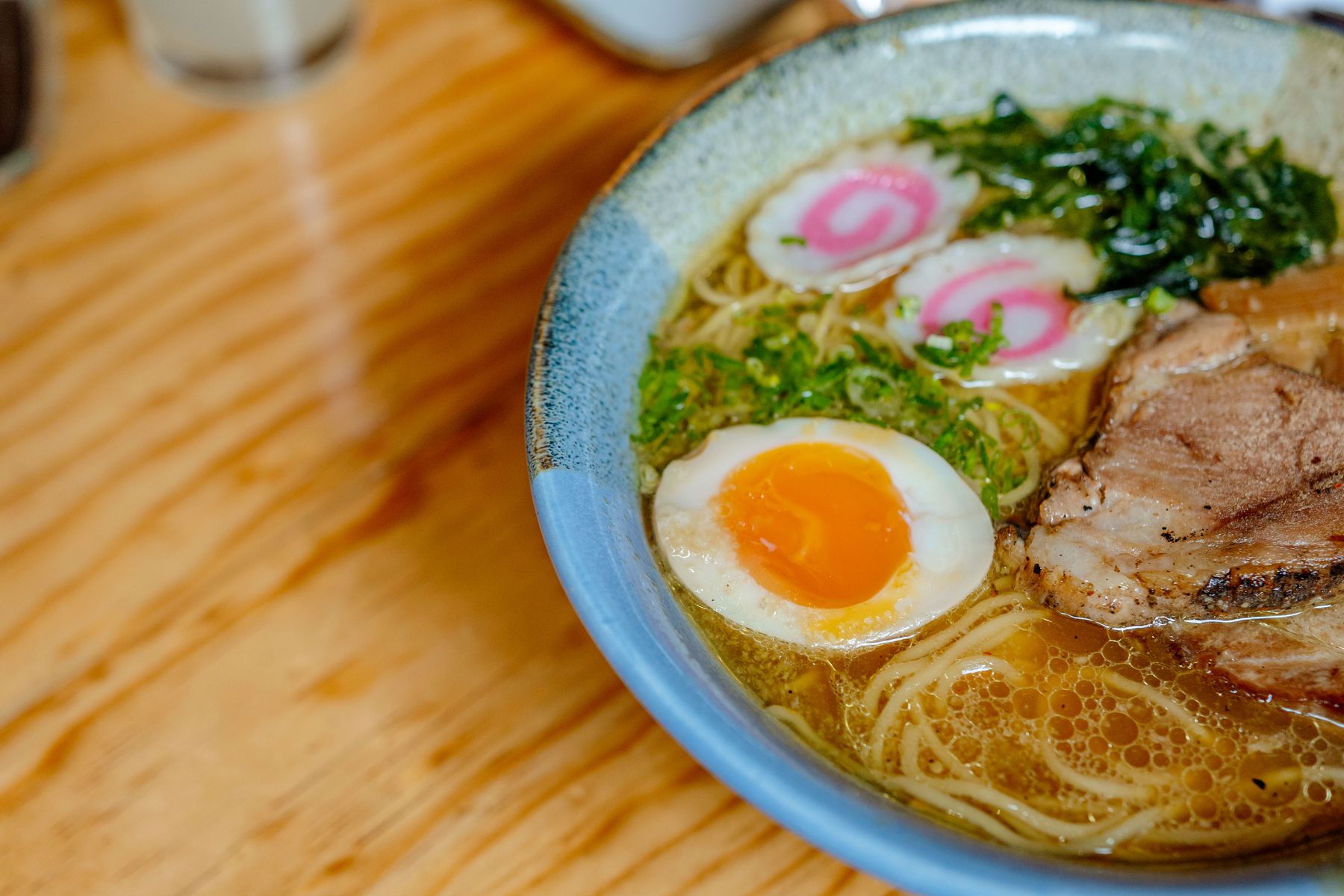
    A bowl of ramen noodles with egg and toppings

    Where solo dining actually works

    Not every restaurant format survived that shift equally, and this is the part guidebooks tend to gloss over. Some formats were basically built for one person from the ground up, and walking into them alone reads as completely unremarkable — nobody clocks it, nobody reseats you somewhere awkward, nobody brings extra chopsticks out of habit and then apologizes.

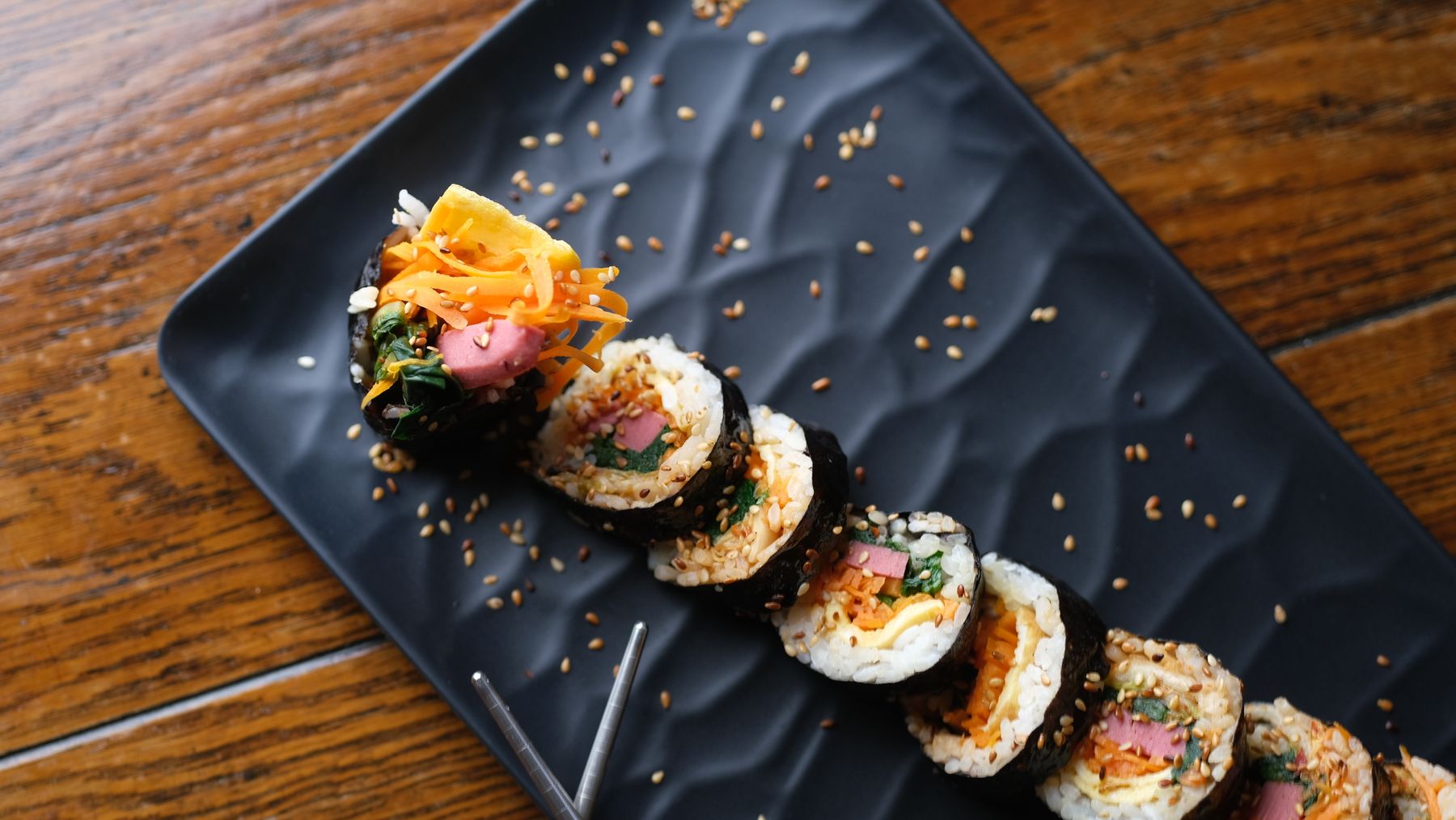
    Gimbap chains are probably the most foreigner-friendly entry point, and I mean that literally. Kimbap Cheonguk (김밥천국) and its many regional clones have laminated menus the size of phone books, single-seat bar counters facing the kitchen, and a business model that has never once assumed you’re there with three friends. You order, you eat, you leave, and the whole interaction can take twelve minutes if you’re in a hurry.

    Ramen and ramyeon bars follow the same logic — a lot of them are literally built as a single long counter, stools facing the wall or the cook, which if you’ve spent any time in Japan will look instantly familiar, and that’s not a coincidence given how much of Seoul’s ramen-bar aesthetic borrows directly from Tokyo.

    Convenience stores are their own category entirely: CU, GS25, 7-Eleven, and Emart24 all have those little plastic stools out front or a bar-height counter inside, specifically for people microwaving a triangle gimbap and a cup of instant ramyeon at 1am. Using them alone is so unremarkable it barely registers as a “solo dining” choice at all — it’s just lunch, and for a huge share of Seoul’s office workers it’s the default lunch, not a fallback.

    Then there’s the newer wave of single-seat setups that restaurants added on purpose, once they realized honbap customers were a market worth chasing rather than a nuisance to tolerate — individual hot pot burners at the table, single-serving budae-jjigae pots, personal-size samgyetang bowls. These exist now specifically because a restaurant owner somewhere ran the numbers and decided one customer paying full price beats an empty seat. You honestly can’t tell, sitting at one of these counters, whether the restaurant was designed this way from day one or retrofitted for the honbap economy, and I’ve come to think that’s the whole point — it’s supposed to be invisible.

    Fresh kimbap rolls sliced and arranged on a tray

    Where it’s still a little awkward

    And then there’s the stuff that hasn’t caught up, and some of it probably never will, for reasons that are more about food chemistry and restaurant math than culture. Korean barbecue is the obvious one — a lot of places still have a two-person minimum order, not out of stubbornness but because the grill setup, the labor of tending a table’s fire, and the side-dish spread genuinely don’t make sense for one portion of samgyeopsal. A solo diner at a KBBQ spot still typically gets the same five to seven small banchan plates a table of four would get, which means the dishwashing labor and table real estate are wildly disproportionate to the revenue from one order of pork belly — that’s the actual math behind the “no solo diners” sign, not pure stubbornness. Some galbi places in my neighborhood in Ilsan will serve you solo if you order two portions and just eat both, which is a workaround, not a solution, and I’ve done it more than once purely because I wanted the smell of grilling pork belly on a rainy Tuesday and didn’t care that I’d be taking half of it home.

    Group-portion stews are the other holdout — budae-jjigae, most jjigae ordered “big pot” style, dak-galbi, the stuff that arrives in a shared pot with everyone’s spoon going in from different directions. A lot of these dishes are portioned and priced around a minimum of two people almost as a structural fact of the recipe, not a policy decision, which means even the most honbap-friendly restaurant in Seoul might still tell you no for a table of one ordering dak-galbi specifically. It’s less “we don’t serve solo diners” and more “this dish doesn’t scale down cleanly,” which, honestly, is a more forgivable kind of no than the old-school version where the ajumma just didn’t want the hassle.

    Why communal eating mattered so much in the first place

    It’s worth understanding the historical weight behind all this, because the honbap trend isn’t just a lifestyle fad — it’s pushing against something that goes back centuries. The bapsang structure, that whole formal arrangement of rice, soup, kimchi, and rows of banchan spread across the table, has roots that trace to the Three Kingdoms period and got formalized hard during the Joseon dynasty, where the number of side dishes served at a table was practically a coded message about status — the king’s table reportedly ran to twelve dishes, noble households around nine, ordinary families closer to three or five. That’s not decoration, that’s a food system built explicitly around a group at a table, sharing from common plates, because the banchan themselves were never meant to be portioned per person to begin with.

    There’s a word Koreans use for the emotional residue of that — 정 (jeong) — which doesn’t translate cleanly into English but gets described as something between affection, loyalty, and the specific warmth of shared history with someone. Passing a bowl, refilling someone’s water without being asked, pushing the best piece of galbi toward a guest — that’s jeong in action, and it’s genuinely hard to perform solo. You can’t pass banchan to yourself. So for a very long time, eating alone wasn’t read as odd behavior so much as a small, visible absence of the social fabric the meal was supposed to represent. Which, I think, is exactly why the honbap shift feels like such a big deal to people who grew up here — it’s not just about restaurant seating, it’s a quiet renegotiation of what a meal is actually for.

    Practical tips if you still feel self-conscious

    If you’re a foreigner in Korea and the idea of eating alone still makes you hesitate at the door, a few things genuinely help.

    Start with formats that were built for it. Gimbap chains, ramyeon bars, and convenience store counters are close to zero-risk, and once you’ve done a few of those the muscle memory carries over to sit-down places.

    Look for single-seat bar counters facing the kitchen before you look for a table. A counter seat signals “efficient solo customer” in a way a four-top table doesn’t, and staff will treat you accordingly without you having to explain anything.

    If you want Korean barbecue or a group-portioned stew and you’re genuinely alone, call ahead or check the door signage for “1인” (il-in, “one person”). Some places now explicitly market themselves as 1인 식당, one-person restaurants, and that label is doing real work — it tells you the kitchen has already solved the portioning problem so you don’t have to negotiate it.

    Don’t assume a hesitant look from staff is judgment, either. Half the time it’s just them mentally recalculating which table makes sense for one person, the same recalculation a host in any country does before they’ve clocked how you’ll answer.

    One more thing worth saying, and it deserves its own point rather than a throwaway line: honbap culture in Seoul specifically is well ahead of honbap culture in smaller cities and the countryside. What feels completely unremarkable in Hongdae might still get you a curious glance in a small town in Gyeongsangbuk-do. That’s not a contradiction of everything above, it’s just geography — trends radiate outward from Seoul on their own schedule, and food service is no exception. If you’re traveling outside the major metro areas and want a genuinely safe solo option regardless of region, gukbap (국밥) — rice served directly in a bowl of hot soup — is arguably the most honbap-proof dish in the entire country, because it was never a shared-pot food to begin with; it’s plated per person by default, which is probably why old-school truck-stop gukbap houses in rural areas have quietly served solo travelers for decades without anyone ever calling it a trend.

    Single-seat bar counter seating in a restaurant

    FAQ

    Can I actually order Korean barbecue alone anywhere in Seoul?

    In some places, yes — a growing number of samgyeopsal spots near university areas and business districts now offer single-portion grill setups specifically for honbap customers, often advertised with a “1인” sign near the door. But it’s still the exception rather than the rule; plenty of traditional galbi houses keep a genuine two-person minimum because the grill and side-dish economics don’t work below that, so it’s worth checking signage or asking before you sit down rather than assuming either way.

    Will I get bad service or a worse table if I’m eating alone?

    Rarely in Seoul proper, and almost never at places designed around solo dining like gimbap chains or ramyeon bars. You might occasionally get seated near the kitchen or at a smaller table rather than a prime window seat during a busy dinner rush, simply because staff are optimizing seating for revenue, the same as a host anywhere would with a party of one during peak hours — that’s a seating-efficiency decision, not a judgment on you personally.

    Is honbap only a Seoul thing, or is it spreading nationwide?

    It’s spreading, but unevenly. Busan and other larger cities have caught up fairly quickly, especially around university neighborhoods and business districts, while smaller towns and rural areas move slower simply because the single-person household numbers driving the whole trend are concentrated in big cities. If you’re traveling outside the major metro areas, lean on gimbap chains, convenience stores, ramyeon bars, and gukbap houses as your reliable fallback — those formats work almost everywhere in the country regardless of local dining norms.