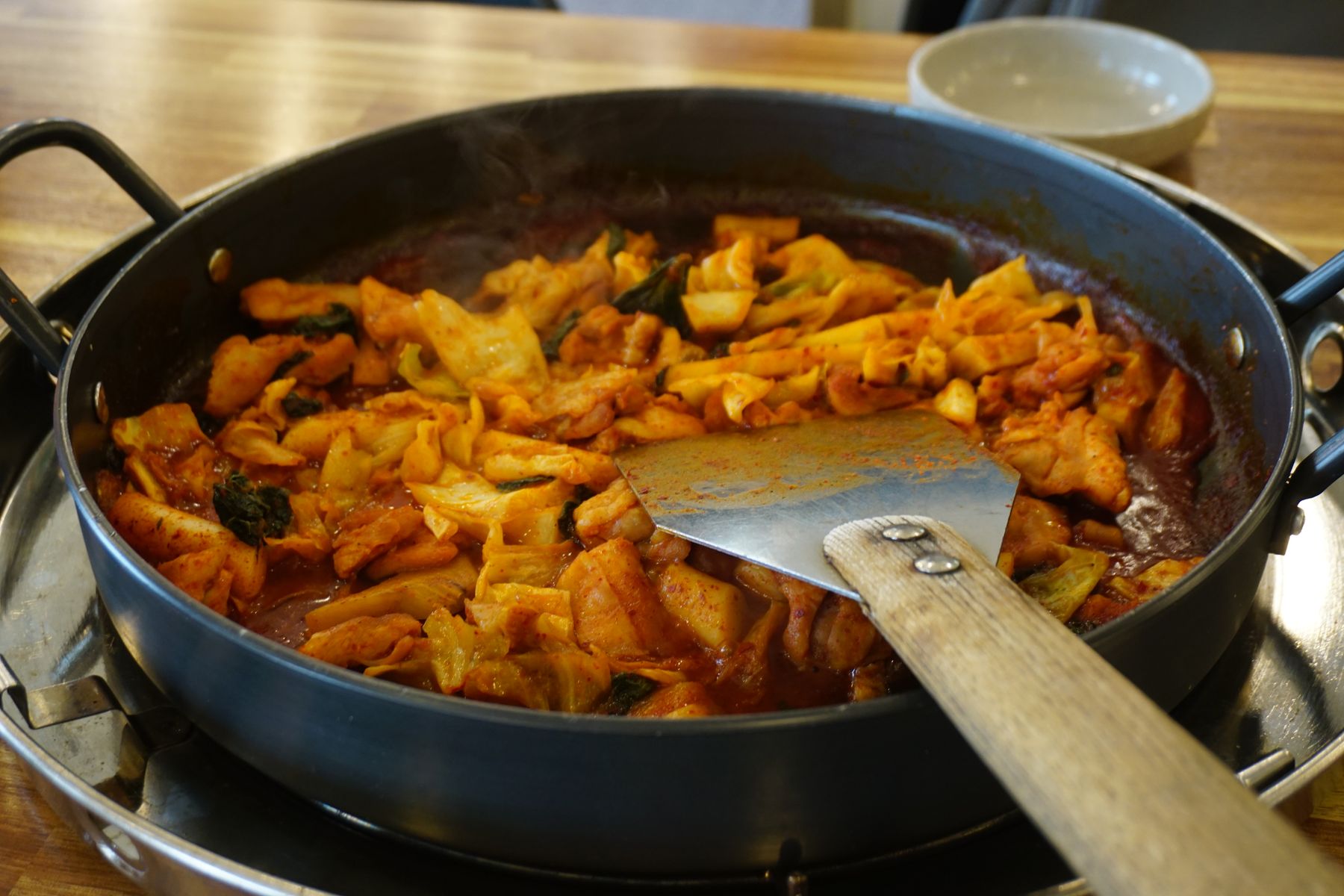
지난 주말, 냉동실 구석에 있던 닭다리살 800g을 꺼내면서 문득 궁금해졌다. 분명 유명한 레시피 그대로 양념장을 만들었는데, 왜 집에서 볶으면 명동 닭갈비 골목이나 백화점 지하 식품관에서 파는 그 ‘착 감기는 맛’이 안 나는 걸까. 결론부터 말하면 범인은 재료가 아니라 순서였다. 양념을 넣는 타이밍과 채소를 써는 크기, 그리고 카레가루 한 스푼의 존재 여부가 맛의 8할을 갈랐다.
닭갈비, 왜 집에서 하면 그 맛이 안 날까
닭갈비집 철판 앞에 앉아본 사람이라면 알겠지만, 그 가게들은 양념을 절대 한 번에 다 붓지 않는다. 처음엔 심심하다 싶을 정도로만 무쳐서 재워두고, 볶는 중간에 나머지를 더한다. 이 얘기를 하면 “그냥 한 번에 넣으면 편한데 왜 번거롭게”라는 반응이 먼저 나온다. 그런데 막상 해보면 차이가 확연하다. 한 번에 다 넣으면 고추장의 당분이 먼저 타면서 겉은 쓴맛이 돌고 속엔 간이 안 밴다. 반대로 나눠서 넣으면 고기 안쪽까지 양념이 스며들 시간을 벌면서 겉면은 마지막에 캐러멜라이징되듯 윤기가 돈다.
재료 준비: 닭다리살 800g 기준
닭다리살(순살) 800g, 양배추 1/4통, 대파 1대, 깻잎 15장, 고구마 1개, 떡볶이떡 200g을 기본으로 잡는다. 채소는 대충 썰어도 될 것 같지만 의외로 두께가 맛을 가른다. 양배추는 2cm 폭으로 큼직하게, 고구마는 0.5cm 두께 반달썰기로 얇게 저며야 짧은 조리 시간 안에 속까지 익는다. 두껍게 썰면 겉만 타고 속은 설익어서 아삭한 식감 대신 딱딱한 심지가 남는다. 닭가슴살로 대체하는 경우도 많이 보이는데, 퍽퍽해지는 속도가 다리살보다 두 배는 빠르다. 시간 없다고 가슴살 쓰면 나중에 후회하기 쉽다.
양념장은 고추장 3큰술, 고춧가루 2큰술, 간장 2큰술, 설탕 1.5큰술, 물엿 1큰술, 다진 마늘 1큰술, 다진 생강 0.5작은술, 카레가루(순한맛 기준) 1큰술, 후춧가루 약간, 그리고 간 사과 또는 배 3큰술로 잡는다. 여기서 카레가루를 보고 갸웃하는 사람이 많다. 닭갈비에 웬 카레가루냐 싶겠지만, 이게 잡내를 눌러주고 양념 색을 붉은 갈색에서 살짝 누런빛이 도는 황금색으로 바꿔준다. 실제로 넣은 것과 뺀 것을 두 번 만들어 비교해봤는데, 카레가루 뺀 쪽은 뭔가 밋밋하고 단맛만 튀는 느낌이 났다. 매운맛 뒤에 은은하게 남는 향신료 풍미, 그게 바로 카레가루의 몫이다.
양념에 재우는 시간, 30분이면 충분할까
레시피마다 재우는 시간이 짧게는 20분에서 길게는 하룻밤까지 천차만별이다. 냉장고에 3시간, 심하면 하루 종일 재워야 제맛이라는 얘기도 있다. 의외로 그렇게까지 오래 필요하지 않다. 닭다리살은 돼지 갈비나 소고기처럼 결이 질기지 않아서 30분에서 1시간 정도만 재워도 충분히 간이 밴다. 오히려 너무 오래 재우면 고추장의 염도 때문에 살이 질겨지는 역효과가 난다. 시간 여유가 있다면 냉장고에서 1시간, 급할 때는 상온에서 20분도 나쁘지 않다.
철판 없이 프라이팬으로도 되나요
집에 무쇠 철판이 없어서 못 만든다고 생각하는 사람이 많은데, 사실 일반 프라이팬으로도 충분히 비슷한 결과가 나온다. 다만 조건이 하나 있다. 집에 있는 팬 중 가장 크고 넓은 걸 꺼내야 한다. 팬이 너무 작으면 재료가 겹쳐 쪄지듯 익어버려서 볶음 특유의 불맛이 안 산다. 지름 28cm 이상 되는 웍이나 넓은 프라이팬을 쓰고, 강불에서 짧게 승부를 봐야 한다. 순서는 이렇게 나눠서 진행한다.
1단계, 고기 초벌 — 강불에서 팬을 달군 뒤 식용유 2큰술을 두르고, 재운 닭고기만 먼저 넣어 중강불에서 5분간 겉면을 익힌다. 2단계, 단단한 채소 — 고구마와 떡을 넣고 3분을 더 볶는다. 이때 고구마 단면이 살짝 투명해지면 익었다는 신호다. 3단계, 숨 쉬는 채소 — 양배추와 대파를 넣고 4분을 더 볶는데, 양배추에서 물이 배어 나오기 시작하면 불을 살짝 줄여 국물이 흥건해지는 걸 막아야 한다. 마지막에 깻잎을 넣고 30초만 뒤적이면 끝이다. 총 조리 시간은 대략 12~13분 안팎이다.
채소를 나중에 넣는 이유를 물어보는 사람이 꼭 있다. 처음부터 다 넣고 볶으면 편하지 않냐는 것이다. 그런데 양배추와 고구마는 익는 시간이 다르다. 고구마는 얇게 썰어도 안에서 안 익을 수 있고, 양배추는 오래 볶으면 숨이 죽어 물이 흥건해진다. 그래서 단단한 재료부터 순서대로 넣어야 한다. 이 순서 하나만 지켜도 완성도가 확 달라진다.
마무리는 밥볶음으로
닭갈비를 다 먹고 나서 팬에 남은 양념과 자투리 채소, 치즈를 넣고 밥을 볶아 먹는 순간을 위해 애초에 이 요리가 존재하는 게 아닐까 싶을 정도다. 밥 2공기 기준으로 김가루 한 줌과 참기름 1작은술을 더하면 자칫 느끼해지기 쉬운 볶음밥이 훨씬 산뜻해진다. 여기에 모차렐라 치즈 100g을 얹고 살짝 뚜껑을 덮어 1분만 녹이면, 굳이 치즈닭갈비집에 가지 않아도 비슷한 만족감을 낼 수 있다. 다만 치즈를 너무 일찍 얹으면 눌어붙어서 팬 바닥에 들러붙는 사고가 난다. 불을 끄고 여열로 녹이는 편이 안전하다.
자주 하는 실수 세 가지
물기 제거 생략 — 닭다리살을 씻고 나서 키친타월로 물기를 안 닦으면 양념이 겉돌고 팬에서 국물이 흥건하게 나온다. 중불로만 볶기 — 센불이 무서워서 중불로만 오래 볶으면 수분이 계속 빠져나오면서 볶음이 아니라 조림처럼 되어버린다. 볶음 요리는 짧고 굵게, 이게 원칙이다. 대파를 처음부터 투입 — 대파 향은 오래 가열하면 금세 날아가버리기 때문에 마지막 3분을 남기고 넣는 게 좋다. 이 세 가지만 피해도 완성도는 확실히 달라진다.
FAQ
Q1. 고추장 대신 고춧가루만 써도 되나요? 가능은 하지만 결과물이 꽤 달라진다. 고추장은 매운맛뿐 아니라 끈적한 점도와 발효된 감칠맛을 함께 준다. 고춧가루만 쓰면 매콤하긴 한데 양념이 겉에서 겉돌고 윤기가 안 난다. 부득이하게 고추장이 없다면 된장 1작은술을 더해 점도와 감칠맛을 보완하는 방법이 있다.
Q2. 아이랑 같이 먹으려면 매운맛을 얼마나 줄여야 하나요? 고춧가루를 절반으로 줄이고 케첩 1큰술을 추가하면 매운맛은 낮아지면서도 색과 단맛은 유지된다. 실제로 초등학생 조카랑 먹을 때 이 비율로 해봤는데, 맵다고 물 찾는 일 없이 잘 먹었다. 대신 카레가루는 그대로 넣어야 심심해지지 않는다.
Q3. 남은 닭갈비, 다음날 어떻게 먹는 게 좋을까요? 냉장 보관한 닭갈비는 다시 볶으면 살이 뻣뻣해지기 쉽다. 전자레인지에 물 1큰술을 뿌리고 뚜껑을 덮어 2분 정도 데우면 수분이 날아가지 않아 훨씬 부드럽다. 아니면 아예 볶음우동으로 재활용해서 면과 함께 볶으면 질감 변화가 크게 느껴지지 않는다.
추석을 앞둔 주말, 내비게이션에 선산 위치를 찍고 출발하기 전에 꼭 확인해야 할 게 있습니다. 벌초는 매년 하는 일인데 사고는 왜 줄지 않을까요. “작년에도 별일 없었으니까”라는 생각으로 준비 없이 산에 오르기 때문입니다. 처서(8월 23일경)부터 백로(9월 8일경) 사이, 그러니까 지금 이 시기가 벌 활동이 절정에 달하는 구간이고 동시에 벌초객이 가장 몰리는 때이기도 합니다. 두 흐름이 겹치니 사고도 같이 몰립니다.
벌초, 언제 가는 게 맞을까
벌초는 보통 추석 2~4주 전, 음력 7월 백중 무렵부터 시작해 늦어도 추석 일주일 전에는 끝내는 게 관행입니다. 너무 일찍 하면 추석 즈음 풀이 다시 자라 있고, 너무 늦게 하면 벌써 벌 활동이 극에 달한 시기와 겹쳐 위험합니다. 그런데도 많은 집안이 “다 같이 모이는 주말”에 맞추다 보니 결국 9월 초중순에 몰리는 경우가 많습니다. 의외로 이 타이밍 조율이 안전과 직결됩니다.
시기뿐 아니라 벌초와 성묘의 순서를 헷갈려 하는 경우도 흔합니다. 벌초가 풀 베고 봉분을 정리하는 작업이라면, 성묘는 그렇게 정리된 산소를 찾아가 절하고 인사하는 의식입니다. 설, 한식, 단오, 추석 네 번이 전통적인 성묘 시기인데, 요즘은 벌초와 추석 성묘를 한 번에 묶어서 다녀오는 집이 대부분입니다. 순서상으로는 벌초를 먼저 끝내고, 추석 당일이나 그 전후로 성묘를 가는 흐름이 자연스럽습니다.
예초기, 생각보다 훨씬 위험한 도구입니다
예초기 사고라고 하면 흔히 “칼날에 손 베이는 것” 정도를 떠올리는데, 실제로는 튕겨 나온 돌멩이나 나뭇조각에 눈을 다치는 사례가 압도적으로 많습니다. 칼날 끝 회전 속도가 시속 100km에 육박한다고 알려져 있어서, 작은 돌 하나도 총알처럼 튕겨 나갑니다. 작업 반경 15미터 안쪽으로는 다른 사람을 들이지 않는 게 원칙인데, 막상 현장에서는 “잠깐인데 뭐 어때”라며 옆에 서서 구경하다가 다치는 경우가 적지 않습니다.
보안경과 안면 보호구는 선택이 아니라 필수입니다. 그런데도 날이 더우니까 답답하다고 벗어 던지는 분들을 종종 봅니다. 긴팔, 긴바지, 안전화, 장갑까지 갖추면 확실히 거추장스럽긴 합니다. 다만 예초기 칼날에 걸린 이물질을 제거할 때 전원을 끄지 않고 손을 넣었다가 큰 부상으로 이어지는 사고가 매년 반복된다는 점을 생각하면, 그 몇 분의 불편함이 그렇게 비싼 값은 아닙니다.
이물질이 눈에 튀었다면 절대 비비지 말아야 합니다. 예초기부터 끄고, 눈을 깜빡여 눈물로 자연스럽게 씻겨 나오게 하거나 흐르는 물을 코 쪽 방향으로 흘려보내며 헹궈내는 게 우선입니다. 통증이 계속되거나 시야가 흐려지면 그 자리에서 참지 말고 병원으로 이동해야 합니다.
예초기 작업 중에는 보안경과 안면 보호구가 선택이 아니라 필수입니다.
말벌, 색깔부터 다르게 반응합니다
“벌집만 안 건드리면 되는 거 아니야?”라고 생각하기 쉬운데, 문제는 벌초 작업 자체가 진동과 소음으로 땅속이나 나무 구멍 속 벌집을 자극한다는 점입니다. 예초기 소리와 진동이 벌집 근처까지 퍼지면 벌들이 방어 태세로 전환합니다. 특히 말벌은 검은색이나 짙은 갈색 계열에 훨씬 공격적으로 반응한다는 게 여러 현장 사례에서 확인된 부분입니다. 말벌의 천적인 곰이나 오소리 같은 동물의 털 색이 대체로 검은색과 갈색 계열이다 보니, 비슷한 색을 보면 경계 반응부터 튀어나온다는 설명이 그럴듯하게 들립니다. 그래서 밝은색 옷을 권장하는 겁니다. 향수나 헤어스프레이 같은 강한 향도 벌을 자극할 수 있으니 벌초 당일만큼은 참는 게 낫습니다.
작업 전에 산소 주변을 한 바퀴 둘러보며 벌집이 있는지 눈으로 확인하는 습관, 별것 아닌 것 같아도 의외로 사고를 많이 막아줍니다. 벌집을 발견했다면 절대 직접 건드리거나 막대기로 쑤셔보지 말고, 조용히 뒤로 물러나 안전한 거리를 확보한 뒤 119에 신고하는 게 정답입니다. 소방서에서는 벌집 제거 출동을 실제로 지원하고 있습니다.
말벌집을 발견하면 직접 제거하려 하지 말고 즉시 자리를 피해야 합니다.
벌에 쏘였을 때, 순서대로만 하면 됩니다
쏘였다는 걸 인지하면 가장 먼저 할 일은 그 자리를 벗어나는 겁니다. 벌이 쏘일 때 함께 뿜어내는 경보 페로몬이 동료 벌을 불러 모으는 신호가 되기 때문에, 그 자리에 계속 머물면 추가로 쏘일 위험이 커집니다. 최소 20~30미터는 벗어난 뒤에 상처를 살펴보는 게 좋습니다.
꿀벌에게 쏘였다면 침이 피부에 박혀 남아 있는 경우가 많은데, 이때 손가락으로 집어 뽑으면 독낭을 눌러 독이 더 들어갈 수 있습니다. 신용카드나 단단한 카드 모서리로 옆으로 살살 긁어내듯 제거하는 게 낫습니다. 반면 말벌은 침이 피부에 남지 않고 여러 번 쏠 수 있어서 카드로 긁어내는 방법 자체가 해당되지 않습니다. 어느 쪽이든 비누와 물로 상처 부위를 씻어내고, 얼음찜질로 부기를 가라앉히면서 심장보다 높은 위치로 들어 올려 두는 게 기본 대처입니다.
여기서 진짜 중요한 건 그다음입니다. 두드러기가 온몸으로 퍼지거나, 숨쉬기가 답답해지거나, 어지럽고 속이 메스꺼워지는 증상이 나타나면 이건 단순 붓기가 아니라 알레르기 반응일 가능성을 의심해야 합니다. 이런 경우, 그리고 여러 곳을 동시에 쏘였거나 입안·목 주변을 쏘였을 때는 지체 없이 119에 신고하거나 가까운 응급실로 이동하는 게 맞습니다. “괜찮아지겠지”하고 기다리다가 증상이 급격히 나빠지는 사례가 매년 보고되는 만큼, 애매하면 병원 쪽으로 마음을 정하는 편이 낫습니다.
뱀도 조심해야 할 계절입니다
벌 얘기에 가려지기 쉽지만 9월은 뱀도 활발하게 움직이는 시기입니다. 겨울잠 준비를 위해 먹이 활동이 늘어나면서 풀숲이나 돌 틈 사이에 있을 확률이 높아집니다. 장화나 목이 긴 등산화를 신고, 예초기로 풀을 벨 때는 발밑을 확인하면서 조금씩 나아가는 게 안전합니다. 만약 뱀에게 물렸다면 절대 해서는 안 되는 행동부터 알아두는 게 낫습니다. 입으로 독을 빨아내려 하지 말 것, 상처 위쪽을 끈이나 벨트로 세게 묶지 말 것, 얼음으로 직접 지지지 말 것, 이 세 가지입니다. 지혈대를 강하게 묶으면 오히려 혈액순환이 막혀 조직 손상이 더 커질 수 있습니다. 대신 물린 부위를 심장보다 낮게 유지한 채 움직임을 최소화하고, 최대한 빨리 병원으로 이동하는 게 유일하게 확실한 대처입니다.
자주 묻는 질문
Q. 벌초 대행업체를 부르면 이런 위험을 신경 안 써도 되나요? 대행업체가 예초기 작업과 벌집 확인까지 해주긴 하지만, 성묘를 위해 직접 방문할 때는 여전히 본인이 주변을 살펴야 합니다. 대행 후 며칠 지나서 방문하면 그사이 새로 벌집이 생기는 경우도 있어서, 도착하자마자 바로 절부터 하지 말고 잠깐 주변을 둘러보는 습관이 필요합니다.
Q. 벌에 쏘인 자리가 다음 날에도 계속 부어 있으면 병원에 가야 하나요? 쏘인 직후 몇 시간 안에 심해지는 급성 반응과 달리, 하루 이틀 지나 국소적으로 붓고 가려운 정도는 흔한 반응입니다. 다만 부기가 점점 넓게 퍼지거나 열감과 통증이 심해진다면 감염 가능성도 있으니 그때는 병원에서 확인받는 게 좋습니다.
Q. 아이나 어르신을 모시고 성묘 갈 때 특별히 더 조심할 게 있나요? 아이들은 벌을 손으로 쫓아내려다 오히려 자극하는 경우가 많고, 어르신은 알레르기 반응이 있어도 스스로 대수롭지 않게 넘기는 경우가 있습니다. 동행자가 증상을 옆에서 관찰하고, 이상 징후가 보이면 본인이 괜찮다고 해도 병원 쪽으로 판단을 내리는 게 안전합니다.
조상님을 뵙는 날이 뿌듯한 기억으로 남으려면 준비가 절반입니다. 밝은색 옷 한 벌, 보안경 하나, 그리고 벌집을 보면 물러설 줄 아는 판단력. 이 세 가지만 챙겨도 올해 벌초와 성묘는 훨씬 안전하게 지나갈 겁니다.
I still remember the first time a new hire at a Seoul office introduced himself as “Kim Minsu” and I immediately called him “Minsu” for the rest of the meeting, assuming that was his first name. He was polite about it. Everyone else in the room was not. Months later, filling out a delivery form at a different company, I watched a coworker’s package get sent back because the courier’s system had swapped her surname and given name into the wrong fields — Park had ended up in the “first name” slot and her actual given name sat where a surname should be, and the address label came out looking like it belonged to a stranger. That’s when it clicked for me that this wasn’t just a one-time awkward introduction. It’s a structural mismatch that keeps resurfacing in small, annoying ways.
Here’s the short version: in Korean, the family name comes first, then the given name. Kim Minsu means the surname is Kim and the given name is Minsu, full stop. No middle name, no comma flipping things around like a Western business card would do. It sounds simple when you write it out like that, but the confusion runs deeper than most explanations let on, and that’s really what this post is about.
The order itself: surname first, always
Korean names almost always follow a strict pattern: one-syllable family name, followed by a one or two-syllable given name. Park Jimin is Park (family) plus Jimin (given). Choi Woo-shik is Choi plus Woo-shik. It’s the same order used across China and much of East Asia, and it’s not some quirky exception — it’s the default naming convention for a huge share of the world’s population, even though English-language media treats “first name last” as if it were the strange one.
The confusion usually starts when Koreans don’t keep this order for a Western audience. A businessman named Kim Minsu might put “Minsu Kim” on his English business card specifically because he’s used to Westerners flipping it back anyway, so he saves everyone the trouble. Meanwhile his coworker in the same company keeps “Kim Minsu” order because that’s what feels correct to her. Same company, same country, two different conventions on two different cards. Nobody agreed on this as a rule; it’s just individual habit, and that inconsistency is honestly the root of half the trouble foreigners run into.
It also matters early, before you even get to surnames and syllables, because it shapes how you address someone at work from day one. In a Korean office, you rarely default to a given name at all — you use family name plus title, like Kim Bujang-nim (Manager Kim) or Park Sajang-nim (President Park), and that pattern holds regardless of how casual the office culture otherwise feels. A foreign hire used to first-name-basis workplaces might go weeks without hearing a Korean colleague’s given name spoken out loud even once. It’s not distance for its own sake; it’s just a different default for what counts as appropriately respectful.
Kim, Lee, Park: why it feels like everyone has the same last name
If you’ve spent any time in Korea, you’ve noticed it: an enormous share of the population seems to be named Kim, Lee, or Park. That’s not a coincidence or an exaggeration. Kim alone accounts for roughly one in five South Koreans, and Kim, Lee, and Park combined cover close to half the country. There are fewer than 300 surnames in total use in Korea today, compared to the tens of thousands common in a country like the United States. So when you meet three Kims in one small meeting room, that’s just statistically expected, not some strange coincidence worth a raised eyebrow.
Because those three surnames carry so much of the population on their own, Korean naming needed a second layer just to keep families distinguishable from one another, which is where “bon-gwan” (본관) comes in — essentially a clan origin tied to a specific ancestral region. Two people can both be named Kim, but one traces back to the Gimhae clan and the other to Gyeongju, and traditionally those two lines were treated as entirely separate families for purposes like marriage eligibility. It’s a layer most foreigners never even learn exists, and honestly, most younger Koreans don’t dwell on it much these days either — but it explains why “Kim” was never really one unified family to begin with, even though it looks that way from the outside.
Dollimja: the generational syllable hiding in a family’s names
Here’s a detail that rarely makes it into beginner guides: a lot of given names in Korea aren’t fully freeform. Many families use a “dollimja” (돌림자), a generational name syllable shared by siblings or same-generation cousins. So if a father names his sons Minsu and Minho, that repeated “Min” isn’t a coincidence or a matching theme he picked for cuteness — it signals they belong to the same generational rank in the extended family, often following a rotating cycle of characters written down generations earlier in a family genealogy book (jokbo).
This tradition has faded somewhat in recent decades, especially in cities, where parents increasingly pick given names purely for sound or meaning rather than lineage tracking. Still, it hasn’t disappeared, and you’ll see it plenty in older generations’ names and in family-saga dramas where a scene will casually reveal three cousins all sharing one syllable. If you ever notice two Korean siblings whose names share one syllable, there’s a decent chance it’s not a stylistic choice at all — it’s a naming system quietly doing exactly what it was designed to do.
How given names actually get chosen
Given names in Korea usually come from Sino-Korean characters (hanja), each with its own meaning, and parents — sometimes with a grandparent or a professional name-fortune teller weighing in — pick a combination believed to bring good fortune, based on the child’s birth details in the Korean lunar calendar and Five Elements theory (saju). This isn’t universal; plenty of modern parents skip the fortune-telling step entirely and just choose names that sound good together or carry meaning they personally like, sometimes in pure Korean rather than hanja at all. Names like Haneul (sky) or Bit-na (shining) are purely native Korean words with no Chinese-character basis, and they’ve become noticeably more popular over the last generation as a kind of quiet cultural statement.
Either way, the given name is rarely just decorative. Even names that sound modern and casual to an English ear usually carry a specific, intentional meaning chosen for the child — which is worth remembering the next time you’re tempted to shorten someone’s two-syllable given name into a single-syllable nickname without asking first. It can land as more casual than intended, since Koreans don’t default to nicknames the way English speakers often do with names like Michael becoming Mike.
Romanization: the same name, five different spellings
This is where things get genuinely inconsistent, even for Koreans themselves. Korean has no single, universally enforced system for converting its sounds into the Roman alphabet on personal documents. The government’s official Revised Romanization system would spell 이 as “I” and 박 as “Bak,” but almost nobody actually uses those spellings in real life. Instead, you’ll see “Lee,” “Yi,” “Rhee,” and even “Ri” all representing the exact same Korean surname, and “Park” persisting as the default English spelling for 박 despite being, by most linguists’ account, one of the least phonetically accurate romanizations still in common use. Picture an American family named Smith showing up on four different government documents as “Smith,” “Smyth,” “Smithe,” and “Smithee” — that’s roughly the scale of inconsistency Korean surnames tolerate on paper without anyone treating it as an error.
Why does this happen? Passports historically let the applicant choose their own preferred spelling within reason. Once a family settled on one spelling — often decades ago, sometimes shaped by how an immigration officer or an English teacher first wrote it down — it tends to stick across generations for consistency with older documents, even when it doesn’t match current romanization guidelines. That’s how you end up with siblings whose passports spell the same family name slightly differently, if one applied years before the other and family preferences shifted in between. It’s also how a company’s Korean-language paperwork and its English-language paperwork can list an employee’s name in two spellings that don’t obviously match unless you already know they’re supposed to be the same word.
Given names have it even worse, honestly, since there’s more room for personal preference. A given name written 정연 might appear as “Jung-yeon,” “Jeong-yeon,” or “Jungyeon” with no hyphen at all, depending entirely on what the person filled out on their own paperwork. None of these are wrong exactly — they’re just different transliteration choices for sounds that don’t map cleanly onto English spelling conventions in the first place.
Where this trips foreigners up in real life
The most common stumble happens on forms. Western intake forms ask for “First Name” and “Last Name,” and a Korean applicant has to decide, every single time, whether to put their family name in the “first name” box because it comes first in their own language, or in the “last name” box because that’s the field’s actual intent. There’s no consistent right answer that every Korean person follows, which means the same person might genuinely fill it out differently depending on the day or the form — and once that inconsistency lands in a database, it can quietly follow someone across flight bookings, bank accounts, and delivery addresses for years without ever getting fully corrected. On the flip side, foreigners looking at a Korean name on a badge or a name tag sometimes guess wrong about which part to use when addressing someone directly, calling a manager by what’s actually her family name and wondering why the room goes quiet.
And then there’s the entertainment industry, which somehow manages to make things more confusing rather than less. Korean drama and film credits often list cast and crew in Western order (given name, family name) for international release versions, while the same credits in the domestic Korean-language version keep the traditional order. Watch the same show’s opening credits in both languages back to back and you’ll see the exact same two names in reverse sequence. It’s a small thing, but it’s a fairly accurate stand-in for the whole topic: one name, two orders, both technically correct, and no sign either convention is going away in favor of the other any time soon.
FAQ
If a Korean coworker introduces herself as “Park Sujin,” which part do I actually call her?
Park is the family name, Sujin is the given name. In a formal or workplace setting, especially early in the relationship, default to family name plus an honorific or title rather than jumping straight to “Sujin” — that’s closer to how her own colleagues would address her unless you’re already on close personal terms.
Why does my friend’s passport spell his surname “Yi” when everyone else with the same Korean surname spells it “Lee”?
Both represent the same Korean character, 이. There’s no single mandatory romanization for personal names in Korea, so the spelling on a passport usually reflects whatever the applicant or their family chose at some point, sometimes decades ago, and it tends to stay fixed after that for document consistency.
I noticed two brothers with names that both start with the same syllable — is that just a family style choice?
It might be decorative, but there’s a good chance it’s a dollimja, a generational naming syllable shared among siblings or cousins of the same generation in a family. It’s an older tradition that’s becoming less common in cities but is still very much alive in plenty of families.
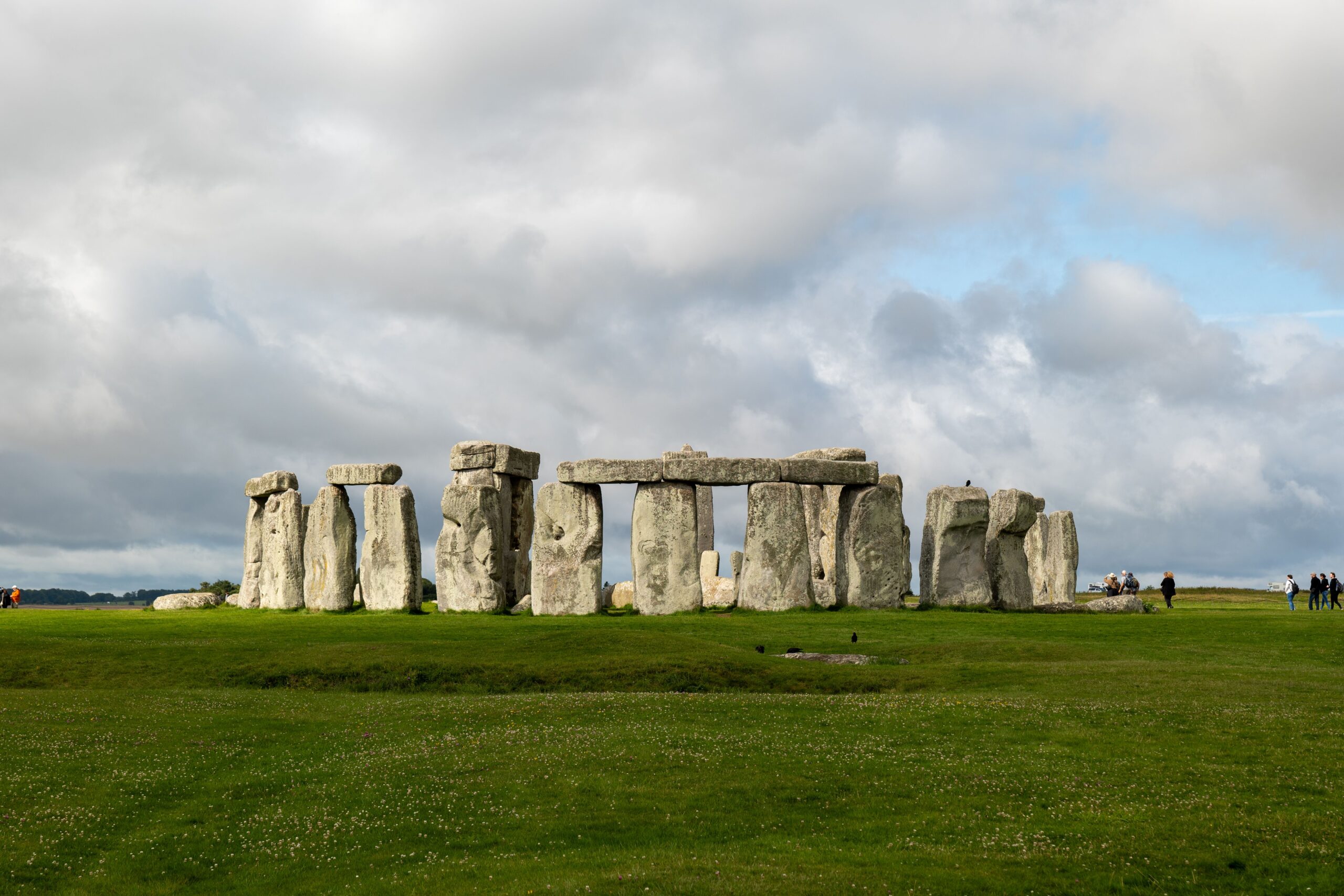
영국 솔즈베리 평원에 가보면 의외로 실망하는 사람이 많다. 사진으로 볼 때는 광활한 벌판에 압도적으로 서 있을 것 같은데, 막상 도착하면 돌 크기 자체는 생각보다 아담하고 관광버스 주차장이 코앞이라 신비로움이 확 깨진다는 후기가 꽤 있다. 심지어 돌 사이로 걸어 들어갈 수도 없고 밧줄 바깥에서 멀찍이 구경만 해야 해서, 굳이 여기까지 왔나 싶은 허탈함을 느끼는 사람도 많다고 한다. 그런데 그 실망은 딱 5분짜리다. 저 돌 중 하나가 750킬로미터 떨어진 스코틀랜드 북동부에서 왔다는 사실을 알고 나면, 그것도 바퀴 하나 없던 시대에 옮겨졌다는 걸 알고 나면 그 밧줄 너머 풍경이 완전히 다르게 보이기 시작한다.
2024년, 스톤헨지 연구를 뒤집은 돌 하나
스톤헨지 한가운데 누워 있는 ‘제단석(Altar Stone)’은 오랫동안 웨일스산 사암으로 여겨졌다. 다른 청석(bluestone)들이 대부분 웨일스 프레셀리 구릉에서 온 것으로 확인됐으니 이 돌도 당연히 그럴 거라고 다들 짐작했던 셈이다. 그런데 2024년 8월, 커틴 대학교 연구팀이 네이처에 발표한 논문 하나가 이 가정을 완전히 무너뜨렸다. 1840년대부터 발굴 현장에서 수집돼 보관돼 있던 파편들의 광물 연대와 화학 성분을 분석했더니, 웨일스가 아니라 스코틀랜드 북동부 오르카디안 분지의 지층과 성분이 일치했다는 것이다.
거리로 치면 최소 750킬로미터, 최근 후속 연구에서는 700킬로미터 이상의 육로·해로 이동 경로가 제시되기도 했다. 기원전 3000년경 신석기 사람들에게 이 정도 거리는 지금 기준으로 봐도 만만치 않다. 6톤이면 준중형 승용차 네댓 대를 합친 무게인데, 이걸 바다로 옮겼다면 통나무를 엮은 뗏목이나 원시적인 가죽 배 여러 척을 동시에 묶어 균형을 맞춰야 했을 것이다. 파도에 흔들리는 배 위에서 돌 하나가 기울면 배 전체가 뒤집힐 수 있으니, 항해 기술뿐 아니라 무게 중심을 계산하는 감각까지 필요했던 셈이다. 연구팀은 이 발견이 당시 브리튼 섬 전역에 걸친 놀라울 만큼 정교한 운송 체계와 사회적 협력 관계가 존재했음을 보여준다고 결론지었다.
누가, 언제 만들었나 — 한 번에 세워진 게 아니다
스톤헨지를 하나의 사건으로 착각하기 쉬운데, 실제로는 최소 세 단계에 걸쳐 수백 년 동안 조금씩 완성된 구조물이다. 가장 이른 단계는 기원전 3000년경으로, 지금 우리가 아는 돌기둥들은 없이 원형 둑과 도랑, 그리고 그 안쪽 구덩이들만 있었다. 이 구덩이들은 오브리 홀(Aubrey Holes)이라 불리는데 화장된 유골이 다수 묻혀 있어서 초기 스톤헨지가 일종의 공동 묘지였을 가능성을 뒷받침한다.
청석들이 세워진 건 기원전 2900년에서 2600년 사이로 추정되고, 우리에게 익숙한 거대한 사암 기둥인 사르센석(sarsen stone)들이 지금의 배치로 세워진 건 기원전 2500년 무렵이다. 이 사르센석들은 무게가 최대 30톤에 달하는데, 이건 대형 관광버스 한 대와 맞먹는 무게다. 근처 말버러 다운스에서 약 32킬로미터 떨어진 곳까지만 옮기면 됐으니 청석에 비하면 거리는 확실히 짧다. 그런데 거리가 짧다고 노동이 가벼워지는 건 아니어서, 실험고고학자들이 통나무 굴림대와 밧줄로 재현해본 결과 이 정도 돌 하나를 끄는 데만 수백 명이 동원돼 하루에 겨우 몇 백 미터씩 전진했을 거라는 추산이 나온다. 32킬로미터를 그런 속도로 옮기려면 못해도 몇 달, 어쩌면 몇 년이 걸렸을 거라는 뜻이다.
빙하가 옮겼다는 설, 정말 폐기된 걸까
“사람이 직접 옮겼다고 하기엔 너무 먼 거리 아닌가”라는 의문은 학계에서도 오래 제기돼 왔다. 실제로 20세기 초부터 일부 지질학자들은 청석들이 빙하기에 얼음에 실려 자연스럽게 솔즈베리 평원 근처까지 밀려왔고, 신석기인들은 그저 근처에 굴러다니던 돌을 주워 세웠을 뿐이라는 ‘빙하 운반설’을 주장해 왔다. 이 가설이 맞다면 스톤헨지 건설의 난이도는 훨씬 낮아지는 셈이라 나름 설득력 있게 받아들여지던 시기도 있었다.
자연이 옮겼는지 사람이 옮겼는지, 이 오래된 대립에 2025년 아베리스트위스 대학교 연구팀이 돌의 성분으로 답을 찾아냈다. 1924년 발굴 당시 스톤헨지 인근에서 나온 ‘뉴올 표석(Newall boulder)’이라는 이름의 돌 조각을 다시 들여다본 것인데, 여기 함유된 토륨과 지르코늄 성분이 웨일스 크레이그 로스이펠린 채석장의 암석과 지문처럼 정확히 겹쳤다. 자연적으로 떠내려온 돌이라면 이렇게까지 특정 채석장 하나와 성분이 딱 맞아떨어지기는 어렵다는 게 연구팀의 판단이다. 사람이 저 채석장까지 직접 가서 돌을 캐낸 뒤 옮겼을 가능성 쪽으로 무게가 실리는 셈이다. 다만 이걸로 빙하설이 완전히 끝났다고 단정하기는 이르다는 반론도 여전히 존재한다.
왜 만들었을까 — 여러 가설이 여전히 경쟁 중
천문 관측소, 치유의 성지, 조상 숭배 공간, 통합의 상징. 스톤헨지의 용도를 둘러싼 가설은 이렇게나 다양하다. 하지지와 동지에 태양이 특정 돌 사이로 정확히 떠오르고 지도록 설계됐다는 점 때문에 천문 관측 기능이 있었다는 설은 오래전부터 널리 알려져 있다. 실제로 매년 하지에 수만 명이 새벽부터 몰려가 일출을 지켜보는 것도 이 정렬 때문이다.
그런데 2024년 12월 런던대학교(UCL) 연구팀이 내놓은 해석은 조금 다른 각도를 제시한다. 제단석이 스코틀랜드에서, 청석은 웨일스에서, 사르센석은 잉글랜드 남부 현지에서 왔다는 사실을 종합하면 이건 그냥 지역 기념물이 아니라 브리튼 섬 각지의 신석기 농경 공동체들을 하나로 묶기 위한 통합의 상징물이었을 수 있다는 것이다. 서로 다른 지역 출신의 돌을 한자리에 모아 세운다는 행위 자체가 정치적, 종교적 메시지를 담고 있었을 거라는 해석인데, 의외로 이 설명이 최근 학계에서 꽤 무게감 있게 받아들여지고 있다.
천문 관측, 정치적 통합, 그리고 이제 얘기할 세 번째 가설까지 놓고 보면 하나로 모이는 지점이 보인다. 스톤헨지를 돌기둥 하나짜리 유적이 아니라 훨씬 넓은 무대의 일부로 보자는 시각이다. 2020년대 들어 진행된 지구물리 탐사에서는 스톤헨지에서 약 3킬로미터 떨어진 더링턴 월스 인근에서 지름 약 20미터, 깊이 5미터가 넘는 구덩이들이 지름 2킬로미터에 달하는 거대한 원형으로 배치돼 있다는 사실이 확인됐다. 2020년 세인트앤드루스 대학교 빈센트 개프니 교수 연구팀이 처음 보고했고 2025년 후속 분석까지 이어진 이 발견은, 스톤헨지 주변 전체가 눈에 보이지 않는 경계선으로 둘러싸인 거대한 의례 공간이었을 가능성을 제기한다. 돌기둥만 뚫어져라 볼 게 아니라 그 주변 몇 킬로미터를 통째로 하나의 설계도로 읽어야 한다는 이야기인데, 그렇게 보면 천문 관측이든 통합의 상징이든 이 넓은 무대 위에서 벌어진 하나의 연출이었을 가능성이 크다.
그래도 여전히 풀리지 않은 것들
이렇게 최신 연구들을 쭉 늘어놓고 나면 다 풀린 것처럼 보이는데, 막상 하나씩 뜯어보면 핵심 질문 몇 개는 여전히 그대로 남아 있다. 우선 750킬로미터나 떨어진 스코틀랜드에서 굳이 6톤짜리 돌을 끌고 온 정확한 경로와 방법이다. 바닷길인지 육로인지, 몇 명이 몇 년에 걸쳐 옮겼는지에 대해서는 여전히 추정만 가능할 뿐 확정된 답이 없다. 목재 썰매와 굴림대를 썼을 거라는 실험고고학적 재현은 여러 차례 이뤄졌지만, 실제 신석기인들이 정확히 어떤 방식을 썼는지 보여주는 직접 증거는 남아있지 않다.
또 하나는 왜 하필 솔즈베리 평원이었느냐는 질문이다. 근처에 오브리 홀 같은 오래된 매장 구조가 있었으니 신성한 땅으로 여겨졌을 거라는 추정은 있지만, 그게 유일한 이유였는지는 알 수 없다. 그리고 애초에 계획을 세운 게 특정 지도자나 사제 집단이었는지, 아니면 여러 공동체가 합의해서 만든 협업 프로젝트였는지도 명확하지 않다. 문자 기록이 없는 시대의 일이라 이 부분은 앞으로도 완전히 밝혀지기 어려울 가능성이 크다.
FAQ
스톤헨지는 정확히 언제 완성됐나요?
단일한 완공 시점은 없다고 보는 게 정확하다. 기원전 3000년경 최초의 둑과 도랑이 만들어졌고, 청석은 기원전 2900~2600년 사이, 지금의 사르센석 배치는 기원전 2500년 무렵에 세워졌다. 이후에도 기원전 1500년경까지 돌 배치가 몇 차례 조정된 흔적이 있어서 전체 공사 기간은 최소 1500년에 걸쳐 있다고 보면 된다.
제단석이 스코틀랜드산이라는 게 왜 그렇게 중요한 발견인가요?
기존에는 스톤헨지에 쓰인 돌이 모두 웨일스나 잉글랜드 남부, 그러니까 비교적 가까운 지역에서 왔다고 여겨졌다. 그런데 750킬로미터 떨어진 스코틀랜드까지 운송 범위가 넓어지면서, 당시 브리튼 섬 내 여러 지역 공동체 사이에 상당히 조직적인 교류와 협력 네트워크가 있었다는 뜻이 된다. 이게 사실이라면 신석기 시대 사회 조직 수준에 대한 기존 평가 자체를 다시 써야 할 수도 있다.
스톤헨지는 왜 하지 때 그렇게 관광객이 몰리나요?
하짓날 새벽 태양이 스톤헨지 바깥쪽의 힐 스톤(Heel Stone) 방향에서 떠올라 중앙 제단석 쪽으로 빛이 정렬되도록 설계돼 있기 때문이다. 이 정렬이 우연이 아니라 의도된 설계라는 데는 학계 이견이 거의 없어서, 매년 6월 21일 전후로 수만 명이 몰려가 이 순간을 직접 확인하려 한다. 동짓날에도 비슷한 정렬 현상이 반대 방향으로 나타난다.
알뜰폰 요금제로 갈아타고 마트 장 볼 때 쓰던 카드를 바꿨을 뿐인데, 어느 날 신용점수 앱을 열어보니 예상 밖의 숫자가 찍혀 있어 당황한 적 없나. 연체 한 번 안 했는데 왜 이 정도밖에 안 되지 싶고, 반대로 이렇다 할 관리를 한 적도 없는데 점수가 꾸준히 오르는 사람도 있다. 사실 신용점수는 “성실하게 살았느냐”를 채점하는 시험이 아니다. NICE와 KCB라는 두 회사가 카드사·은행에서 넘어온 거래 데이터를 각자의 계산식에 넣고 돌리는 결과값에 가깝다. 그래서 어떤 항목을 얼마나 신경 쓰느냐에 따라 같은 사람도 두 회사 점수가 꽤 벌어진다.
카드 이용률 30%, 숫자 하나가 만드는 차이
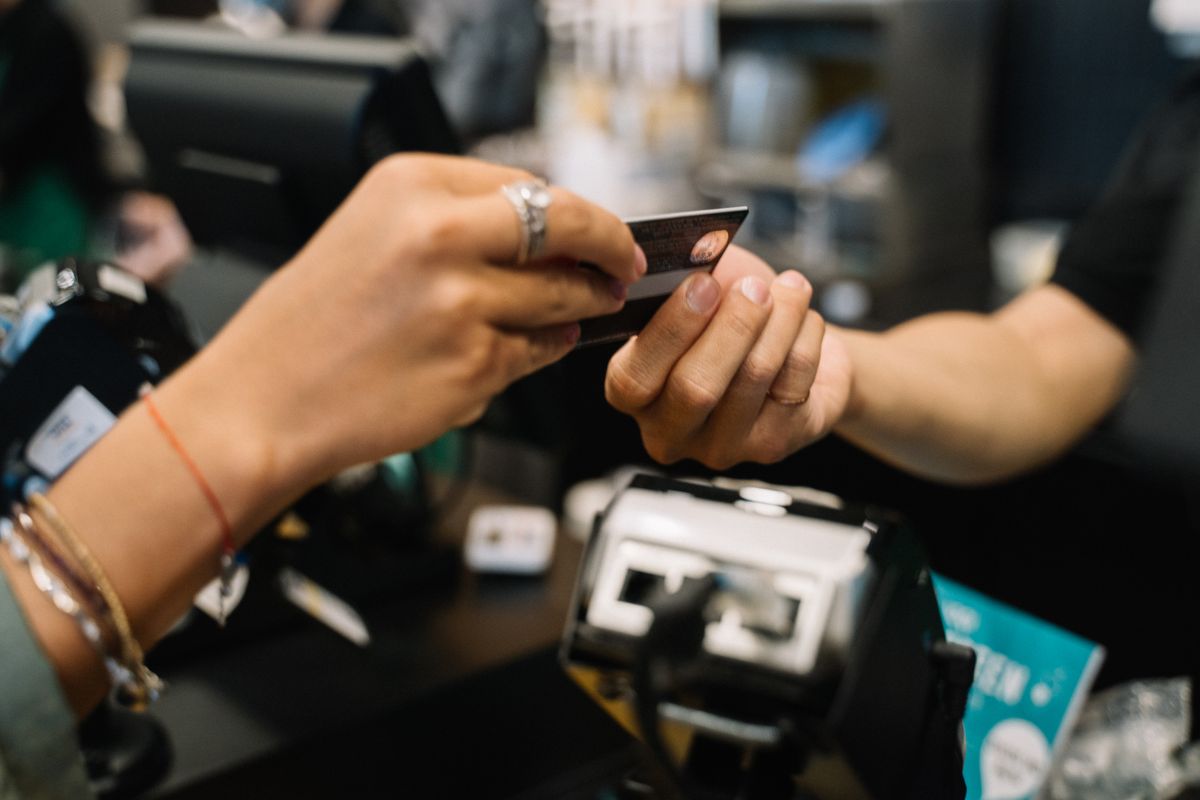
가장 먼저 손볼 부분은 신용카드 이용률이다. 한도가 300만 원인 카드를 매달 200만 원 가까이 긁고 있다면 이용률은 66%대. 감점 구간에 들어간다. 여기서 30%라는 숫자가 자주 언급되는데, 이건 대충 도는 말이 아니라 실제로 카드사·신용평가사가 부채 부담을 판단할 때 참고하는 임계값에 가깝다. 이용률이 30%를 넘는 순간부터 감점 폭이 눈에 띄게 커지고, 50%를 넘기면 상환 능력 자체를 의심받는 구간으로 넘어간다. 의외로 해결책은 단순하다. 카드를 안 쓰는 게 아니라 한도를 올리거나, 결제일 전에 미리 갚아서 명세서에 찍히는 잔액 자체를 낮추는 것이다.
그런데 여기서 다들 헷갈리는 지점이 있다. “카드값을 다 냈으면 이용률이 0%인 거 아니야?”라고 생각하기 쉬운데, 실제로 카드사가 신용평가사에 통보하는 시점은 결제일이 아니라 매달 특정 기준일, 그러니까 이용대금 명세서가 마감되는 ‘이용기간 종료일’의 잔액이다. 이 마감일은 카드사마다 다르지만 대개 결제일보다 며칠에서 열흘 넘게 앞서 있는 경우가 많고, 카드사 앱의 ‘명세서 조회’ 메뉴에서 정확한 날짜를 확인할 수 있다. 그러니까 결제일에 딱 맞춰 갚는 것보다, 이 마감일 이전에 미리 갚아버리는 ‘선결제’가 이용률 관리에는 훨씬 효과적이다. 카드값을 월급날 자동이체로만 처리하고 있었다면, 급여일과 명세서 마감일 사이에 며칠 텀을 두고 한 번 더 갚는 습관을 들이는 게 낫다. 번거롭게 느껴질 수 있지만 막상 해보면 앱에서 몇 번 터치만 하면 끝나는 일이라 생각보다 부담이 적다.
통신비·공공요금, 등록해야 점수가 된다
두 번째는 비금융 정보 등록이다. 이게 은근히 모르는 사람이 많은데, 통신비나 국민연금, 건강보험료, 도시가스 요금처럼 성실하게 납부한 이력을 NICE나 KCB에 직접 신고하면 가점 요인으로 반영된다. 문제는 이게 저절로 되는 게 아니라는 점이다. 각 신용평가사 홈페이지나 앱(NICE지키미, 올크레딧, 토스·뱅크샐러드 같은 마이데이터 서비스)에서 비금융 마이데이터 등록을 직접 신청해야 한다.
그리고 여기서 또 하나 알아둘 게 있는데, 등록한다고 바로 점수가 오르는 게 아니라 최소 6개월, 온전히 반영되려면 12개월 이상의 납부 실적이 쌓여야 점수에 유의미하게 반영된다. 흔히 언급되는 가점 폭은 5점에서 많게는 몇십 점 수준까지로, 개인의 기존 점수대나 등록 항목 수에 따라 체감이 꽤 다르다. 그러니까 신용점수를 급하게 올려야 하는 상황, 이를테면 다음 달 대출 심사를 앞두고 있다면 비금융 정보 등록은 큰 도움이 안 된다. 반대로 장기적으로 신용을 쌓아가는 사회초년생이나 프리랜서라면 지금 당장 등록해두는 게 이득이다. 어차피 내고 있던 요금이니 손해 볼 게 없다.
연체는 예외가 없다
세 번째, 연체는 정말 예외 없이 조심해야 한다. 흔히 “며칠 늦은 건 괜찮겠지”라고 생각하는데, 카드값이든 대출 이자든 5영업일을 넘기는 순간부터 연체 정보가 등록될 수 있다는 걸 알아야 한다. 게다가 금액이 적다고 봐주는 것도 아니다. 10만 원짜리 소액 연체라도 등록되면 회복까지 시간이 꽤 걸리고, 특히 90일 이상 장기연체로 넘어가면 점수가 큰 폭으로 깎이고 회복 속도도 느려진다. 그런데도 매달 자동이체 계좌 잔액을 깜빡해서 연체를 만드는 사람이 생각보다 많다. 카드값 결제 계좌와 월급 통장을 분리해서 쓰고 있다면, 결제일 하루 이틀 전에 최소 결제 금액 이상이 들어있는지 확인하는 습관 하나만 들여도 실수를 크게 줄일 수 있다. 여윳돈을 잠깐 굴리면서도 결제일에 맞춰 빼 쓰기 편한 파킹통장을 결제 계좌로 따로 두는 것도 방법인데, 이 부분은 예전에 다룬 파킹통장 활용법 글에서 좀 더 구체적으로 짚은 적이 있다.
오래된 계좌, 무작정 정리하지 말 것
네 번째는 신용거래 기간, 그러니까 얼마나 오래 금융 이력을 쌓아왔는지다. 오래된 카드나 계좌를 정리하고 싶은 마음은 이해하지만, 사용하지 않는다고 무작정 해지하는 게 항상 좋은 선택은 아니다. 특히 첫 카드나 첫 대출처럼 거래 기간이 긴 계좌는 신용 이력의 뼈대 역할을 한다. 연회비가 부담스럽지 않은 카드라면 완전히 없애기보다 아주 가끔이라도 소액 결제를 하며 계좌를 살려두는 편이 유리한 경우가 많다.
카드론·현금서비스는 최대한 아껴두기
다섯 번째로 짚고 싶은 건 카드론이나 현금서비스 같은 단기 고금리 대출의 사용 빈도다. 급할 때 한두 번 쓰는 것과, 습관적으로 반복해서 쓰는 것은 신용평가사 입장에서 완전히 다르게 읽힌다. 카드론을 자주 이용한 이력이 쌓이면 상환 능력에 문제가 있다는 신호로 해석돼 감점 폭이 커진다. 사회초년생 때 급전이 필요해서 몇 번 쓴 카드론 기록이 몇 년 뒤 대출 심사에서 발목을 잡는 경우도 실제로 있다. 정말 급한 상황이 아니라면 이 카드는 최대한 아껴두는 게 낫다.
결국 신용점수 관리는 몇 가지 습관으로 좁혀진다. 이용률을 30% 아래로 유지할 것, 명세서 마감일 전에 미리 갚을 것, 비금융 정보를 등록해둘 것, 연체를 만들지 않을 것. 화려한 비법은 아니고 오히려 지루할 만큼 단순한 원칙들인데, 그래서인지 이 네 가지를 다 지키는 사람은 의외로 드물다. 사회초년생이라 아직 거래 이력 자체가 짧다면 청년도약계좌처럼 목돈을 만드는 상품과 함께 소액 카드 사용 이력을 병행해서 쌓아가는 것도 장기적으로는 신용 기반을 넓히는 방법이 된다.
Q. 체크카드만 쓰면 신용카드보다 점수 관리에 유리한가요?
꼭 그렇지는 않다. 체크카드는 연체 위험이 없어 안정적으로 보이지만, 신용거래 실적 자체가 쌓이지 않아 점수 상승에는 큰 도움이 안 된다. 오히려 소액이라도 신용카드를 꾸준히 쓰고 이용률 30% 아래를 유지하며 제때 갚는 이력이 장기적으로는 더 유리하게 작용한다.
Q. 토스나 네이버페이에서 보는 점수랑 카드사 앱 점수가 다른데 뭐가 맞는 건가요?
둘 다 맞다. 다만 조회 시점과 반영되는 데이터 범위가 달라서 차이가 난다. 마이데이터 앱은 조회 당일 기준으로 캐시된 값을 보여주는 경우가 있어 실제 NICE·KCB 공식 조회 시점과 며칠 차이가 날 수 있다. 큰 차이가 아니라면 걱정할 정도는 아니지만, 대출 심사를 앞두고 있다면 해당 은행이 실제로 참고하는 신용평가사(NICE 또는 KCB) 기준으로 다시 확인해보는 게 정확하다.
Q. 통신비 미납이 있었는데 나중에 완납하면 기록이 지워지나요?
완납하면 연체 상태는 해제되지만, 연체 이력 자체가 즉시 사라지는 건 아니다. 통상 단기연체(30일 이내)는 상환 후 비교적 빨리 영향이 줄어드는 편이지만, 90일 이상 장기연체 이력은 상환하더라도 일정 기간 신용평가에 부정적으로 남을 수 있다. 그러니 통신비처럼 소액이라도 연체가 시작되기 전에 막는 게 가장 좋은 전략이다.
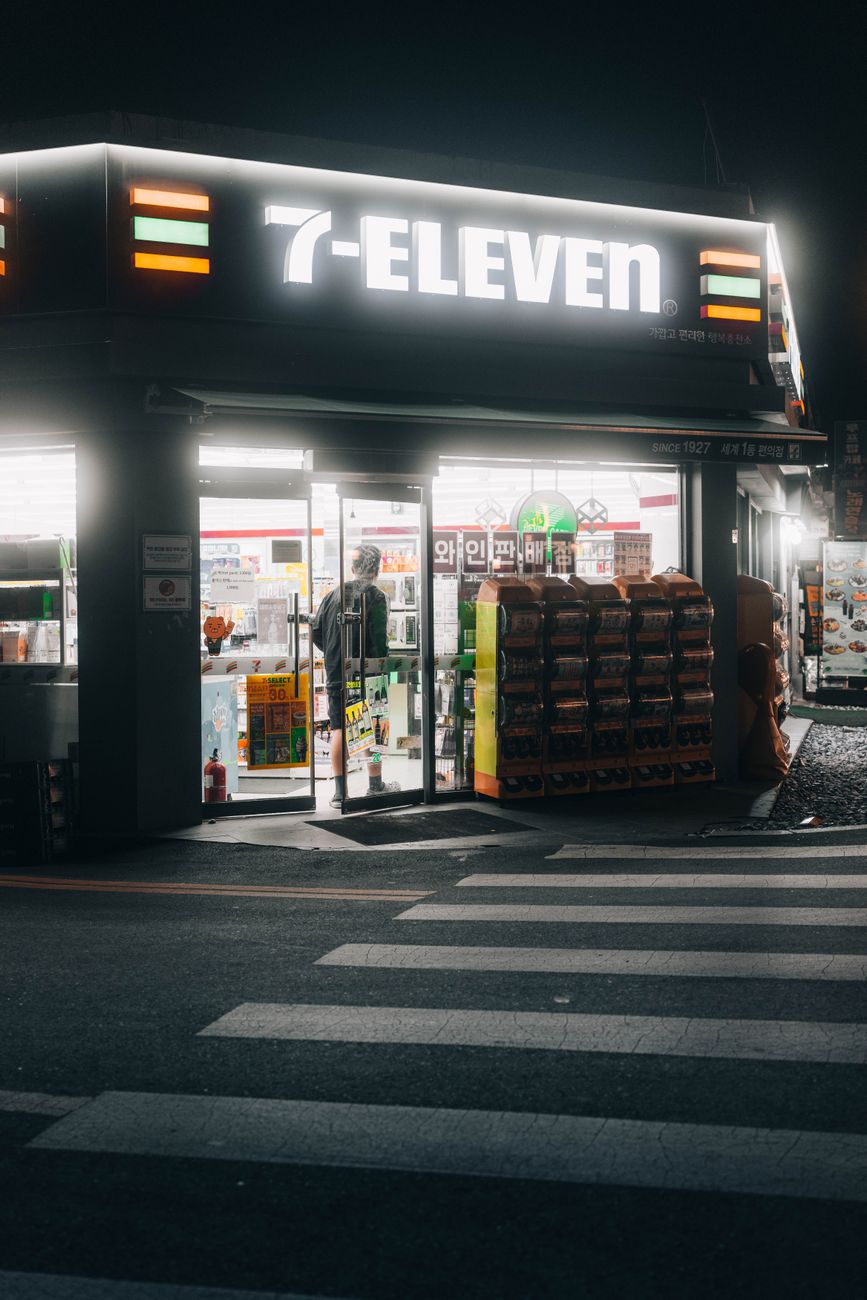
There’s a specific sound I’ve come to associate with being properly fed in this country: the electronic chime of a sliding glass door at three in the morning, followed by the hum of a slushie machine nobody’s using. Korea can put a 300 km/h KTX train between Seoul and Busan, sure, and that’s genuinely impressive. But the single achievement of modern Korean life I’d defend hardest is the convenience store — the fact that you can walk into a CU half-asleep and walk out ninety seconds later with a full meal, a dessert, and something spicy enough to wake the dead, all for under 10,000 won.
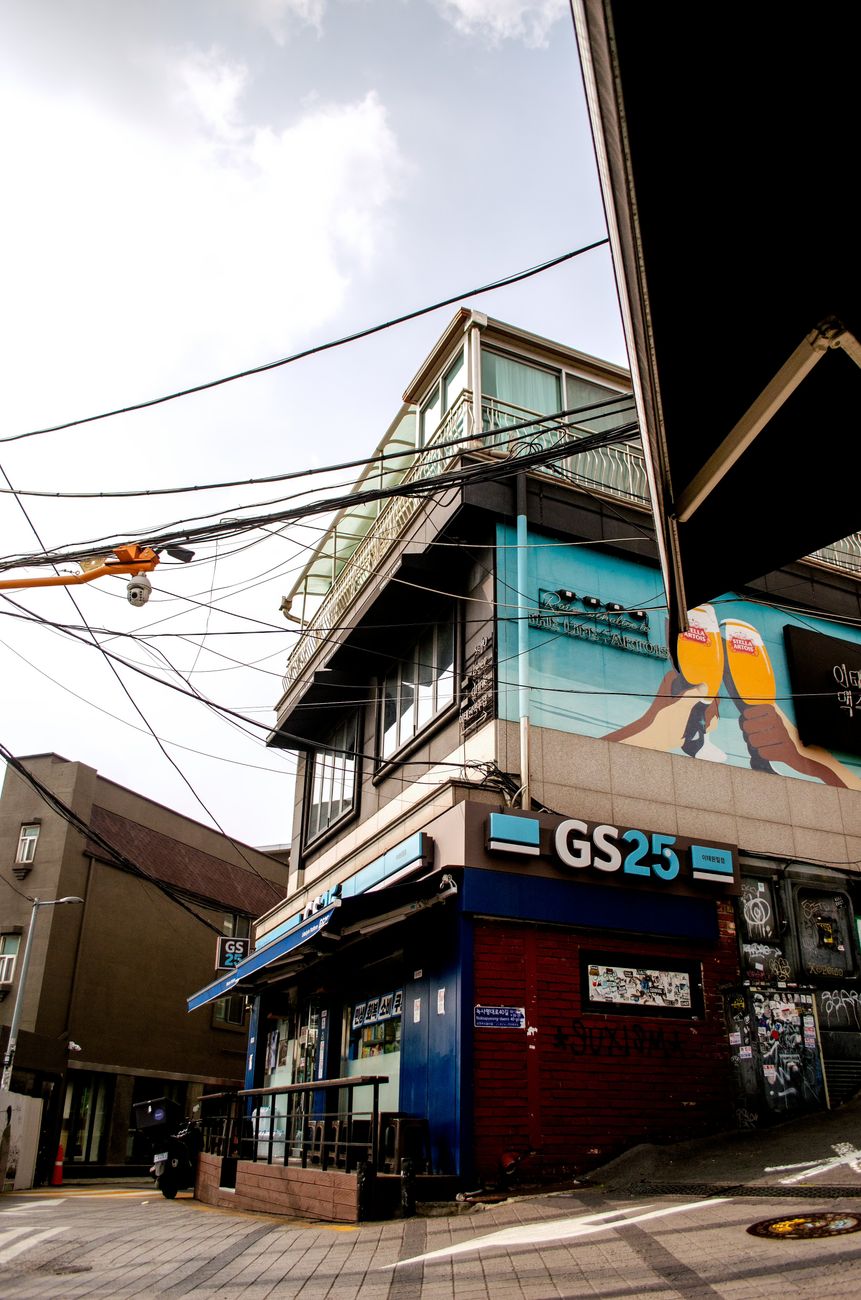
I’ve eaten my way through more GS25s, CUs, 7-Elevens, and Emart24s than I’d like to admit to my dentist. Not as research, exactly — more as a lifestyle that occasionally produces useful opinions. So here’s my ranking, and I already know some of you are going to fight me on the top three. Good. Fight me in the comments.
10. Hotbar (the fish-paste cylinder that started it all)
Let’s start controversial. Hotbar — the warm, slightly springy fish-cake roll sitting under the heat lamp near the register — is the item every foreigner tries once, makes a face at, and then quietly buys again a week later. It’s not glamorous. It’s basically a fried surimi log, sometimes stuffed with rice or cheese, and it costs somewhere around 1,500 to 2,000 won depending on the filling. I put it at the bottom not because it’s bad, but because it’s the item most likely to be someone’s first Korean convenience store food, and first loves rarely age into favorites. Still, on a freezing subway commute it’s basically a cheap, greasy blanket, and I say that with real affection.
9. Sotteok sotteok skewers
Alternating chunks of grilled sausage and rice cake on a stick, brushed with a sweet-spicy glaze — sotteok sotteok is the item that convinces tourists convenience stores here are basically street food stalls with air conditioning. It’s genuinely good. My complaint is consistency: get it fresh off the hot bar at a busy GS25 and it’s fantastic; get it from a store that’s been running the heat lamp since lunch and it’s rubbery in a way rice cake should never be. When it’s right, though, it’s a strong top-five contender. That gap between “right” and “wrong” is exactly why it’s parked at nine instead of higher.
8. Instant tteokbokki cups
I want to be honest about this one because I think a lot of “best snacks” lists oversell it. Cup tteokbokki — the microwaveable rice cake in gochujang sauce, usually running 2,000 to 3,000 won — is convenient, and on a rainy day it hits a very specific craving. But on its own it’s a slightly gummy compromise, texture-wise, next to the real thing from an actual street cart. Where it earns its spot is the “rapokki” move: dump a cup of instant ramyeon noodles into the tteokbokki sauce once it’s done microwaving, mix, and suddenly you’ve built something better than either product alone. That hack alone bumps it several spots up my personal list, and I’d argue it’s basically cheating to judge it without trying that combo first.
7. Melona and the ice cream freezer in general
The ice cream freezer at any Korean convenience store is a small miracle of design — dozens of bars for 800 to 2,000 won, and somehow half of them are genuinely excellent. Melona, the pastel melon-flavored bar with the almost creamy texture, is the one I default to, but honestly Binggrae’s whole ice cream lineup, plus Bravo Corn’s cone-with-peanuts combo, deserve a mention here too. I’ll admit ranking a whole freezer as one entry feels like cheating. But treating each bar separately would just mean five ice cream entries in a row, and even I have some editorial standards.
6. GS25 or CU cheese corn dog
Pivoting from the dessert freezer back to the greasy counter, we land on Korea’s corn dog obsession, which deserves its own documentary at this point. What used to be a simple hot dog on a stick coated in cornmeal batter has, over the last few years, mutated into something wilder — half-and-half sausage-and-mozzarella versions, ones rolled in crushed potato bits before frying, sugar-dusted ones that taste more like a churro than a hot dog. Convenience store versions, usually around 1,500 to 2,000 won and heated in-store, are a step down from the dedicated corn dog chains that exploded a few years back, sure. But they’re available at literally every corner, at 3am, without a line. That accessibility earns real points in my book, even if a food-truck cheese corn dog would beat it in a blind taste test every time.
5. Dosirak (lunch box meals)
If you’ve never had a convenience store dosirak, imagine a proper Korean home-style meal — rice, a protein like bulgogi or fried pork cutlet, two or three banchan sides — compressed into a plastic tray that microwaves in about two minutes. CU’s collaboration lunch boxes, including lines associated with celebrity chef Baek Jong-won, built a genuine cult following among office workers who need lunch that isn’t sad; his sausage-and-egg-roll style bento in particular is the one coworkers specifically ask each other to grab from the fridge case before it sells out. Prices typically land between 4,000 and 6,000 won, which sounds like a lot next to a triangle kimbap but is still absurdly cheap for a full meal with sides.
My one gripe is portion inconsistency — some dosirak feel like a real meal, others feel like a sample platter that forgot to grow up. When it’s a good one, though, it’s genuinely one of the best value meals in the country, and I mean that as someone who has eaten plenty of actual restaurant food here. I’ll still occasionally get a lunch box that’s 80 percent rice and a lonely piece of egg roll, and that inconsistency is the only thing keeping this out of my top three.
4. Buldak-flavored snacks, jjolbyeong included
Samyang’s fire noodle empire has spread well past the ramyeon aisle at this point, and I’m mostly fine with that. The Buldak jjolbyeong snack — a corn puff snack packaged in a tiny plastic bottle shaped like a soju bottle, which is exactly as chaotic as it sounds — carries real fire-noodle flavor in a crunchy, shareable format, and it’s become one of those items tourists specifically hunt down for the packaging alone. Buldak-branded popcorn and chips have followed the same trail, though the popcorn in particular hits differently than the sauce packet does — it’s a dry, smoky heat that creeps up on you slowly instead of the immediate liquid assault of the noodles themselves.
My only pushback here is that some of these spin-offs chase the heat and the mascot instead of the actual flavor complexity of the original noodles, and you can tell the difference between the ones a real R&D team labored over and the ones that just slapped a fire emoji on the bag. The jjolbyeong earns its spot on flavor alone, not just brand recognition, and that distinction matters to me more than it probably should.
3. Triangle kimbap, spicy tuna and jeyuk bokkeum specifically
Triangle kimbap (samgak gimbap) is the backbone of convenience store culture here — GS25 alone reportedly moves something like 50 million of these a year, which tells you everything about how central they are to daily life. Tuna mayo is the reliable, slightly boring default that sells the most. But my personal ranking goes to spicy tuna and jeyuk bokkeum (spicy stir-fried pork), both usually 1,200 to 1,600 won, because they actually deliver a kick instead of playing it safe. I know plain tuna mayo has an army of defenders who will say I’m overcomplicating a simple snack. Fair. But if you’ve had good spicy tuna kimbap fresh enough that the rice hasn’t gone stiff yet, you understand why I can’t go back to boring.
2. Banana milk
Yes, it’s technically a drink, not a snack in the crunchy or fried sense. But it functions here as a national dessert companion more than a beverage, which is exactly why it belongs this high. Binggrae banana milk, in that unmistakable barrel-shaped bottle, has been around since 1974, and it’s aged into something closer to a national symbol than a snack. At roughly 800 to 1,500 won depending on size, it’s cheap, it’s sweet without being cloying, and it pairs with literally everything else on this list — hot snacks, spicy kimbap, ice cream, all of it. I go back and forth on whether it should be number one purely on that category technicality. But functionally, it’s the single most iconic item any convenience store here sells, foreigners and locals alike, and I can’t in good conscience rank it lower than second.
1. Fresh, hot fried chicken from the hot bar
This is the one people don’t expect, and I’ll admit it took me longer than it should have to rank it here. GS25 and CU both run fried chicken pieces at their hot food counters, usually 1,500 to 2,500 won a piece, and when a store keeps that fryer genuinely fresh — not sitting under a heat lamp for two hours — it rivals dedicated fried chicken shops that charge triple the price for a whole bird. It doesn’t have the instant photogenic appeal of a jjolbyeong bottle or the nostalgia of banana milk, so I understand if this pick feels like a curveball. But taste-for-price, at any hour of the day or night, nothing else on this list touches it. That’s the whole ranking, really: not what’s most famous, but what I’d actually walk back into a store for at 1am.
FAQ
Are these snacks available at every chain, or does it matter which one I go to? Most items — triangle kimbap, banana milk, Melona, cup tteokbokki — show up at CU, GS25, 7-Eleven, and Emart24 alike, since they’re supplied by the same big food manufacturers. Where it matters is the hot bar and private-label collaborations. GS25 tends to win on flashy limited-edition collabs, CU leans into bolder street-food-style hot snacks and its dosirak lineup, and fried chicken quality genuinely varies store to store depending on how busy that particular location is.
I have a low spice tolerance — what should I actually avoid on this list? Skip the jeyuk bokkeum kimbap and go for tuna mayo or bulgogi instead, and be cautious with anything branded Buldak, since “mild” on that packaging is relative to noodles that are aggressively spicy by design. Sotteok sotteok, banana milk, and most dosirak options are safe, mellow choices if you’re easing into Korean convenience store food rather than diving in headfirst.
Is it actually cheaper to eat like this every day compared to restaurants? Yes, noticeably. A dosirak plus banana milk runs somewhere around 5,000 to 7,000 won total, which is well under half of what a casual restaurant meal costs in most Korean cities. That said, I wouldn’t recommend it as a daily habit purely on nutrition grounds — it’s convenience food, and the sodium adds up fast even if the won amount stays low.
The first time I saw a grown man get chased down a restaurant hallway by a waitress holding his own shoes, I understood something about Korea that no guidebook had managed to explain to me. I’m Yijidaddy, and I’ve lived in Korea long enough that this whole topic used to feel invisible to me until I started watching visitors run straight into it. He’d walked past the little step at the entrance without noticing it, gone straight to his table in his sneakers, and by the time he sat down half the room was already looking at his feet. Nobody yelled. Nobody needed to. The look was enough.
That step is called the hyeon-gwan (현관). It’s usually a drop of about 15 to 20 centimeters between the outside world and the inside one, tiled differently, often just a shade darker than the rest of the floor. Give it a week in Korea and your eyes will start finding that drop automatically, the same reflex as checking for a curb before you step off a sidewalk. It’s not decorative. It’s a boundary, and it’s doing more architectural work than almost anyone who isn’t from Korea gives it credit for.
The floor is not just a floor
Here’s the part that trips people up: in most Western homes, the floor is infrastructure. You walk on it, you vacuum it, you don’t think about it much otherwise. In a Korean home, the floor is closer to being the main piece of furniture. People sit on it, eat on it, nap on it, and for a lot of Korean history, they slept directly on top of it too. Once you accept that the floor is basically doing the job of a sofa, a dining table, and a mattress all at once, the shoe rule stops being a quirky rule and starts being obvious. You wouldn’t put your shoes on your bed. Koreans don’t put their shoes on the floor for the same basic reason, just scaled up to the entire house.
That relationship exists because of ondol, the underfloor heating system that’s been part of Korean building practice for a genuinely long time. Archaeologists have traced early forms of it back to the Bronze Age and Old Joseon period, and excavated sites in the northern part of the peninsula show simple mud-and-stone flue layouts running along just one wall of a room, a partial version of what later became a full-room system. Clearer stone-and-flue versions covering the entire floor show up widely by the Three Kingdoms era, roughly the first centuries BC and AD. The basic engineering was simple and, frankly, kind of brilliant: a wood or straw fire burning in a kitchen hearth called an agungi sent hot smoke through a network of underground channels, called gorae, running beneath the entire room before venting out a chimney on the far side. The floor itself became a giant, slow-release radiator. By the time the technology matured in the Goryeo dynasty around the 13th century and then spread across the whole peninsula during the early Joseon period in the 1400s and 1500s, whole-room ondol heating was standard in Korean houses, not a luxury feature.
Modern apartments don’t burn wood under the floor anymore, obviously. The switch happened fast, relatively speaking: as Korea urbanized hard through the 1960s and 70s and apartment towers replaced single-story hanok by the thousands, builders needed a version of ondol that didn’t require an agungi and a chimney for every unit stacked twelve floors up. The compromise, which stuck, was hot water run through pipes embedded in the concrete slab, heated centrally by boiler or district heating rather than a wood fire. That’s essentially still what’s underfoot in nearly every Korean home, hotel room, and officetel today. But the cultural memory of “the floor keeps us warm and we sit on it” never really left, even after the technology under the floor changed completely. That’s the part I find genuinely interesting: the habit outlived the hardware that created it.
Hygiene isn’t the whole story, but it’s not nothing either
Outdoor shoes track in a specific, unglamorous list of things: sidewalk grime, whatever a subway platform has seen that week, and in Seoul’s more humid months, a fair amount of mud and rainwater. If you’re going to sit cross-legged on that same floor twenty minutes later to eat dinner, or if a toddler is going to crawl across it and then put her hands in her mouth, the case for leaving shoes at the door doesn’t need much arguing.
But I’d push back a little on treating this as purely a sanitation issue, because that framing misses the emotional weight underneath it. Taking your shoes off at someone’s door is also a small daily ritual of stepping out of “outside mode” and into a more relaxed, more private register. Koreans distinguish fairly sharply between the public self you present on the street and the at-ease self you get to be once you’re barefoot on warm ondol flooring. Removing your shoes is as much a mental switch as a hygienic one. Still, I’ll admit the hygiene argument does most of the heavy lifting when you’re explaining this to a first-time visitor, because it’s the part that needs no cultural context to land.
The step-up that does all the talking
Architecturally, the hyeon-gwan solves a problem that would otherwise require constant verbal reminders. Instead of a sign that says “shoes off,” Korean homes are simply built so that the floor drops down right inside the front door, creating a small sunken landing area for shoes, coats, and umbrellas. You physically cannot walk further into the home without stepping up onto a raised, clean surface, which means removing your shoes stops being an instruction and becomes something closer to a physical fact of the building. Even brand-new high-rise apartments in Seoul, with all their glass and smart-home panels, still build in that same drop at the door. It’s one of the more stubborn design elements in Korean residential architecture, and it survived decades of otherwise rapid modernization almost untouched.
What surprised me is how far this logic extends beyond private homes. Plenty of restaurants, especially ones with traditional low tables and floor seating, run on the exact same hyeon-gwan logic: a shoe rack or a wall of cubbies right at the entrance, a small step, and then a raised wooden or heated floor where you sit. Temples do it. Traditional guesthouses called hanok stays do it. Even some clinics and hair salons, oddly, will hand you slippers the second you cross the threshold, less because of ondol and more because the shoes-off habit has become a general marker of a clean, cared-for interior space in Korea, whether or not there’s actual underfloor heating involved.
That’s exactly what makes the rule so easy for visitors to trip on, though. The signal is everywhere once you know to look for it, but it’s rarely spelled out anywhere, and a step, a shoe rack, or a stack of slippers only means something if you already know the code. So it’s worth being specific about where that gap actually catches people, because it’s almost always the same handful of moments.
Where foreigners usually get caught out
I want to be careful here not to make this sound like some elaborate trap, because it really isn’t. Most Koreans are patient about it and clearly expect visitors to slip up at least once. But there are a few specific moments where I’ve watched it happen over and over. The first is exactly what I described at the start: walking past the step without registering it, especially in a restaurant that’s dimly lit or has a step that isn’t obviously marked with a different floor color. What usually follows is a half-second freeze from the server, a quick glance down at your shoes, and then a very polite “sinbal beoseo juseyo” — please take off your shoes — said just loud enough that the nearest tables hear it too. The second is the reverse mistake, wandering around in just socks or bare feet on a rainy day and then being handed a wet umbrella bag at the door, which is its own small ritual most visitors have never heard of. The third, and this one is more subtle, is not realizing that “shoes off” doesn’t automatically mean “slippers on.” In many homes, walking around in socks is completely normal and slippers are more of an offer than a requirement, so guests sometimes overthink it and hover awkwardly at the entrance waiting for a slipper that was never coming.
There’s a quiet, specific kind of embarrassment to realizing thirty seconds too late that you’ve been standing on someone’s dinner-and-bedroom surface in the shoes you wore on a bus. Even now, after plenty of time in Korea, I still do a half-second mental check every time I walk into an unfamiliar building, because the penalty for getting it wrong, while small, tends to happen in front of an audience.
Slippers, socks, and the etiquette nobody writes down
Indoor slippers are common but not universal, and the rules around them are more informal than most guides suggest. At home, many families skip them entirely and just go barefoot or sock-footed on the heated floor, since walking on warm ondol flooring in socks is, frankly, one of the more underrated small pleasures of Korean domestic life. Slippers tend to show up more reliably in shared or semi-public spaces: rental apartments provided for guests, some traditional restaurants, saunas, and jjimjilbang, where a specific pair is often assigned to you at check-in along with a locker key. Bathroom slippers are their own separate category and matter more than people expect. The logic is basically identical to the shoes-off rule at the front door, just shrunk down to one room: bathroom floors get wet and are considered a step dirtier than the rest of the house, so a designated pair stays inside that doorway and never crosses it. Wearing them back out into the living room reads roughly the way tracking a wet umbrella across someone’s bed would, and Korean hosts notice immediately, even if they’re too polite to say anything.
I’ll also say, because it took me a while to figure out on my own, that hosting works both ways here. If you invite a Korean guest to a place with wall-to-wall carpet and no ondol, a lot of them will still take their shoes off out of habit, even in the absence of any physical step forcing the decision. The behavior has become detached from the architecture that originally required it, which says something about how deep the norm runs. It’s not really about the floor being heated anymore. It’s about what a clean floor means.
FAQ
Do I really need to take my shoes off if a Korean friend says “it’s fine, don’t worry about it”?
Take them off anyway. That line is almost always politeness, not permission. I’ve seen visitors take the offer literally and walk in with shoes on, and the host spends the rest of the visit quietly uncomfortable rather than saying anything twice.
What about restaurants with regular chairs and tables instead of floor seating?
Those are usually shoes-on the whole time, and you can tell from the doorway: if there’s no step, no shoe rack, and no pile of shoes by the entrance, you’re fine keeping yours on. The rule tracks the floor seating, not the country as a whole.
Is it rude to ask for a fresh pair of socks if mine have a hole in them?
Not rude exactly, just mildly funny to everyone involved, including you. It happens often enough that some hosts keep a spare pair of guest socks near the door specifically for this. Better than the alternative, honestly.
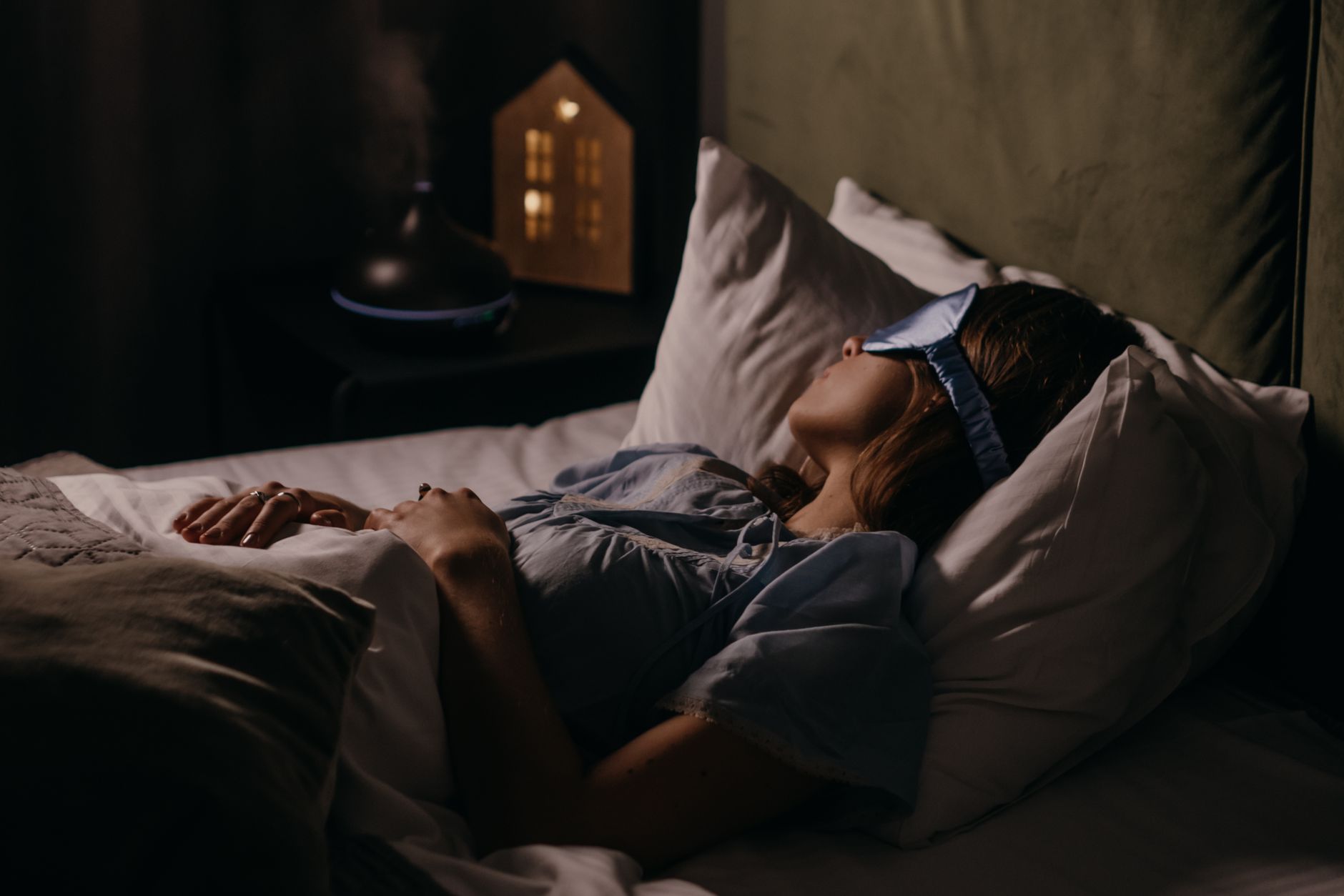
핸드폰 화면을 슬쩍 켜본다. 03:17. 알람이 울리려면 아직 두 시간 넘게 남았다. 분명 하루 종일 몸이 무거웠는데, 막상 이불 속에 누우면 머릿속에서 낮에 있었던 일들이 재생되기 시작한다. 20대 때는 침대에 눕자마자 기절하듯 잠들었는데, 40대가 되고 나서부터는 이상하게 잠이 얇아졌다. 얕은 잠을 자다가 새벽에 한 번씩 깨고, 다시 잠들기까지 30분, 어떤 날은 한 시간 넘게 뒤척인다. 이게 나이 탓인지, 스트레스 탓인지 헷갈리는 사람이 많다.
피곤한데 왜 잠은 안 오냐 싶겠지만, 사실 몸이 피곤한 것과 뇌가 잠들 준비가 된 것은 완전히 다른 문제다. 40대 이후 불면증은 단순히 나이가 들어서 생기는 자연스러운 현상으로 뭉뚱그리기엔 그 안에 생각보다 많은 원인이 얽혀 있다. 오늘은 그 원인들을 하나씩 풀어보고, 실제로 도움이 되는 생활 습관을 정리해본다.
40대부터 잠이 얕아지는 이유
범인은 생각보다 가까운 곳에 있다. 뇌의 송과선에서 분비되는 수면 호르몬, 멜라토닌이다. 20대를 기준으로 40대가 되면 분비량이 절반 가까이 줄어든다는 연구가 여러 차례 나왔다. 예전엔 배터리가 100%에서 0%로 딱 떨어지듯 꺼졌다면, 지금은 20~30%의 잔량이 계속 남아있는 스마트폰처럼 뇌가 완전히 꺼지지 않는 느낌에 가깝다. 분비되는 타이밍 자체도 조금씩 늦어져서, 예전엔 밤 10시면 스르르 졸렸는데 지금은 자정이 넘어야 겨우 눈이 감기는 경험을 해본 사람이 적지 않을 것이다.
여기에 엎친 데 덮친 격으로 가세하는 게 성호르몬과 스트레스 호르몬이다. 여성의 경우 40대 후반부터 에스트로겐과 프로게스테론이 요동치기 시작하면서 체온 조절 능력이 흔들리고, 이게 밤중 각성으로 이어지는 경우가 많다. 남성도 예외는 아니어서, 테스토스테론 수치가 서서히 떨어지면서 깊은 수면 단계인 서파수면이 줄어든다는 보고가 있다. 갱년기 증상을 다룬 글에서 안면홍조나 감정 기복을 이야기했었는데, 수면 문제도 사실 같은 뿌리에서 나오는 경우가 많다.
코르티솔 리듬도 무시할 수 없다. 원래 코르티솔은 아침에 높았다가 밤에는 낮아지면서 몸이 자연스럽게 이완되도록 돕는데, 만성적인 스트레스에 시달리는 40대는 이 리듬이 뒤집히는 경우가 흔하다. 밤늦게까지 업무 메일을 확인하거나 내일 할 일을 머릿속으로 정리하다 보면, 코르티솔이 오히려 밤에 치솟아서 몸은 피곤한데 정신은 또렷한 상태가 되어버린다. 몸은 자자고 신호를 보내는데, 머리는 회의 자료를 검토하고 있는 셈이다.
낮의 습관이 밤의 잠을 결정한다
여기서 반드시 알아야 할 개념이 하나 있다. ‘수면 압력’이라는 것인데, 아침에 눈을 뜬 순간부터 서서히 쌓여서 밤이 되면 저절로 잠이 쏟아지게 만드는 힘이다. 그런데 카페인, 낮잠, 늦은 운동, 야식이 이 압력을 슬쩍슬쩍 빼놓는다. 하나씩 뜯어보자.
카페인의 반감기는 대략 5~7시간이다. 오후 3시에 마신 아메리카노 한 잔이 밤 9시, 10시가 되어도 절반 가까이 몸속에 남아있다는 뜻이다. 내가 마신 커피의 절반이 아직 내 피를 돌고 있다고 생각하면 조금 섬뜩하기도 하다. 그런데도 “난 커피 마셔도 잘만 자는데”라고 말하는 사람들이 있다. 실제로 카페인 대사 속도는 유전적 요인에 따라 개인차가 크긴 하다. 다만 40대 이후로는 간의 카페인 대사 효소 활성이 떨어지면서, 예전엔 괜찮았던 오후 커피가 갑자기 밤잠을 방해하기 시작하는 경우가 꽤 있다. 젊을 때 습관을 그대로 유지하다가 뒤늦게 그 대가를 치르는 셈이다.
낮잠도 수면 압력을 갉아먹는 주범 중 하나다. 점심시간에 15분 정도 짧게 자는 낮잠은 오히려 오후 집중력에 도움이 되지만, 30분을 넘기거나 오후 3시 이후에 낮잠을 자면 밤에 쌓여야 할 압력 자체가 줄어든다. 낮에 꾸벅꾸벅 졸다가 밤에는 오히려 눈이 말똥해지는 악순환이 여기서 시작된다.
저녁 시간대의 운동도 생각해볼 지점이다. 퇴근하고 나서야 겨우 운동할 시간이 나는 사람들이 많은데, 잠들기 2~3시간 전 격렬한 유산소 운동은 심박수와 체온을 올려서 오히려 입면을 방해할 수 있다. 반대로 저녁 식사 후 20~30분 정도 가벼운 산책 정도는 스트레스 호르몬을 낮추는 데 도움이 된다고 알려져 있다. 운동 자체가 나쁜 게 아니라 타이밍의 문제인 셈이다.
야식과 술, ‘잠시의 즐거움’이 치르는 값비싼 대가도 무시하기 어렵다. 저녁 8시 이후 과식을 하면 소화 과정에서 심부 체온이 올라가고, 이게 수면을 유도하는 체온 하강 신호와 정반대로 작동한다. 술은 한술 더 뜬다. 알코올이 처음엔 졸음을 유발하지만, 새벽 2~3시쯤 알코올이 대사되면서 오히려 각성 반응을 일으켜 자다가 깨는 경우가 흔하다. “술 마시면 잠은 잘 오던데”라는 말은 절반만 맞는 셈이다.
스마트폰, 블루라이트, 그리고 침실 환경
잠들기 직전까지 스마트폰을 들여다보는 습관은 이미 많이 알려진 이야기지만, 여전히 고치기 어려운 습관 1위이기도 하다. 화면에서 나오는 블루라이트가 멜라토닌 분비를 억제한다는 사실보다, 사실은 콘텐츠 자체가 문제인 경우가 더 많다. SNS 피드를 넘기거나 뉴스를 보다 보면 뇌가 각성 상태로 전환되고, 이건 빛의 문제를 넘어서는 자극이다. 밝기를 낮춘다고 해결되는 문제가 아니라는 뜻이다.
침실 온도도 생각보다 큰 변수다. 사람의 심부 체온은 잠들기 전 자연스럽게 1도 정도 떨어지는데, 침실이 너무 따뜻하면 이 하강이 방해받는다. 여러 수면 연구에서 권장하는 침실 온도는 18~20도 사이다. 여름엔 에어컨 끄기가 아깝다고 참다가 새벽에 더위로 깨는 경우도 많은데, 전기세보다 수면의 질이 우선이라고 봐도 무방하다.
침대에서 하는 활동 범위를 좁히는 것도 중요하다. 침대에서 업무 메일을 확인하거나 넷플릭스를 몰아보는 습관이 쌓이면, 뇌가 침대를 ‘깨어있는 공간’으로 학습해버린다. 잠자리는 자는 곳, 그 이상도 이하도 아니라고 뇌에게 반복해서 알려줄 필요가 있다.
그래도 잠 잘 자는 사람들의 공통 습관
주변을 보면 40대인데도 유독 잘 자는 사람들이 있다. 자세히 들여다보면 몇 가지 패턴이 겹친다.
기상 시간을 주말에도 평일과 비슷하게 유지한다 (오차 1시간 이내) — 생체시계는 잠든 시간보다 일어난 시간에 더 민감하게 반응한다.
오후 2시 이후로는 커피, 녹차, 에너지드링크를 마시지 않는다 — 반감기를 고려하면 이 정도 마지노선은 지켜야 밤 9~10시 전에 카페인 농도가 절반 아래로 떨어진다.
저녁 식사는 잠들기 최소 3시간 전에 마친다 — 소화 활동으로 심부 체온이 올라가는 시간을 잠들기 전까지는 지나가게 두는 셈이다.
아침에 일어나서 10~15분 정도 햇빛을 쬔다 — 아침 햇빛은 하루 생체시계를 다시 맞춰주는 가장 강력한 리모컨 역할을 한다.
잠들기 1시간 전부터는 조명을 어둡게 낮추고 스마트폰을 다른 방에 둔다 — 눈이 어둠에 적응하는 시간을 벌어주는 것만으로도 입면 속도가 달라진다.
침대에 누워서 20분 안에 잠들지 않으면 일단 일어나서 다른 방으로 이동한다 — 뒤척이는 시간을 침대와 연결짓지 않기 위한 습관이다.
이 중에서 마지막 항목이 의외로 효과가 크다는 이야기를 많이 듣는다. 잠이 안 온다고 침대에서 계속 뒤척이면, 뇌가 침대와 ‘잠 못 드는 답답함’을 연결지어 학습해버린다. 차라리 일어나서 조용한 곳에서 책을 몇 페이지 읽다가 졸음이 오면 다시 눕는 편이, 억지로 눈을 감고 버티는 것보다 낫다는 이야기다. 처음엔 번거롭게 느껴지겠지만, 며칠만 해봐도 체감이 다르다고 말하는 사람이 많다.
자주 묻는 질문
Q. 주말에 몰아서 자면 평일 수면 부족이 해결되나요? 완전히 해결되진 않는다. 예를 들어 평일에 매일 1시간씩 부족하게 자다가 주말에 3~4시간을 몰아서 자는 경우, 오히려 생체리듬이 흐트러져서 일요일 밤에 잠들기가 더 어려워지는 경우가 많다. 부족한 잠을 조금씩이라도 매일 채우는 편이 낫다.
Q. 멜라토닌 영양제를 먹어도 되나요? 시중에 판매되는 멜라토닌 보충제를 스스로 판단해서 장기 복용하는 것은 권장하기 어렵다. 복용량과 시기에 따라 효과와 부작용이 크게 달라질 수 있기 때문에, 복용을 고려한다면 반드시 의료진과 상담한 뒤 결정하는 것이 안전하다.
Q. 잠자기 전 반신욕이 정말 도움이 되나요? 잠들기 1~2시간 전 따뜻한 물로 반신욕이나 족욕을 하면, 몸이 데워졌다가 식으면서 심부 체온이 자연스럽게 떨어지는 효과를 얻을 수 있다. 다만 물이 너무 뜨겁거나 잠들기 직전에 하면 오히려 각성될 수 있으니 온도와 타이밍 조절이 필요하다.
40대 이후 불면증은 한두 가지 이유로 설명되지 않는다. 호르몬 변화, 낮 동안의 습관, 스트레스, 침실 환경까지 여러 요인이 겹쳐서 나타나는 경우가 대부분이다. 오늘 밤부터 거창하게 다 바꾸려 하기보다, 스마트폰을 침대 밖에 두는 것 하나부터 시작해보는 건 어떨까. 위에서 소개한 습관들을 2~3주 정도 꾸준히 실천해보고도 잠들기 어렵거나 밤중에 자주 깨는 증상이 계속된다면, 단순한 생활습관 문제가 아닐 수도 있다. 그런 경우에는 혼자 판단하지 말고 수면클리닉이나 내과 전문의와 상담해서 정확한 원인을 확인해보는 것이 좋다.
A woman in her sixties once stared at me for eleven straight stops. Not glaring, not angry — just watching, the way you’d watch weather. I hadn’t done anything wrong that I could tell. I wasn’t on the phone, wasn’t eating, wasn’t spread across two seats with a backpack taking up a third. Eventually I realized what it was: I’d sat down in a nearly empty subway car, chosen a seat at random, and it happened to be one seat away from the pink priority section. Close enough that she was quietly deciding whether I understood the invisible fence around it. I did, actually. But apparently not well enough to sit a safe two-seat buffer away, which — I would later learn — is its own unwritten sub-rule that nobody puts on a sign.
Nobody hands you a rulebook for Korean subway etiquette. There’s no laminated card, no orientation video for foreign residents, no HR module titled “Subway Behavior 101.” You absorb it by getting quietly, mortifyingly wrong in public, usually more than once, until the pattern clicks. I’ve been riding Seoul’s subway system for years now, and I still occasionally discover a rule I didn’t know existed — usually because I just broke it.
The Pink Seats Are Not Actually About You
You’d think the pink seats — the pregnancy priority seats, distinct from the general priority seating near the doors — would be simple: pregnant women sit there, everyone else doesn’t. And functionally, that’s correct. But the deeper rule, the one that took me embarrassingly long to absorb, is that Koreans generally won’t sit there even when the car is empty at midnight and the seat is objectively just a seat. I used to think this was performative. Surprisingly, it isn’t, or at least not entirely. A friend explained it to me this way: the point isn’t that you personally will get caught misusing it. The point is that leaving it empty is the whole mechanism. If everyone treats the seat as occupied-by-default, then a pregnant woman who isn’t visibly showing yet — first trimester, say, when nothing looks different but everything feels different — never has to have the awkward conversation of asking someone to move. The seat does the asking for her, silently, all day, every day. Once I understood that the empty seat is doing work, not sitting idle, I stopped seeing it as an odd taboo and started seeing it as a pretty elegant piece of social engineering.
While the pink seats run on that strict, almost invisible logic, the general priority seats near the train doors operate on a slightly looser wavelength — usually a different color scheme, sometimes yellow or orange depending on the line, with more real-world flexibility built in. Elderly riders, people with disabilities, pregnant passengers, and anyone visibly injured take precedence, and younger riders will often stand near those seats without ever sitting down, treating the whole four-seat cluster as reserved airspace even on a packed rush-hour train at Gangnam station. To my surprise, this holds up even when standing is genuinely uncomfortable — I’ve watched people choose to stand through a 40-minute commute rather than take an open priority seat, on a train so full that the physics of not falling over required real effort.
Silence Isn’t Awkward. Silence Is the Room’s Whole Personality.
Back home, silence on public transit usually reads as tension — like something’s wrong, or everyone’s avoiding eye contact after an argument. Here, silence is just the default operating mode, and it took me a while to stop reading it as coldness. A subway car in Seoul, even one packed shoulder to shoulder during evening rush hour out of Sindorim or Jamsil, can be startlingly quiet. Not silent-silent — there’s the mechanical hum, the announcement chimes, someone’s earbuds leaking a K-pop bassline two seats over — but conversational volume drops to something close to a library register. Groups of friends will lean in and murmur rather than project. It’s not enforced by any conductor. It’s enforced by the mild, collective discomfort everyone feels when one person breaks it.
You’d assume this makes the subway feel sterile or tense, and for the first few months, it kind of did, to me. I’m not a naturally quiet person. But the strange part is how quickly the norm reprograms you. Now when I visit another country and hear a subway car full of people laughing loudly, playing music through a phone speaker, or having a full-volume argument about weekend plans, it’s the loud version that feels foreign to my ear, not the quiet one. That reversal genuinely surprised me the first time I noticed it happening.
The Phone Call Nobody Wants to Hear
Texting, scrolling, watching a show with headphones in — all completely normal, nobody blinks. Taking an actual voice call, though, is where the temperature in the car visibly drops. You’ll see people glance up, not with hostility exactly, more like the collective flinch you’d give a car alarm. Most Koreans, if their phone rings on the subway, will either let it go to voicemail, answer just to whisper “call you back,” or duck toward the space between cars — that narrow, bumpy accordion connector most people ignore, where the floor plates shift under your feet and the rail noise is loud enough to swallow half a sentence — to actually talk. I didn’t understand why that connector space even existed functionally until I saw a middle-aged man stand there for two full stops, one hand braced on the wall to keep his balance, half-shouting into his phone about, from what I could piece together, a delayed shipment. It’s a terrible place to have a conversation. That’s precisely why it works as one — the discomfort is the point, a built-in incentive to keep it short.
I’ll admit I broke this rule constantly during my first year, mostly out of habit rather than defiance. Back home, taking a call on the train was unremarkable. Here, it read as either clueless-foreigner or mildly self-important, and probably both. Nobody ever said anything to me directly — that’s not really how it works — but I could feel the seat next to me stay empty a beat longer than usual, or catch someone’s eyes flick toward me and away. That nonverbal feedback loop turned out to be more effective at correcting my behavior than any scolding would have been.
Eating on the Subway: The Tuna Gimbap Line
Here’s where a lot of newcomers trip up, because eating in public is genuinely common in Korea — street food stalls, convenience store tables, people finishing a triangle kimbap on a park bench. So it’s a reasonable assumption that eating on the subway would be fine too. It is not, and the reaction to it is sharper than almost anything else on this list. A gimbap roll, a bag of chips, even something as low-smell as a granola bar tends to draw disapproving looks, and full meals are essentially unthinkable. The reasoning, once you ask around, comes down to enclosed shared space and smell — a crowded, air-conditioned or heated subway car traps food odor in a way an open street stall never does, and thirty strangers stuck breathing someone else’s tuna gimbap for four stops is apparently the line nobody wants to cross. Drinks are where the exception actually lives, and it’s a fairly specific exception: a takeout coffee in one of the ubiquitous plastic-lidded cups, or a sealed bottle of water, draws no reaction at all, precisely because it has no smell and no risk of spilling into someone’s coat. Anything that involves unwrapping, chewing, or an actual smell profile does not get the same pass.
Line-Up Culture: The Floor Markings Are Not a Suggestion
Most Seoul subway platforms have painted arrows or footprint markings showing exactly where to stand and which direction to move once the doors open — step to the side, let people off first, then board. You’d think, with the sheer volume of daily riders, that this system would collapse into chaos the moment the platform gets crowded. Turns out, it mostly doesn’t, and that’s honestly one of the more impressive pieces of collective choreography I’ve watched in daily life here. At a transfer-heavy station like Express Bus Terminal or Gyodae, where three lines cross and rush hour turns the platform into a genuine crowd, people still largely queue to the sides of the doors rather than mob the center. Still, it’s not flawless — tourists unfamiliar with the markings, or a distracted local staring at their phone, will occasionally stand dead center and get gently, wordlessly nudged aside by the flow of the crowd itself, no words exchanged, just body language doing the correcting.
Rush Hour: The Etiquette Doesn’t Disappear, It Compresses
Between roughly 7:30 and 9 on a weekday morning, especially on lines running through major job centers, the normal rules don’t get suspended so much as squeezed into a smaller space. Personal space, already a flexible concept, basically stops existing — Seoul’s Line 2 and Line 9 routinely run well past their rated passenger capacity during the morning peak, packed to a density where you can lift both feet off the floor for a second and not actually go anywhere, held upright by the crowd itself. You’d expect that kind of crush to produce constant friction — shoving, complaints, at minimum a lot of muttered irritation. Surprisingly, it mostly doesn’t. There’s an unspoken understanding that everyone is equally trapped in the same standing-room sardine tin, so getting visibly upset about incidental contact reads as overreacting rather than justified. People angle their bodies sideways to make marginally more room, hold their bags against their chest instead of on their back, and generally do a dozen small adaptations that reduce friction without a word being spoken. I’ve been pressed so tightly against strangers on the Line 2 loop near Sindorim that conversation would’ve been physically awkward even if the silence rule didn’t already apply. Nobody seemed bothered. It was just Tuesday.
Transfer Stations: Following the Color, Not the Crowd
Transfer stations are where a lot of visitors, and honestly some longer-term residents too, quietly panic. Places like Sindorim, Dongdaemun History & Culture Park, or Gyodae stack multiple lines with overlapping color codes, sometimes requiring a walk of several minutes and multiple staircases just to reach the connecting platform. The instinct is to follow the crowd, assuming everyone around you is headed the same way. That instinct is wrong more often than you’d expect, because a crowd at a transfer station is usually a merge of several different destinations, not one. The more reliable method — and this took me embarrassingly long to adopt — is to trust the color-coded signage and line numbers overhead rather than the herd, and to build in a couple of extra minutes at any station with three or more connecting lines. It’s a small planning habit, similar in spirit to the timing adjustments I mentioned in an earlier post about navigating Seoul’s less obvious neighborhoods, where knowing the unglamorous logistics mattered more than knowing the landmarks.
Frequently Asked Questions
If you’re still working out how these unwritten rules actually play out in real situations, here are a few scenarios that come up constantly for foreign residents and visitors alike.
What happens if a foreigner accidentally sits in a pink priority seat? In practice, almost nothing dramatic. Nobody is likely to confront you directly. You might notice sideways glances, or an older passenger hovering nearby without asking you to move, which is itself the social cue to get up. The safest habit is simply treating those seats as off-limits by default, the same way locals do, rather than waiting for a clear signal that it’s not okay.
Is it really that big a deal to eat a small snack, like a granola bar, on a short two-stop ride? Short answer: it’s a smaller deal than a full meal, but it’s still noticed. On a nearly empty late-night train, you’ll likely get away with it without comment. On a packed morning commute into a station like City Hall, unwrapping anything with a smell tends to draw visible discomfort from the people standing closest to you, even if nobody says a word.
I got a phone call during rush hour and couldn’t avoid answering — was I supposed to just ignore it? Not necessarily. The norm isn’t “never answer,” it’s “don’t hold a conversation.” Answering briefly to say you’ll call back, or stepping toward the door connector for anything longer, covers most situations without drawing much attention.
The Quiet Logic Underneath It All
None of these rules are written down anywhere official, which is exactly what makes them disorienting at first and, eventually, kind of remarkable. They’re enforced entirely through shared expectation and mild social discomfort, and somehow that turns out to be a more effective enforcement mechanism than any announcement system could be. I still get things wrong occasionally — I doubt that ever fully stops for a foreign resident, no matter how many years pile up. But there’s something worth noticing in a system that runs this smoothly on nothing but collective agreement and the quiet fear of standing out. You don’t have to love every rule to respect how well the whole thing functions once you actually understand what each one is protecting.
통장에 그냥 넣어둔 돈 800만원, 1년 지나면 얼마나 불어날까. 계산해보면 숫자가 꽤 씁쓸하다. 시중은행 보통예금 금리는 연 0.1~0.2%대에 머무는 곳이 대부분인데, 800만원을 연 0.1%짜리 통장에 1년 넣어두면 세전 이자는 겨우 8,000원이다. 15.4% 이자소득세를 떼고 나면 손에 쥐는 돈은 6,768원, 편의점 삼각김밥 두 개 값도 안 된다. 같은 800만원을 연 3%대 파킹통장에 넣어두면 세후로도 20만원 넘게 손에 들어온다. 정확히 30배 차이다. 그렇다고 이 돈을 적금이나 정기예금에 묶어두자니 마음이 편치 않다. 갑자기 병원비가 나가거나 차가 고장나면 바로 꺼내 써야 하는 돈이기 때문이다. 이럴 때 등장하는 게 파킹통장이다.
파킹통장, 그냥 아무 통장이나 두면 되는 거 아니냐고?
그냥 아무 통장에나 두면 되는 거 아니냐 싶겠지만, 파킹통장과 일반 입출금통장은 이자가 붙는 방식부터 다르다. 이름 그대로 자동차를 잠깐 ‘주차’하듯 돈을 세워두는 통장인데, 하루만 맡겨도 그 기간만큼 이자가 계산된다. 정기예금처럼 만기까지 묶어둘 필요도 없고, 적금처럼 매달 일정 금액을 넣어야 하는 부담도 없다. 입출금이 자유로운데도 보통예금보다 훨씬 높은 금리를 주는 이유는 은행 쪽에서도 이 돈을 단기 운용 자금으로 활용할 수 있기 때문이다. 은행 입장에서는 언제 빠져나갈지 모르는 돈이지만, 그만큼 유동성이 필요한 다른 상품 운용에 쓸 수 있다는 계산이 깔려 있는 셈이다.
금리가 붙는 방식, 광고 문구만 보고 판단하면 곤란하다
문제는 금리가 붙는 방식이 은행마다, 상품마다 제각각이라는 점이다. 어떤 상품은 예치금 전체에 동일한 금리를 적용하지만, 어떤 상품은 구간별 금리 구조를 쓴다. 예를 들어 100만원까지는 연 3%, 그 이상 구간은 연 1%를 적용하는 식이다. 이 경우 500만원을 넣었다고 가정해보자. 100만원에는 3%가, 나머지 400만원에는 1%가 붙으니 1년 이자는 3만원과 4만원을 더한 7만원이다. 광고에는 ‘연 3%’라고 크게 적혀 있지만 500만원 기준 실제 적용 금리는 1.4%에 불과한 셈이다. 광고 문구만 보고 목돈을 몰아넣었다가 실망하는 사람이 많은 이유가 여기에 있다. 가입 전에 금리 적용 구간표를 반드시 확인해야 한다. 은행 상품 금리는 기준금리나 시장 상황에 따라 수시로 바뀌니, 이 글에 적힌 숫자보다는 가입 시점에 은행 앱이나 공시자료에서 직접 확인하는 습관을 들이는 편이 안전하다.
우대금리 조건도 눈여겨봐야 한다. 신규 가입 고객에게만 몇 달간 높은 금리를 주고 이후에는 기본금리로 떨어지는 상품이 있는가 하면, 급여이체나 카드 실적, 특정 앱 가입 같은 조건을 채워야만 우대금리 전체를 받을 수 있는 상품도 있다. 여기에 이자소득세 15.4%까지 빠져나간다는 점을 계산에 넣어야 실제로 손에 쥐는 돈을 가늠할 수 있다. 은행 앱에서 ‘최고 연 O%’라는 문구를 볼 때마다 그 옆에 작은 글씨로 붙은 조건을 한 번 더 들여다보는 습관이, 손에 쥐는 이자 액수를 크게 갈라놓는다.
예금자보호, 얼마까지 안전할까 — 최근 바뀐 기준
그렇다면 안전성은 어떨까. 파킹통장도 엄연히 예금자보호법이 적용되는 예금 상품이다. 은행이든 저축은행이든 상관없이, 하나의 금융기관당 원금과 이자를 합쳐서 보호받는 한도가 정해져 있다. 그런데 이 한도, 의외로 최근에 크게 바뀌었다. 2001년부터 24년 가까이 5천만원으로 묶여 있던 보호 한도가 2025년 9월 1일부터 1억원으로 상향됐다. 그러니까 지금은 한 금융기관에 1억원까지 넣어둬도 그 기관이 문을 닫는 최악의 상황에서도 원금과 이자를 온전히 돌려받을 수 있다는 뜻이다.
예전에는 5천만원 넘는 목돈은 은행 두세 곳에 쪼개서 넣는 게 정석처럼 통했다. 지금은 1억원 이하라면 한 곳에 모아 넣어도 보호 범위 안에 들어오니, 계좌 여러 개를 관리하는 번거로움이 확실히 줄었다. 그렇다고 무조건 한 곳에 몰아넣는 게 능사는 아니다. 앞서 본 것처럼 구간별 금리 때문에 예치 금액이 커질수록 오히려 평균 금리가 떨어지는 상품도 있어서, 한도 안에서도 금리 구조를 따져 나눠 넣는 편이 유리할 때가 있다. 저축은행 상품은 예금자보호 대상이라도 시중은행보다 금리가 높은 만큼 부도 리스크를 조금 더 신경 쓰는 사람들도 있는데, 이건 어디까지나 개인 성향의 문제지 저축은행 자체가 위험하다는 뜻은 아니다.
비상금, 실제로는 얼마를 넣어둬야 할까
그럼 실제로 파킹통장을 어떻게 써야 할까. 가장 흔하게 권장되는 방법은 생활비 3~6개월치를 비상금으로 넣어두는 것이다. 월 생활비가 250만원인 가구라면 750만원에서 1500만원 정도를 파킹통장에 묶어두는 셈이다. 적지 않은 돈처럼 보이지만, 실직이나 갑작스러운 병원비, 가전제품 고장 같은 일은 예고 없이 찾아온다. 이 돈을 주식이나 펀드에 넣어뒀다면 정작 급하게 돈이 필요한 순간에 손실을 보면서 팔아야 하는 상황이 생길 수 있다. 파킹통장에 넣어두면 원금 손실 걱정 없이, 필요한 순간 바로 이체해서 쓸 수 있다.
비상금 말고도 활용도가 높은 경우가 있다. 전세 보증금을 받아서 다음 집 계약까지 몇 달 기다려야 하거나, 종합소득세나 재산세처럼 목돈이 한 번에 나가는 시기를 앞두고 잠깐 돈을 맡겨둘 때다. 이런 돈은 언제 빠져나갈지 날짜가 어느 정도 정해져 있어서 정기예금에 넣기엔 애매하고, 그렇다고 그냥 통장에 두자니 아까운 돈이다. 주식 투자를 준비하면서 매수 타이밍을 보는 동안 대기 자금을 넣어두는 사람들도 많다. 다만 이건 어디까지나 잠깐 세워두는 용도지, 파킹통장 자체를 투자 수단으로 접근하는 건 결이 다른 얘기다.
내 상황에 맞는 파킹통장 고르기 전, 체크할 것들
가입 버튼을 누르기 전에 아래 몇 가지만 확인해도 나중에 실망할 일이 줄어든다.
금리 구간표: 예치 한도별로 금리가 어떻게 나뉘는지, 내가 넣을 금액에서는 실효 금리가 몇 %인지
우대금리 조건: 급여이체·카드 실적 등 조건 없이도 기본금리로 충분한지, 아니면 조건 충족이 현실적으로 가능한지
이자 지급 주기: 매일 이자가 붙는지, 월별로 정산되는지에 따라 체감 수익이 달라진다
모바일 앱 편의성: 비상금은 급할 때 바로 꺼내 써야 하니 이체 한도와 앱 안정성도 무시할 수 없다
CMA, MMF와는 뭐가 다를까
파킹통장 말고 증권사 CMA나 MMF도 눈여겨보는 사람들이 있다. 이 둘은 결이 좀 다르다. 그냥 적금 넣으면 되는 거 아니냐 싶겠지만, 적금은 매달 정해진 금액을 꾸준히 넣어야 약속된 금리를 다 받을 수 있는 구조라 목돈을 한 번에 굴리는 데는 맞지 않는다. CMA는 증권사 상품이라 예금자보호 대상이 아닌 경우가 많다는 점에서 파킹통장과 결정적으로 다르다. 대신 수익률이 시장 금리에 조금 더 민감하게 반응하는 경우도 있다. MMF는 여러 단기 채권에 나눠 투자하는 펀드 형태라 원금 보장이 안 된다는 전제를 깔고 접근해야 한다.
어느 쪽이 무조건 낫다고 단정하기는 어렵다. 원금 보장과 예금자보호를 최우선으로 생각하는 사람이라면 파킹통장 쪽이, 약간의 변동성을 감수하고 조금 더 높은 수익을 노린다면 CMA나 MMF 쪽이 성향에 맞는다고 보는 편이 현실적이다. ISA나 IRP처럼 세제 혜택을 노리고 몇 년씩 장기로 굴리는 상품과는 애초에 목적 자체가 다르다는 점도 기억해두면 좋다. 이 블로그에서 다뤘던 청년도약계좌나 퇴직연금 DC형 이야기가 ‘몇 년을 내다보고 불리는 돈’이었다면, 파킹통장은 ‘언제 꺼낼지 모르는 돈을 잠깐 맡겨두는 자리’라는 점에서 접근 방식 자체가 다르다.
비상금을 어디에 둘지, 작아 보여도 차이는 크다
비상금을 어디에 둘지는 사실 큰 결정처럼 보이지 않는다. 그런데도 앞서 계산한 30배 차이처럼, 몇 년치로 쌓이면 무시 못 할 금액이 된다. 파킹통장은 어디까지나 ‘언제든 꺼내 쓸 수 있으면서 놀리지는 않는 돈’을 위한 자리다. 오늘 밤 스마트폰 뱅킹 앱을 열어서, 지금 비상금이 잠들어 있는 통장의 금리가 몇 %인지부터 확인해보면 어떨까.
자주 묻는 질문
파킹통장에 넣어둔 돈, 하루 만에 뺐다가 다시 넣어도 이자가 깎이나요?
대부분의 파킹통장은 매일 잔액을 기준으로 이자를 계산하는 방식이라, 중간에 넣고 빼도 그 기간만큼만 이자가 계산될 뿐 위약금이나 불이익은 없다. 다만 우대금리 조건에 ‘평균 잔액 유지’가 걸린 상품은 자주 인출하면 우대금리 구간을 못 채울 수 있으니 약관을 미리 확인하는 게 안전하다.
파킹통장 여러 개를 만들어도 되나요? 관리가 번거롭지 않을까요?
1억원 이하 목돈이라면 굳이 여러 금융기관에 쪼갤 필요는 예전보다 줄었다. 다만 구간별 금리가 낮아지는 지점 이후에는 다른 상품으로 분산하는 게 이자 면에서 유리한 경우가 많다. 통장이 서너 개로 늘어나면 관리가 피곤해지는 것도 사실이라, 계좌 통합조회 앱을 활용하거나 파킹통장 2개 정도로 선을 긋는 사람들도 많다.
비상금은 꼭 파킹통장에만 둬야 하나요? 그냥 주거래 통장에 두면 안 되나요?
안 될 이유는 없지만 기회비용을 생각하면 아쉬운 선택이다. 주거래 통장 금리가 연 0.1%대에 머무는 경우가 많아서, 앞서 계산한 것처럼 같은 800만원이라도 파킹통장에 두면 1년에 20만원 가까이 이자 차이가 날 수 있다. 비상금이라고 해서 반드시 수익을 포기해야 하는 건 아니라는 점을 기억해두면 좋다.