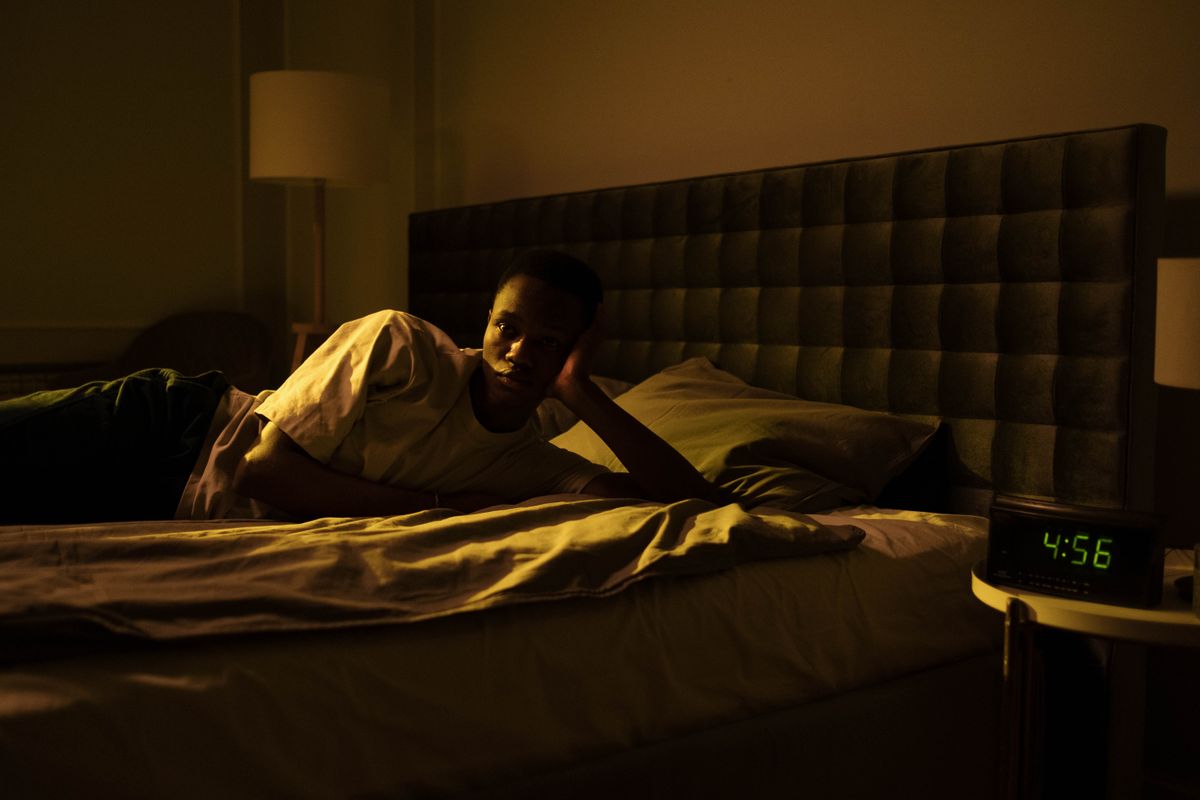
지하철이 끊긴 밤 11시, 거실 불을 다 끄고 누웠는데 어디선가 “삐-” 하는 가는 소리가 계속 들린다. 처음엔 냉장고 소리인가 싶어 부엌까지 나가 확인해본 사람도 있을 것이다. 그런데 냉장고 코드를 뽑아도 소리는 그대로다. 43세 회사원 김모 씨는 지난봄 이런 경험을 하고 나서야 자신이 “이명”이라는 걸 검색해봤다고 한다. 조용한 밤에만 들리니 신경성이겠거니 넘기기 쉽지만, 실은 낮에도 계속 있었는데 주변 소음에 묻혀 못 들었을 뿐인 경우가 많다.
신기한 건, 이 소리가 유독 밤에만 존재감을 드러내는 게 우연이 아니라는 점이다. 낮 동안 켜져 있던 온갖 소음이 사라지고 나서야 몸이 원래 갖고 있던 신호가 표면 위로 떠오르는 것에 가깝다. 그러니까 “왜 하필 조용할 때만 들릴까”라는 질문 자체가 이명을 이해하는 첫 번째 단서인 셈이다.
40대부터 왜 갑자기 많아질까
국내외 여러 조사를 보면 이명 유병률은 전체 인구에서 대략 10~25% 수준으로 보고되는데, 55세 이상으로 좁히면 이 비율이 30%까지 올라간다는 자료도 있다. 20대에는 드물던 증상이 40대 중반을 넘기면서 갑자기 흔해지는 셈이다. 의외로 이 시기는 청력 자체의 노화가 시작되는 때이면서, 동시에 혈압·수면·스트레스 관리가 함께 무너지기 쉬운 시기와 겹친다. 그러다 보니 원인 하나를 콕 집기보다 여러 요인이 겹쳐서 나타나는 경우가 훨씬 많다.
가장 흔하게 지목되는 원인들
1. 소음성 난청 – 이어폰이 조용히 쌓아온 손상
나도 모르게 최대 볼륨으로 유튜브나 음악을 틀어놓고 다니던 출퇴근길, 콘서트나 공사장 근처에서 몇 시간을 보낸 기억, 이런 게 20~30대 때는 아무렇지 않았을 것이다. 문제는 달팽이관의 미세한 유모세포가 한 번 손상되면 재생되지 않는다는 점이다. 그 손상이 10년, 20년 쌓이다가 40대 무렵 청력 저하와 함께 이명으로 드러나는 사례가 드물지 않다. 그런데도 정작 본인은 “요즘 젊었을 때만큼 안 들려서 그런가 보다” 정도로만 넘기는 경우가 많다.
2. 스트레스와 수면 부족 – 악순환의 시작점
스트레스, 불안, 수면 문제가 이명을 악화시키는 요인으로 자주 거론된다. 회의가 많은 주에 유독 귀울림이 심해진다고 말하는 사람들이 많은데, 이게 단순한 우연이 아니라는 뜻이다. 막상 이명이 시작되면 그 소리 자체가 신경 쓰여 잠을 설치고, 잠을 설치니 다음날 이명이 더 크게 느껴지는 식으로 순환이 반복된다. 여기서 빠져나오려면 소리 자체보다 수면의 질부터 손보는 편이 현실적이다.
3. 혈압 – 생각보다 관계가 깊다
고혈압과 이명의 연관성을 조사한 자료들이 있는데, 한 조사에서는 고혈압이 있는 사람의 45.8%가 이명을 함께 겪은 반면 고혈압이 없는 사람은 39.2%에 그쳤다는 결과가 나왔다. 다른 조사에서는 41.5%와 22.8%로 차이가 더 크게 벌어지기도 했다. 수도관에 이물질이 조금씩 끼면 물 흐르는 소리가 달라지듯, 혈압 변화로 내이 주변 혈류의 흐름이 바뀌면 그 미세한 변화가 소리로 감지되는 것 아니냐는 게 관련 전문가들의 추정이다. 40대 이후 건강검진에서 혈압 수치가 슬금슬금 오르기 시작하는 시점과 이명 발생 시점이 겹치는 것도 이런 맥락과 무관하지 않아 보인다.
4. 갱년기와 호르몬 변화
여성의 경우 폐경 전후로 에스트로겐 수치가 떨어지면서 귀 안쪽 혈류와 신경 전달에 영향이 갈 수 있다는 설명이 있다. 안면홍조나 불면 같은 대표 증상에 가려 이명은 뒷전으로 밀리기 쉬운데, 실제로는 같은 시기에 함께 시작됐다고 말하는 여성들이 적지 않다. 남성 역시 50대로 접어들며 테스토스테론이 서서히 줄고 대사 전반이 바뀌는데, 이 변화가 청각계에도 영향을 미칠 수 있다는 시각이 있다.
5. 이관기능장애 – 귀가 “먹먹한” 느낌과 함께 오는 경우
비행기를 안 탔는데도 귀가 꽉 찬 느낌이 며칠씩 이어진다면 이관, 그러니까 중이와 콧속 뒤쪽을 잇는 통로의 기능이 떨어졌을 가능성을 생각해볼 만하다. 이 통로가 제대로 열리고 닫히지 않으면 중이 압력이 불균형해지고, 그 과정에서 이명이나 먹먹함, 팝핑 소리가 함께 나타난다고 알려져 있다. 비염이나 축농증을 오래 앓아온 사람이라면 이 가능성을 한 번쯤 짚어볼 필요가 있다.
다섯 가지를 쭉 나열하고 나면 오히려 막막해지는 사람도 있을 것이다. 여기서 한 가지만 콕 집어 원인이라고 확신할 수 없다는 게 이 증상의 어려운 지점이다. 그런데 반대로 생각하면, 어느 한 부분만 바꿔도 소리가 누그러지는 경험을 하는 사람들이 실제로 존재한다는 뜻이기도 하다. 그럼 오늘 밤 당장 뭘 바꿔볼 수 있을지, 구체적으로 짚어보자.
병원 가기 전, 오늘부터 해볼 수 있는 생활 관리
첫째는 카페인과 염분 줄이기다. 커피 두세 잔을 습관처럼 마시는 사람이라면 하루 한 잔으로, 그것도 오후 2시 이전으로 옮겨보는 것만으로 체감이 달라졌다고 말하는 경우가 종종 있다. 국물 요리나 배달 음식을 주 3회 이상 먹는 습관이 있다면 그 횟수를 절반으로 줄여보는 것도 함께 시도해볼 만하다.
둘째는 이어폰 사용 습관을 바꾸는 일이다. 스마트폰 음량을 최대치의 60% 이하로 낮추고, 한 시간 들었으면 10분은 귀를 쉬게 해주는 식의 단순한 원칙만 지켜도 추가 손상을 막는 데 도움이 된다고 한다. 요즘 나오는 스마트폰은 볼륨이 일정 수준을 넘으면 경고 알림을 띄워주는 기능이 있으니, 그 기능부터 켜두는 게 첫걸음이 될 수 있다.
셋째는 백색소음이나 자연음을 활용하는 방법이다. 완전한 침묵 속에서는 오히려 이명 소리가 도드라져 신경이 더 쏠리는데, 유튜브나 음악 앱에서 “빗소리 8시간”, “파도 소리 잠잘 때” 같은 키워드로 검색해 낮은 볼륨으로, 그러니까 이명 소리보다 살짝 큰 정도로만 틀어두면 뇌가 그쪽으로 주의를 분산시켜 상대적으로 덜 신경 쓰이게 된다고 한다. 잠들기 전 30분 정도만 틀어봐도 효과를 체감하는 사람들이 있다.
넷째는 수면 시간을 일정하게 유지하는 것이다. 평일엔 6시간 자고 주말엔 9시간을 몰아 자는 패턴은 몸의 리듬을 계속 흔들어놓는다. 매일 비슷한 시각에 눕고 일어나는 습관이 스트레스 호르몬 수치를 안정시켜 이명 악화 고리를 끊는 데 도움이 된다는 게 여러 전문가들의 공통된 조언이다.
다섯째, 목과 어깨 긴장을 풀어주는 습관도 은근히 중요하다. 턱관절이나 목 근육의 긴장이 귀 주변 신경과 연결되어 있어서, 스트레칭이나 온찜질만으로 이명이 잦아드는 경우가 실제로 보고된다. 컴퓨터 앞에서 하루 8시간 이상 앉아 있는 사람이라면 한 시간에 한 번씩 목을 좌우로 천천히 돌려주는 것부터 시작해보는 게 좋다. 이 다섯 가지 중 딱 하나만 고른다면, 많은 사람들이 체감 효과를 가장 먼저 느꼈다고 말하는 건 역시 이어폰 볼륨 조절이다.
40~50대 건강 관리는 어느 한 부위만 따로 떼어놓고 보기 어렵다. 앞서 다룬 중년 이후 수면의 질을 높이는 습관 글에서 언급했던 취침 루틴 조정이 이명 완화에도 그대로 도움이 되는 경우가 많으니 함께 참고해보면 좋겠다.
자주 묻는 질문
Q. 이명이 한쪽 귀에서만 들리는데, 양쪽 다 들리는 것보다 더 걱정해야 하나요?
한쪽에서만 소리가 나는 경우와 양쪽에서 나는 경우는 배경이 다를 수 있다는 이야기가 있다. 특정 자세에서만 들리거나 갑자기 한쪽에서만 시작됐다면 이관 문제나 국소적인 원인을 짚어보는 검사가 필요할 수 있으니, 자가 판단보다는 정확한 검사를 받아보는 편이 안전하다.
Q. 이명 소리가 며칠 만에 사라졌다가 다시 나타나기를 반복하는데 괜찮은 걸까요?
스트레스가 심한 주간에 나타났다가 좀 쉬고 나면 잦아드는 패턴을 보이는 사람들이 꽤 있다. 그렇다고 매번 저절로 없어지니 안심해도 된다고 단정할 수는 없다. 반복 주기가 짧아지거나 강도가 세지는 느낌이 든다면 그 변화 자체를 기록해두었다가 진료 시 알려주는 게 도움이 된다.
Q. 이어폰을 아예 안 쓰는데도 이명이 시작됐어요. 이유가 뭘까요?
소음 노출이 없었다고 해서 원인이 없는 건 아니다. 혈압, 갱년기, 스트레스, 이관 문제처럼 소음과 무관한 경로로도 이명이 시작될 수 있다는 점을 앞서 살펴봤다. 최근 몇 달 사이 새로 생긴 변화, 이를테면 복용 약물이 바뀌었거나 카페인 섭취가 늘었거나 하는 부분을 함께 점검해보는 게 실마리가 될 수 있다.
여기까지 읽고 나면 오히려 신경이 더 쓰일 수도 있겠다. 다만 이 글에서 정리한 내용은 일반적으로 알려진 정보일 뿐, 개인의 증상을 진단하거나 치료 방향을 정해주는 건 아니다. 이명은 원인이 워낙 다양하게 얽혀 있어서 스스로 판단해 방치하기보다 검사를 통해 확인하는 편이 훨씬 안전하다. 정확한 원인 파악과 치료는 이비인후과 전문의와 상담하시기 바랍니다.
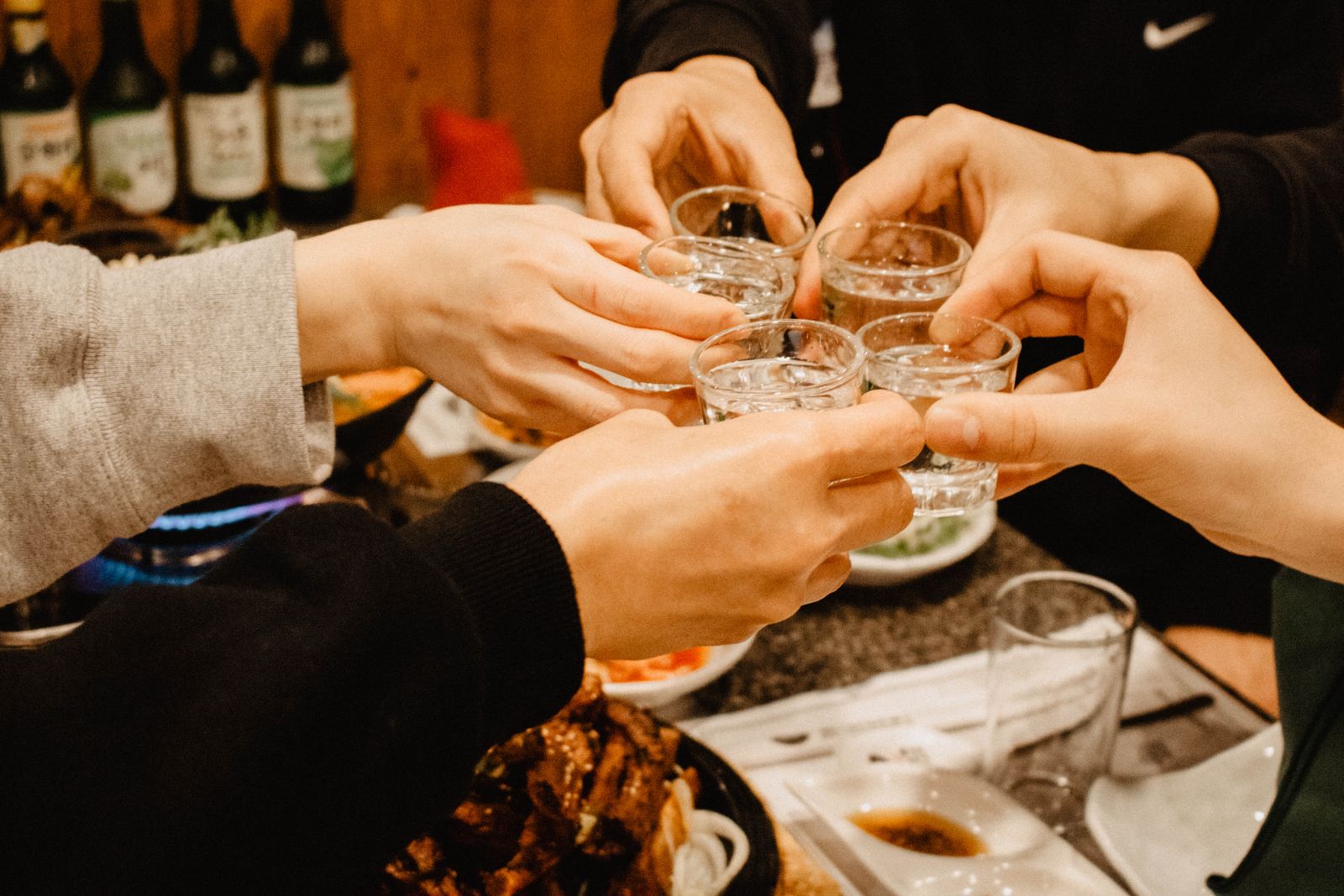
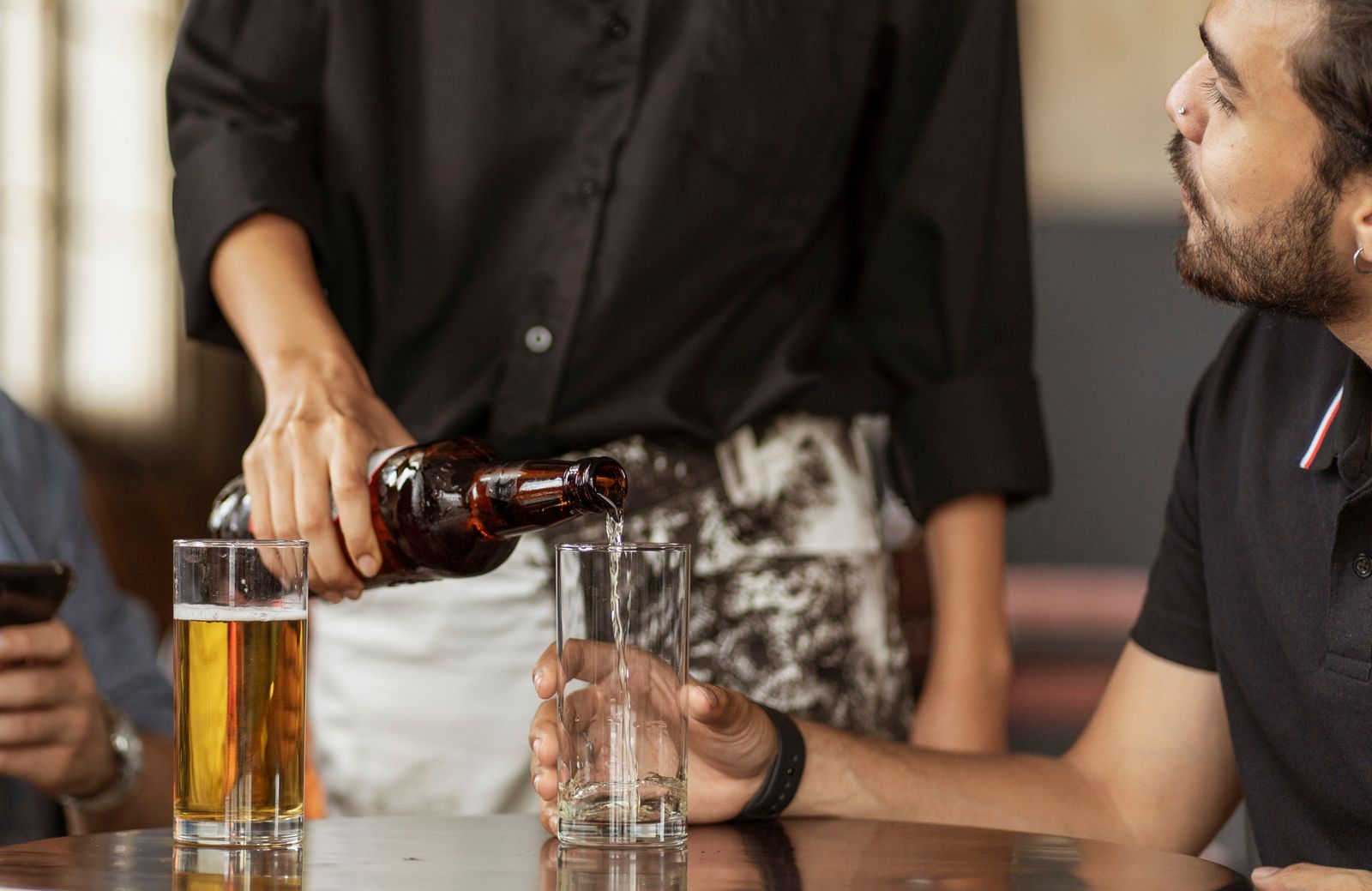
The first time I reached over and topped up my own soju glass at a work dinner in Yeongdeungpo, the guy next to me — a mild-mannered accountant who’d said maybe ten words all night over the sizzle of a tabletop grill — physically took the bottle out of my hand. Not aggressively. More like he was rescuing a toddler from a hot stove. The table was crowded with side dishes, someone two seats down was mid-toast, and in the middle of all that noise he still noticed my glass and reached across three plates of grilled pork belly to fix it before I could. “No, no,” he said, already pouring for me himself. I remember sitting there holding an empty shot glass, slightly stunned, thinking: I just wanted more soju. What did I do wrong?
That was probably eight years ago now, and I still think about it, weirdly enough, because it was such a small gesture that told me so much about how differently Korea thinks about a dinner table. In most of the English-speaking world, reaching for your own bottle is just efficiency. Nobody’s going to stop the conversation to police your glass. But in Korea, that one motion — self-pouring — sits at the intersection of hierarchy, care, and a set of unwritten rules that took me years, honestly, to fully absorb.
So, Is It Actually Rude?
The simple answer is yes. The real answer is: it depends entirely on who’s sitting across from you. As a baseline social rule, pouring your own drink in a group setting reads as self-centered, even a little lonely-looking, like you couldn’t be bothered to include anyone else in the moment. But the intensity of that judgment shifts a lot depending on the room — a formal company dinner versus a late-night bottle of makgeolli with your college roommate are two completely different worlds, even though the same bottle is on the table.
You’d think this would just be a minor quirk of table manners, the kind of thing you nod at and forget. But it’s not, really. It’s tied to a much bigger idea in Korean social life, and once you understand why it feels so counterintuitive to Westerners, the whole thing clicks into place: drinking together here is fundamentally a shared act, not a series of individual acts happening at the same table. Pouring for someone is a small transfer of attention. You noticed their glass was low. You cared enough to fix it, mid-conversation, without being asked. Which, honestly, is a nicer way to think about it than I gave it credit for when I first ran into the rule.
Where the Rule Comes From
A lot of Korean table etiquette — this included — traces back to Confucian ideas about hierarchy and mutual obligation that shaped Korean social life for centuries, and that history is exactly why the custom feels less like “manners” and more like a small ritual once you know the backstory. The core logic is pretty simple: younger people pour for older people first, juniors pour for seniors, and the person being poured for reciprocates once their own glass runs low. It’s a loop. Everyone is, in theory, taking care of everyone else, and the oldest or most senior person at the table is typically served first as a mark of respect before anyone else touches their glass.
There’s also the physical choreography that goes with it, which caught me off guard the first several times I saw it. When you pour for someone older or more senior than you, you’re expected to use two hands — or at least steady your pouring arm at the wrist or elbow with your free hand. In practice this is genuinely awkward the first dozen times you try it: you’re reaching across a table crammed with banchan — the little side dishes of kimchi, seasoned spinach, bean sprouts — trying not to knock over the bean-paste soup while keeping your forearm braced just so. It looks almost ceremonial if you’re not used to it, like you’re handling something fragile. Receiving works the same way: you take the glass with both hands, or one hand supported at the elbow, rather than just sticking your cup out like you’re at a backyard barbecue. Between people roughly the same age, one-handed pouring is totally normal and nobody thinks twice about it. The two-handed thing is specifically a hierarchy signal, not a universal soju rule, which is a distinction that took me embarrassingly long to figure out.
And then there’s the turning-away part, which still catches me off guard even now. If someone senior — your boss, your father-in-law, an older relative — pours you a shot, the polite move when you actually drink it is to turn your body slightly away from them and cover your mouth and glass with your free hand. It looks almost like you’re hiding the drink, which is sort of the point: you’re not flaunting the act of drinking in front of someone you owe deference to. The first few times I did this I felt ridiculous, like I was playacting in a historical drama, glass angled away, shoulder half-turned, hoping I looked respectful and not just constipated. Now it’s just muscle memory — I do it before I even consciously register who poured for me.
The Exceptions Nobody Tells You About
Here’s the part most etiquette articles skip, and it’s the part that actually matters if you live here rather than just visit for a week. The “never pour your own drink” rule loosens up fast once the context shifts. If you’re alone at a pojangmacha — one of those orange tent bars that pop up along the sidewalks in neighborhoods like Jongno or near Konkuk University — nobody expects you to flag down a stranger to top off your glass. You pour your own. Nobody blinks.
Same with close friends in a genuinely casual setting. If I’m at my friend’s apartment in Ilsan splitting a couple of cans of Cass and a bag of dried squid, we’re not performing formal etiquette at each other. Somebody pours, somebody doesn’t, glasses get topped off in whatever order makes sense, and it would honestly feel a little stiff and try-hard to insist on strict pouring order between two people who’ve known each other for a decade. The rule is really at its strongest in situations with a status gap — work dinners, meeting your partner’s parents for the first time, a reunion with a much older mentor — where getting it wrong reads as either not knowing better or, worse, not caring to.
There’s also a generational shift happening that’s worth spelling out, because Korea’s drinking culture in 2026 is not identical to what it was even ten years ago. Younger Koreans, especially in casual friend groups, have relaxed a lot of the stricter hoesik-era customs — the forced shots, the rigid seating by seniority, the endless second and third rounds that used to bleed into a 2 a.m. noraebang session whether you wanted to go or not. You’ll see it in small ways: so-maek (soju mixed with beer, at a lower effective ABV than a straight soju shot) has become the default order for a lot of twenty- and thirty-somethings instead of round after round of pure soju, and some companies have started swapping the marathon dinner-then-drinks hoesik format for lighter alternatives — an early dinner, a round of bowling, something that wraps up by nine. The core pouring etiquette still holds up reasonably well even in these lighter settings, but the surrounding pressure — being made to drink until someone decides you’re done — has softened considerably at a lot of workplaces, partly because younger employees have pushed back on it and companies have noticed.
What Happens If You Mess It Up
You’d think breaking a drinking etiquette rule would trigger some visible reaction — a raised eyebrow, a comment, something. Usually it doesn’t, at least not out loud. Koreans are generally very forgiving of foreigners who don’t know the rules yet; there’s a wide berth given for people who are clearly still learning. What you’ll notice instead, if you’re paying attention, is more subtle: someone quietly reaches over and pours for you before you can pour for yourself, the way that accountant did to me years ago. Or an older person at the table might gently correct you — “here, let me” — without making it a whole moment. It’s corrective, but it’s rarely punitive.
Even now, I slip. Just a few months back at a family gathering, I caught myself reaching for the bottle to refill my own glass mid-story, completely on autopilot, before my mother-in-law’s hand appeared and took it from me with a small laugh — no words needed, just a look that said she’d clocked the habit years ago and expected nothing less from me by now. That said, in more formal or hierarchical settings — a first dinner with a boss’s boss, a very traditional family gathering — repeatedly self-pouring or ignoring the pouring order can read as a bit tone-deaf, even if nobody says anything directly. Face and harmony matter a lot in these settings, and direct confrontation over a social misstep is rare. The silence itself is sometimes the feedback. I’ve actually written before about the flip side of this — how to politely refuse a drink you don’t want without causing offense, which comes up constantly once you understand how central pouring and reciprocity are to the whole ritual — and a lot of the same gauge-the-vibe, don’t-make-it-a-scene logic applies here too.
How I Handle It Now
These days my default move at any group table, Korean or otherwise, is to just keep an eye on the glasses around me — not in a performative, watch-me-be-culturally-fluent way, but because it’s genuinely become second nature after enough dinners. If someone’s glass is low, I fill it. If mine gets low, I wait a beat before someone else notices, and if nobody does within a reasonable window, I’ll pour my own without much drama, especially in a mixed group where not everyone follows the same customs anyway. There’s no secret ledger being kept. It’s less about rigid rule-following and more about paying attention to the people you’re sitting with, which — okay, this sounds a little precious when I write it out, but it’s true — is kind of the whole point of the custom in the first place.
What surprised me most, looking back, isn’t the rule itself. It’s how much a tiny physical habit — who lifts the bottle, who holds the glass, which hand goes where — can carry an entire philosophy of respect and interdependence without a single word being spoken. You don’t need to memorize a manual before your first Korean dinner. You just need to watch the table for five minutes, follow along, and let someone steal the bottle out of your hand at least once. Most people will meet you more than halfway, and honestly, that one awkward moment tends to stick with you a lot longer than any etiquette guide ever could.
FAQ
I’m at a company dinner (hoesik) and my glass is empty but the senior manager is deep in conversation with someone else. Can I just pour my own?
In that exact spot, most people would quietly pour for the person next to them first, which usually prompts a chain reaction where someone eventually notices your glass too. If a few minutes go by and truly nobody catches it, a quiet self-pour isn’t going to end your career — nobody’s watching that closely — but the more socially fluent move is to pour for someone else nearby first. It tends to solve the problem for you within a round or two.
My Korean boyfriend’s parents keep pouring for me even after I say I’ve had enough. Is it rude to refuse?
This one trips up a lot of foreigners dating into Korean families. You’re not obligated to drink everything poured for you, and leaving a glass mostly full is a perfectly normal way to signal you’re done, especially for health or driving reasons. What matters more is how you decline — a polite “I’m okay for now, thank you” with a small hand gesture over the glass reads much better than an abrupt “no.” Covering your glass lightly with your hand when someone reaches for the bottle is a widely understood, non-awkward way to say you’re done without making a scene.
Does this pouring rule apply to non-alcoholic drinks too, like at a family meal with soda or tea?
Less strictly, but the underlying courtesy carries over. At a formal meal, especially with elders present, it’s common and appreciated to pour tea or water for others before yourself, particularly for the oldest person at the table. Nobody’s going to correct you the way they might with soju, but doing it anyway tends to land as thoughtful rather than performative.
Somebody handed me a paper cup of makgeolli at a company dinner in my second month living in Korea, and I did what felt completely normal to me back home: I poured my own refill about ten minutes later when the cup ran dry. The table went quiet for a second. Not dramatically quiet, nobody gasped, but there was this tiny pause, like a skipped beat in a song, before my coworker reached over, took the bottle from my hand, and topped me off himself with a little laugh. I didn’t fully understand what had happened until months later. That’s the thing about living here as a foreigner: the mistakes are rarely catastrophic, but they pile up in small, specific ways, and nobody really sits you down and explains the whole list at once.
I’m Yijidaddy, and I’ve been based in Korea long enough now that I’ve made most of the mistakes on this list personally, sometimes more than once. This isn’t a tourist pamphlet with the usual “don’t point with one finger” bullet points you’ve probably already read on ten other sites. I want to walk through the ones that actually trip up people who are here for months or years, not just a weekend in Myeongdong, because the traps change once you’re not just sightseeing anymore.
The Drinking Trap
You might assume a drink is a drink, and refilling your own glass is just efficient — nobody wants to sit there with an empty cup waiting for someone to notice. But in Korea, especially at hoesik, the after-work dinner-and-drinks gatherings that are still a real fixture of office culture here, pouring your own soju or beer reads as a small signal that you’re either not paying attention to the people around you or, worse, that you don’t need anyone. Drinking here is relational, not just consumption. You watch other people’s glasses, you top them off when they’re low, and you let them do the same for you.
There’s a physical component too that I got wrong for longer than I’d like to admit. When you’re pouring for someone senior — a boss, an older coworker, someone’s parent — you use two hands, or at minimum one hand on the bottle with your other hand resting lightly against your forearm. Same when you’re receiving a pour: two hands on the glass, or one hand on the glass with the other touching your forearm or chest. It looks almost ceremonial the first few times you see it, but it becomes automatic embarrassingly fast, which honestly says something about how much repetition this culture runs on.
Underneath all the choreography, though, it’s really just a running, wordless check-in happening across the table the entire night — who’s had enough, who needs a refill, who’s being looked after. It’s less about the alcohol and more about that. If you want more on how drinking culture works here, from the toasting to the check dynamics to why nobody just orders one round and leaves, I wrote a longer piece specifically on that.
The Subway Code
I used to think the pink seats near the subway doors — the priority seats reserved for elderly passengers, pregnant women, and people with disabilities — were more of a suggestion than a rule, the way they can feel back where I’m from. In Seoul, they are not a suggestion. I sat in one exactly once during rush hour, half asleep after a long shift, and an older man boarded a few stops later. Nobody said anything to me directly. But three or four people near me gave this specific, deliberate look toward him and then quickly back at me — not a glare exactly, more the kind of look that dissolves into staring at their phone the second you notice it — and I got up so fast I nearly dropped my phone. Weirdly, that silent social pressure works better than any sign could.
Phone calls are the other one that catches people off guard. You’ll see people texting, gaming, watching dramas with earphones in, completely absorbed in their phones the entire ride — but actually talking on a call, especially at normal volume, gets you looks fast. Line 2 during evening rush hour, packed tight enough that you can feel the person next to you’s backpack against your ribs between Gangnam and Hongdae stations, is not the place to catch up with a friend on speakerphone. If a call is unavoidable, people tend to cup a hand over their mouth and speak just above a whisper. It felt excessive to me at first, honestly, but after a year of quiet commutes I’ve come to genuinely prefer it. There’s something calming about a train car where the loudest sound is the door chime.
The Chopstick Rule That Makes Older Koreans Actually Flinch
This one gets repeated so often in guidebooks that it almost sounds like an urban legend, but it’s real and it matters: don’t stick your chopsticks upright in a bowl of rice. It visually mirrors the incense sticks placed for ancestral memorial rites, so doing it at a dinner table, even by accident while you go grab something from another dish, can land as genuinely unsettling to an older Korean at the table rather than just a minor faux pas. I’ve watched a host quietly reach over and lay a friend’s chopsticks flat without a word, mid-conversation, like muscle memory, and keep right on talking as if nothing happened.
There’s a rhythm to eating with a group here that took me longer to absorb than the rules themselves. You generally wait for the oldest or most senior person at the table to pick up their spoon first before anyone else starts eating. It’s not enforced with any kind of scolding, at least not with foreigners, but you’ll notice everyone else naturally pausing for that first beat, and if you’re the one who dives in early, you’re the only person whose spoon moved.
And if you’re offered more food or another drink, the polite move is to decline once, maybe twice, before accepting — which felt bizarre and even a little dishonest to me at first, since where I’m from you just say what you actually want. Here it’s less about honesty and more about a small ritual of showing you’re not being greedy, even when everyone at the table knows you’re going to say yes eventually.
The Tipping Habit That Doesn’t Translate
Tipping just doesn’t exist in Korea in the way it does in the US, and I mean that literally — there’s no line on the receipt for it, no jar by the register expecting it, and leaving cash on a restaurant table is more likely to make a server chase you down the street to return it than to be received as a kindness. I tried tipping a taxi driver during my first month, a ride from Hongik University Station to my old apartment in Mangwon that came to about 4,700 won, and I told him to keep the change from a 10,000 won bill and stepped out. He rolled the window down, called out, and held the coins and small bills out flat on his open palm until I turned around and took them back — no annoyance in his face, just a kind of patient correction, like he’d done this exact routine with a foreigner before.
It’s not that Koreans think tipping is rude exactly, more that the entire pricing structure here assumes the listed price is the full price, service included, full stop. You’ll still occasionally see tip jars appear at trendy dessert cafes clearly aimed at foreign tourists, which, honestly, muddies the water for everyone and probably confuses first-time visitors more than it helps.
The Sacred Boundary of the Front Door
You’d think shoes-off-at-the-door is simple enough to get right immediately, and mostly it is, but the gray areas are where people slip up. Some smaller traditional restaurants with raised floor seating, certain guesthouses, temples obviously, and pretty much every Korean home require shoes off right at the entrance, usually marked by a small step up called a hyeongwan. What surprised me was how far the “no shoes” logic extends beyond just floors — at a jjimjilbang, the Korean bathhouse and sauna, you change into sandals the moment you’re inside, and wearing your outdoor shoes even one step past the entrance mat is treated as genuinely unclean, not just a style violation.
I once wandered two steps too far into a friend’s apartment entryway while checking my phone for directions, still half in the hallway, and got a very polite but very immediate “ah, ah, ah” and a pointed look at my sneakers before I’d even managed to say hello properly. I hopped back onto the hyeongwan, laughing, and untied my shoes right there while she held the door.
Public Affection and Reading the Room
Public displays of affection are more restrained here than in a lot of Western countries, though this one has genuinely loosened over the years I’ve been watching it, especially among younger couples in areas like Hongdae or Yeonnam-dong. Still, a hand on the small of someone’s back or a quick hug reads very differently from what would be unremarkable in, say, a park in Los Angeles. Loud laughter, group photos that block a whole sidewalk, or a boisterous conversation carried across an entire cafe are the kind of thing that won’t get you confronted, but will get you noticed, and being noticed in a culture that generally prizes not standing out is its own quiet kind of mistake.
I’ve caught myself doing this more than once, laughing too loudly at something on my phone on a quiet bus, and felt that specific prickle of a dozen polite, uninterested-looking people who are absolutely aware of me. Nobody turns their head. That’s almost the point — the awareness is there without anyone needing to show it.
The Mistake That Actually Matters Most
If there’s a single thread running through everything above, it’s that Korea isn’t one uniform rulebook, it’s closer to a set of overlapping social radars — generational, regional, situational — that locals read instinctively and foreigners have to learn consciously. A twenty-two-year-old barista in a Hongdae coffee shop and a sixty-year-old shop owner in a Jongno alley are operating on somewhat different versions of the etiquette I’ve described here, and the honest, if unsatisfying, answer is that you calibrate as you go.
I still get things wrong. Last month I accidentally handed a business card with one hand to a client visiting our office, a man clearly in his fifties who’d flown in from Busan for the meeting, and caught myself half a second too late, card already halfway across the table. He took it graciously, gave a small nod, and didn’t miss a beat in the conversation. Nobody made a scene about it.
That’s really the pattern I’d want anyone new here to understand: the social cost of a mistake is almost always smaller than the anxiety of anticipating it, and Koreans I’ve met are, on the whole, remarkably graceful about foreigners who are visibly trying.
Frequently Asked Questions
I’m going to a work dinner with Korean colleagues for the first time next week and I don’t drink alcohol. Will I offend anyone by refusing soju?
You won’t, and this is genuinely one area where things have relaxed a lot even in the years I’ve lived here. Saying “저는 술을 못 마셔요” (I can’t drink alcohol) is understood immediately, and most hoesik dinners these days will have cola, juice, or non-alcoholic options on the table without anyone blinking. What matters more than whether you drink is that you still participate in the pouring ritual — top off other people’s glasses with theirs, let them pour your soda for you using the same two-handed gesture, and stay through at least part of the meal rather than ducking out the second food arrives. The social participation matters more than the alcohol itself.
I accidentally sat in a priority seat on the subway and nobody said anything directly to me — was that actually fine, or did I mess up?
Nobody confronting you doesn’t mean it went unnoticed. Korean social correction tends to be indirect rather than direct confrontation, so silence isn’t the same as approval — it’s more likely that people simply expected you’d notice and move on your own, the way I described happening to me. If it happens again, the safest habit is to treat the pink-marked seats as fully off-limits regardless of how empty the car is, even late at night, since an elderly rider boarding at the next stop is always a possibility and the seat being empty when you sat down doesn’t really factor into the etiquette at all.
My Korean host family keeps insisting I eat more even after I’ve said I’m full twice — am I doing something wrong by declining?
You’re actually doing it exactly right, and this pattern is a genuine, recognized social ritual here rather than a communication breakdown. Hosts are expected to insist two or three times as a show of generosity, and guests are expected to decline once or twice before accepting, so both sides are essentially performing a small, mutually understood dance. If you’re truly full, a firm but warm “저는 배불러요, 정말 잘 먹었습니다” (I’m full, I really enjoyed the meal) after the second offer usually closes it out gracefully. The mistake isn’t in the back-and-forth itself, it’s assuming the first “I’m full” is meant to be taken as the final answer.
시베리아 겨울의 밤은 소리부터 다르다고 한다. 바람이 나뭇가지가 아니라 눈 자체를 긁으며 지나가는 소리, 텐트 천이 팽팽하게 당겨졌다 풀렸다 하며 우는 소리. 영하 25도, 초속 10미터가 넘는 바람이 몰아치던 1959년 2월 2일 새벽, 러시아 우랄산맥 북부의 이름조차 없던 1079봉 비탈에서 그 소리 사이로 텐트 천이 찢기는 소리가 하나 더 섞였다. 그것도 바깥이 아니라 안쪽에서부터, 칼로. 스물셋의 이고르 드야틀로프가 이끌던 아홉 명이 그날 밤 텐트를 버리고 눈밭으로 흩어졌고, 그중 누구도 살아 돌아오지 못했다. 문은 멀쩡히 있었는데 왜 굳이 벽부터 찢었을까. 이 비합리적인 선택 하나가 반세기 넘게 사람들을 이 사건으로 끌어들이는 이유다.
우랄공대 아홉 명, 오토르텐산을 향해 떠나다
사건의 출발은 대단할 것 없는 겨울 산행이었다. 우랄공과대학교(현 우랄연방대학교) 학생과 졸업생으로 구성된 스키 원정대 열 명이 1959년 1월 23일 스베르들롭스크(현 예카테린부르크)를 떠났다. 목적지는 해발 1234미터의 오토르텐산, 소련 등산연맹 기준으로 최고 난이도인 3급 코스였다. 대장은 이고르 드야틀로프(23)였고, 지나이다 콜모고로바(22), 루스템 슬로보딘(23), 니콜라이 티보-브리뇰(23), 알렉산드르 콜레바토프(24), 류드밀라 두비니나(20), 유리 도로셴코(21), 유리 크리보니셴코(23), 그리고 일행 중 최연장자였던 세묜 졸로타료프(38)가 함께했다. 사진 필름에 남은 마지막 기록들을 보면 눈싸움을 하고 서로 장난치는 모습까지 담겨 있어, 이들이 얼마나 이 여행을 즐기고 있었는지가 오히려 더 아프게 다가온다.
원래는 열 명이었다. 유리 유딘이라는 대원이 좌골신경통 통증을 견디지 못하고 1월 28일 ‘2번째 북부’라는 정착촌에서 하차했다. 그날의 이 결정 하나로 유딘은 유일한 생존자가 됐는데, 정작 본인은 그 사실을 홀가분해하지 못했다. 그는 이후 반세기가 넘도록 매년 동료들의 기일에 묘지를 찾았고, 2013년 세상을 떠나면서 자신도 그들 곁에 묻어 달라고 유언을 남겼다. 살아남았다는 사실이 축복이 아니라 짐이 될 수도 있다는 걸 보여주는 대목이다.
텐트를 왜 벽부터 찢고 나갔을까
2월 1일, 아홉 명은 콜라트 샤흘 산(만시어로 ‘죽은 자의 산’이라는 뜻이다)의 동쪽 비탈에 텐트를 쳤다. 원래 계획대로라면 숲 지대까지 더 내려가 야영했어야 했는데, 날씨 탓인지 시간 계산이 어긋난 탓인지 바람을 그대로 맞는 노출된 자리에 자리를 잡았다. 조사관들이 나중에 확인한 바로는 텐트 옆면이 안쪽에서 바깥으로 여러 군데 칼로 찢겨 있었다. 신발도 외투도 제대로 걸치지 못한 채, 일부는 양말 바람으로 일부는 맨발로 뛰쳐나간 흔적이었다. 영하 25도의 눈밭으로 맨발로 나설 만큼 급박했던 이유가 정확히 무엇인지, 그 답은 지금까지도 나오지 않았다.
3주 만에 발견된 텐트, 그리고 텅 빈 눈밭
약속한 귀환일이었던 2월 12일이 지나도 소식이 없자 가족들이 대학 측에 항의했고, 2월 20일부터 본격적인 수색이 시작됐다. 수색대가 텐트를 찾아낸 건 2월 26일이었다. 텐트 안에는 배낭과 식량, 심지어 보드카 한 병까지 고스란히 남아 있었는데 정작 사람은 아무도 없었다. 텐트에서 약 1.5킬로미터 떨어진 곳, 눈 속에 반쯤 파묻힌 큰 삼나무 아래에서 크리보니셴코와 도로셴코의 시신이 속옷 차림으로 발견됐다. 나무에는 사람 손이 닿기 힘든 높이까지 가지가 부러진 흔적이 있었는데, 누군가 필사적으로 기어올라 주변을 살피려 했던 흔적으로 추정된다. 그 나무에서 텐트 방향으로 300미터쯤 되돌아간 지점에서는 드야틀로프, 콜모고로바, 슬로보딘 세 명이 마치 텐트로 돌아가려던 자세 그대로 쓰러져 있었다. 시신을 찾는 데만 이렇게 오랜 시간이 걸렸다는 사실은, 그해 겨울 그 지역 적설량이 얼마나 극심했는지를 짐작하게 한다.
5월에야 드러난 나머지 네 구, 부상은 왜 더 심했나
눈이 녹기 시작한 5월 4일과 5일, 나무에서 조금 떨어진 계곡에서 나머지 네 구가 눈 4미터 아래에서 발견됐다. 두비니나, 졸로타료프, 콜레바토프, 티보-브리뇰이었다. 그런데 이들의 부상 정도가 앞서 발견된 다섯 명과 확연히 달랐다. 티보-브리뇰은 두개골이 함몰돼 뼛조각이 뇌 조직까지 파고든 상태였고, 졸로타료프와 두비니나는 흉부 골절이 워낙 심해서 스베르들롭스크 법의학연구소의 검시관 보리스 보즈로즈덴니 박사가 “차량 충돌 사고에 준하는 강한 충격”이라는 표현을 쓸 정도였다. 그런데도 몸 표면에는 그만한 충격을 만들 만한 외상 흔적이 뚜렷하지 않았다. 두비니나는 혀와 눈이, 콜레바토프는 눈썹까지 사라진 채 발견돼 언론과 조사관 모두를 당혹스럽게 만들었는데, 이 부분은 계곡물에 두 달 넘게 잠겨 있으면서 생긴 부패나 작은 동물의 접촉으로 설명 가능하다는 의견도 있다. 다만 그 시절 소련 수사 기록만으로는 확정하기 어려운 지점이다.
소련 당국의 결론 — “알 수 없는 압도적인 힘”
사건을 맡은 검사 레프 이바노프는 1959년 5월 28일 수사를 종결하면서 사인을 “저항할 수 없는 자연의 힘”이라는 애매한 표현으로 정리했다. 구체적으로 무엇이 그 힘이었는지는 끝내 밝히지 않은 채였다. 관련 파일 상당수가 1990년대 초까지 비공개로 남아 있었는데, 냉전기 소련 특유의 정보 통제가 이런 식으로 진실을 반세기 가까이 묻어버린 사례는 이 사건 하나만은 아니다. 예전에 다룬 냉전기 실종 사건 기사에서도 국가 기록이 뒤늦게 공개되며 진실의 조각이 뒤늦게 맞춰지는 비슷한 패턴이 나온 적이 있다. 일부 대원의 옷가지에서 방사능 수치가 정상보다 높게 측정됐다는 기록도 남아 있는데, 조사 결과 1957년 인근에서 발생한 키시팀 원자력 사고의 잔류 오염과 연관이 있을 가능성이 제기됐다. 다만 이 역시 완전히 확정된 설명은 아니다.
군사실험설부터 인프라사운드설까지, 쌓여온 가설들
답이 나오지 않은 채로 반세기가 흐르는 동안 가설은 자연스레 쌓여갔다. 사건 직후에는 인근에 거주하던 원주민 만시족이 신성한 산에 침입한 외지인들을 공격했다는 설이 돌았다. 그런데 조사 과정에서 텐트 주변에 외부인의 발자국이나 몸싸움 흔적이 전혀 발견되지 않아 이 가설은 빠르게 힘을 잃었다. 사건 당일 밤 다른 등반팀들이 하늘에서 주황색 불빛을 목격했다는 증언이 나오면서 군사 미사일 실험이나 낙하산 기뢰 폭발설이 제기되기도 했다. 2013년 저널리스트 도니 아이카가 쓴 책 「데드 마운틴」에서는 콜라트 샤흘 산의 지형이 강풍과 만나 카르만 소용돌이를 만들고, 이것이 사람 귀에 들리지 않는 인프라사운드를 발생시켜 원인 모를 공황을 유발했을 가능성을 제시했다. 발상 자체는 흥미로운데, 의외로 이 가설을 뒷받침할 물리적 증거는 아직 충분하지 않다.
2021년, 스위스 연구팀이 내놓은 슬랩 눈사태 이론
가장 최근에, 그리고 가장 정교한 과학적 설명은 2021년 1월 학술지 「커뮤니케이션스 어스 앤드 인바이런먼트」에 실린 논문에서 나왔다. 취리히 연방공대(ETH 취리히)의 지반공학 교수 알렉산더 푸진과 로잔 연방공대(EPFL)의 요한 곰 교수가 공동으로 발표한 이 연구는, 대원들이 눈 비탈을 깎아 텐트 자리를 만든 것 자체가 원인이 됐을 가능성을 수치 모델로 제시했다. 강한 카타바틱 바람이 밤새 눈을 실어 날라 비탈 위쪽에 판 형태의 눈덩이(슬랩)를 쌓았고, 이것이 시간차를 두고 무너져 내리면서 자던 대원들을 덮쳤다는 시나리오다. 눈사태치고는 경사가 완만해서 오랫동안 배제됐던 가설인데, 막상 보면 자동차 충돌 실험 데이터를 인체 모형에 적용한 시뮬레이션 결과가 앞서 언급한 흉부·두개골 손상 패턴과 상당히 비슷하게 나타났다고 한다. 2019년부터 2020년 사이 러시아 검찰이 재개한 조사에서도 담당 검사 안드레이 쿠랴코프가 비슷한 결론에 무게를 실었다. 다만 슬랩이 무너진 흔적은 며칠 안에 새 눈으로 덮여 사라지는 특성 때문에, 현장에 남은 물리적 증거만으로 이 가설을 완전히 입증하기는 쉽지 않다는 반론도 있다.
그래도 남는 의문들
눈사태 이론이 여러 물리적 손상 패턴을 설명해 준다는 점은 분명하다. 그런데도 텐트를 왜 벽부터 찢고 나갔는지, 왜 300미터나 떨어진 지점까지 뿔뿔이 흩어졌는지, 방사능 수치와 목격된 불빛은 정말 우연이었는지를 놓고는 학계에서도 의견이 완전히 하나로 모이지 않는다. 어느 한 가설이 사실로 확정됐다고 단정하기보다는, 극한의 저체온증 속에서 사람이 보이는 이상 행동(체온이 급격히 떨어질 때 오히려 옷을 벗는 ‘패러독시컬 언드레싱’ 현상)과 지형적 눈사태, 그리고 통신이 제한된 냉전기 소련 사회의 정보 공백이 겹쳐 만들어진 사건으로 보는 시각이 지금은 조금 더 무게를 얻고 있는 정도로 정리하는 편이 안전하다. 아홉 개의 무덤 앞에 매년 꽃을 놓는 사람들이 아직 예카테린부르크에 남아 있다는 사실만큼은, 그 어떤 가설보다 분명하다.
자주 묻는 질문
Q1. 생존자는 정말 한 명도 없었나요? 아홉 명 전원이 사망했다. 원래 원정대는 열 명이었고, 유리 유딘이라는 대원이 출발 며칠 후 좌골신경통으로 중도 하차해 유일하게 목숨을 건졌다. 유딘은 2013년 세상을 떠날 때까지 동료들의 유해를 확인하는 등 사건 규명에 협조했다.
Q2. 방사능이 검출됐다는 게 사실인가요? 일부 대원의 옷에서 기준치보다 높은 방사능이 측정된 건 사실로 기록돼 있다. 다만 이것이 무기 실험 때문인지, 1957년 키시팀 사고의 잔류 오염 때문인지는 조사 당시에도 명확히 결론 나지 않았고, 지금도 여러 해석이 공존한다.
Q3. 최근 러시아 정부의 재조사 결과는 어떻게 됐나요? 2019년 재개된 조사에서 러시아 검찰총장실은 눈사태를 가장 유력한 원인으로 지목하며 2020년 결론을 발표했다. 그런데 이 결론이 모든 논란을 끝낸 건 아니어서, 유가족 일부와 연구자들은 여전히 세부 정황에 의문을 제기하고 있다.
My Korean landlord once asked me, half-joking, why every foreigner who moves to Seoul ends up taking the exact same five photos in the same six neighborhoods. I didn’t have a good answer at the time. Four years and more apartment moves than I’d like to admit later, I think I finally do. Nobody tells you where to look instead, so you default to whatever shows up first when you search “things to do in Seoul.” I’m Yijidaddy, and I’ve spent enough weekday mornings wandering this city with nowhere in particular to be that I’ve built up a mental map of the places my Korean friends and neighbors actually use, not the places built for people passing through.
A quick caveat before I get into it, because it matters more than the usual disclaimer paragraph: these places work precisely because they’re still residential. That means no blocking doorways for photos, keeping your voice down after dark on a quiet street in Seochon, and buying something from the small vendors instead of just walking through with a camera. None of this is a “secret Seoul” nobody has written about — every spot below has an address and shows up on a map. What’s different is who’s actually there on a random Tuesday.
Yeonnam-dong: the Hongdae everyone wishes existed
Cross the old railway line just north of Hongdae and the whole mood shifts within about four minutes of walking. Grandmothers doing their morning stretches pass twenty-somethings in pajama pants buying kimbap, and every third storefront is some cramped, design-obsessed cafe that seats maybe twelve people. Get there via the Airport Railroad or Line 2 to Hongik University Station, exit 3, then cut north into what’s now called Gyeongui Line Forest Park — that green strip is the spine of Yeonnam-dong.
Yeonnam-dong has gotten popular enough that calling it “hidden” is a stretch these days, and plenty of tourists have caught on — I’ll cop to the irony of writing about it here at all. But it’s still fundamentally a residential neighborhood that happens to have excellent coffee, not a district engineered around foot traffic. Walk the forest park end to end on a weekday afternoon around 2 or 3pm, after the lunch crowd clears and before the after-school crowd shows up, and you’ll get long, quiet stretches almost to yourself. A coffee runs about 4,500 to 6,000 won nearly everywhere, and a proper dinner for two at one of the neighborhood’s small, steam-filled Korean or Japanese-leaning restaurants lands somewhere around 30,000 to 45,000 won. Load a T-money card with at least 10,000 won before you set out; between the subway and the local buses that stitch these neighborhoods together, you’ll use it more than you expect.
Mangwon Market: where Mapo actually shops
There’s no tteokbokki Instagram line here, no tour groups in headsets trailing a flag. Mangwon Market is a covered arcade of roughly 200 stalls where people from Mangwon, Hapjeong, and Hongdae buy their produce, their banchan, their fish, because it’s genuinely cheaper than the Lotte Mart down the road. You’d expect Mapo’s most famous market to be Gwangjang’s louder cousin across the river, but Mangwon isn’t performing for anyone — it’s just doing its job. Take Line 6 to Mangwon Station, exit 2, and walk three to five minutes in.
What struck me the first time I went wasn’t the food, oddly, it was how unremarkable I felt standing there. Nobody looked twice at a foreigner picking through perilla leaves. Go looking for the stalls doing chili-stuffed fish cakes straight off the fryer, or the corner selling fat, hand-folded mandu by weight rather than by the piece — that’s the kind of thing worth hunting for over a generic “try the street food” tip. A bag of hotteok or a bowl of noodles rarely runs past 5,000 won, and a full, wandering meal across three or four stalls stays under 15,000 won. Go in the late morning, around 10 or 11am, before the lunch rush and while the produce is still fresh off the early delivery trucks; evenings get busy with locals doing their actual dinner shopping, which is fascinating to watch but a tighter squeeze if you’re trying to eat while you browse.
Seochon and Tongin Market: Bukchon’s quieter sibling
You’d think Bukchon Hanok Village is the traditional-Seoul experience everyone should chase, and it is beautiful, but it’s also so full of rented hanbok and selfie sticks that it can feel more like a costume party than a neighborhood. Seochon, just west of Gyeongbokgung Palace, is what I send people to instead. Poets and painters actually lived here a century ago, and plenty of older Seoulites still do, in low-rise houses tucked behind walls just tall enough to keep things private. Take Line 3 to Gyeongbokgung Station, exit 2, and walk north through the narrow residential streets to feel the difference almost immediately.
The market end of Seochon is Tongin Market, known for its yeopjeon dosirak: you buy old-style brass coin tokens, about 500 won each, and trade them for small portions of banchan and rice from different stalls, building your own tray as you go. It sounds gimmicky written out like that, sure, but it works, because it forces you to actually walk the market and talk to the ajummas running each stall instead of just pointing at a menu. Cash is still king at most of these stalls, so carry a mix of small bills and coins rather than assuming a card reader will be sitting there. Budget around 5,000 to 8,000 won for a full tray, and go late morning on a weekday, before the token booth line builds up.
Mullae-dong: iron, art, and jazz behind rusted shutters
This one still catches people off guard, even Koreans who haven’t been. Get off at Mullae Station on Line 2, exit 7, and for the first few minutes you’ll wonder if you took the wrong stop. It’s just small metalworking shops, welding sparks, and the sharp, metallic smell of machine oil clinging to the air. Then you round a corner and the scene flips entirely: a mural covers an entire shutter, a gallery door is propped open with a paint can, and the buttery smell of a bakery pulls you in before you’ve registered what changed. Mullae Creative Village grew out of an old ironworks district that never fully died. Instead, more than 200 artists moved into the empty upper floors and back alleys over the past couple decades, and now you get this genuinely unplanned coexistence of factory clatter and gallery openings on the same block.
It isn’t polished, and that’s the whole point. There’s no curated “art street” map at the entrance. You just wander, and eventually land at a converted factory space pulling pour-over coffee for around 6,000 won, or a bakery like Rust Bakery working out of a former ironworks, or a bar lit by filament bulbs with a jazz record spinning where you’d swear there was nothing but scrap metal five minutes earlier. Weekend afternoons bring more foot traffic from young Koreans doing exactly what you’re doing, but weekday evenings after the factories close around 6pm are when the neighborhood feels most like itself: half industrial, half gallery, entirely unbothered by anyone watching.
Suseongdong Valley and the Bugaksan trail: the hike locals do before work
Hiking doesn’t sound like it belongs on a “hidden spot” list, but hear me out, because most visitors only ever manage Bukhansan or Namsan, and both fill up fast. Suseongdong Valley sits closer to the city center than either, tucked near Buam-dong on the northwest side of Gyeongbokgung, and it connects into the Bugaksan section of the old Seoul City Wall trail. I’ve run into more Korean retirees doing their morning loop here than tourists of any nationality on any given weekday, and that ratio tells you something about who this trail actually belongs to.
The valley itself is a short, shaded stretch with a stream cutting through rocky terrain, genuinely peaceful, and an easy warmup before the climb toward the wall. From there, the fuller loop past Changuimun Gate and up toward the Bugaksan summit takes maybe two to three hours round trip depending on your pace. The payoff is a view where Jongno’s glass towers look almost toy-sized against the granite ridgeline, with Gyeongbokgung’s tiled roofs laid out below and the old presidential compound’s grounds visible off to one side — a view that beats most of the paid observation decks in the city, and it costs nothing. Bring your passport or ID, since parts of the trail near that former presidential area still require a quick registration. Go early, ideally before 9am on a weekday, both to beat the heat in summer and to catch the neighborhood locals doing their loop before work, which is oddly the most reliable way to tell you’re somewhere that belongs to the city rather than to its visitors.
A few honest caveats
“Hidden” is doing some heavy lifting in a title like this, so let me be straight about it. None of these places are secret in the sense that no one’s written about them; you can find all five on a map in about ten seconds. What they have in common is that they weren’t built for you to visit. They were built for people to live in, and the reason they still feel different is that the primary audience walking through them on any given day is mostly local. That can change fast in Seoul, and Yeonnam-dong is proof of how quickly a quiet neighborhood turns into a destination once enough people write about it, myself apparently included now. So go, but go the way a neighbor would, not a spectator.
Frequently asked questions
Do I need cash for these markets, or will cards work? Bring both, but lean toward cash. Larger shops and cafes in Yeonnam-dong and Mullae-dong take cards without issue, but the smaller stalls at Mangwon Market and Tongin Market often run cash-only or prefer it, and fumbling for a card reader that isn’t there slows down the whole line behind you.
I only have one afternoon and want the “locals, not tourists” feeling without much walking, which single spot should I pick? Mangwon Market, without question. It’s compact, sits right at a subway exit, and is cheap enough that you’re not committing to anything. You’ll feel the difference from Gwangjang or Namdaemun within about two minutes of walking in.
Is the Bugaksan hike doable if I’m not an experienced hiker? Yes, if you keep to the Suseongdong Valley section and skip the push to the summit. It’s shaded, mostly gentle, and short enough for sneakers rather than proper hiking boots. If you do want the summit view, budget the extra two hours and pace yourself; there’s no shame in turning back halfway if the wall trail’s steeper stretches aren’t your thing.
Bonus tip: almost none of these places are geared toward English, and that’s part of the appeal, but it also means a basic translation app and a little patience go a long way. The stall owners at Tongin Market and Mangwon Market are used to pointing and gesturing, and nobody expects fluency from you. Showing up with a bit of effort and a smile gets you further in these neighborhoods than it does in any tourist zone in the city.
My partner’s bathroom shelf has somewhere around twenty bottles on it, more than my entire kitchen holds, and for the first eight months I lived in Korea I genuinely thought some of them were decorative — there’s a squat little glass jar with a rose gold lid that I assumed for months was a candle. It is not a candle. Every single one of those twenty bottles has a job, a specific order, and, I’ve since learned after asking one too many condescending questions, an opinion about what decade of your life you’re supposed to start using it in. Let’s get the obvious caveat out of the way early, since it matters more here than in most of what I write: I’m not a dermatologist, I’m not endorsing any brand, and none of what follows is treatment advice for an actual skin condition — if something’s genuinely bothering you medically, that’s a dermatologist’s job, not a foreigner’s blog post. What I can talk about is the culture behind all those bottles, as someone who moved here without a single opinion about toner and now owns four of them.
Let’s start with the number everyone’s heard of, because it’s simultaneously the most famous and the most misleading thing about Korean skincare. Ten steps sounds like a lot, and honestly it is, but the ten-step routine was never really meant to be a daily checklist — it’s more like a full menu that a magazine or a brand assembled to show the range of product categories that exist. In practice, my partner does maybe five or six steps on a normal weeknight and saves the rest for when she actually has the energy, which, fair enough, is most people’s real relationship with any elaborate routine, skincare or otherwise. And she’s not alone in scaling back — there’s a whole minimalist counter-current going right now, sometimes shorthanded as “skip-care,” which is basically permission to do less and trust that a handful of well-chosen products can do the job a dozen scattered ones used to. I’ve come to think that’s the more honest version of this culture: not the glossy ten-step infographic everyone screenshots, but the reality of someone doing a quick three-step version on a Tuesday and the full production on a lazy Sunday when there’s time to spare.
The part that actually is non-negotiable, from what I’ve observed, is double cleansing at night. This tripped me up for a long time because it seems redundant — you’re washing your face twice? — but the logic clicked once it was explained to me properly. An oil-based cleanser goes on first, while your face is still dry, and it dissolves sunscreen, makeup, and the oil-based grime that built up over the day; oil dissolves oil, basically. Then a water-based cleanser — foam, gel, whatever texture someone prefers — comes in afterward to wash away sweat, dirt, and anything water-soluble that the oil cleanser didn’t touch, plus the residue of the oil cleanser itself. Skip the oil step and use only a water-based cleanser, and sunscreen in particular has a way of clinging on stubbornly. I was skeptical the first few times I tried it, mostly because it felt like an extra chore before bed, but I noticed my skin actually did feel different — less like there was an invisible film left over — so now I corner dinner guests to talk about the merits of oil-based cleansers unprompted, which is how you know a habit has fully taken hold.
After cleansing comes toner, and this is where things start to diverge from what I grew up thinking a toner was for. Back home, “toner” in my head meant an astringent, alcohol-heavy liquid that stung a little and was supposedly for shrinking pores. Here, toner is mostly about rebalancing and rehydrating skin right after cleansing strips away its natural oils, prepping it to actually absorb whatever comes next. It’s applied with hands or a cotton pad, and it’s rarely the dramatic, tingly experience I associated with the word. That mismatch in vocabulary, by the way, comes up constantly — a lot of English-language marketing borrowed Korean skincare terms without necessarily preserving what they originally meant, which is part of why the whole category can feel confusing to newcomers.
Then there’s the trio that confused me more than anything else when I first started paying attention: essence, serum, and ampoule. They look similar sitting in little dropper bottles on the shelf, and for a long time I assumed they were basically the same product with different marketing. They’re not, though the differences are more about concentration and texture than anything mysterious. Essence tends to be the lightest and most watery of the three, meant for broad, everyday hydration and to prep skin for absorption — think of it as a step between toner and serum rather than a targeted treatment. Serum is thicker and more concentrated, usually built around one or two specific ingredients aimed at a particular concern, like brightening or fine lines. Ampoule is the most concentrated version of that same idea — a short, intensive burst rather than something you’d necessarily use forever, often recommended for a few weeks at a time rather than as a daily forever-step. My partner explained it to me once as “essence is water, serum is juice, ampoule is syrup,” which is not scientifically rigorous in the slightest but is the mental image that finally made it stick for me.
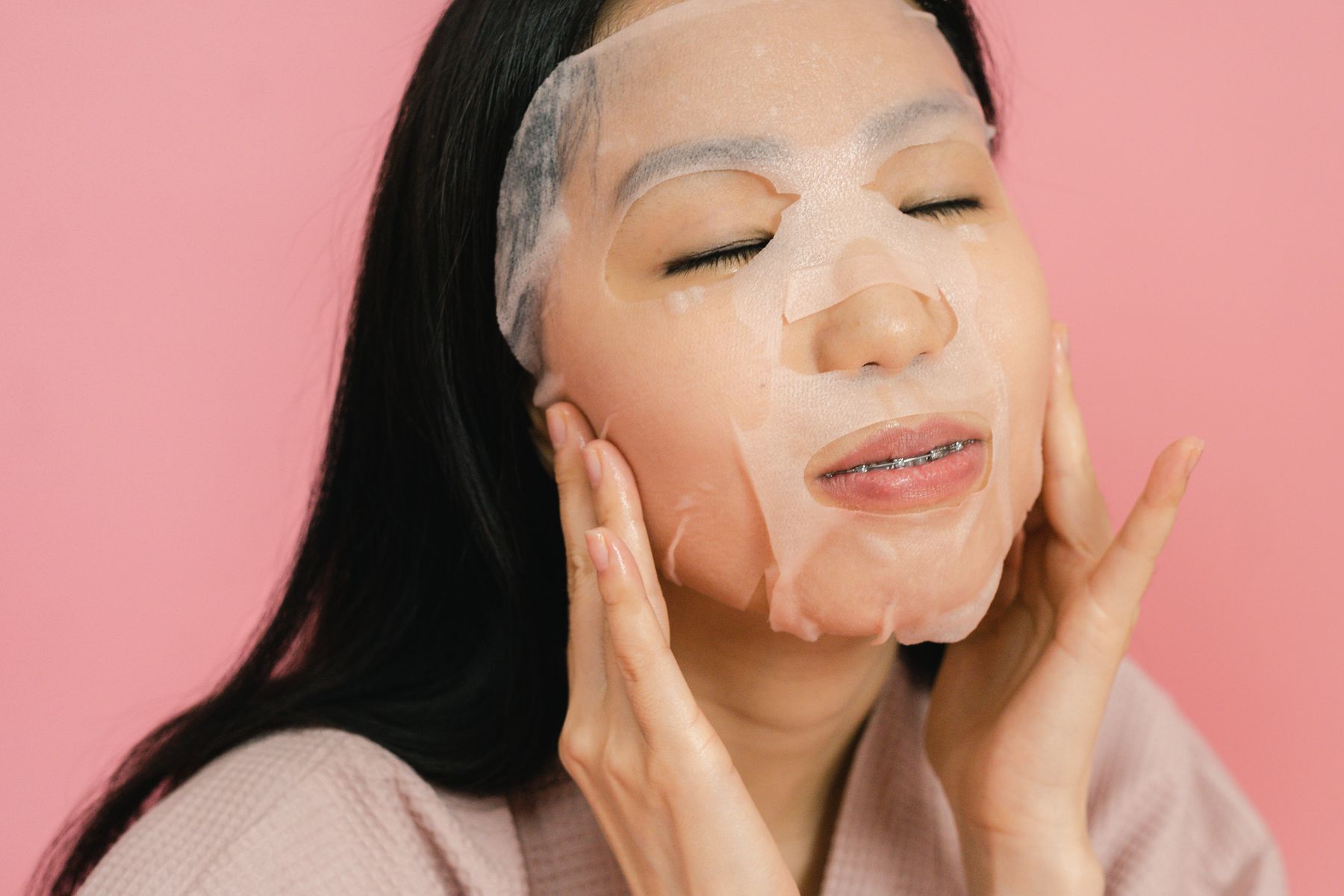
Sheet masks deserve their own mention, if only because they’re probably the single most recognizable image people outside Korea associate with this whole culture — the slightly unsettling photo of someone’s face covered in a wet paper mask, eyes and mouth cut out. I was genuinely nervous the first time I tried one; there’s something inherently strange about draping damp fabric over your entire face and sitting there for fifteen or twenty minutes while it drips slightly onto your collar. But functionally, they’re just a very efficient hydration delivery method — the sheet keeps the essence pressed against your skin instead of evaporating, so more of it actually gets absorbed instead of just sitting on the surface. Convenience stores here sell them individually for around 1,000 to 2,000 won apiece, roughly a dollar or two, which tells you something about how normalized they are as a low-effort self-care habit rather than a special-occasion luxury. A lot of people use one a few times a week, not necessarily every day, treating it more like a mid-week reset than a core routine step. And if a convenience store carries a decent selection, that gives you some idea of what an actual dedicated beauty retailer looks like — which brings me to Olive Young.
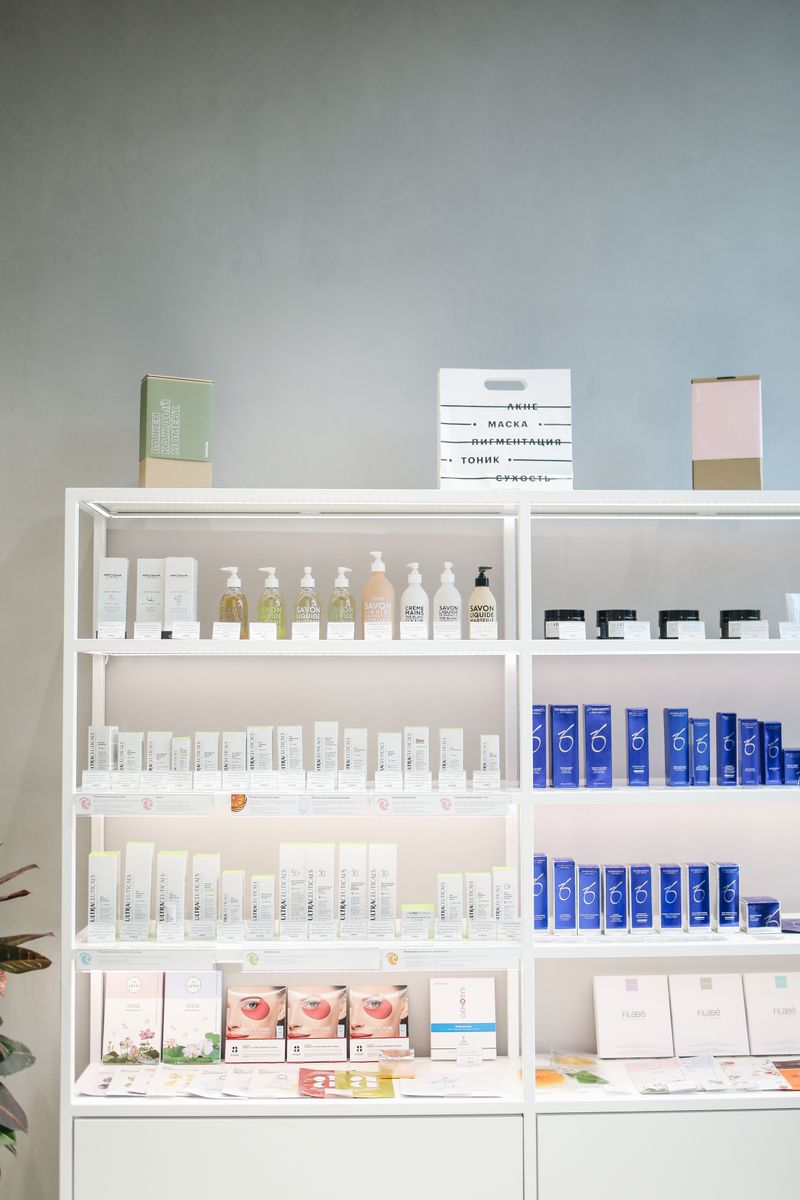
I don’t think you can talk honestly about this topic without mentioning Olive Young, the drugstore-meets-Sephora chain that seems to have a location on every other block in Seoul. Walking into one for the first time is a genuinely overwhelming experience — wall after wall of cleansers, toners, masks, and sunscreens, organized by skin concern in a way that assumes you already know your skin type and what “concern” you’re addressing. I’ve gone in looking for one specific thing and left forty-five minutes later having sniffed and swatched six different sunscreens on the back of my hand: one smelled unmistakably of artificial green tea, another left a faint white cast that took a full minute of rubbing to fade, and a third disappeared into my skin so cleanly I couldn’t tell it was there at all. The staff seem completely used to this kind of dithering; there’s usually someone nearby who’ll happily talk you through the difference between a gel and a cream formula if you look lost enough, which I clearly did on multiple occasions. It functions less like a pharmacy and more like a browsing destination, the kind of place people pop into on a whim the way you might wander into a bookstore.
Sunscreen is its own chapter, and it might be the part of Korean skincare culture that surprised me most, because it’s less about the product itself and more about the habit of reapplying it. Where I’m from, sunscreen was something you put on once in the morning during summer and mostly forgot about. Here, I’ve watched people carry stick-format sunscreen in their bags specifically so they can reapply over makeup without smudging anything, touching it up midday the way some people touch up lip balm. That was a genuine mindset shift for me — the idea that protection actually fades over the course of a few hours, especially once you’ve sweated or wiped your face, so one application in the morning isn’t really doing the job it feels like it’s doing. I won’t pretend I’ve fully adopted the habit myself; old routines die hard, and I still forget to reapply more often than I’d like to admit. But I understand the logic now in a way I didn’t before, and that’s more than I can say for a lot of what I’ve absorbed here by osmosis.
One thing that took me a while to appreciate is how much of this culture is about consistency over intensity. It would be easy to look at a shelf full of ten-plus products and assume the goal is to layer as much as possible, as often as possible, but the people I’ve actually watched use these routines day to day tend to be fairly conservative about introducing anything new. A single unfamiliar product goes in at a time, often tested on a small patch first, and if skin reacts badly to something, it comes right back off the rotation rather than getting pushed through out of stubbornness. That patience is, I think, the actual cultural export worth paying attention to — not the ten steps themselves, but the underlying idea that skin is something you maintain steadily rather than something you fix with one dramatic intervention.
It’s also worth saying that none of this is stuck in the maximalist fever dream of a decade-old K-beauty blog post. What people actually use has shifted noticeably even in the time I’ve been paying attention, and the trend line points toward fewer, more efficient products rather than more — a direct reaction, I’d guess, to how exhausting the full ten-step version can feel to keep up on a random Wednesday.
If you’re curious about how this attitude toward maintenance and routine shows up elsewhere in daily life here, it’s worth reading through some of my other posts on the everyday habits that surprised me after moving to Korea — a lot of the same patience-over-intensity mindset shows up in places you wouldn’t necessarily expect, from how people approach exercise to how they think about food.
So where does that leave someone who’s just curious rather than trying to build a whole new routine from scratch? Honestly, I’d say start smaller than you think you need to. A cleanser, a light moisturizer, and sunscreen you’ll actually remember to reapply will get you further than an ambitious ten-product haul that ends up half-used in a drawer, which — speaking from experience — is exactly what happened to me the first time I tried to do this all at once. Add one thing at a time, pay attention to how your skin actually responds rather than how a product is marketed, and don’t feel obligated to chase every step just because it exists on some famous list. That’s roughly the advice I got from my partner when I asked, slightly embarrassed, why my skin felt tight and dry after copying her full routine wholesale on my first attempt: fewer things, worn consistently, beats a lot of things worn impatiently.
FAQ
Do I really need to do all ten steps every single day? No, and from what I’ve seen, almost nobody actually does. Think of the ten-step list as a menu of available categories rather than a mandatory checklist — most people I’ve talked to treat double cleansing, a light moisturizer, and daytime sunscreen as the daily non-negotiables, then layer in essence, serum, or a sheet mask when they have the time or feel their skin needs the extra attention. Trying to force all ten every night is a fast way to burn out on the whole idea within a couple of weeks.
What’s actually the difference between essence and serum, in plain terms? The simplest way I’ve come to think about it is texture and purpose rather than anything more technical. Essence is thinner, more like a light hydrating liquid meant to prep skin generally, while serum is thicker and usually built to target one specific thing, like uneven tone or fine lines. If you’re only going to buy one of the two, most of what I’ve read and heard suggests serum is the more targeted, results-oriented pick, while essence is more of a nice-to-have hydration layer.
Is any of this actually necessary, or is it just marketing? I get a version of this question a lot from friends visiting from abroad who wander into an Olive Young and immediately feel out of their depth. My honest answer is somewhere in the middle. The core habits — gentle cleansing, consistent moisturizing, daily sun protection — are pretty universally agreed on as genuinely useful, and none of that is unique to Korea. The elaborate multi-step version on top of that is more cultural and personal preference than medical necessity, closer to a hobby some people enjoy than a requirement everyone should follow.
What if I actually have a skin problem, not just curiosity about routines? Then this whole post isn’t really for you, and that’s fine — go see an actual dermatologist instead of trying to solve it with a shelf of serums. Persistent acne, unexplained rashes, anything that’s genuinely bothering you: that’s a medical conversation, not a shopping trip. That part isn’t optional, and no blog post, including this one, should be your substitute for it.
The first time I realized I actually lived in Korea — not just visited, not just stayed for a while, but lived here — wasn’t when I signed a lease or got my Alien Registration Card. It was the day I stood in front of the recycling bins behind my building in Mapo-gu, holding a plastic container stained red from fermented kimchi jjigae paste, genuinely stuck on whether that red residue disqualified it from the plastics bin and demoted it to the district’s paid food-waste bag system instead. Nobody warns you that “moving abroad” eventually comes down to moments like that. Not the visa paperwork, not the flight, but a Tuesday evening standing next to your own trash, feeling like a complete beginner at adult life again.
I’ve been in Korea long enough now that I forget which parts still confuse newcomers and which parts I’ve simply absorbed. So this post is the version of “moving to Korea” advice I actually wish someone had handed me — not the checklist of documents (you’ll find that easily enough), but the stuff that sits underneath the checklist. The systems, the small humiliations, the things that cost more than I expected and the things that turned out to matter less than I feared.
Housing hits differently once you’re actually signing the lease
Everyone tells you Seoul apartments are small. Fine, I believed that going in. What nobody quite prepared me for was the deposit structure. Korea runs largely on two systems: jeonse, where you hand over a lump-sum deposit — sometimes 70-80% of the apartment’s value — in exchange for living rent-free until you move out, and wolse, the more familiar monthly-rent-plus-deposit setup that most foreigners actually use. As a newcomer without deep local banking history, jeonse is basically off the table unless you have serious capital sitting somewhere, so you’ll almost certainly be looking at wolse. The deposit on a modest one-room (a “one-room,” not a one-bedroom — Korean listing terms don’t map cleanly onto English ones) in a decent area can run anywhere from 5 million to 20 million won, with monthly rent from around 500,000 to over a million won depending on the neighborhood. To put the space itself in perspective: a one-room in that price range is often somewhere between 16 and 23 square meters total, bed, kitchen, and bathroom included — closer to a generously-sized walk-in closet than to what “studio apartment” conjures up back home, and that surprised me more than the price did.
And the neighborhood matters more than I expected it to. I ended up in Mapo-gu, close to Yeonnam-dong, mostly because a coworker mentioned it offhand, and I’m genuinely glad I didn’t overthink it — it’s walkable, close to Gongdeok station where several subway lines meet, and has enough of a mixed local-and-expat feel that I wasn’t the only foreigner in the building. Compare that to somewhere like Itaewon or Haebangchon, which are more obviously “foreigner-friendly” with English menus everywhere, but also noticeably pricier and, depending on who you ask, a little more insulated from actual Korean daily life. If you’re the type who wants convenience over immersion, that trade-off is worth thinking through before you sign anything, not after.
One thing I underestimated badly: real estate agents (부동산, budongsan) are not neutral parties the way they might function elsewhere. They’re paid by whoever they close the deal for, and they will absolutely show you a “perfect” apartment that has some detail — a landlord who’s slow to return deposits, a management fee that’s oddly high — that only comes out if you ask directly. I didn’t know to ask about 관리비 (gwanlibi, management fees) separately from rent the first time, and got mildly blindsided by an extra 150,000 won a month I hadn’t budgeted for. That fee usually covers building cleaning, elevator maintenance and repairs, common-area electricity, and sometimes a chunk of your water or internet bill bundled in — which is worth knowing, because it means two apartments with identical rent can end up costing very different amounts once you add the management fee on top, and the listing itself won’t always make that obvious.
The ARC card is the actual key to your life here
Your Alien Registration Card (ARC) is not a formality; it’s the master key to your whole life here. You have 90 days after arrival to apply for one at your local immigration office, and until it arrives, you are functionally locked out of most of Korean adult life — no proper phone contract, no bank account at most mainstream banks, no easy way to sign a lease in your own name. I naively assumed I could “get settled” first and deal with the ARC card whenever convenient. That’s backwards, and it cost me weeks I didn’t need to lose. The ARC should be the very first bureaucratic domino you knock over, because everything else — banking, phone, sometimes even gym memberships — waits on it.
The process itself isn’t dramatic, just slow: you book an appointment (increasingly through the Hi Korea website rather than walk-in, depending on your immigration office), bring your passport, visa documents, a passport photo, proof of address, and the application fee, and then wait. Processing typically takes two to three weeks, and the card arrives by mail — which means you also need a Korean address sorted before you even apply, creating a slightly circular problem for anyone who lands without housing already arranged. If you can, sort out at least temporary housing before you fly, purely so this clock can start immediately.
Banking and phones: the chicken-and-egg problem nobody explains well
Here’s where I got genuinely frustrated. You’d think opening a bank account and getting a phone plan would be simple errands. They’re not, not at first, because the two systems lean on each other in a way that feels almost designed to test you. Most banks want a Korean phone number to verify your account and send one-time passwords; most phone carriers, for a full contract plan, want proof of stable residency that effectively means your ARC card. So during that early gap — after landing, before your ARC arrives — you’re stuck with workaround options: an airport prepaid SIM or a tourist eSIM to get by, and maybe a foreigner-friendly bank branch, since Citibank Korea and the global-service desks at KB Kookmin or Shinhan tend to be more used to processing passport-only accounts, though even they’ve tightened up over the years due to financial fraud rules.
Once your ARC does arrive, everything opens up, and honestly the relief is bigger than I expected it to be. I switched from an expensive tourist SIM to an MVNO plan — one of the budget carriers, like KT M Mobile or a similar reseller, riding on the big three networks’ actual infrastructure, with starter SIM kits available at convenience stores like GS25 or 7-Eleven — and cut my monthly phone bill from around 55,000 won down to about 28,000 won for basically the same data allowance. Kakao Bank and Toss also became usable at that point, and honestly, once I had those two apps plus a real Korean number, probably 90% of my daily friction — splitting bills, paying rent transfers, ordering delivery — just evaporated. Your Alien Registration Card is genuinely the master key here: don’t fight the airport-SIM-then-ARC-then-real-plan sequence, just budget two or three weeks of slightly annoying, slightly overpriced workarounds and move on.
The apps you didn’t know you needed
Google Maps is close to useless for walking or transit directions in Korea — a quirk of local mapping regulations — so you’ll need Naver Map or Kakao Map almost immediately, and honestly they’re better once you adjust to them. I still remember ordering a box of eggs, milk, and vegetables from Coupang’s Rocket Delivery at around 11 p.m. and finding it sitting outside my door at 6:15 the next morning, still cold, before my alarm had even gone off — that, plus Baemin for hot food delivery, became so normal to me that I now find it strange when a country doesn’t treat overnight grocery delivery as a baseline expectation rather than a luxury. That said, I’d be lying if I said the delivery culture doesn’t come with a quieter cost — it’s very easy to stop walking to your local market entirely, and I noticed after a few months that I barely knew the shop owners two blocks from my apartment, which felt like a loss I hadn’t anticipated.
The culture shock nobody warns you about isn’t the big stuff
People prepare you for chopsticks, for bowing, for the drinking culture at company dinners. Fair enough — those things are real, and yes, if you work at a more traditional Korean company, you should expect that turning down every single 회식 (company dinner) invitation will read as more antisocial than it might at home. But what actually wore on me wasn’t any of that. It was the accumulation of tiny systems I had to relearn from zero: how recycling actually works (food waste, general waste, and recyclables are separated with real enforcement, sometimes with weight-based fee stickers for food waste bags), how to read an elevator button panel that lists basement parking floors in a way that trips up anyone used to ground-floor-is-zero logic, how apartment building intercoms work when a delivery driver buzzes and you don’t yet have the Korean to say “just leave it at the door.”
It’s relentless, in the way that a hundred small unfamiliarities are more exhausting than one big obviously “foreign” experience. If you’re the sort of person who assumes you’ll adjust quickly because you’re generally adaptable, I’d gently push back on that assumption — adaptability helps, but it doesn’t make the learning curve shorter, it just makes you less miserable while you’re on it.
Health insurance and the money question people avoid
Contributions depend on your visa type, employer, and income, so I won’t throw out a number that might just confuse your situation more than help it. Broadly, though: once you’re on a work visa and enrolled through an employer, you’re automatically part of National Health Insurance (NHIS), with premiums split between you and your employer and deducted directly from your paycheck. If you’re on a different visa type or self-employed, you may need to enroll as a regional subscriber instead, and those premiums are calculated differently. The smartest thing I did was ask my HR contact directly, in writing, exactly how enrollment worked for my specific visa, rather than assuming it matched what a friend on a different visa type had told me. Assuming visa categories all work the same way is a surprisingly common and completely avoidable mistake.
What I’d actually tell someone about to move
If I’m honest, most “moving to Korea” advice online focuses on the exciting parts — the food, the neighborhoods, the K-culture access — and skips the administrative fog that eats your first month. So here’s my blunt version: front-load your paperwork obsessively, accept that your first two or three weeks will involve some frustrating workarounds around phones and banking, pick a neighborhood based on your actual daily commute rather than Instagram appeal, and budget both money and patience for management fees, deposit structures, and the general friction of doing everyday adult tasks in a system you didn’t grow up inside. None of it is insurmountable. Most of it, honestly, becomes second nature faster than you’d expect — I don’t think twice about recycling sorting anymore, and my Korean coworkers still occasionally find it funny how confidently I now correct newer expats on management fee etiquette.
If you’re also trying to make sense of workplace culture here specifically, I wrote a bit more about how Korean names and titles work in the office in an earlier post — it trips up almost every new arrival at some point, usually in an email signature or a meeting introduction, and it’s worth a read before your first day at a Korean company.
Frequently asked questions
Can I open a Korean bank account before I get my ARC card? At a handful of foreigner-friendly branches, sometimes yes, with just a passport and proof of your address (even a temporary one, like a hotel or short-term stay contract) — but it’s inconsistent, varies by branch and by the individual teller you get that day, and some banks have tightened these rules recently due to financial fraud concerns. If you’re arriving without an ARC yet, I’d plan around not having full banking access for your first few weeks rather than counting on an exception.
Is it realistic to live in Seoul without speaking Korean at all? Realistic, yes, especially in neighborhoods like Itaewon, Haebangchon, or parts of Hongdae where English signage and staff are common. Comfortable long-term, less so. I’d say basic survival Korean — enough to handle a delivery call, a landlord text, or a pharmacy visit — makes an outsized difference to daily stress levels compared to how much studying it actually takes to get there.
How long does it actually take to feel “settled” rather than constantly adjusting? For me it was somewhere around the four-to-six month mark, once banking, phone, housing, and a basic daily routine were all in place and no longer required active problem-solving. That timeline will vary a lot depending on whether you arrive with a job and housing pre-arranged or are sorting it out from scratch on the ground, so take any specific number, including mine, as a loose reference point rather than a promise.
Bonus: what’s the one thing you’d change if you could redo your first month? I’d apply for my ARC card literally the first week instead of treating it as a lower-priority task behind “settling in.” Every other piece of friction I dealt with in that first month traced back to not having it yet.
The first time I saw a grown man get chased down a restaurant hallway by a waitress holding his own shoes, I understood something about Korea that no guidebook had managed to explain to me. I’m Yijidaddy, and I’ve lived in Korea long enough that this whole topic used to feel invisible to me until I started watching visitors run straight into it. He’d walked past the little step at the entrance without noticing it, gone straight to his table in his sneakers, and by the time he sat down half the room was already looking at his feet. Nobody yelled. Nobody needed to. The look was enough.
That step is called the hyeon-gwan (현관). It’s usually a drop of about 15 to 20 centimeters between the outside world and the inside one, tiled differently, often just a shade darker than the rest of the floor. Give it a week in Korea and your eyes will start finding that drop automatically, the same reflex as checking for a curb before you step off a sidewalk. It’s not decorative. It’s a boundary, and it’s doing more architectural work than almost anyone who isn’t from Korea gives it credit for.
The floor is not just a floor
Here’s the part that trips people up: in most Western homes, the floor is infrastructure. You walk on it, you vacuum it, you don’t think about it much otherwise. In a Korean home, the floor is closer to being the main piece of furniture. People sit on it, eat on it, nap on it, and for a lot of Korean history, they slept directly on top of it too. Once you accept that the floor is basically doing the job of a sofa, a dining table, and a mattress all at once, the shoe rule stops being a quirky rule and starts being obvious. You wouldn’t put your shoes on your bed. Koreans don’t put their shoes on the floor for the same basic reason, just scaled up to the entire house.
That relationship exists because of ondol, the underfloor heating system that’s been part of Korean building practice for a genuinely long time. Archaeologists have traced early forms of it back to the Bronze Age and Old Joseon period, and excavated sites in the northern part of the peninsula show simple mud-and-stone flue layouts running along just one wall of a room, a partial version of what later became a full-room system. Clearer stone-and-flue versions covering the entire floor show up widely by the Three Kingdoms era, roughly the first centuries BC and AD. The basic engineering was simple and, frankly, kind of brilliant: a wood or straw fire burning in a kitchen hearth called an agungi sent hot smoke through a network of underground channels, called gorae, running beneath the entire room before venting out a chimney on the far side. The floor itself became a giant, slow-release radiator. By the time the technology matured in the Goryeo dynasty around the 13th century and then spread across the whole peninsula during the early Joseon period in the 1400s and 1500s, whole-room ondol heating was standard in Korean houses, not a luxury feature.
Modern apartments don’t burn wood under the floor anymore, obviously. The switch happened fast, relatively speaking: as Korea urbanized hard through the 1960s and 70s and apartment towers replaced single-story hanok by the thousands, builders needed a version of ondol that didn’t require an agungi and a chimney for every unit stacked twelve floors up. The compromise, which stuck, was hot water run through pipes embedded in the concrete slab, heated centrally by boiler or district heating rather than a wood fire. That’s essentially still what’s underfoot in nearly every Korean home, hotel room, and officetel today. But the cultural memory of “the floor keeps us warm and we sit on it” never really left, even after the technology under the floor changed completely. That’s the part I find genuinely interesting: the habit outlived the hardware that created it.
Hygiene isn’t the whole story, but it’s not nothing either
Outdoor shoes track in a specific, unglamorous list of things: sidewalk grime, whatever a subway platform has seen that week, and in Seoul’s more humid months, a fair amount of mud and rainwater. If you’re going to sit cross-legged on that same floor twenty minutes later to eat dinner, or if a toddler is going to crawl across it and then put her hands in her mouth, the case for leaving shoes at the door doesn’t need much arguing.
But I’d push back a little on treating this as purely a sanitation issue, because that framing misses the emotional weight underneath it. Taking your shoes off at someone’s door is also a small daily ritual of stepping out of “outside mode” and into a more relaxed, more private register. Koreans distinguish fairly sharply between the public self you present on the street and the at-ease self you get to be once you’re barefoot on warm ondol flooring. Removing your shoes is as much a mental switch as a hygienic one. Still, I’ll admit the hygiene argument does most of the heavy lifting when you’re explaining this to a first-time visitor, because it’s the part that needs no cultural context to land.
The step-up that does all the talking
Architecturally, the hyeon-gwan solves a problem that would otherwise require constant verbal reminders. Instead of a sign that says “shoes off,” Korean homes are simply built so that the floor drops down right inside the front door, creating a small sunken landing area for shoes, coats, and umbrellas. You physically cannot walk further into the home without stepping up onto a raised, clean surface, which means removing your shoes stops being an instruction and becomes something closer to a physical fact of the building. Even brand-new high-rise apartments in Seoul, with all their glass and smart-home panels, still build in that same drop at the door. It’s one of the more stubborn design elements in Korean residential architecture, and it survived decades of otherwise rapid modernization almost untouched.
What surprised me is how far this logic extends beyond private homes. Plenty of restaurants, especially ones with traditional low tables and floor seating, run on the exact same hyeon-gwan logic: a shoe rack or a wall of cubbies right at the entrance, a small step, and then a raised wooden or heated floor where you sit. Temples do it. Traditional guesthouses called hanok stays do it. Even some clinics and hair salons, oddly, will hand you slippers the second you cross the threshold, less because of ondol and more because the shoes-off habit has become a general marker of a clean, cared-for interior space in Korea, whether or not there’s actual underfloor heating involved.
That’s exactly what makes the rule so easy for visitors to trip on, though. The signal is everywhere once you know to look for it, but it’s rarely spelled out anywhere, and a step, a shoe rack, or a stack of slippers only means something if you already know the code. So it’s worth being specific about where that gap actually catches people, because it’s almost always the same handful of moments.
Where foreigners usually get caught out
I want to be careful here not to make this sound like some elaborate trap, because it really isn’t. Most Koreans are patient about it and clearly expect visitors to slip up at least once. But there are a few specific moments where I’ve watched it happen over and over. The first is exactly what I described at the start: walking past the step without registering it, especially in a restaurant that’s dimly lit or has a step that isn’t obviously marked with a different floor color. What usually follows is a half-second freeze from the server, a quick glance down at your shoes, and then a very polite “sinbal beoseo juseyo” — please take off your shoes — said just loud enough that the nearest tables hear it too. The second is the reverse mistake, wandering around in just socks or bare feet on a rainy day and then being handed a wet umbrella bag at the door, which is its own small ritual most visitors have never heard of. The third, and this one is more subtle, is not realizing that “shoes off” doesn’t automatically mean “slippers on.” In many homes, walking around in socks is completely normal and slippers are more of an offer than a requirement, so guests sometimes overthink it and hover awkwardly at the entrance waiting for a slipper that was never coming.
There’s a quiet, specific kind of embarrassment to realizing thirty seconds too late that you’ve been standing on someone’s dinner-and-bedroom surface in the shoes you wore on a bus. Even now, after plenty of time in Korea, I still do a half-second mental check every time I walk into an unfamiliar building, because the penalty for getting it wrong, while small, tends to happen in front of an audience.
Slippers, socks, and the etiquette nobody writes down
Indoor slippers are common but not universal, and the rules around them are more informal than most guides suggest. At home, many families skip them entirely and just go barefoot or sock-footed on the heated floor, since walking on warm ondol flooring in socks is, frankly, one of the more underrated small pleasures of Korean domestic life. Slippers tend to show up more reliably in shared or semi-public spaces: rental apartments provided for guests, some traditional restaurants, saunas, and jjimjilbang, where a specific pair is often assigned to you at check-in along with a locker key. Bathroom slippers are their own separate category and matter more than people expect. The logic is basically identical to the shoes-off rule at the front door, just shrunk down to one room: bathroom floors get wet and are considered a step dirtier than the rest of the house, so a designated pair stays inside that doorway and never crosses it. Wearing them back out into the living room reads roughly the way tracking a wet umbrella across someone’s bed would, and Korean hosts notice immediately, even if they’re too polite to say anything.
I’ll also say, because it took me a while to figure out on my own, that hosting works both ways here. If you invite a Korean guest to a place with wall-to-wall carpet and no ondol, a lot of them will still take their shoes off out of habit, even in the absence of any physical step forcing the decision. The behavior has become detached from the architecture that originally required it, which says something about how deep the norm runs. It’s not really about the floor being heated anymore. It’s about what a clean floor means.
FAQ
Do I really need to take my shoes off if a Korean friend says “it’s fine, don’t worry about it”?
Take them off anyway. That line is almost always politeness, not permission. I’ve seen visitors take the offer literally and walk in with shoes on, and the host spends the rest of the visit quietly uncomfortable rather than saying anything twice.
What about restaurants with regular chairs and tables instead of floor seating?
Those are usually shoes-on the whole time, and you can tell from the doorway: if there’s no step, no shoe rack, and no pile of shoes by the entrance, you’re fine keeping yours on. The rule tracks the floor seating, not the country as a whole.
Is it rude to ask for a fresh pair of socks if mine have a hole in them?
Not rude exactly, just mildly funny to everyone involved, including you. It happens often enough that some hosts keep a spare pair of guest socks near the door specifically for this. Better than the alternative, honestly.
Last week my Korean mother-in-law called to ask, very casually, whether I’d be “free” on September 25th. I said sure, why. Long pause. Then: “Good. You’re peeling chestnuts.” That’s how I found out, four years into this, that Chuseok prep starts with a phone call disguised as a question. If you’re a foreigner in Korea and you’ve started noticing convenience store aisles filling up with gift boxes of Spam and cooking oil, or you’ve heard coworkers groaning about train tickets, congratulations — you’ve stumbled into Chuseok season, and here’s what’s actually going on.
So what is Chuseok, exactly?
Chuseok (추석) falls on the 15th day of the 8th month of the lunar calendar, which lines it up with the full moon closest to the autumn harvest. In 2026 that’s September 25th, a Friday, with the official holiday running September 24-26. People often shorthand it as “Korean Thanksgiving,” and that’s close enough to be useful, but it’s not quite right. Chuseok is older and more specific: it’s a harvest festival first, thanking ancestors and the land for the year’s rice, fruit, and grain, and a family reunion second. There’s no turkey-and-football equivalent, no single origin myth everyone agrees on — some trace it back over a thousand years to Silla-dynasty weaving competitions — but the core idea has stayed remarkably intact: the harvest came in, the moon is full, go home.
What trips people up is assuming it’s the same holiday as Seollal, Korean New Year, just in a different season. It isn’t. I actually wrote about Seollal separately because the two get lumped together constantly, and while they share some DNA — both are lunar-calendar holidays, both involve ancestral rites, both mean a multi-day exodus out of Seoul — Seollal is about starting a new year, with sebae bows and money envelopes for kids. Chuseok is about the harvest that just happened. Different mood entirely. One feels like a fresh start; the other feels like exhaling.
Charye: the morning nobody skips
The ritual heart of Chuseok is charye, an ancestral memorial rite held on the morning of the holiday itself, usually at the home of the eldest son or the head of the extended family. The family sets a low table with an almost absurdly specific arrangement of food — rice, soup, songpyeon, fruit arranged by type (in the traditional layout, red fruits like persimmons and jujubes go on the east side, white fruits like pears and apples on the west), dried fish, jeon (savory pancakes) — and takes turns bowing to honor two, sometimes three, generations of ancestors. It’s quiet, a little formal, and over faster than you’d expect, usually thirty to forty minutes.
I’ll admit the first time I sat through one, I braced for something heavier — incense, solemn silence, everyone in hanbok. What I got instead was my father-in-law fussing about whether the persimmons were positioned correctly while my sister-in-law’s toddler tried to eat a chestnut off the table. It’s reverent, but it’s also just a family doing a family thing, bickering included. Some households have simplified charye down to a shortened version, or skip it in years when travel isn’t possible, and nobody treats that as scandalous — it’s less rigid than outsiders assume.
Songpyeon: why the shape and the filling actually matter
Songpyeon is the rice cake you’ll see everywhere in Chuseok marketing, and it’s worth understanding why it isn’t just “a snack.” It’s a small half-moon-shaped rice cake made from short-grain rice dough, stuffed with a filling, and steamed on a bed of pine needles — which is where the name comes from (song means pine) and where the rice cakes pick up a faint, genuinely pleasant piney fragrance. The crescent shape is deliberate: it represents the moon not yet full, symbolizing growth and good fortune still ahead, as opposed to a full moon that has nowhere left to go.
The filling is where family pride actually shows up, since most people learned their exact ratio of sugar to sesame from a specific grandmother and will defend it accordingly. Classic fillings include toasted sesame seeds mixed with sugar and a little salt, sweetened red bean paste, mashed chestnut, and honey — though some families swear by a mung bean version instead. In parts of Gangwon-do you’ll find songpyeon made with local specialties like pumpkin or even acorn flour worked into the dough. There’s an old belief, mostly said with a wink now, that whoever makes the prettiest songpyeon will have a beautiful daughter or a good marriage — which is exactly the kind of superstition every grandmother repeats while side-eyeing everyone else’s lopsided rice cakes. Families traditionally make songpyeon together the night before Chuseok, and even now, when most people just buy them from a bakery or a mart, the making-them-together version still happens in a lot of households, partly because it doubles as entertainment for kids who’d otherwise be bored out of their minds waiting for the adults to finish talking.
The exodus: why the highways look like a parking lot
If you assume Chuseok is a quiet holiday people spend at home, drive out of Seoul on the Tuesday before it and you’ll be corrected fast. It’s arguably the single largest domestic travel event in Korea, because nearly everyone leaves the capital region to go to their hometown, all within the same 72-hour window. The scale of it is hard to appreciate until you’re stuck in it — a Seoul-to-Busan drive that’s a breezy four hours on a normal Tuesday can stretch to eight, nine, sometimes over ten hours during peak Chuseok traffic, even with extra lanes opened and tolls waived on the holiday itself. That’s not a rounding error; that’s your afternoon drive turning into an overnight one.
Train tickets are their own event. For the 2026 holiday, KTX reservations opened across a staggered schedule in early September — different lines and departure stations got their own booking windows over several days specifically so the servers wouldn’t collapse under simultaneous demand. Popular routes can show tens of thousands of people in the virtual waiting room the moment reservations open. Being even a second late refreshing the page can mean the difference between a seat and a five-hour wait in a train station aisle. Locals treat this the way some people treat concert ticket drops — alarms set, multiple devices open, backup plans already in place. If you’re a foreigner thinking about traveling somewhere during Chuseok, book absurdly early or, honestly, just don’t try to fight the exodus — go the opposite direction instead.
What to actually expect if you’re staying in Seoul
If you’re not going anywhere, Seoul itself turns into a genuinely different city for a few days. A huge share of small, family-run restaurants, neighborhood barbecue joints, and local cafes close for one to three days, often with a handwritten sign taped to the door rather than any advance notice online. Bigger chains, convenience stores, and most department stores stay open, though some close for a day or two around the holiday itself, and palaces and major tourist sites often run free or discounted admission and special events, so it’s not a dead zone by any means.
What catches people off guard is less the closures and more the vibe. Seoul empties out enough that you can hear your own footsteps on sidewalks that are normally shoulder to shoulder, subway cars have actual open seats, and entire commercial blocks go quiet behind pulled-down metal shutters. I’ve come to genuinely like it. There’s a particular pleasure in walking through Myeongdong or Hongdae with room to breathe, even if it means scouting your dinner options a day ahead because your favorite spot has its shutters down. My advice: treat it less as an inconvenience and more as the one window each year when the city hands you back some personal space — and if you happen to be a non-Korean employee on a Korean contract, know that the September 24-26 stretch is your paid holiday too, not just something happening around you.
Gift sets: the other Chuseok tradition you’ll notice immediately
Weeks before the holiday, every mart, department store, and even convenience store starts stacking gift sets near the entrance, and this isn’t a minor sideshow — gift-giving is a core part of Chuseok, a way of showing respect to parents, in-laws, bosses, and anyone else you owe a debt of gratitude to. The range is enormous. On the accessible end, you’ll find fruit sets (apples and pears are the classic pairing) running under 100,000 won — roughly $75 — or cooking-oil-and-canned-goods sets in a similar range that are practically a genre unto themselves. Step up and you’ll see Korean beef (hanwoo) gift sets in the hundreds of thousands of won, and at the very top, department stores compete over increasingly theatrical luxury sets — premium hanwoo boxes, aged wine collections, even ginseng sets that can run into the millions of won, occasionally scraping past $2,000 for the most absurd versions, mostly bought by companies for VIP clients rather than regular households.
What’s odd, and kind of charming once you notice it, is how the exact same gift shelf holds a $10 can of Spam and a $2,000 ginseng box with zero irony about the gap. And yes, Spam genuinely belongs in that lineup — canned meat gift sets became a status symbol decades ago and never really stopped being one, something I went into more in a separate post because it deserves its own space. If you get invited to a Chuseok gathering, a modest fruit box or a nice set of toiletries is a completely normal, appreciated gift — you don’t need to show up with a ginseng box worth more than your monthly rent.
A few things people actually ask
Is it rude to just stay in and do nothing? Not remotely, especially if you don’t have Korean in-laws pulling you into a charye somewhere. Plenty of Koreans without hometown ties, or who’ve opted out of the family gathering for whatever reason, spend Chuseok exactly like a long weekend — resting, traveling somewhere quiet, or catching up on shows. Nobody’s going to side-eye a foreigner for not observing a ritual that isn’t theirs to begin with.
What if my Korean friend or partner invites me to their family’s Chuseok? Go, if you’re comfortable — it’s genuinely one of the more meaningful ways to see Korean family life up close, gossip and all. Bring a small gift (fruit or a nice snack box is safe), and don’t panic if you’re handed chestnuts to peel or sent home with a plastic bag of leftover jeon you didn’t ask for. That’s basically an initiation rite at this point.
Chuseok took me a few years to actually get, in the sense of feeling it rather than just knowing the Wikipedia version. It’s not a loud holiday. It’s traffic jams and quiet streets and a table set with more care than the occasion technically requires, and somewhere in there, a family deciding — again, like they do every year — that showing up for each other is worth the ten-hour drive.
강릉을 당일치기로 다녀올 수 있냐고 물으면 절반은 고개를 젓는다. 바다도 보고 커피도 마시고 순두부까지 먹으려면 최소 1박은 해야 하지 않느냐는 이유에서다. 그런데도 청량리역에서 KTX-이음 좌석 창가에 앉아본 사람이라면 반응이 다르다. 산이 바다로 바뀌는 풍경을 지켜보는 데 걸리는 시간이 채 두 시간이 안 되고, 강릉역에 내리는 순간부터 밤 열차를 타기까지 남는 시간이 생각보다 넉넉하기 때문이다. 이번 코스는 안목해변이나 경포호를 먼저 찍고 오는 흔한 순서 대신, 명주동 한옥거리에서 하루를 열어 월화거리 야경으로 마무리하는 동선으로 짰다. 같은 지명을 걸어도 순서를 바꾸면 사진첩에 남는 장면이 통째로 달라진다.
청량리역 10시 14분, 늦은 출발이 오히려 편한 이유
새벽같이 나서야 당일치기가 성립한다고 생각하기 쉬운데, 이 코스는 그렇지 않다. 청량리역에서 KTX-이음 10시 14분 열차를 타면 강릉역에는 11시 58분에 도착한다. 요금은 입석이 아닌 일반실 기준으로 27,600원 안팎이다. 아침잠을 포기하지 않아도 된다는 뜻인데, 대신 저녁 일정이 조금 촘촘해진다. 강릉역에 도착하면 역사 안 관광안내소에서 시내버스 노선도 한 장을 챙기는 걸 추천한다. 지도 앱만 믿고 걷다가 배차 간격이 30분 가까이 벌어지는 노선을 만나면 낭패이기 때문이다.
명주동 한옥거리, 카페 사진 대신 골목 사진
강릉역에서 택시로 10분이면 명주동에 닿는다. 안목이나 경포 쪽으로 곧장 가는 사람이 대부분이라 이 동네는 상대적으로 한산하다. 그런데 막상 가보면 100년 가까이 된 적산가옥과 한옥이 좁은 골목 사이사이 남아 있어서, 사진 찍기 좋아하는 사람이라면 발걸음이 자꾸 멈춘다. 붉은 벽돌 담벼락 위로 넘어온 능소화 넝쿨, 낡은 나무 대문 옆에 놓인 이 빠진 화분 하나까지도 그냥 지나치기 아까운 골목이다. 강릉대도호부관아까지 걸어서 5분 거리인데, 입장료는 성인 기준 천 원 정도다. 조선시대 지방 관청 건물이 이렇게 원형에 가깝게 남아 있는 경우가 드물어서, 툇마루에 앉아 잠깐 숨을 돌리기에도 좋다. 관아 마당의 배롱나무 아래 벤치는 그늘이 짙어서 늦여름에도 앉아 있을 만하다.
점심은 초당순두부마을, 원조 논쟁은 피해가는 게 낫다
명주동에서 초당순두부마을까지는 택시로 15분 남짓이다. 순두부젓국백반이 이 동네 기본 메뉴인데, 한 그릇에 10,000원에서 13,000원 사이로 골목마다 가격이 비슷하다. 어느 집이 진짜 원조냐를 두고 오래된 논쟁이 있다는 얘기를 듣고 검증된 한 곳만 찾아 헤매는 사람이 많은데, 정작 뚜껑을 열어보면 골목 전체가 평준화된 내공을 갖고 있다. 바닷물을 간수 삼아 두부를 굳히는 방식 자체가 동네 전체에 퍼져 있어서, 뽀얀 순두부가 그릇에 담기자마자 김이 몽글몽글 올라오는 모양새는 어느 집이나 비슷하다. 순두부짜글이나 순두부전골까지 더하면 15,000원을 넘기기도 하는데, 혼자라면 기본 백반 하나로도 충분히 든든하다.
경포호, 걷기보다 자전거로 도는 오후
초당순두부마을에서 경포호까지는 걸어서 20분, 택시로는 5분이다. 호수 둘레길이 총 4.3킬로미터라 걸어서 완주하려면 두 시간 가까이 걸리는데, 오후 일정을 생각하면 이 구간은 자전거로 도는 편이 낫다. 경포호 초입 대여소에서 자전거를 빌리면 1시간에 3,000원, 전기자전거는 5,000원 선이다. 페달을 밟으며 소나무 숲과 벚나무 그늘을 지나 경포대 정자 쪽까지 도는 데 40분이면 충분하고, 걸어서 도는 것보다 체력이 훨씬 덜 든다. 경포대는 보물로 지정된 조선시대 누각인데 의외로 입장료가 없다. 정자에 올라 호수와 저 멀리 바다가 한 프레임에 걸리는 풍경을 보면, 관동팔경 중 하나로 꼽히는 이유가 납득이 간다.
강문해변, 안목보다 조용한 산책 코스
경포호에서 강문해변까지는 자전거로 15분, 도보로는 30분 정도다. 안목해변의 명성에 가려 그냥 지나치는 경우가 많은데, 막상 가보면 해안선을 따라 놓인 솟대다리와 알록달록한 조형물들이 은근히 사진 찍을 맛이 난다. 파도 소리를 들으며 다리를 건너다 보면 해변 바로 뒤편으로 에디슨과학박물관과 강릉인형의집 건물이 슬쩍 모습을 드러내는데, 아이와 함께 온 가족 여행객이라면 이 구간에서 30분 정도 더 머물게 되는 경우도 흔하다. 해변 자체는 안목보다 훨씬 짧아서 백사장을 왕복하는 데 15분이면 되고, 카페보다 파도 소리에 집중하고 싶은 사람에게 어울리는 구간이다. 비가 오는 날이라면 해변 산책 대신 이 박물관에서 시간을 채워도 아쉽지 않다.
안목해변 커피거리, 노을 시간에 맞춰 도착하기
강문해변에서 안목해변까지는 해안 산책로를 따라 걸으면 20분, 택시로는 5분 안쪽이다. 이 코스에서는 일부러 도착 시간을 오후 6시 전후로 맞춘다. 낮 시간대 커피거리가 사람으로 가득 차는 것과 달리, 해가 기울기 시작하면 자리가 조금씩 빈다. 통유리창 너머로 붉게 번진 노을이 파도 위에 부서지고, 그 빛이 커피잔 표면까지 스며드는 순간이 있다. 아메리카노 한 잔이 5,500원에서 6,500원 사이인데, 낮에 마시는 커피와는 확실히 다른 값을 하는 셈이다. 100곳 넘는 카페가 늘어선 거리를 처음부터 끝까지 걸으면 왕복 40분쯤 걸리니, 노을이 완전히 지기 전에 한 바퀴 돌아보는 일정을 권한다.
월화거리와 강릉중앙시장, 야경으로 마무리
안목해변에서 강릉중앙시장까지는 버스로 20분, 택시로는 10분 남짓이다. 시장 바로 옆에 있는 월화거리를 그냥 지나치는 사람이 많은데, 옛 철길을 따라 조성된 이 산책로는 해가 완전히 지고 조명이 켜지면 분위기가 확 달라진다. 기찻길 모양 바닥과 조형물 사이로 야간 조명이 켜지는 시간이 보통 저녁 7시 전후라, 강문과 안목을 오후에 도는 이 코스와 시간이 얼추 맞아떨어진다. 월화거리를 통과하면 자연스럽게 중앙시장 입구로 이어지는데, 시장은 밤 9시까지 열려 있어서 닭강정과 오징어순대, 씨앗호떡으로 저녁 겸 간식을 해결하기 좋다. 바삭한 튀김옷 안에서 육즙이 터지는 닭강정과 매콤달콤한 양념이 겉면에 반질하게 발린 오징어순대, 철판 위에서 노릇하게 눌러 부친 씨앗호떡까지 골고루 사면 셋이 먹어도 2만 원을 넘기지 않는다. 아케이드 지붕이 덮여 있어서 비가 오는 날에도 우산 없이 돌아다닐 수 있다는 점도 이 시장의 장점이다.
강릉역으로, 밤 열차를 놓치지 않으려면
중앙시장에서 강릉역까지는 걸어서 25분, 짐이 있다면 택시로 5분이면 충분하다. 청량리행 KTX-이음 막차는 밤 9시 40분대에 있는데, 이 코스대로 움직이면 시장에서의 여유를 한 시간 정도 남기고 역으로 이동해도 늦지 않는다. 하루 총 경비는 왕복 기차값을 빼고 관아 입장료, 자전거 대여, 점심, 커피, 저녁 간식까지 합쳐 1인 5만 원에서 6만 원 사이면 여유 있게 돌아볼 수 있는 수준이다. 열차 안에서 창밖으로 산이 다시 어두워지는 걸 보고 있으면, 아침에 봤던 바다가 벌써 하루 전 일처럼 느껴진다.
대중교통만 이용한다면, 그리고 아이와 함께라면
택시 위주로 짠 동선이지만 대중교통만으로도 못 다닐 정도는 아니다. 구간마다 302번이나 308번 버스로 바꿔 탈 수 있는데, 배차 간격이 20분에서 30분 정도 벌어지는 노선도 있어서 시간을 넉넉히 잡아야 한다는 점만 기억하면 된다. 아이를 동반한 가족 여행이라면 경포호 자전거 대여를 건너뛰고 강문해변의 에디슨과학박물관과 인형의집에서 머무는 시간을 늘리는 편이 훨씬 수월하다. 아이가 지치는 시점을 감안해 저녁 코스를 조금 앞당겨, 월화거리를 해가 완전히 지기 전부터 걸어보는 것도 방법이다.
자주 묻는 질문
Q. 자전거를 안 타면 경포호는 그냥 건너뛰어야 하나요? 그렇지는 않다. 걷기만으로 돌아도 경포대 정자까지 왕복 1시간 정도면 핵심 구간은 다 볼 수 있다. 다만 이 코스처럼 하루에 다섯 곳 넘는 장소를 도는 일정이라면 자전거로 시간을 아껴두는 편이 저녁 월화거리 야경을 놓치지 않는 데 유리하다.
Q. 초당순두부마을과 강문해변, 안목해변을 다 도는데 짐은 어떻게 하나요? 강릉역 물품보관함을 이용하면 된다. 소형 사물함이 3,000원, 중형이 4,000원 선이고, 하루 종일 맡겨도 요금 차이가 크지 않다. 캐리어를 끌고 명주동 골목이나 순두부마을 좁은 길을 다니는 것보다 훨씬 수월하다.
Q. 밤 9시 40분대 막차를 놓치면 어떻게 하나요? 강릉역 기준으로 심야 시간대에도 시외버스나 고속버스 옵션이 남아 있긴 하지만, 배차가 뜸하고 서울까지 3시간 넘게 걸리는 경우가 많다. 이 코스대로 저녁 7시쯤 월화거리에 도착하도록만 맞춰두면 막차를 놓칠 걱정 없이 여유롭게 시장 구경까지 마칠 수 있다.
같은 강릉이어도 명주동에서 시작해 월화거리로 끝내면, 안목해변부터 도는 흔한 순서와는 다른 하루가 된다. 바다와 커피만 보고 돌아가는 여행에 살짝 아쉬움이 남았던 사람이라면, 다음 강릉행은 이 동선으로 한번 바꿔볼 만하다.