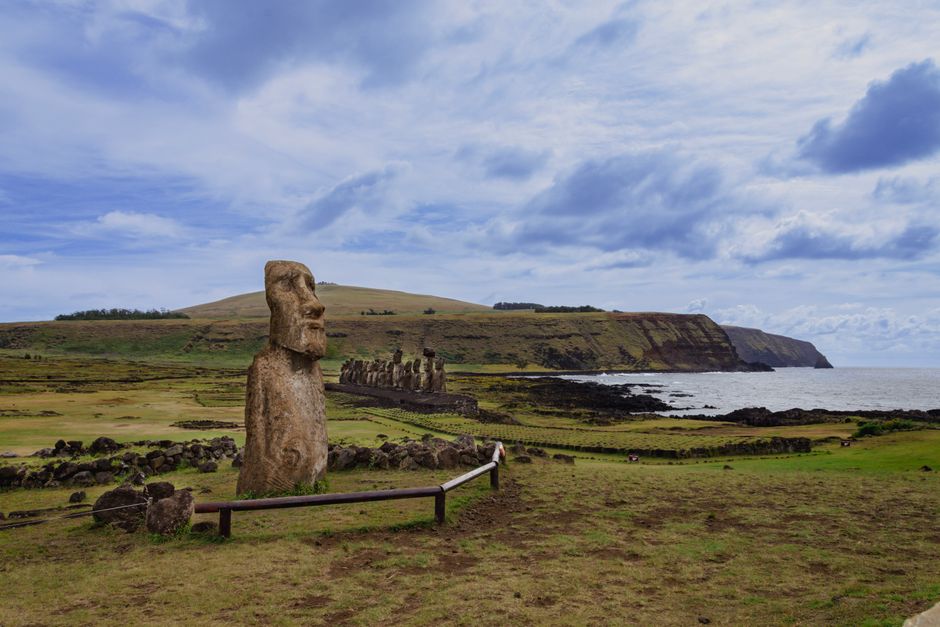
칠레 본토에서 3,700km 떨어진 태평양 한가운데, 인구 8천 명이 안 되는 작은 섬에 키 4m짜리 돌 얼굴 900개가 늘어서 있다는 사실부터가 좀 이상하지 않은가. 이스터섬(라파누이) 이야기를 처음 들으면 다들 “외계인이 만든 거 아니냐”는 농담부터 던지는데, 외계인이 만들었다는 그 실없는 농담이 어쩌면 인간에게 보내는 가장 큰 찬사였는지도 모른다. 적어도 학자들도 한동안 “대체 어떻게”라는 질문 앞에서 속 시원한 답을 못 내놨으니까. 그런데 2025년 11월 27일, 국제 학술지 플로스원(PLOS ONE)에 흥미로운 논문 하나가 실리면서 이 오래된 수수께끼의 퍼즐 조각이 하나 더 맞춰졌다. 다름 아니라 “대체 누가 이 일을 주도했는가”라는, 가장 근본적인 질문에 대한 단서였다.
모아이는 누가, 언제 만들었나
모아이(Moai)는 1250년부터 1500년 사이, 폴리네시아 동쪽 끝 라파누이족이 조각한 사람 얼굴 모양 석상이다. 250년이라는 긴 시간 동안 꾸준히 만들어졌다는 뜻인데, 이게 벌써 첫 번째 반전이다. 한 왕이 즉위 기념으로 한꺼번에 세운 게 아니라, 세대를 넘나들며 이어진 프로젝트였다는 얘기다. 섬 전체에 흩어진 석상 수는 약 900개, 평균 무게는 12.5톤. 가장 큰 것은 “엘 기간테”라는 별명이 붙은 미완성 석상으로, 완성됐다면 21m에 무게가 270톤을 넘었을 거라는 추정이 나온다. 저 무게를 실감하려면 시내버스 스무 대를 겹쳐 놓은 정도라고 생각하면 된다.
중앙 권력이 다 만들었을 거란 생각, 틀렸다
보통 이런 대규모 석상 프로젝트라고 하면 이집트 피라미드처럼 왕이 명령을 내리고 수만 명이 동원되는 그림을 떠올리기 마련이다. 그런데 미국 빙엄턴대(Binghamton University)와 애리조나주립대(Arizona State University) 공동 연구팀이 라노 라라쿠(Rano Raraku) 채석장 일대를 다시 조사한 결과는 좀 달랐다. 채석장 안에서 최소 30개의 독립된 작업 구역이 확인됐고, 각 구역마다 조각 방식이 미묘하게 달랐다는 것이다. 얼굴부터 먼저 새기는 팀, 몸통 블록을 통째로 떠내는 팀, 수직 절벽 지형에 맞춰 옆으로 눕혀 작업하는 팀까지 — 마치 각 동네 목수마다 손에 익은 방식이 따로 있는 것처럼.
이걸 보고 연구팀이 내놓은 결론은 “하나의 중앙 권력이 총지휘한 게 아니라, 소규모 친족 집단 여럿이 수평적으로 협업했다”는 쪽이었다. 왕정 국가라기보다는 이웃한 씨족들이 각자 구역을 맡아 경쟁하듯, 혹은 협력하듯 작업했다는 그림에 가깝다. 라파누이 인구가 한창때도 1만 5천 명 안팎이었다는데, 요즘으로 치면 웬만한 아파트 단지 두세 개를 합친 정도의 사람들이 12톤짜리 돌을 900개나 깎아냈다는 얘기다. 그러니 오히려 이 편이 훨씬 설득력 있게 다가온다. 거대한 관료제 없이도, 이웃 씨족끼리 “저쪽은 벌써 저만큼 세웠는데” 하며 은근히 자극받았을 법한 소규모 경쟁 구도라면 충분히 가능한 규모니까.
그럼 저 무거운 돌을 어떻게 옮겼을까
채석장에서 만들었다는 건 알겠는데, 문제는 완성된 석상 대부분이 채석장에서 수 킬로미터 떨어진 해안가 아후(Ahu, 제단)에 서 있다는 점이다. 바퀴도 없고 대형 가축도 없던 섬에서 12톤짜리 돌을 어떻게 끌고 갔을까 싶은데, 이 질문 하나가 학자들 머리를 수십 년째 쥐어짜게 만든 해묵은 숙제였다. 한때는 통나무를 깔고 굴렸다는 설이 정설처럼 받아들여졌는데, 라파누이는 삼림 파괴가 심각했던 섬이라 그 많은 통나무가 어디서 났느냐는 반박이 만만치 않았다.
그러다 2012년 미국 학자 칼 리포(Carl Lipo)와 테리 헌트(Terry Hunt)가 내놓은 “걷는 모아이” 가설이 꽤 화제를 모았다. 밧줄 세 개를 석상 상단부에 묶어 좌우로 번갈아 당기면, 무게중심이 앞으로 쏠리면서 석상이 이동한다는 실험이었다. 성인 두세 명이 덩치 큰 냉장고를 억지로 옮길 때 양옆으로 기울여가며 뚱땅뚱땅 걷게 만드는 그 동작을 떠올리면 딱 맞다 — 왼쪽 밧줄을 당기면 오른쪽으로 무게가 쏠리며 한 걸음, 다시 오른쪽 밧줄을 당기면 왼쪽으로 한 걸음, 이런 식으로 갸우뚱거리며 조금씩 전진하는 방식이다. 실제로 라파누이 후손들의 구전 설화에도 “모아이가 스스로 걸어서 자리를 찾아갔다”는 이야기가 전해 내려온다는 점이 이 가설에 힘을 실어준다. 전설이 은유였을 뿐이라는 건데, 은유치고는 꽤 정확한 물리학적 묘사였던 셈이다.
왜 만들었나 — 조상신을 마주 보게 하다
모아이가 왜 만들어졌는지는 비교적 합의가 잘 이뤄진 편이다. 라파누이 사회에서 모아이는 조상의 영혼, 즉 마나(mana)를 담는 그릇으로 여겨졌다. 그래서 대부분의 석상은 바다가 아니라 마을 쪽을 바라보도록 세워졌다. 흔히 오해하는 것과 반대로, 바다를 감시하려고 만든 게 아니라 후손들을 지켜보고 보호하려고 마을 방향으로 얼굴을 돌린 것이다. 눈이 텅 비어 있는 석상이 많은데, 원래는 산호로 만든 흰자와 흑요석 눈동자를 끼워 넣어 “눈을 뜬” 상태로 완성했다는 흔적도 발굴되었다. 눈을 넣는 의식을 치른 순간부터 그 석상에 실제로 영적인 힘이 깃든다고 믿었다는 뜻이다.
하지만 역설적이게도, 조상신을 향한 이 거대한 신앙은 비극적인 결말로 치달았다. 이렇게 애지중지 만들어 세운 석상들이 정작 유럽인들이 도착했을 무렵에는 대부분 쓰러져 있었던 것이다. 1722년 네덜란드 탐험가 야코프 로헤베인(Jacob Roggeveen)이 부활절 일요일에 이 섬을 발견해 “이스터섬”이라는 이름을 붙였을 때만 해도 상당수 석상이 서 있었다는 기록이 있는데, 이후 100여 년 사이 부족 간 갈등 속에서 서로의 조상신을 상징하는 석상을 일부러 쓰러뜨리는 일이 벌어졌다는 설이 유력하다. 제한된 섬 안에서 인구가 늘고 경작지와 목재가 바닥나면서, 씨족 간 다툼이 상대방의 신앙 그 자체를 겨냥하는 방향으로 번져간 셈이다.
여전히 남은 수수께끼들
2025년 연구로 “누가”에 대한 답은 한결 또렷해졌지만, 여전히 풀리지 않은 조각도 있다. 채석장에서 최종 목적지까지 정확히 어떤 도구와 인원으로 이동시켰는지, 그 과정에서 얼마나 많은 인력이 동원됐는지는 여전히 추정에 머물러 있다. 몸통은 채석장에 묻힌 채 얼굴만 지상에 드러나 있는 석상 사진을 본 적 있을 텐데, 이것도 흔히 오해하는 부분이다. “얼굴만 있는 석상”이 아니라, 화산섬 특유의 부드러운 화산재와 흙이 비바람에 씻겨 내려와 수백 년간 서서히 쌓이면서 몸통 전체가 지하에 파묻힌 것뿐이다. 실제로 발굴해보면 몸통에 등에 새긴 문양이나 팔 모양까지 온전히 남아 있는 경우가 많다.
개인적으로 이 이야기를 좋아하는 이유는, 미스터리가 풀린다고 해서 신비로움이 사라지지 않는다는 점 때문이다. “외계인이 만들었다”는 설명보다 “8천 명 남짓한 섬사람들이 수백 년에 걸쳐 이웃끼리 경쟁하듯 돌을 깎았다”는 진짜 이야기가 오히려 더 놀랍게 느껴진다. 도구도 크레인도 없이 순전히 사람의 손과 협력만으로 저만한 규모의 유산을 남겼다는 사실 자체가, 어떤 초자연적 설명보다 인간에 대해 더 많은 걸 말해주는 셈이다.
자주 묻는 질문
모아이 석상은 실제로 몇 개나 남아 있나요?
현재까지 확인된 모아이는 약 887~900개 사이로 집계된다(조사 기관마다 미세하게 다르게 발표한다). 이 중 완전히 서 있는 상태로 아후 위에 놓인 것은 절반이 채 안 되고, 나머지는 채석장 주변에 미완성으로 남았거나 이동 도중 쓰러진 채 방치된 경우다. 가장 유명한 아후 통가리키(Ahu Tongariki)에는 석상 15개가 나란히 복원되어 있는데, 이건 1960년 쓰나미로 흩어졌던 것을 1990년대에 일본 기업의 후원으로 다시 세운 결과다.
이스터섬을 직접 여행으로 가려면 어떻게 해야 하나요?
이스터섬(라파누이)은 칠레령이라 보통 산티아고를 경유해서 들어간다. 산티아고에서 이스터섬까지 항공편으로 약 5시간 반이 걸리고, 라탐항공(LATAM)이 사실상 유일한 정기 노선을 운항한다. 섬 자체가 유네스코 세계문화유산이라 입장료(약 80달러 상당, 현지 통화 기준 변동 있음)를 내고 국립공원 형태로 관리되는 구역을 둘러보게 된다. 한국에서 간다면 최소 이틀은 이동에만 써야 하는 만만치 않은 여정이라, 남미 여행 일정에 묶어서 가는 경우가 대부분이다.
왜 하필 이 섬에서만 이런 거대 석상 문화가 발달했나요?
폴리네시아 다른 섬에서도 조상 숭배 문화와 석조 유물은 존재하지만, 이스터섬만큼 규모가 크고 통일된 양식으로 발전한 사례는 드물다. 학자들은 섬이 극도로 고립돼 있었다는 점을 주요 원인으로 꼽는다. 가장 가까운 유인도까지도 수천 킬로미터 떨어져 있다 보니 외부와 교류가 거의 없었고, 자연히 독자적인 신앙 체계와 조각 전통이 수백 년간 방해받지 않고 축적될 수 있었다는 설명이다.
※ 이 글은 공개된 학술 연구 및 언론 보도를 바탕으로 정리한 콘텐츠이며, 최신 발굴 결과에 따라 세부 수치나 해석이 달라질 수 있습니다.
2012년 여수엑스포가 도시에 남긴 유산이 여러 가지라지만, 정작 대한민국 사람들 머릿속에 “여수” 두 글자를 콱 박아 넣은 건 다름 아닌 버스커버스커의 노랫말이었다. 노래가 나온 지 벌써 14년, 그런데도 여수 숙소 예약률이 여름마다 그 노래 하나로 들썩인다면 믿을 사람이 몇이나 될까 싶지만, 실제로 여수 관광 담당자들 사이에서는 공공연한 이야기다. 서울역에서 KTX를 타면 여수엑스포역까지 2시간 46분, 왕복 교통비까지 넉넉잡아 10만 원 안팎이면 하루 만에 다녀올 수 있는 거리라 당일치기로도 충분히 승부를 볼 수 있다. 다만 아침부터 서둘러야 밤바다까지 다 챙길 수 있다는 게 함정이라면 함정이다.
대략적인 동선을 먼저 그려보면 이렇다. 08:30 여수엑스포역 도착 → 09:00 오동도 산책 → 11:30 점심(게장백반 또는 서대회무침) → 14:00 해상 케이블카 → 16:00 이순신광장 간식 투어 → 19:00 낭만포차거리 → 21:00 여수엑스포역 복귀. 이 순서대로만 움직이면 웬만해서는 밤바다까지 놓치지 않고 하루 안에 다 담을 수 있다.
오전 — 오동도, 동백꽃보다 방파제가 먼저 반긴다
여수역에서 택시로 15분, 버스로는 30분 남짓이면 오동도 입구에 닿는다. 섬 이름에 오동나무가 들어가지만 정작 지금 섬을 뒤덮은 건 동백나무 약 5천 그루다. 개화 시기가 아니라도 상록수라 사시사철 초록빛 터널을 걸을 수 있다는 게 의외의 포인트인데, 방문객 대부분은 이 사실을 모르고 왔다가 “겨울에만 오는 곳 아니었어?”라고 되묻는다. 입장은 무료, 다만 방파제 산책로만 걸어도 왕복 40분은 잡아야 한다. 섬 안쪽 용굴과 등대 전망대까지 올라가면 그제야 남해 다도해가 한눈에 펼쳐지는데, 이 풍경 하나 보자고 아침 일찍부터 KTX를 탄 보람이 여기서 시작된다. 걷는 게 부담스럽다면 편도로 운행하는 동백열차를 타는 방법도 있다. 요금은 편도 1천 원 안팎으로 저렴한 편이라, 갈 때는 걷고 올 때는 열차로 돌아오는 식으로 체력을 아끼는 사람도 많다.
점심 — 간장게장이냐 서대회무침이냐, 단짠과 새콤함 사이
여수 로컬들에게 “점심 뭐 먹을까요” 물어보면 열에 여덟은 두 가지로 갈린다. 하나는 간장게장·양념게장이 통째로 나오는 게장백반, 다른 하나는 삭힌 홍어 대신 서대라는 생선을 새콤달콤하게 무친 서대회무침이다. 여행객 입장에서는 게장백반 쪽이 실패 확률이 낮은 편인데, 1인분에 2만 원대 후반부터 시작하는 가격이 서울보다 살짝 비싸다고 느껴질 수도 있다. 그런데 막상 게딱지 안에 밥을 비벼 넣는 순간, 저 가격이 아깝지 않았다는 걸 다들 인정하게 된다. 요즘은 대부분 식당이 밥 1회 무료 리필 정도는 기본으로 해주는데, 간장게장과 양념게장을 번갈아 가며 밥 한 공기를 뚝딱 비우고 나면 “이래서 여수 오지” 소리가 절로 나온다. 여수종합버스터미널 인근이나 중앙동 골목에 오래된 백반집이 몰려 있어 골라 먹는 재미도 쏠쏠하다.
오후 — 해상 케이블카, 발밑이 뻥 뚫린다는 게 이런 거구나
점심을 먹고 나면 슬슬 돌산공원 쪽으로 이동할 차례다. 여수 해상 케이블카는 국내 최초로 바다 위 구간을 통과하는 노선인데, 자산공원에서 돌산공원까지 편도 1.5km, 왕복 약 13분이 걸린다. 일반 캐빈도 있지만 발밑이 강화유리로 된 크리스탈 캐빈이 진짜 인기다. 가격은 왕복 기준 일반 캐빈 1만 5천 원, 크리스탈 캐빈은 2만 5천 원 선(2026년 기준, 시기별 변동 있음)으로 만 원가량 차이가 나는데, 발밑으로 새파란 바다가 통째로 내려다보이는 그 순간을 한 번쯤 겪어보면 왜 다들 크리스탈 캐빈을 고르는지 이해가 간다. 고소공포증이 있다면 미리 각오하는 게 좋다 — 첫 하강 구간에서 진짜로 다리에 힘이 풀리는 사람들이 매년 속출한다니까. 개인적으로는 해 지기 직전, 하늘이 주황빛에서 남색으로 넘어가는 그 짧은 순간에 캐빈 안에서 사진을 찍어두라고 권하고 싶다. 낮에 찍은 사진과는 완전히 다른 색감이 나온다.
간식 투어 — 이순신광장 주변, 양손 가득 채우는 재미
케이블카에서 내려오면 해는 이미 뉘엿뉘엿 넘어가고 있을 시간이다. 요즘 이순신광장 일대는 개성 있는 디저트 가게가 하나둘 늘면서 젊은 여행객 사이에서 “여수의 성수동”이라 불릴 만큼 분위기가 달라졌다. 거북선 모양으로 구워낸 거북선빵, 여수 특산 딸기로 만든 딸기모찌, 갓김치를 응용한 갓버터샌드까지 — 양손에 쇼핑백 하나씩 들고 광장 계단에 앉아 바다를 바라보는 게 요즘 당일치기 여행자들 사이의 국룰 코스로 자리 잡았다. 대기 줄이 길어 보여도 회전율이 빠른 가게가 많으니 겁먹지 말고 일단 줄부터 서보는 걸 추천한다.
저녁 — 낭만포차거리와 이순신광장, 걷다 보면 밤이 온다
도보로 5분 남짓이면 이순신광장에 닿는데, 거북선 모형과 분수, 야간 조명이 어우러진 이 광장이 여수 구도심의 상징 같은 공간이다. 광장 바로 옆에는 컨테이너 박스로 꾸며진 낭만포차거리가 있어, 여기서 갓김치를 곁들인 안주 하나에 소주 한잔 걸치는 게 여수 여행의 정석 코스처럼 자리 잡았다.
밤 8시쯤 이순신광장에서 여수엑스포역까지는 택시로 10분이면 충분하다. 막차 KTX가 보통 밤 9시 반에서 10시 사이에 있으니, 시간 계산만 잘 해두면 당일치기로도 여수 밤바다의 낭만을 놓치지 않고 서울로 돌아올 수 있다. 물론 1박 하면서 여수 사도 케이블카나 향일암까지 욕심내는 사람도 많지만, 딱 하루만 낼 수 있다면 오동도·게장백반·해상케이블카·이순신광장 이 네 가지만으로도 충분히 “여수 다녀왔다”고 말할 수 있는 하루가 완성된다.
자주 묻는 질문
여수 당일치기, 서울에서 첫차로 출발하면 몇 시부터 움직일 수 있나요?
용산역 기준 여수엑스포행 첫 KTX가 보통 오전 5~6시대에 출발한다. 이 열차를 타면 오전 8시 반에서 9시 사이 여수엑스포역에 도착하는 셈이라, 오동도부터 시작하는 위 일정을 여유 있게 다 소화할 수 있다. 다만 새벽 출발이 부담스럽다면 오전 7~8시대 열차를 타도 오동도와 케이블카, 저녁 낭만포차거리까지는 충분히 가능하고, 게장백반 점심 시간만 조금 당겨서 움직이면 된다.
여수 해상 케이블카는 예매를 미리 해야 하나요?
주말이나 성수기(여름휴가철, 가을 단풍철)에는 크리스탈 캐빈 대기 시간이 1시간을 훌쩍 넘기는 경우가 흔하다. 공식 홈페이지나 예매 앱에서 시간대를 지정해 미리 끊어두면 현장 대기를 크게 줄일 수 있다. 평일 오후라면 현장 구매로도 크게 무리 없는 편이지만, 노을 시간대(오후 5~7시)는 평일에도 붐비니 이 시간대를 노린다면 예매를 권한다.
차 없이 대중교통만으로 하루 코스를 다 돌 수 있나요?
가능하다. 여수엑스포역 앞에서 오동도행 버스와 시내버스가 자주 다니고, 오동도-시내-돌산공원 구간도 택시비가 대략 8천 원에서 1만 2천 원 선이라 서울 물가에 익숙한 여행객이라면 오히려 저렴하게 느껴질 수 있다. 다만 배차 간격이 서울만큼 촘촘하지 않으니, 이동 구간마다 택시를 적절히 섞어 쓰는 편이 시간을 아끼는 데 훨씬 유리하다.
당일치기 여행인데 짐은 어디에 맡기면 좋을까요?
여수엑스포역 안에 물품보관함이 있긴 한데, 주말이나 성수기 오전에는 빈 칸을 찾기가 은근히 힘들다. 보관함이 꽉 찼다면 역 근처 관광안내소에 문의해보는 것도 방법이다. 짐 때문에 오동도 산책까지 포기하는 사람들을 종종 보는데, 아침에 역에 도착하자마자 보관함부터 확인하는 습관을 들이면 하루 일정이 훨씬 가벼워진다.
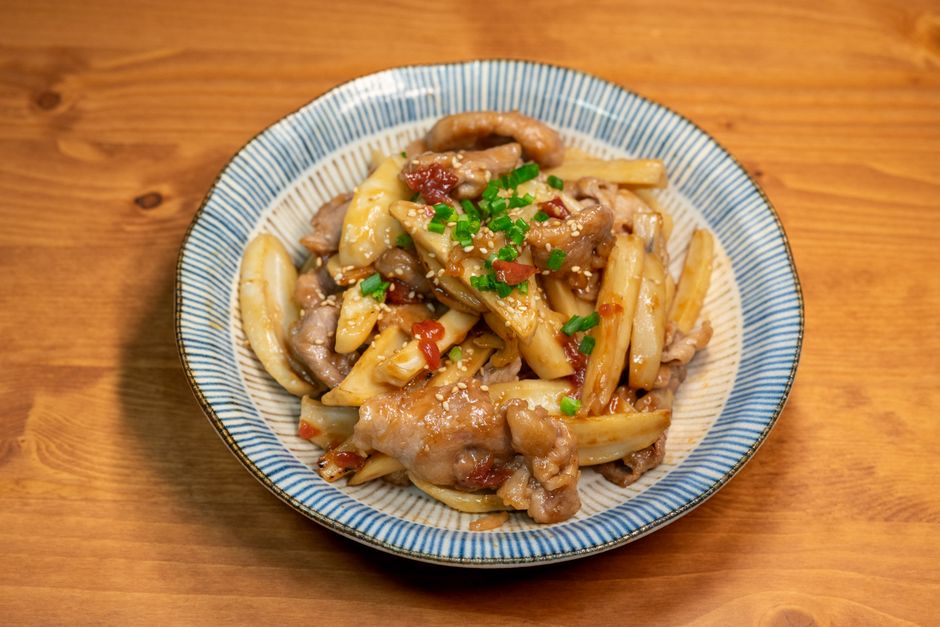
삼겹살보다 싸고 목살보다 실패 확률이 높은 부위, 그게 제육볶음용 앞다리살이다. 처음 제육볶음에 도전했던 날을 아직도 기억하는데, 고기는 질기고 양념은 겉돌고 프라이팬 바닥엔 물이 흥건히 고여 있었다. 국물 있는 볶음밥 재료를 만든 셈이었달까. 그날 이후로 레시피만 여덟 개쯤 비교해가며 만들어본 끝에, 이제는 “왜 그때 실패했는지” 원인을 하나하나 짚을 수 있게 됐다. 결론부터 말하면 문제는 대부분 세 가지 중 하나였다 — 고기 부위, 재우는 타이밍, 그리고 불 세기.
고기 고르기 — 냉장 목전지가 답이다
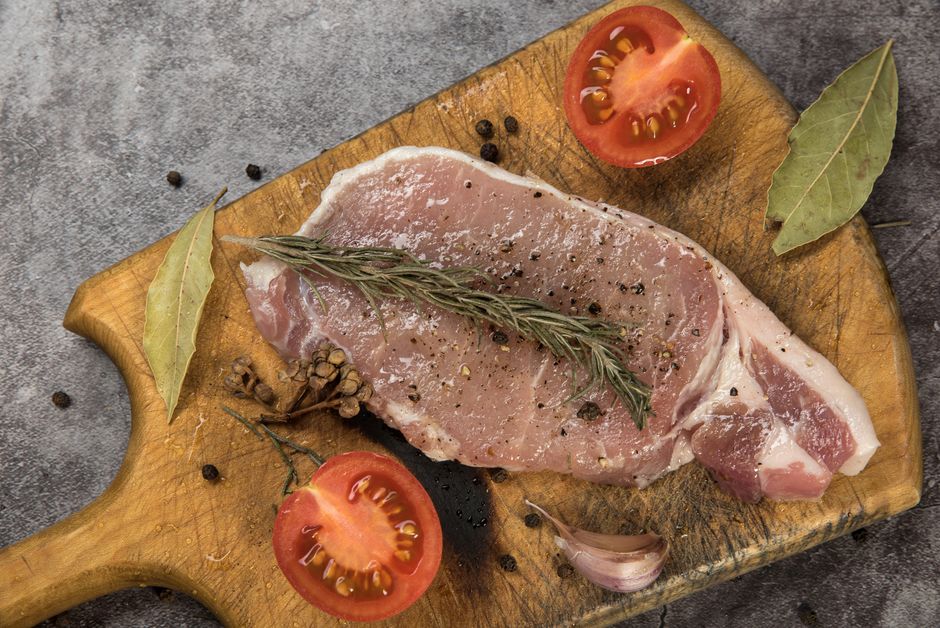
제육볶음에는 앞다리살이나 목전지를 주로 쓰는데, 정확히 말하면 목전지는 목살과 앞다리살 사이 경계 부위를 가리킨다. 살코기와 비계가 적당히 섞여 있어서 비계가 거의 없는 순살 부위보다 훨씬 촉촉하게 볶아진다. 비계가 너무 없으면 구울 때 퍽퍽해지고, 반대로 너무 많으면 느끼해지는데 목전지는 그 사이 어딘가에서 딱 균형을 잡아주는 부위다. 이왕이면 냉동보다 냉장 상태 고기를 고르는 게 좋다. 냉동육은 해동 과정에서 수분이 빠져나가면서 육즙 손실이 크고, 식감도 뻑뻑해지기 쉽다. 정육점에서 “제육볶음용으로 썰어주세요”라고 하면 보통 0.5cm 두께로 썰어주는데, 이 정도 두께면 짧게 구워도 속까지 잘 익는다. 너무 두껍게 썰면 겉은 타는데 속은 안 익는 불상사가 생기니, 두께는 눈대중으로라도 확인하고 사는 게 좋다.
양념장 황금비율 — 고추장보다 고춧가루 비중을 높여라
양념장 비율을 두고 입맛에 따라 의견이 엇갈리지만, 여러 레시피를 비교해보니 대략 이 비율에서 크게 벗어나지 않았다. 돼지고기 500g 기준으로 고추장 2큰술, 고춧가루 1.5큰술, 간장 2큰술, 설탕 1큰술, 다진 마늘 1큰술, 다진 생강 아주 조금, 후추 약간, 참기름 1큰술이 기본 골격이다. 여기에 사과나 배를 강판에 갈아 1/4개 정도 넣으면 고기 특유의 누린내가 거짓말처럼 잡히고 단맛이 훨씬 자연스러워진다. 과일에 든 효소가 고기 단백질 조직을 살짝 풀어주면서 육질까지 부드럽게 만드는 원리인데, 매번 과일을 갈기 귀찮다면 시판 배도라지즙이나 사과주스 한 스푼으로 대신해도 큰 차이는 안 난다. 시판 육수용 다시다나 굴소스를 반 큰술쯤 더하는 사람도 있는데, 이건 마트마다 파는 평범한 조합이라 처음엔 빼고 만들어본 뒤 부족하다 싶으면 추가하는 편을 추천한다.
여기서 의외인 포인트가 하나 있다. 고추장을 많이 넣을수록 매콤하고 진할 것 같지만, 사실 고추장 비중이 너무 높으면 양념이 텁텁해지고 걸쭉하게 눌어붙는다. 고춧가루로 매운맛과 색을 내고, 고추장은 감칠맛과 농도를 잡아주는 보조 역할 정도로 생각하면 훨씬 깔끔한 맛이 나온다. 자, 이제 이 양념장으로 본격적인 볶기에 들어갈 차례인데, 여기서 절대 하지 말아야 할 실수가 하나 있다.
재우는 타이밍 — 미리 재우지 말 것
여기서부터가 진짜 반전이다. “양념은 미리 재워야 맛이 깊게 밴다”는 말을 다들 어디선가 들어봤을 텐데, 제육볶음만큼은 예외에 가깝다. 고기를 양념에 오래 재워두면 고추장의 당분이 먼저 타버려서 겉만 새까맣게 눌어붙고 속은 밍밍한 상태가 되기 쉽다. 그래서 요즘 많은 레시피가 권하는 방식은 이렇다 — 고기를 먼저 센 불에서 반쯤 익힌 다음, 그 위에 양념장을 부어 마저 볶는 것. 대신 채 썬 양파를 미리 고기와 살짝 버무려 두면, 양파의 수분과 단맛이 고기 속으로 스며들어 고기 자체가 훨씬 부드러워진다. 양념은 나중에, 양파는 미리 — 이 순서 하나만 바꿔도 결과물이 확 달라진다.
불 세기와 순서 — 채소는 맨 나중에
불 세기는 처음부터 끝까지 센 불을 유지하는 게 핵심이다. 중불로 뭉근하게 볶으면 고기에서 수분이 계속 빠져나오면서 팬 바닥에 물이 고이는데, 이게 바로 첫 시도에서 내가 실패했던 원인이었다. 순서는 이렇다. 달군 팬에 식용유를 두르고 고기부터 넣어 겉면이 하얗게 익을 때까지 센 불에서 빠르게 볶는다. 여기에 준비해둔 양념장을 붓고 1~2분 정도 고기 표면에 양념이 스며들도록 볶은 다음, 그제야 양파와 대파, 청양고추 같은 채소를 넣는다. 채소를 너무 일찍 넣으면 숨이 죽으면서 물이 나와 볶음이 아니라 조림처럼 되어버린다. 마지막에 참기름 한 바퀴, 통깨 한 꼬집을 뿌리면 완성이다.
한 가지 더 팁을 붙이자면, 갓 볶아냈을 때보다 30분쯤 식혔다가 약불에 살짝 데워 먹으면 양념이 고기 속까지 더 깊게 배어든다는 얘기가 있다. 손님 초대 요리라면 미리 볶아놓고 먹기 직전에 한 번 데우는 것도 방법이다. 완성된 제육볶음은 상추나 깻잎에 밥과 함께 싸 먹으면 느끼함 없이 끝까지 맛있게 먹을 수 있는데, 여기에 쌈장 대신 마늘 한 쪽을 곁들이면 매콤함 사이로 알싸한 향이 더해져 색다른 맛을 즐길 수 있다.
남은 제육볶음의 두 번째 인생 — 볶음밥과 우동사리
2인분 넉넉히 만들다 보면 늘 반 그릇쯤 남기 마련인데, 이걸 그대로 냉장고에 넣어뒀다가 다음 날 볶음밥으로 재탄생시키는 게 개인적으로 제일 좋아하는 마무리다. 팬에 기름을 살짝 두르고 남은 제육볶음과 찬밥, 송송 썬 신김치를 함께 넣어 볶다가 마지막에 참기름과 김가루를 뿌리면 끝이다. 처음 실패했던 날 국물 있는 볶음밥 재료를 만들었던 그 아쉬움을, 이번엔 의도적으로 완성해내는 셈이랄까. 국물이 좀 남았다면 우동사리를 넣고 살짝 조려도 훌륭한 한 끼가 된다. 국물 없이 딱 맞게 볶아졌다면 이렇게 활용할 거리가 마땅치 않을 수 있는데, 그럴 땐 그냥 다음 끼니에 데워 먹어도 충분히 맛있다.
자주 묻는 질문
고기에서 물이 계속 나와요, 왜 그런가요?
가장 흔한 원인은 불 세기가 약해서다. 중불 이하에서 볶으면 고기 세포 속 수분이 서서히 빠져나오면서 팬 바닥에 고이게 된다. 반드시 센 불에서 짧고 빠르게 볶아야 겉면이 먼저 익으면서 수분 손실을 막을 수 있다. 팬이 코팅이 벗겨졌거나 얇은 팬을 쓰는 경우에도 열이 고르게 전달되지 않아 물이 잘 생기니, 두꺼운 팬을 예열 충분히 한 뒤 사용하는 것도 도움이 된다. 팬이 작아서 고기를 한꺼번에 다 넣고 뒤적이는 경우도 흔한데, 이러면 팬 안쪽 온도가 순간적으로 뚝 떨어지면서 고기가 익는 대신 서서히 데워지기만 한다. 팬 바닥이 고기로 가득 차 보인다면 절반씩 나눠서 두 번에 걸쳐 볶는 편이 결과물은 훨씬 낫다.
매운 걸 잘 못 먹는데 순하게 만들 수 있을까요?
고춧가루와 청양고추 양을 줄이고 그 자리를 설탕과 간장으로 살짝 보충하면 순한 맛으로 조정할 수 있다. 고추장은 매운맛뿐 아니라 감칠맛도 담당하기 때문에 완전히 빼기보다는 양을 유지하되 고춧가루만 절반으로 줄이는 편이 밸런스를 잡기 쉽다. 아이들과 같이 먹을 예정이라면 케찹을 1작은술 정도 더해 단맛과 산미를 살짝 얹는 것도 괜찮은 방법이다.
돼지고기 대신 다른 고기로도 만들 수 있나요?
닭다리살이나 소불고기용 고기로도 같은 양념을 응용할 수 있다. 다만 닭고기는 돼지고기보다 익는 속도가 빨라 볶는 시간을 1~2분 정도 줄여야 퍽퍽해지지 않는다. 소고기의 경우 지방이 적은 부위라면 양념에 참기름을 조금 더 넣어 고소한 맛을 보완하면 균형이 잘 맞는다.
Three months into living in Korea, I got scolded by my mother-in-law without a single word being said. We were sitting around the table at a family dinner, I reached for the last piece of galbi, and the room went quiet for about a second and a half. Nobody said “don’t.” Nobody said anything at all. But I felt it, that tiny drop in temperature, and I put the tongs down. Later my wife explained it to me: her older brother, sitting two seats away, hadn’t eaten yet. I was supposed to have noticed that on my own. That, more or less, is my origin story with nunchi.
So what is nunchi, actually?
The dictionary definition is “eye-measure,” and yes, that’s the phrase every article on this word opens with, myself apparently included — but stick with me. It’s the skill of reading a room fast enough to adjust before anyone has to tell you what’s wrong. Koreans grow up practicing this from childhood — I’ve watched my own kids, half-Korean and raised here, do it instinctively at family gatherings in ways that still catch me off guard. My son, at maybe six years old, once quietly moved his chair a few inches when his grandfather sat down, before anyone asked him to, before there was even room to ask. I didn’t teach him that. He just absorbed it, the way you absorb a language you’re immersed in rather than one you study from a textbook.
You might assume this is just politeness, the same instinct that makes people hold doors or say “bless you.” It isn’t quite that. Western politeness tends to be rule-based — you learn the rules, you follow them, you’re done. Nunchi is closer to a continuously running background process. You’re not just being polite in a moment; you’re constantly scanning: who’s tired, who’s annoyed, who’s waiting for someone else to speak first, whose silence means something. It’s closer to a wifi connection that never drops than a switch you consciously flip, and that’s exactly what makes it so hard to explain to someone who didn’t grow up doing it.
Why Korea, specifically, built a whole vocabulary around this
Here’s where it gets interesting, and where I think a lot of explainer articles stop too early. Korean social structure runs on hierarchy — age, job title, seniority, who arrived at the company first, even who was born earlier in the same calendar year. Once you stack that many layers of hierarchy on top of each other, direct confrontation becomes expensive. You can’t just tell your boss he’s wrong in a meeting the way you might in, say, an American startup culture that prizes “radical candor.” So a huge amount of communication gets pushed underground, into tone, timing, posture, the length of a pause before someone answers. Nunchi is the tool that lets people navigate all of that without anyone losing face.
I used to think this made Korean workplaces less honest than what I was used to back home. Give it a few years here, though, and you start to see it differently. It’s not dishonesty, it’s a different information channel. My father-in-law, who worked at a mid-sized manufacturing company in Incheon for nearly thirty years before retiring, once told me that the loudest disagreement he ever had with his own boss happened almost entirely in silence — a slightly longer pause, a specific way of setting down a teacup, a meeting that got rescheduled twice. Everyone in the room understood exactly what was going on. I would have understood absolutely nothing.
The paradox that trips up almost every foreigner here
This is the part I really want to get across, because it’s the part that surprised me most. Korea feels warm. People smile, they’re generous with compliments, strangers help you find your subway platform without being asked twice. So naturally you assume you’re reading the situation correctly — the friendliness itself becomes the trap. People say “it’s fine” when it very much is not fine. They say “let’s meet up sometime” as pure social lubricant, not an actual plan. Even now, after eleven years here, I occasionally get this wrong, and it’s almost always because I trusted the surface-level warmth instead of watching for the smaller signal underneath it. There’s a specific flavor of embarrassment that comes from realizing, three weeks too late, that someone’s relentless niceness was actually a polite wall.
One specific memory: a coworker at a hagwon I used to teach at kept saying “I’m okay, don’t worry about it” every time I asked if a lesson plan change was a problem, always with the same easy smile and the same slight tilt of her head. She said it maybe four times over two weeks. It wasn’t until another Korean teacher pulled me aside — kindly, almost apologetically — and told me she’d actually been quietly frustrated the whole time, that I understood the mismatch. The words were consistent. The nunchi signal, which I simply wasn’t picking up on, had been screaming the opposite the entire time.
Can an outsider actually learn this, or is it too late by adulthood?
People ask me this a lot, usually somewhere between their second and third year here, right around the point where the honeymoon phase wears off and the friction starts to feel personal. The honest answer is yes, but it’s slower than learning the language, and it doesn’t come from a textbook. It comes from getting it wrong in front of people you respect, feeling that specific brand of quiet embarrassment, and adjusting.
Euny Hong, who wrote a whole book on the subject, frames it less as a cultural fluke and more as trainable emotional intelligence — closer to reading a poker table than memorizing an etiquette guide. I’d agree with that, mostly. Age helps, oddly enough. Being older in Korea means people expect less patience from you and give you more grace as you fumble through it, which sounds backwards until you’ve lived it.
What actually moved the needle for me wasn’t studying Korean harder, even though that obviously helped with vocabulary. It was watching pauses instead of words. Who speaks first in a meeting, and who waits. Whether someone’s “no, it’s fine, really” comes with eye contact or without it. Whether a drink gets poured for you unprompted, which usually means you’re doing something right, or whether it gets poured a beat too fast, which sometimes means the opposite. None of this shows up in a phrasebook. You just have to sit in enough rooms, embarrass yourself enough times, and slowly start noticing the pattern before the mistake happens instead of after.
A few situations where nunchi shows up more than you’d expect
Elevators are a surprisingly good training ground, actually. Watch who presses the “close door” button and how fast, watch who steps back to let the eldest person exit first without being told. Restaurant tables are another one — who picks up the check, who reaches for it exactly one beat too late on purpose, because reaching too eagerly can read as showing off, and not reaching at all can read as stingy. Even something as mundane as texting on KakaoTalk carries nunchi weight; leaving someone on “read” for too long after a certain kind of message is its own small social statement, whether you meant it that way or not. None of these are written rules anywhere. You just learn them by watching what happens when someone gets it wrong and the room quietly recalibrates around it.
I’ll admit there’s a version of this that can wear you down if you let it. Constantly reading a room is tiring, and there were stretches in my first few years here where I genuinely missed the bluntness of back home, the relief of someone just telling me directly that something was wrong instead of making me guess. But I’ve also come to think nunchi solves a real problem that direct communication cultures often don’t handle well — it lets people disagree, adjust, and save face all at once, without anyone having to be the villain in the story. It’s not better or worse than directness. It’s just a completely different operating system, and once you’re running it, plenty of things about life here start clicking into place that never made sense before.
Frequently Asked Questions
Is nunchi the same thing as emotional intelligence?
They overlap, but they’re not the same tool. Western emotional intelligence puts a lot of weight on understanding and managing your own feelings. Nunchi barely cares about your internal state at all — it’s almost entirely outward-facing, judging the temperature of one specific room at one specific moment, and it expects you to act on that reading in real time, not journal about it later.
Do Korean parents actually teach nunchi directly, or is it just absorbed?
Mostly absorbed, in my experience, though the phrase itself gets used constantly. A parent might say “have you got no nunchi?” to a kid who talked over an adult or missed an obvious social cue, which is less a lesson than a nudge — you’re expected to figure out the actual rule from the correction itself rather than getting it explained step by step.
What’s the fastest way for a visitor to avoid an obvious nunchi mistake?
Slow down and watch before you act, especially around meals, drinks, and elevators. Let the oldest or most senior person move first, wait a beat before reaching for shared food, and if someone says “it’s fine, don’t worry” with a tone that doesn’t quite match their face, it’s worth gently checking in again rather than taking the words at face value.
명절마다 엄마에게 전화로 SOS를 치던 내가, 작년 추석엔 갈비찜을 세 번째로 태워 먹고서야 인정했다. 나는 그동안 갈비찜을 “간장 넣고 오래 끓이면 되는 음식”으로 알고 있었던 거다. 어떤 해는 짰고, 어떤 해는 질겼고, 어떤 해는 둘 다였다. 레시피를 열 개쯤 비교해보고 나서야 깨달았다. 갈비찜이 어려운 게 아니라, 다들 “적당히”라고 뭉뚱그리는 그 구간에 진짜 비법이 숨어 있었다.
핏물 빼기, 귀찮다고 건너뛰면 정말 티가 날까
결론부터 말하면 티가 난다. 그것도 아주 많이 난다. 처음 갈비찜을 시도했을 때 나는 “찬물에 30분이면 되겠지”라고 대충 계산하고 넘어갔는데, 완성된 갈비찜에서 특유의 누린내가 올라왔다. 흔히 말하는 그 잡내다. 손님상도 아니고 가족끼리 먹는 자리였는데도 다들 젓가락이 느려졌다.
핏물 빼기는 갈비 안쪽 뼈 사이사이에 남은 핏덩어리를 물에 우려내는 과정이다. 찬물에 담가 1시간, 중간에 물을 두 번은 갈아줘야 한다.
여름철엔 물 온도가 금방 미지근해진다는 점도 은근히 놓치기 쉽다. 상온에 30분만 둬도 물이 데워지면서 핏물이 오히려 덜 빠진다. 얼음을 몇 조각 띄워 찬 온도를 유지하는 게 의외로 큰 차이를 만든다. 냉동 갈비라면 여기서 30분을 더 잡고, 생갈비도 나는 최소 1시간은 채운다. 급하다고 뜨거운 물을 쓰면 안 된다. 단백질이 익어버려서 핏물이 안 빠지고 오히려 안에 갇힌다.
물을 빼고 나면 끓는 물에 통째로 넣어 5분 정도 데친다. 이때 뜨는 거품과 기름을 걷어내는데, 이게 잡내 제거의 두 번째 관문이다. 데친 갈비는 찬물에 헹궈서 표면의 불순물을 씻어내야 양념이 깨끗하게 배어든다.
양념장 황금비율, 계량스푼 없이는 절대 못 맞춘다
“눈대중으로 하면 되지 않나요?” 나도 처음엔 그렇게 생각했다. 그런데 갈비찜 양념은 짠맛과 단맛의 균형이 조금만 어긋나도 바로 티가 난다.
소갈비 1.5kg 기준으로 내가 여러 번 실패 끝에 정착한 비율은 이렇다. 4인 가족이 한 끼 넉넉히 먹고도 조금 남을 정도의 양이라고 보면 된다. 간장 5큰술, 설탕 2큰술, 맛술 2큰술, 다진 마늘 1큰술, 참기름 1큰술, 후춧가루 약간, 배즙이나 양파즙 3큰술.
간장과 설탕은 5:2 비율로 넣으라고 하면 의아해하는 사람이 많다. 1:1로 넣어야 단짠 밸런스가 맞는 거 아니냐는 거다.
실제로는 다르다. 갈비찜은 조리 시간이 길어서 수분이 졸아들면서 간이 계속 진해진다. 처음부터 1:1로 맞추면 완성됐을 때 짜서 물을 더 부어야 하고, 그러면 양념 농도가 다시 흐트러지는 악순환이 시작된다.
배즙 대신 키위나 콜라를 넣으면 더 부드러워진다는 이야기도 많이 들었을 거다. 틀린 말은 아닌데, 나는 키위즙을 눈대중으로 듬뿍 넣었다가 고기가 숟가락으로 건드리면 바스러질 정도로 형태를 잃어버린 적이 있다. 배즙 3큰술 정도면 충분하다. 그 이상은 부드러움이 아니라 육질 붕괴로 넘어간다.
압력솥 vs 일반냄비, 시간 차이가 이렇게까지 날 일인가
압력솥이 없어도 갈비찜을 만들 수 있냐고 묻는다면, 당연히 가능하다. 다만 시간 차이를 모르고 덤비면 낭패를 본다. 소갈비찜은 압력솥에서 추가 흔들리기 시작한 후 20~25분이면 웬만큼 부드러워진다. 반면 일반 냄비는 중약불로 60~90분은 잡아야 한다. 세 배 가까이 차이가 난다.
시간만 보면 압력솥이 무조건 이긴다고 생각하기 쉬운데, 실제로 먹어보면 미묘한 차이가 있다. 압력솥 갈비찜은 빠르고 편하지만 육수 농축이 덜 되어 있어서, 뚜껑을 연 뒤 중불에서 5분 정도 더 졸여줘야 윤기와 농도가 산다. 이걸 생략하면 겉보기엔 다 됐는데 소스가 묽어서 밥에 비벼 먹기엔 아쉬운 상태로 끝난다.
일반 냄비는 시간이 오래 걸리는 대신 은근하게 졸아드는 그 시간 동안 양념이 뼈 속까지 스며든다. 나는 명절처럼 시간 여유가 있을 때는 일반 냄비를, 평일 저녁에 급하게 만들 때는 압력솥을 쓴다.
압력솥은 편의고, 일반 냄비는 깊이다. 둘 다 써본 입장에서 정리하자면 그렇다. 어느 쪽이 맞다기보다 그날 상황에 맞춰 고르면 된다.
고기가 질겨지는 진짜 이유는 불 조절이었다
양념을 완벽하게 맞췄는데도 고기가 질기다면 범인은 대부분 센 불이다. 갈비찜을 빨리 끝내고 싶어서 센 불로 계속 끓이면, 근섬유가 급격히 수축하면서 육즙이 다 빠져나가고 고기만 질겨진다.
처음 10분 정도는 센 불로 양념을 끓여 겉을 익히되, 그 다음부터는 반드시 약불로 낮춰야 한다. 뚜껑을 덮고 은근하게 끓이는 시간이 길어야 콜라겐이 젤라틴으로 서서히 바뀐다. 이 변화는 시간이 필요한 화학 반응이라서, 불을 세게 켠다고 앞당겨지지 않는다. 오히려 역효과다.
나는 이 사실을 몰랐을 때 “빨리 끓이면 시간 절약되겠지”라며 계속 센 불을 유지했다가, 갈비 겉은 타들어가는데 속은 여전히 질긴 최악의 결과를 만든 적이 있다. 겉만 보면 다 익은 것 같았는데 젓가락으로 찔러보니 뼈 근처가 여전히 뻑뻑했다.
중간중간 국물을 끼얹어주는 것도 중요하다. 갈비가 냄비 안에서 국물에 완전히 잠기지 않는 경우가 많은데, 위로 드러난 부분이 마르면 그 부위만 뻣뻣해진다. 15분에 한 번씩 국자로 국물을 떠서 위쪽에 뿌려주면 전체적으로 고르게 부드러워진다.
명절이나 제사상에도 실패 없이 내려면
명절 갈비찜은 당일 아침에 만들면 늦다. 나는 이제 하루 전날 미리 만들어서 냉장고에 넣어둔다. 하룻밤 지나면 양념이 갈비 속까지 완전히 스며들어서 맛이 훨씬 깊어진다.
여기엔 숨은 이득이 하나 더 있다. 하루 전날 완성해서 식힌 뒤 냉장실에 넣어두면, 위로 하얗게 뜬 기름을 걷어내기가 훨씬 수월해진다. 갓 끓였을 때는 기름이 국물에 섞여 있어서 잘 안 보이는데, 차게 식으면 표면에 굳어서 숟가락으로 그냥 걷어내면 된다. 명절 아침에 전 부치랴 나물 무치랴 정신없는데, 갈비찜까지 처음부터 만들려면 손이 남아나질 않는다. 전날 이 단계까지 끝내두면 당일엔 데우기만 하면 된다.
재가열할 때는 약불로 천천히 데워야 한다. 급하다고 센 불로 확 데우면 전날 그렇게 공들여 부드럽게 만든 고기가 다시 뻣뻣해질 수 있다. 국물이 자작하게 남아 있는 상태에서 뚜껑을 덮고 10분 정도 데우면 처음 완성했을 때의 식감이 거의 그대로 돌아온다.
제사상에 올릴 때는 국물을 너무 흥건하게 두지 않는 게 좋다. 접시에 옮겨 담았을 때 소스가 흘러넘치면 상차림이 지저분해 보이기 십상이다. 완성 후 국물을 살짝 졸여서 갈비에 코팅되듯 붙어 있는 정도로 마무리하면 보기에도 깔끔하고, 식어도 딱딱해지지 않는다.
갈비찜을 잘 만드는 사람들을 보면 다들 특별한 손맛을 타고난 게 아니었다. 핏물 빼는 시간, 양념 비율, 불 조절 이 세 가지를 정직하게 지켰을 뿐이다. 나도 처음 세 번은 다 실패했지만, 그 다음부터는 매번 같은 맛이 나온다. 갈비찜은 재능보다 순서의 음식이라는 걸, 네 번째 시도에서야 알았다.
자주 묻는 질문
실패 없는 명절을 위해, 직접 겪고 나서야 깨달은 사소한 질문들을 몇 가지 모아봤다.
Q. 갈비 핏물을 깜빡하고 안 뺐어요. 이미 양념까지 다 넣었는데 되돌릴 방법이 있을까요?
이미 양념에 재운 상태라면 완전히 되돌리긴 어렵다. 다만 조리 전 단계라면 갈비를 건져서 끓는 물에 5분만 데쳐도 어느 정도 잡내를 잡을 수 있다. 이미 끓이는 중이라면 월계수잎이나 대파, 생강 편을 넉넉히 넣어서 냄새를 덮는 방법이 최선이다. 완전한 해결책은 아니지만 다음번엔 반드시 순서를 지키는 게 낫다는 걸 그 순간 뼈저리게 느낄 거다.
Q. 압력솥이 없는데 갈비를 정말 부드럽게 만들 수 있나요?
가능하다. 다만 시간과 불 조절에 더 신경 써야 한다. 처음 10분은 센 불, 이후 60~90분은 뚜껑을 덮고 약불로 끓이면서 15분마다 국물을 끼얹어주면 압력솥 못지않게 부드러워진다. 오히려 은근하게 오래 끓인 갈비찜이 국물 맛은 더 깊다는 사람도 많다. 시간이 문제일 뿐 결과물의 부드러움은 크게 뒤지지 않는다.
Q. 갈비찜을 명절 3일 전에 미리 만들어서 냉동해도 될까요?
냉동은 가능하지만 식감이 살짝 달라질 수 있다. 국물의 수분이 얼었다 녹으면서 고기 섬유질에 미세한 변화가 생기기 때문이다. 그래도 급할 땐 유용한 방법이다. 냉동했다면 먹기 전날 냉장실로 옮겨 서서히 해동하고, 데울 때 육수나 물을 두세 큰술 더해서 촉촉함을 보충해주면 처음 맛에 가깝게 살아난다. 가능하면 하루 전 냉장 숙성 쪽을 더 추천하고 싶다.
The first time I got genuinely humbled by Korean food, it wasn’t buldak. It was naengmyeon. I’d built up this whole mental defense system after two years of eating gochujang everything — I could handle Sichuan hot pot back home, I’d survived a phaal curry on a dare in London, I figured cold noodles couldn’t possibly do anything to me. It was late on a January night near Konkuk University, cold enough outside that the icy broth sounded almost punishing before I’d even ordered, and an ajumma handed me a bowl of bibim-naengmyeon I’d picked without really reading the menu. About four bites in, my scalp started sweating in a way that had nothing to do with the freezing walk over. It wasn’t even the “hot” version. That’s the thing about Korean spice that nobody warns you about before you land here: it doesn’t announce itself the way you expect it to.
If you’ve spent time in Thailand or Mexico or India before moving to Korea, you probably walk in assuming you already know what “spicy” means. You’d think heat is heat, right — capsaicin is capsaicin, your tongue either burns or it doesn’t. Except Korean spicy doesn’t really behave like the spicy you’re used to, and figuring that out the hard way is a humbling initiation that catches almost every newcomer off guard.
Why Korean Heat Feels Like a Different Language
Here’s the part that surprised me most once I actually looked into it: Korean red pepper, gochu, is not particularly hot as chilies go. Gochugaru, the coarse red flake that shows up in basically everything from kimchi to tteokbokki, typically clocks in somewhere around 1,500 to 4,000 Scoville Heat Units for the standard “mild” grade sold for home cooking, occasionally reaching 6,000-10,000 for the spicier grade. Compare that to a jalapeño starting around 2,500-8,000 SHU, or a Thai bird’s eye chili, which can blow past 50,000 and sometimes crack 100,000. On paper, gochugaru should barely register next to what goes into a proper Thai curry. So why does eating a bowl of yukgaejang or a plate of jjolmyeon still make your ears ring? Because Korean cooking isn’t really selling you a chili hit. It’s selling you a slow, fermented, savory burn that builds instead of strikes.
Think about the difference in mechanics for a second. A Thai bird’s eye chili, or the fresh serranos and habaneros that show up in Mexican salsas, hits fast and sharp — one bite, immediate alarm, your body reacts almost instantly and the sensation fades reasonably quickly once you stop eating. Indian food layers heat through fresh and dried chilies too, often combined with a wall of other spices that reads as complex rather than purely hot. Korean spice, by contrast, tends to come from gochugaru and gochujang that have been sitting around fermenting for months, sometimes years. During that fermentation, the sugars and proteins in the paste break down into glutamates and simple sugars, the same process that gives doenjang and soy sauce their savory depth, so by the time the capsaicin reaches your tongue it arrives wrapped in sweetness and umami rather than hitting bare tissue. It doesn’t hit you in one spot. It spreads. And because a lot of Korean spicy dishes are also salty, garlicky, and often sweetened with sugar or corn syrup, your brain gets a confusing mixed signal — “this tastes good and comforting” right up until the second bowl, when it suddenly doesn’t.
And no, before anyone brings it up — Korean food is not the “numbing” spicy people talk about with Sichuan mala. That numbing tingle is a completely different mechanism, caused by Sichuan peppercorns and their sanshool compounds, and Korean cuisine barely touches that territory outside of some fusion places in Seoul chasing a trend. Korean heat stays purely capsaicin-based, just delivered through fermentation instead of a fresh, sharp hit. It’s a slower burn that lingers in your throat and behind your ears rather than numbing your lips. People mix these two up constantly, which, honestly, I did too before I actually paid attention to what was happening in my own mouth.
The Scale Koreans Themselves Actually Use
There’s no single official Scoville chart taped to the wall of every Korean restaurant, but there is an informal system almost everyone here understands instinctively. Menus and delivery apps will often let you pick 순한맛 (sunhan-mat, “mild”), 보통맛 (botong-mat, “normal”), and 매운맛 (maeun-mat, “spicy”), sometimes with an extra 아주 매운맛 (aju maeun-mat, “very spicy”) tier stacked on top. Some fried chicken chains go further and hand you a literal numbered scale from one to seven or so, with little chili pepper icons next to each level — this is basically how the Buldak ramen brand built its whole global identity, going from their original 4,404 Scoville rating up through the 2x Spicy version at roughly 10,000, which is genuinely rough for a noodle dish, not a curry.
You’d think “normal” spicy on a Korean menu would land somewhere near what a Western palate calls mild. It usually doesn’t. I’ve watched more than one visiting friend order the 보통맛 option assuming it was a safe middle ground, only to end up requesting extra rice halfway through the meal. Locals calibrate against a baseline that’s already fairly hot by international standards, simply because gochugaru shows up in kimchi, in doenjang stew, in almost every side dish on the table, from childhood. Their tolerance is built cumulatively over a lifetime of low-grade exposure, not from eating ghost peppers for sport.
Ranking the Real Dishes, Mild to Meltdown
If you want an actual working map instead of vague theory, here’s roughly how I’d rank the dishes that come up constantly, based on years of ordering them and occasionally regretting it. I’m ranking these against each other, not against a lab chart, because that’s the ranking that actually helps you at a restaurant table.
🌶️ Mul-naengmyeon sits at the very bottom, practically spice-free. It’s cold noodles in a tangy, icy beef or dongchimi broth, and unless you spoon in extra mustard or vinegar yourself, there’s essentially zero heat here — this is the dish to order when you want to look adventurous ordering “Korean food” while your mouth stays completely safe.
🌶️🌶️ Kimchi jjigae comes next, and this one surprises people in the opposite direction — it looks aggressive, bubbling red in a black pot, but a well-made bowl is more warming than punishing, especially with rice cutting through it. Sundubu-jjigae, the silky tofu stew, sits around the same range, though spice level swings wildly restaurant to restaurant since so much depends on how ripe the kimchi used as a base actually is.
🌶️🌶️🌶️ Jjolmyeon steps things up meaningfully — those thick, chewy wheat noodles get tossed in a sweet-spicy gochujang sauce that’s more concentrated than naengmyeon’s, and because there’s no broth to dilute it, every bite carries the full hit.
🌶️🌶️🌶️ Bibim-naengmyeon — the dish that got me at Konkuk — belongs around the same tier as jjolmyeon, maybe a notch above. Same noodle base as its mild cousin, completely different sauce, and because the whole dish is served ice cold, your mouth doesn’t get the early warning signal that hot food normally gives you. That’s exactly why it blindsides people the way it blindsided me.
🌶️🌶️🌶️🌶️ Nakji-bokkeum, the stir-fried octopus dish, and yangnyeom chicken both live in a similar upper-mid tier, though for different reasons — nakji-bokkeum leans on raw gochugaru and gochujang stir-fried hot and fast, giving it a sharper, more immediate burn, while yangnyeom chicken’s sauce is sweetened enough that the heat sneaks in after the sugar registers, so you often don’t clock how spicy it actually was until three pieces in.
🌶️🌶️🌶️🌶️🌶️ Buldak — literally “fire chicken” — earns the top spot among dishes people actually eat as a meal rather than a stunt. The grilled version at a proper buldak restaurant, doused in a thick chili paste and finished under a flame, delivers heat that’s genuinely intense but still food, still enjoyable, not purely a dare.
🌶️🌶️🌶️🌶️ Cheese buldak deserves its own line because it plays a clever trick — piling melted cheese over the same fiery sauce doesn’t actually lower the underlying heat much, but the fat coats your mouth and mutes the sensation just enough that people eat far more of it than they should. I remember this exact trick playing out at a coworker’s goodbye dinner in Yeonnam-dong, six of us crammed around a low table — everyone confident, everyone reaching for more cheese pull, laughing about how manageable it felt. About ten minutes later, the laughing stopped, one by one, replaced by a slow, silent reach for water glasses that, as it turns out, weren’t actually going to help much.
The Night I Underestimated a Nakji-Bokkeum Menu
A few years back I was out with two coworkers near Sinchon, and we landed at a small nakji-bokkeum place that had a laminated menu with little flame icons next to each spice option — one flame, two flames, three flames. I’d eaten plenty of spicy Korean food by that point and figured, reasonably, that three flames on a laminated diner menu couldn’t be that dramatic. I was wrong in a way that’s stuck with me. The octopus itself was great, genuinely — chewy, smoky from the wok, coated in this glossy red sauce — but somewhere around the fifth bite my nose started running and didn’t stop for the rest of the meal.
My coworker, who grew up in Busan, just calmly ordered a second bowl of rice and kept eating like nothing was happening. No sweat on his forehead, no reaching for water, not even a pause between bites. When I finally asked him, half-joking and half-desperate, how he was doing it, he just shrugged and said something like “this isn’t even that spicy,” genuinely puzzled by the question rather than performing toughness for my benefit. That told me everything about how differently spice tolerance gets built here versus what I’d brought with me from abroad. The restaurant didn’t even bother offering a milder option below one flame. Why would they? For most of their regular customers, one flame already reads as the entry level.
Practical Tips If You’re Ordering Blind
You don’t need to memorize a Scoville chart before your first month here, but a few habits genuinely help. First, learn to actually say 안 맵게 해주세요 (an maepge haejuseyo — “please make it not spicy”) when you order, because most kitchens will adjust on request, especially at smaller family-run places rather than chains. Second, don’t trust the English menu translation of “medium” — it was often written by someone calibrating against the local scale, not yours, so treat “medium” as a starting assumption you should double-check by asking staff directly if you’re unsure.
Third, and this one actually matters biologically: water does almost nothing against capsaicin, since capsaicin is oil-soluble, not water-soluble. Milk, plain yogurt drinks, or the little cups of sikhye some restaurants serve after a meal work far better because the fat and protein actually bind to the compound. Rice helps too, mostly by giving your mouth something bland to chew on between bites rather than actually neutralizing anything. And if a restaurant offers you danmuji, those little yellow pickled radish cubes that show up next to jjajangmyeon and other noodle dishes, eat a few — the acidity and crunch genuinely reset your palate between bites of something aggressive.
You’d also think a cold beer would cool the burn down at a chimaek dinner, the classic Korean pairing of fried chicken and beer. In practice it does the opposite for the first few sips — the carbonation and alcohol actually seem to spread the sensation around your mouth rather than calming it, and only after a minute or two does the cold temperature start to feel soothing. Soju does something similar, maybe worse, since it’s higher proof. If you’re chasing something genuinely spicy with alcohol, don’t expect instant relief; expect a short window where it briefly feels worse before it feels better.
Finally, don’t assume a dish is safe just because it looks pale. Some of the worst surprises I’ve had came from broths and sauces that looked completely innocent on the surface, with all the heat sitting quietly at the bottom of the bowl where you can’t see it until you’re already three spoonfuls in.
FAQ
Is Korean food actually spicier than Thai food?
Not in raw pepper terms, no — Thai chilies generally rank far hotter on the Scoville scale than the gochu used in Korean cooking, sometimes ten or twenty times hotter gram for gram. But because Korean spicy dishes combine heat with salt, sugar, and deep fermentation, the overall sensation can feel just as intense, sometimes more lingering, even if the underlying capsaicin concentration is lower. It’s less about which cuisine is objectively hotter and more about how differently the heat gets delivered to your mouth.
What’s the safest Korean dish to start with if I have low spice tolerance?
Mul-naengmyeon is close to spice-free, and so is a plain bowl of sundubu-jjigae if you ask the kitchen to go light — many places will happily make it 순한맛 on request. Bulgogi, japchae, and most grilled meat dishes at Korean BBQ spots also stay outside the spicy category entirely, so you can build up your tolerance gradually before touching something like tteokbokki or buldak.
Why can my Korean friends eat things that destroy me, even though they don’t eat objectively hotter peppers?
It comes down to cumulative, lifelong exposure rather than any biological difference. Gochugaru shows up in side dishes from early childhood here — kimchi at nearly every meal, mild doenjang stews, and so on — so tolerance builds slowly over decades rather than being tested against occasional extreme dishes. A visitor’s palate simply hasn’t logged that same repetition, which is exactly why a “normal” spice level on a Korean menu can still catch you off guard.
퇴직연금 담당 창구 직원한테 “IRP 하나면 노후 준비 끝나는 거 아니에요?”라고 물어본 적이 있다. 돌아온 대답은 뜻밖에도 “그럴 수도 있고, 아닐 수도 있어요”였다. 되묻자 직원은 서류를 슥 밀어놓더니 “일단 얼마 넣으실 건데요?”라고 되물었다. 그 질문에 바로 답을 못 했다. 세액공제 받는다는 말만 듣고 계좌부터 만드는 사람이 훨씬 많고, 정작 한도가 어떻게 짜여 있는지, 중간에 빼면 무슨 일이 벌어지는지는 모르고 넘어가는 경우가 대부분이다. IRP가 실제로 어떤 계좌인지, 연금저축과 뭐가 다른지, 세액공제를 받으면 정말 얼마나 이득인지 숫자로 짚어본다.
IRP, 정확히 뭘 하는 계좌인가
이름부터 헷갈린다. 개인형퇴직연금, 영어로는 Individual Retirement Pension. 회사를 옮기거나 퇴사할 때 받는 퇴직금을 담아두는 계좌라고만 알고 있는 사람이 많은데, 절반만 맞다. 원래는 퇴직금을 일시에 받지 않고 연금 형태로 굴리기 위해 만들어진 계좌지만, 지금은 근로자나 자영업자가 스스로 돈을 추가로 넣어서 세액공제를 받는 용도로 훨씬 많이 쓰인다. 퇴직금이 자동으로 들어오는 계좌이자, 내가 자발적으로 돈을 넣는 절세 계좌이기도 한 셈이다. 두 가지 성격이 한 계좌 안에 섞여 있다 보니 “내 IRP에 있는 돈이 퇴직금인지, 내가 넣은 돈인지” 헷갈려 하는 사람도 은근히 많다.
연금저축 있으면 IRP는 안 만들어도 되는 거 아니야?
이 질문을 자주 받는다. 결론부터 말하면 둘은 사촌 사이지 쌍둥이가 아니다. 연금저축은 나이나 소득 제한 없이 누구나 가입할 수 있지만, IRP는 근로소득이나 사업소득이 있는 사람만 개설할 수 있다. 전업주부나 소득이 없는 학생은 IRP 문턱을 넘지 못한다는 얘기다. 투자 방식도 다르다. 연금저축펀드는 주식형 자산에 100%를 넣어도 규제가 없지만, IRP는 입금액의 최대 70%까지만 위험자산에 투자할 수 있고 나머지 30% 이상은 예금이나 채권형 상품처럼 원리금이 보장되는 곳에 묶어둬야 한다. 공격적으로 성장주 위주 펀드에 몰아 넣고 싶은 투자자라면 이 30%가 답답하게 느껴질 수도 있는데, 반대로 생각하면 시장이 크게 흔들릴 때 계좌 전체가 같이 무너지는 걸 막아주는 안전판이기도 하다.
중도인출 얘기도 짚고 넘어가야 한다. 연금저축은 급하면 세금을 조금 떼고 꺼내 쓸 수 있는데, IRP는 원칙적으로 그게 안 된다. 계좌를 통째로 해지하는 것 말고는 부분 인출 자체가 막혀 있다. “비상금은 어디서 빼지?”라는 걱정이 든다면, 이 계좌에는 여윳돈 이상을 넣지 않는 편이 낫다. 두 계좌의 세액공제 계산 방식이 구체적으로 어떻게 갈리는지는 연금저축 세액공제 총정리 글에 따로 정리해뒀으니, 두 계좌를 같이 굴릴 계획이라면 참고해볼 만하다.
900만 원 꽉 채우면, 내 통장에 진짜 얼마가 들어올까
2026년 기준으로 연금저축과 IRP를 합쳐서 세액공제받을 수 있는 한도는 연 900만원이다. 연금저축만으로는 최대 600만원까지만 인정되고, 나머지 300만원은 IRP에 넣어야 채워진다. 반대로 IRP는 단독으로 900만원을 다 채워도 된다. 그러니까 연금저축 없이 IRP 하나로 밀어붙여도 한도를 꽉 채울 수 있다는 뜻인데, 대신 위에서 말한 70% 위험자산 제한이 걸린다는 점은 기억해두는 게 좋다.
공제율은 소득에 따라 갈린다. 총급여 5,500만원 이하, 종합소득 기준으로는 4,500만원 이하면 16.5%가 적용되고, 이 기준을 넘으면 13.2%로 낮아진다. 900만원을 꽉 채워 넣었다고 가정하면 저소득 구간은 148만 5천원, 고소득 구간은 118만 8천원을 돌려받는다. 30만원 차이가 크지 않다고 느껴질 수도 있는데, 10년을 반복하면 300만원이다. 가족 여행 두세 번, 혹은 아이 학원비 반년 치가 세금 구간 하나 차이로 통째로 왔다 갔다 하는 셈이니, “몇 십만원 차이”라고 가볍게 넘길 액수는 아니다.
여기서 오해하기 쉬운 부분이 하나 있다. 세액공제는 “낸 세금을 돌려주는 것”이지 “수익을 보장하는 것”이 아니다. 900만원을 넣었다고 900만원이 불어나서 돌아오는 게 아니라, 연말정산 때 원래 내야 할 세금에서 148만원 남짓을 깎아주는 방식이다. 계좌 안에서 굴린 돈이 오르고 내리는 건 완전히 별개의 문제다. 세액공제 숫자만 보고 “무조건 이득”이라고 단정 짓기 전에, 이 돈이 55세까지 묶인다는 전제를 한 번은 곱씹어봐야 한다.
급전이 필요해서 깼다가, 세금이 더 나온 사연이 나오는 이유
“급하면 그냥 빼서 쓰면 되지”라고 생각했다면 여기서 멈추는 게 좋다. IRP에서 55세 이전에 돈을 빼는 건 원칙적으로 계좌 전체를 해지하는 것과 같고, 이때 세액공제를 받았던 원금과 그 돈으로 굴려서 생긴 운용수익 전체에 16.5%의 기타소득세가 붙는다. 처음에 148만원을 돌려받았다고 좋아했다가, 급전이 필요해 빼는 순간 그 이상을 세금으로 다시 내놓는 그림이 나올 수 있다는 뜻이다. 세액공제받은 돈은 결국 국세청한테서 잠깐 빌려 쓰는 돈이라는 감각으로 접근하는 편이 안전하다.
예외는 있다. 주택 구입, 전세보증금 마련, 6개월 이상 장기 요양, 개인회생이나 파산, 천재지변처럼 법으로 정해둔 사유에 해당하면 55세 이전이라도 중도인출이 허용된다. 다만 이 사유들도 서류로 증빙해야 하고 아무 때나 통과되는 게 아니라서, “혹시 몰라서 넣어둔다”는 마음가짐으로 접근할 계좌는 아니다. 여윳돈으로 넣고 잊어버릴 수 있는 사람에게 어울리는 구조지, 유동성이 필요한 사람에게는 오히려 발목을 잡는 구조가 될 수 있다.
그래서 누구한테 유리한가
소득이 높을수록 세액공제 효과가 더 커 보이지만, 실제로는 반대로 흘러간다. 총급여 5,500만원을 넘으면 공제율이 16.5%에서 13.2%로 떨어지기 때문에, 오히려 소득이 낮은 근로자가 같은 금액을 넣었을 때 돌려받는 비율이 더 높다. “돈 많이 버는 사람이 세금 혜택도 더 챙기겠지”라는 통념과는 다른 결과다.
퇴직이 가까운 40~50대라면 얘기가 좀 더 명확해진다. 55세까지 묶여 있는 기간이 짧을수록 유동성 부담이 덜하고, 은퇴 직전에 목돈을 절세 계좌로 옮겨둔다는 원래 취지에도 맞아떨어진다. 반대로 20~30대 초반이라면 30년 가까이 돈이 묶인다는 계산이 나온다. 결혼자금이나 주택자금처럼 중간에 목돈이 필요한 시기가 뻔히 보이는데도 한도를 무리하게 채우면, 정작 돈이 필요한 순간에 손을 못 대는 상황과 마주할 수 있다. 최근 2030 사이에서 IRP보다 중도인출이 자유로운 ISA를 먼저 채우고 남는 여력으로 IRP를 검토하는 흐름이 많아진 것도 이런 이유에서다.
ISA는 만기가 정해져 있고 중도인출도 IRP보다 훨씬 자유로운 편이라 애초에 쓰임새가 다른 계좌다. 세부 조건은 ISA 계좌 정리 글에서 다뤘으니 두 계좌를 저울질하는 중이라면 함께 읽어보길 권한다.
자주 묻는 질문
연금저축이랑 IRP를 둘 다 갖고 있는데, 900만원을 아무렇게나 나눠 넣어도 되나?
순서 제한은 없지만 계산은 해봐야 한다. 연금저축 단독으로는 600만원까지만 세액공제가 인정되기 때문에, 예를 들어 연금저축에 800만원을 넣었다면 200만원은 공제 대상에서 빠진다. 나머지 100만원을 IRP에 넣어야 900만원 한도를 온전히 채우는 그림이 나온다. 두 계좌의 한도가 서로 다르다는 걸 모르고 한쪽에만 몰아 넣었다가 손해 보는 경우를 종종 본다.
퇴직금을 IRP로 받았는데, 이 돈도 세액공제 받은 돈처럼 인출할 때 불이익이 있나?
아니다. 회사에서 퇴직금이 자동으로 IRP에 들어온 부분은 세액공제를 받은 적이 없는 돈이라 인출 방식과 세금 구조가 완전히 다르다. 이 경우는 퇴직소득세가 적용되고, 연금으로 나눠 받으면 오히려 세율을 깎아주는 방향으로 설계돼 있다. 문제가 되는 건 어디까지나 내가 추가로 넣어서 세액공제를 받은 부분과 그 운용수익이다. 같은 계좌 안에 있어도 성격이 다른 돈이라는 걸 구분해두면 좋다.
소득이 없는 프리랜서 준비 단계인데, 지금 IRP를 만들어도 되나?
사업자등록을 하고 사업소득이 잡히는 시점부터는 가입이 가능하다. 다만 소득 신고 자체가 아직 없는 상태라면 개설이 막힐 수 있으니, 은행이나 증권사 창구에서 본인 소득 요건을 먼저 확인하는 절차가 필요하다. 소득이 불규칙한 프리랜서라면 한도를 다 채우기보다, 실제로 낼 세금이 확정되는 시점에 맞춰 납입액을 조절하는 편이 안전하다.
오늘 정리한 숫자들이 900만원이라는 한도 앞에서 막막했던 분들께 작은 참고표가 됐으면 한다. 다만 이 글은 제도를 이해하기 위한 정보성 자료일 뿐, 특정 금융상품이나 계좌 운용 방법을 추천하는 글은 아니다. 세액공제 한도나 공제율은 세법 개정에 따라 달라질 수 있으니 실제 납입 전에는 국세청이나 금융회사 안내를 다시 확인하는 게 안전하고, 투자 결정은 본인 판단과 책임 하에 이뤄져야 한다.
경주역 앞에서 택시 기사님이 “버스 시간표 놓치면 오늘 안에 다 못 봐요”라고 했다. 나는 아무 말 없이 자전거 대여소 위치만 검색하고 있었다. 이미 마음은 정해진 뒤였다. 버스 시간표에 매달릴 필요는 없었지만, 페달을 게을리하면 야경 시간을 놓치는 건 자전거도 마찬가지라는 걸 그날 저녁이 되어서야 알았다.
경주는 유적지가 시내 한복판에 몰려 있어서 당일치기가 만만해 보인다. 그런데 막상 지도를 펴 놓고 동선을 짜보면 얘기가 다르다. 불국사는 시내에서 8km 넘게 떨어져 있고, 첨성대와 대릉원, 황리단길, 동궁과 월지는 걸어서 오갈 수 있을 만큼 붙어 있다. 이 두 구역을 어떻게 이어 붙이느냐에 따라 하루가 여유로울 수도, 빠듯할 수도 있다. 지난 8월 마지막 주 평일, 자전거를 끼고 실제로 돌아본 순서를 그대로 정리해봤다.
경주역 도착, 첫 갈림길은 버스가 아니라 자전거였다
무궁화호로 경주역에 내리면 오전 8시 20분. 여기서 대부분은 시내버스 정류장으로 향하지만, 반대편 골목으로 걸어 신라자전거대여로 향했다. 대릉원 정문 주차장 바로 옆이라 역에서 걸어서 15분쯤 걸린다. 하루 대여 요금은 7천 원, 전기자전거는 만 원대로 조금 더 비쌌다. 의외로 대여 절차는 간단해서 신분증 확인하고 안장 높이 맞추는 데 5분이 채 안 걸렸다.
문제는 불국사였다. 대릉원에서 불국사까지는 자전거로도 8km가 넘고, 중간에 완만한 오르막까지 있어서 왕복 한 시간 반은 족히 잡아먹는다. 그래서 불국사만큼은 자전거를 대여소에 맡겨두고 700번 버스로 다녀오기로 했다. 배차 간격 15~20분짜리 버스를 놓치면 그다음 일정이 통째로 밀리니, 이 구간만큼은 시간표를 미리 확인해두는 게 맞다. 버스 위주로 시간표를 더 촘촘하게 짜고 싶다면 불국사부터 첨성대 야경까지 잇는 코스를 함께 참고해도 좋다.
불국사, 아홉 시 전에 들어가야 청운교를 혼자 본다
불국사 매표소는 오전 9시부터 열린다. 2023년 5월부터 입장료가 무료로 바뀐 뒤로 방문객이 늘었다는 얘기를 들었는데, 8시 55분에 도착했을 땐 줄이랄 것도 없었다. 청운교와 백운교 앞 계단에 서서 사진 한 장 찍는 데 아무도 끼어들지 않았다. 그런데 9시 40분쯤부터 상황이 달라졌다. 단체 관광버스 서너 대가 한꺼번에 들어오면서 같은 자리가 순식간에 줄서기 명소로 바뀌었다.
다보탑과 석가탑까지 천천히 둘러보는 데 한 시간 남짓 걸렸다. 석굴암까지 욕심을 낼까 잠깐 고민했지만, 셔틀버스 왕복만 40분에 관람 시간까지 더하면 자전거 코스가 통째로 흔들릴 게 뻔해서 접었다. 자전거로 도는 당일치기라면 석굴암은 다음 방문으로 미뤄두는 편이 낫다는 게, 이번에 얻은 결론 아닌 결론이다.
자전거로 갈아탄 순간부터 동선이 달라졌다 — 첨성대까지
10시 40분, 다시 대릉원 대여소로 돌아와 자전거를 찾았다. 여기서부터는 확실히 편해진다. 대릉원 담벼락을 끼고 첨성대까지는 자전거로 5분이 채 안 걸리고, 길도 평탄해서 힘을 줄 일이 거의 없다. 걸어서 다녔으면 15분은 걸렸을 거리다. 벌써 낮 최고기온이 30도 가까이 올라가 있었는데, 신기하게도 걸어 다닐 때보다 체감은 나았다. 자전거가 만드는 맞바람이 등에 밴 땀을 그때그때 식혀줘서, 걷다 서다를 반복하며 흘리는 땀보다는 낫다는 계산이 몸으로 느껴졌다. 물론 신호에 걸려 멈춰 서는 순간에는 뙤약볕이 그대로 목덜미에 꽂혀서, 그 잠깐 사이에도 그늘 있는 자리를 찾아 두리번거리게 됐다.
첨성대는 입장료가 따로 없고 외부만 둘러보면 된다. 돌 하나하나를 쌓아 올린 높이가 9.17m라는 설명판을 읽다 보면, 신라 사람들이 정말 저 위에서 별을 관측했을까 싶은 의문이 드는 것도 사실이다. 자전거를 세워두고 잔디밭 벤치에 10분쯤 앉아 있었는데, 그늘 하나 없는 자리라 물병을 진작 챙겨오길 잘했다 싶었다.
대릉원, 천마총 하나면 충분했다
첨성대에서 대릉원 정문까지는 자전거로 3분. 입장료는 성인 3천 원인데, 왕릉 스물세 기가 모여 있는 규모에 비하면 아깝다는 생각은 안 들었다. 다만 자전거는 매표소 안으로 들고 들어갈 수 없어서 거치대에 묶어두고 걸어야 한다. 이게 은근히 아쉬운 지점이었다.
23기 고분 중 내부까지 들어가 볼 수 있는 건 천마총 하나뿐이다. 나머지는 잔디로 덮인 둥근 언덕일 뿐이라, 다 둘러보겠다고 욕심내기보다 천마총 하나만 제대로 보고 나머지는 산책하듯 스쳐 지나가는 쪽을 추천한다. 능 사이 소나무숲 길은 한 바퀴 도는 데 20분 남짓 걸리는데, 무덤이라는 사실을 자꾸 잊게 만드는 평온한 산책로였다.
황리단길, 자전거를 세우고 나서야 보이는 것들
대릉원 후문으로 나오면 황리단길 초입까지 도보 3분, 자전거로는 그보다 더 짧다. 문제는 골목이 좁고 사람이 많아서 자전거를 타고 들어가긴 애매하다는 점이다. 입구 근처 거치대에 세워두고 걸어서 돌아다니는 편이 마음 편했다.
점심 겸 이른 저녁으로 오스테리아밀즈에서 냉파스타를 먹었다. 카프레제 콜드 카펠리니가 시그니처라던데, 시원하고 새콤한 면을 한 입 넣는 순간 두 시간 가까이 달궈진 몸의 열기가 훅 가시는 느낌이었다. 골목을 더 걷다 최영화빵에서 황남빵 한 봉지를 사서 가방에 넣었고, 카페 마르쉐에 들러 아이스 아메리카노로 더위를 식혔다. 웨이팅이 길다는 후기를 여럿 봤는데, 오후 4시쯤이라 그런지 자리는 금방 났다.
황리단길이 예쁜 골목 정도로만 알려져 있지만, 실제로 걸어보면 한옥 처마 아래 카페와 공방이 촘촘히 붙어 있어서 한 바퀴 제대로 돌면 한 시간은 순식간에 지나간다. 자전거의 발이 묶이는 순간에야 비로소 골목의 진짜 속도가 보였다는 게, 이날 얻은 작은 발견이었다.
오후 네 시 반부터 여섯 시까지, 굳이 채우지 않은 시간
여기서 한 가지 고백하자면, 황리단길에서 동궁과 월지까지 곧장 넘어가지 않았다. 오후 4시 반쯤 자전거를 다시 끌고 나와 월정교까지 슬렁슬렁 페달을 밟았다. 왕복 20분 거리인데, 다리 위에서 남천을 내려다보며 그늘에 앉아 있다 보니 시간이 훌쩍 지나갔다. 뭔가를 더 봐야 한다는 압박 없이 그냥 앉아 있었던 그 한 시간이, 돌이켜보면 하루 중 가장 여유로운 순간이었다.
이 공백을 일부러 만든 데는 이유가 있다. 동궁과 월지 조명은 어차피 해가 완전히 져야 켜지니, 그 전에 서둘러 도착해봐야 기다리는 시간만 늘어난다. 차라리 근처를 어슬렁거리며 체력을 회복하는 편이 하루 전체를 놓고 보면 더 이득이었다.
동궁과 월지, 조명이 켜지는 순간을 기다려야 진짜다
황리단길에서 동궁과 월지까지는 자전거로 10분이 채 안 걸린다. 도착한 시각은 오후 6시 40분, 그런데 하늘은 아직 환했다. 8월 말 기준 조명은 일몰 30분쯤 뒤인 오후 7시 20분경부터 들어오기 시작했다. 그 전에 서둘러 들어가 봐야 절반만 밝혀진 연못을 보고 실망하기 쉬우니, 매표소 앞 벤치에서 노을을 보며 기다리는 사람들이 나 말고도 여럿이었다.
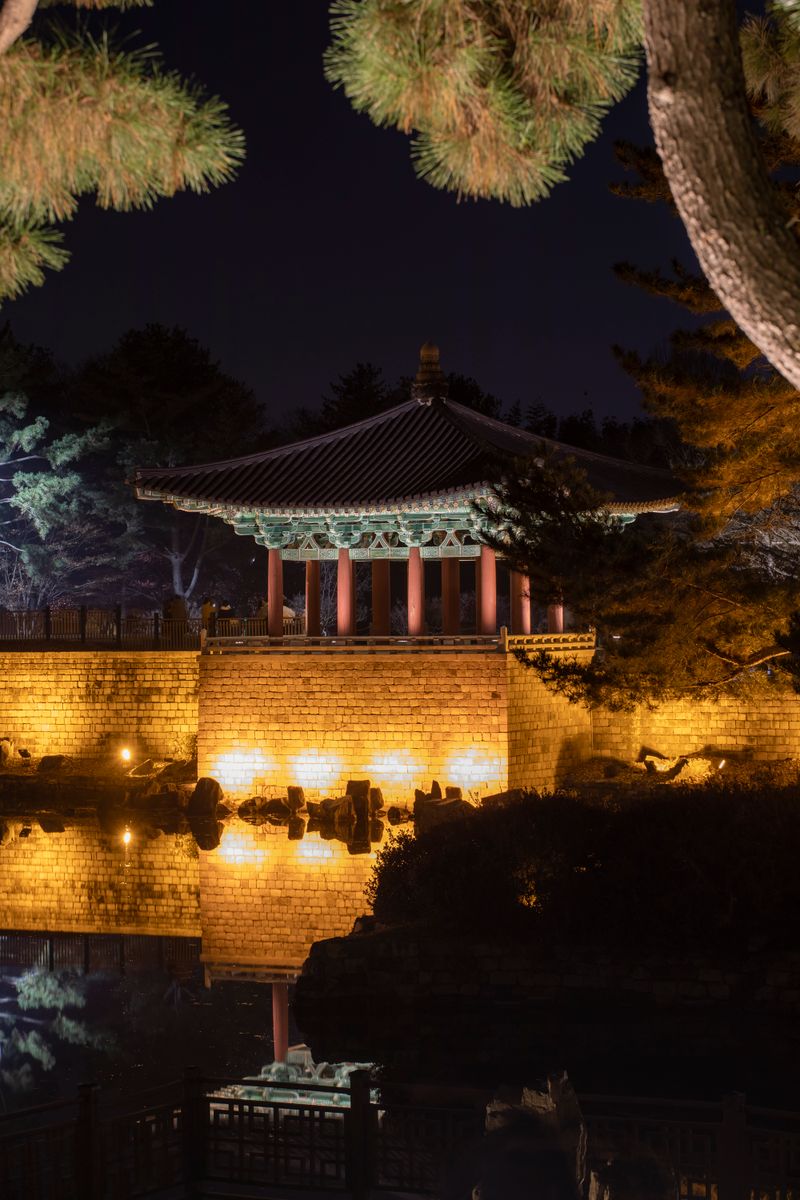
입장료는 성인 3천 원. 조명이 들어오자 임해전 건물이 연못에 그대로 비쳐서, 건물이 두 채로 보이는 착시가 생긴다. 사진으로 많이 봤던 장면인데도 막상 눈앞에서 보니 다른 느낌이었다. 21시 30분이 입장 마감이라 여유는 있는 편이지만, 자전거를 반납해야 하는 사람이라면 대여소 마감 시간(보통 오후 9시 전후)을 미리 확인해두는 게 안전하다.
하루 시간표와 비용 — 자전거로 돌면 이렇게 된다
정리하면 이렇다. 08:20 경주역 도착, 08:35 자전거 대여, 09:00~10:20 불국사(버스 왕복 포함), 10:40 자전거 재출발, 10:45~11:10 첨성대, 11:15~12:00 대릉원·천마총, 12:00~14:30 황리단길 점심·카페, 14:30~16:00 월정교 휴식, 18:40~20:00 동궁과 월지 야경. 중간에 여유 시간을 넉넉히 뒀는데도 저녁 8시면 하루 코스가 끝났다.
비용은 자전거 대여 7천 원, 불국사 버스 왕복 3천 원 안팎, 대릉원 3천 원, 동궁과 월지 3천 원, 점심과 간식까지 더하면 1인 3만 원 후반대로 하루가 끝났다. 택시를 여러 번 탔던 지난 방문보다 오히려 지출이 줄었다는 게 의외였다. 대릉원을 중심으로 더 여유롭게 짠 코스가 궁금하다면 대릉원부터 동궁과 월지 야경까지 잇는 코스도 참고할 만하다.
자주 묻는 질문
자전거 없이 버스로만 돌아도 하루에 다 볼 수 있나요?
가능은 하다. 다만 배차 간격이 15~20분인 노선을 계속 기다려야 해서 체감 이동 시간이 자전거보다 20~30분씩 늘어난다. 특히 불국사에서 시내로 돌아오는 오전 11시대는 버스 한 대를 놓치면 다음 일정이 통째로 밀릴 수 있으니, 시간표를 미리 캡처해두는 걸 추천한다.
비 오는 날에도 자전거 코스가 괜찮을까요?
추천하지 않는다. 대릉원과 황리단길 골목은 돌길이라 비가 오면 미끄럽고, 동궁과 월지 야경도 우산을 쓰고 보면 사진이 제대로 안 나온다. 비 예보가 있는 날이라면 버스나 택시 위주로 짜고, 실내 코스인 국립경주박물관을 하나 끼워 넣는 편이 낫다.
아이와 함께 가도 자전거 코스가 무리 없을까요?
초등학생 이상이면 크게 무리는 없다. 다만 불국사 왕복 버스 구간은 아이 페이스에 맞추면 시간이 더 걸리니, 전체 일정에 30분 정도 여유를 더 두는 게 좋다. 유아를 동반한다면 자전거보다는 유모차로 대릉원, 황리단길, 동궁과 월지 구간만 도는 반나절 코스로 줄이는 걸 권한다.
The first time I got pulled aside at a Korean company dinner, it wasn’t for anything I’d said. It was for something I’d sent — an email, cc’ing my manager’s boss directly, to ask a question I thought was too small to bother anyone with. Two rounds of soju in, my manager leaned over, voice low enough that only I could hear it over the grill smoke, and asked if I had a second to step outside. In the parking lot he wasn’t angry, exactly — more like someone bracing himself to explain the same thing for the fifth time to a foreigner who probably should have picked it up by now. I thought I was being efficient. He thought I’d gone over his head in front of the one person whose opinion of him mattered most that quarter. For a second, standing there in the cold, I genuinely didn’t know if I’d just torched something. Nobody had explained the rule to me beforehand, because to everyone else at that table, it wasn’t a rule. It was just how you don’t act.
That’s the part that trips people up more than anything else about Korean office culture — more than the vocabulary of titles, more than who pours whose drink. It’s not that there’s a hierarchy. Every workplace has one, on paper. It’s that the sequence you move through it matters as much as, sometimes more than, whatever you’re actually trying to say. Skip a rung, and the content of your message stops mattering. All anyone remembers is that you skipped it.
Why the Order Matters More Than the Ask
In a lot of flat-hierarchy, Silicon Valley-inspired offices, going straight to whoever can actually solve your problem is treated as initiative. You have a question for the VP, you’re two Slack messages away from the VP. Efficiency wins. Korean corporate structure runs on a different assumption: that your direct manager’s job includes knowing everything happening in your lane before anyone above them does. Bypass that, even by accident, and you haven’t just annoyed one person — you’ve made their boss wonder what else they’ve been missing.
I used to chalk this up to ego, and sometimes it is exactly that. But the sturdier reason underneath it is accountability. If a project goes sideways, the manager who got skipped is still the one who has to answer for it later, whether or not they were ever looped in. So that same accountability is exactly why, once you cross out of email and into paperwork, the chain doesn’t loosen — it turns into a physical, step-by-step path a document has to walk before anyone can act on it.
The 결재 Line: Approval as a Physical Path
Nowhere is that more visible than in gyeolje (결재), the document approval process that still shapes how ideas move through a Korean company, even at firms that consider themselves modern. A proposal doesn’t go from the person who wrote it straight to whoever can greenlight it. It climbs — draft to team lead, team lead to department head, department head to whoever sits above them — and at every rung, someone can slow it down, redirect it, or just quietly let it sit.
I watched a colleague’s proposal — a modest budget request to add a part-time hire to his team — get stuck for eleven days once, not because anyone above him disagreed, but because the mid-level approver was juggling three other documents and hadn’t gotten to his yet. In a flatter system, he could have pinged the final decision-maker directly and had an answer inside the hour. Here, that move would have solved his immediate problem and cost him something bigger: the trust of the person he’d still be working under for years. So he waited. Eleven days is a long time to sit on a hiring request, but it’s short compared to what skipping the line would have cost him.
When Age Complicates the Chart
The org chart tells you who reports to whom. It doesn’t tell you what happens when the person two levels below you is eleven years older, which happens constantly in Korean offices where promotion still leans partly on tenure. Title-wise, the younger manager outranks the older staffer. Socially, Korean age hierarchy doesn’t evaporate just because a business card says otherwise.
What actually happens is a kind of quiet choreography. The younger manager still has to give the instruction — that’s the job — but rarely does it head-on. Instead of “this needs to be redone,” it tends to come out closer to “would it work better if we tried it this way instead?” — a correction dressed up as a suggestion, so the older employee never has to visibly take an order from someone younger in front of the team. I’ve sat in meetings where a 32-year-old team lead effectively ran the room while a 45-year-old staffer nodded along, and from the outside it looked like deference flowing the wrong way. It wasn’t. It was two systems — rank and age — running in parallel, with everyone quietly agreeing not to make them collide out loud.
What Happens When You Get It Wrong
Nobody hands foreigners a manual for this, which means most of us learn it the way I did — by breaking the rule first and finding out what it was afterward. In practice, Korean colleagues tend to extend a wide grace window to non-Koreans on exactly this point; getting the sequence wrong once, especially early on, reads as someone still learning the system rather than someone deliberately disrespecting it. That grace runs out faster than you’d expect, though. Do it twice and it stops looking like an honest mistake and starts looking like a habit nobody wants to correct for you a second time.
The fix isn’t complicated, even if it felt unnatural to me at first: before sending anything up the chain, the question isn’t who can answer fastest, it’s who’s supposed to see it first. If you’re not sure, just ask your direct manager directly — “should this go through you, or can I send it straight to X?” — which, in my experience, lands as respectful every time, even on the days the honest answer is obviously “go through me.” My manager and I never talked about that parking-lot conversation again, but the way he started looping me into decisions afterward told me the account had been settled. Getting it wrong once didn’t end anything. It just meant I finally understood the rule I’d been breaking without knowing it existed.
It’s Loosening, Just Not Evenly
Startups and foreign-invested companies in Seoul have chipped away at some of this — flatter reporting lines, direct-message channels where a junior tagging a director doesn’t read as an ambush, decisions moving at the speed of the fastest useful answer instead of the slowest necessary signature. I’ve worked alongside teams like that, and the difference is real; people just say the thing to the person who needs to hear it. What usually makes it work isn’t just attitude, either — it’s that someone in leadership said the quiet part out loud during onboarding, telling new hires explicitly that pinging a founder directly is expected, not risky. Without that explicit permission, most people default back to the traditional chain out of habit, even at a company where nobody’s actually enforcing it anymore.
But even inside those companies, the instinct doesn’t fully disappear — it just gets quieter. I’ve watched employees at genuinely flat startups still cc their team lead on a message to a founder, not because any policy requires it, but because something in them still wants the person above to know before the person further above finds out. Outside of genuine emergencies, the reflex to protect the chain holds. The org chart got shorter. The habit of guarding it didn’t shrink nearly as much, and honestly, I’m not convinced it fully will, even a generation from now.
자주 묻는 질문 (FAQ)
Is it ever okay to skip a manager and go straight to someone senior?
In a genuine emergency — a client crisis, a safety issue, anything time-sensitive enough that waiting would cause real damage — yes, and most Korean managers would rather be bypassed than kept in the dark while something urgent burns. Outside of an actual emergency, the safer move is almost always a heads-up first: “I’m about to send this to X, wanted you to know.”
Does this apply the same way to foreign employees, or is there more leeway?
There’s more leeway, at least at first. Korean colleagues generally assume foreign staff are still learning the unwritten rules, so a first slip reads as inexperience rather than disrespect. Repeat it, though, and it starts getting read the same way it would for anyone else — as someone who either doesn’t understand the system or has decided not to bother with it.
The elevator in my apartment building goes 1, 2, 3, F, 5. I noticed it the week I moved in, assumed it was a typo, and rode up and down twice just to confirm I wasn’t losing my mind. I wasn’t. There is no fourth floor here, at least not one with a number on it. Nine years later I still catch myself hesitating for half a second before I press the button, like the building itself is holding its breath. That small missing digit turned out to be the least of it — it took a lot longer to figure out why my mother-in-law wanted a full report on my dreams the morning after I dreamed about a pig, or why my father-in-law used to tap my knee under the dinner table without a word of explanation. Once you start noticing Korean superstitions, you cannot stop noticing them, and after living in Seoul long enough to raise a kid here, I’ve collected a shelf’s worth.
Skeptics are quick to dismiss all of this as leftover noise from a pre-modern country that doesn’t exist anymore — Korea is one of the most wired, high-rise, next-day-delivery societies on earth, so why would anyone here still worry about ghosts. It’s a fair instinct, and it’s also not quite right. Almost nobody I know will tell you they “believe” in these things with a straight face. What they’ll do instead is quietly keep obeying the rules anyway, the way you might avoid walking under a ladder without believing in curses. Superstition in Korea survives less as faith at this point and more as habit, and habits are stubborn long after the belief behind them has worn off.
Red ink and the names you never write in it
I was correcting a coworker’s report during my first year teaching in Korea, red pen in hand, marking up a paragraph the way any teacher back home would. I wrote her full name at the top the way I’d write it on any graded paper. She looked at the page, went quiet for a second longer than normal, and asked — carefully, like she didn’t want to make a scene — if I could redo it in blue instead. I laughed it off as a preference. It wasn’t one.
The belief is that writing a living person’s name in red ink invites death or serious misfortune onto them. The origin traces back to the Joseon Dynasty, when officials recorded the names of the deceased in red in family registers and death registries, and death sentences themselves were written in red. Red, being the color of blood, already carried associations with violence and finality, so a name written in red read less like a stylistic choice and more like a notice that someone belonged to the dead. Writing a living coworker’s name that way, even by accident and with the best intentions, apparently felt uncomfortably close to writing her obituary.
You’d think this would have faded along with fountain pens and paper ledgers, but it hasn’t. Teachers I know still grade in green or blue instead of red specifically to avoid triggering it in students, and gift-shop calligraphy sets I’ve browsed almost never stock a red ink option marketed for writing names. I still carry a red pen in my bag out of old habit, and I still think twice before I hand it to anyone here for anything involving a name.
Why the number 4 basically doesn’t exist
Back to that elevator. The number 4, sa (사) in Sino-Korean, is a homophone for the character meaning death, also pronounced sa (死). Not similar, not close — identical in sound, different only on paper. That coincidence of pronunciation is enough to make an entire number quietly unwelcome in buildings, hospitals, license plates, and hotel room numbers across the country.
Hospitals take it the most seriously, for obvious reasons nobody wants to say out loud inside a hospital. A lot of older apartment blocks and hospitals either skip straight from 3 to 5 or print an F for “four” on the elevator panel instead of the digit, which is exactly the workaround my own building uses. What surprised me, digging into this a bit, is that the pattern isn’t shrinking evenly across the country. A friend who moved into a brand-new officetel in Mapo a couple of years ago has a plain, unbothered 4 on her elevator panel, no letter substitution in sight, while my considerably older building two subway stops away still won’t print the digit. Tetraphobia hasn’t disappeared, but it’s noticeably softer among the developers building Seoul’s newest towers than it was for whoever built mine.
Fan death, and why I still crack a window
If you’ve spent any time around Korean summer news coverage, you’ve run into fan death, 선풍기 사망설: the belief that sleeping in a sealed room with an electric fan running all night can kill you, through some combination of suffocation, hypothermia, or a fan somehow “using up” the oxygen in the air. I want to be careful here, because it’s easy to either mock this or accidentally repeat it as settled fact, and it’s neither. There is no medical mechanism by which a fan does that to a sleeping adult in an ordinary room, and no health authority anywhere treats it as established medicine. It’s a folk belief worth understanding, not a diagnosis worth repeating.
What’s genuinely interesting is how old and specific the fear is. A July 1927 story in the newspaper Jungoe Ilbo ran under the headline “Strange Harm From Electric Fans,” warning readers of nausea, asphyxiation, and facial paralysis from the new appliance, and claiming the spinning blades created “a vacuum directly in front” that left the lungs starved of oxygen. That’s decades before anyone could pin it on a 1970s energy-crisis government conspiracy, which is the version I’ve heard most often from Korean friends when I first asked about it. It’s a fun story, but the timeline doesn’t survive contact with a 1927 headline; this looks much more like an old anxiety about a genuinely new, unfamiliar machine that never fully got corrected by better information, partly because Korean media kept running fan death stories as reliable summer filler for the better part of a century. Every fan sold here still comes with a built-in shutoff timer, ostensibly marketed for saving electricity, though I notice everyone I know actually sets it specifically so the fan turns off partway through the night. Old habits again, dressed up as a power bill concern. I run mine all night now with no ill effects, but I’ll admit I still crack the window an inch, and I honestly couldn’t tell you whether that’s meteorology or several decades of secondhand caution talking through me.
Whistling after dark
My mother-in-law shushes my son the instant he starts whistling once the sun goes down, and for years I assumed it was a plain noise complaint. It isn’t. The belief is that whistling at night calls in ghosts, restless spirits, or snakes, depending on who you ask and which region their grandmother came from. There’s an old saying, roughly “if you play a flute at night, snakes will come out,” and whistling gets folded into the same warning.
The more plausible origin has nothing to do with the supernatural and everything to do with pre-electric Korea, when families went to sleep early to be up for farm work at dawn, oil and candles were expensive enough to ration, and the countryside after dark was genuinely, physically dangerous. A kid whistling in the pitch black outside was a kid inviting real snakes and real trouble, and worrying a household that couldn’t just flip on a porch light to check. The ghost story is a lot more memorable than “please stay near the house and be quiet,” so the ghost story is the one that survived the generations while the boring practical warning underneath it quietly disappeared. I still catch myself instinctively not whistling on late walks home even though I understand exactly why the rule exists and don’t believe a word of the ghost half of it.
The leg you’re not supposed to shake
Dari tteolmyeon bok naganda, 다리 떨면 복 나간다: if you shake your leg, your luck runs right out of you. I got told this constantly by my father-in-law before I’d even been in the country a year, usually via a light tap on the knee mid-sentence, no explanation offered or apparently needed.
There’s a folk story behind it about a wealthy landlord with a habitual leg-shaking tic, a man who tapped his knee constantly without noticing he was doing it. A fortune teller visiting his house supposedly told him the habit was literally shaking his fortune loose with every twitch, wasting his wealth away one tremor at a time — and in the version I’ve heard most often, the landlord had his own legs broken to force himself to stop, only to grow considerably richer in the years afterward. It’s a genuinely gruesome parable to attach to something as small as table manners, and I’d push back a little on taking the “wealth pouring out through your legs” logic too literally. It reads to me more like an old-fashioned etiquette correction that picked up a scarier folklore backstory somewhere along the way, the same way a lot of “don’t do that, it’s rude” rules acquire a dramatic origin story once nobody remembers the plain original reason. Whatever its true history, it still works on me. I have never once shaken my leg at a Korean dinner table without someone across from me noticing immediately.
The first customer of the day
Shop owners here, especially in markets and smaller storefronts, care a great deal about who walks in first each morning and how that interaction goes. The belief is that the first sale sets the tone for the whole day’s business — a good, generous first transaction supposedly draws more customers in behind it, while a difficult first customer, someone who haggles hard or browses and leaves empty-handed, can supposedly sour the shop’s luck, jaesu eopda (재수 없다), for hours afterward.
I’ve watched this play out in small ways more than once at a market near where I used to live, where a vendor visibly relaxed the moment an early customer bought something without complaint, almost like a held breath finally being let go. Whether that actually changes sales for the rest of the day is unknowable and probably doesn’t, but it clearly shapes how shopkeepers treat that first interaction, and if you happen to be the first customer somewhere small in the morning, you might notice you get handled just a little more carefully than usual. I now try, half on purpose, to be an easy first customer wherever I go early. It costs me nothing, and for a few thousand won it buys someone a calmer first hour of their workday.
Superstitions like this one tend to travel with the same everyday, unwritten social codes I’ve covered elsewhere — like why so many Koreans will still ask a near-stranger their blood type as a kind of folk personality read, or the small etiquette landmines in what not to do in Korea as a foreigner. None of it is written down as law anywhere. All of it gets enforced socially, gently, and constantly.
Pig dreams and the numbers you actually play
This one is my favorite, mostly because of how cheerfully it turns straight into cash. Dream of a pig, 돼지꿈, and Korean folk belief says good fortune, often specifically money, is heading your way. The fatter the pig and the more of them crowding into the dream, the bigger the windfall is supposed to be — a herd of pigs pushing into your house is treated as close to a jackpot omen. Dreams involving feces run on a similarly inverted logic: getting covered in it, touching it, watching it fill a room, all read as signs that success and wealth are about to arrive, on the reasoning that things moving smoothly out of your body mirrors things about to move smoothly into your bank account. That connection sounds like a stretch until you hear it explained by someone completely unembarrassed by it, which is exactly how every Korean friend I’ve asked has explained it to me.
Here’s the part that actually gets acted on: a genuinely good pig or poop dream is treated as a real cue to go buy a lottery ticket, 로또, that same week, before the luck supposedly wears off. I’ve watched a coworker recount a pig dream over coffee in complete seriousness and then walk to the nearest convenience store on her lunch break specifically to buy tickets. I can’t pretend to understand the mechanism by which last night’s dream content should predict a random number draw, and I don’t think most people buying tickets over it think it does either. It functions less like forecasting and more like giving yourself formal permission to spend a few thousand won on a small, structured hope — which might be the single most honest reason anyone buys a lottery ticket anywhere.
Why any of this still matters
None of the people I’ve quoted or half-quoted in this piece would call themselves superstitious if you asked them directly. Most would laugh and blame their grandmother. But the habits persist anyway — the red pen stays in the drawer, the fan’s timer gets set out of caution rather than economy, the leg stops shaking the instant someone taps your knee — and I think that gap between “I don’t actually believe this” and “I’m still going to do it” is the most quietly Korean thing on this whole list. It was never really about ghosts, or death, or luck leaking out through your kneecap. It’s a shared vocabulary of caution passed down whether or not anyone still signs off on the logic underneath it, and live here long enough, and you start speaking it too, whether you meant to or not.
Frequently asked questions
Is fan death actually dangerous, or is it just a story?
It’s folklore, not medicine — no established mechanism explains how a fan running overnight in a normal room would harm a sleeping adult, and no health authority treats it as fact. What is real is the fear’s age: warnings about electric fans in Korea date back to a 1927 newspaper article, which is why fans sold here still ship with automatic shutoff timers today.
Do young Koreans still take these superstitions seriously?
Mostly no, at least not as literal belief. What I’ve noticed living here is that the behavior outlasts the belief itself — someone in their twenties will roll their eyes at the idea that a red pen curses a name, and then still hand you a blue one without a second thought. At this point it functions more like inherited etiquette than religion.
If I’m visiting Korea, do I actually need to worry about any of this?
Not worry, exactly, but a few basics are worth knowing so you don’t accidentally offend someone: don’t write a Korean friend’s name in red pen on a gift card or thank-you note, don’t whistle loudly late at night in a quiet residential alley, and if a shopkeeper seems oddly invested in your first purchase of the day, that’s not you imagining things.