회사 건강검진 결과표를 받아든 김 부장, 혈압란에 찍힌 숫자 앞에서 손이 잠깐 멈췄다. 145에 92. 작년까지만 해도 128에 84였는데, 1년 사이 뭐가 이렇게 뛰었나 싶었다. “어제 회식에서 치맥을 좀 먹긴 했는데…” 하고 슬쩍 변명거리를 찾아보다가, 문득 뱃살을 내려다보고는 입을 다물었다. 담배도 안 피우고 술도 회식 때만 마시는데 억울하다는 생각이 먼저 들었다. 그런데 간호사는 별일 아니라는 표정으로 “이 나이대에 흔한 거예요”라고 했다. 흔하다니, 그 말이 오히려 더 이상하게 들렸다.
마흔 살, 혈관은 왜 하필 지금 삐걱대기 시작할까
정상 혈압은 수축기(최고) 120mmHg, 이완기(최저) 80mmHg 미만이다. 140/90을 넘으면 고혈압으로 분류된다. 숫자만 보면 20mmHg 차이가 별거 아닌 것 같은데, 혈관 벽 입장에서는 매일 반복되는 20mmHg가 결코 작은 차이가 아니다. 문제는 이 숫자가 20~30대에는 잘 안 움직이다가 40대 중반을 넘기면서 갑자기 오른다는 점이다. 왜 하필 이 시기일까.
혈관은 나이를 먹을수록 탄력을 잃는다. 젊을 때는 고무호스처럼 늘어났다 줄어들며 압력을 흡수하지만, 혈관벽에 콜레스테롤이나 칼슘이 조금씩 쌓이면 점점 딱딱한 파이프에 가까워진다. 이 변화는 사실 20~30대부터 조용히 진행된다. 그러다 40대에 체중 증가나 근육량 감소 같은 요인과 한꺼번에 겹치면서 그제야 수치로 드러난다. 그러니까 혈압이 마흔에 갑자기 생긴 게 아니라, 마흔이 되어서야 숨어 있던 게 들킨 셈이다.
여성이라면 이야기가 조금 더 복잡해진다. 폐경 전후로 혈관을 보호하던 에스트로겐이 줄어들면서 혈압이 눈에 띄게 오르는 경우가 많다. “나 요즘 왜 이렇게 뒷목이 뻐근하지, 갑자기 열이 확 오르네” 하다가 정작 혈압까지 같이 뛰고 있다는 사실은 뒤늦게 알아차리는 경우가 흔하다. 갱년기 증상 하면 보통 안면홍조나 불면부터 떠올리지만, 혈압 변화도 그 목록에 조용히 끼어 있다가 뒷목 통증이나 두근거림으로 존재감을 드러낸다. 40~50대 갱년기가 왜 갑자기 찾아오는지 궁금하다면 함께 읽어봐도 좋다. 남성이라고 예외는 아니다. 복부 지방이 늘고 스트레스 호르몬 분비가 잦아지면 혈압은 성별과 무관하게 반응한다.
생활습관, 어디부터 손봐야 실감이 날까
병원에서 “짜게 먹지 마세요”라는 말을 들으면 대부분 김치나 젓갈부터 줄인다. 그런데 정작 혈압을 밀어 올리는 건 라면 국물이나 찌개 국물처럼 눈에 잘 안 띄는 액체 나트륨인 경우가 더 많다. 세계보건기구 권장량은 하루 소금 5g, 국내 권장량은 6g인데, 라면 한 봉지 국물만 다 마셔도 이미 그 절반을 넘긴다. 소금 섭취를 5g 수준으로만 줄여도 수축기 혈압이 4~6mmHg 떨어진다는 연구 결과가 있다. 이 정도면 별것 아닌 숫자처럼 보이지만, 혈압약 반 알 정도의 효과와 맞먹는 변화라고 하면 얘기가 좀 달라진다. 국물을 반만 남기는 습관 하나로 약 한 알의 절반을 대신하는 셈이다.
나트륨만큼, 어쩌면 그보다 중요한 것
소금을 줄이는 것만큼, 아니 어쩌면 그 이상으로 혈관을 지키는 의외의 방법이 있다. 바로 식사 순서다. 채소를 먼저 먹고 밥과 국을 나중에 먹는 것만 바꿔도 혈당과 혈압이 훨씬 완만하게 오르내린다. 왜 그럴까. 급격한 혈당 스파이크는 혈관을 순간적으로 긴장시키고, 그 긴장이 하루에도 몇 번씩 반복되면 평소 혈압도 조금씩 함께 밀려 올라간다. 채소, 단백질, 탄수화물 순서로 먹는 식습관이 벌써 혈압 관리의 첫걸음인 이유다.
두 달 만에 끊는 헬스장보다 동네 산책이 나을 수도 있다
운동을 독하게 해야만 혈압이 잡힌다는 생각, 40대에겐 오히려 독이 될 수 있다. 헬스장을 등록하고 두 달 만에 그만두는 패턴이 이 나이대에서 유독 자주 보이기 때문이다. 사실 혈압 관리에 필요한 운동 강도는 생각보다 낮다. 하루 30분, 주 5회 빠르게 걷는 정도의 유산소 운동만으로도 수축기 혈압이 5~8mmHg 낮아진다는 보고가 있다. 헬스장까지 갈 필요 없이 아파트 단지를 두세 바퀴 도는 정도의 강도면 충분하다는 뜻이다. 40대 이후 근육량이 줄어드는 이유와도 맞닿아 있는 얘기인데, 걷기만 꾸준히 해도 다리 근육이 붙으면서 혈액을 심장 쪽으로 밀어 올리는 힘, 이른바 ‘제2의 심장’ 역할이 살아난다.
커피 한 잔이 다음 날 아침 혈압을 바꾼다
“스트레스 받으면 혈압 오른다”는 말, 너무 많이 들어서 오히려 흘려듣기 쉽다. 그런데 이 흔한 말 안에 생각보다 직접적인 인과관계가 숨어 있다. 순서는 이렇다. 오후 늦게 마신 카페인이 밤 수면의 깊이를 얕게 만들고, 얕은 잠이 며칠 이어지면 자율신경이 제대로 쉬지 못한 채 다음 날 아침을 맞는다. 그 결과가 고스란히 아침 혈압으로 나타난다. 야근이 잦고 커피로 버티는 40대 직장인이라면, 오후 3시 이후 커피 한 잔만 줄여도 이 연쇄 고리를 끊을 수 있다. 수면 시간이 6시간 미만으로 며칠 이어지면 혈압이 오르는 경향은 여러 연구에서 반복적으로 확인된 부분이라, 야근 다음 날 혈압이 유독 높게 나왔다면 우연이 아닐 가능성이 크다.
방금 잰 그 혈압, 실은 5mmHg 높게 나왔을 수도 있다
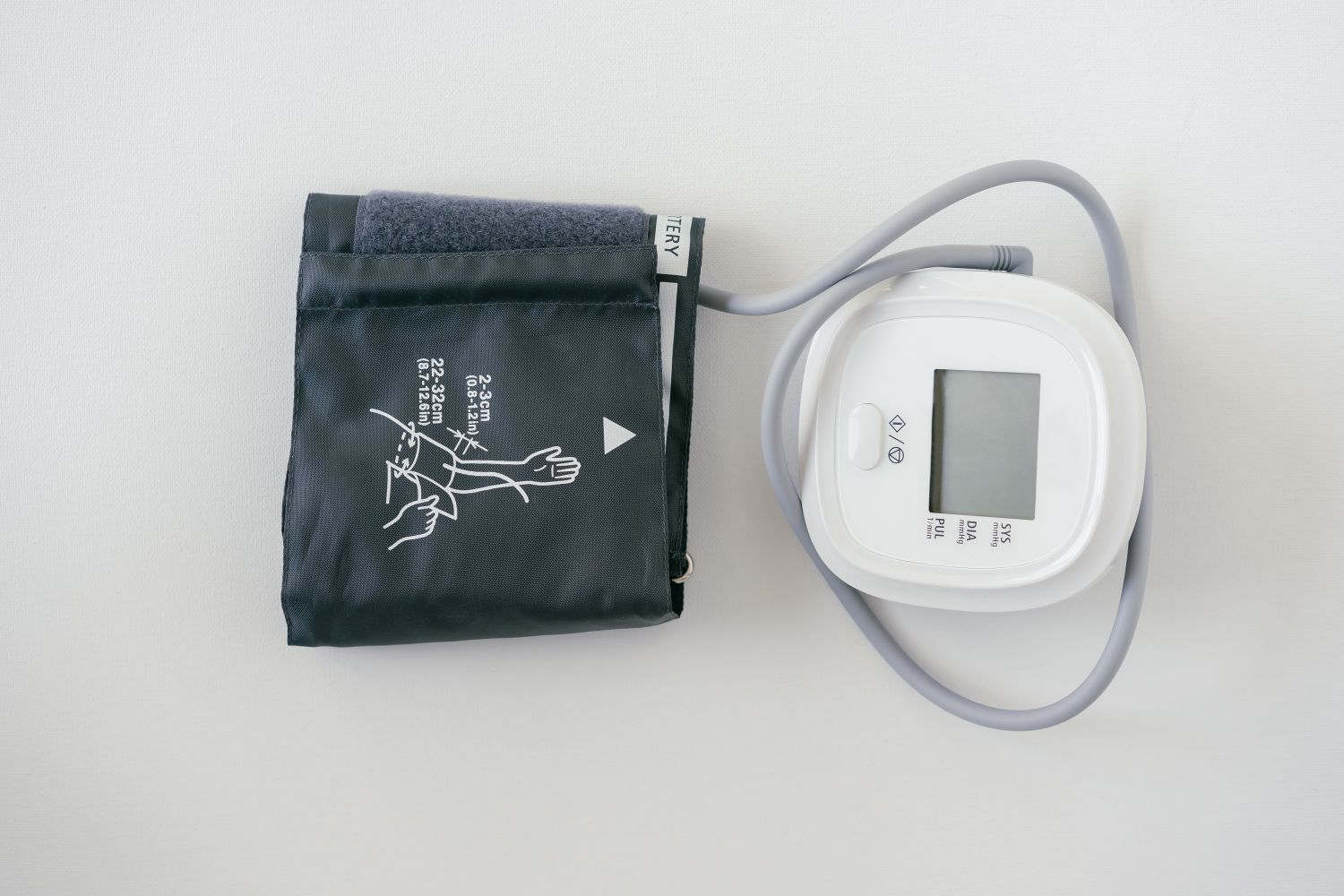
혈압계를 샀다고 다 끝난 게 아니다. 앉자마자 팔을 걷고 바로 재는 사람이 벌써 흔하다. 그런데 이렇게 재면 실제보다 5~10mmHg 정도 높게 나오는 경우가 많다. 정확히 재려면 먼저 등받이가 있는 의자에 등을 기대고 앉아 5분 이상 가만히 있어야 한다. 다리는 꼬지 않고 바닥에 평평하게 내려놓는다. 커프는 심장과 같은 높이, 그러니까 팔뚝 위쪽 맨살이나 얇은 옷 위에 손가락 하나 들어갈 정도로 감는다. 별거 아닌 것 같은 이 5분이 실제 수치를 10 가까이 바꿔놓을 수 있다는 게 의외다.
측정 시간도 은근히 중요하다. 식사 직전, 약 먹기 전, 흡연했다면 30분 후, 커피 마셨다면 1시간 후에 재는 게 원칙이다. 아침에 한 번, 저녁에 한 번씩 2회 측정해서 평균을 내는 방식이 권장되는데, 한 번 재고 “오늘은 괜찮네” 하고 끝내버리면 하루 중 변동폭을 놓치기 쉽다. 위팔에 감는 자동혈압계가 손목형보다 정확도가 높다는 점도 기억해두면 좋다.
이럴 땐 더 미루지 말고 병원부터 가야 한다
집에서 잰 수치가 며칠 연속 140/90을 넘긴다면, 그때부터는 혼자 판단하고 넘길 문제가 아니다. 특히 두통이 평소와 다르게 뒷목 쪽으로 뻐근하게 오거나, 어지럼증이 반복되거나, 가슴이 답답한 느낌이 새로 생겼다면 며칠 더 지켜보지 말고 진료를 받아보는 게 맞다. 처음 높은 수치가 한 번 나왔다고 바로 고혈압으로 단정 짓지는 않는다. 하루 간격을 두고 최소 두 번 더 측정해서 반복적으로 기준을 넘는지 확인하는 절차가 보통이다. 이미 고혈압 진단을 받은 상태라면 3~6개월마다 정기적으로 검사받는 흐름이 일반적이다.
자주 묻는 질문
Q. 운동 직후에 잰 혈압이 평소보다 훨씬 높게 나왔어요. 이것도 고혈압인가요?
운동 직후에는 심장이 더 많은 피를 뿜어내야 하니 혈압이 일시적으로 오르는 게 자연스럽다. 걷기나 계단 오르기 직후 수치가 150을 넘어도, 30분쯤 쉬고 다시 재서 정상 범위로 돌아온다면 크게 걱정할 상황은 아니다. 다만 안정 상태에서 잰 수치가 반복적으로 높다면 그건 별개 문제이니 따로 기록해두는 게 좋다.
Q. 저는 마른 편인데도 혈압이 높게 나옵니다. 살찐 사람만 고혈압인 거 아니었나요?
체중은 여러 원인 중 하나일 뿐이다. 가족력, 나트륨 민감도, 스트레스, 수면의 질처럼 체중과 무관한 요인만으로도 혈압은 충분히 오를 수 있다. 마른 체형인데 혈압이 높다면 오히려 유전적인 소인이나 짠 음식 선호 같은 다른 원인을 살펴보는 편이 도움이 된다.
Q. 혈압약을 먹기 시작하면 평생 끊을 수 없다는 말이 있던데, 사실인가요?
이런 이야기 때문에 약 시작을 미루는 경우를 종종 본다. 하지만 이건 개인마다 편차가 커서 일률적으로 답하기 어려운 부분이다. 체중 감량이나 생활습관 개선으로 수치가 안정되면 복용량을 조절하는 사례도 있고, 반대로 계속 유지해야 하는 경우도 있다. 이 판단은 검사 결과와 개인 상태를 종합해서 의료진이 내리는 영역이라, 궁금하다면 담당의와 직접 상의하는 게 가장 정확하다.
이 글은 일반적인 건강 정보를 정리한 것으로, 실제 진단이나 처방을 대신할 수 없다. 정확한 진단과 치료는 반드시 전문의와 상담하세요.
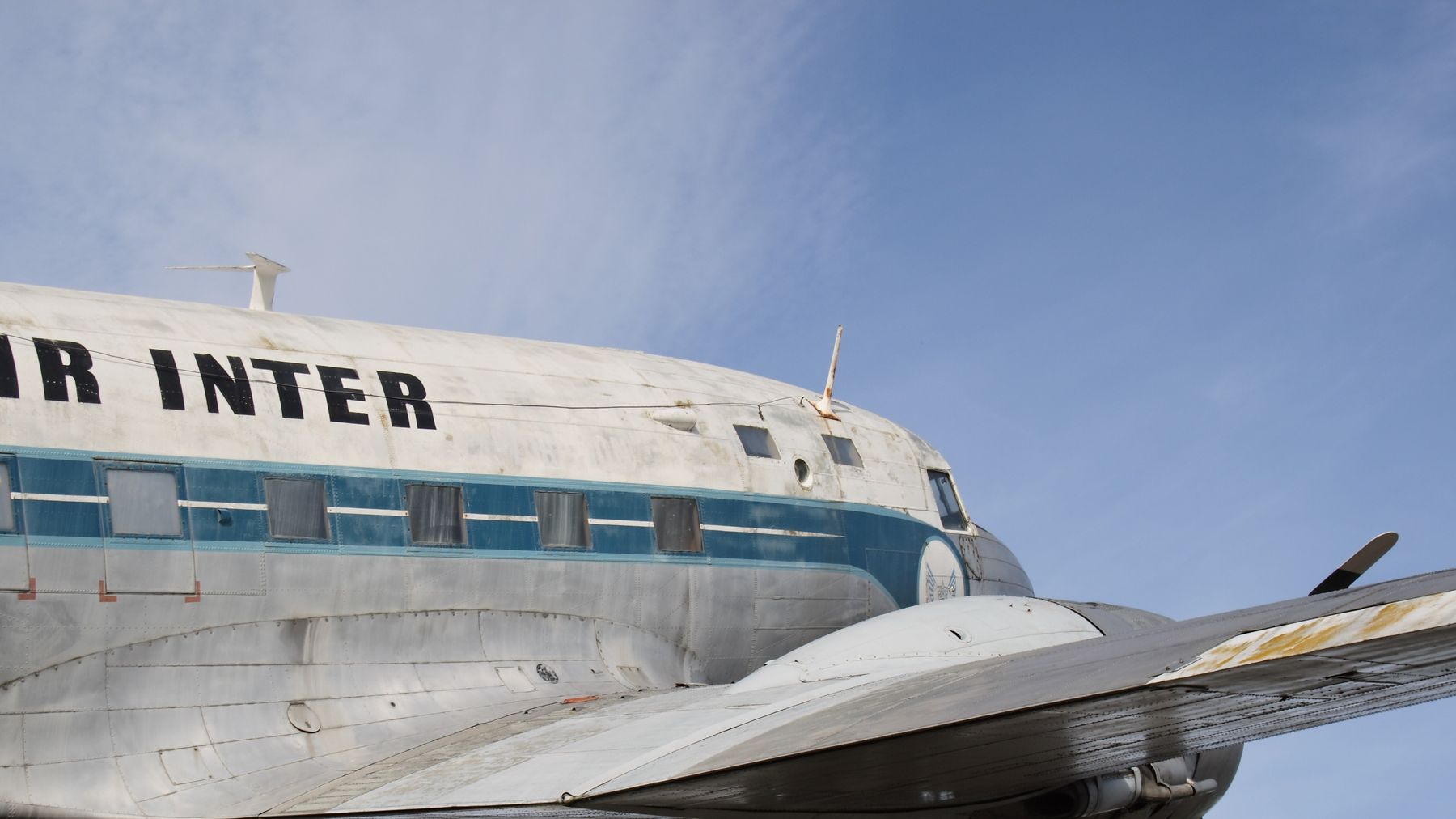
1945년 12월 5일 오후 2시 10분, 플로리다 포트로더데일 해군기지에서 뇌격기 다섯 대가 떴다. 조종사 아홉 명, 훈련병 다섯 명, 도합 열네 명. 항로는 단순했다. 동쪽으로 나갔다가 방향을 틀어 돌아오는 두 시간짜리 항법 훈련이었다. 그런데 오후 4시가 넘어가면서 관제탑 무전기에 낯선 목소리가 흘러나왔다. “나침반이 이상하다. 어느 쪽이 서쪽인지 모르겠다.” 그리고 몇 시간 뒤, 다섯 대는 물론이고 이들을 찾으러 나갔던 구조기 한 대까지 통째로 사라졌다. 탑승자 27명은 지금까지 단 한 명도, 잔해 한 조각도 발견되지 않았다.
이 오후 하나가, 전 세계를 수십 년간 홀린 ‘버뮤다 삼각지대’라는 이름의 시작이었다. 흔히 이 지역 얘기를 꺼내면 사람들은 UFO나 초자연 현상부터 떠올리는데, 사실 이 미스터리의 진짜 재미는 다른 데 있다. 실제로 무슨 일이 있었는지 무전 기록, 항해일지, 유족 증언까지 상당히 자세히 남아있는데도, 여든 해가 지나도록 결론이 안 나는 이유가 따로 있다는 점이다.
플라이트 19, 마지막 교신은 이렇게 끝났다
편대장은 찰스 테일러 중위였다. 경력 자체는 나쁘지 않았다. 그런데 이날따라 나침반 두 개가 서로 다른 방향을 가리킨다며 혼란스러워했다는 교신 기록이 남아있다. 대원들은 “플로리다 키스 상공인 줄 알았는데 바하마 같다”는 식으로 위치를 놓쳤고, 무전으로 오간 계산에 따르면 오후 6시 무렵 남은 연료로는 앞으로 한 시간 반 정도밖에 버틸 수 없는 상황이었다. 해는 이미 저물고 있었고, 바다 위에서 밤을 맞는다는 건 곧 착수(着水) 외에 다른 선택지가 없다는 뜻이었다. 오후 7시 4분, 마지막으로 잡힌 교신에서는 잡음 섞인 목소리만 들렸다고 한다. 그 뒤로는 아무 신호도 없었다.
구조를 나간 PBM 마리너 비행정도 사라졌다는 사실은 의외로 잘 안 알려져 있다. 승무원 13명을 태운 이 비행정은 이륙 직후 근처를 지나던 상선에서 “하늘에서 폭발이 있었다”는 목격담이 나왔는데, 마리너 기종이 원래 연료 누출로 인한 폭발 사고가 잦았던 기종이라는 점을 감안하면 이쪽은 오히려 설명이 되는 편이다. 문제는 다섯 대의 뇌격기 쪽이다. 미 해군은 공식 조사 보고서에서 “원인 불명”이라고 적었다가, 테일러 중위 유족의 항의를 받고 나서야 “조종사 과실 가능성”으로 슬쩍 수정했다.
그보다 27년 앞서, USS 사이클롭스호는 통째로 증발했다
플라이트 19가 유명하다 보니 이 사건이 버뮤다 삼각지대의 시작이라고 생각하기 쉬운데, 사실 진짜 원조는 따로 있다. 1918년 3월 4일, 미 해군 보급함 USS 사이클롭스호가 바베이도스를 떠나 메릴랜드주 볼티모어로 향했다. 배 위에는 승조원과 승객을 합쳐 306명이 타고 있었다. 함장은 조지 워싱턴 워를리였는데, 이 사람 자체가 좀 수상쩍은 인물이었다는 후일담이 많다. 평소 술버릇이 고약하고 선원들을 함부로 대해서 원성이 자자했다는 것이다. 그래서인지 사고 직후부터 “혹시 선원들이 반란을 일으켜 함장을 바다에 던져버리고 다른 항구로 도망친 것 아니냐”는 소문까지 돌았는데, 이 역시 뒷받침할 증거는 하나도 나오지 않았다.
그런데 배는 볼티모어에 도착하지 않았다. 조난 신호 한 번 없이, 잔해 하나 없이 그냥 사라져 버렸다. 306명이 한꺼번에 실종된 이 사건은 지금까지도 미 해군 역사상 전투와 무관한 최대 인명 손실 사고로 남아있다. 1918년이면 1차 세계대전이 한창이던 때라 독일 U보트의 어뢰 공격을 의심하는 시각도 있었는데, 정작 전후 독일 해군 기록을 다 뒤져봐도 이 배를 공격했다는 기록은 나오지 않았다. 그러니까 적의 소행도 아니고, 폭풍 기록도 그날따라 딱히 없었다는 뜻이다. 반란설도, 공격설도 아니라면 남는 건 결국 배 자체의 문제인데, 사고 직전 검사 기록을 보면 이 배는 원래 최대 적재량보다 훨씬 많은 망간 광석을 싣고 있었다. 무게 중심이 흐트러진 배가 거친 파도 한 번에 그대로 뒤집혔을 가능성이 지금은 가장 설득력 있는 추정으로 꼽힌다.
더 이상한 건 따로 있다. 사이클롭스호와 거의 똑같은 항로, 거의 똑같은 화물을 실었던 자매함 두 척이 훗날 2차 세계대전 시기에 역시 같은 해역 근처에서 흔적 없이 사라졌다는 점이다. 우연이라기엔 지나치게 반복적이라 당시 언론이 대서특필했고, 이게 버뮤다 삼각지대라는 개념이 대중 사이에 퍼지는 데 한몫했다.
그런데 통계로 보면 얘기가 좀 달라진다
여기서 한번 짚고 넘어가야 할 부분이 있다. 버뮤다 삼각지대가 다른 바다보다 유독 사고가 많은 구역이냐고 물으면, 놀랍게도 답은 “그렇다고 보기 어렵다”에 가깝다. 미국 해안경비대와 국립해양대기청(NOAA)은 이 지역을 공식 명칭으로조차 인정하지 않는다. 두 기관 모두 “다른 대양 항로와 비교했을 때 이례적으로 사고가 많다는 근거가 없다”는 입장을 반복해서 밝혀왔다.
1975년, 미국의 도서관 사서였던 래리 쿠시라는 인물이 이 문제를 아예 정면으로 파고들었다. 버뮤다 삼각지대에서 벌어졌다고 알려진 실종 사고 목록을 하나하나 원본 기록까지 추적한 것이다. 결과는 꽤 허탈했다. 상당수는 애초에 삼각지대 밖에서 벌어진 사고였고, 일부는 날짜나 좌표 자체가 잘못 인용되고 있었으며, 몇몇은 나중에 다른 지역에서 생존자가 발견됐는데도 계속 ‘실종’으로 소개되고 있었다. 그러니까 미스터리의 절반쯤은 사실관계 자체가 부정확했던 셈이다.
그렇다고 이 해역이 아무 위험도 없는 평범한 바다냐 하면, 그것도 아니다. 이 지역엔 멕시코만류라는 세계에서 손꼽히게 강한 해류가 흐르는데, 시속 6~8km에 달하는 이 흐름은 작은 배 한 척을 몇 시간 만에 원래 항로에서 수십 km나 밀어낼 만큼 힘이 세다. 항해 도중 위치를 잘못 계산했다가는 순식간에 엉뚱한 좌표에 가 있게 된다는 뜻이다. 여기에 갑작스러운 열대성 폭풍이나 워터스파우트(바다 위 회오리)가 툭하면 발생하고, 해저 지형도 얕은 여울과 3천m 넘는 깊은 해구가 뒤죽박죽 섞여 있다. 게다가 이 근방은 취미 삼아 요트를 몰거나 소형 비행기를 조종하는 초보자들의 통행량이 유난히 많은 구역이기도 하다. 2016년 미국 해안경비대 통계에 따르면 이 해역에서 발생한 사고의 약 82%가 정식 항해·비행 훈련을 받지 않았거나 경험이 부족한 사람이 관련된 경우였다. 결국 신비한 힘보다는, 조건 자체가 실수를 저지르기 딱 좋게 갖춰진 바다라고 보는 편이 맞다.
메탄 하이드레이트설 — 그럴듯한데 증명은 안 된다
과학적으로 가장 자주 인용되는 가설은 메탄 하이드레이트 폭발설이다. 해저에는 저온·고압 상태에서 얼음처럼 굳어 있는 메탄 하이드레이트라는 물질이 대량으로 매장돼 있는데, 수온이 오르거나 지진 같은 지각 변동이 생기면 이게 갑자기 불안정해지면서 거대한 메탄 가스 기포를 뿜어낼 수 있다는 이론이다. 2010년 호주의 조지프 모니건 교수가 이 내용을 논문으로 정리해 발표하면서 다시 화제가 됐다.
원리 자체는 물리적으로 말이 된다. 대량의 가스 기포가 수면 위로 솟구치면 그 부분 바닷물의 밀도가 순간적으로 뚝 떨어진다. 배는 이 급감한 부력을 견디지 못하고 마치 거품 목욕물에 가라앉듯 빠르게 침몰할 수 있다는 것이다. 실제로 노르웨이 실험실에서 축소 모형으로 재현했을 때 비슷한 현상이 관찰되기도 했다. 문제는 그다음이다. 지질학자들이 이 해역 해저를 조사한 결과, 최근 1만 5천 년 사이에 그 정도 규모의 메탄 분출이 있었다는 지질학적 증거가 발견되지 않았다. 실험실에서 되는 일이 실제 바다에서, 그것도 선박이 지나가는 딱 그 시점에 반복적으로 일어났다는 증거는 결국 하나도 못 찾은 셈이다. 그럴듯한 이야기지만 증명된 이야기는 아니라는 얘기다.
나침반이 미쳐버리는 구역이라는 자기장 이상설
플라이트 19의 마지막 교신에서 테일러 중위가 “나침반이 이상하다”고 말했다는 대목, 앞에서 잠깐 언급했는데 이게 또 다른 가설의 출발점이다. 버뮤다 삼각지대는 지구상에서 몇 안 되는 ‘진북(眞北)’과 ‘자북(磁北)’이 정확히 일치하는 구역, 이른바 무편각선(agonic line)이 지나는 지점 중 하나다. 대부분의 항해사와 조종사는 나침반이 가리키는 자북과 지도상의 진북 사이에 오차가 있다는 걸 전제로 계산해서 항로를 잡는다. 그런데 이 구역에서는 그 오차가 0에 가까워서, 평소 습관대로 보정 계산을 해버리면 오히려 항로가 어긋난다.
듣기엔 그럴듯한데, 이것도 결정타는 못 된다. 무편각선은 지구 자전축 이동에 따라 시대별로 조금씩 위치가 바뀌긴 해도 지금도 미국 오대호 근처나 남태평양 일부 등 지구 곳곳을 지나는데, 그 지역들에서 유독 실종 사고가 몰린다는 통계는 없다. 결국 이 가설은 “초보 항법사가 헷갈리기 쉬운 조건이 갖춰진 곳”이라는 정도의 설명력만 갖는다. 신비한 자기장 이상이라기보다는, 지도 읽는 습관과 실제 지형이 어긋나는 함정에 가깝다는 뜻이다.
결국 가장 재미없는 설명이 가장 유력하다
메탄도, 자기장도 결정타가 못 된다면, 초자연적 상상을 걷어내고 남는 진짜 원인은 뭘까. 여러 가설을 다 훑고 나면 김이 좀 빠질 수도 있는데, 전문가 대다수가 동의하는 결론은 사실 특별할 게 없다. 악천후, 항법 실수, 정비 불량, 그리고 이 세 가지가 겹치는 불운. 플라이트 19도 결국 편대장의 방향 착각에 갑작스러운 기상 악화가 겹치고, 밤이 되면서 연료가 바닥난 상황이 포개진 사고로 보는 시각이 지배적이다. 사이클롭스호 역시 과적 상태였다는 기록이 남아있고, 사고 전날 갑작스러운 기계 결함으로 엔진 하나가 멈췄다는 항해일지도 있었다.
그런데도 이 설명이 잘 안 먹히는 이유가 있다. 사람들은 “운이 나빴다”는 답보다 “뭔가 숨겨진 원리가 있다”는 답을 훨씬 더 좋아한다. 심리학에서는 이걸 패턴 추구 성향이라고 부르는데, 무작위로 벌어진 사건들 사이에서도 굳이 연결고리를 찾아내려는 인간의 본능적 습성이다. 1974년 찰스 벌리츠라는 작가가 쓴 책 《버뮤다 삼각지대》가 500만 부 넘게 팔리면서 이 개념이 전 세계적으로 굳어졌는데, 정작 이 책에 인용된 사례 상당수가 훗날 부정확하거나 과장됐다는 게 밝혀졌다. 흥미로운 건 이야기가 한번 자리 잡고 나면, 반박 자료가 아무리 쌓여도 원래 이미지가 잘 안 지워진다는 점이다.
우리가 오래 붙잡고 있는 미스터리에는 공통된 재료가 있다. 무전 기록이나 항해일지처럼 ‘확실한 사실 조각’이 있고, 그 조각들을 하나로 이어줄 ‘결정적 증거의 빈틈’이 있고, 그 빈틈을 메우는 건 결국 사람들의 상상력이라는 점이다. 예전에 다뤘던 로즈웰 UFO 사건도 똑같은 얼개였다. 실제 잔해는 있었고, 공식 발표는 여러 번 바뀌었고, 그 사이 공백을 대중의 상상력이 메웠다. 버뮤다 삼각지대도 마찬가지다. 사라진 사람과 배는 실제로 있었다. 다만 그 이유가 초자연적이지 않다는 게, 어쩌면 가장 받아들이기 힘든 결론일지도 모른다.
자주 묻는 질문
버뮤다 삼각지대는 지도에 정식으로 표시된 구역인가요?
아니다. 플로리다, 버뮤다 제도, 푸에르토리코 세 지점을 잇는 대략적인 삼각형 해역을 가리키는 대중적 명칭일 뿐, 미국 지명위원회(BGN)나 NOAA 어디에도 공식 경계선으로 등록돼 있지 않다. 그래서 책이나 다큐멘터리마다 삼각형의 범위가 조금씩 다르게 그려지는 경우도 흔하다.
플라이트 19의 잔해는 정말 하나도 못 찾았나요?
공식적으로는 그렇다. 사고 직후 미 해군과 해안경비대가 며칠에 걸쳐 대대적인 수색을 벌였지만 기름띠 하나 발견하지 못했다. 이후 수십 년간 다이버와 민간 탐사팀이 근처 해저에서 TBM 어벤저 기종 잔해를 여러 차례 찾아내 “드디어 발견했다”는 뉴스가 나온 적은 있는데, 정밀 조사 결과 기체 일련번호가 달라 전혀 다른 훈련기 사고로 밝혀진 경우가 대부분이었다.
메탄 가스가 실제로 배를 가라앉힐 만큼 위험한가요?
이론적으로는 가능하다는 게 실험으로 확인됐지만, 그건 어디까지나 실험실 축소 모형 얘기다. 실제 대양에서, 그것도 선박이 지나가는 순간에 맞춰 그런 규모의 분출이 반복적으로 일어난다는 지질학적 근거는 아직 나온 게 없다. 그러니 이 가설을 근거로 특정 항로가 위험하다고 단정할 수는 없다.
The first time I ate alone in Korea, I did it with my back against a wall, facing away from the room, like I was hiding from something. I wasn’t. Nobody was watching me. But eleven years ago, when I moved to Seoul, the idea of walking into a Korean barbecue place and asking for “one, please” felt like announcing a personal failure out loud. I remember picking the seat furthest from the door, ordering fast, and eating faster, like the meal itself was something to get through rather than enjoy. These days I do the exact opposite without thinking twice — I linger, I people-watch, I refill my own water — and that shift is worth unpacking properly.
So, is it actually rude?
Short answer: no, not anymore, and in most of Seoul it hasn’t been for close to a decade. Longer answer: it depends entirely on where you sit down. There’s a real difference between a restaurant that was built for one person and a restaurant that was built for four, and pretending that difference doesn’t exist is how foreigners end up with a bad first experience and a story they tell for years about how “Koreans don’t eat alone.” That story is out of date. I want to walk through why it used to be true, why it mostly isn’t now, and where the friction still lives.
The honjok shift, from taboo to totally normal
You’ll see the word 혼밥 (honbap, literally “alone” plus “rice”) and its cousin 혼술 (honsul, “alone” plus “alcohol”) everywhere in Korean media now, usually in a completely neutral, even aspirational tone. The broader term is 혼족 (honjok) — “alone tribe” — which covers everyone from the honbap diner to the person who takes solo trips and watches movies by themselves on a Tuesday night. What’s surprising, if you only arrived in the last couple of years, is how recently this was a genuinely loaded phrase. Ask anyone who was in Seoul around 2010 and they’ll tell you eating alone in a sit-down restaurant back then could get you an actual stare from the ajumma running the place, not because she disapproved morally, but because a table for one meant a table she couldn’t really profit from — full banchan spread, full water service, full seating turnover lost for one plate of food.
What changed wasn’t attitudes first — it was households. Statistics Korea’s most recent figures put 1인가구 (il-in gagu, single-person households) at roughly 34 percent of all households in Seoul, which is not a small demographic footnote, that’s a structural rewrite of who’s actually walking into restaurants on a Tuesday at 7pm. Restaurants that ignored that reality lost business to ones that didn’t, because in a city obsessed with 회전율 (hoejeon-yul, table turnover rate), a reliable solo customer who eats fast and leaves is often more profitable per hour than a slow group of four nursing one round of soju.
By the time honbap became a hashtag and then a marketing category, it had already become normal in the neighborhoods where young single professionals actually live. Yeonnam-dong is a good example — it’s packed with freelancers, remote workers, and small studio apartments, the kind of neighborhood where a solo dinner isn’t a special occasion, it’s just Tuesday. I’d argue the culture didn’t so much change its mind about solo dining as get economically outvoted by it.
My own honbap moment
Knowing all that history didn’t instantly make it easier to shake off the modern awkwardness, though — for me, that took an actual afternoon, not a statistic. The one I keep coming back to happened three years into living here, on a Sunday in Ilsan Lake Park, when I ducked into a tiny ramyeon-and-kimbap place near the lake because I’d forgotten to eat before a long walk and everyone I knew was busy. I sat at a two-top by the window, ordered a bowl of ramyeon and a plate of tuna kimbap, and braced myself for the vaguely uncomfortable feeling I still associated with solo restaurant meals back then. It never came. The ahjussi running the place refilled my water, dropped off a small plate of pickled radish without a word, and went back to watching a baseball game on the TV mounted in the corner. Nobody looked at me twice. I remember thinking, somewhat absurdly, that I’d built up years of anticipated awkwardness around something that, in practice, took about eighteen minutes and ended with me full and slightly sunburned from the walk. That’s honestly the moment honbap stopped being a concept I was reading about and started being just lunch.
Where solo dining actually works
Not every restaurant format survived that shift equally, and this is the part guidebooks tend to gloss over. Some formats were basically built for one person from the ground up, and walking into them alone reads as completely unremarkable — nobody clocks it, nobody reseats you somewhere awkward, nobody brings extra chopsticks out of habit and then apologizes.
Gimbap chains are probably the most foreigner-friendly entry point, and I mean that literally. Kimbap Cheonguk (김밥천국) and its many regional clones have laminated menus the size of phone books, single-seat bar counters facing the kitchen, and a business model that has never once assumed you’re there with three friends. You order, you eat, you leave, and the whole interaction can take twelve minutes if you’re in a hurry.
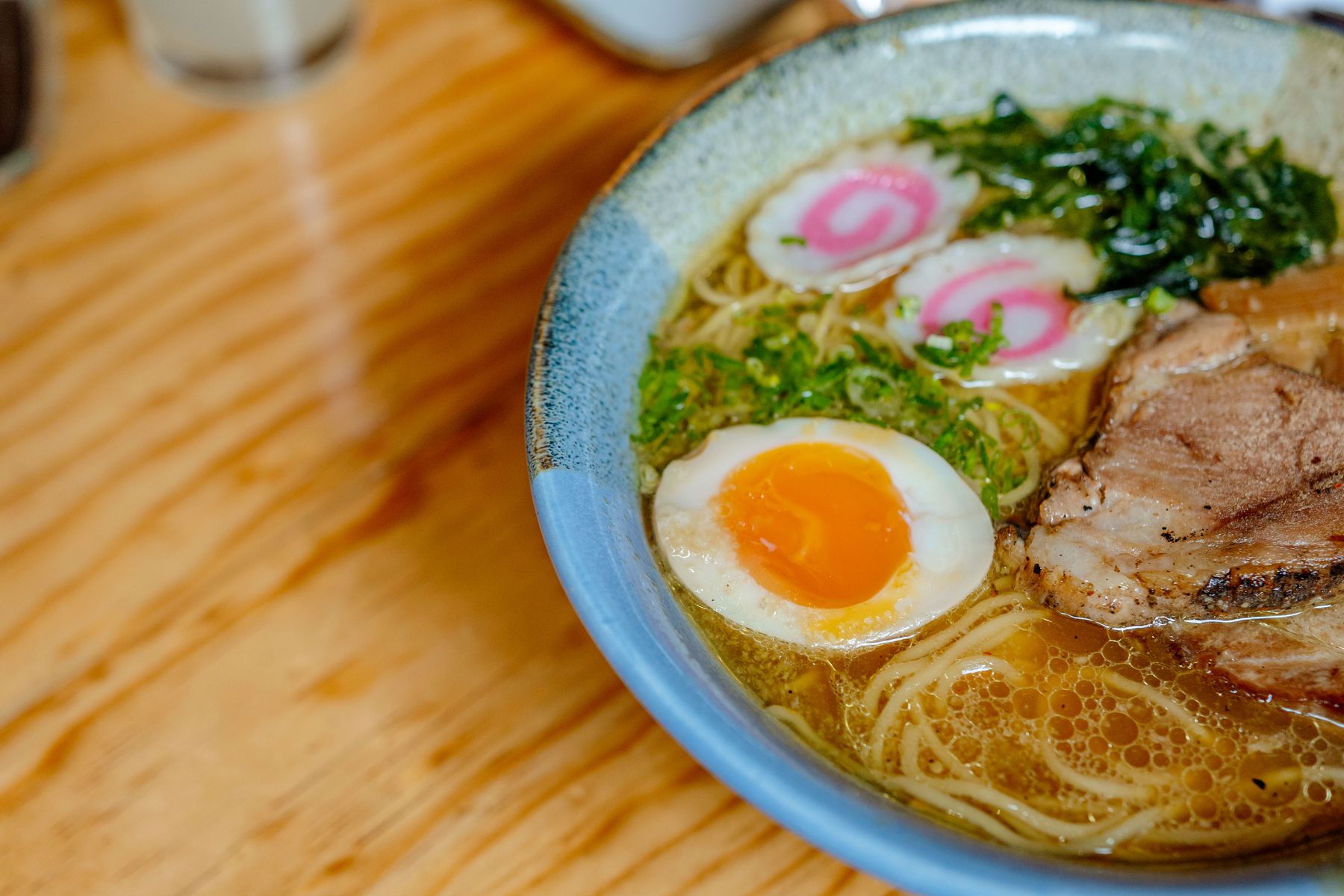
Ramen and ramyeon bars follow the same logic — a lot of them are literally built as a single long counter, stools facing the wall or the cook, which if you’ve spent any time in Japan will look instantly familiar, and that’s not a coincidence given how much of Seoul’s ramen-bar aesthetic borrows directly from Tokyo.
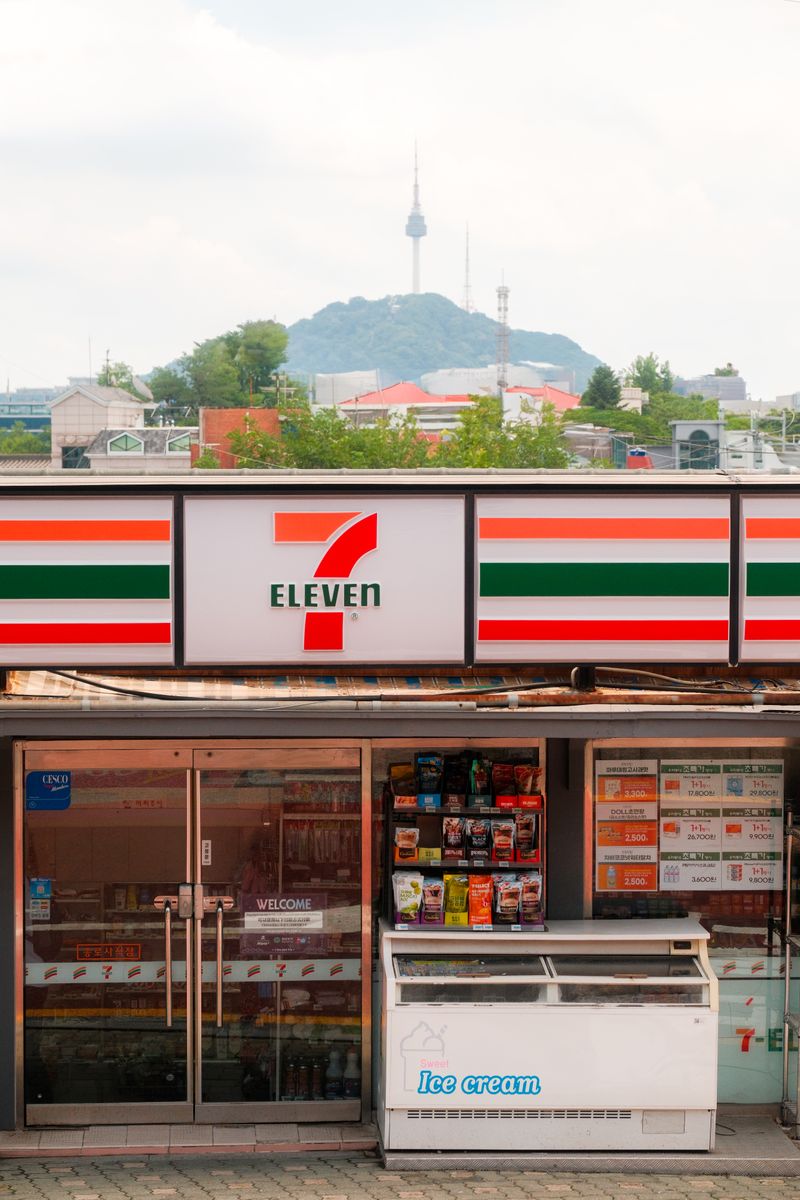
Convenience stores are their own category entirely: CU, GS25, 7-Eleven, and Emart24 all have those little plastic stools out front or a bar-height counter inside, specifically for people microwaving a triangle gimbap and a cup of instant ramyeon at 1am. Using them alone is so unremarkable it barely registers as a “solo dining” choice at all — it’s just lunch, and for a huge share of Seoul’s office workers it’s the default lunch, not a fallback.
Then there’s the newer wave of single-seat setups that restaurants added on purpose, once they realized honbap customers were a market worth chasing rather than a nuisance to tolerate — individual hot pot burners at the table, single-serving budae-jjigae pots, personal-size samgyetang bowls. These exist now specifically because a restaurant owner somewhere ran the numbers and decided one customer paying full price beats an empty seat. You honestly can’t tell, sitting at one of these counters, whether the restaurant was designed this way from day one or retrofitted for the honbap economy, and I’ve come to think that’s the whole point — it’s supposed to be invisible.
Where it’s still a little awkward
And then there’s the stuff that hasn’t caught up, and some of it probably never will, for reasons that are more about food chemistry and restaurant math than culture. Korean barbecue is the obvious one — a lot of places still have a two-person minimum order, not out of stubbornness but because the grill setup, the labor of tending a table’s fire, and the side-dish spread genuinely don’t make sense for one portion of samgyeopsal. A solo diner at a KBBQ spot still typically gets the same five to seven small banchan plates a table of four would get, which means the dishwashing labor and table real estate are wildly disproportionate to the revenue from one order of pork belly — that’s the actual math behind the “no solo diners” sign, not pure stubbornness. Some galbi places in my neighborhood in Ilsan will serve you solo if you order two portions and just eat both, which is a workaround, not a solution, and I’ve done it more than once purely because I wanted the smell of grilling pork belly on a rainy Tuesday and didn’t care that I’d be taking half of it home.
Group-portion stews are the other holdout — budae-jjigae, most jjigae ordered “big pot” style, dak-galbi, the stuff that arrives in a shared pot with everyone’s spoon going in from different directions. A lot of these dishes are portioned and priced around a minimum of two people almost as a structural fact of the recipe, not a policy decision, which means even the most honbap-friendly restaurant in Seoul might still tell you no for a table of one ordering dak-galbi specifically. It’s less “we don’t serve solo diners” and more “this dish doesn’t scale down cleanly,” which, honestly, is a more forgivable kind of no than the old-school version where the ajumma just didn’t want the hassle.
Why communal eating mattered so much in the first place
It’s worth understanding the historical weight behind all this, because the honbap trend isn’t just a lifestyle fad — it’s pushing against something that goes back centuries. The bapsang structure, that whole formal arrangement of rice, soup, kimchi, and rows of banchan spread across the table, has roots that trace to the Three Kingdoms period and got formalized hard during the Joseon dynasty, where the number of side dishes served at a table was practically a coded message about status — the king’s table reportedly ran to twelve dishes, noble households around nine, ordinary families closer to three or five. That’s not decoration, that’s a food system built explicitly around a group at a table, sharing from common plates, because the banchan themselves were never meant to be portioned per person to begin with.
There’s a word Koreans use for the emotional residue of that — 정 (jeong) — which doesn’t translate cleanly into English but gets described as something between affection, loyalty, and the specific warmth of shared history with someone. Passing a bowl, refilling someone’s water without being asked, pushing the best piece of galbi toward a guest — that’s jeong in action, and it’s genuinely hard to perform solo. You can’t pass banchan to yourself. So for a very long time, eating alone wasn’t read as odd behavior so much as a small, visible absence of the social fabric the meal was supposed to represent. Which, I think, is exactly why the honbap shift feels like such a big deal to people who grew up here — it’s not just about restaurant seating, it’s a quiet renegotiation of what a meal is actually for.
Practical tips if you still feel self-conscious
If you’re a foreigner in Korea and the idea of eating alone still makes you hesitate at the door, a few things genuinely help.
Start with formats that were built for it. Gimbap chains, ramyeon bars, and convenience store counters are close to zero-risk, and once you’ve done a few of those the muscle memory carries over to sit-down places.
Look for single-seat bar counters facing the kitchen before you look for a table. A counter seat signals “efficient solo customer” in a way a four-top table doesn’t, and staff will treat you accordingly without you having to explain anything.
If you want Korean barbecue or a group-portioned stew and you’re genuinely alone, call ahead or check the door signage for “1인” (il-in, “one person”). Some places now explicitly market themselves as 1인 식당, one-person restaurants, and that label is doing real work — it tells you the kitchen has already solved the portioning problem so you don’t have to negotiate it.
Don’t assume a hesitant look from staff is judgment, either. Half the time it’s just them mentally recalculating which table makes sense for one person, the same recalculation a host in any country does before they’ve clocked how you’ll answer.
One more thing worth saying, and it deserves its own point rather than a throwaway line: honbap culture in Seoul specifically is well ahead of honbap culture in smaller cities and the countryside. What feels completely unremarkable in Hongdae might still get you a curious glance in a small town in Gyeongsangbuk-do. That’s not a contradiction of everything above, it’s just geography — trends radiate outward from Seoul on their own schedule, and food service is no exception. If you’re traveling outside the major metro areas and want a genuinely safe solo option regardless of region, gukbap (국밥) — rice served directly in a bowl of hot soup — is arguably the most honbap-proof dish in the entire country, because it was never a shared-pot food to begin with; it’s plated per person by default, which is probably why old-school truck-stop gukbap houses in rural areas have quietly served solo travelers for decades without anyone ever calling it a trend.
FAQ
Can I actually order Korean barbecue alone anywhere in Seoul?
In some places, yes — a growing number of samgyeopsal spots near university areas and business districts now offer single-portion grill setups specifically for honbap customers, often advertised with a “1인” sign near the door. But it’s still the exception rather than the rule; plenty of traditional galbi houses keep a genuine two-person minimum because the grill and side-dish economics don’t work below that, so it’s worth checking signage or asking before you sit down rather than assuming either way.
Will I get bad service or a worse table if I’m eating alone?
Rarely in Seoul proper, and almost never at places designed around solo dining like gimbap chains or ramyeon bars. You might occasionally get seated near the kitchen or at a smaller table rather than a prime window seat during a busy dinner rush, simply because staff are optimizing seating for revenue, the same as a host anywhere would with a party of one during peak hours — that’s a seating-efficiency decision, not a judgment on you personally.
Is honbap only a Seoul thing, or is it spreading nationwide?
It’s spreading, but unevenly. Busan and other larger cities have caught up fairly quickly, especially around university neighborhoods and business districts, while smaller towns and rural areas move slower simply because the single-person household numbers driving the whole trend are concentrated in big cities. If you’re traveling outside the major metro areas, lean on gimbap chains, convenience stores, ramyeon bars, and gukbap houses as your reliable fallback — those formats work almost everywhere in the country regardless of local dining norms.
명절마다 엄마에게 전화로 SOS를 치던 내가, 작년 추석엔 갈비찜을 세 번째로 태워 먹고서야 인정했다. 나는 그동안 갈비찜을 “간장 넣고 오래 끓이면 되는 음식”으로 알고 있었던 거다. 어떤 해는 짰고, 어떤 해는 질겼고, 어떤 해는 둘 다였다. 레시피를 열 개쯤 비교해보고 나서야 깨달았다. 갈비찜이 어려운 게 아니라, 다들 “적당히”라고 뭉뚱그리는 그 구간에 진짜 비법이 숨어 있었다.
핏물 빼기, 귀찮다고 건너뛰면 정말 티가 날까
결론부터 말하면 티가 난다. 그것도 아주 많이 난다. 처음 갈비찜을 시도했을 때 나는 “찬물에 30분이면 되겠지”라고 대충 계산하고 넘어갔는데, 완성된 갈비찜에서 특유의 누린내가 올라왔다. 흔히 말하는 그 잡내다. 손님상도 아니고 가족끼리 먹는 자리였는데도 다들 젓가락이 느려졌다.
핏물 빼기는 갈비 안쪽 뼈 사이사이에 남은 핏덩어리를 물에 우려내는 과정이다. 찬물에 담가 1시간, 중간에 물을 두 번은 갈아줘야 한다.
여름철엔 물 온도가 금방 미지근해진다는 점도 은근히 놓치기 쉽다. 상온에 30분만 둬도 물이 데워지면서 핏물이 오히려 덜 빠진다. 얼음을 몇 조각 띄워 찬 온도를 유지하는 게 의외로 큰 차이를 만든다. 냉동 갈비라면 여기서 30분을 더 잡고, 생갈비도 나는 최소 1시간은 채운다. 급하다고 뜨거운 물을 쓰면 안 된다. 단백질이 익어버려서 핏물이 안 빠지고 오히려 안에 갇힌다.
물을 빼고 나면 끓는 물에 통째로 넣어 5분 정도 데친다. 이때 뜨는 거품과 기름을 걷어내는데, 이게 잡내 제거의 두 번째 관문이다. 데친 갈비는 찬물에 헹궈서 표면의 불순물을 씻어내야 양념이 깨끗하게 배어든다.
양념장 황금비율, 계량스푼 없이는 절대 못 맞춘다
“눈대중으로 하면 되지 않나요?” 나도 처음엔 그렇게 생각했다. 그런데 갈비찜 양념은 짠맛과 단맛의 균형이 조금만 어긋나도 바로 티가 난다.
소갈비 1.5kg 기준으로 내가 여러 번 실패 끝에 정착한 비율은 이렇다. 4인 가족이 한 끼 넉넉히 먹고도 조금 남을 정도의 양이라고 보면 된다. 간장 5큰술, 설탕 2큰술, 맛술 2큰술, 다진 마늘 1큰술, 참기름 1큰술, 후춧가루 약간, 배즙이나 양파즙 3큰술.
간장과 설탕은 5:2 비율로 넣으라고 하면 의아해하는 사람이 많다. 1:1로 넣어야 단짠 밸런스가 맞는 거 아니냐는 거다.
실제로는 다르다. 갈비찜은 조리 시간이 길어서 수분이 졸아들면서 간이 계속 진해진다. 처음부터 1:1로 맞추면 완성됐을 때 짜서 물을 더 부어야 하고, 그러면 양념 농도가 다시 흐트러지는 악순환이 시작된다.
배즙 대신 키위나 콜라를 넣으면 더 부드러워진다는 이야기도 많이 들었을 거다. 틀린 말은 아닌데, 나는 키위즙을 눈대중으로 듬뿍 넣었다가 고기가 숟가락으로 건드리면 바스러질 정도로 형태를 잃어버린 적이 있다. 배즙 3큰술 정도면 충분하다. 그 이상은 부드러움이 아니라 육질 붕괴로 넘어간다.
압력솥 vs 일반냄비, 시간 차이가 이렇게까지 날 일인가
압력솥이 없어도 갈비찜을 만들 수 있냐고 묻는다면, 당연히 가능하다. 다만 시간 차이를 모르고 덤비면 낭패를 본다. 소갈비찜은 압력솥에서 추가 흔들리기 시작한 후 20~25분이면 웬만큼 부드러워진다. 반면 일반 냄비는 중약불로 60~90분은 잡아야 한다. 세 배 가까이 차이가 난다.
시간만 보면 압력솥이 무조건 이긴다고 생각하기 쉬운데, 실제로 먹어보면 미묘한 차이가 있다. 압력솥 갈비찜은 빠르고 편하지만 육수 농축이 덜 되어 있어서, 뚜껑을 연 뒤 중불에서 5분 정도 더 졸여줘야 윤기와 농도가 산다. 이걸 생략하면 겉보기엔 다 됐는데 소스가 묽어서 밥에 비벼 먹기엔 아쉬운 상태로 끝난다.
일반 냄비는 시간이 오래 걸리는 대신 은근하게 졸아드는 그 시간 동안 양념이 뼈 속까지 스며든다. 나는 명절처럼 시간 여유가 있을 때는 일반 냄비를, 평일 저녁에 급하게 만들 때는 압력솥을 쓴다.
압력솥은 편의고, 일반 냄비는 깊이다. 둘 다 써본 입장에서 정리하자면 그렇다. 어느 쪽이 맞다기보다 그날 상황에 맞춰 고르면 된다.
고기가 질겨지는 진짜 이유는 불 조절이었다
양념을 완벽하게 맞췄는데도 고기가 질기다면 범인은 대부분 센 불이다. 갈비찜을 빨리 끝내고 싶어서 센 불로 계속 끓이면, 근섬유가 급격히 수축하면서 육즙이 다 빠져나가고 고기만 질겨진다.
처음 10분 정도는 센 불로 양념을 끓여 겉을 익히되, 그 다음부터는 반드시 약불로 낮춰야 한다. 뚜껑을 덮고 은근하게 끓이는 시간이 길어야 콜라겐이 젤라틴으로 서서히 바뀐다. 이 변화는 시간이 필요한 화학 반응이라서, 불을 세게 켠다고 앞당겨지지 않는다. 오히려 역효과다.
나는 이 사실을 몰랐을 때 “빨리 끓이면 시간 절약되겠지”라며 계속 센 불을 유지했다가, 갈비 겉은 타들어가는데 속은 여전히 질긴 최악의 결과를 만든 적이 있다. 겉만 보면 다 익은 것 같았는데 젓가락으로 찔러보니 뼈 근처가 여전히 뻑뻑했다.
중간중간 국물을 끼얹어주는 것도 중요하다. 갈비가 냄비 안에서 국물에 완전히 잠기지 않는 경우가 많은데, 위로 드러난 부분이 마르면 그 부위만 뻣뻣해진다. 15분에 한 번씩 국자로 국물을 떠서 위쪽에 뿌려주면 전체적으로 고르게 부드러워진다.
명절이나 제사상에도 실패 없이 내려면
명절 갈비찜은 당일 아침에 만들면 늦다. 나는 이제 하루 전날 미리 만들어서 냉장고에 넣어둔다. 하룻밤 지나면 양념이 갈비 속까지 완전히 스며들어서 맛이 훨씬 깊어진다.
여기엔 숨은 이득이 하나 더 있다. 하루 전날 완성해서 식힌 뒤 냉장실에 넣어두면, 위로 하얗게 뜬 기름을 걷어내기가 훨씬 수월해진다. 갓 끓였을 때는 기름이 국물에 섞여 있어서 잘 안 보이는데, 차게 식으면 표면에 굳어서 숟가락으로 그냥 걷어내면 된다. 명절 아침에 전 부치랴 나물 무치랴 정신없는데, 갈비찜까지 처음부터 만들려면 손이 남아나질 않는다. 전날 이 단계까지 끝내두면 당일엔 데우기만 하면 된다.
재가열할 때는 약불로 천천히 데워야 한다. 급하다고 센 불로 확 데우면 전날 그렇게 공들여 부드럽게 만든 고기가 다시 뻣뻣해질 수 있다. 국물이 자작하게 남아 있는 상태에서 뚜껑을 덮고 10분 정도 데우면 처음 완성했을 때의 식감이 거의 그대로 돌아온다.
제사상에 올릴 때는 국물을 너무 흥건하게 두지 않는 게 좋다. 접시에 옮겨 담았을 때 소스가 흘러넘치면 상차림이 지저분해 보이기 십상이다. 완성 후 국물을 살짝 졸여서 갈비에 코팅되듯 붙어 있는 정도로 마무리하면 보기에도 깔끔하고, 식어도 딱딱해지지 않는다.
갈비찜을 잘 만드는 사람들을 보면 다들 특별한 손맛을 타고난 게 아니었다. 핏물 빼는 시간, 양념 비율, 불 조절 이 세 가지를 정직하게 지켰을 뿐이다. 나도 처음 세 번은 다 실패했지만, 그 다음부터는 매번 같은 맛이 나온다. 갈비찜은 재능보다 순서의 음식이라는 걸, 네 번째 시도에서야 알았다.
자주 묻는 질문
실패 없는 명절을 위해, 직접 겪고 나서야 깨달은 사소한 질문들을 몇 가지 모아봤다.
Q. 갈비 핏물을 깜빡하고 안 뺐어요. 이미 양념까지 다 넣었는데 되돌릴 방법이 있을까요?
이미 양념에 재운 상태라면 완전히 되돌리긴 어렵다. 다만 조리 전 단계라면 갈비를 건져서 끓는 물에 5분만 데쳐도 어느 정도 잡내를 잡을 수 있다. 이미 끓이는 중이라면 월계수잎이나 대파, 생강 편을 넉넉히 넣어서 냄새를 덮는 방법이 최선이다. 완전한 해결책은 아니지만 다음번엔 반드시 순서를 지키는 게 낫다는 걸 그 순간 뼈저리게 느낄 거다.
Q. 압력솥이 없는데 갈비를 정말 부드럽게 만들 수 있나요?
가능하다. 다만 시간과 불 조절에 더 신경 써야 한다. 처음 10분은 센 불, 이후 60~90분은 뚜껑을 덮고 약불로 끓이면서 15분마다 국물을 끼얹어주면 압력솥 못지않게 부드러워진다. 오히려 은근하게 오래 끓인 갈비찜이 국물 맛은 더 깊다는 사람도 많다. 시간이 문제일 뿐 결과물의 부드러움은 크게 뒤지지 않는다.
Q. 갈비찜을 명절 3일 전에 미리 만들어서 냉동해도 될까요?
냉동은 가능하지만 식감이 살짝 달라질 수 있다. 국물의 수분이 얼었다 녹으면서 고기 섬유질에 미세한 변화가 생기기 때문이다. 그래도 급할 땐 유용한 방법이다. 냉동했다면 먹기 전날 냉장실로 옮겨 서서히 해동하고, 데울 때 육수나 물을 두세 큰술 더해서 촉촉함을 보충해주면 처음 맛에 가깝게 살아난다. 가능하면 하루 전 냉장 숙성 쪽을 더 추천하고 싶다.
There’s a specific kind of pause that happens at a Korean dinner table right after someone tips a soju bottle toward your glass. It’s maybe half a second long, but it feels longer, because everyone at the table is quietly waiting to see what you do next. As Yijidaddy, I’ve sat through that pause more times than I can count over the years living here, and here’s the thing nobody tells you before you land in Seoul: the answer to “is it rude to refuse” isn’t a flat yes or no. It depends entirely on who’s holding the bottle.
Why This Question Even Exists
Korea’s drinking culture grew up alongside its corporate culture, and the two are still tangled together in a lot of workplaces. A hoesik, the after-work team dinner, has traditionally doubled as an informal performance review. Refusing a drink from a boss at one of these wasn’t just about the alcohol — it read as refusing to bond, refusing to show loyalty, maybe even refusing to be part of the team. That history is exactly why the question feels so loaded to newcomers. You’re not just declining a drink, you’re navigating decades of workplace hierarchy in a two-second gesture.
The Boss Table Is a Different Animal
If there’s one context where refusing still carries real weight, it’s a hoesik with senior figures present, especially older bosses who came up in an era when drinking together was practically mandatory. Outright saying no when your director pours for you can land as cold, even if that’s not how you meant it. What tends to work better is accepting the pour, holding the glass with two hands as a sign of respect, taking a small sip, and then slowing way down after that. Nobody’s actually counting your shots except maybe the guy who’s had four too many himself.
And honestly, this dynamic has been softening for years now. Younger managers who grew up with a different set of expectations are far less likely to push a drink on someone who clearly doesn’t want one. I’ve watched plenty of thirty-something team leads wave off the old-school pressure entirely, ordering a round of beer for the table while quietly getting themselves a Cass Zero or a coke instead. The stereotype of the boss forcing shots down everyone’s throat still exists, but in 2026 it’s more of a fading archetype than a daily reality in most offices.
Friends, Strangers, and the Middle Ground
Outside the office hierarchy, the stakes drop fast. Among friends, at a wedding, or in a casual pojangmacha tent ordering odeng soup at midnight, saying no to a drink is a total non-event. People might tease you a little, ask if you’re on medication or driving, and then move on to the next round without a second thought. The one thing that does raise eyebrows is bailing mid-round after you’ve already accepted several pours — that reads less as “I don’t drink” and more as “I changed my mind halfway through,” which can feel a little inconsistent to the people sitting across from you.
Timing turns out to matter more than the refusal itself. Say it early, before the first bottle even gets opened, and you’ll almost never get pushback. Mention it after three rounds are already poured and someone’s midway through a toast speech, and it lands differently, not because Koreans are secretly judging you, but because the social rhythm of the table has already been set. A simple heads-up like “I’m not drinking tonight, but I’ll definitely join the toasts” tends to clear the whole thing up before it becomes an issue.
What Actually Works When You Want to Say No
The trick a lot of expats eventually pick up isn’t a hard no, it’s a soft redirect. Instead of refusing outright, you accept the gesture and reroute it — let someone pour a token amount into your glass, touch it to your lips, and then nurse that same glass for the next hour while everyone else refills theirs. Another common move is ordering a non-alcoholic beer so you’ve still got a drink in hand for the toasts; nobody’s checking the label that closely after round two anyway. Framing your reason as practical rather than personal helps too. “I’m driving” or “I’ve got an early flight” tends to land more smoothly than a vague “I just don’t want to,” even though both should, in theory, be equally valid.
Health and religious reasons get respected without much fuss these days, which wasn’t always the case a decade or two ago. If anything, I’ve noticed Korean coworkers becoming almost protective once they know someone genuinely can’t drink — pouring them extra water, making sure the server brings a soft drink, redirecting the conversation so the person isn’t sitting there awkwardly holding an untouched shot glass. The culture around forced drinking hasn’t vanished everywhere, but the social permission to opt out has expanded a lot compared to what older guides on this topic still describe.
So where does that leave the original question? Refusing a drink in Korea isn’t inherently rude, but it can be read that way if it’s abrupt, late, or aimed squarely at someone senior who’s mid-pour. Handle the timing, keep your tone light, and give people a reason that doesn’t sound like a rejection of the group, and you’ll find Korean drinking culture is far more flexible than its reputation suggests. The bottle tips toward you, that half-second pause happens, and honestly, these days it’s usually fine to just smile and say you’re good for tonight.
FAQ
Is it okay to refuse a drink from my Korean boss on the first hoesik?
It’s generally safer to accept the first pour and just sip it slowly, especially if this is your very first team dinner and nobody knows your habits yet. Once your team understands you don’t drink much, later refusals tend to go a lot more smoothly, since the group has already recalibrated its expectations around you.
What’s a polite phrase to use when declining alcohol in Korean?
A simple “저는 술을 잘 못해서요” (I don’t handle alcohol well) works in almost any casual or semi-formal setting, and it’s phrased in a way that doesn’t put blame or judgment on the person pouring. Pairing it with a smile and holding your glass out for a token pour usually smooths things over completely.
Do Korean women face different expectations around drinking than men?
There’s still some lingering double standard in older, more conservative company cultures, where women who drink heavily get judged more harshly than men doing the same thing, and women who refuse entirely sometimes get less pushback than their male colleagues would. That said, this gap has been narrowing steadily as workplace norms shift, and it varies a lot depending on the industry and the specific office.
Three dates into seeing someone in Seoul, and I still hadn’t been asked what I do for a living. What I had been asked, twice, was my blood type. The first time I thought it was a fluke — maybe she worked in a hospital, maybe it was small talk gone strange. The second time, from a completely different person at a completely different table, I realized this wasn’t a coincidence. It was a script everyone else already knew and I didn’t.
If you’ve spent any real time in Korea, you’ve probably run into this too. Somewhere between “what’s your MBTI” and “where are you from,” someone slips in “what’s your blood type” like it’s the most natural question in the world. And here’s the part that throws most foreigners off: it isn’t asked out of medical curiosity. Nobody’s checking if you’re compatible for a transfusion. They’re trying to figure out whether you’re stubborn, whether you’re a romantic, whether you’d make a good boyfriend or a nightmare coworker. Blood type, in Korea, moonlights as a personality test.
So where did this actually come from
You’d assume something this embedded in daily conversation grew organically out of Korean folk belief, the way zodiac signs did in the West. It didn’t. The idea traces back to a 1927 paper by a Japanese professor named Takeji Furukawa, who tried to link blood type to temperament not long after blood typing itself became scientifically fashionable in the early twentieth century. It’s an uncomfortable origin story, honestly — some of the earliest blood-type population research elsewhere was tangled up with the era’s obsession with racial classification, which makes the whole theory’s DNA a little unsettling once you dig into it.
The theory faded in Japan for decades, then got revived there in the 1970s by a writer named Masahiko Nomi, who repackaged it for a mass audience with books that sold in the millions. Korea picked it up around the same era and, somewhat unexpectedly, ran with it far longer and far more enthusiastically than Japan ever did. By the early 2000s it wasn’t a fringe belief anymore — it was on variety shows, in K-pop lyrics, printed on those little personality compatibility charts sold at stationery stores next to the pencil cases.
The four types, according to popular belief
Ask around Seoul and you’ll hear roughly the same character sketches over and over, which tells you how deeply the categories have been repeated rather than how accurate they are. Type A people get cast as careful, conscientious, a little anxious — the ones who triple-check the group chat before sending a message. Type O gets the opposite reputation: confident, outgoing, sometimes a bit much, the friend who books the whole itinerary without asking anyone. Type B carries a rougher label, blunt and independent, occasionally painted as selfish in dramas and variety shows in a way that’s honestly not that fair to the actual type B people I know. And Type AB, the rarest of the four, gets stuck with “mysterious genius” one minute and “cold and unpredictable” the next.
None of this holds up if you poke at it. My father is Type A and would rather set his house on fire than let anyone see his sock drawer unorganized — so far, on brand. My mother is also Type A. She has never triple-checked anything in her life and will absolutely book a flight forty minutes before boarding closes. Anecdote isn’t data, but it’s the fastest way to notice that the theory only works when you’re already looking for confirmation.
Why it still hasn’t gone away
A Gallup Korea survey a few years back found that somewhere around six in ten adult Koreans still say they believe blood type says something real about personality, which is a strikingly high number for something with zero backing in actual biology. I used to assume that number would keep sliding as younger generations got more skeptical, and MBTI has genuinely eaten into a lot of blood type’s old territory as the go-to icebreaker. But blood type never really left — it just moved over and shares the stage with MBTI now instead of getting replaced by it.
Part of the staying power, I think, is that it’s low stakes and endlessly repeatable. You can bring it up with a stranger at a wedding, a new coworker, a blind date, and it works every time as a quick, harmless way to talk about yourself without getting into anything real. Compare that to admitting your actual insecurities on a first date — “I’m Type B, so I’m apparently blunt and selfish” is a much easier opening line than the truth ever is.
There’s also a slightly less charming side to it that’s worth being honest about. Surveys have shown real dating preferences skewing toward Type O and away from Type AB, and there have been enough stories of people getting quietly written off in matchmaking contexts over their blood type that some commentators call it “blood type harassment.” It’s mild compared to real discrimination, sure, but it’s a reminder that even a silly parlor game can leave a mark when enough people treat it as gospel instead of a joke.
What I make of it, living here
I don’t think anyone actually sits down and calculates your worth from your blood type the way an old matchmaker might read palms. It’s closer to how some people casually mention their zodiac sign back home — half in earnest, half performing a bit for the room. The difference is scale. In Korea this bit is so widely shared that everyone knows the lines, so a stranger can drop “I’m A type” and the whole table nods along like you just explained your whole personality in three letters.
My honest take, after years of fielding the question myself, is that it says more about Korean social culture than it does about any individual’s temperament. It’s a shared shorthand, a icebreaker with just enough mystique to feel meaningful without actually asking anyone to be vulnerable. Next time someone here asks your blood type, you don’t need to take it seriously — but you also shouldn’t be surprised when they remember your answer for years.
FAQ
Is blood type personality theory taken seriously by Korean scientists or doctors?
No. It’s widely treated as a pseudoscience within academic and medical circles in Korea, the same way astrology is viewed elsewhere. The belief persists as a cultural and social habit, not because there’s credible research behind it, and most Koreans who bring it up in conversation will readily admit it’s more for fun than fact.
Do Koreans actually ask this on first dates?
It comes up often enough that it’s considered a fairly normal icebreaker, especially in casual settings or group meetups, alongside questions about hometown, age, and increasingly MBTI. It’s rarely the very first question, but it tends to surface within the first real conversation, particularly if the topic of compatibility comes up.
Which blood type is considered the most desirable in Korea?
Survey data has consistently shown Type O carrying the most favorable reputation, often linked to confidence and sociability, while Type AB tends to rank lowest in preference surveys despite having no real evidence tying it to any particular trait. None of this reflects anything scientific — it’s closer to how some cultures treat certain zodiac signs as more “compatible” than others.
Twenty-six minutes. That’s roughly how long the actual ceremony lasted at the last Korean wedding I sat through, banquet hall on the third floor of a hotel near Gangnam Station, guests still filing in for the first ten of those minutes. I checked my phone afterward out of pure disbelief. Back where I’m from, a wedding eats up your whole afternoon. Here, I was holding a plate of tteokbokki and japchae from the buffet line before I’d even fully processed that the couple had just gotten married.
If you’ve been invited to your first Korean wedding, Yijidaddy here to walk you through what actually happens, because almost nothing about it matches the mental picture most foreigners walk in with. It’s not that Korean weddings are less meaningful — they’re just structured around a completely different set of priorities, and once you understand the logic behind them, the whole thing makes a lot more sense.
The envelope comes before the hug
You’d think the first thing you do at a wedding is find the couple and congratulate them. At a Korean wedding, the first thing you actually do is find a small white envelope, put cash inside, seal it, and hand it to someone sitting at a reception desk near the entrance. They write your name down in a ledger, hand you a small meal ticket, and that’s basically your ticket into the buffet later. It feels transactional if you’re not used to it, and I get why that throws people off at first. But once you sit with it a while, it’s really not that different from a gift registry — it’s just cash instead of a blender, and it’s logged with your name so the couple can track who came and, eventually, return the favor at that person’s own wedding down the line. This obligation-and-reciprocity thing runs deep in how Koreans handle social gift-giving generally, not just weddings.
How much should you put in? There’s an unspoken scale. Coworkers or acquaintances usually go with 50,000 won. Closer friends bump it up to 100,000 won. Family tends to go higher still. Nobody hands you a printed guide for this — you’re just expected to know, which is exactly the kind of unwritten rule that trips up outsiders the most.
Why the ceremony itself feels almost rushed
Here’s the part that genuinely surprised me the first time. The ceremony itself — the vows, the walk down the aisle, the officiant’s remarks — often wraps up in well under an hour, sometimes closer to thirty minutes. Compare that to a Western wedding where the ceremony alone can run an hour before the reception even starts. Part of the reason is practical: many wedding halls run multiple ceremonies back to back on the same Saturday, sometimes with less than an hour between bookings. Walk into the lobby of a big wedding hall in Seoul on a weekend afternoon and you’ll see it — one set of guests filing out past a completely different set of guests filing in for the next couple’s ceremony. It’s an assembly line in the least insulting sense of the word, and it works because the ceremony and the meal are treated almost as two separate events rather than one long occasion.
The buffet is basically its own event
Most Korean weddings hand off the guests to a buffet floor, usually a different floor of the same building, right after the ceremony wraps. You’d expect maybe some finger food, but no — full-scale spreads with Korean dishes like bulgogi and japchae sitting right next to sushi, pasta, and sometimes even a small dessert bar. Guests eat, chat with whoever they happen to be sitting near, and then leave whenever they’re done. There’s no formal toast schedule keeping everyone in their seats, no obligation to stay until the couple cuts a cake. You came, you gave your envelope, you ate, you left — and that’s considered completely normal, not rude at all.
I’ll admit this took some getting used to. Where I’m from, ducking out of a wedding reception early feels borderline offensive. Here, it’s just how the system is built to function, especially with the tight scheduling wedding halls run on weekends.
Pyebaek: the part almost no foreign guest ever sees
While everyone else heads to the buffet, the couple usually slips off to a smaller private room for something called pyebaek. It’s a more traditional ceremony, usually just for close family, where the newlyweds bow to the groom’s parents, pour them tea, and receive blessings in return — often literal handfuls of dates and chestnuts tossed at the bride, who tries to catch them in her skirt. Tradition has it that the number she catches predicts how many children the couple will have, dates for sons and chestnuts for daughters, though I don’t think anyone takes that too seriously anymore. It’s one of the few genuinely old customs that survived into the modern, hotel-banquet-hall version of a Korean wedding, tucked away from most of the guest list entirely.
A few things I wish someone had told me beforehand
Dress code leans more formal-casual than black-tie. A dark suit or a modest dress works fine — you really don’t need a tuxedo. Arrive around thirty minutes early, both to make sure you find the reception desk in time and because seating can fill up fast once the ceremony floor opens. And bring cash, not a card, since the envelope system runs almost entirely on physical bills. If you show up empty-handed thinking you’ll Venmo them later, that’s not really how it works here — there’s no Korean equivalent that gets used for this the same way.
What stuck with me most, honestly, wasn’t any single custom — it was how efficient the whole thing feels without feeling cold. Koreans aren’t skipping sentiment to save time. They’ve just built a structure where the sentimental parts, the family bows, the tea, the blessings, happen in a smaller, more private setting, while the big public gathering runs on a schedule that respects everyone’s Saturday afternoon. It’s a different way of balancing intimacy and practicality, and once you see it in person, it stops looking rushed and starts looking deliberate.
FAQ
How much cash should I put in the envelope if I barely know the couple?
If you’re attending mostly out of politeness — a coworker’s wedding, or the wedding of a friend’s partner you’ve only met a couple of times — 50,000 won is generally considered acceptable. Odd numbers are traditionally preferred over round ones in some regions, so 50,000 or 70,000 won rather than 60,000, though this superstition matters less than it used to among younger couples.
Do I need to stay for the whole reception?
No, and this is one of the biggest adjustments for foreign guests. Once you’ve eaten and congratulated the couple if you catch them, it’s completely fine to leave. There’s no expectation that you’ll linger for hours like at a Western reception — the buffet-style format is built around guests coming and going on their own schedule.
Can I attend without giving cash if I bring a wrapped gift instead?
Technically you can, but it will likely feel unfamiliar to the reception staff and the couple’s family, since the entire check-in process is built around the envelope and ledger system. If you’d rather give a physical gift, it’s worth doing that separately, in addition to a smaller cash envelope, rather than as a replacement for one.
2025년 11월 어느 아침, 서울 마포구의 한 카페에서 만난 48세 이모 씨는 자리에 앉자마자 이런 얘기부터 꺼냈다. “며칠 전 회의 중에 갑자기 얼굴이 벌겋게 달아오르더니 땀이 줄줄 흐르더라고요. 겨울인데도요.” 난방을 튼 사무실이긴 했지만 다른 동료들은 멀쩡했다니 본인도 당황스러웠다고 했다. 옆에서 듣던 친구가 “나도 그래, 요즘 밤에 두세 번씩 깨”라고 맞장구를 쳤다. 두 사람 다 40대 후반이었다.
왜 하필 이 시기에, 그것도 갑자기 오는 것처럼 느껴질까
갱년기가 어느 날 스위치 켜지듯 시작된다고 생각하기 쉽지만 실제로는 그렇지 않다. 그런데도 많은 사람들이 “갑자기 찾아왔다”고 말하는 데는 이유가 있다. 난소 기능이 서서히 떨어지면서 에스트로겐 분비량이 줄어드는 과정은 몇 년에 걸쳐 진행되는데, 정작 본인이 몸의 변화를 확실히 느끼는 시점은 어느 순간 한꺼번에 몰려오기 때문이다. 대한폐경학회 자료를 봐도 한국 여성의 평균 폐경 연령은 만 49.9세 정도로, 보통 40대 중반부터 이 변화가 시작된다고 본다.
남성이라고 예외는 아니다. 남성호르몬인 테스토스테론 역시 30대 후반부터 매년 조금씩 줄어들다가 50대에 들어서면서 체감할 정도로 감소하는 경우가 있다. 다만 여성의 폐경처럼 명확한 시점이 있는 게 아니라 서서히 진행되다 보니 본인은 그냥 “요즘 기운이 없다”는 정도로 넘기는 일이 많다.
몸이 보내는 신호들, 사람마다 다르게 나타난다
얼굴이 화끈거리고 땀이 나는 안면홍조가 가장 널리 알려진 증상이지만, 실제로 겪는 사람들 얘기를 들어보면 그보다 먼저 잠을 설치는 문제를 호소하는 경우가 많다. 새벽 3시쯤 이유 없이 눈이 떠지고 다시 잠들기 어렵다는 식이다. 여기에 평소와 다르게 감정 기복이 심해지거나, 별일 아닌데도 괜히 눈물이 난다는 이야기도 자주 나온다. 이런 변화가 호르몬 때문인지 아니면 그냥 일이 힘들어서인지 본인도 헷갈려 하는 경우가 적지 않다.
관절이 뻐근하거나 이유 없이 손가락 마디가 아프다는 호소도 의외로 흔하다. 이걸 단순히 노화 탓으로만 돌리는 사람이 많은데, 에스트로겐 감소가 관절과 뼈 건강에도 영향을 줄 수 있다는 점은 알아둘 만하다. 물론 이런 증상이 있다고 해서 전부 갱년기 때문이라고 단정할 수는 없다. 비슷한 증상을 유발하는 다른 질환도 있으니, 몸이 평소와 다르다고 느껴진다면 원인을 스스로 판단하기보다 검사를 받아보는 편이 안전하다.
기억력이 예전 같지 않다고 느끼는 사람들도 있다. “방금 무슨 얘기 하려고 했더라” 하는 순간이 잦아졌다면서 혹시 치매 초기 증상은 아닐까 걱정하는 경우도 봤는데, 이 시기에 흔히 나타나는 집중력 저하나 건망증은 대개 일시적인 경우가 많다. 그렇다고 걱정할 필요가 전혀 없다는 뜻은 아니고, 증상이 심하거나 일상생활에 지장을 줄 정도라면 역시 전문가와 상담해보는 게 맞다.
생리 주기가 흐트러지는 것도 대표적인 신호로 꼽힌다. 30일 넘게 규칙적이던 주기가 어느 순간 20일로 줄었다가 다음 달엔 40일 넘게 안 오는 식으로 들쭉날쭉해지는 경우가 많다. 이걸 보고 덜컥 걱정부터 하는 사람들이 있는데, 이 시기의 자연스러운 변화 중 하나로 보는 시각이 일반적이다. 다만 출혈량이 유독 많아지거나 폐경 이후에 다시 출혈이 생기는 경우처럼 평소와 확연히 다른 패턴이 나타난다면, 이건 그냥 지나칠 일이 아니라 진료를 받아봐야 하는 경우에 해당한다.
직장에서는 이 얘기를 어떻게 꺼내야 할까
막상 증상을 겪으면서도 직장 동료나 상사에게 말을 꺼내기가 애매하다는 사람들이 많다. 갑자기 얼굴이 붉어지고 땀이 나는 걸 감기 탓으로 둘러대다가 오히려 더 어색해졌다는 얘기도 여러 번 들었다. 그런데 최근에는 회사 안에서도 이런 변화를 자연스럽게 이야기하는 분위기가 조금씩 생기고 있는 모양이다. 한 지인은 팀장에게 “요즘 컨디션 기복이 좀 있다”고 짧게 언질만 줬는데, 회의 시간을 오전으로 조정해준 것만으로도 훨씬 수월해졌다고 전했다. 굳이 자세한 설명을 하지 않아도 짧은 한마디가 생각보다 큰 배려로 이어지는 경우가 있다.
그럼 일상에서는 무엇을 할 수 있을까
운동이 도움이 된다는 얘기는 지겹도록 들었을 텐데, 막상 실천하는 사람은 드물다. 그런데 실제로 주 3회, 30분씩 걷기만 꾸준히 해도 수면의 질이 눈에 띄게 달라졌다고 말하는 사람들을 여럿 봤다. 헬스장 등록까지 갈 필요 없이 저녁 먹고 동네 한 바퀴 도는 정도로도 효과를 느꼈다는 후기가 많다는 점은 눈여겨볼 만하다.
식습관에서는 칼슘과 비타민D 섭취가 자주 언급된다. 뼈 건강이 걱정되는 시기이다 보니 우유나 두부, 멸치 같은 식품을 챙기라는 조언이 흔한데, 여기에 더해 카페인과 알코올 섭취를 줄이는 것만으로도 안면홍조나 수면 문제가 한결 나아졌다는 사례도 적지 않다. 매일 마시던 커피를 하루 한 잔으로 줄인 뒤 밤에 덜 깬다고 말한 지인도 있었다.
스트레스 관리는 뻔한 조언처럼 들리지만 막상 갱년기를 겪는 당사자들에게 물어보면 가장 크게 체감한다고 답하는 항목이기도 하다. 명상이나 요가처럼 거창한 걸 시작하지 않아도, 하루 10분이라도 스마트폰을 내려놓고 조용히 앉아 있는 시간을 가진 것만으로 마음이 편해졌다는 이들도 있다. 물론 사람마다 맞는 방법은 다르니 이것저것 시도해보면서 본인에게 맞는 걸 찾는 수밖에 없다.
주변 사람들의 이해와 대화도 생각보다 큰 역할을 한다. 갱년기 증상을 겪는 당사자가 가족에게 “요즘 몸이 좀 이상하다”고 솔직하게 말했더니 남편이 밤에 에어컨 온도를 조금 낮춰줬다는 이야기를 들은 적이 있다. 별것 아닌 배려 같아도 당사자 입장에서는 훨씬 견디기 수월해졌다고 한다. 증상을 혼자 참고 넘기려다 오히려 스트레스가 쌓이는 경우가 많은 만큼, 가까운 사람들에게 상황을 알리는 것도 나쁘지 않은 방법이다.
폐경 이후에도 계속 챙겨야 할 것들
증상이 어느 정도 가라앉고 나면 이제 다 지나갔다고 안심하는 사람들이 많은데, 사실 여기서부터 더 신경 써야 할 부분이 있다. 에스트로겐이 줄어든 상태가 오래 지속되면 골밀도가 떨어지는 속도가 빨라질 수 있어서, 폐경 후 5~10년 사이에 골다공증 검사를 한 번쯤 받아보라는 권고가 흔하다. 50대 초반에 폐경을 맞은 지인은 골밀도 검사에서 생각보다 수치가 낮게 나와서 놀랐다며, 증상이 없다고 방심할 게 아니라는 걸 그때 처음 실감했다고 말했다.
심혈관 건강도 마찬가지다. 에스트로겐이 혈관을 보호하는 역할을 어느 정도 해왔다는 점을 생각하면, 이 호르몬이 줄어든 이후로 콜레스테롤 수치나 혈압 변화에 좀 더 관심을 두는 게 좋다는 이야기가 나온다. 그렇다고 매일 혈압을 재며 불안해할 필요까지는 없지만, 정기 건강검진에서 관련 항목을 놓치지 않고 챙기는 정도의 관심은 필요해 보인다.
병원 진료가 필요한 순간은 언제일까
생활습관 관리만으로 충분히 나아지는 사람도 있지만, 증상이 일상생활을 방해할 정도로 심하다면 이야기가 다르다. 호르몬 치료를 비롯해 증상별로 여러 관리 방법이 나와 있는데, 이건 개인의 건강 상태와 병력에 따라 적합한 방법이 완전히 달라지는 영역이다. 인터넷에서 본 정보만 믿고 임의로 영양제나 약을 먹기보다는, 산부인과나 관련 전문의를 찾아 정확한 검사를 받아보는 편이 결과적으로 더 빠른 길이 될 수 있다.
자주 묻는 질문
갱년기 증상은 보통 얼마나 오래가나요?
사람마다 차이가 크지만 보통 2년에서 5년 정도 지속되는 경우가 많고, 길게는 7년 넘게 이어지는 사례도 보고된다. 48세에 증상이 시작된 이모 씨의 경우 주변 지인들에게 물어보니 짧게는 1년 만에 안정됐다는 사람부터 40대 중반에 시작해 50대 중반까지 겪었다는 사람까지 편차가 상당히 컸다고 한다. 정확한 경과는 개인차가 크므로 단정하기 어렵다.
영양제만 챙겨 먹어도 괜찮을까요?
칼슘, 비타민D, 오메가3 같은 영양제가 도움이 될 수 있다는 이야기는 많지만, 이것만으로 증상이 뚜렷하게 심한 경우까지 해결되는 것은 아니다. 특정 영양제나 건강기능식품이 갱년기 증상을 치료해준다고 단정하는 광고성 정보는 주의해서 걸러 들을 필요가 있다. 복용 중인 다른 약이 있다면 상호작용 여부도 확인해야 하므로, 새로운 영양제를 시작하기 전에 약사나 의사와 상의하는 게 안전하다.
남편이나 가족은 어떻게 도와줄 수 있나요?
가장 실질적인 도움은 증상을 이상하게 보지 않고 있는 그대로 받아들이는 태도라고 한다. 앞서 언급한 사례처럼 실내 온도를 조절해준다거나, 갑작스러운 감정 기복에 화를 내지 않고 기다려주는 것만으로도 당사자가 느끼는 부담이 줄어든다는 이야기가 많았다. 증상이 심해 보인다면 병원 진료를 함께 받아보자고 먼저 제안해주는 것도 좋은 방법이다.
갱년기는 누구나 한 번쯤 지나가는 자연스러운 몸의 변화지만, 증상을 겪는 당사자에게는 결코 가볍게 넘길 일이 아니다. 이 글에서 다룬 내용은 일반적으로 알려진 정보를 정리한 것일 뿐, 개개인의 건강 상태를 진단하거나 특정 치료를 권하는 것은 아니다. 구체적인 증상이 있다면 전문의와 상담하세요.
There’s a specific sound that tells you you’ve arrived at a proper jjimjilbang: the soft slap of rubber sandals on wet tile, mixed with the clink of a locker key bracelet against a plastic bench. I remember standing in that noise for the first time, fully clothed, wondering why the man next to me was calmly stripping down like we were old friends. Nobody else in the room seemed to think this was strange. That’s Yijidaddy’s first real lesson about Korean bathhouse culture — everyone else already knows the choreography, and you’re the only one improvising.
It Starts Before You Even Get Wet
A jjimjilbang isn’t just a sauna bolted onto a bathhouse. It’s really two businesses stacked on top of each other. Downstairs or in a separate wing, there’s the mogyoktang — the actual bathing hall, strictly separated by gender, where clothing simply doesn’t exist. Upstairs, or sometimes on the same floor past a second check-in counter, is the jjimjilbang proper — a mixed-gender common area where everyone wears the same loose cotton or linen uniform, usually in a shade of pink or gray depending on the place. You pay once at the front counter, get a wristband or a locker key with a barcode on it, and that key becomes your tab for the rest of the visit. Snacks, extra towels, a can of Bacchus from the vending machine — it all gets scanned against that key and settled when you leave.
Shoes come off at the door, always. There’s a low shoe locker right at the entrance, separate from your clothing locker, and mixing the two up is the kind of rookie mistake that gets a tired glance from the ajumma at the counter rather than any actual scolding. Koreans are generally patient with foreigners who clearly don’t know the drill, as long as you’re paying attention and trying.
The Bathing Hall Is Where the Real Culture Lives
This is the part that stops most first-timers cold. In the mogyoktang, nobody wears anything. Not a towel wrapped around the waist, not a swimsuit — just skin, and a small hand towel that’s really only there for wiping your face. It sounds intense on paper, but in practice it feels almost anticlimactic within about five minutes, because the social contract is that nobody is looking at anybody. Attention drifts to the ceiling, to the water, to a phone-free stretch of thirty or forty minutes that most modern lives don’t otherwise allow.
Before touching any of the communal tubs, you sit at one of the low shower stations lining the wall and wash — properly, with soap, sitting on a plastic stool that’s usually a few inches off the ground. This isn’t a quick rinse. Older regulars will scrub with an italy towel, the rough exfoliating cloth that leaves visible rolls of dead skin behind, and think nothing of asking a stranger to scrub their back in return. Skipping this step and heading straight for the hot pool is probably the single fastest way to draw a disapproving look in the entire building, since everyone is about to share that water with you.
The tubs themselves usually run a spectrum — an ice-cold pool, a lukewarm one, a genuinely hot one that takes real willpower to sit in for more than a minute, and often a mugwort or ginseng-infused pool with a milky brown tint and a strong herbal smell. Moving between hot and cold isn’t just for fun; a lot of regulars swear by the circulation benefits, though I’ll admit that’s more folk wisdom passed down through generations than anything I’d call medical advice.
Then Come the Sauna Suits
Once you’re done bathing, you towel off, change into that baggy uniform, and head up to the part most people picture when they hear the word jjimjilbang — the mixed common area. This is where families sprawl out on heated floors together, where teenagers sneak in an hour of gaming on their phones, and where a surprising number of Korean office workers show up alone after 10pm just to decompress before heading home. The heated floor itself, ondol-style, is doing a lot of the work here; Koreans have been sleeping and relaxing on warm floors for centuries, and the jjimjilbang common room is basically that tradition scaled up into a public living room.
Scattered around that main room are the themed sauna chambers — a salt room, a clay or ochre room, sometimes an ice room kept just above freezing as a jarring contrast to everything else. Each one usually has a small sign out front recommending how long to stay inside, and nobody’s really enforcing it beyond common sense. People rotate through in loose, unspoken shifts, lying flat on wooden pillows that look uncomfortable and somehow aren’t.
The Food Is Not an Afterthought
No jjimjilbang visit is complete without the food court, and honestly it might be my favorite part of the whole ritual. Two dishes show up almost everywhere: sikhye, a sweet rice punch served ice-cold, and gyeran, hard-boiled eggs steamed inside the salt or clay chamber until the shells turn a faint tan color. There’s a specific technique to cracking them — tap-tap-tap against your own forehead — that every regular seems to have picked up from someone else. Beyond that, most places run a small kitchen counter selling ramyeon, kimbap, and grilled fish, cheap enough that a family of four can eat well for less than a single restaurant meal outside.
A lot of jjimjilbangs stay open around the clock, and this is where the culture reveals something a little deeper than just bathing. Some visitors are there for a two-hour relaxation session before dinner. Others are pulling an all-nighter on the heated floor because it’s cheaper than a hotel room, or because they missed the last subway home. I’ve seen businessmen sleeping in a neat row after a late night out, and grandmothers running what’s essentially a weekly social club in the corner near the TV. It’s a strange, functional overlap of spa, budget lodging, and community center that doesn’t map cleanly onto anything in most other countries.
A Few Etiquette Notes Worth Remembering
Keep your voice down in the common areas — plenty of people are actually asleep. Don’t dunk your head underwater in the shared tubs. If a stocked pool has a sign limiting time inside, it’s usually there for a real reason involving temperature or mineral concentration, not just decoration. And tipping isn’t part of the culture here the way it might be at a spa elsewhere; the flat entrance fee covers the experience, full stop.
FAQ
Do I have to be completely naked in the bathing area?
In the mogyoktang, yes — swimsuits and towels wrapped around the body aren’t part of the norm there, since it’s a same-gender space built entirely around communal soaking and washing. The mixed common area upstairs is a different story; that’s where the cotton sauna uniform comes in, and everyone stays fully covered.
Is it awkward for foreigners who’ve never done this before?
The first ten minutes usually feel that way, mostly because of anticipation rather than anything that actually happens once you’re inside. In my experience, regulars are more likely to offer a nod of encouragement than a judgmental stare, especially at neighborhood spots outside the touristy parts of Seoul, where people are just going about a completely normal weekly routine.
How long do people typically stay?
Anywhere from a quick ninety-minute visit to a full overnight stay, and both are considered completely normal. A student cramming for exams might use the 24-hour common room as a cheap, quiet place to study through the night, while a family on a Sunday afternoon might treat the whole thing as a half-day outing, bathing first and then eating and relaxing together for hours afterward.
The rice cake soup was already cold by the time I got to eat it. That’s not a complaint — by the time my mother-in-law finally sat down herself, four rounds of bowing had happened, three phone calls from relatives who couldn’t make the trip had been answered on speaker, and a toddler had cried twice over a red envelope she wasn’t yet allowed to open. I’m Yijidaddy, and I’ve written before about Chuseok, the autumn holiday that turns Korea’s highways into parking lots for three days straight. Seollal gets lumped in with it constantly, as if the two are interchangeable just because both involve food and a long drive to somebody’s parents’ house. They’re not the same holiday, and the difference becomes obvious the moment you’re standing in a kitchen at seven in the morning watching a soup pot that apparently decides how old everyone in the room is about to become.
Tteokguk isn’t just soup, it’s a birthday you didn’t ask for
You’d think a bowl of soup couldn’t carry much symbolic weight, but tteokguk (떡국) does more work than almost any other dish in the Korean calendar. The base is simple — thinly sliced rice cake ovals, called garaetteok, simmered in a beef or anchovy broth, topped with strips of egg, scallion, and sometimes dried seaweed. The part that catches most foreigners off guard is the age thing. Eating a bowl on Seollal morning is considered the marker of turning a year older, separate from your actual birthday. So when a Korean grandmother asks a child “how many bowls have you had,” she isn’t making conversation about portion sizes — she’s asking how many New Years the kid has lived through, and a kid who skips the soup gets teased, gently, for refusing to grow up. The reasoning behind the shape gets explained a little differently depending on which relative you ask, but it usually comes down to this: the white color stands for a clean start, and the round, coin-like slices are meant to bring good fortune.
Charye, the table nobody eats from first
Before anyone touches that tteokguk, there’s usually a ceremony most visitors never see, because it happens early and indoors, in front of a table set specifically for the ancestors. Charye (차례) is a memorial rite performed on Seollal morning, and the table itself, jesa-sang (제사상), follows placement rules that looked, the first time I watched one assembled, more like a seating chart than a meal. Fish faces a certain direction, fruit gets arranged by color, rice cake and soup sit in fixed spots, red fruits on one side and white ones on the other. Nobody hands you a diagram — you’re expected to absorb it by watching, which is a strange way to learn something with that many rules attached. What surprised me most wasn’t the layout, it was how quiet the room got. No music, no phones out, just the family standing in rows while the eldest male relative leads a few bows toward the table, honoring grandparents who aren’t there to eat any of it themselves.
Where sebae fits into the morning, and where it doesn’t
Once charye wraps up, the mood in the house shifts almost immediately — that’s when sebae (세배), the deep formal bow to elders, happens, followed by the money-in-envelopes part everyone already knows about even if they’ve never seen it in person. I’ve gone into the mechanics of the bow itself in a separate piece, so I won’t retread it here, but the sequencing on this particular morning is worth noting: ancestors first, then the living elders, then finally food for everyone still standing. Skipping straight to the eating part, the way a lot of Western holiday mornings work, would strike most Korean families as backwards. For the full breakdown of the bowing, the etiquette, and the envelope amounts, see my earlier guide to sebae and sebaetdon.
The traffic is real, and it’s a different kind of real than Chuseok
Anyone who’s already read about Chuseok might assume Seollal traffic works the same way — everyone drives home, roads jam, you plan around it. That part is true. What’s different is the compression. Chuseok stretches across a longer window with some flexibility about when people travel. Seollal, tied to the lunar calendar, tends to land in a tighter three-day block in the dead of winter, so the entire country tries to move at almost the same time, in worse weather, with less daylight to work with. I’ve sat in a car outside Daejeon for what felt like an unreasonable stretch of time watching brake lights disappear into the distance, and nobody in the car seemed particularly bothered by it. A long drive home for Seollal gets treated less like an inconvenience and more like a toll paid for the ceremony waiting at the other end.
Games, folk clothes, and the parts that actually feel like a holiday
Once the formal part of the morning is done, Seollal loosens up considerably, and this is the half of the day foreigners tend to enjoy without much explanation needed. Yutnori (윷놀이), a board game played with four wooden sticks instead of dice, comes out at some point in most households, usually loud, usually competitive in a way that seems disproportionate to a game involving sticks. Kids and sometimes adults dress in hanbok for the morning ceremony, and it’s common to see families out walking afterward still in their folk clothes, which always struck me as a small but genuine bit of pride rather than costume-for-a-photo. There’s also kite flying in some regions and burning bundles of dried bamboo or straw, meant to chase off bad luck for the year ahead — not something every family does, but not rare either, especially outside the bigger cities.
What a foreigner should actually expect walking into it
If you’re joining a Korean family for Seollal as an outsider, married in or otherwise, the safest move is to show up early, watch before you act, and accept you’ll get the bow slightly wrong the first few times. Nobody expects perfect form from someone who didn’t grow up doing it — what people notice, and appreciate, is the effort of trying rather than opting out entirely. Bring something small if you’re a guest rather than immediate family, fruit or a modest gift works, though close relatives usually skip this. And don’t expect the day to feel like a party. It’s warmer than that in some ways and more formal in others, closer to a family reunion with a built-in ceremony than a celebration in the Western sense of the word.
FAQ
Is Seollal the same as Chinese New Year?
They fall on the same lunar date most years, but the traditions are distinct. Korea has its own food, its own version of ancestral rites, and its own etiquette around bowing and money envelopes that doesn’t map directly onto Chinese New Year customs, even though outsiders sometimes assume it’s the same holiday under a different name.
Do all Korean families still perform charye?
Not universally — it’s becoming less common in younger, more urban households, especially smaller families without a designated eldest son to lead the rite. Still, a surprising number keep some version of it going even after simplifying other holiday traditions, partly because it only takes twenty or thirty minutes and partly because nobody wants to be the generation that let it drop.
What should I say when I bow to an elder if I don’t speak much Korean?
The standard phrase is “saehae bok mani badeuseyo” (새해 복 많이 받으세요), which roughly translates to “receive a lot of luck in the new year.” It’s the one phrase worth memorizing before you go, since you’ll hear it and need to say it dozens of times over a single morning, and getting it out reasonably smoothly earns you real goodwill even if the rest of your Korean is shaky.