Category: Uncategorized

  • Korean Workplace Hierarchy Explained: What I Learned the Hard Way

    Korean Workplace Hierarchy Explained: What I Learned the Hard Way

    Three months into my first office job in Korea, I sent an email that made my manager visibly wince when he read it over my shoulder. I’d typed “Hi Minho, quick question about the budget file” โ€” the same casual opener I’d have used with any colleague back home. He didn’t yell. He didn’t even correct me directly. He just quietly forwarded me a template of his own next email, opening line rewritten as “Kim Bujang-nim, regarding the budget file,” and said, “This is easier for everyone.” Same request, same file, completely different social weight. That was the moment I understood that Korean workplace hierarchy isn’t a set of rules you read in an orientation packet. It’s a language you have to learn by making small, slightly humiliating mistakes.

    If you’ve spent any time researching this before moving here, you’ve probably already hit the surface-level explainers: titles matter, seniority matters, don’t be rude. True on paper, but almost useless once you’re actually sitting in a conference room trying to figure out whose eyes to catch before you answer a question. What I want to get into here is the mechanics โ€” how the hierarchy actually operates day to day, why it doesn’t map cleanly onto anything from a Western office, and where it genuinely surprised me, for better and worse.
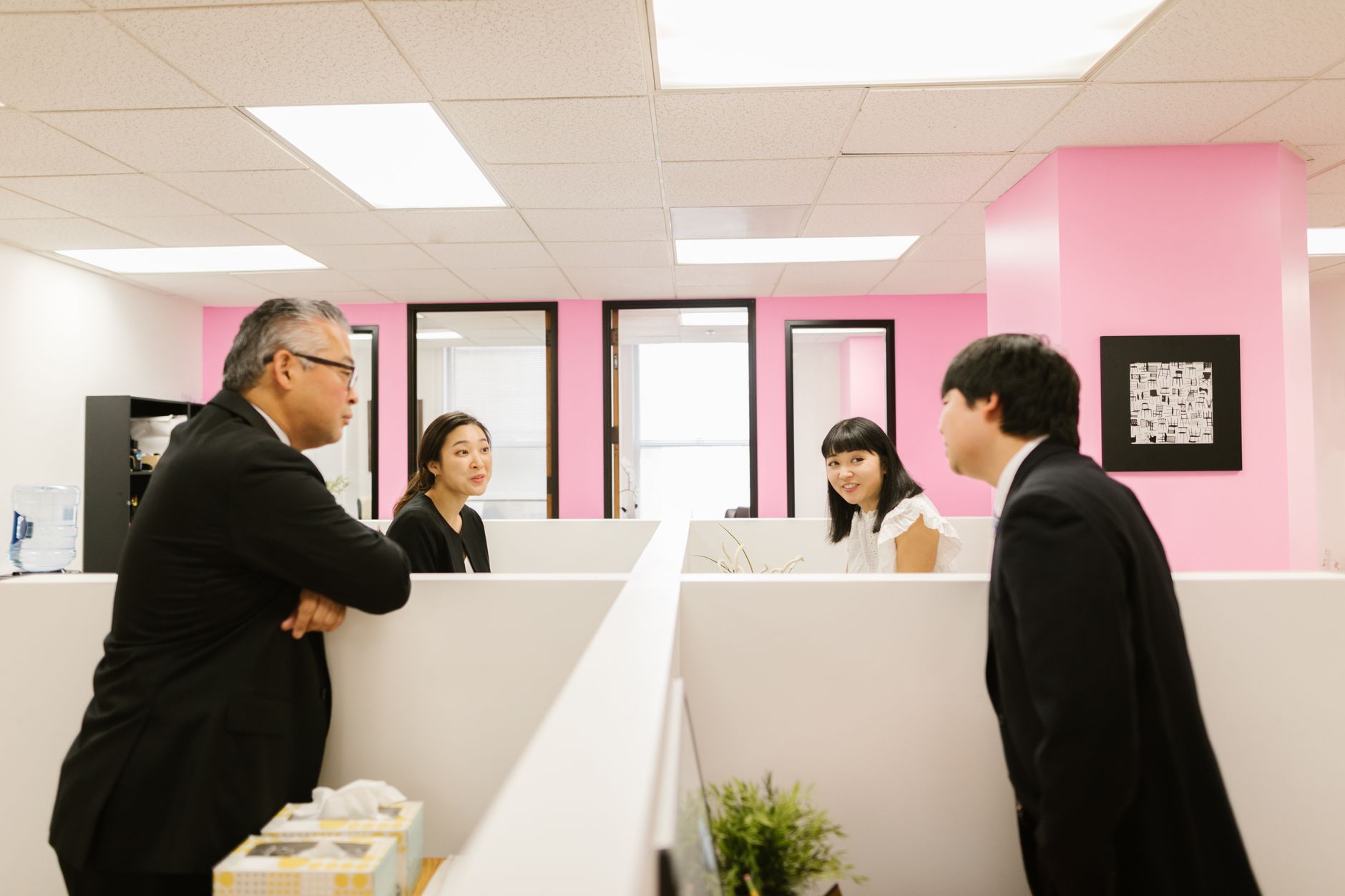
    Colleagues in a Korean office discussing work at a desk

    The Title Is the Person

    The first thing that trips up almost every foreign hire is that first names essentially disappear once you walk through the office door. You don’t call your boss by his given name, and depending on the company, you might not even use his surname alone. The standard formula is surname plus job title plus the honorific “-nim”: Kim Bujang-nim, Park Gwajang-nim, Lee Daepyo-nim. The title is doing real work in that sentence โ€” it’s telling you, and everyone within earshot, exactly where that person sits on the ladder.

    Here’s the part that took me longer to absorb than I’d like to admit: this isn’t just empty red tape. In a lot of Korean companies, especially older, more traditional ones, people genuinely don’t always know each other’s first names. I worked alongside a manager for almost two years before I found out his given name, purely by accident, when I saw it on a delivery label. We’d exchanged probably a thousand emails by then, every one addressed to “Team Leader,” never once to him personally by given name. That felt strange to me at first โ€” almost cold. Turns out it’s the opposite of cold once you’re inside it; the title system is actually a kind of social shorthand that tells you instantly how formal to be, whether you can disagree openly, and who needs to be looped in before you make a decision. Skip the title and you’re not just being casual โ€” you’re implicitly claiming a level of familiarity or equality you probably haven’t earned yet.

    A reasonable objection here is that this sounds exhausting to track, especially in a company with five or six title tiers between intern and CEO: sawon (entry-level staff, roughly years one to three), daeri (assistant manager, years three to seven or so), gwajang (manager), chajang (deputy general manager), and bujang (general manager), before you even reach the executive ranks above that. Each jump usually tracks years of service as much as raw performance, so hearing someone’s title tells you almost as much about their tenure as a resume would. And yes, it took me a solid six months before I stopped hesitating for a beat before addressing anyone above daeri level. But Koreans I’ve talked to about this generally push back on the idea that it’s a burden. Several coworkers have told me they find flatter systems, where everyone’s just “Sarah” or “Mike” regardless of experience, oddly disorienting โ€” like being handed an org chart with all the lines erased.

    Sunbae and Hoobae: Seniority That Isn’t About Age

    Titles give you the outer framework of the office, but the inner scaffolding is built on something even harder for outsiders to track: the sunbae-hoobae relationship โ€” seniority based on when you entered the organization or field, not how old you are. This is where a lot of foreigners get genuinely confused, because it doesn’t sort neatly by age the way you’d assume. I’ve seen a 34-year-old who joined a company in 2019 treated as sunbae to a 40-year-old who joined the same team in 2023. The younger person outranks the older one, at least in terms of organizational seniority, and everyone in the room understands that without anyone saying it out loud.

    What surprised me most about this system wasn’t the ranking itself โ€” it was how much obligation runs in both directions. A sunbae isn’t just someone you defer to. In practice, a good sunbae is expected to mentor, to cover for a hoobae’s mistakes in front of higher-ups, to make introductions, sometimes even to quietly pick up the dinner bill more often than the junior person. In exchange, the hoobae shows deference, does the unglamorous tasks without complaint, and โ€” this is the part that’s easy to miss โ€” is expected to eventually become a solid sunbae themselves. It’s less a strict caste system and more an apprenticeship structure with very clear public signaling attached to it โ€” closer to how a resident learns from an attending physician than to a rigid military chain of command. Even so, I won’t pretend the dynamic is always harmonious. I’ve watched hoobae get quietly overruled in meetings for ideas that were later adopted almost verbatim once a sunbae repackaged them. That’s a real cost of the system, not just a cultural quirk to romanticize.

    Meetings Are Not Where Decisions Get Made

    This one genuinely reshaped how I approach my job. Coming from a Western-style workplace, I assumed meetings were the venue where debate happens and decisions get hashed out in real time. In most Korean offices I’ve worked in, meetings function more like a formal announcement of a decision that’s already been reached through informal channels beforehand โ€” hallway conversations, one-on-ones with a team leader, a quiet word over coffee. By the time everyone’s sitting around the conference table, the senior person is often just confirming a direction, and the room is there to signal agreement, not to relitigate it.

    I’ll admit my first instinct was to see this as inefficient, even a little theatrical. Why hold a meeting if the outcome’s already set? But after sitting through enough of them, I started to see the logic: open disagreement in a meeting, in front of a mixed-seniority group, can make the more junior person look like they’re challenging the senior person’s authority publicly, which is a much bigger deal here than it would be at home. The real negotiating happens beforehand, one level at a time, precisely so that nobody has to lose face in the room. It’s not that Koreans avoid conflict โ€” it’s that they’ve built a system for having it somewhere other than the meeting itself.

    Seating order in these meetings is its own small hierarchy lesson, and it maps almost exactly onto a courtroom: the most senior person sits farthest from the door, often facing it directly like a judge facing the room, while junior staff take the seats nearest the entrance โ€” historically the position closest to danger, symbolically now just the position with the least standing. I got quietly redirected out of a senior seat exactly once, early on, and never made that mistake again.

    Hoesik: Hierarchy You Can See on the Table

    Group sharing a Korean barbecue dinner at a restaurant table

    That obsession with seating geography doesn’t stay behind in the conference room โ€” it follows you straight to the dinner table for hoesik, the after-work team meal. I won’t spend much time on the drinking customs around hoesik โ€” company dinners โ€” since that ground’s been covered elsewhere. What I do want to point out is how much hierarchy signaling happens at these dinners that has nothing to do with alcohol at all. Seating order repeats itself here: the most senior person usually gets the seat with the best view or the one facing the door, depending on the venue, and where you sit relative to your team leader says something about your standing that month. Who orders the food, who decides when the group moves to a second location, who calls the night to a close โ€” all of it defaults upward.

    What’s interesting is that hoesik is also where the hierarchy gets its one scheduled release valve. The rules loosen slightly โ€” a junior employee might rib a team leader about something, within limits, in a way that would never fly in the office. But the loosening is itself hierarchical: how much slack you’re given depends on your seniority and how long you’ve been on the team. A brand-new hoobae doesn’t get the same leeway a five-year veteran does, even at the same rank. I didn’t fully grasp that distinction until I watched a coworker get away with a joke I definitely wouldn’t have risked in my first year.

    Why This Feels So Foreign If You’ve Worked in a Flat Org

    If your reference point is a Silicon Valley-style flat organization โ€” first names for everyone, the intern pitching ideas directly to the CEO in an all-hands โ€” the Korean system can feel almost like a different species of workplace entirely. The core difference, as I’ve come to understand it, isn’t a question of which culture values people more. It’s about where certainty comes from. Flat structures ask people to constantly renegotiate status through performance, confidence, and visibility; you have to prove your standing in every interaction. The Korean system front-loads that certainty into title and tenure, so nobody has to guess where they stand. That has real upsides โ€” less office politics around who’s “really” in charge, clearer chains of accountability โ€” and real downsides, mainly that good ideas from junior staff can get buried simply because of who’s holding the microphone.

    I’ll be honest that after a few years here, I don’t fully belong to either system anymore. I still flinch a little when a Korean colleague calls a much older manager by a first name because they picked it up working abroad. And I still, every so often, catch myself starting an email with “Hi” out of pure muscle memory before I stop and fix it. Neither instinct has fully won out, and at this point I’m not sure I want one to.

    Frequently Asked Questions

    What happens if I accidentally use someone’s first name with a senior coworker? In most cases, nothing dramatic โ€” you’ll likely get a gentle correction rather than a real reprimand, especially since Koreans generally extend more slack to foreigners still learning the system. But it’s worth fixing quickly once you’re told, since repeating it after a correction reads as not taking the workplace seriously rather than as an innocent mistake.

    Does the title system apply the same way at a startup as it does at a big conglomerate? Not exactly. Smaller startups and foreign-founded companies in Korea have experimented with flatter structures โ€” some, like a handful of tech firms in the mid-2010s, tried using English first names or unified titles like “Manager” for everyone. Interestingly, several of these experiments were later walked back, including at larger firms, after employees reported feeling less motivated without a visible title to work toward. It makes a certain sense once you think about it: if everyone in the office is just “Alex” regardless of tenure, how do you show a five-year jump from junior to senior on a resume, or explain it to your own parents over a family dinner? The title isn’t just office branding โ€” it’s proof of progress people can point to. The bigger and more traditional the company, the more rigidly the classic system holds.

    As a foreigner, will I ever really be someone’s sunbae or hoobae? Yes, if you’re on a Korean team long enough for tenure to matter, though the dynamic can feel looser with foreign staff since some of the unwritten obligations โ€” like automatically covering a junior’s mistakes โ€” aren’t always extended both ways by default. My advice: lean into showing the deference expected of a hoobae early on, since that tends to earn you more flexibility later, once you’ve become a sunbae yourself.

  • Why Korean Bathrooms Have a Drain in the Middle of the Floor

    Why Korean Bathrooms Have a Drain in the Middle of the Floor

    The first time I used a Korean bathroom, I made the mistake every foreigner makes at least once: I tried to keep the floor dry. I held the shower head close to my body, angled it down, ducked and shuffled like I was trying to avoid a sprinkler at a kid’s birthday party. Twenty minutes later I stepped out to a bathroom that looked like a flash flood had come through anyway, because that is simply what happens in a room with no shower stall, no curtain, and no dry zone to protect. It took me embarrassingly long to realize the room was never designed to stay dry in the first place. There’s a drain sitting in the middle of the floor for exactly that reason, and once you surrender to the layout instead of fighting it, the logic behind the whole system reveals itself.

    If you grew up in a house with a separate shower stall or a tub with a glass door, a Korean bathroom can feel almost alarming at first glance. The toilet, the sink, and the shower all share the same tiled floor. There’s no lip, no threshold, no glass wall keeping water where it belongs, because water is expected to go everywhere. Far from being an oversight, that lack of containment is the whole architecture in a nutshell.

    Close-up top view of a stainless steel floor drain set into white tile in a wet-style bathroom

    The Wet Room, Explained

    The technical term for this layout is a “wet room,” and Korea is far from the only country that uses one, but it might be the country where the concept is most thoroughly standardized. Walk into almost any apartment built after the 1980s, from a tiny officetel studio to a four-bedroom place in a high-rise complex, and you’ll find the same basic formula: fully tiled floor and walls, a slight slope toward a drain, and a handheld shower head mounted on the wall with no enclosure around it. The floor tilts, usually just a few degrees, so that water naturally runs toward the lowest point instead of pooling under the sink or against the door.

    I’ll admit my first reaction was that this seemed almost primitive compared to the sealed glass shower enclosures I grew up with. Surprisingly, the opposite turned out to be true once I thought about it from a maintenance standpoint. There’s no grout track along a shower door to grow mold in, no rubber seal to replace every few years, no glass to squeegee separately from the floor. You just tile the whole room the same way and let gravity and a drain do the rest of the work. It’s a low-tech solution, but it’s a genuinely durable one.

    Why This Design Exists: Space and History, Not Just Habit

    It’s tempting to assume this is purely a cultural preference, but the real story is more about square footage than taste. South Korea’s modern apartment boom really took off in the 1970s and accelerated hard through the 1980s and 1990s, when the government and private developers raced to house a population that was urbanizing faster than almost anywhere else on earth. Land in Seoul was, and still is, extraordinarily expensive, and apartments are typically measured in “pyeong,” a unit equal to about 3.3 square meters. A standard family apartment might run 25 to 34 pyeong, which sounds generous until you remember that includes the kitchen, all bedrooms, and storage. Picture trying to fit a toilet, a sink, and a full-size standing shower stall into something the size of a walk-in closet, and you start to see why builders wouldn’t dedicate a separate room to a shower that sits empty 23 hours a day.

    A wet room solves that math elegantly. The same three or four square meters that hold a toilet and a sink can also serve as the shower, because nothing in the room needs to be protected from water. You’re not carving out a separate wet zone within the bathroom; the entire bathroom is the wet zone. Even in newer, larger apartments built in the 2010s and 2020s where space is less of a constraint, the wet room format has stuck around simply because it works, and because an entire domestic supply chain, tile setters, drain hardware, floor slope standards, has been built around it for two generations now. Changing that now would mean going against decades of construction habit and, frankly, most people don’t see a reason to.

    Person cleaning a tiled wet bathroom wall and floor with a squeegee-style wiper

    How to Actually Use One Without Flooding Everything

    Knowing why an architect drew the room this way is one thing, though. Actually standing in it with a shower head in your hand is another, and that’s where the decades of history stop being interesting trivia and start being a habit you have to unlearn. Here’s where most newcomers get it wrong, and I include myself in that group. The instinct is to treat the space like a dry bathroom that has accidentally lost its shower door, and to try to minimize water spread through sheer physical effort. That’s backwards. The room is built to handle a full soaking, so the better strategy is to lean into it rather than resist it.

    A few things make a real difference. First, keep your toilet paper, towels, and anything electronic well off the floor and away from the direct spray radius, since those are really the only things a wet room can’t tolerate getting wet. Most Korean bathrooms solve this with a small shelf or a cabinet mounted above the sink rather than anything at floor level. Second, don’t fight the slope. If you stand with your back to the drain while showering, you’re pushing water uphill against the tilt, which is how it ends up pooling somewhere it shouldn’t. Face the drain, or at least shower somewhere near the middle of the room, and the floor does most of the work for you. Third, and this genuinely surprised me when I first noticed it: many apartments have the drain positioned slightly off-center, closer to the shower area than the toilet, precisely so runoff has less distance to travel. It’s a small detail, but it tells you how deliberately these rooms are engineered.

    One fair pushback here is: doesn’t a fully wet bathroom just take longer to dry, and isn’t that its own kind of gross, sitting damp for hours? It’s a reasonable concern, and the honest answer is that a wet room does stay damp longer than a Western bathroom where only the tub gets wet. That’s exactly why the next two tools matter so much.

    The Squeegee and the Slippers: Two Small Tools That Do a Lot of Work

    Almost every Korean household keeps a squeegee, sometimes called a “water wiper” locally, hanging on a hook right next to the shower. After you finish washing, you spend maybe thirty seconds pulling standing water off the floor and toward the drain before you even towel off, that dry rubber-on-tile squeak becoming the actual signal that a shower is over. It feels counterintuitive at first, mopping your own bathroom floor right after washing it, but muscle memory takes over within a week or two, and it cuts drying time dramatically. Skip it and the floor might stay wet for an hour or more; do it and you’re looking at ten or fifteen minutes, especially with a bit of ventilation fan running.

    Bath slippers are the other non-negotiable piece of the system, and honestly, they’re the part visitors adapt to fastest because the logic is so obvious once you’re standing on a wet tile floor in socks. A pair of rubber or plastic slippers sits right at the bathroom entrance, separate from any slippers used in the rest of the house. You step into them the moment you cross the threshold, whether you’re showering or just brushing your teeth, and step out of them, leaving them behind, when you leave. It keeps your socks dry, keeps you from slipping on wet tile, and, in a shared household, keeps whatever water is on the floor from someone else’s shower off your feet. Even now, after years of this being routine, I still notice how strange it feels to walk into a Western-style bathroom barefoot and not think twice about it.

    Pair of bathroom slippers sitting on a white tiled bathroom floor near the entrance

    What Actually Surprises First-Time Visitors

    Most people expect the lack of a shower curtain to be the strangest part, but in my experience it’s usually something else that trips visitors up. It’s the sink. In a wet room layout, the sink often sits just outside or right at the edge of the shower’s spray radius, which means brushing your teeth ten minutes after someone else showered can mean standing in a puddle. Guests also tend to be surprised that towels are kept outside the bathroom entirely, often on a rack in the hallway or bedroom, precisely because there’s no truly dry spot to hang them inside. Turns out that once you know the room is designed around total wetness rather than partial dryness, the towel placement, the raised threshold at the door, the slipper habit, all of it clicks into place as one coherent system rather than a collection of odd quirks.

    That same fixture logic explains another thing that catches people off guard: bathtubs are much rarer than you’d expect for a country this developed. Even in relatively upscale apartments, a tub is often skipped entirely in favor of more standing shower space, simply because a tub takes up floor area that could otherwise flex between shower use and general bathroom function. When you do see a tub, it’s frequently a compact, almost sit-in style rather than the long soaking tubs common in the US or UK, again a function of that same square-footage math from decades of dense apartment construction. Even the glossy officetels going up around Gangnam these days, the kind marketed with rooftop gyms and package-delivery lockers, mostly keep the tub optional and the wet-room floor standard. The upgrades tend to be quieter than you’d think: a slightly raised shower pan, nicer tile, maybe a glass half-wall, rather than a wholesale switch to a dry Western layout.

    Is it better or worse than a dry bathroom? Honestly, it depends what you’re used to and what you value. It’s more water-efficient in some ways since there’s no wasted enclosure to clean separately, and it’s genuinely easier to deep-clean since you can just hose the whole room down. Even so, it does mean everything gets a little damp, and if you’re not used to the slipper habit, it takes some adjustment. Neither approach is objectively correct, but once you understand why the Korean version exists, it stops looking like an oversight and starts looking like a pretty clever answer to a real space problem.

    Frequently Asked Questions

    Is it normal for the whole Korean bathroom floor to get wet every time someone showers? Yes, and that’s expected rather than a sign anything went wrong. The floor is tiled and sloped specifically so that a full soaking drains away safely. If you’re staying in a Korean home or guesthouse and notice the bath mat and slippers right at the door, that’s your cue that the floor gets wet by design, not by accident.

    I’m staying in an Airbnb with a wet bathroom and I’m worried about flooding the hallway. What should I actually do? Check where the drain sits before you shower, and try to position yourself so water flows toward it rather than toward the door. Most bathrooms also have a small raised threshold at the entrance specifically to hold water inside, so as long as you’re not deliberately spraying the door area, flooding outside the room is very unlikely. Using the squeegee afterward, if there is one hanging nearby, will also speed up drying and reduce any water that might otherwise seep toward the threshold over time.

    Why don’t newer, more expensive Korean apartments switch to Western-style dry bathrooms with shower enclosures? Some higher-end new builds actually do install a glass partition or a slightly raised shower pan now, especially in larger units marketed as premium. But full dry bathrooms remain rare, mainly because the wet room format is easier to clean, cheaper to build and maintain at scale, and deeply embedded in how contractors and plumbers here have worked for decades. It’s less about not being able to afford the alternative and more that most people genuinely don’t see a compelling reason to switch.

  • Is It Rude to Eat Alone in Korea? Inside Honbap Culture

    Is It Rude to Eat Alone in Korea? Inside Honbap Culture

    The Lunch That Almost Didn’t Happen

    A few years ago, walking into a samgyeopsal joint by myself around 7 p.m. on a Friday would have earned me a look from the ajumma at the counter โ€” not hostile, just puzzled, like I’d shown up to a wedding without a date. These days, nobody blinks. I can slide onto a stool at a ramyeon bar in Hongdae, order through a touchscreen without saying a word to another human being, and eat my noodles in peace while couples argue quietly two seats over. Something shifted, and it happened faster than most outsiders realize.

    That something has a name: honbap. It’s a mashup of “honja” (alone) and “bap” (rice, or more loosely, a meal), and if you’d typed it into a search bar in, say, 2011, you’d have gotten mostly blank stares. The word barely existed. Now it’s stitched into ordinary conversation the way “brunch” is in English โ€” nobody remembers a time before it, even though that time was recent.

    Why Eating Alone Used to Feel Loaded

    To understand why honbap became a whole cultural conversation instead of just a personal preference, you have to know what it was pushing against. Korean dining has historically been built around the group โ€” dishes served family-style, shared side dishes (banchan) refilled for the table, portions sized for at least two people, and a social rhythm where eating together after work or class was less an option than an expectation. Sitting alone at a restaurant wasn’t illegal or even explicitly frowned upon; it just read as a small signal that something was off. Maybe you had no friends. Maybe you’d been dumped. Maybe you were the type who couldn’t function in a group, and in a culture that leaned hard on nunchi โ€” reading the room, matching everyone else’s pace โ€” eating solo made you the one variable nobody could read.

    I’ll admit I underestimated how real that stigma was until I watched a Korean coworker, back around 2014, visibly steel herself before eating lunch alone at her desk instead of walking down to a restaurant by herself. She wasn’t ashamed of the food. She was avoiding the optics of a table for one. That’s a strange thing to explain to someone from a country where solo lunches are just Tuesday.

    What Actually Changed the Math

    Several things converged, and none of them were about food snobbery or some sudden embrace of introversion. Household structure changed first and hardest: by the early 2020s, roughly a third of households in Seoul were single-person households, a number that would have seemed implausible a generation earlier. That’s not a niche demographic anymore โ€” that’s a market. Restaurants, being businesses and not moral institutions, noticed.

    Around the same period โ€” people who track this stuff point to somewhere near 2017 as the inflection โ€” “honjok,” the alone tribe, went from a slightly mocking label to something closer to a lifestyle brand. Variety shows started featuring people who lived alone and seemed fine, even enviable. Convenience stores expanded their single-serving meal sections. And crucially, kiosks arrived. Once you can order and pay without speaking to a cashier or a server, a huge chunk of the social friction around eating alone just evaporates โ€” nobody has to make small talk, nobody has to explain that yes, it’s just you, table for one.

    Even so, I don’t think technology alone explains it. Kiosks made solo dining logistically easier, but the cultural permission had to come first, or people would have just avoided those restaurants altogether. The two reinforced each other.

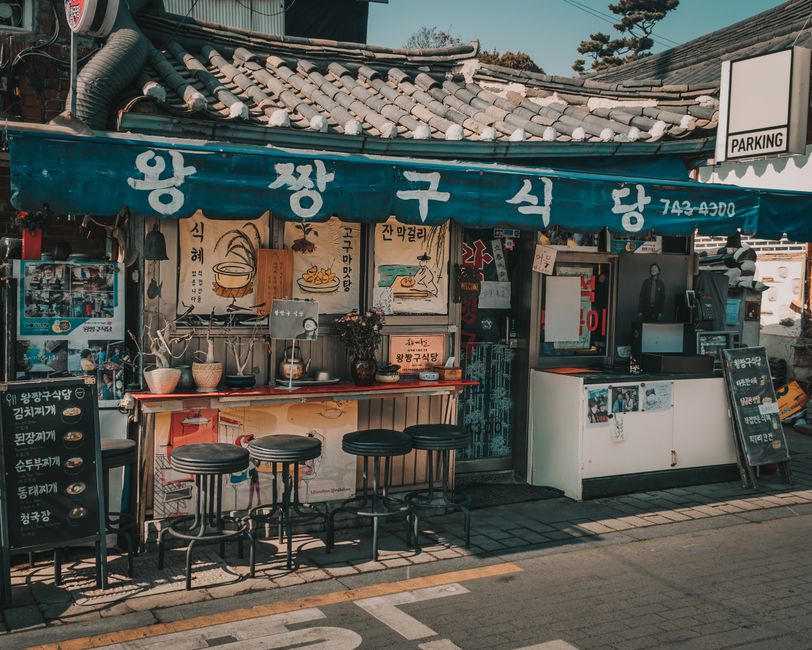
    A small Korean restaurant storefront with bar-style stool seating designed for solo diners

    The Restaurants Built Around You, Singular

    The clearest proof that honbap stopped being a fringe behavior is that entire restaurant formats now exist because of it. Ramyeon and donkatsu chains with long bar-style counters facing a wall or an open kitchen are everywhere now, and that layout isn’t accidental โ€” it’s a deliberate signal that a single diner isn’t an inconvenience to be seated awkwardly at a four-top, but the default customer the space was designed for. Some hot pot and jjigae spots now do single-portion stone pots, which sounds obvious until you remember that traditionally a lot of stews were built to be ladled out to multiple bowls from one shared pot.

    The category I find genuinely clever, though, is one-person barbecue. Grilled meat was the textbook example of a dish that punished solo diners โ€” more on that in a second โ€” so a wave of restaurants (Gogitbar being probably the most recognized name in the space) built individual grill stations, one per seat, so you get your own little tabletop burner and your own portion instead of negotiating shared grill real estate with strangers. It’s a strange kind of innovation: solving a social problem with a hardware solution.

    Honsul โ€” drinking alone, the sibling trend to honbap โ€” has followed a similar arc. Standing bars and small wine bars with counter seating have multiplied, and nobody assumes the person alone with a glass of makgeolli is having a crisis. If anything, in some neighborhoods it reads as mildly stylish, the kind of thing you’d see in a lifestyle magazine spread rather than something to be embarrassed about.

    Samgyeopsal pork belly grilling on a Korean BBQ table surrounded by banchan side dishes

    What Still Doesn’t Quite Work Solo

    I don’t want to oversell how far this has come, because there are real limits, and pretending otherwise would be dishonest. Classic samgyeopsal โ€” the pork belly barbecue that’s arguably Korea’s most iconic communal dish โ€” is still awkward to eat alone in a lot of ordinary restaurants, the ones without the one-person setups I just mentioned. The reasons are structural, not just social: many places sell it in units of two servings minimum, the grill is genuinely more fun and more efficient with someone else managing the tongs while you drink, and the whole ritual โ€” wrapping the meat in lettuce, passing bowls, refilling each other’s soju glasses โ€” is built for at least a pair. You can absolutely order it alone at plenty of places now, but you’re often paying for two servings whether you eat them or not, which turns “eating alone” into “eating alone, expensively.”

    Group-portion dishes are the other holdout. Things like certain jjimdak, budae jjigae, or seafood boils are priced and portioned assuming multiple mouths, and a solo diner ordering one is either going to have a lot of leftovers or is going to get a polite but firm “this is for two people minimum” from the server. It’s not personal โ€” it’s just the economics of a dish built around a shared pot. Turns out cultural change moves faster than menu engineering; restaurants can rearrange seating in a season, but redesigning a dish’s entire cost structure around single portions is a bigger lift.

    Company dinners โ€” hoesik โ€” sit outside honbap’s reach entirely, but that’s a different animal with its own hierarchy and expectations, not really a solo-dining question at all.

    The Generational Split Is Real, and It’s Not Just About Age

    Ask a Korean in their 20s about eating alone and you’ll often get something close to indifference โ€” it’s just how Tuesday lunch works sometimes, no bigger a decision than picking a Netflix show. Ask someone in their 50s or 60s and you’re more likely to hear an acknowledgment that things have changed, paired with a lingering sense that eating alone, especially at a nicer restaurant or for a special occasion, still feels a little sad, or at least worth commenting on. That’s not universal โ€” plenty of older Koreans have embraced honbap as simply efficient, and plenty of younger ones still find certain solo situations (a table for one at a wedding-hall-style buffet, for instance) genuinely uncomfortable.

    What I’ve noticed, having lived through roughly a decade of this shift, is that the generational gap isn’t really about whether eating alone is acceptable anymore โ€” pretty much everyone agrees it is โ€” it’s about which situations still carry weight. For someone who came of age professionally in the 1990s, the workplace lunch group was practically a duty; skipping it to eat alone could read as a small social statement even if none was intended. For someone who graduated during or after the pandemic, remote work and delivery apps had already normalized eating by yourself well before honbap became a cultural buzzword, so the whole debate can feel a bit like adults discovering something teenagers already knew.

    There’s also a quieter class dimension worth naming honestly: honbap as a trendy, empowered lifestyle choice is a different experience than honbap as an unavoidable reality for someone working long hours with no one to eat with. The same act โ€” a bowl of noodles, alone, at a counter โ€” can be read as liberation or as loneliness depending entirely on context, and I think part of why the topic still generates so much commentary in Korea is that both readings are true at once, for different people, sometimes for the same person on different days.

    A person drinking alone at a bar counter, illustrating the honsul solo-drinking trend

    So, Is It Actually Rude?

    No โ€” and honestly, it hasn’t been “rude” in any formal sense for a while now. What lingers isn’t rudeness but residue: a faint cultural memory of a time when solo dining meant something about your social standing, even though the infrastructure, the businesses, and most of the people around you have already moved past that. If you’re visiting or living in Korea and hesitant to eat alone, the honest answer is that almost nowhere will treat you badly for it, and a growing number of places are specifically built for exactly that. The exceptions are narrow and mostly about menu logistics, not judgment โ€” a samgyeopsal spot that needs two orders minimum isn’t shaming you, it’s just running a kitchen designed around a different assumption.

    What surprised me most, watching this unfold over years rather than reading about it after the fact, is how quickly the infrastructure caught up to the sentiment once the sentiment tipped. Culture is usually slower than that. Here, it took roughly a decade to go from “table for one” being a quiet confession to being a menu category.

    FAQ

    Is it weird to eat samgyeopsal alone in Korea?

    It’s increasingly normal, but check the restaurant first. Ordinary neighborhood BBQ spots often have a two-serving minimum simply because of how the dish and grill are set up, while one-person BBQ chains (Gogitbar and similar) are built specifically for solo grilling, single portion and all โ€” no minimum, no awkwardness.

    Will servers judge me for eating alone at a nice restaurant?

    Almost certainly not for judgment in the sense of disapproval, though at higher-end or banquet-style places (think wedding-hall buffets or set-course restaurants built around groups) you may just get a slightly puzzled clarifying question about your reservation, since the format itself assumes company rather than the diner being unwelcome.

    What’s the easiest way to eat alone without feeling self-conscious?

    Look for counter or bar seating facing the kitchen or a wall โ€” ramyeon shops, donkatsu counters, and casual Japanese-style spots usually have this by design โ€” and use the kiosk if there is one. Ordering without a verbal exchange removes most of the friction people worry about, and it’s honestly how a large share of solo diners in Korea already do it.

  • ๊ฐ€์„ ์˜ˆ๊ธˆยทํŒŒํ‚นํ†ต์žฅ ๊ฐˆ์•„ํƒ€๊ธฐ, ์ด์ž ๋ช‡๋งŒ ์›์— ์œ ๋‚œ ๋–ค๋‹ค๊ณ ์š”?

    ๊ฐ€์„ ์˜ˆ๊ธˆยทํŒŒํ‚นํ†ต์žฅ ๊ฐˆ์•„ํƒ€๊ธฐ, ์ด์ž ๋ช‡๋งŒ ์›์— ์œ ๋‚œ ๋–ค๋‹ค๊ณ ์š”?

    ์ด์ž ๋ช‡์ฒœ ์›, ๋ช‡๋งŒ ์› ์ฐจ์ด ๊ฐ–๊ณ  ์€ํ–‰ ์•ฑ์„ ์„ธ ๊ฐœ๋‚˜ ๊น”์•„๋†“๊ณ  ๋น„๊ตํ•˜๋Š” ๊ฒŒ ์œ ๋‚œ์ฒ˜๋Ÿผ ๋ณด์ผ ์ˆ˜ ์žˆ๋‹ค. ๊ทธ๋Ÿฐ๋ฐ 1์ฒœ๋งŒ ์›์„ 1๋…„ ๋„ฃ์–ด๋‘๋Š” ๊ธฐ์ค€์œผ๋กœ ๊ณ„์‚ฐ๊ธฐ๋ฅผ ๋‘๋“œ๋ ค๋ณด๋ฉด ์–˜๊ธฐ๊ฐ€ ๋‹ฌ๋ผ์ง„๋‹ค. ์ •๊ธฐ์˜ˆ๊ธˆ์ด๋ƒ ํŒŒํ‚นํ†ต์žฅ์ด๋ƒ์— ๋”ฐ๋ผ ์„ธํ›„๋กœ ์†์— ์ฅ๋Š” ์ด์ž ์ฐจ์ด๊ฐ€ 15๋งŒ ์›์„ ๋„˜์–ด๊ฐ€๋Š” ๊ฒฝ์šฐ๋„ ํ”ํ•˜๋‹ค. ์ปคํ”ผ๊ฐ’ ์ •๋„๊ฐ€ ์•„๋‹ˆ๋ผ ์•Œ๋œฐํฐ ์š”๊ธˆ์ œ ๊ธฐ์ค€ ์„œ๋„ˆ ๋‹ฌ์น˜ ํ†ต์‹ ๋น„๋‹ค. 9์›” ์ค‘์ˆœ์ธ ์ง€๊ธˆ, ์ €์ถ•์€ํ–‰ ์ •๊ธฐ์˜ˆ๊ธˆ ํ‰๊ท ๊ธˆ๋ฆฌ๋Š” 3%๋Œ€ ํ›„๋ฐ˜๊นŒ์ง€ ๋‚ด๋ ค์™”๊ณ  ํ•œ์—ฌ๋ฆ„ ๋ฐ˜์งํ–ˆ๋˜ ํŠนํŒ ๊ฒฝ์Ÿ์€ ๋ˆˆ์— ๋„๊ฒŒ ์ž ์ž ํ•ด์กŒ๋‹ค. ๊ฐˆ์•„ํƒˆ ํƒ€์ด๋ฐ์„ ์žฌ๊ณ  ์žˆ๋˜ ์‚ฌ๋žŒ์ด๋ผ๋ฉด ์ง€๊ธˆ ์ƒํ™ฉ์„ ํ•œ ๋ฒˆ์€ ์ •๋ฆฌํ•ด๋ณผ ํ•„์š”๊ฐ€ ์žˆ๋‹ค.

    ๊ฐ€์„ ๋“ค์–ด ์˜ˆ๊ธˆ ์‹œ์žฅ์ด ์กฐ์šฉํ•ด์ง„ ์ด์œ 

    6์›”๋งŒ ํ•ด๋„ ์ผ๋ถ€ ์ €์ถ•์€ํ–‰์ด ์—ฐ 4.6%๋Œ€ ํŠนํŒ์„ ์ž‡๋‹ฌ์•„ ๋‚ด๋†“์œผ๋ฉฐ ์ˆ˜์‹  ๊ฒฝ์Ÿ์ด ๋œจ๊ฑฐ์› ๋‹ค. ๊ทธ๋Ÿฐ๋ฐ 8์›” ๊ธฐ์ค€ ์ „๊ตญ 79๊ฐœ ์ €์ถ•์€ํ–‰์˜ 12๊ฐœ์›” ์ •๊ธฐ์˜ˆ๊ธˆ ํ‰๊ท ๊ธˆ๋ฆฌ๋Š” ์—ฐ 3.79~3.80% ์ˆ˜์ค€์œผ๋กœ ๋‚ด๋ ค์•‰์•˜๋‹ค. ์ตœ๊ณ  ์šฐ๋Œ€๊ธˆ๋ฆฌ๋ฅผ ๋‹ค ์ฑ„์›Œ๋„ 4.10% ์•ˆํŒŽ์ด ์ƒํ•œ์„ ์ด๋‹ค. ๋‘ ๋‹ฌ ์‚ฌ์ด์— ํŠนํŒ ์—ด๊ธฐ๊ฐ€ ์ด๋ ‡๊ฒŒ๊นŒ์ง€ ์‹์„ ์ผ์ธ๊ฐ€ ์‹ถ๊ฒ ์ง€๋งŒ, ์ด์œ ๋Š” ๋‹จ์ˆœํ•˜๋‹ค. ์ €์ถ•์€ํ–‰๋“ค์ด ์ƒ๋ฐ˜๊ธฐ์— ๋ชฉํ‘œํ–ˆ๋˜ ์œ ๋™์„ฑ์„ ์ด๋ฏธ ์ƒ๋‹น ๋ถ€๋ถ„ ํ™•๋ณดํ–ˆ๊ณ , ๊ฐ€๊ณ„๋Œ€์ถœ ๊ทœ์ œ ๋•Œ๋ฌธ์— ๋Œ์–ด๋ชจ์€ ์ž๊ธˆ์„ ๊ตด๋ฆด ๊ณณ๋„ ๋งˆ๋•…์น˜ ์•Š๋‹ค. ๋ˆ์„ ๊ธ‰ํ•˜๊ฒŒ ๋” ๋ชจ์„ ์ด์œ ๊ฐ€ ์—†์–ด์ง„ ์…ˆ์ด๋‹ค.

    ๊ธฐ์ค€๊ธˆ๋ฆฌ๋Š” ์˜ค๋ฅด๋Š”๋ฐ ์˜ˆ๊ธˆ๊ธˆ๋ฆฌ๋Š” ์™œ ๊ฑฐ๊พธ๋กœ ๊ฐ€๋‚˜. ํ•œ๊ตญ์€ํ–‰ ๊ธฐ์ค€๊ธˆ๋ฆฌ๋Š” 7์›” 2.75%, 8์›” 3.00%๋กœ ๋‘ ์ฐจ๋ก€์— ๊ฑธ์ณ ์˜ค๋ฅธ ๋’ค 9์›” ๋“ค์–ด์„œ๋„ 3.00%๋ฅผ ์œ ์ง€ํ•˜๊ณ  ์žˆ๋‹ค. ์ƒ์‹๋Œ€๋กœ๋ผ๋ฉด ์˜ˆ๊ธˆ๊ธˆ๋ฆฌ๋„ ๋”ฐ๋ผ ์˜ฌ๋ผ์•ผ ์ •์ƒ์ธ๋ฐ, ์ €์ถ•์€ํ–‰ ์ž…์žฅ์—์„œ๋Š” ๊ธฐ์ค€๊ธˆ๋ฆฌ๋ณด๋‹ค ์ฆ์‹œ ๋ณ€๋™์„ฑ์ด ๋” ์˜ˆ๋ฏผํ•œ ๋ณ€์ˆ˜๋กœ ์ž‘๋™ํ•œ๋‹ค. ์ตœ๊ทผ ์ฃผ์‹์‹œ์žฅ ๋ณ€๋™์„ฑ์ด ์ปค์ง€๋ฉด์„œ ์•ˆ์ „์ž์‚ฐ์ธ ์˜ˆ๊ธˆ์œผ๋กœ ๋ˆ์ด ๋ชฐ๋ฆฌ๋Š” ํ๋ฆ„์ด ์ƒ๊ฒผ๊ณ , ๊ทธ๋งŒํผ ์ €์ถ•์€ํ–‰์ด ๊ณ ๊ธˆ๋ฆฌ๋ฅผ ๋‚ด๊ฑธ์–ด ์˜ˆ๊ธˆ์„ ๋ถ™์žก์•„์•ผ ํ•  ์ ˆ๋ฐ•ํ•จ์ด ์ค„์—ˆ๋‹ค. ๊ตณ์ด ๋น„์‹ผ ๊ฐ’ ์น˜๋ฅด๊ณ  ๋ˆ์„ ๋Œ์–ด์˜ฌ ์ด์œ ๊ฐ€ ์—†์–ด์ง„ ๊ฑฐ๋‹ค. ๋‹ค๋งŒ ์‹œ์žฅ๊ธˆ๋ฆฌ๊ฐ€ ๋‹ค์‹œ ํŠ€๊ฑฐ๋‚˜ ์˜ˆ๊ธˆ ์ดํƒˆ์ด ์ปค์ง€๋ฉด ์ผ๋ถ€ ์ €์ถ•์€ํ–‰์„ ์ค‘์‹ฌ์œผ๋กœ ํŠนํŒ์ด ์žฌ๋“ฑ์žฅํ•  ์—ฌ์ง€๋Š” ๋‚จ์•„ ์žˆ๋‹ค๋Š” ๊ฒŒ ์—…๊ณ„ ๊ด€์ธก์ด๋‹ค.

    ์€ํ–‰ ์ฐฝ๊ตฌ์—์„œ ์˜ˆ๊ธˆ ์ƒ๋‹ด์„ ๋ฐ›๋Š” ๋ชจ์Šต

    ์˜ˆ๊ธˆ์ž๋ณดํ˜ธ, ์•„์ง๋„ 5์ฒœ๋งŒ ์›๊นŒ์ง€์ธ ์ค„ ์•Œ์•˜๋‹ค๋ฉด

    ์ฃผ๋ณ€์— ๋ฌผ์–ด๋ณด๋ฉด ์˜์™ธ๋กœ ๋งŽ์€ ์‚ฌ๋žŒ์ด ์—ฌ์ „ํžˆ “์˜ˆ๊ธˆ์ž๋ณดํ˜ธ๋Š” 5์ฒœ๋งŒ ์›๊นŒ์ง€”๋ผ๊ณ  ์•Œ๊ณ  ์žˆ๋‹ค. 2025๋…„ 8์›”๊นŒ์ง€๋Š” ๋งž๋Š” ๋ง์ด์—ˆ๋‹ค. ๊ทธ๋Ÿฐ๋ฐ 2025๋…„ 9์›” 1์ผ, ์˜ˆ๊ธˆ์ž๋ณดํ˜ธ๋ฒ• ์‹œํ–‰๋ น ๋“ฑ ๊ด€๋ จ ๋ฒ•๋ น ๊ฐœ์ •์œผ๋กœ ๋ณดํ˜ธ ํ•œ๋„๊ฐ€ 5์ฒœ๋งŒ ์›์—์„œ 1์–ต ์›์œผ๋กœ ๊ป‘์ถฉ ๋›ฐ์—ˆ๋‹ค. 2001๋…„ ํ•œ๋„๊ฐ€ ์ •ํ•ด์ง„ ๋’ค 24๋…„ ๋งŒ์— ์ฒ˜์Œ ์†๋Œ„ ์กฐ์ •์ด๋‹ค. 1๋…„์ด ์ฑ„ ์•ˆ ๋œ ๋ณ€ํ™”๋ผ ์•„์ง๋„ ์˜ˆ์ „ ๊ธฐ์ค€์œผ๋กœ ์•Œ๊ณ  ์žˆ๋Š” ์‚ฌ๋žŒ์ด ๋งŽ์€ ๊ฒƒ๋„ ๋ฌด๋ฆฌ๋Š” ์•„๋‹ˆ๋‹ค. ์›๊ธˆ๊ณผ ์ด์ž๋ฅผ ํ•ฉ์ณ ๊ธˆ์œตํšŒ์‚ฌ ํ•œ ๊ณณ๋‹น 1์–ต ์›๊นŒ์ง€ ๋ณดํ˜ธ๋˜๊ณ , ์‹œํ–‰์ผ ์ด์ „์— ๋„ฃ์–ด๋‘” ์˜ˆ๊ธˆ์ด๋ผ๋„ ์ดํ›„์— ๊ทธ ๊ธˆ์œตํšŒ์‚ฌ๊ฐ€ ํŒŒ์‚ฐํ•˜๋ฉด ์ƒํ–ฅ๋œ ํ•œ๋„๋กœ ๋ณดํ˜ธ๋ฐ›๋Š”๋‹ค.

    ํ•œ๋„๊ฐ€ ๋‘ ๋ฐฐ๋กœ ๋Š˜์—ˆ๋‹ค๋Š” ๊ฒŒ ์ˆซ์ž๋กœ๋งŒ ๋ณด๋ฉด ๋ณ„๊ฒƒ ์•„๋‹Œ ๊ฒƒ ๊ฐ™์ง€๋งŒ, ์‹ค์ œ ์ž๊ธˆ ๋ฐฐ๋ถ„ ์ „๋žต์—์„œ๋Š” ๊ฝค ํฐ ๋ณ€ํ™”๋‹ค. ์˜ˆ์ „์—๋Š” ์ €์ถ•์€ํ–‰ ํ•œ ๊ณณ์— 5์ฒœ๋งŒ ์› ์ด์ƒ ๋„ฃ๊ธฐ๊ฐ€ ๊บผ๋ฆผ์น™ํ•ด์„œ ์—ฌ๋Ÿฌ ์€ํ–‰์— ์ชผ๊ฐœ ๋„ฃ๋Š” ๊ฒŒ ์ •์„์ด์—ˆ๋‹ค. ๊ทธ๋Ÿฐ๋ฐ ์ง€๊ธˆ์€ 1์–ต ์›๊นŒ์ง€๋Š” ํ•œ ๊ณณ์— ๋ชฐ์•„ ๋„ฃ์–ด๋„ ์ œ๋„์ ์œผ๋กœ๋Š” ์•ˆ์ „ํ•˜๋‹ค. ๊ทธ๋ ‡๋‹ค๊ณ  ๋ฌด์กฐ๊ฑด ํ•œ ๊ณณ์— ๋ชฐ๋นตํ•˜๋ผ๋Š” ๋œป์€ ์•„๋‹ˆ๋‹ค. ๋งŒ๊ธฐ๊ฐ€ ๊ฒน์น˜๋ฉด ๊ฐˆ์•„ํƒˆ ํƒ€์ด๋ฐ์„ ๋†“์น˜๊ธฐ ์‰ฝ๊ณ , ๊ธ‰ํ•˜๊ฒŒ ๋ชฉ๋ˆ์ด ํ•„์š”ํ•  ๋•Œ ์ค‘๋„ํ•ด์ง€ ์†์‹ค์„ ํ•œ๊บผ๋ฒˆ์— ๋– ์•ˆ์„ ์ˆ˜๋„ ์žˆ๋‹ค. ํ•œ๋„๊ฐ€ ๋Š˜์–ด๋‚œ ๊ฑธ ์•Œ๊ณ ๋„ ๊ตณ์ด ๋งŒ๊ธฐ๋ฅผ 3๊ฐœ์›”, 6๊ฐœ์›”, 12๊ฐœ์›”๋กœ ์ชผ๊ฐœ ๋„ฃ๋Š” ์‚ฌ๋žŒ๋“ค์ด ์žˆ๋Š” ์ด์œ ๊ฐ€ ์—ฌ๊ธฐ์— ์žˆ๋‹ค.

    ํŒŒํ‚นํ†ต์žฅ vs ์ •๊ธฐ์˜ˆ๊ธˆ, ์ˆซ์ž๋กœ ๋”ฐ์ ธ๋ณด๋ฉด

    ํŒŒํ‚นํ†ต์žฅ ๊ธˆ๋ฆฌ 1~2%ํฌ์ธํŠธ ์ฐจ์ด๋ฅผ ๊ฐ–๊ณ  ์™œ ์ด๋ ‡๊ฒŒ๋“ค ์˜ˆ๋ฏผํ•˜๊ฒŒ ๊ตฌ๋‚˜ ์‹ถ์„ ์ˆ˜ ์žˆ๋‹ค. ๊ทธ๋Ÿฐ๋ฐ ๋ง‰์ƒ ๊ณ„์‚ฐํ•ด๋ณด๋ฉด ์ฒด๊ฐ์ด ๋‹ค๋ฅด๋‹ค. 1์ฒœ๋งŒ ์›์„ 12๊ฐœ์›” ์ •๊ธฐ์˜ˆ๊ธˆ(์—ฐ 3.8%)์— ๋„ฃ์œผ๋ฉด ์„ธํ›„ ์ด์ž๋Š” ์•ฝ 32๋งŒ 1์ฒœ ์›์ด๋‹ค. ๊ฐ™์€ ๋ˆ์„ ํŒŒํ‚นํ†ต์žฅ(์—ฐ 2.0%๋Œ€ ๊ธฐ๋ณธ๊ธˆ๋ฆฌ ๊ธฐ์ค€)์— ๊ทธ๋ƒฅ ๋„ฃ์–ด๋‘๋ฉด ์„ธํ›„๋กœ ์•ฝ 16๋งŒ 9์ฒœ ์› ์ •๋„๋‹ค. ์ฐจ์•ก์ด 15๋งŒ ์›์„ ๋„˜๋Š”๋‹ค. 1๋…„ ๋‚ด๋‚ด ๋ˆ์„ ์•ˆ ๊ฑด๋“œ๋ฆด ์ž์‹ ์ด ์žˆ๋‹ค๋ฉด ์ •๊ธฐ์˜ˆ๊ธˆ ์ชฝ์ด ํ™•์‹คํžˆ ์œ ๋ฆฌํ•˜๋‹ค๋Š” ๋œป์ด๋‹ค.

    ๊ทธ๋Ÿฐ๋ฐ๋„ ํŒŒํ‚นํ†ต์žฅ์ด ์™„์ „ํžˆ ๋ฐ€๋ฆฌ๋Š” ๊ฑด ์•„๋‹ˆ๋‹ค. ์ •๊ธฐ์˜ˆ๊ธˆ์€ ์ค‘๋„ํ•ด์ง€ ์‹œ ์•ฝ์ •๊ธˆ๋ฆฌ๊ฐ€ ์•„๋‹ˆ๋ผ ์ค‘๋„ํ•ด์ง€์ด์œจ(๋Œ€๊ฐœ ์—ฐ 0.1~1%๋Œ€)๋กœ ํ™• ๊นŽ์—ฌ์„œ ๊ณ„์‚ฐ๋œ๋‹ค. 6๊ฐœ์›”๋งŒ ๋„ฃ์–ด๋†“๊ณ  ๊ธ‰ํ•˜๊ฒŒ ๋บ„ ์ƒํ™ฉ์ด ์ƒ๊ธฐ๋ฉด ์• ์ดˆ์— ํŒŒํ‚นํ†ต์žฅ์— ๋„ฃ์–ด๋‘๋Š” ๊ฒŒ ๋‚˜์•˜๋˜ ์…ˆ์ด ๋œ๋‹ค. ์นด์นด์˜ค๋ฑ…ํฌ ์„ธ์ดํ”„๋ฐ•์Šค, ์ผ€์ด๋ฑ…ํฌ ํŒŒํ‚นํ†ต์žฅ, ํ† ์Šค๋ฑ…ํฌ ํ†ต์žฅ์ฒ˜๋Ÿผ ์ธํ„ฐ๋„ท์€ํ–‰ ํŒŒํ‚นํ†ต์žฅ ๊ธฐ๋ณธ๊ธˆ๋ฆฌ๋Š” ์—ฐ 1%๋Œ€ ํ›„๋ฐ˜์—์„œ 2%๋Œ€ ์ดˆ๋ฐ˜์ด ๋Œ€์ฒด์ ์ธ ์ˆ˜์ค€์ด๊ณ , ์ €์ถ•์€ํ–‰ ํŒŒํ‚นํ†ต์žฅ์€ ์ด๋ณด๋‹ค 0.5~1.0%ํฌ์ธํŠธ ๋†’๊ฒŒ ๋‚˜์˜ค๋Š” ๊ฒฝ์šฐ๊ฐ€ ๋งŽ๋‹ค. ๋‹ค๋งŒ ๊ด‘๊ณ ์— ๋ถ™๋Š” “์ตœ๊ณ  ์—ฐ 3%๋Œ€” ๋ฌธ๊ตฌ๋Š” ๋Œ€๋ถ€๋ถ„ ์‹ ๊ทœ๊ฐ€์ž…, ๊ฐ„ํŽธ๊ฒฐ์ œ ๋“ฑ๋ก, ๋งˆ์ผ€ํŒ… ๋™์˜ ๊ฐ™์€ ์šฐ๋Œ€์กฐ๊ฑด์„ ๋‹ค ์ฑ„์›Œ์•ผ ํ•˜๊ณ , ๊ทธ ์šฐ๋Œ€๊ธˆ๋ฆฌ์กฐ์ฐจ 50๋งŒ~200๋งŒ ์› ์ดํ•˜ ์†Œ์•ก ๊ตฌ๊ฐ„์—๋งŒ ๋ถ™๋Š” ๊ฒฝ์šฐ๊ฐ€ ํ”ํ•˜๋‹ค. 1์ฒœ๋งŒ ์›์„ ๋„ฃ์–ด๋‘ฌ๋„ ์‹ค์ œ๋กœ ์ตœ๊ณ  ์šฐ๋Œ€๊ธˆ๋ฆฌ๊ฐ€ ์ ์šฉ๋˜๋Š” ๋ˆ์€ ๋”ฑ 100๋งŒ ์›๋ฟ์ด๊ณ , ๋‚˜๋จธ์ง€ 900๋งŒ ์›์—๋Š” ๊ธฐ๋ณธ๊ธˆ๋ฆฌ๋งŒ ๋ถ™๋Š” ์‹์ด๋‹ค. ์•ฑ ์—ด์–ด์„œ ์ƒํ’ˆ ์ƒ์„ธ ์กฐ๊ฑด์„ ํ•œ ์ค„ ํ•œ ์ค„ ์ฝ์–ด๋ด์•ผ ๊ด‘๊ณ  ๋ฌธ๊ตฌ๋ž‘ ์ฒด๊ฐ ์ด์ž๊ฐ€ ๋‹ค๋ฅด๋‹ค๋Š” ๊ฑธ ์•Œ๊ฒŒ ๋˜๋Š” ์ด์œ ๋‹ค.

    ์Šค๋งˆํŠธํฐ์œผ๋กœ ํŒŒํ‚นํ†ต์žฅ ์•ฑ์„ ํ™•์ธํ•˜๋Š” ๋ชจ์Šต

    ๊ทธ๋ž˜์„œ, ์ง€๊ธˆ ๊ฐˆ์•„ํƒ€์•ผ ํ• ๊นŒ

    ๋‚ด ๋ˆ์ด ์–ธ์ œ ํ•„์š”ํ•œ์ง€, ๊ทธ ๋””๋ฐ์ด(D-day)๊ฐ€ ์–ธ์ œ๋ƒ์— ๋”ฐ๋ผ ๋‹ต์ด ๊ฐˆ๋ฆด ๋ฟ์ด๋‹ค. 6๊ฐœ์›” ์•ˆ์— ์“ธ ๊ณ„ํš์ด ์žˆ๋Š” ๋ˆ์ด๋ผ๋ฉด ํŒŒํ‚นํ†ต์žฅ์ด๋‚˜ ๋งŒ๊ธฐ๊ฐ€ ์งง์€ ํŠนํŒ์„ ์ฐพ๋Š” ํŽธ์ด ๋‚ซ๊ณ , 1๋…„ ์ด์ƒ ๋ฌตํ˜€๋‘˜ ์—ฌ์œณ๋ˆ์ด๋ผ๋ฉด ์ง€๊ธˆ ๋‚˜์™€ ์žˆ๋Š” 3.8~4.1%๋Œ€ ์ •๊ธฐ์˜ˆ๊ธˆ์„ ์žก์•„๋‘๋Š” ์ชฝ์ด ์œ ๋ฆฌํ•˜๋‹ค. ์• ๋งคํ•œ ๊ฑด ๊ทธ ์ค‘๊ฐ„, ๊ทธ๋Ÿฌ๋‹ˆ๊นŒ 3~6๊ฐœ์›” ๋’ค์— ์“ธ์ง€ ์•ˆ ์“ธ์ง€ ๋ชจ๋ฅด๋Š” ๋ˆ์ด๋‹ค. ์ด๋Ÿด ๋•Œ ํ”ํžˆ ์“ฐ๋Š” ๋ฐฉ๋ฒ•์ด ๋งŒ๊ธฐ ๋ถ„์‚ฐ์ด๋‹ค. ์˜ˆ๋ฅผ ๋“ค์–ด 3์ฒœ๋งŒ ์›์ด ์žˆ๋‹ค๋ฉด 1์ฒœ๋งŒ ์›์€ 3๊ฐœ์›”, 1์ฒœ๋งŒ ์›์€ 6๊ฐœ์›”, ๋‚˜๋จธ์ง€ 1์ฒœ๋งŒ ์›์€ 12๊ฐœ์›”๋กœ ๋‚˜๋ˆ  ๋„ฃ์œผ๋ฉด ๊ธˆ๋ฆฌ ๋ณ€๋™์— ๋”ฐ๋ผ ์ˆœ์ฐจ์ ์œผ๋กœ ๊ฐˆ์•„ํƒˆ ์—ฌ์ง€๊ฐ€ ์ƒ๊ธด๋‹ค.

    ๊ธฐ์กด์— ๋„ฃ์–ด๋‘” ์ •๊ธฐ์˜ˆ๊ธˆ์„ ์ง€๊ธˆ ๊นจ๊ณ  ๊ฐˆ์•„ํƒ€์•ผ ํ•˜๋‚˜ ๊ณ ๋ฏผํ•˜๋Š” ๊ฒฝ์šฐ๋„ ์žˆ์„ ํ…๋ฐ, ์ด๊ฑด ๊ณ„์‚ฐ์„ ๊ผญ ํ•ด๋ด์•ผ ํ•œ๋‹ค. ์ค‘๋„ํ•ด์ง€์ด์œจ๋กœ ์†ํ•ด ๋ณด๋Š” ์ด์ž์™€, ์ƒˆ ์ƒํ’ˆ์œผ๋กœ ๊ฐˆ์•„ํƒ”์„ ๋•Œ ๋Š˜์–ด๋‚˜๋Š” ์ด์ž๋ฅผ ๋น„๊ตํ•ด์„œ ํ›„์ž๊ฐ€ ํ™•์‹คํžˆ ์ปค์•ผ ๊ฐˆ์•„ํƒˆ ๊ฐ’์–ด์น˜๊ฐ€ ์žˆ๋‹ค. ์˜ˆ๋ฅผ ๋“ค์–ด ๋‚จ์€ ๊ธฐ๊ฐ„ ๋™์•ˆ ํฌ๊ธฐํ•ด์•ผ ํ•˜๋Š” ์ด์ž๊ฐ€ 5๋งŒ ์›์ธ๋ฐ ๊ฐˆ์•„ํƒ€์„œ ์ถ”๊ฐ€๋กœ ์–ป์„ ์ˆ˜ ์žˆ๋Š” ์ด์ž๊ฐ€ 12๋งŒ ์›์ด๋ผ๋ฉด ๊ฐˆ์•„ํƒ€๋Š” ์ชฝ์ด ์ด๋“์ด๊ณ , ๋ฐ˜๋Œ€๋กœ ์ฐจ์ด๊ฐ€ 1๋งŒ~2๋งŒ ์› ์ˆ˜์ค€์ด๋ฉด ์€ํ–‰ ์˜ฎ๊ธฐ๊ณ  ์„œ๋ฅ˜ ๋‹ค์‹œ ์“ฐ๋Š” ์ˆ˜๊ณ ์— ๋น„ํ•ด ์‹ค์ต์ด ํฌ์ง€ ์•Š๋‹ค. ๋งŒ๊ธฐ๊ฐ€ ํ•œ๋‘ ๋‹ฌ ์•ˆ ๋‚จ์•˜๋‹ค๋ฉด ์›ฌ๋งŒํ•˜๋ฉด ๋ฒ„ํ‹ฐ๋Š” ์ชฝ์ด ๋‚ซ๋‹ค. ๋ฐ˜๋Œ€๋กœ ๋งŒ๊ธฐ๊ฐ€ 6๊ฐœ์›” ๋„˜๊ฒŒ ๋‚จ์•˜๊ณ  ๊ธˆ๋ฆฌ ์ฐจ์ด๊ฐ€ 1%ํฌ์ธํŠธ ์ด์ƒ ๋‚œ๋‹ค๋ฉด ๊ฐˆ์•„ํƒ€๋Š” ์ชฝ์œผ๋กœ ๊ณ„์‚ฐ์ด ๊ธฐ์šฐ๋Š” ๊ฒฝ์šฐ๊ฐ€ ๋งŽ๋‹ค.

    ๊ฐ€๊ณ„๋ถ€์™€ ๊ณ„์‚ฐ๊ธฐ๋กœ ์˜ˆ๊ธˆ ์ด์ž๋ฅผ ๊ณ„์‚ฐํ•˜๋Š” ๋ชจ์Šต

    ์ž์ฃผ ๋ฌป๋Š” ์งˆ๋ฌธ

    Q. ์ €์ถ•์€ํ–‰ ์˜ˆ๊ธˆ์ด 1๊ธˆ์œต๊ถŒ๋ณด๋‹ค ๊ธˆ๋ฆฌ๊ฐ€ ๋†’์€๋ฐ, ์ •๋ง ์•ˆ์ „ํ•œ๊ฐ€์š”?
    ๋Œ€๋ถ€๋ถ„์˜ ์ €์ถ•์€ํ–‰๋„ ์˜ˆ๊ธˆ๋ณดํ—˜๊ณต์‚ฌ ๋ณดํ˜ธ ๋Œ€์ƒ์ด๋ผ ์›๊ธˆ๊ณผ ์ด์ž๋ฅผ ํ•ฉ์ณ 1์–ต ์›๊นŒ์ง€๋Š” ์‹œ์ค‘์€ํ–‰๊ณผ ๋™์ผํ•˜๊ฒŒ ๋ณดํ˜ธ๋ฐ›๋Š”๋‹ค. ๋‹ค๋งŒ ๊ฐœ๋ณ„ ์ €์ถ•์€ํ–‰์˜ ์ž๊ธฐ์ž๋ณธ๋น„์œจ(BIS๋น„์œจ)์ด๋‚˜ ์—ฐ์ฒด์œจ ๊ฐ™์€ ๊ฑด์ „์„ฑ ์ง€ํ‘œ๋ฅผ ์˜ˆ๊ธˆ๋ณดํ—˜๊ณต์‚ฌ๋‚˜ ํ•ด๋‹น ์ €์ถ•์€ํ–‰ ๊ณต์‹œ์ž๋ฃŒ์—์„œ ํ•œ ๋ฒˆ์ฏค ํ™•์ธํ•ด๋ณด๋Š” ๊ฑธ ๊ถŒํ•œ๋‹ค. ๊ธˆ๋ฆฌ๊ฐ€ ๋†’๋‹ค๊ณ  ๋ฌด์กฐ๊ฑด ์ข‹์€ ๊ฒŒ ์•„๋‹ˆ๋ผ, ์™œ ๋†’์€์ง€๋ฅผ ์•Œ๊ณ  ๋„ฃ๋Š” ๊ฒŒ ์•ˆ์ „ํ•˜๋‹ค.

    Q. ์—ฌ๋Ÿฌ ์ €์ถ•์€ํ–‰์— ๋‚˜๋ˆ  ๋„ฃ์œผ๋ฉด ์„ธ๊ธˆ ์ฒ˜๋ฆฌ๊ฐ€ ๋ณต์žกํ•ด์ง€์ง€ ์•Š๋‚˜์š”?
    ์ด์ž์†Œ๋“์„ธ๋Š” ๊ฐ ๊ธˆ์œตํšŒ์‚ฌ์—์„œ ์›์ฒœ์ง•์ˆ˜(15.4%)๋กœ ์ฒ˜๋ฆฌ๋˜๊ธฐ ๋•Œ๋ฌธ์— ํ†ต์žฅ์„ ์—ฌ๋Ÿฌ ๊ฐœ ๋งŒ๋“ ๋‹ค๊ณ  ํ•ด์„œ ์‹ ๊ณ  ์ ˆ์ฐจ๊ฐ€ ๋”ฐ๋กœ ๋Š˜์–ด๋‚˜์ง€๋Š” ์•Š๋Š”๋‹ค. ๋‹ค๋งŒ ์—ฐ๊ฐ„ ์ด์žยท๋ฐฐ๋‹น์†Œ๋“์ด 2์ฒœ๋งŒ ์›์„ ๋„˜์œผ๋ฉด ๊ธˆ์œต์†Œ๋“์ข…ํ•ฉ๊ณผ์„ธ ๋Œ€์ƒ์ด ๋  ์ˆ˜ ์žˆ์œผ๋‹ˆ, ๋ชฉ๋ˆ์„ ๊ตด๋ฆฌ๋Š” ๊ฒฝ์šฐ๋ผ๋ฉด ์ด ๋ถ€๋ถ„๋งŒ ๋ณ„๋„๋กœ ์ฑ™๊ธฐ๋ฉด ๋œ๋‹ค.

    Q. ํŒŒํ‚นํ†ต์žฅ ์šฐ๋Œ€๊ธˆ๋ฆฌ ์กฐ๊ฑด, ๋งค๋ฒˆ ํ™•์ธํ•ด์•ผ ํ•˜๋‚˜์š”?
    ๊ทธ๋ ‡๋‹ค. ์€ํ–‰๋“ค์ด ๋งˆ์ผ€ํŒ… ๋ชฉ์ ์œผ๋กœ ์šฐ๋Œ€์กฐ๊ฑด์„ ์ˆ˜์‹œ๋กœ ๋ฐ”๊พธ๊ธฐ ๋•Œ๋ฌธ์—, ์ง€๋‚œ๋‹ฌ ๊ฐ€์ž… ๋‹น์‹œ ์กฐ๊ฑด๊ณผ ์ด๋ฒˆ ๋‹ฌ ์กฐ๊ฑด์ด ๋‹ฌ๋ผ์ ธ ์žˆ๋Š” ๊ฒฝ์šฐ๊ฐ€ ์ข…์ข… ์žˆ๋‹ค. ์ตœ์†Œ ๋ถ„๊ธฐ์— ํ•œ ๋ฒˆ์€ ์€ํ–‰ ์•ฑ์˜ ์ƒํ’ˆ ์ƒ์„ธ ํŽ˜์ด์ง€์—์„œ ๊ธฐ๋ณธ๊ธˆ๋ฆฌ์™€ ์šฐ๋Œ€๊ธˆ๋ฆฌ ๊ตฌ๊ฐ„์„ ๋‹ค์‹œ ํ™•์ธํ•˜๋Š” ์Šต๊ด€์„ ๋“ค์ด๋Š” ๊ฒŒ ์‹ค์ œ ์ˆ˜์ต๋ฅ  ๊ด€๋ฆฌ์— ๋„์›€์ด ๋œ๋‹ค.

    ์˜ˆ๊ธˆ์ด๋“  ํŒŒํ‚นํ†ต์žฅ์ด๋“ , ๋ชฉ์ ์€ ์ž ์ž๋Š” ๋ˆ์„ ๊นจ์›Œ์„œ ์†Œ์†Œํ•˜์ง€๋งŒ ํ™•์‹คํ•œ ์ด์ž๋ฅผ ๋งŒ๋“ค์–ด๋‘๋Š” ์ผ์ด๋‹ค. ํฐ๋ˆ์„ ๊ตด๋ฆฌ๋Š” ์‚ฌ๋žŒ๋งŒ ์‹ ๊ฒฝ ์“ธ ๋ฌธ์ œ๊ฐ€ ์•„๋‹ˆ๋ผ ๋น„์ƒ๊ธˆ ๋ช‡๋ฐฑ๋งŒ ์›์„ ๋„ฃ์–ด๋‘๋Š” ์‚ฌ๋žŒ์—๊ฒŒ๋„ ์ด์ž ์ฐจ์ด๋Š” ์Œ“์ด๋ฉด ๋ฌด์‹œ ๋ชป ํ•  ๊ธˆ์•ก์ด ๋œ๋‹ค. ๋น„์ƒ๊ธˆ ์šด์šฉ์— ๋Œ€ํ•œ ์ข€ ๋” ๊ตฌ์ฒด์ ์ธ ๋ฐฉ๋ฒ•์€ ํŒŒํ‚นํ†ต์žฅ ํ™œ์šฉ๋ฒ•, ๋น„์ƒ๊ธˆ ๊ตด๋ฆฌ๋Š” ํ˜„์‹ค์ ์ธ ๋ฐฉ๋ฒ• ์ด์ •๋ฆฌ ๊ธ€์—์„œ ๋‹ค๋ค˜๋‹ค. ๋งŒ๊ธฐ๊ฐ€ ๋‹ค๊ฐ€์˜ค๋Š” ์ ๊ธˆ์ด๋‚˜ ์ฒญ๋…„๋„์•ฝ๊ณ„์ขŒ๊ฐ€ ์žˆ๋‹ค๋ฉด ์ฒญ๋…„๋„์•ฝ๊ณ„์ขŒ ๋งŒ๊ธฐ, ๊ทธ๋‹ค์Œ์€? 2026๋…„ ๊ฐˆ์•„ํƒ€๊ธฐ ์„ ํƒ์ง€ ์ •๋ฆฌ๋„ ํ•จ๊ป˜ ์ฐธ๊ณ ํ•ด๋ณผ ๋งŒํ•˜๋‹ค. ์ด ๊ธ€์€ ์ •๋ณด ์ œ๊ณต์„ ๋ชฉ์ ์œผ๋กœ ํ•˜๋ฉฐ, ํŠน์ • ๊ธˆ์œต์ƒํ’ˆ ๊ฐ€์ž…์„ ๊ถŒ์œ ํ•˜์ง€ ์•Š๋Š”๋‹ค. ์‹ค์ œ ๊ฐ€์ž… ์ „์—๋Š” ๋ฐ˜๋“œ์‹œ ๊ธˆ์œต๊ฐ๋…์› ๊ธˆ์œต์ƒํ’ˆํ†ตํ•ฉ๋น„๊ต๊ณต์‹œ๋‚˜ ์€ํ–‰์—ฐํ•ฉํšŒ ์†Œ๋น„์žํฌํ„ธ์—์„œ ์ตœ์‹  ๊ธˆ๋ฆฌ์™€ ์กฐ๊ฑด์„ ์ง์ ‘ ํ™•์ธํ•˜๊ธธ ๋ฐ”๋ž€๋‹ค.

  • ์ฒซ ์ถ”์œ„ ์˜ค๊ธฐ ์ „ ๋”ฑ ํ•˜๋ฃจ, ์ฐจ ์›”๋™์ค€๋น„ ์•ˆ ํ•ด๋‘๋ฉด 12์›”์— ํ›„ํšŒํ•˜๋Š” ์ด์œ 

    ์ฒซ ์ถ”์œ„ ์˜ค๊ธฐ ์ „ ๋”ฑ ํ•˜๋ฃจ, ์ฐจ ์›”๋™์ค€๋น„ ์•ˆ ํ•ด๋‘๋ฉด 12์›”์— ํ›„ํšŒํ•˜๋Š” ์ด์œ 

    ์•„์นจ ์ตœ์ €๊ธฐ์˜จ์ด 8๋„ ๋ฐ‘์œผ๋กœ ๋–จ์–ด์ง€๋Š” ๋‚ ์ด ๋ฒŒ์จ ๋ฉฐ์น ์งธ๋‹ค. ์ฐฝ๋ฌธ์— ์‚ด์ง ๊น€์ด ์„œ๋ฆฌ๊ณ , ์‹œ๋™ ๊ฑธ์ž๋งˆ์ž ๊ณ„๊ธฐํŒ์— ๋‚ฏ์„  ๊ฒฝ๊ณ ๋“ฑ ํ•˜๋‚˜๊ฐ€ ๋ฐ˜์งํ•˜๊ณ  ์‚ฌ๋ผ์ง„๋‹ค. ์ด ์ •๋„๋Š” ๊ทธ๋ƒฅ ๋„˜์–ด๊ฐ€๋„ ๋˜์ง€ ์•Š๋ƒ ์‹ถ์ง€๋งŒ, ๋งค๋…„ 12์›” ๋‘˜์งธ ์ฃผ์ฏค ๋˜๋ฉด ์นด์„ผํ„ฐ๋งˆ๋‹ค ๋ฐฐํ„ฐ๋ฆฌ ๋ฐฉ์ „ ๊ฒฌ์ธ ์š”์ฒญ์ด ๋ชฐ๋ฆฐ๋‹ค๋Š” ๊ฑธ ์•„๋Š” ์‚ฌ๋žŒ์€ ์˜์™ธ๋กœ ์ ๋‹ค. ๊ฒจ์šธ์€ ์–ด๋А ๋‚  ๊ฐ‘์ž๊ธฐ ์˜ค์ง€ ์•Š๋Š”๋‹ค. ์ฐจ ์ž…์žฅ์—์„œ๋Š” ์ด๋ฏธ ์ง€๋‚œ์ฃผ๋ถ€ํ„ฐ ์‹œ์ž‘๋œ ์…ˆ์ด๋‹ค.

    ๊ทธ๋ž˜์„œ ์ด๋ฒˆ ๊ธ€์€ ๋‚ ์”จ๊ฐ€ ์™„์ „ํžˆ ์ถ”์›Œ์ง€๊ธฐ ์ „, ๊ทธ๋Ÿฌ๋‹ˆ๊นŒ ์ง€๊ธˆ ์ด ์‹œ์ ์— ๋”ฑ ํ•˜๋ฃจ๋งŒ ์‹œ๊ฐ„์„ ๋‚ด์„œ ๋๋‚ด๋‘˜ ์ˆ˜ ์žˆ๋Š” ๋‹ค์„ฏ ๊ฐ€์ง€๋ฅผ ์ •๋ฆฌํ–ˆ๋‹ค. ์ˆœ์„œ๋Š” ์ค‘์š”๋„๊ฐ€ ์•„๋‹ˆ๋ผ ์‹ค์ œ๋กœ ์†์ด ๋งŽ์ด ๊ฐ€๋Š” ์ •๋„, ๊ทธ๋Ÿฌ๋‹ˆ๊นŒ ๊ท€์ฐฎ์€ ์ˆœ์„œ๋Œ€๋กœ ๋’ค์— ๋ฐฐ์น˜ํ–ˆ๋‹ค. ๋ถ€๋™์•ก๋ถ€ํ„ฐ ๋ณด์ž.

    ๋ˆˆ ์Œ“์ธ ๋„๋กœ ์œ„ ๊ฒจ์šธ์šฉ ํƒ€์ด์–ด ํด๋กœ์ฆˆ์—…

    ๋ถ€๋™์•ก(๋ƒ‰๊ฐ์ˆ˜), ์ƒ‰๊น”๋งŒ ๋ณด๊ณ  ๋„˜์–ด๊ฐ€๋ฉด ์•ˆ ๋˜๋Š” ์ด์œ 

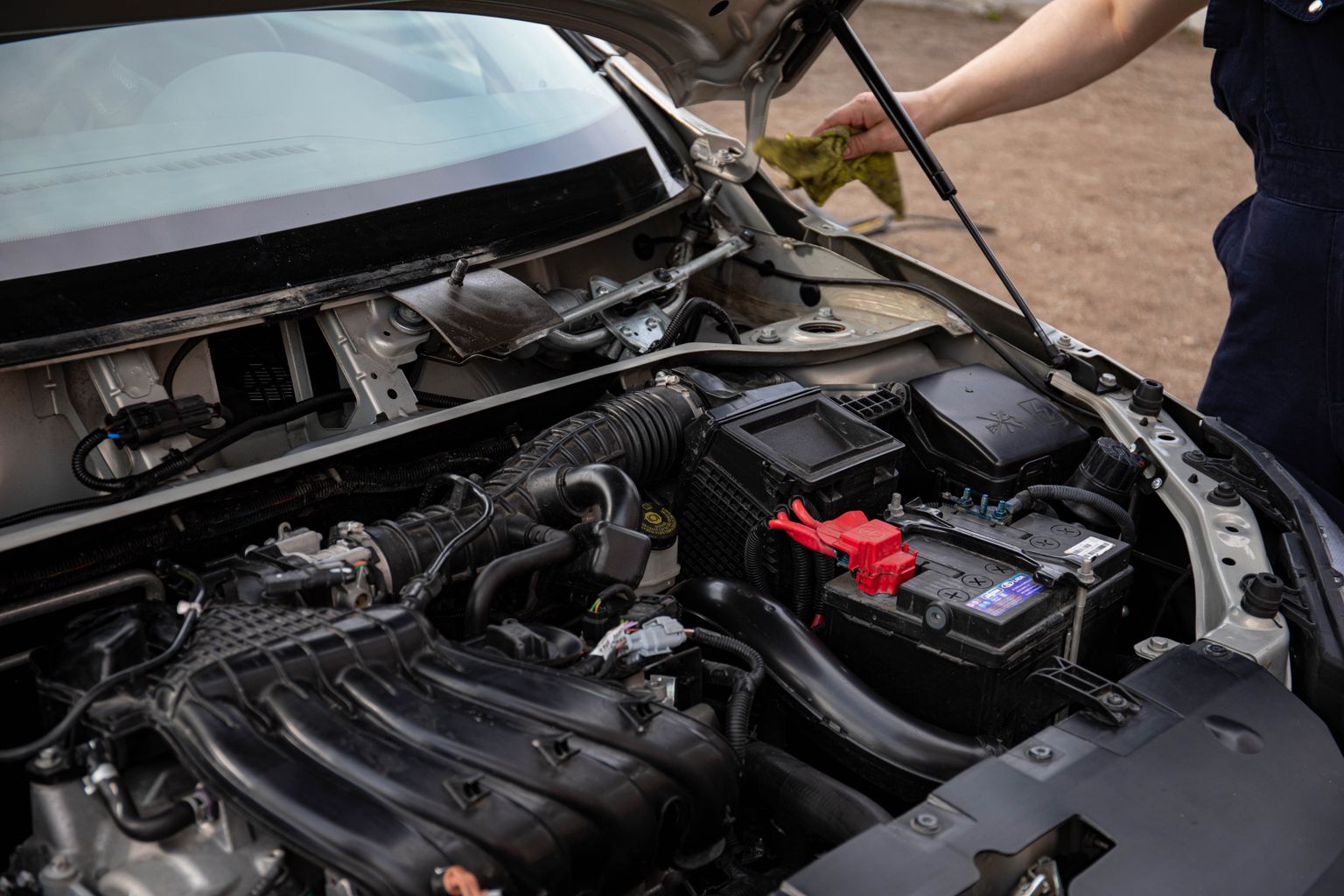
    ์ •๋น„์‚ฌ๊ฐ€ ๊ฒจ์šธ์ฒ  ์ž๋™์ฐจ ์—”์ง„๋ฃธ๊ณผ ๋ฐฐํ„ฐ๋ฆฌ๋ฅผ ์ ๊ฒ€ํ•˜๋Š” ๋ชจ์Šต

    ๋ณด๋‹›์„ ์—ด์–ด ๋ƒ‰๊ฐ์ˆ˜ ํ†ต์„ ๋ณด๋ฉด ์ดˆ๋ก์ƒ‰์ด๋“  ๋ถ„ํ™์ƒ‰์ด๋“  ์•ก์ฒด๊ฐ€ ๊ทธ๋“ ์ฐจ ์žˆ์œผ๋‹ˆ ๊ดœ์ฐฎ๊ฒ ๊ฑฐ๋‹ˆ ์‹ถ๋‹ค. ๊ทธ๋Ÿฐ๋ฐ ๋ถ€๋™์•ก์€ ์–‘์ด ์•„๋‹ˆ๋ผ ๋†๋„๊ฐ€ ๋ฌธ์ œ๋‹ค. ์—ฌ๋ฆ„๋‚ด ๊ณ„์† ๋ณด์ถฉ๋งŒ ํ•˜๋‹ค ๋ณด๋ฉด ๋ฌผ ๋น„์œจ์ด ์Šฌ๊ธˆ์Šฌ๊ธˆ ๋†’์•„์ง€๋Š”๋ฐ, ์ด๊ฒŒ ๊ฒจ์šธ์—” ์น˜๋ช…์ ์ด๋‹ค. ๋ถ€๋™์•ก๊ณผ ๋ฌผ์˜ ๋น„์œจ์ด 5:5, ๋ชปํ•ด๋„ 4:6์€ ์œ ์ง€๋ผ์•ผ ์˜ํ•˜ 20๋„ ์•ˆํŒŽ์—์„œ๋„ ๋ƒ‰๊ฐ์ˆ˜๊ฐ€ ์–ผ์ง€ ์•Š๋Š”๋‹ค. ๋ฌผ ๋น„์œจ์ด ๋„ˆ๋ฌด ๋†’์•„์ง€๋ฉด ๋ผ๋””์—์ดํ„ฐ ์•ˆ์—์„œ ์‚ด์–ผ์Œ์ด ์žกํžˆ๊ณ , ์‹ฌํ•˜๋ฉด ์—”์ง„ ๋ธ”๋ก์— ํฌ๋ž™์ด ๊ฐ€๋Š” ๊ฒฝ์šฐ๊นŒ์ง€ ์‹ค์ œ๋กœ ์žˆ์—ˆ๋‹ค.

    ์ง์ ‘ ๋น„์ค‘๊ณ„๋กœ ์žฌ๋Š” ๋ฐฉ๋ฒ•๋„ ์žˆ์ง€๋งŒ ๋ฒˆ๊ฑฐ๋กญ๋‹ค๋ฉด ์ •๋น„์†Œ์— ๊ฐ€์„œ “๋ถ€๋™์•ก ๋น„์ค‘ ์ ๊ฒ€ํ•ด์ฃผ์„ธ์š”” ํ•œ๋งˆ๋””๋ฉด 5๋ถ„ ์•ˆ์— ๋๋‚œ๋‹ค. ๋น„์šฉ๋„ ๋งŒ ์› ์•ˆํŒŽ์ด๋‹ค. ์ด์™• ๊ฐ„ ๊น€์— ๋ผ๋””์—์ดํ„ฐ ํ˜ธ์Šค์™€ ํžˆํ„ฐ ํ˜ธ์Šค์— ์‹ค๊ธˆ์ด ๊ฐ”๋Š”์ง€๋„ ๊ฐ™์ด ๋ด ๋‹ฌ๋ผ๊ณ  ํ•˜์ž. ํ˜ธ์Šค๋Š” ๋ˆˆ์œผ๋กœ๋งŒ ๋ด์„  ๋ฉ€์ฉกํ•ด ๋ณด์—ฌ๋„ ๊ณ ๋ฌด๊ฐ€ ์‚ญ์œผ๋ฉด์„œ ๋ฏธ์„ธํ•˜๊ฒŒ ๊ฐˆ๋ผ์ง€๋Š” ๊ฒฝ์šฐ๊ฐ€ ๋งŽ์•„์„œ, ๊ฒจ์šธ์ฒ  ๋„๋กœ ์œ„์—์„œ ๋ƒ‰๊ฐ์ˆ˜๊ฐ€ ์ƒˆ๋Š” ์‚ฌ๊ณ ์˜ ์ƒ๋‹น์ˆ˜๊ฐ€ ์—ฌ๊ธฐ์„œ ์‹œ์ž‘๋œ๋‹ค.

    ๋ฐฐํ„ฐ๋ฆฌ, ์—ฌ๋ฆ„๋ณด๋‹ค ๊ฒจ์šธ์— ๋” ์ž˜ ์ฃฝ๋Š”๋‹ค

    “์„ค๋งˆ ๋‚ด ์ฐจ๊ฐ€ ๋ฐฉ์ „๋˜๊ฒ ์–ด” ์‹ถ๊ฒ ์ง€๋งŒ, ๋ฐฉ์ „์€ ๊ผญ ๊ฐ€์žฅ ๋ฐ”์œ ์•„์นจ์— ์ฐพ์•„์˜จ๋‹ค. ์ด์ƒํ•˜๊ฒŒ ๋“ค๋ฆด ์ˆ˜๋„ ์žˆ๋Š”๋ฐ, ๋ฐฐํ„ฐ๋ฆฌ๋Š” ํญ์—ผ๋ณด๋‹ค ํ•œํŒŒ์— ๋” ์ทจ์•ฝํ•˜๋‹ค. ํ™”ํ•™๋ฐ˜์‘์œผ๋กœ ์ „๊ธฐ๋ฅผ ๋งŒ๋“œ๋Š” ๊ตฌ์กฐ๋ผ ์˜จ๋„๊ฐ€ ๋‚ฎ์•„์ง€๋ฉด ๋ฐ˜์‘ ์†๋„ ์ž์ฒด๊ฐ€ ๋А๋ ค์ง€๊ณ , ์˜ํ•˜ 10๋„ ๊ทผ์ฒ˜์—์„œ๋Š” ๋ฐฐํ„ฐ๋ฆฌ๊ฐ€ ๋‚ผ ์ˆ˜ ์žˆ๋Š” ์ˆœ๊ฐ„ ํž˜, ๊ทธ๋Ÿฌ๋‹ˆ๊นŒ ์‹œ๋™์„ ๊ฑฐ๋Š” ๋ฐ ํ•„์š”ํ•œ ์ˆœ๊ฐ„ ์ถœ๋ ฅ์ด ์—ฌ๋ฆ„ ๋Œ€๋น„ ์ ˆ๋ฐ˜ ๊ฐ€๊นŒ์ด ๋–จ์–ด์ง„๋‹ค๋Š” ์ž๋ฃŒ๋„ ์žˆ๋‹ค. ์•„์นจ์— ํ‚ค๋ฅผ ๋Œ๋ ธ์„ ๋•Œ “ํฌ๋ฅด๋ฆ‰… ํฌ๋ฆ‰…” ํ•˜๊ณ  ํ•œ ๋ฐ•์ž์”ฉ ํž˜๊ฒน๊ฒŒ ๋Œ์•„๊ฐ„๋‹ค๋ฉด, ๊ทธ๊ฒŒ ๋ฐฐํ„ฐ๋ฆฌ๊ฐ€ ๋ณด๋‚ด๋Š” ๋งˆ์ง€๋ง‰ ์‹ ํ˜ธ์ผ ๊ฐ€๋Šฅ์„ฑ์ด ๋†’๋‹ค. ์—ฌ๋ฆ„์—” ๋ฉ€์ฉกํžˆ ์ž˜ ๊ฑธ๋ฆฌ๋˜ ์‹œ๋™์ด ์ฒซ ํ•œํŒŒ์— ๊ฐ‘์ž๊ธฐ ์•ˆ ๊ฑธ๋ฆฌ๋Š” ๊ฒŒ ๊ทธ๋ž˜์„œ๋‹ค. ๋ฐฐํ„ฐ๋ฆฌ๊ฐ€ ๊ฐ‘์ž๊ธฐ ๊ณ ์žฅ ๋‚œ ๊ฒŒ ์•„๋‹ˆ๋ผ, ์›๋ž˜ ์„ฑ๋Šฅ์ด ๋”ฑ ๊ทธ๋งŒํผ์ด์—ˆ๋Š”๋ฐ ์—ฌ๋ฆ„์ด๋ผ ํ‹ฐ๊ฐ€ ์•ˆ ๋‚ฌ์„ ๋ฟ์ด๋‹ค.

    ๋ฐฐํ„ฐ๋ฆฌ ๊ต์ฒด ์ฃผ๊ธฐ๋Š” ๋ณดํ†ต 3~4๋…„, ์ฃผํ–‰๊ฑฐ๋ฆฌ๋กœ๋Š” 6๋งŒ~8๋งŒkm ์ •๋„๋ฅผ ๊ธฐ์ค€์œผ๋กœ ์žก๋Š”๋‹ค. ์ด ๊ธฐ๊ฐ„์„ ๋„˜๊ฒผ๋Š”๋ฐ ์ตœ๊ทผ ์‹œ๋™์ด ํ•œ ๋ฐ•์ž์”ฉ ๋Šฆ๊ฒŒ ๊ฑธ๋ฆฌ๋Š” ๋А๋‚Œ์ด ๋“ ๋‹ค๋ฉด, ์ง€๊ธˆ ๋ฐ”๊พธ๋Š” ๊ฒŒ ๋งž๋‹ค. ๋ง‰์ƒ ๋ฐฉ์ „๋ผ์„œ ๊ฒฌ์ธ์ฐจ๋ฅผ ๋ถ€๋ฅด๋ฉด ๋ถ€ํ’ˆ๊ฐ’๋ณด๋‹ค ์ถœ๋™๋น„๊ฐ€ ๋” ์•„๊น๊ฒŒ ๋А๊ปด์งˆ ๋•Œ๊ฐ€ ๋งŽ๋‹ค. ๋ณดํ—˜์‚ฌ ๊ธด๊ธ‰์ถœ๋™ ํ†ต๊ณ„๋ฅผ ๋ณด๋ฉด ๋ฐฐํ„ฐ๋ฆฌ ๋ฐฉ์ „ ์‹ ๊ณ ๊ฐ€ 12์›”๊ณผ 1์›”์— ๋ชฐ๋ฆฌ๋Š”๋ฐ, ํ•œ ์†ํ•ด๋ณดํ—˜์‚ฌ ์ž๋ฃŒ๋กœ๋Š” ๊ฒจ์šธ ๋‘ ๋‹ฌ ๋™์•ˆ ์ ‘์ˆ˜๋˜๋Š” ๋ฐฐํ„ฐ๋ฆฌ ์ถœ๋™ ๊ฑด์ˆ˜๊ฐ€ ์—ฌ๋ฆ„์ฒ ์˜ ๋‘ ๋ฐฐ ์•ˆํŒŽ์ด๋ผ๊ณ  ํ•œ๋‹ค. ์‹ค๋‚ด ์ฃผ์ฐจ๊ฐ€ ํž˜๋“  ํ™˜๊ฒฝ์ด๋ผ๋ฉด ๋ฐฐํ„ฐ๋ฆฌ ๋ณด์˜จ ์ปค๋ฒ„๋ฅผ ์”Œ์›Œ๋‘๋Š” ๊ฒƒ๋„ ์˜์™ธ๋กœ ํšจ๊ณผ๊ฐ€ ์žˆ๋‹ค. ์ „์กฐ๋“ฑ์ด๋‚˜ ๋ธ”๋ž™๋ฐ•์Šค ์ƒ์‹œ์ „์›์„ ์˜ค๋ž˜ ์ผœ๋‘๋Š” ์Šต๊ด€์ด ์žˆ๋‹ค๋ฉด ์ด ์‹œ๊ธฐ์— ํ•œ ๋ฒˆ ์ ๊ฒ€๋ฐ›๋Š” ๊ฑธ ์ถ”์ฒœํ•œ๋‹ค.

    ์›Œ์…”์•ก, ์—ฌ๋ฆ„์šฉ ๊ทธ๋Œ€๋กœ ๋‘๋ฉด ๊ฒจ์šธ์— ๋…ธ์ฆ์ด ๋ง‰ํžŒ๋‹ค

    ๋‚™์—ฝ์ฒ ์ด๋ผ ์›Œ์…”์•ก ์†Œ๋ชจ๊ฐ€ ํ‰์†Œ๋ณด๋‹ค ๋น ๋ฅด๋‹ค๋Š” ๊ฑด ๋‹ค๋“ค ์•„๋Š”๋ฐ, ์ •์ž‘ ํ†ต ์•ˆ์— ๋ญ๊ฐ€ ๋“ค์–ด์žˆ๋Š”์ง€๋Š” ์‹ ๊ฒฝ ์•ˆ ์“ฐ๋Š” ๊ฒฝ์šฐ๊ฐ€ ๋งŽ๋‹ค. ์—ฌ๋ฆ„์šฉ ์›Œ์…”์•ก์€ ์–ด๋Š”์ ์ด 0๋„ ๊ทผ์ฒ˜๋ผ์„œ, ๊ธฐ์˜จ์ด ์˜ํ•˜๋กœ ๋–จ์–ด์ง€๋ฉด ์›Œ์…”์•ก ๋ผ์ธ์ด๋‚˜ ๋…ธ์ฆ ์•ˆ์—์„œ ๊ทธ๋Œ€๋กœ ์–ผ์–ด๋ฒ„๋ฆฐ๋‹ค. ์•ž์œ ๋ฆฌ์— ํ™ํƒ•๋ฌผ ํŠ€์—ˆ๋Š”๋ฐ ์›Œ์…”์•ก ๋ฒ„ํŠผ ๋ˆŒ๋Ÿฌ๋„ ์•ˆ ๋‚˜์˜ค๋Š” ์ƒํ™ฉ, ์•ผ๊ฐ„ ์šด์ „ ์ค‘์ด๋ฉด ๊ฝค ์•„์ฐ”ํ•˜๋‹ค.

    ๊ฒจ์šธ์šฉ ์›Œ์…”์•ก์€ ์–ด๋Š”์  ๊ธฐ์ค€์œผ๋กœ ์˜ํ•˜ 25๋„์šฉ, ์˜ํ•˜ 35๋„์šฉ์ฒ˜๋Ÿผ ๋“ฑ๊ธ‰์ด ๋‚˜๋‰˜์–ด ์žˆ๋‹ค. ์‚ฌ๋Š” ์ง€์—ญ ์ตœ์ €๊ธฐ์˜จ์„ ๊ธฐ์ค€์œผ๋กœ ์—ฌ์œ  ์žˆ๊ฒŒ ๊ณ ๋ฅด๋ฉด ๋œ๋‹ค. ์ด๋ฏธ ์—ฌ๋ฆ„์šฉ์ด ๋‚จ์•„์žˆ๋‹ค๋ฉด ๋‹ค ์“ฐ๊ณ  ๋ฐ”๊พธ๋Š” ๊ฒŒ ์•„๋‹ˆ๋ผ, ์ง€๊ธˆ ๋น„์œจ ์„ž์–ด์„œ๋ผ๋„ ๋ฏธ๋ฆฌ ๊ต์ฒดํ•ด๋‘๋Š” ํŽธ์ด ์•ˆ์ „ํ•˜๋‹ค. ๊ฒจ์šธ์šฉ์„ ์กฐ๊ธˆ ์„ž์–ด๋†“๋Š”๋‹ค๊ณ  ํฐ ๋ฌธ์ œ ์ƒ๊ธฐ๋Š” ๊ฒƒ๋„ ์•„๋‹ˆ๊ณ , ๋…ธ์ฆ ์–ผ์–ด์„œ ๊ฒฌ์ธ์ฐจ ๋ถ€๋ฅด๋Š” ๊ฒƒ๋ณด๋‹ค๋Š” ํ›จ์”ฌ ๋‚ซ๋‹ค. ์ฐธ๊ณ ๋กœ ์›Œ์…”์•ก ๋ณด์ถฉ์€ ์…€ํ”„์ฃผ์œ ์†Œ๋‚˜ ๋Œ€ํ˜•๋งˆํŠธ์—์„œ๋„ ๊ตฌ๋งค๊ฐ€ ๊ฐ€๋Šฅํ•ด์„œ, ํ‡ด๊ทผ๊ธธ์— 5๋ถ„๋งŒ ๋“ค๋Ÿฌ๋„ ๋๋‚˜๋Š” ์ผ์ด๋‹ค.

    ํƒ€์ด์–ด, ๊ณต๊ธฐ์••์€ ์ง€๊ธˆ๋ถ€ํ„ฐ ๋งค๋‹ฌ ์ฒดํฌํ•ด์•ผ ํ•œ๋‹ค

    ์ •๋น„์‚ฌ๊ฐ€ ์นด์„ผํ„ฐ์—์„œ ํƒ€์ด์–ด ๊ณต๊ธฐ์••์„ ์ ๊ฒ€ํ•˜๊ณ  ์ฃผ์ž…ํ•˜๋Š” ๋ชจ์Šต

    ๊ธฐ์˜จ์ด 10๋„ ๋–จ์–ด์งˆ ๋•Œ๋งˆ๋‹ค ํƒ€์ด์–ด ๊ณต๊ธฐ์••์€ ๋Œ€๋žต 0.1bar, psi๋กœ ์น˜๋ฉด 1.5 ์ •๋„ ์ž์—ฐ์Šค๋Ÿฝ๊ฒŒ ๋‚ฎ์•„์ง„๋‹ค. ๋ณ„๊ฑฐ ์•„๋‹Œ ์ˆซ์ž ๊ฐ™์ง€๋งŒ ๊ฐ€์„์—์„œ ๊ฒจ์šธ๋กœ ๋„˜์–ด๊ฐ€๋Š” ๋‘ ๋‹ฌ ์‚ฌ์ด ๊ธฐ์˜จ์ฐจ๊ฐ€ 20๋„ ๊ฐ€๊นŒ์ด ๋‚˜๋Š” ๊ฑธ ์ƒ๊ฐํ•˜๋ฉด 0.3~0.4bar๊ฐ€ ๋น ์ง€๋Š” ์…ˆ์ด๊ณ , ์ด ์ •๋„๋ฉด ๊ณ„๊ธฐํŒ์— ๊ณต๊ธฐ์•• ๊ฒฝ๊ณ ๋“ฑ์ด ๋œจ๊ธฐ ์ถฉ๋ถ„ํ•˜๋‹ค. ํƒ€์ด์–ด ๊ณต๊ธฐ์••๊ณ„ ํ•˜๋‚˜ ํŠธ๋ ํฌ์— ๋„ฃ์–ด๋‘๊ณ  ํ•œ ๋‹ฌ์— ํ•œ ๋ฒˆ์”ฉ ์žฌ๋Š” ์Šต๊ด€, ๊ท€์ฐฎ์•„ ๋ณด์—ฌ๋„ ๋ง‰์ƒ ํ•ด๋ณด๋ฉด 3๋ถ„๋„ ์•ˆ ๊ฑธ๋ฆฐ๋‹ค. ์…€ํ”„ ์ฃผ์œ ์†Œ ํ•œ์ชฝ์— ์žˆ๋Š” ๊ณต๊ธฐ์•• ์ฃผ์ž…๊ธฐ๋„ ์‚ฌ์šฉ๋ฒ•์ด ์“ฐ์—ฌ ์žˆ๋Š” ๋Œ€๋กœ ์ˆซ์ž๋งŒ ๋งž์ถ”๋ฉด ๋˜๋‹ˆ ์ฒ˜์Œ ์จ๋ณด๋Š” ์‚ฌ๋žŒ๋„ ํ—ค๋งฌ ์ผ์€ ๋ณ„๋กœ ์—†๋‹ค.

    ๊ณต๊ธฐ์••์ด ๋‚ฎ์€ ์ฑ„๋กœ ๊ณ„์† ๋‹ฌ๋ฆฌ๋ฉด ํƒ€์ด์–ด ์˜†๋ฉด์ด ๊ณผ๋„ํ•˜๊ฒŒ ๋ˆŒ๋ฆฌ๋ฉด์„œ ๋งˆ๋ชจ๊ฐ€ ๋นจ๋ผ์ง€๊ณ , ์ œ๋™๊ฑฐ๋ฆฌ๋„ ๊ธธ์–ด์ง„๋‹ค. ์šด์ „์„ ๋ฌธ ์•ˆ์ชฝ์— ๋ถ™์€ ์Šคํ‹ฐ์ปค์— ์ ํžŒ ์ œ์กฐ์‚ฌ ๊ถŒ์žฅ ๊ณต๊ธฐ์••์„ ๊ธฐ์ค€์œผ๋กœ, ๊ฒจ์šธ์ฒ ์—๋Š” ๊ฑฐ๊ธฐ์„œ 10% ์ •๋„ ๋” ์ฑ„์›Œ์ฃผ๋Š” ๊ฑธ ๊ถŒํ•œ๋‹ค.

    ์Šค๋…ธ์šฐํƒ€์ด์–ด ๊ต์ฒด ์‹œ๊ธฐ๋„ ์งš๊ณ  ๋„˜์–ด๊ฐ€์•ผ ํ•œ๋‹ค. ํ”ํžˆ ๋ˆˆ ์˜ค๋Š” ๋‚ ๋งŒ ์ƒ๊ฐํ•˜๋Š”๋ฐ, ์‚ฌ์‹ค ์Šค๋…ธ์šฐํƒ€์ด์–ด์˜ ํ•ต์‹ฌ์€ ์ €์˜จ ์ ‘์ง€๋ ฅ์ด๋‹ค. ์ผ๋ฐ˜ ํƒ€์ด์–ด ๊ณ ๋ฌด๋Š” ๊ธฐ์˜จ์ด ์˜์ƒ 7๋„ ๋ฐ‘์œผ๋กœ ๋‚ด๋ ค๊ฐ€๋ฉด ๋”ฑ๋”ฑํ•ด์ง€๋ฉด์„œ ๋…ธ๋ฉด์„ ๋ถ™์žก๋Š” ํž˜์ด ๋ˆˆ์— ๋„๊ฒŒ ๋–จ์–ด์ง„๋‹ค. ๊ทธ๋Ÿฌ๋‹ˆ๊นŒ ์ฒซ๋ˆˆ์ด ์˜ค๊ธฐ ์ „, ์•„์นจ ๊ธฐ์˜จ์ด 7๋„ ์•„๋ž˜๋กœ ์ž์ฃผ ๋–จ์–ด์ง€๊ธฐ ์‹œ์ž‘ํ•˜๋Š” ์ง€๊ธˆ์ด ๊ต์ฒด ์ ๊ธฐ๋‹ค. ์ƒ์Šต ๊ฒฐ๋น™ ๊ตฌ๊ฐ„์„ ์ž์ฃผ ์ง€๋‚˜๊ฑฐ๋‚˜ ์‚ฐ๊ฐ„ ์ง€์—ญ์„ ์˜ค๊ฐ„๋‹ค๋ฉด ๋”๋”์šฑ ๋ฏธ๋ฃจ์ง€ ์•Š๋Š” ๊ฒŒ ์ข‹๋‹ค. ํƒ€์ด์–ด ๋งˆ๋ชจ ์ƒํƒœ๊ฐ€ ์• ๋งคํ•ด์„œ ์ง€๊ธˆ ๋‹น์žฅ ํŒ๋‹จ์ด ์•ˆ ์„ ๋‹ค๋ฉด, ์˜ˆ์ „์— ์†Œ๊ฐœํ–ˆ๋˜ ๋™์ „ ํ•˜๋‚˜๋กœ ๋๋‚ด๋Š” ์…€ํ”„ ์ ๊ฒ€๋ฒ•์œผ๋กœ ๋งˆ๋ชจ ํ™ˆ ๊นŠ์ด๋ถ€ํ„ฐ ๋จผ์ € ํ™•์ธํ•ด๋ณด๊ธธ ๊ถŒํ•œ๋‹ค.

    ๋ฌธํ‹ˆ ๊ณ ๋ฌดํŒจํ‚น, ์ด๊ฑฐ ํ•˜๋‚˜๋กœ ๊ฒจ์šธ ์•„์นจ ์ŠคํŠธ๋ ˆ์Šค๊ฐ€ ์ค„์–ด๋“ ๋‹ค

    ์ด๊ฑด ์•ˆ ํ•ด๋„ ๊ทธ๋งŒ ์•„๋‹ˆ๋ƒ๊ณ  ํ•  ์ˆ˜ ์žˆ๋Š”๋ฐ, ๊ฒจ์šธ ์•„์นจ์— ๋ฌธ์ด ์•ˆ ์—ด๋ ค์„œ ์ง„๋•€ ๋บ€ ๊ฒฝํ—˜์ด ํ•œ ๋ฒˆ์ด๋ผ๋„ ์žˆ๋‹ค๋ฉด ์–˜๊ธฐ๊ฐ€ ๋‹ฌ๋ผ์ง„๋‹ค. ๋ฌธํ‹ˆ ๊ณ ๋ฌด ํŒจํ‚น, ์ •์‹ ๋ช…์นญ์œผ๋กœ๋Š” ์›จ๋”์ŠคํŠธ๋ฆฝ์— ์ˆ˜๋ถ„์ด ์Šค๋ฉฐ๋“  ์ฑ„๋กœ ๋ฐค์ƒˆ ๊ธฐ์˜จ์ด ๋–จ์–ด์ง€๋ฉด ๊ณ ๋ฌด์™€ ์ฐจ์ฒด ์‚ฌ์ด๊ฐ€ ๊ทธ๋Œ€๋กœ ์–ผ์–ด๋ถ™๋Š”๋‹ค. ์–ต์ง€๋กœ ์žก์•„๋‹น๊ธฐ๋ฉด ๊ณ ๋ฌด๊ฐ€ ์ฐข์–ด์ง€๊ฑฐ๋‚˜ ๋Š˜์–ด๋‚˜์„œ ์—ฌ๋ฆ„์ฒ  ๋น—๋ฌผ ์œ ์ž…์˜ ์›์ธ์ด ๋˜๊ธฐ๋„ ํ•œ๋‹ค.

    ๋ฐฉ๋ฒ•์€ ์˜์™ธ๋กœ ๊ฐ„๋‹จํ•˜๋‹ค. ๋งˆ๋ฅธ ์ฒœ์œผ๋กœ ๊ณ ๋ฌด ํŒจํ‚น ํ‘œ๋ฉด์˜ ๋ฌผ๊ธฐ์™€ ๋จผ์ง€๋ฅผ ๋‹ฆ์•„๋‚ธ ๋’ค, ์‹ค๋ฆฌ์ฝ˜ ๊ณ„์—ด ์ฝ”ํŒ…์ œ๋‚˜ ๋ฐ”์„ธ๋ฆฐ์„ ์–‡๊ฒŒ ๋ฐœ๋ผ์ฃผ๋ฉด ๋œ๋‹ค. ์‹ค๋ฆฌ์ฝ˜ ๊ทธ๋ฆฌ์Šค๋Š” ์˜ํ•˜ 40๋„ ์•ˆํŒŽ๊นŒ์ง€๋„ ์œ ์—ฐ์„ฑ์„ ์œ ์ง€ํ•˜๋Š” ์„ฑ๋ถ„์ด๋ผ ์ฝ”ํŒ… ํ•œ ๋ฒˆ์ด๋ฉด ๊ฒจ์šฐ๋‚ด ํšจ๊ณผ๊ฐ€ ๊ฐ„๋‹ค. ํŠธ๋ ํฌ ๊ณ ๋ฌด, ์„ ๋ฃจํ”„ ๊ณ ๋ฌด๊นŒ์ง€ ๊ฐ™์ด ๋ฐœ๋ผ๋‘๋ฉด ์ข‹๋‹ค. ๋„๊ตฌ๋„ ๊ฑฐ์ฐฝํ•  ํ•„์š” ์—†์ด ํ—๊ฒŠ ์กฐ๊ฐ ํ•˜๋‚˜๋ฉด ์ถฉ๋ถ„ํ•˜๊ณ , ์ฐจ ํ•œ ๋Œ€ ๊ธฐ์ค€์œผ๋กœ 15๋ถ„์ด๋ฉด ๋๋‚œ๋‹ค.

    ์ด๋ฏธ ๋ฌธ ์†์žก์ด๊ฐ€ ์–ผ์–ด๋ถ™์–ด์„œ ์•ˆ ์—ด๋ฆฌ๋Š” ์ƒํ™ฉ์ด๋ผ๋ฉด ๋‹นํ™ฉํ•ด์„œ ํž˜์œผ๋กœ ์žก์•„๋‹น๊ธฐ์ง€ ๋ง์ž. ๋œจ๊ฑฐ์šด ๋ฌผ์„ ๋ถ“๋Š” ๊ฒƒ๋„ ์œ ๋ฆฌ ํŒŒ์† ์œ„ํ—˜์ด ์žˆ์–ด ํ”ผํ•ด์•ผ ํ•œ๋‹ค. ๋ฏธ์ง€๊ทผํ•œ ๋ฌผ์„ ๋ฌธํ‹ˆ์— ์‚ด์ง ํ˜๋ฆฌ๊ฑฐ๋‚˜, ์‹ค๋‚ด์—์„œ ์›Œ์…”์•ก์„ ๋ฌปํžŒ ์ฒœ์œผ๋กœ ๋ฌธํ‹ˆ์„ ์‚ด์‚ด ๋‹ฆ์•„๋‚ด๋ฉด ๋Œ€๋ถ€๋ถ„ ๋ช‡ ๋ถ„ ์•ˆ์— ํ’€๋ฆฐ๋‹ค.

    ์ •๋ฆฌํ•˜๋ฉด, ์˜ค๋Š˜ 3๋ถ„ + ์ด๋ฒˆ ์ฃผ๋ง ๋ฐ˜๋‚˜์ ˆ์ด๋ฉด ๋๋‚œ๋‹ค

    ๋‹ค์„ฏ ๊ฐ€์ง€๋ฅผ ํ•œ ๋ฒˆ์— ๋‹ค ํ•˜๋ ค๋ฉด ๋ถ€๋‹ด์Šค๋Ÿฝ๊ฒŒ ๋А๊ปด์งˆ ์ˆ˜ ์žˆ๋Š”๋ฐ, ๊ตณ์ด ํ•˜๋ฃจ์— ๋ชฐ์•„์„œ ํ•  ํ•„์š”๋Š” ์—†๋‹ค. ์˜ค๋Š˜ ํ‡ด๊ทผ๊ธธ์— ์›Œ์…”์•ก๋ถ€ํ„ฐ ๊ฒจ์šธ์šฉ์œผ๋กœ ๋ฐ”๊พธ๋Š” ๋ฐ๋Š” 3๋ถ„์ด๋ฉด ์ถฉ๋ถ„ํ•˜๊ณ , ๋ฌธํ‹ˆ ๊ณ ๋ฌด ์ฝ”ํŒ…์€ ์ฃผ์ฐจ์žฅ์—์„œ 15๋ถ„์ด๋ฉด ๋๋‚œ๋‹ค. ๋ถ€๋™์•ก ๋น„์ค‘, ๋ฐฐํ„ฐ๋ฆฌ ์ƒํƒœ, ํƒ€์ด์–ด ๊ณต๊ธฐ์••์ฒ˜๋Ÿผ ์žฅ๋น„๋‚˜ ์ „๋ฌธ ์ง€์‹์ด ํ•„์š”ํ•œ ํ•ญ๋ชฉ์€ ์ด๋ฒˆ ์ฃผ๋ง์— ์ •๋น„์†Œ ํ•œ ๋ฒˆ ๋ฐฉ๋ฌธ์œผ๋กœ ๋ฌถ์–ด์„œ ํ•ด๊ฒฐํ•˜๋ฉด ๋œ๋‹ค. ๊ทธ๋ž˜๋„ ์ด๊ฑธ ๋ฏธ๋ฆฌ ํ•ด๋‘๋ฉด ์ฒซ ํ•œํŒŒ ํŠน๋ณด๊ฐ€ ๋œจ๋Š” ๋‚  ์•„์นจ, ์‹œ๋™ ๊ฑฑ์ • ์—†์ด ์ถœ๊ทผํ•  ์ˆ˜ ์žˆ๋‹ค๋Š” ๊ฒŒ ํ™•์‹คํ•œ ๋ณด์ƒ์ด๋‹ค.

    ์ž์ฃผ ๋ฌป๋Š” ์งˆ๋ฌธ

    Q. ๋ถ€๋™์•ก์€ ์–ผ๋งˆ ์ฃผ๊ธฐ๋กœ ์™„์ „ํžˆ ๊ฐˆ์•„์ค˜์•ผ ํ•˜๋‚˜์š”?
    ์ผ๋ฐ˜์ ์œผ๋กœ 4๋งŒkm ๋˜๋Š” 2๋…„์„ ๊ธฐ์ค€์œผ๋กœ ๊ต์ฒด๋ฅผ ๊ถŒ์žฅํ•œ๋‹ค. ๋‹ค๋งŒ ๋น„์ค‘์ด ๋‚ฎ์•„ ๋ฌผ ๋น„์œจ์ด ๋†’์•„์ง„ ์ƒํƒœ๋ผ๋ฉด ์ฃผ๊ธฐ๊ฐ€ ์•ˆ ๋์–ด๋„ ๋ณด์ถฉ ๊ฒธ ์ผ๋ถ€ ๊ตํ™˜์ด ํ•„์š”ํ•  ์ˆ˜ ์žˆ์œผ๋‹ˆ, ์ •๋น„์†Œ์—์„œ ๋น„์ค‘ ์ธก์ • ํ›„ ํŒ๋‹จํ•˜๋Š” ๊ฒŒ ์ •ํ™•ํ•˜๋‹ค.

    Q. ์Šค๋…ธ์šฐํƒ€์ด์–ด ๋Œ€์‹  ์‚ฌ๊ณ„์ ˆ ํƒ€์ด์–ด๋ฉด ์ถฉ๋ถ„ํ• ๊นŒ์š”?
    ํ‰์†Œ ๋ˆˆ์ด ๊ฑฐ์˜ ์•ˆ ์˜ค๊ณ  ์ƒ์Šต ๊ฒฐ๋น™ ๊ตฌ๊ฐ„์„ ์ง€๋‚˜์ง€ ์•Š๋Š”๋‹ค๋ฉด ์‚ฌ๊ณ„์ ˆ ํƒ€์ด์–ด๋กœ๋„ ๋ฒ„ํ‹ธ ์ˆ˜ ์žˆ๋‹ค. ๋‹ค๋งŒ ์‚ฐ๊ฐ„ ์ง€์—ญ ์ถœํ‡ด๊ทผ์ด๋‚˜ ์ƒˆ๋ฒฝ ์šดํ–‰์ด ์žฆ๋‹ค๋ฉด, ์ €์˜จ ์ ‘์ง€๋ ฅ ์ฐจ์ด๊ฐ€ ์‹ค์ œ ์ œ๋™๊ฑฐ๋ฆฌ๋กœ ์ด์–ด์ง€๊ธฐ ๋•Œ๋ฌธ์— ์Šค๋…ธ์šฐํƒ€์ด์–ด ์ชฝ์ด ์•ˆ์ „ํ•˜๋‹ค.

    Q. ๋ฌธ ์†์žก์ด๊ฐ€ ์ด๋ฏธ ์–ผ์–ด์„œ ์•ˆ ์—ด๋ฆฝ๋‹ˆ๋‹ค. ์–ด๋–ป๊ฒŒ ํ•ด์•ผ ํ•˜๋‚˜์š”?
    ๋œจ๊ฑฐ์šด ๋ฌผ์„ ์ง์ ‘ ๋ถ“๋Š” ๊ฑด ์œ ๋ฆฌ ํŒŒ์† ์œ„ํ—˜์ด ์žˆ์–ด ํ”ผํ•ด์•ผ ํ•œ๋‹ค. ๋ฏธ์ง€๊ทผํ•œ ๋ฌผ์„ ๋ฌธํ‹ˆ์— ์‚ด์ง ๋ฟŒ๋ฆฌ๊ฑฐ๋‚˜, ์‹ค๋‚ด์—์„œ ์›Œ์…”์•ก์„ ์‚ด์ง ๋ฟŒ๋ฆฐ ์ฒœ์œผ๋กœ ๋ฌธํ‹ˆ์„ ๋‹ฆ์•„๋‚ด๋ฉด ๋Œ€๋ถ€๋ถ„ ํ’€๋ฆฐ๋‹ค. ๊ธ‰ํ•˜๊ฒŒ ํž˜์œผ๋กœ ์—ด๋ ค๊ณ  ํ•˜๋ฉด ๊ณ ๋ฌด ํŒจํ‚น์ด ์†์ƒ๋  ์ˆ˜ ์žˆ๋‹ค.

  • ๋ณด์ด๋‹ˆ์น˜ ๋ฌธ์„œ, 600๋…„์งธ ์•„๋ฌด๋„ ๋ชป ํ‘ผ ์•”ํ˜ธ ํ•„์‚ฌ๋ณธ์˜ ์ •์ฒด

    ๋ณด์ด๋‹ˆ์น˜ ๋ฌธ์„œ, 600๋…„์งธ ์•„๋ฌด๋„ ๋ชป ํ‘ผ ์•”ํ˜ธ ํ•„์‚ฌ๋ณธ์˜ ์ •์ฒด

    240์ชฝ์งœ๋ฆฌ ์ฑ… ํ•œ ๊ถŒ์ด ์„ธ๊ณ„ ์ตœ๊ณ  ์ˆ˜์ค€์˜ ์•”ํ˜ธํ•™์ž๋“ค์„ 100๋…„ ๋„˜๊ฒŒ ๋ฌด๋„ˆ๋œจ๋ ธ๋‹ค๋ฉด ๋ฏฟ์„ ์ˆ˜ ์žˆ์„๊นŒ. 2์ฐจ ์„ธ๊ณ„๋Œ€์ „ ๋•Œ ์ผ๋ณธ์˜ ์•”ํ˜ธ๋ฅผ ๊นฌ ๋ฏธ๊ตฐ ์•”ํ˜ธํ•ด๋…๊ฐ€ ์œŒ๋ฆฌ์—„ ํ”„๋ฆฌ๋“œ๋จผ๋„, ๋ƒ‰์ „ ์‹œ์ ˆ NSA ์†Œ์† ์ „๋ฌธ๊ฐ€๋“ค๋„ ์ด ์ฑ… ์•ž์—์„œ๋Š” ์†์„ ๋“ค์—ˆ๋‹ค. ์˜ˆ์ผ๋Œ€ ๋ฐ”์ด๋„ค์ผ€ ํฌ๊ท€๋ณธ ๋„์„œ๊ด€ ์„œ๊ณ  ๊นŠ์ˆ™ํ•œ ๊ณณ, MS 408์ด๋ผ๋Š” ์„œ๊ฐ€๋ฒˆํ˜ธ๋กœ ๋ถˆ๋ฆฌ๋Š” ์ด ๋ฌธ์„œ์˜ ์ด๋ฆ„์€ ๋ณด์ด๋‹ˆ์น˜ ํ•„์‚ฌ๋ณธ์ด๋‹ค.

    ๊ณ ์„œ์ ์ƒ์ด ๋ฐœ๊ฒฌํ•œ ‘๋ชป์ƒ๊ธด ์˜ค๋ฆฌ ์ƒˆ๋ผ’

    1912๋…„, ํด๋ž€๋“œ ์ถœ์‹  ๊ณ ์„œ์ ์ƒ ๋นŒํ”„๋ฆฌ๋“œ ๋ณด์ด๋‹ˆ์น˜๋Š” ์ดํƒˆ๋ฆฌ์•„ ํ”„๋ผ์Šค์นดํ‹ฐ์˜ ์ฝœ๋ ˆ์ง€์˜ค ๋กœ๋งˆ๋…ธ์—์„œ ์˜ˆ์ˆ˜ํšŒ๊ฐ€ ์ฒ˜๋ถ„ํ•˜๋ ค๋˜ ์˜ค๋ž˜๋œ ์ฑ… ๋”๋ฏธ๋ฅผ ์‚ดํŽด๋ณด๊ณ  ์žˆ์—ˆ๋‹ค. ๊ทธ๋Ÿฌ๋‹ค ํ‘œ์ง€๋„ ์—†์ด ๋‚ก์€ ์–‘ํ”ผ์ง€ ๋ญ‰์น˜ ํ•˜๋‚˜๋ฅผ ์ง‘์–ด ๋“ค์—ˆ๋Š”๋ฐ, ๋ณธ์ธ ํ‘œํ˜„์œผ๋กœ๋Š” ๋”ฑ “๋ชป์ƒ๊ธด ์˜ค๋ฆฌ ์ƒˆ๋ผ” ๊ฐ™์•˜๋‹ค๊ณ  ํ•œ๋‹ค. ํŽผ์ณ๋ณด๋‹ˆ ์•ŒํŒŒ๋ฒณ๋„ ํ•œ์ž๋„ ์•„๋‹Œ, ์ฒ˜์Œ ๋ณด๋Š” ๋ฌธ์ž๋กœ ๋นผ๊ณกํžˆ ์ฑ„์›Œ์ง„ ํ•„์‚ฌ๋ณธ์ด์—ˆ๋‹ค.

    ๊ทธ๋ฆผ๋„ ์˜ˆ์‚ฌ๋กญ์ง€ ์•Š์•˜๋‹ค. ๋ฟŒ๋ฆฌ๊ฐ€ ์‚ฌ๋žŒ ์†์ฒ˜๋Ÿผ ๊ฐˆ๋ผ์ง„, ์ง€๊ตฌ์ƒ ์–ด๋””์„œ๋„ ๋ณธ ์  ์—†๋Š” ์‹๋ฌผ ๊ทธ๋ฆผ์ด ํŽ˜์ด์ง€๋งˆ๋‹ค ๋“ฑ์žฅํ•˜๊ณ , ๋ฒŒ๊ฑฐ๋ฒ—์€ ์—ฌ์„ฑ ์—ฌ๋Ÿฌ ๋ช…์ด ์ •์ฒด๋ถˆ๋ช…์˜ ๋ฐฐ๊ด€ ์žฅ์น˜๋กœ ์—ฐ๊ฒฐ๋œ ์ดˆ๋ก๋น› ์•ก์ฒด ๊ด€ ์†์— ๋‚˜๋ž€ํžˆ ๋ชธ์„ ๋‹ด๊ทผ ์‚ฝํ™”๋„ ์žˆ๋‹ค. ์—ฌ๊ธฐ์— ๋ณ„์ž๋ฆฌ์ธ์ง€ ์„ธํฌ ๊ตฌ์กฐ์ธ์ง€ ์• ๋งคํ•œ ์›ํ˜• ์ฒœ์ฒด ๋„ํ‘œ๊นŒ์ง€ ๊ฒน์ณ์ง„๋‹ค. ๋‹จ์ˆœํ•œ ์ค‘์„ธ ๋‚™์„œ์žฅ์œผ๋กœ ์น˜๋ถ€ํ•˜๊ธฐ์—” ์ฐ์ฐํ•œ ๊ตฌ์„์ด ํ•œ๋‘˜์ด ์•„๋‹ˆ๋‹ค. ๊ทธ๋Ÿฐ๋ฐ ๋ฌธ์ œ๋Š” ์ด ‘๋‚™์„œ’๊ฐ€ ๋ฌด๋ ค 240์ชฝ ๊ฐ€๊นŒ์ด ์ผ๊ด€๋œ ๋ฌธ์ž ์ฒด๊ณ„๋กœ ์ด์–ด์ง„๋‹ค๋Š” ์ ์ด๋‹ค. ๊ธ€์ž๋งˆ๋‹ค ๋‚˜๋ฆ„์˜ ๊ทœ์น™๊ณผ ๋นˆ๋„๊ฐ€ ์žˆ๊ณ , ํŠน์ • ๊ธ€์ž ์กฐํ•ฉ์ด ๋ฐ˜๋ณต๋˜๋Š” ํŒจํ„ด๊นŒ์ง€ ๋ณด์ธ๋‹ค. ์•„๋ฌด ์˜๋ฏธ ์—†์ด ์† ๊ฐ€๋Š” ๋Œ€๋กœ ํœ˜๊ฐˆ๊ธด ๊ฑฐ๋ผ๋ฉด ๋‚˜์˜ค๊ธฐ ํž˜๋“  ํ†ต๊ณ„์  ํŠน์ง•์ด๋‹ค.

    ๊ฐ€์งœ๊ฐ€ ์•„๋‹ˆ๋ผ๋Š” ๊ฒƒ๋งŒ์€ ํ™•์‹คํ•˜๋‹ค

    ์œ„์ž‘ ๋…ผ๋ž€์€ ์ฒ˜์Œ๋ถ€ํ„ฐ ๋”ฐ๋ผ๋‹ค๋…”๋‹ค. ๋ณด์ด๋‹ˆ์น˜ ๋ณธ์ธ์ด ๊ณจ๋™ํ’ˆ ๊ฐ’์„ ๋ถ€ํ’€๋ฆฌ๋ ค๊ณ  ์ง์ ‘ ๋งŒ๋“  ๊ฒƒ ์•„๋‹ˆ๋ƒ๋Š” ์˜์‹ฌ๋„ ์žˆ์—ˆ๋‹ค. ๊ทธ๋Ÿฐ๋ฐ 2009๋…„, ์• ๋ฆฌ์กฐ๋‚˜๋Œ€ํ•™๊ต ์—ฐ๊ตฌํŒ€์ด ๋ฌธ์„œ์˜ ์–‘ํ”ผ์ง€ ๋„ค ๊ณณ์„ ๋–ผ์–ด๋‚ด ๋ฐฉ์‚ฌ์„ฑ ํƒ„์†Œ์—ฐ๋Œ€์ธก์ •์„ ์ง„ํ–‰ํ•œ ๊ฒฐ๊ณผ๊ฐ€ ์˜์™ธ์˜ ๋‹ต์„ ๋‚ด๋†จ๋‹ค. 95% ํ™•๋ฅ ๋กœ 1404๋…„์—์„œ 1438๋…„ ์‚ฌ์ด์— ์ œ์ž‘๋œ ์–‘ํ”ผ์ง€๋ผ๋Š” ๊ฒƒ์ด๋‹ค. ์ž‰ํฌ๋„ ๋‹น๋Œ€์— ํ”ํžˆ ์“ฐ์ด๋˜ ์ฒ ๋ชฐ์‹(iron gall) ์ž‰ํฌ์˜€๊ณ , ์•ˆ๋ฃŒ ์„ฑ๋ถ„ ์—ญ์‹œ 15์„ธ๊ธฐ ์œ ๋Ÿฝ์—์„œ ๊ตฌํ•˜๊ธฐ ์‰ฌ์šด ๊ด‘๋ฌผ์ด์—ˆ๋‹ค. ์ตœ์†Œํ•œ ‘๊ฐ€์งœ ๊ณจ๋™ํ’ˆ’์€ ์•„๋‹ˆ๋ผ๋Š” ๋œป์ด๋‹ค.

    ์ง„์งœ 15์„ธ๊ธฐ ๋ฌผ๊ฑด์ด๋ผ๋Š” ๊ฒŒ ํ™•์ธ๋˜๋ฉด์„œ, ์ด ํ•„์‚ฌ๋ณธ์€ ๋‹จ์ˆœํ•œ ์‚ฌ๊ธฐ ์˜ํ˜น์˜ ๋Œ€์ƒ์—์„œ ๋ฒ—์–ด๋‚˜ ์‹ค์ œ ์—ญ์‚ฌ ์† ์ˆ˜์ง‘๊ฐ€๋“ค์ด ๋ˆˆ๋… ๋“ค์ด๋˜ ๋ฌผ๊ฑด์œผ๋กœ ๊ฒฉ์ƒ๋๋‹ค. ์‹ ์„ฑ๋กœ๋งˆ์ œ๊ตญ ํ™ฉ์ œ ๋ฃจ๋Œํ”„ 2์„ธ๊ฐ€ ์ด ์ฑ…์„ ์†์— ๋„ฃ์œผ๋ฉฐ ์น˜๋ฅธ ๊ฐ’์€ 600๋‘์นดํŠธ. ๋‹น์‹œ ๊ธฐ์ค€์œผ๋กœ๋Š” ์›ฌ๋งŒํ•œ ์ €ํƒ ํ•œ ์ฑ„๋ฅผ ์‚ฌ๊ณ ๋„ ๋‚จ์„ ๋งŒํ•œ ๊ธˆ์•ก์ด์—ˆ๋‹ค๊ณ  ํ•˜๋‹ˆ, ํ™ฉ์ œ์กฐ์ฐจ ๋ˆˆ์—ฌ๊ฒจ๋ณผ ์ •๋„๋กœ ํŠน๋ณ„ํ•œ ์ทจ๊ธ‰์„ ๋ฐ›์•˜๋˜ ์…ˆ์ด๋‹ค. ์ดํ›„ ์—ฌ๋Ÿฌ ์†Œ์žฅ์ž๋ฅผ ๊ฑฐ์ณ 1969๋…„ ์˜ˆ์ผ๋Œ€ ๋ฐ”์ด๋„ค์ผ€ ๋„์„œ๊ด€์— ์ตœ์ข… ๊ธฐ์ฆ๋๊ณ , ์ง€๊ธˆ๋„ ๋„์„œ๊ด€ ์›น์‚ฌ์ดํŠธ์—์„œ ๊ฐ€์žฅ ๋งŽ์ด ์กฐํšŒ๋˜๋Š” ๋””์ง€ํ„ธ ์ž๋ฃŒ ์ค‘ ํ•˜๋‚˜๋กœ ๊ผฝํžŒ๋‹ค. ๋‹ค๋งŒ ์ด ํƒ„์†Œ์—ฐ๋Œ€์ธก์ • ๊ฒฐ๊ณผ๊ฐ€ ์˜คํžˆ๋ ค ๋ฏธ์Šคํ„ฐ๋ฆฌ๋ฅผ ๋” ํ‚ค์› ๋‹ค. ์ง„์งœ 15์„ธ๊ธฐ ๋ฌผ๊ฑด์ธ๋ฐ, ์–ด๋А ์–ธ์–ดํ•™์ž๋„ ์–ด๋А ์•”ํ˜ธํ•™์ž๋„ ์—ฌํƒœ ๋‹จ ํ•œ ๋ฌธ์žฅ์„ ์™„์ „ํžˆ ์ฝ์–ด๋‚ด์ง€ ๋ชปํ–ˆ์œผ๋‹ˆ ๋ง์ด๋‹ค.

    ์•Œ ์ˆ˜ ์—†๋Š” ๋ฌธ์ž๋กœ ๊ฐ€๋“ํ•œ ๊ณ ๋Œ€ ํ•„์‚ฌ๋ณธ

    ๋กœ์ € ๋ฒ ์ด์ปจ๋ถ€ํ„ฐ ์›์‹œ ๋กœ๋ง์Šค์–ด๊นŒ์ง€, ์‹คํŒจํ•œ ํ•ด๋…์„ค๋“ค

    20์„ธ๊ธฐ ์ดˆ์—๋Š” 13์„ธ๊ธฐ ์˜๊ตญ ์ฒ ํ•™์ž ๋กœ์ € ๋ฒ ์ด์ปจ์ด ์ผ๋‹ค๋Š” ์„ค์ด ๊ฝค ์˜ค๋ž˜ ๋Œ์•˜๋‹ค. ๋ฒ ์ด์ปจ์ด ์•”ํ˜ธ์— ๋Šฅํ–ˆ๋‹ค๋Š” ์ด์œ ์˜€๋Š”๋ฐ, ๋ฐฉ์‚ฌ์„ฑํƒ„์†Œ์—ฐ๋Œ€์ธก์ • ๊ฒฐ๊ณผ ๊ทธ๊ฐ€ ์ฃฝ๊ณ ๋„ ๋ฐฑ ๋…„ ๋„˜๊ฒŒ ์ง€๋‚˜ ๋งŒ๋“ค์–ด์ง„ ์–‘ํ”ผ์ง€๋ผ๋Š” ๊ฒŒ ๋ฐํ˜€์ง€๋ฉด์„œ ์ด ๊ฐ€์„ค์€ ์™„์ „ํžˆ ํž˜์„ ์žƒ์—ˆ๋‹ค.

    2019๋…„์—๋Š” ์˜๊ตญ ๋ธŒ๋ฆฌ์Šคํ†จ๋Œ€ ์—ฐ๊ตฌ์ž ์ œ๋ผ๋“œ ์ฒด์…”๊ฐ€ ์–ธ๋ก ์˜ ํฐ ์ฃผ๋ชฉ์„ ๋ฐ›์•˜๋‹ค. ์ž์‹ ์ด ๋ฌธ์„œ๋ฅผ ์™„์ „ํžˆ ํ•ด๋…ํ–ˆ์œผ๋ฉฐ, ์•„๋ผ๊ณค ์™•๋น„ ๋งˆ๋ฆฌ์•„๋ฅผ ์œ„ํ•ด ๋„๋ฏธ๋‹ˆํฌํšŒ ์ˆ˜๋…€๊ฐ€ ํŽธ์ฐฌํ•œ ์—ฌ์„ฑ ๊ฑด๊ฐ• ์ฐธ๊ณ ์„œ๋ผ๋Š” ์ฃผ์žฅ์ด์—ˆ๋‹ค. ์‚ฌ์šฉ๋œ ์–ธ์–ด๋Š” ์ง€๊ธˆ์€ ์‚ฌ๋ผ์ง„ ‘์›์‹œ ๋กœ๋ง์Šค์–ด’๋ผ๊ณ  ์„ค๋ช…ํ–ˆ๋‹ค. ๊ทธ๋Ÿด๋“ฏํ•˜๊ฒŒ ๋“ค๋ฆฌ์ง€๋งŒ, ๋†€๋ž๊ฒŒ๋„ ํ•™๊ณ„ ๋ฐ˜์‘์€ ์‹ธ๋Š˜ํ•˜๋‹ค ๋ชปํ•ด ๋ƒ‰๋žญํ–ˆ๋‹ค. ๋กœ๋ง์Šค์–ด ์ „๋ฌธ๊ฐ€๋“ค์€ ์ฒด์…” ๋ณธ์ธ์ด ์„ธ์šด ๋ฌธ๋ฒ• ๊ทœ์น™์กฐ์ฐจ ์Šค์Šค๋กœ ์ง€ํ‚ค์ง€ ๋ชปํ–ˆ๋‹ค๊ณ  ์ง€์ ํ–ˆ๊ณ , ์• ์ดˆ์— ๊ทธ๊ฐ€ ๋งํ•˜๋Š” ‘์›์‹œ ๋กœ๋ง์Šค์–ด’๋ผ๋Š” ์–ธ์–ด ์ž์ฒด๊ฐ€ ์–ธ์–ดํ•™์ ์œผ๋กœ ์‹ค์žฌ๋ฅผ ํ™•์ธํ•  ์ˆ˜ ์—†๋Š” ๊ฐœ๋…์ด๋ผ๋Š” ๋น„ํŒ์ด ์Ÿ์•„์กŒ๋‹ค. ์†Œ์† ๋Œ€ํ•™์กฐ์ฐจ ๊ณต์‹ ์ž…์žฅ์—์„œ ๊ฑฐ๋ฆฌ๋ฅผ ๋’€์„ ์ •๋„๋‹ค. ๊ทธ๋Ÿด์‹ธํ•œ ํ—ค๋“œ๋ผ์ธ ํ•˜๋‚˜๊ฐ€ ์–ผ๋งˆ๋‚˜ ์‰ฝ๊ฒŒ ํ•™๋ฌธ์  ๊ฒ€์ฆ์„ ๊ฑด๋„ˆ๋›ธ ์ˆ˜ ์žˆ๋Š”์ง€ ๋ณด์—ฌ์ค€ ์‚ฌ๋ก€๋กœ ๋‚จ์•˜๋‹ค.

    2020๋…„๋Œ€, AI๊ฐ€ ๋›ฐ์–ด๋“ค์—ˆ์ง€๋งŒ

    ์ตœ๊ทผ์—๋Š” ์ธ๊ณต์ง€๋Šฅ์ด ํ•ด๋… ์ „์„ ์— ํ•ฉ๋ฅ˜ํ–ˆ๋‹ค. ์ˆ˜๋ฉ”๋ฅด์–ด, ์ธ๋„์œ ๋Ÿฝ์กฐ์–ด ๊ณ„์—ด ๊ณ ๋Œ€์–ด๋Š” ๋ฌผ๋ก  ์„ธ๊ณ„ ๊ฐ์ง€ ์†Œ์ˆ˜์–ธ์–ด ๋ฐ์ดํ„ฐ๊นŒ์ง€ ํ•™์Šต์‹œ์ผœ ๋ฌธ์ž ํŒจํ„ด์„ ๋Œ€์กฐํ•ด๋ดค์ง€๋งŒ, ์ง€๊ธˆ๊นŒ์ง€ ์–ด๋–ค ๊ธฐ์กด ์–ธ์–ด์™€๋„ ์œ ์˜๋ฏธํ•œ ์ผ์น˜์ ์„ ์ฐพ์ง€ ๋ชปํ–ˆ๋‹ค๋Š” ๊ฒŒ ์ค‘๋ก ์ด๋‹ค. ๋ฌธ์ž ์ž์ฒด๋ฅผ ์–ธ์–ด๋กœ์„œ ํ•ด๋…ํ•˜๋ ค๋Š” ์‹œ๋„๋Š” ์ด๋ ‡๊ฒŒ ๊ณ ์ „ ์ค‘์ด๋‹ค. ๊ทธ๋Ÿฐ๋ฐ ๋ฌธ์„œ์˜ ๋ฌผ๋ฆฌ์  ๋น„๋ฐ€์„ ๋ฒ—๊ธฐ๋ ค๋Š” ์ชฝ์—์„œ๋Š” ์˜คํžˆ๋ ค ์ตœ๊ทผ ๋ช‡ ๋…„ ์‚ฌ์ด ์ง„์ „์ด ์žˆ์—ˆ๋‹ค.

    2024๋…„์—๋Š” ํฅ๋ฏธ๋กœ์šด ๋ฐœ๊ฒฌ์ด ํ•˜๋‚˜ ๋‚˜์™”๋‹ค. ๋‹ค์ค‘๋ถ„๊ด‘ ์ดฌ์˜ ๊ธฐ๋ฒ•์œผ๋กœ ๋ฌธ์„œ ์ฒซ ํŽ˜์ด์ง€๋ฅผ ๋‹ค์‹œ ๋“ค์—ฌ๋‹ค๋ณธ ๊ฒฐ๊ณผ, ์œก์•ˆ์œผ๋กœ๋Š” ์•ˆ ๋ณด์ด๋˜ ์•ŒํŒŒ๋ฒณ ๊ธ€์ž์—ด๊ณผ ๋ณด์ด๋‹ˆ์น˜ ๋ฌธ์ž ์—ด์ด ๊ฒน์ณ ์“ฐ์—ฌ ์žˆ์—ˆ๋‹ค๋Š” ์‚ฌ์‹ค์ด ํ™•์ธ๋œ ๊ฒƒ์ด๋‹ค. ์—ฐ๊ตฌ์ž๋“ค์€ ์ด๋ฅผ 17์„ธ๊ธฐ ์†Œ์œ ์ž ์ค‘ ํ•œ ๋ช…, ํ”„๋ผํ•˜์˜ ์˜์‚ฌ ์š”ํ•˜๋„ค์Šค ๋งˆ๋ฅด์ฟ ์Šค ๋งˆ๋ฅด์น˜๊ฐ€ ๋‚จ๊ธด ํ•ด๋… ์‹œ๋„์˜ ํ”์ ์œผ๋กœ ์ถ”์ •ํ•˜๊ณ  ์žˆ๋‹ค. ๋ณธ์ธ๋„ ๋ชป ํ’€์—ˆ๋‹ค๋Š” ๋œป์ด๋‹ˆ, 400๋…„ ์ „ ์˜์‚ฌ๋„ ์ตœ์ฒจ๋‹จ ์žฅ๋น„๋ฅผ ๋“  ์˜ค๋Š˜๋‚  ์—ฐ๊ตฌ์ž๋„ ๋งคํ•œ๊ฐ€์ง€๋กœ ๋ง‰๋‹ค๋ฅธ ๋ฒฝ ์•ž์— ์„ฐ๋˜ ์…ˆ์ด๋‹ค.

    2025๋…„์—๋Š” ์•”ํ˜ธํ•™ ์ชฝ์—์„œ ์กฐ๊ธˆ ๋” ๊ตฌ์ฒด์ ์ธ ๋…ผ๋ฌธ์ด ๋‚˜์™”๋‹ค. ‘๋‚˜์ด๋ฒ (Naibbe)’๋ผ๋Š” ์ด๋ฆ„์˜ ๊ฐ€์ƒ ์•”ํ˜ธ ์ฒด๊ณ„๋กœ ๋ฌธ์„œ์™€ ๋น„์Šทํ•œ ๊ฒฐ๊ณผ๋ฌผ์„ ๋งŒ๋“ค์–ด๋‚ผ ์ˆ˜ ์žˆ๋‹ค๋Š” ์—ฐ๊ตฌ์ธ๋ฐ, ๊ธ€์ž ๋นˆ๋„๋‚˜ ํ‰๊ท  ๋‹จ์–ด ๊ธธ์ด ๊ฐ™์€ ํ†ต๊ณ„์  ํŠน์ง•์ด ์‹ค์ œ ๋ฌธ์„œ์™€ ์ƒ๋‹น ๋ถ€๋ถ„ ๊ฒน์ณค๋‹ค. ๊ทธ๋Ÿฐ๋ฐ๋„ ์—ฐ๊ตฌ์ง„ ์Šค์Šค๋กœ “์‹ค์ œ๋กœ ์“ฐ์ธ ์ฒด๊ณ„๊ฐ€ ์žˆ๋‹ค๋ฉด ๋‹จ์ˆœ ์น˜ํ™˜์•”ํ˜ธ์™€๋Š” ์ „ํ˜€ ๋‹ค๋ฅธ, ํ›จ์”ฌ ๋ณต์žกํ•œ ๊ตฌ์กฐ์˜€์„ ๊ฒƒ”์ด๋ผ๊ณ  ์„ ์„ ๊ทธ์—ˆ๋‹ค. ํ’€๋ ธ๋‹ค๋Š” ์†Œ์‹์ด ์•„๋‹ˆ๋ผ, ํ’€ ์ˆ˜ ์žˆ๋Š” ํ‹€ ํ•˜๋‚˜๋ฅผ ์ƒˆ๋กœ ์ œ์‹œํ–ˆ๋‹ค๋Š” ์ •๋„๋กœ ๋ฐ›์•„๋“ค์ด๋Š” ๊ฒŒ ์ •ํ™•ํ•˜๋‹ค.

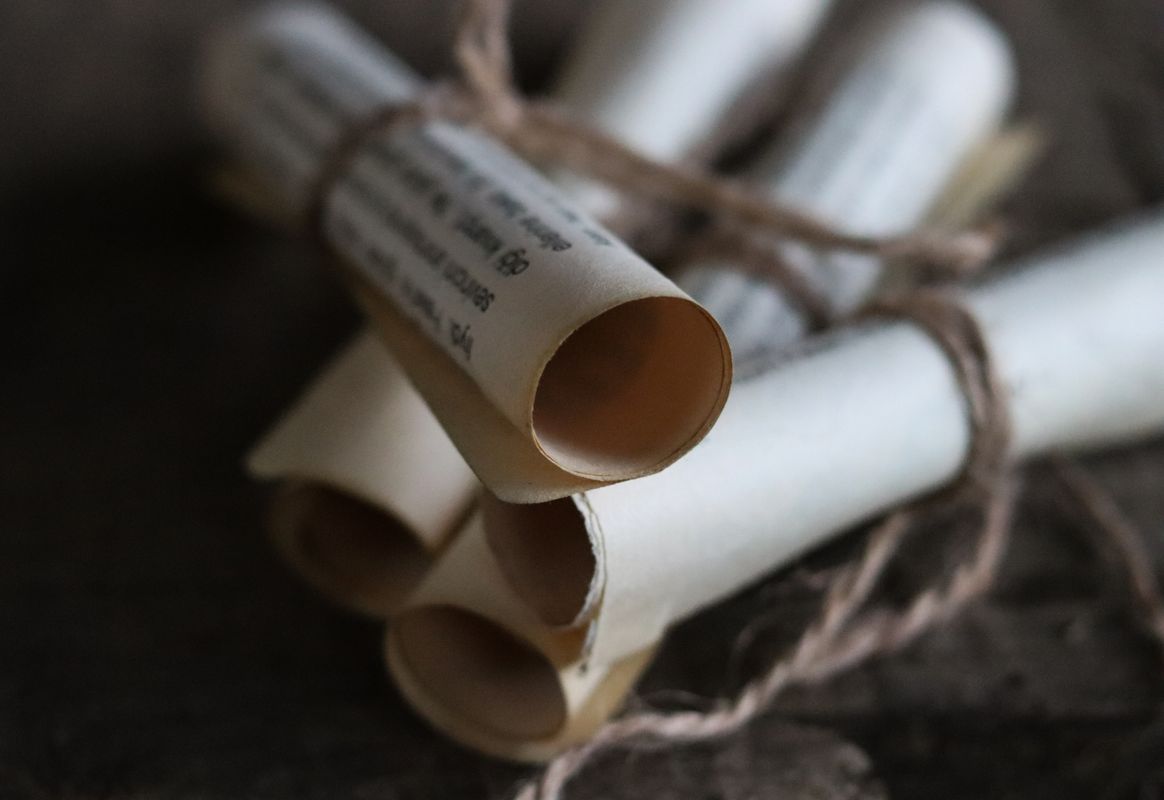
    ์˜ค๋ž˜๋œ ์–‘ํ”ผ์ง€ ๋‘๋ฃจ๋งˆ๋ฆฌ

    ์˜ˆ์ผ๋Œ€ ์†Œ์† ์ค‘์„ธ ํ•„์‚ฌ๋ณธ ์ „๋ฌธ๊ฐ€ ๋ฆฌ์‚ฌ ํŽ˜์ด๊ธด ๋ฐ์ด๋น„์Šค๋„ ์ด ๋ถ„์•ผ์—์„œ ๊พธ์ค€ํžˆ ๋ชฉ์†Œ๋ฆฌ๋ฅผ ๋‚ด๋Š” ํ•™์ž๋‹ค. ํ™”๋ คํ•œ ํ•ด๋…์„ค์ด ๋‚˜์˜ฌ ๋•Œ๋งˆ๋‹ค ๋ฌธ์„œ์˜ ๋ฌผ๋ฆฌ์  ๊ตฌ์กฐ, ํ•„์ฒด๊ฐ€ ๋ช‡ ๋ช…์ด ์†์œผ๋กœ ์“ด ๊ฒƒ์ธ์ง€, ์ž‰ํฌ์™€ ์ข…์ด ๊ฒฐํ•ฉ ๋ฐฉ์‹์€ ์–ด๋–ค์ง€๋ฅผ ๊ทผ๊ฑฐ๋กœ ๊ฒ€์ฆํ•˜๋ฉฐ ์„ฑ๊ธ‰ํ•œ ๊ฒฐ๋ก ์— ์ œ๋™์„ ๊ฑธ์–ด์™”๋‹ค. ์˜์™ธ๋กœ ์ด๋Ÿฐ ‘์žฌ ๋ฟŒ๋ฆฌ๋Š”’ ์—ญํ• ์ด ์ด ๋ถ„์•ผ์—์„œ๋Š” ๊ฝค ์ค‘์š”ํ•˜๋‹ค. ๊ทธ๋Ÿด๋“ฏํ•œ ํ•ด๋…์„ค์ด ๋‚˜์˜ฌ ๋•Œ๋งˆ๋‹ค ๊ฒ€์ฆ ์—†์ด ํ™•์‚ฐ๋˜๋Š” ๊ฒฝ์šฐ๊ฐ€ ๋งŽ์•˜๊ธฐ ๋•Œ๋ฌธ์ด๋‹ค.

    ์™œ ์•„์ง๋„ ๋ชป ํ’€์—ˆ์„๊นŒ

    ๋‹จ์ˆœํ•œ ์•”ํ˜ธ๋ผ๋ฉด ์ปดํ“จํ„ฐ๋กœ ์ง„์ž‘ ๋šซ๋ ธ์–ด์•ผ ํ•˜๋Š” ๊ฑฐ ์•„๋‹ˆ๋ƒ๊ณ  ๋ฐ˜๋ฌธํ•  ์ˆ˜ ์žˆ๋‹ค. ๋งž๋Š” ๋ง์ด๋‹ค. ๊ทธ๋Ÿฐ๋ฐ ๋ณด์ด๋‹ˆ์น˜ ๋ฌธ์„œ์˜ ๋ฌธ์ž ๋ฐฐ์—ด์—๋Š” ์ผ๋ฐ˜์ ์ธ ์–ธ์–ด์—์„œ๋Š” ์ž˜ ์•ˆ ๋ณด์ด๋Š” ๋…ํŠนํ•œ ํ†ต๊ณ„ ํŒจํ„ด์ด ์„ž์—ฌ ์žˆ๋‹ค. ๊ฐ™์€ ๊ธ€์ž๊ฐ€ ํ•œ ๋‹จ์–ด ์•ˆ์—์„œ ๋ฐ˜๋ณต๋˜๋Š” ๋นˆ๋„, ํŠน์ • ์œ„์น˜์—์„œ๋งŒ ๋‚˜ํƒ€๋‚˜๋Š” ๊ธ€์ž ์กฐํ•ฉ ๊ฐ™์€ ๊ฒƒ๋“ค์ด๋‹ค. ์ด ํŒจํ„ด์ด ‘์ˆจ๊ฒจ์ง„ ์ง„์งœ ์–ธ์–ด’์˜ ํ”์ ์ธ์ง€, ์•„๋‹ˆ๋ฉด ์• ์ดˆ์— ์˜๋ฏธ ์—†๋Š” ๊ธ€์ž๋ฅผ ๊ทธ๋Ÿด๋“ฏํ•˜๊ฒŒ ์ƒ์„ฑํ•˜๋Š” ์•Œ๊ณ ๋ฆฌ์ฆ˜ ๊ฐ™์€ ๊ทœ์น™์˜ ๊ฒฐ๊ณผ๋ฌผ์ธ์ง€, ํ•™๊ณ„๋Š” ์•„์ง๋„ ๊ฒฐ๋ก ์„ ๋‚ด๋ฆฌ์ง€ ๋ชปํ–ˆ๋‹ค.

    ํ›„์ž๋ผ๋ฉด, ๊ทธ๋Ÿฌ๋‹ˆ๊นŒ ๋งŒ์•ฝ ์ด ๋ฌธ์„œ๊ฐ€ ์ฒ˜์Œ๋ถ€ํ„ฐ ์•„๋ฌด ๋œป๋„ ๋‹ด์ง€ ์•Š์€ ์ •๊ตํ•œ ๊ฐ€์งœ ํ…์ŠคํŠธ์˜€๋‹ค๋ฉด ์–ด๋–จ๊นŒ. ์‹ค์ œ๋กœ ํŠน์ • ๋‹จ์–ด ๋ชฉ๋ก์—์„œ ๊ธ€์ž๋ฅผ ์กฐํ•ฉํ•ด๋‚ด๋Š” ๋‹จ์ˆœํ•œ ์ƒ์„ฑ ๊ทœ์น™๋งŒ์œผ๋กœ๋„ ๋ณด์ด๋‹ˆ์น˜ ๋ฌธ์„œ์™€ ๋น„์Šทํ•œ ํ†ต๊ณ„์  ํŠน์ง•์„ ํ‰๋‚ด ๋‚ผ ์ˆ˜ ์žˆ๋‹ค๋Š” ์‹คํ—˜ ๊ฒฐ๊ณผ๊ฐ€ ์—ฌ๋Ÿฟ ๋ณด๊ณ ๋ผ ์žˆ๋‹ค. ๋ฌผ๋ก  ์ด๊ฒƒ๋„ ํ™•์ •๋œ ๊ฒฐ๋ก ์€ ์•„๋‹ˆ๊ณ  ํ•˜๋‚˜์˜ ๊ฐ€์„ค์ผ ๋ฟ์ด๋‹ค. ๋‹ค๋งŒ ์ด ๊ฐ€์„ค์ด ๋งž๋‹ค๋ฉด, ์ง€๊ธˆ๊นŒ์ง€ ์•”ํ˜ธํ•™์ž์™€ ์–ธ์–ดํ•™์ž๋“ค์ด 100๋…„ ๋„˜๊ฒŒ ๋งค๋‹ฌ๋ ค์˜จ ๋Œ€์ƒ์€ ์• ์ดˆ์— ํ’€ ‘๋‚ด์šฉ’ ์ž์ฒด๊ฐ€ ์—†๋Š” ํ…์ŠคํŠธ์˜€๋‹ค๋Š” ๋œป์ด ๋œ๋‹ค. ์กด์žฌํ•˜์ง€๋„ ์•Š๋Š” ์–ธ์–ด์˜ ๋ฒฝ ์•ž์—์„œ ๊ณ„์† ์ฃผ๋จน์„ ํœ˜๋‘๋ฅด๊ณ  ์žˆ์—ˆ๋˜ ์…ˆ์ด๋ž„๊นŒ. ๊ทธ๋ ‡๋‹ค๊ณ  ์—ฐ๊ตฌ๊ฐ€ ๋ฌด์˜๋ฏธํ–ˆ๋‹ค๊ณ  ๋ณด๊ธด ์–ด๋ ต๋‹ค. ์–ด๋А ์ชฝ์ด ๋งž๋Š”์ง€์กฐ์ฐจ ์•„์ง ๊ฐ€๋ ค๋‚ด์ง€ ๋ชปํ–ˆ๋‹ค๋Š” ์‚ฌ์‹ค ์ž์ฒด๊ฐ€, ์ด ๋ฌธ์„œ๋ฅผ ์—ฌ์ „ํžˆ ์‚ด์•„ ์žˆ๋Š” ๋ฏธ์Šคํ„ฐ๋ฆฌ๋กœ ๋‚จ๊ฒจ๋‘๋Š” ์ด์œ ์ด๊ธฐ ๋•Œ๋ฌธ์ด๋‹ค.

    ๊ณ ์„œ๋“ค์ด ๋นผ๊ณกํžˆ ๊ฝ‚ํžŒ ๊ณ ํ’์Šค๋Ÿฌ์šด ๋„์„œ๊ด€

    ์ด๋ ‡๊ฒŒ ๋ฌผ์ฆ์€ ๋„˜์น˜๋Š”๋ฐ ๊ฒฐ๋ก ๋งŒ ์•ˆ ๋‚˜์˜ค๋Š” ์‚ฌ๊ฑด์ด ๋ณด์ด๋‹ˆ์น˜ ๋ฌธ์„œ ํ•˜๋‚˜๋งŒ์€ ์•„๋‹ˆ๋‹ค. ๋ฐฐ๋Š” ๋ฉ€์ฉกํ•œ๋ฐ ์„ ์›๋“ค๋งŒ ํ”์ ๋„ ์—†์ด ์ฆ๋ฐœํ•ด๋ฒ„๋ฆฐ ๋ฉ”๋ฆฌ ์…€๋ ˆ์ŠคํŠธํ˜ธ ๋ฏธ์Šคํ„ฐ๋ฆฌ๋„ ๋น„์Šทํ•œ ๊ฒฐ์˜ ์‚ฌ๊ฑด์ด๋‹ค. ์ฆ๊ฑฐ๋Š” ๋ˆˆ์•ž์— ๋ป”ํžˆ ์žˆ๋Š”๋ฐ, ๊ทธ๊ฑธ ์„ค๋ช…ํ•  ๋งˆ์ง€๋ง‰ ํ•œ ์กฐ๊ฐ๋งŒ ๊ณ„์† ๋น ์ ธ ์žˆ๋Š” ์…ˆ์ด๋‹ค.

    ์ž์ฃผ ๋ฌป๋Š” ์งˆ๋ฌธ

    Q. ๋ณด์ด๋‹ˆ์น˜ ๋ฌธ์„œ ์›๋ณธ์„ ์‹ค์ œ๋กœ ๋ณผ ์ˆ˜ ์žˆ๋‚˜?
    ๋””์ง€ํ„ธ ์Šค์บ”๋ณธ์€ ์˜ˆ์ผ๋Œ€ ๋ฐ”์ด๋„ค์ผ€ ๋„์„œ๊ด€ ํ™ˆํŽ˜์ด์ง€์—์„œ ๋ˆ„๊ตฌ๋‚˜ ์—ด๋žŒํ•  ์ˆ˜ ์žˆ๋‹ค. ์‹ค๋ฌผ์€ ์ƒ์‹œ ์ „์‹œ๋˜์ง€๋Š” ์•Š๊ณ , ํŠน๋ณ„์ „ ์‹œ๊ธฐ์— ๋งž์ถฐ ์ œํ•œ์ ์œผ๋กœ ๊ณต๊ฐœ๋œ๋‹ค.

    Q. AI๋กœ ์–ธ์  ๊ฐ€๋Š” ํ’€๋ฆด ๊ฐ€๋Šฅ์„ฑ์ด ์žˆ์„๊นŒ?
    ๋‹จ์ •ํ•˜๊ธฐ๋Š” ์ด๋ฅด๋‹ค. ๊ธฐ์กด ์–ธ์–ด ๋ฐ์ดํ„ฐ์™€ ๋Œ€์กฐํ•˜๋Š” ๋ฐฉ์‹์˜ AI ๋ถ„์„์€ ์ง€๊ธˆ๊นŒ์ง€ ๋šœ๋ ทํ•œ ์„ฑ๊ณผ๋ฅผ ๋‚ด์ง€ ๋ชปํ–ˆ๋‹ค. ๋‹ค๋งŒ ๋‹ค์ค‘๋ถ„๊ด‘ ์ดฌ์˜์ฒ˜๋Ÿผ ์ˆจ๊ฒจ์ง„ ํ•„์ ์„ ์ฐพ์•„๋‚ด๋Š” ์ด๋ฏธ์ง€ ๋ถ„์„ ๊ธฐ์ˆ  ์ชฝ์—์„œ๋Š” 2024๋…„ ์‚ฌ๋ก€์ฒ˜๋Ÿผ ์‹ค์งˆ์ ์ธ ์ง„์ „์ด ๋‚˜์˜ค๊ณ  ์žˆ๋‹ค.

    Q. ์—ฌ๋Ÿฌ ์‚ฌ๋žŒ์ด ํ•ด๋…ํ–ˆ๋‹ค๊ณ  ๋ฐœํ‘œํ–ˆ๋Š”๋ฐ ์™œ ๊ณ„์† ‘๋ฏธ์ œ’๋กœ ๋‚จ์•„ ์žˆ๋‚˜?
    ์ง€๊ธˆ๊นŒ์ง€ ๋‚˜์˜จ ํ•ด๋… ์ฃผ์žฅ๋“ค์€ ๋Œ€๋ถ€๋ถ„ ๊ฒ€์ฆ ๊ณผ์ •์—์„œ ๋…ผ๋ฆฌ์  ๊ฒฐํ•จ์ด ๋“œ๋Ÿฌ๋‚ฌ๋‹ค. ์ž๊ธฐ๊ฐ€ ์„ธ์šด ๊ทœ์น™์„ ์Šค์Šค๋กœ ์–ด๊ธฐ๊ฑฐ๋‚˜, ์‹ค์กด์ด ํ™•์ธ๋˜์ง€ ์•Š๋Š” ์–ธ์–ด๋ฅผ ๊ทผ๊ฑฐ๋กœ ์‚ผ๋Š” ์‹์ด๋‹ค. ํ•™๊ณ„๊ฐ€ ๊ณต์‹์ ์œผ๋กœ ์ธ์ •ํ•œ ํ•ด๋…์€ 2026๋…„ ํ˜„์žฌ๊นŒ์ง€ ๋‹จ ํ•˜๋‚˜๋„ ์—†๋‹ค.

  • 40๋Œ€ ์ดํ›„ ์ด๋ช…(๊ท€์šธ๋ฆผ), ๊ทธ๋ƒฅ ๋„˜๊ธฐ๋ฉด ์•ˆ ๋˜๋Š” ์ด์œ 

    40๋Œ€ ์ดํ›„ ์ด๋ช…(๊ท€์šธ๋ฆผ), ๊ทธ๋ƒฅ ๋„˜๊ธฐ๋ฉด ์•ˆ ๋˜๋Š” ์ด์œ 

    ์œ ๋… ํ”ผ๊ณคํ–ˆ๋˜ ๋ฐค, ๋ฒ ๊ฐœ์— ๋จธ๋ฆฌ๋ฅผ ๋Œ€์ž๋งˆ์ž ๊ท“์†์—์„œ “์‚-” ํ•˜๋Š” ๊ฐ€๋А๋‹ค๋ž€ ์†Œ๋ฆฌ๊ฐ€ ํŒŒ๊ณ ๋“  ์  ์žˆ์œผ์‹ ๊ฐ€์š”. ๋Œ€๋ถ€๋ถ„์€ ๋ช‡ ์ดˆ, ๊ธธ์–ด์•ผ ๋ช‡ ๋ถ„ ์•ˆ์— ์‚ฌ๋ผ์ง€๋‹ˆ ๋Œ€์ˆ˜๋กญ์ง€ ์•Š๊ฒŒ ๋„˜๊น๋‹ˆ๋‹ค. ๊ทธ๋Ÿฐ๋ฐ ๋งˆํ”์„ ๋„˜๊ธฐ๊ณ ๋ถ€ํ„ฐ ์ด ์†Œ๋ฆฌ๊ฐ€ ๋ฉฐ์น ์”ฉ ์ด์–ด์ง€๊ฑฐ๋‚˜, ์ž ์ž๋ฆฌ์— ๋ˆ„์šธ ๋•Œ๋งˆ๋‹ค ๋งค๋ฏธ ์šฐ๋Š” ์†Œ๋ฆฌ๊ฐ€ ๋ฐ˜๋ณต๋œ๋‹ค๋ฉด ์ด์•ผ๊ธฐ๊ฐ€ ๋‹ฌ๋ผ์ง‘๋‹ˆ๋‹ค. ํ”ผ๊ณคํ•ด์„œ ๊ทธ๋Ÿฐ ๊ฑฐ ์•„๋‹ˆ๋ƒ๊ณ  ์ƒ๊ฐํ•˜๊ธฐ ์‰ฝ์ง€๋งŒ, ์˜์™ธ๋กœ ์ด๋ช…์€ ๋ชธ์ด ๋ณด๋‚ด๋Š” ์—ฌ๋Ÿฌ ์‹ ํ˜ธ ์ค‘ ํ•˜๋‚˜๋กœ ๋‚˜ํƒ€๋‚˜๋Š” ๊ฒฝ์šฐ๊ฐ€ ๋งŽ์Šต๋‹ˆ๋‹ค.

    ์ „๋ฌธ๊ฐ€๋“ค์€ ์‚ด๋ฉด์„œ ํ•œ ๋ฒˆ์ด๋ผ๋„ ์ด๋ช…์„ ๊ฒฝํ—˜ํ•˜๋Š” ์‚ฌ๋žŒ์ด ์ „์ฒด ์ธ๊ตฌ์˜ 15~20%์— ์ด๋ฅธ๋‹ค๊ณ  ๋งํ•ฉ๋‹ˆ๋‹ค. ๋‹ค์„ฏ ๋ช… ์ค‘ ํ•œ ๋ช…๊ผด์ด๋‹ˆ ์ƒ๊ฐ๋ณด๋‹ค ํ”ํ•œ ์ฆ์ƒ์ž…๋‹ˆ๋‹ค. ๋ฌธ์ œ๋Š” 40๋Œ€ ์ดํ›„๋ถ€ํ„ฐ๋Š” ์ด ํ”ํ•œ ์ฆ์ƒ์ด ๊ทธ๋ƒฅ ์Šค์ณ ์ง€๋‚˜๊ฐ€๋Š” ํ•ดํ”„๋‹์ด ์•„๋‹ˆ๋ผ ์ฒญ๋ ฅ ์ €ํ•˜๋‚˜ ํ˜ˆ๊ด€ ๊ฑด๊ฐ• ๋ณ€ํ™”์™€ ๋งž๋ฌผ๋ ค ๋‚˜ํƒ€๋‚˜๋Š” ๊ฒฝ์šฐ๊ฐ€ ๋Š˜์–ด๋‚œ๋‹ค๋Š” ์ ์ž…๋‹ˆ๋‹ค.

    ์™œ ํ•˜ํ•„ 40๋Œ€ ์ดํ›„์— ์ด๋ช…์ด ๋Š˜์–ด๋‚ ๊นŒ

    ์ด๋ช…์˜ ์›์ธ์€ ํ•œ ๊ฐ€์ง€๋กœ ๋”ฑ ๋–จ์–ด์ง€์ง€ ์•Š์Šต๋‹ˆ๋‹ค. ์ŠคํŠธ๋ ˆ์Šค, ์†Œ์Œ ๋ˆ„์  ๋…ธ์ถœ, ๋…ธํ™”์„ฑ ๋‚œ์ฒญ, ํ˜ˆ์•• ๋ฌธ์ œ๊นŒ์ง€ ์—ฌ๋Ÿฌ ์š”์ธ์ด ๊ฒน์ณ์„œ ๋‚˜ํƒ€๋‚˜๋Š” ๊ฒฝ์šฐ๊ฐ€ ๋งŽ์Šต๋‹ˆ๋‹ค. “์™œ ๋‚˜๋งŒ ์ด๋Ÿฌ์ง€” ์‹ถ์€ ๋งˆ์Œ์ด ๋“ค ์ˆ˜ ์žˆ๋Š”๋ฐ, ์‚ฌ์‹ค ์›์ธ์„ ํ•˜๋‚˜๋กœ ์ขํžˆ๊ธฐ ์–ด๋ ค์šด ๊ฒŒ ์ด๋ช…์ด๋ผ๋Š” ์ฆ์ƒ ์ž์ฒด์˜ ํŠน์ง•์ด๊ธฐ๋„ ํ•ฉ๋‹ˆ๋‹ค.

    1. ์ŠคํŠธ๋ ˆ์Šค์™€ ์ž์œจ์‹ ๊ฒฝ – ๋งŒ๋งŒํ•˜๊ฒŒ ๋ณผ ๊ฒŒ ์•„๋‹ˆ๋‹ค

    ์ŠคํŠธ๋ ˆ์Šค ๋•Œ๋ฌธ์— ๊ท€์šธ๋ฆผ์ด ์ƒ๊ธด๋‹ค๊ณ  ํ•˜๋ฉด “๊ทธ๋ƒฅ ์‹ ๊ฒฝ์„ฑ ์•„๋‹ˆ๋ƒ”๋ฉฐ ๋Œ€์ˆ˜๋กญ์ง€ ์•Š๊ฒŒ ๋„˜๊ธฐ๋Š” ๋ถ„๋“ค์ด ๋งŽ์Šต๋‹ˆ๋‹ค. ๊ทธ๋Ÿฐ๋ฐ๋„ ์‹ค์ œ๋กœ๋Š” ์ŠคํŠธ๋ ˆ์Šค๊ฐ€ ์ž์œจ์‹ ๊ฒฝ๊ณ„๋ฅผ ์ž๊ทนํ•ด์„œ ๊ท“์† ๋ฏธ์„ธํ˜ˆ๊ด€์˜ ํ˜ˆ๋ฅ˜๋ฅผ ๋ณ€ํ™”์‹œํ‚ค๊ณ , ์ด ๊ณผ์ •์—์„œ ์ฒญ๊ฐ์‹ ๊ฒฝ์ด ์˜ˆ๋ฏผํ•ด์ง€๋ฉด์„œ ์—†๋˜ ์†Œ๋ฆฌ๊ฐ€ ์ธ์ง€๋˜๋Š” ๊ฒฝ์šฐ๊ฐ€ ์žˆ์Šต๋‹ˆ๋‹ค. ๋งŒ์„ฑ ํ”ผ๋กœ๋‚˜ ์ˆ˜๋ฉด ๋ถ€์กฑ์ด ๊ฒน์น˜๋ฉด ํ‰์†Œ๋ณด๋‹ค ์ด๋ช…์ด ๋” ํฌ๊ฒŒ, ๋” ์ž์ฃผ ๋А๊ปด์ง„๋‹ค๊ณ  ํ˜ธ์†Œํ•˜๋Š” ๋ถ„๋“ค๋„ ์ ์ง€ ์•Š์Šต๋‹ˆ๋‹ค.

    ์•ผ๊ทผ์ด ๋ชฐ๋ฆฐ ์ฃผ์— ์œ ๋… ๊ท€๊ฐ€ ์šธ๋ฆฐ๋‹ค๊ฑฐ๋‚˜, ์ค‘์š”ํ•œ ์ผ์„ ์•ž๋‘๊ณ  ๋ฉฐ์น  ๋œฌ๋ˆˆ์œผ๋กœ ์ง€์ƒˆ์šด ๋’ค ์ฆ์ƒ์ด ์‹ฌํ•ด์กŒ๋‹ค๋ฉด ์ด ํŒจํ„ด์„ ์˜์‹ฌํ•ด๋ณผ ๋งŒํ•ฉ๋‹ˆ๋‹ค. ๋ฌผ๋ก  ์ŠคํŠธ๋ ˆ์Šค์„ฑ์ด๋ผ๊ณ  ๋‹จ์ •ํ•  ์ˆ˜๋Š” ์—†์Šต๋‹ˆ๋‹ค. ๋‹ค๋ฅธ ์›์ธ์ด ํ•จ๊ป˜ ์žˆ๋Š”์ง€ ์‚ดํŽด๋ณด๋Š” ๊ฒŒ ๋จผ์ €์ž…๋‹ˆ๋‹ค.

    2. ์†Œ์Œ ๋…ธ์ถœ์˜ ๋ˆ„์  – ์ Š์„ ๋•Œ ๋‚ธ ์†Œ๋ฆฌ๊ฐ€ ์ง€๊ธˆ ์ฒญ๊ตฌ์„œ๋กœ ๋Œ์•„์˜จ๋‹ค

    “๋‚˜ ์ด์ œ ์‹œ๋„๋Ÿฌ์šด ๋ฐ ์ž˜ ์•ˆ ๊ฐ€๋Š”๋ฐ?”๋ผ๊ณ  ๋ฐ˜๋ฌธํ•  ์ˆ˜ ์žˆ์Šต๋‹ˆ๋‹ค. ๊ทธ๋Ÿฐ๋ฐ ์†Œ์Œ์„ฑ ๋‚œ์ฒญ์€ ์ง€๊ธˆ ๋‹น์žฅ์˜ ๋…ธ์ถœ๋ณด๋‹ค ๋ˆ„์ ๋œ ๊ณผ๊ฑฐ ๋…ธ์ถœ์ด ๋” ํฌ๊ฒŒ ์ž‘์šฉํ•ฉ๋‹ˆ๋‹ค. 20~30๋Œ€์— ์ด์–ดํฐ์„ ํฌ๊ฒŒ ํ‹€๊ณ  ๋‹ค๋…”๊ฑฐ๋‚˜, ๊ณต์‚ฌ์žฅ์ด๋‚˜ ๊ณต์žฅ์ฒ˜๋Ÿผ ์†Œ์Œ์ด ๋งŽ์€ ํ™˜๊ฒฝ์—์„œ ์˜ค๋ž˜ ์ผํ–ˆ๋‹ค๋ฉด ๊ทธ ์†์ƒ์ด ์‹œ๊ฐ„์ด ์ง€๋‚˜ 40๋Œ€ ๋ฌด๋ ต๋ถ€ํ„ฐ ์„œ์„œํžˆ ๋“œ๋Ÿฌ๋‚˜๋Š” ์‹์ž…๋‹ˆ๋‹ค.

    ๋‹ฌํŒฝ์ด๊ด€ ์•ˆ์—๋Š” ์†Œ๋ฆฌ๋ฅผ ์ „๊ธฐ์‹ ํ˜ธ๋กœ ๋ฐ”๊ฟ”์ฃผ๋Š” ์œ ๋ชจ์„ธํฌ๊ฐ€ ์ด˜์ด˜ํžˆ ๋ฐ•ํ˜€ ์žˆ๋Š”๋ฐ, ์ด ์„ธํฌ๋Š” ํ•œ ๋ฒˆ ๊บพ์ด๊ฑฐ๋‚˜ ์†์ƒ๋˜๋ฉด ๋‹ค์‹œ ์ž๋ผ๋‚˜์ง€ ์•Š์Šต๋‹ˆ๋‹ค. ๊ทธ๋ž˜์„œ ์–ต์šธํ•œ ์ง€์ ์ด ์ƒ๊น๋‹ˆ๋‹ค. 20๋Œ€์— ์†Œ๋ฆฌ๋ฅผ ํฌ๊ฒŒ ๋“ค์—ˆ์„ ๋• ๋ฉ€์ฉกํ–ˆ์ง€๋งŒ, ์†์ƒ์€ ๊ทธ๋•Œ ์ด๋ฏธ ์‹œ์ž‘๋๊ณ  40๋Œ€์— ๋“ค์–ด์„œ์•ผ ๊ฒ‰์œผ๋กœ ๋“œ๋Ÿฌ๋‚˜๋Š” ๊ฒ๋‹ˆ๋‹ค. ๊ฒŒ๋‹ค๊ฐ€ ์œ ๋ชจ์„ธํฌ๊ฐ€ ๋ณด๋‚ด์•ผ ํ•  ์‹ ํ˜ธ๊ฐ€ ๋Š๊ธฐ๋ฉด ๋‡Œ์˜ ์ฒญ๊ฐ ์ค‘์ถ”๊ฐ€ ๊ทธ ๋นˆ์ž๋ฆฌ๋ฅผ ์Šค์Šค๋กœ ๋ฉ”์šฐ๋ ค๋Š” ๋ฐ˜์‘์„ ๋ณด์ด๋Š”๋ฐ, ์ด ๊ณผ์ •์—์„œ ์‹ค์ œ๋กœ๋Š” ์กด์žฌํ•˜์ง€ ์•Š๋Š” ์†Œ๋ฆฌ๋ฅผ ๋‡Œ๊ฐ€ ๋งŒ๋“ค์–ด๋‚ด๋Š” ๊ฒŒ ์ด๋ช…์˜ ํ•œ ๊ธฐ์ „์œผ๋กœ ์„ค๋ช…๋˜๊ณค ํ•ฉ๋‹ˆ๋‹ค. ์–ต์šธํ•˜๊ฒŒ ๋А๊ปด์งˆ ์ˆ˜ ์žˆ์ง€๋งŒ, ์ด๊ฒŒ ์†Œ์Œ์„ฑ ๋‚œ์ฒญ์˜ ํŠน์ง•์ž…๋‹ˆ๋‹ค.

    3. ๋…ธํ™”์„ฑ ๋‚œ์ฒญ์˜ ์ดˆ๊ธฐ ์‹ ํ˜ธ์ผ ๊ฐ€๋Šฅ์„ฑ

    ๋…ธํ™”์„ฑ ๋‚œ์ฒญ, ์˜ํ•™ ์šฉ์–ด๋กœ๋Š” ๋…ธ์ธ์„ฑ ๋‚œ์ฒญ ํ˜น์€ presbycusis๋ผ๊ณ  ๋ถ€๋ฅด๋Š” ์ด ํ˜„์ƒ์€ ๋ณดํ†ต 60๋Œ€๋ถ€ํ„ฐ ๋ณธ๊ฒฉ์ ์œผ๋กœ ๋‚˜ํƒ€๋‚œ๋‹ค๊ณ  ์•Œ๋ ค์ ธ ์žˆ์ง€๋งŒ, ์‹ค์ œ๋กœ๋Š” 40๋Œ€๋ถ€ํ„ฐ ์„œ์„œํžˆ ์ง„ํ–‰์ด ์‹œ์ž‘๋˜๋Š” ์‚ฌ๋ก€๊ฐ€ ๋“œ๋ฌผ์ง€ ์•Š์Šต๋‹ˆ๋‹ค. ์ฒ˜์Œ์—๋Š” ๊ณ ์Œ์—ญ๋Œ€๋ถ€ํ„ฐ ์†Œ๋ฆฌ๊ฐ€ ์ž˜ ์•ˆ ๋“ค๋ฆฌ๋‹ค๊ฐ€, ๊ทธ ๋นˆ ์ž๋ฆฌ๋ฅผ ๋‡Œ๊ฐ€ ์Šค์Šค๋กœ ์ฑ„์›Œ ๋„ฃ์œผ๋ ค๋Š” ๊ณผ์ •์—์„œ ์ด๋ช…์ด ๋™๋ฐ˜๋˜๋Š” ๊ฒƒ์œผ๋กœ ์„ค๋ช…๋˜๊ณค ํ•ฉ๋‹ˆ๋‹ค.

    “์•„์ง ์ Š์€๋ฐ ๋ฒŒ์จ ๋…ธํ™”์„ฑ ๋‚œ์ฒญ์ด๋ผ๋‹ˆ” ์‹ถ์„ ์ˆ˜๋„ ์žˆ์Šต๋‹ˆ๋‹ค. ๊ทธ๋Ÿฐ๋ฐ ์ฒญ๋ ฅ์€ 30๋Œ€ ์ค‘๋ฐ˜๋ถ€ํ„ฐ ์ด๋ฏธ ์•„์ฃผ ์ฒœ์ฒœํžˆ ๋‚ฎ์•„์ง€๊ธฐ ์‹œ์ž‘ํ•œ๋‹ค๋Š” ๊ฒŒ ์—ฌ๋Ÿฌ ์ž๋ฃŒ์˜ ๊ณตํ†ต๋œ ์„ค๋ช…์ž…๋‹ˆ๋‹ค. ์ฒด๊ฐ์ด ์•ˆ ๋  ๋ฟ์ด์ง€ ์ง„ํ–‰ ์ž์ฒด๋Š” ํ›จ์”ฌ ์ผ์ฐ ์‹œ์ž‘๋œ๋‹ค๋Š” ๋œป์ž…๋‹ˆ๋‹ค.

    4. ํ˜ˆ์••, ์˜์™ธ๋กœ ๊ท€์™€ ์—ฐ๊ฒฐ๋˜์–ด ์žˆ๋‹ค

    ํ˜ˆ์••์ด๋ž‘ ๊ท€์šธ๋ฆผ์ด ๋ฌด์Šจ ์ƒ๊ด€์ด๋ƒ ์‹ถ๊ฒ ์ง€๋งŒ, ๊ด€๋ จ์ด ์—†์ง€ ์•Š์Šต๋‹ˆ๋‹ค. ๊ณ ํ˜ˆ์••์ด ์ง€์†๋˜๋ฉด ๋‹ฌํŒฝ์ด๊ด€์œผ๋กœ ๊ฐ€๋Š” ๋ฏธ์„ธํ•œ ํ˜ˆ๊ด€์˜ ํ˜ˆ๋ฅ˜์— ์˜ํ–ฅ์„ ์ค„ ์ˆ˜ ์žˆ๊ณ , ์ด ์ƒํƒœ๊ฐ€ ์ด๋ช…์œผ๋กœ ์ด์–ด์งˆ ์ˆ˜ ์žˆ๋‹ค๋Š” ์—ฐ๊ตฌ๋“ค์ด ๋ณด๊ณ ๋ผ ์žˆ์Šต๋‹ˆ๋‹ค. ํŠนํžˆ ์‹ฌ์žฅ ๋ฐ•๋™์— ๋งž์ถฐ “์ฟต์ฟต” ์šธ๋ฆฌ๋Š” ๋“ฏํ•œ ๋ฐ•๋™์„ฑ ์ด๋ช…์€ ์ผ๋ฐ˜์ ์ธ “์‚-” ์†Œ๋ฆฌ์™€๋Š” ๊ฒฐ์ด ๋‹ค๋ฆ…๋‹ˆ๋‹ค. ํ˜ˆ๊ด€ ๋ฒฝ์ด ์ข์•„์กŒ๊ฑฐ๋‚˜ ํ˜ˆ๋ฅ˜ ์†๋„๊ฐ€ ํ‰์†Œ์™€ ๋‹ฌ๋ผ์กŒ์„ ๋•Œ ๊ทธ ํ๋ฆ„ ์ž์ฒด๊ฐ€ ์†Œ๋ฆฌ๋กœ ์ธ์ง€๋˜๋Š” ๊ฒฝ์šฐ๊ฐ€ ๋งŽ์•„์„œ, ํ˜ˆ๊ด€ ์ชฝ ๋ฌธ์ œ์™€ ๊ด€๋ จ์ด ์žˆ๋Š” ๊ฒฝ์šฐ๊ฐ€ ์ƒ๋Œ€์ ์œผ๋กœ ๋งŽ๋‹ค๊ณ  ๋ด…๋‹ˆ๋‹ค. ๊ทธ๋ž˜์„œ ์ด ์œ ํ˜•์€ ๋‹ค๋ฅธ ์ด๋ช…๋ณด๋‹ค ์กฐ๊ธˆ ๋” ์ฃผ์˜ ๊นŠ๊ฒŒ ๋ด์•ผ ํ•ฉ๋‹ˆ๋‹ค.

    ํ˜ˆ์•• ๊ด€๋ฆฌ๋ฅผ ์˜ค๋ž˜ ํ•ด์˜ค์‹  ๋ถ„์ด๋ผ๋ฉด ํ˜ˆ์••์•ฝ๊ณผ ๊ด€๋ จํ•œ ์ด์ „ ๊ธ€๋„ ์ฐธ๊ณ ํ•ด๋ณด์‹œ๋ฉด ๋„์›€์ด ๋  ์ˆ˜ ์žˆ์Šต๋‹ˆ๋‹ค. ํ˜ˆ์••๊ณผ ์ฒญ๊ฐ ๊ฑด๊ฐ•์€ ๋”ฐ๋กœ ๋–จ์–ด์ง„ ๋ฌธ์ œ๊ฐ€ ์•„๋‹ˆ๋ผ๋Š” ๊ฑธ ์งš๊ณ  ๋„˜์–ด๊ฐ€๊ณ  ์‹ถ์—ˆ์Šต๋‹ˆ๋‹ค.

    ์ •๋ฆฌํ•˜๋ฉด, ์ด ๋„ค ๊ฐ€์ง€๊ฐ€ ํ•ต์‹ฌ์ž…๋‹ˆ๋‹ค

    • ์ŠคํŠธ๋ ˆ์Šคยท์ˆ˜๋ฉด ๋ถ€์กฑ โ†’ ์ž์œจ์‹ ๊ฒฝ ์ž๊ทน โ†’ ๊ท“์† ํ˜ˆ๋ฅ˜ ๋ณ€ํ™”
    • ๊ณผ๊ฑฐ ์†Œ์Œ ๋…ธ์ถœ ๋ˆ„์  โ†’ ์œ ๋ชจ์„ธํฌ ์†์ƒ โ†’ ๋‡Œ๊ฐ€ ๋นˆ์ž๋ฆฌ๋ฅผ ๋ฉ”์šฐ๋ฉฐ ์†Œ๋ฆฌ ์ธ์ง€
    • ๋…ธํ™”์„ฑ ๋‚œ์ฒญ ์ดˆ๊ธฐ โ†’ ๊ณ ์Œ์—ญ๋Œ€๋ถ€ํ„ฐ ์„œ์„œํžˆ ์ €ํ•˜
    • ๊ณ ํ˜ˆ์••ยทํ˜ˆ๋ฅ˜ ๋ณ€ํ™” โ†’ ๋ฐ•๋™์„ฑ ์ด๋ช… ํ˜•ํƒœ๋กœ ๋‚˜ํƒ€๋‚˜๊ธฐ ์‰ฌ์›€

    ์ž๊ฐ€์ฒดํฌ ํฌ์ธํŠธ – ์ด ์ •๋„๋Š” ์Šค์Šค๋กœ ํ™•์ธํ•ด๋ณผ ์ˆ˜ ์žˆ๋‹ค

    ์ง„๋‹จ์€ ๋‹น์—ฐํžˆ ๋ณ‘์›์—์„œ ๋ฐ›์•„์•ผ ํ•˜์ง€๋งŒ, ๊ทธ์ „์— ์Šค์Šค๋กœ ํŒจํ„ด์„ ๊ด€์ฐฐํ•ด๋ณด๋Š” ๊ฒƒ๋งŒ์œผ๋กœ๋„ ์˜๋ฃŒ์ง„์—๊ฒŒ ํ›จ์”ฌ ๊ตฌ์ฒด์ ์ธ ์ •๋ณด๋ฅผ ์ „๋‹ฌํ•  ์ˆ˜ ์žˆ์Šต๋‹ˆ๋‹ค. ์•„๋ž˜ ํ•ญ๋ชฉ์„ ํ•˜๋‚˜์”ฉ ์งš์–ด๋ณด์‹œ๊ธธ ๊ถŒํ•ฉ๋‹ˆ๋‹ค.

    • ํ•œ์ชฝ ๊ท€์—์„œ๋งŒ ์†Œ๋ฆฌ๊ฐ€ ๋‚˜๋Š”์ง€, ์–‘์ชฝ ๋‹ค ๊ทธ๋Ÿฐ์ง€
    • ์†Œ๋ฆฌ์˜ ์„ฑ๊ฒฉ์ด “์‚-” ํ•˜๋Š” ๊ณ ์Œ์ธ์ง€, ์‹ฌ์žฅ ๋ฐ•๋™์— ๋งž์ถฐ “์ฟต์ฟต” ๋›ฐ๋Š” ๋А๋‚Œ์ธ์ง€
    • ์ฆ์ƒ์ด ๋ฉฐ์น  ๋งŒ์— ์‚ฌ๋ผ์ง€๋Š”์ง€, 2์ฃผ ๋„˜๊ฒŒ ์ด์–ด์ง€๋Š”์ง€
    • ์–ด์ง€๋Ÿผ์ฆ์ด๋‚˜ ๊ท€ ๋จน๋จนํ•จ์ด ํ•จ๊ป˜ ๋‚˜ํƒ€๋‚˜๋Š”์ง€
    • ์ „ํ™” ํ†ตํ™”ํ•  ๋•Œ ํ•œ์ชฝ ๊ท€๊ฐ€ ์œ ๋… ์ž˜ ์•ˆ ๋“ค๋ฆฌ์ง€๋Š” ์•Š๋Š”์ง€

    ์ด ํ•ญ๋ชฉ๋“ค์ด ๋‘์„ธ ๊ฐœ ์ด์ƒ ๊ฒน์ณ์„œ ๋‚˜ํƒ€๋‚œ๋‹ค๋ฉด ๊ทธ๋ƒฅ ๋„˜๊ธฐ์ง€ ์•Š๋Š” ๊ฒŒ ๋‚ซ์Šต๋‹ˆ๋‹ค.

    ๊ท€ ๊ฑด๊ฐ•์„ ๊ฑฑ์ •ํ•˜๋ฉฐ ์ƒ๊ฐ์— ์ž ๊ธด ์ค‘๋…„ ์—ฌ์„ฑ

    ์–ธ์ œ๋Š” ์ •๋ง ์ด๋น„์ธํ›„๊ณผ์— ๊ฐ€์•ผ ํ• ๊นŒ

    “์ด ์ •๋„๋Š” ๋‹ค๋“ค ๊ฒช๋Š” ๊ฑฐ ์•„๋‹ˆ์•ผ?” ํ•˜๊ณ  ๋„˜๊ธฐ๊ณ  ์‹ถ์€ ๋งˆ์Œ, ์ดํ•ดํ•ฉ๋‹ˆ๋‹ค. ๊ทธ๋Ÿฐ๋ฐ๋„ ๋‹ค์Œ๊ณผ ๊ฐ™์€ ๊ฒฝ์šฐ๋ผ๋ฉด ๋ฏธ๋ฃจ์ง€ ์•Š๊ณ  ์ด๋น„์ธํ›„๊ณผ ์ง„๋ฃŒ๋ฅผ ๋ฐ›์•„๋ณด์‹œ๋Š” ๊ฑธ ๊ถŒํ•ฉ๋‹ˆ๋‹ค. ํŠนํžˆ ํ•œ์ชฝ ๊ท€์—์„œ ๊ฐ‘์ž๊ธฐ ์†Œ๋ฆฌ๊ฐ€ ์•ˆ ๋“ค๋ฆฌ๋ฉด์„œ ์ด๋ช…์ด ๋™๋ฐ˜๋œ ๊ฒฝ์šฐ์ž…๋‹ˆ๋‹ค. ์ด๋Ÿฐ ์œ ํ˜•์€ ์ดˆ๊ธฐ ๋Œ€์‘ ์‹œ์ ์ด ์˜ˆํ›„์— ์˜ํ–ฅ์„ ์ค„ ์ˆ˜ ์žˆ๋‹ค๊ณ  ์•Œ๋ ค์ ธ ์žˆ์–ด์„œ, ๋ฉฐ์น  ์ง€์ผœ๋ณด๋‹ค๊ฐ€ ๋ณ‘์›์— ๊ฐ€๋Š” ๊ฒƒ๋ณด๋‹ค๋Š” ๊ฐ€๋Šฅํ•œ ํ•œ ๋นจ๋ฆฌ ์ง„๋ฃŒ๋ฅผ ๋ฐ›๋Š” ํŽธ์ด ์•ˆ์ „ํ•ฉ๋‹ˆ๋‹ค.

    ์‹ฌ์žฅ ๋ฐ•๋™๊ณผ ๋งž๋ฌผ๋ ค ์šธ๋ฆฌ๋Š” ๋ฐ•๋™์„ฑ ์ด๋ช…, ์–ด์ง€๋Ÿผ์ฆ์ด๋‚˜ ๊ตฌํ† ๊ฐ์„ ๋™๋ฐ˜ํ•˜๋Š” ์ด๋ช…, ํ•œ์ชฝ ๊ท€์—์„œ๋งŒ ์ง€์†๋˜๋Š” ์ด๋ช…๋„ ๋งˆ์ฐฌ๊ฐ€์ง€์ž…๋‹ˆ๋‹ค. ์ฆ์ƒ์ด 2์ฃผ ์ด์ƒ ๊ณ„์†๋˜๊ฑฐ๋‚˜ ์ผ์ƒ์ƒํ™œ์— ์ง€์žฅ์„ ์ค„ ์ •๋„๋กœ ์‹ ๊ฒฝ ์“ฐ์ธ๋‹ค๋ฉด, ๊ทธ๊ฒƒ๋งŒ์œผ๋กœ๋„ ์ง„๋ฃŒ๋ฅผ ๋ฐ›์„ ์ด์œ ๋Š” ์ถฉ๋ถ„ํ•ฉ๋‹ˆ๋‹ค. ์ด๋ช…์€ ๋ฐฉ์น˜ํ• ์ˆ˜๋ก ๋‡Œ๊ฐ€ ๊ทธ ์†Œ๋ฆฌ ์ž์ฒด๋ฅผ ํ•˜๋‚˜์˜ ํŒจํ„ด์œผ๋กœ ํ•™์Šตํ•ด์„œ ๋” ์˜ˆ๋ฏผํ•˜๊ฒŒ ๋ฐ˜์‘ํ•˜๊ฒŒ ๋œ๋‹ค๋Š” ์„ค๋ช…๋„ ์žˆ์œผ๋‹ˆ, ๋ฏธ๋ฃจ๋Š” ๊ฒŒ ๋Š˜ ๋Šฅ์‚ฌ๋Š” ์•„๋‹™๋‹ˆ๋‹ค.

    ์ž์ฃผ ๋ฌป๋Š” ์งˆ๋ฌธ

    ์ž๊ธฐ ์ „์—๋งŒ ์œ ๋… ์‚- ์†Œ๋ฆฌ๊ฐ€ ๋“ค๋ ค์š”, ์™œ ๊ทธ๋Ÿฐ๊ฐ€์š”?

    ๋‚ฎ์—๋Š” ์ฃผ๋ณ€ ์†Œ์Œ ๋•Œ๋ฌธ์— ์ด๋ช… ์†Œ๋ฆฌ๊ฐ€ ๋ฌปํ˜€์„œ ์ž˜ ๋ชป ๋А๋ผ๋‹ค๊ฐ€, ๋ฐค์— ์กฐ์šฉํ•ด์ง€๋ฉด ์ƒ๋Œ€์ ์œผ๋กœ ํฌ๊ฒŒ ๋“ค๋ฆฌ๋Š” ๊ฒฝ์šฐ๊ฐ€ ํ”ํ•ฉ๋‹ˆ๋‹ค. ์ด๊ฑธ “๋ฐค์—๋งŒ ์‹ฌํ•ด์ง„ ๊ฒƒ”์œผ๋กœ ์ฐฉ๊ฐํ•˜๊ธฐ ์‰ฌ์šด๋ฐ, ์‹ค์ œ๋กœ๋Š” ์†Œ๋ฆฌ ์ž์ฒด์˜ ํฌ๊ธฐ๊ฐ€ ์ปค์ง„ ๊ฒŒ ์•„๋‹ˆ๋ผ ์ฃผ๋ณ€์ด ์กฐ์šฉํ•ด์ง€๋ฉด์„œ ๋„๋“œ๋ผ์ ธ ๋ณด์ด๋Š” ๊ฒƒ์ผ ์ˆ˜ ์žˆ์Šต๋‹ˆ๋‹ค. ๋‹ค๋งŒ ์ •๋ง๋กœ ๋ฐค๋งˆ๋‹ค ๊ฐ•๋„๊ฐ€ ์„ธ์ง€๋Š” ๋А๋‚Œ์ด ์ง€์†๋œ๋‹ค๋ฉด ์ž๊ฐ€ ํŒ๋‹จ์œผ๋กœ ๋๋‚ด์ง€ ๋ง๊ณ  ์ง„๋ฃŒ๋กœ ํ™•์ธํ•ด๋ณด์‹œ๋Š” ๊ฒŒ ์ข‹์Šต๋‹ˆ๋‹ค.

    ํ•œ์ชฝ ๊ท€์—์„œ๋งŒ ๋“ค๋ฆฌ๋Š”๋ฐ ์ด๊ฒƒ๋„ ์ด๋ช…์ธ๊ฐ€์š”?

    ๋„ค, ํ•œ์ชฝ ๊ท€์—์„œ๋งŒ ๋‚˜ํƒ€๋‚˜๋Š” ๊ฒƒ๋„ ์ด๋ช…์˜ ํ•œ ํ˜•ํƒœ์ž…๋‹ˆ๋‹ค. ์˜คํžˆ๋ ค ์–‘์ชฝ๋ณด๋‹ค ํ•œ์ชฝ์—์„œ๋งŒ ๋‚˜ํƒ€๋‚˜๋Š” ์ด๋ช…์ด ํŠน์ • ์›์ธ๊ณผ ์—ฐ๊ด€๋  ๊ฐ€๋Šฅ์„ฑ์ด ์žˆ๋‹ค๊ณ  ๋ณด๋Š” ์‹œ๊ฐ์ด ๋งŽ์•„์„œ, ๋” ๊ฐ€๋ณ๊ฒŒ ๋„˜๊ธธ ๊ฒŒ ์•„๋‹ˆ๋ผ ๋” ์‹ ๊ฒฝ ์จ์„œ ํ™•์ธํ•ด๋ด์•ผ ํ•˜๋Š” ์œ ํ˜•์ž…๋‹ˆ๋‹ค.

    ์ด๋ช…์ด ์žˆ์œผ๋ฉด ๋ณด์ฒญ๊ธฐ๋ถ€ํ„ฐ ์•Œ์•„๋ด์•ผ ํ•˜๋‚˜์š”?

    ๋ณด์ฒญ๊ธฐ๊ฐ€ ํ•„์š”ํ•œ์ง€, ๋‹ค๋ฅธ ๋ฐฉ์‹์˜ ๊ด€๋ฆฌ๊ฐ€ ํ•„์š”ํ•œ์ง€๋Š” ์ฒญ๋ ฅ ๊ฒ€์‚ฌ์™€ ์ง„์ฐฐ ๊ฒฐ๊ณผ์— ๋”ฐ๋ผ ์™„์ „ํžˆ ๋‹ฌ๋ผ์ง€๋Š” ๋ฌธ์ œ์ž…๋‹ˆ๋‹ค. ์ธํ„ฐ๋„ท ์ •๋ณด๋งŒ ๋ณด๊ณ  ๋ฏธ๋ฆฌ ๊ฒฐ๋ก  ๋‚ด๋ฆฌ๊ธฐ๋ณด๋‹ค๋Š”, ์ด๋น„์ธํ›„๊ณผ์—์„œ ์ •ํ™•ํ•œ ๊ฒ€์‚ฌ๋ฅผ ๋ฐ›์€ ๋’ค ๊ทธ ๊ฒฐ๊ณผ๋ฅผ ๋ฐ”ํƒ•์œผ๋กœ ์ƒ๋‹ด๋ฐ›๋Š” ์ˆœ์„œ๊ฐ€ ๋งž์Šต๋‹ˆ๋‹ค.

    ์ด๋น„์ธํ›„๊ณผ์—์„œ ์ด๊ฒฝ์œผ๋กœ ๊ท€ ๊ฒ€์‚ฌ๋ฅผ ๋ฐ›๋Š” ๋ชจ์Šต

    ๊ฒฐ๊ตญ ์ด๋ช…์€ ๋‹จ์ผ ์งˆํ™˜์ด ์•„๋‹ˆ๋ผ ์—ฌ๋Ÿฌ ์›์ธ์ด ์„ž์—ฌ์„œ ๋‚˜ํƒ€๋‚˜๋Š” ํ•˜๋‚˜์˜ ‘์ฆ์ƒ’์— ๊ฐ€๊น์Šต๋‹ˆ๋‹ค. ์ŠคํŠธ๋ ˆ์Šค ๋•Œ๋ฌธ์ผ ์ˆ˜๋„, ์˜ค๋ž˜์ „ ์†Œ์Œ ๋…ธ์ถœ์˜ ๊ฒฐ๊ณผ์ผ ์ˆ˜๋„, ๋…ธํ™”์„ฑ ๋‚œ์ฒญ์˜ ์ดˆ๊ธฐ ์‹ ํ˜ธ์ผ ์ˆ˜๋„, ํ˜ˆ์•• ๋ฌธ์ œ์™€ ๋งž๋ฌผ๋ฆฐ ๊ฒƒ์ผ ์ˆ˜๋„ ์žˆ์Šต๋‹ˆ๋‹ค. ์›์ธ์ด ์ด๋ ‡๊ฒŒ ๋‹ค์–‘ํ•˜๋‹ค ๋ณด๋‹ˆ ์Šค์Šค๋กœ ํŒ๋‹จํ•ด์„œ ๊ฒฐ๋ก  ๋‚ด๋ฆฌ๋Š” ๊ฑด ์˜คํžˆ๋ ค ์œ„ํ—˜ํ•  ์ˆ˜ ์žˆ์Šต๋‹ˆ๋‹ค. ๊ท€๊ฐ€ ๋ณด๋‚ด๋Š” ์ด ์ž‘์€ ์‹ ํ˜ธ๋ฅผ ๊ท€์ฐฎ์€ ์žก์Œ์œผ๋กœ ์น˜๋ถ€ํ•˜์ง€ ๋ง๊ณ , ๋ชธ ์ƒํƒœ๋ฅผ ํ•œ ๋ฒˆ ์ ๊ฒ€ํ•ด๋ณด๋Š” ๊ณ„๊ธฐ๋กœ ์‚ผ์•„๋ณด์‹œ๋ฉด ์ข‹๊ฒ ์Šต๋‹ˆ๋‹ค.

    ์ •ํ™•ํ•œ ์ง„๋‹จ๊ณผ ์น˜๋ฃŒ๋Š” ์ „๋ฌธ์˜ ์ƒ๋‹ด์„ ํ†ตํ•ด ๋ฐ›์œผ์‹œ๊ธธ ๊ถŒํ•ฉ๋‹ˆ๋‹ค.

  • ์†์ดˆ ๋‹น์ผ์น˜๊ธฐ, ์ผ€์ด๋ธ”์นด ๋Œ€์‹  ๋Œ€ํฌํ•ญ์œผ๋กœ ํ‹€์—ˆ๋”๋‹ˆ ์˜คํžˆ๋ ค ๋” ์•Œ์ฐผ๋‹ค

    ์†์ดˆ ๋‹น์ผ์น˜๊ธฐ, ์ผ€์ด๋ธ”์นด ๋Œ€์‹  ๋Œ€ํฌํ•ญ์œผ๋กœ ํ‹€์—ˆ๋”๋‹ˆ ์˜คํžˆ๋ ค ๋” ์•Œ์ฐผ๋‹ค

    ์„ค์•…์‚ฐ ์ผ€์ด๋ธ”์นด ํƒ€๋ ค๊ณ  ์ƒˆ๋ฒฝ๋ถ€ํ„ฐ ์ค„ ์„œ๋Š” ์‚ฌ๋žŒ๋“ค ํ‹ˆ์— ๋ผ์–ด๋ณธ ์  ์žˆ๋Š”๊ฐ€. ๋งคํ‘œ์†Œ ์•ž์— 100๋ช… ๋„˜๊ฒŒ ๋Š˜์–ด์„  ์ค„์„ ๋ณด๊ณ  ๋ฐœ๊ธธ์„ ๋Œ๋ฆฐ ์ ์ด ์žˆ๋‹ค. ๊ฐ•ํ’์ด๋‚˜ ์•ˆ๊ฐœ๋ฉด ์•„์˜ˆ ์šดํ–‰์ด ๋ฉˆ์ถ”๋Š” ์ผ€์ด๋ธ”์นด๋ฅผ ๋ฏฟ๊ณ  ํ•˜๋ฃจ ์ผ์ •์„ ์งฐ๋‹ค๊ฐ€๋Š” ๋‚ญํŒจ ๋ณด๊ธฐ ์‹ญ์ƒ์ด๋‹ค. ๊ทธ๋ž˜์„œ ์ด๋ฒˆ์—” ์ผ€์ด๋ธ”์นด๋ฅผ ์•„์˜ˆ ์ฝ”์Šค์—์„œ ๋บ๋‹ค. ๋Œ€์‹  ๋Œ€ํฌํ•ญ์œผ๋กœ ๋ฐฉํ–ฅ์„ ํ‹€์—ˆ๋”๋‹ˆ, ์˜คํžˆ๋ ค ํ•˜๋ฃจ๊ฐ€ ๋” ์•Œ์ฐจ๊ฒŒ ์ฑ„์›Œ์กŒ๋‹ค.

    ์˜ค๋Š˜์˜ ๋™์„ ์„ ๋จผ์ € ์ •๋ฆฌํ•˜๋ฉด ์ด๋ ‡๋‹ค. ์˜ค์ „ 10์‹œ ์•„๋ฐ”์ด๋งˆ์„ ๊ฐฏ๋ฐฐ(40๋ถ„) โ†’ ๋‚ฎ 12์‹œ ์ค‘์•™์‹œ์žฅ ๋‹ญ๊ฐ•์ •(1์‹œ๊ฐ„) โ†’ ์˜คํ›„ 2์‹œ ๋Œ€ํฌํ•ญ ํšŒ์™€ ๋ฐฉํŒŒ์ œ(1์‹œ๊ฐ„ ๋ฐ˜) โ†’ ์˜คํ›„ 4์‹œ ๋ฐ”๋‹ค๋ทฐ ์นดํŽ˜(1์‹œ๊ฐ„). ์ผ€์ด๋ธ”์นด ๋Œ€๊ธฐ์ค„ ํ•˜๋‚˜๋งŒ ๋บ์„ ๋ฟ์ธ๋ฐ ์ „์ฒด ์ผ์ •์ด ์ด๋ ‡๊ฒŒ ํ—๋ ํ•ด์งˆ ์ค„์€ ๋ชฐ๋ž๋‹ค.

    ์†์ดˆํ–‰, ์™œ ์ผ€์ด๋ธ”์นด๋ถ€ํ„ฐ ๋ฒ„๋ ธ๋‚˜

    ์†์ดˆ ๋‹น์ผ์น˜๊ธฐ ํ•˜๋ฉด ๋‹ค๋“ค ์„ค์•…์‚ฐ ์ผ€์ด๋ธ”์นด๋ฅผ 1์ˆœ์œ„๋กœ ๊ผฝ๋Š”๋‹ค. ๊ถŒ๊ธˆ์„ฑ ์ „๋ง๋Œ€์—์„œ ๋ณด๋Š” ๋™ํ•ด ํ’๊ฒฝ์€ ๋ถ„๋ช… ๊ฐ’์–ด์น˜๊ฐ€ ์žˆ๋‹ค. ๊ทธ๋Ÿฐ๋ฐ ๋ฌธ์ œ๋Š” ๋ณ€์ˆ˜๋‹ค. ์ผ€์ด๋ธ”์นด๋Š” ์‚ฌ์ „ ์˜ˆ์•ฝ ์ œ๋„๊ฐ€ ์—†๋‹ค. ๋‹น์ผ ํ˜„์žฅ ๋ฐœ๊ถŒ๋งŒ ๊ฐ€๋Šฅํ•˜๊ณ , ๊ธฐ์ƒ ์ƒํ™ฉ์— ๋”ฐ๋ผ ์šดํ–‰์ด ์ˆ˜์‹œ๋กœ ์ค‘๋‹จ๋œ๋‹ค. ์„ฑ์ˆ˜๊ธฐ ์ฃผ๋ง์—” ๋Œ€๊ธฐ๊ฐ€ 1์‹œ๊ฐ„์„ ๋„˜๊ธฐ๋Š” ์ผ๋„ ํ”ํ•˜๋‹ค. ํ•˜๋ฃจ์งœ๋ฆฌ ์ผ์ •์—์„œ 1์‹œ๊ฐ„ ๋ฐ˜, ์‹ฌํ•˜๋ฉด 2์‹œ๊ฐ„์„ ๋Œ€๊ธฐ์ค„์— ์Ÿ์•„๋ถ“๋Š”๋‹ค๋Š” ๊ฒŒ ๋‚˜๋Š” ์˜ ์•„๊น๊ฒŒ ๋А๊ปด์กŒ๋‹ค.

    ๊ทธ๋ž˜์„œ ์ด๋ฒˆ ๋ฐฉ๋ฌธ์€ ์•„์˜ˆ ์ผ€์ด๋ธ”์นด๋ฅผ ๋นผ๊ณ  ์งœ๋ดค๋‹ค. ๋Œ€์‹  ๋Œ€ํฌํ•ญ๊ณผ ๋ฐ”๋‹ค๋ทฐ ์นดํŽ˜๋ฅผ ์ฑ„์›Œ ๋„ฃ์—ˆ๋‹ค. ๊ฒฐ๊ณผ๋Š” ์˜์™ธ์˜€๋‹ค. ์ด๋™ ์ŠคํŠธ๋ ˆ์Šค๊ฐ€ ์ค„์–ด๋“œ๋‹ˆ ์˜คํžˆ๋ ค ํ•œ ๊ณณ ํ•œ ๊ณณ์— ๋” ์˜ค๋ž˜ ๋จธ๋ฌผ ์ˆ˜ ์žˆ์—ˆ๊ณ , ์‚ฌ๋žŒ์— ์น˜์ด์ง€ ์•Š๊ณ  ์†์ดˆ๋ฅผ ํ›จ์”ฌ ์—ฌ์œ ๋กญ๊ฒŒ ๋Œ์•„๋ณธ ํ•˜๋ฃจ๊ฐ€ ๋๋‹ค. ์„œ์šธ์—์„œ ์ถœ๋ฐœํ•œ๋‹ค๋ฉด ์ƒˆ๋ฒฝ 6์‹œ ๋ฐ˜, ๋Šฆ์–ด๋„ 7์‹œ์—” ์ถœ๋ฐœ์„ ์„ ๋„˜๋Š” ๊ฒŒ ์ข‹๋‹ค. ์„œ์šธ์–‘์–‘๊ณ ์†๋„๋กœ๋Š” ์˜ค์ „ 9์‹œ๋ฅผ ๋„˜๊ธฐ๋ฉด์„œ๋ถ€ํ„ฐ ์ธ์ œยทํ™์ฒœ ๊ตฌ๊ฐ„์ด ์„œ์„œํžˆ ๋ง‰ํžˆ๊ธฐ ์‹œ์ž‘ํ•˜๋Š”๋ฐ, ์ด ํƒ€์ด๋ฐ๋งŒ ํ”ผํ•ด๋„ ๋„์ฐฉ ์‹œ๊ฐ„์ด 30๋ถ„ ์ด์ƒ ์•ž๋‹น๊ฒจ์ง„๋‹ค.

    ์˜ค์ „ 10์‹œ, ์•„๋ฐ”์ด๋งˆ์„ ๊ฐฏ๋ฐฐ๋ถ€ํ„ฐ

    ์†์ดˆ ์—ฌํ–‰์—์„œ ๊ฐ€์žฅ ํ”ํ•œ ์‹ค์ˆ˜๊ฐ€ ์•„๋ฐ”์ด๋งˆ์„์„ ์ฐจ๋กœ ๋น™ ๋Œ์•„ ๋“ค์–ด๊ฐ€๋Š” ๊ฑฐ๋‹ค. ๊ทธ๋Ÿฌ๋ฉด ์ด ์—ฌํ–‰์—์„œ ์ œ์ผ ์žฌ๋ฐŒ๋Š” ๋ถ€๋ถ„์„ ๋†“์นœ๋‹ค. ์ฒญ์ดˆํ˜ธ ๋‚˜๋ฃจํ„ฐ์—์„œ ๊ฐฏ๋ฐฐ๋ฅผ ํƒ€๊ณ  ๊ฑด๋„ˆ์•ผ ์ง„์งœ ์•„๋ฐ”์ด๋งˆ์„ ์—ฌํ–‰์ด ์‹œ์ž‘๋œ๋‹ค. ํŽธ๋„ ์š”๊ธˆ 500์›, ์ด๋ ‡๊ฒŒ ์ €๋ ดํ•ด๋„ ๋˜๋‚˜ ์‹ถ๊ฒ ์ง€๋งŒ ์‹ค์ œ๋กœ ๊ทธ๋ ‡๋‹ค. ๋ชจํ„ฐ ์—†์ด ์‡ ์ค„์„ ์†์œผ๋กœ ๋‹น๊ฒจ ๊ฑด๋„ˆ๋Š” ๋ฐฉ์‹์ด๋ผ ๊ด€๊ด‘๊ฐ๋„ ์ง์ ‘ ์ค„์„ ๋‹น๊ฒจ๋ณผ ์ˆ˜ ์žˆ๋‹ค. ๊ฑด๋„ˆ๋Š” ์‹œ๊ฐ„์€ 2~3๋ถ„ ๋‚จ์ง“์ธ๋ฐ, ์ด ์งง์€ ์ˆœ๊ฐ„์ด ํ•˜๋ฃจ ์—ฌํ–‰ ์ค‘ ๊ฐ€์žฅ ๊ธฐ์–ต์— ๋‚จ๋Š”๋‹ค๋Š” ์‚ฌ๋žŒ์ด ์˜์™ธ๋กœ ๋งŽ๋‹ค.

    ํ•จ๊ฒฝ๋„ ์‹คํ–ฅ๋ฏผ๋“ค์ด ์ •์ฐฉํ•˜๋ฉฐ ํ˜•์„ฑ๋œ ๋งˆ์„์ด๋ผ ๊ณจ๋ชฉ ๊ณณ๊ณณ์— ๊ทธ ํ”์ ์ด ๋‚จ์•„ ์žˆ๋‹ค. ์˜ค์ง•์–ด์ˆœ๋Œ€, ์•„๋ฐ”์ด์ˆœ๋Œ€ ๊ณจ๋ชฉ์„ ์ง€๋‚˜ ๋ฒฝํ™”์™€ ์˜›๋‚  ์‚ฌ์ง„๋“ค์„ ๊ตฌ๊ฒฝํ•˜๋‹ค ๋ณด๋ฉด 30~40๋ถ„์ด ํ›Œ์ฉ ์ง€๋‚˜๊ฐ„๋‹ค. ์ด๋ฆ„๋งŒ ๋ณด๋ฉด ๋งค์ฝคํ•œ ์ˆœ๋Œ€๋ณถ์Œ์„ ๊ธฐ๋Œ€ํ•˜๊ฒŒ ๋˜๋Š”๋ฐ, ์ •์ž‘ ๋‹ด๋ฐฑํ•˜๊ณ  ์Šด์Šดํ•œ ๋ง›์ด๋ผ ์ฒ˜์Œ ๋จน๋Š” ์‚ฌ๋žŒ์€ ๋Œ€๋ถ€๋ถ„ ํ•œ ๋ฒˆ์”ฉ ์–ด๋ฆฌ๋‘ฅ์ ˆํ•ดํ•œ๋‹ค. ๋‘ ๋ฒˆ์งธ ๋จน์„ ๋•Œ๋ถ€ํ„ฐ ๊ทธ ์Šด์Šดํ•จ์— ์ž๊พธ ์†์ด ๊ฐ€๋Š” ๊ฒŒ ์•„๋ฐ”์ด์ˆœ๋Œ€์˜ ๋ฐ˜์ „ ๋งค๋ ฅ์ด๋‹ค. ๊ฐฏ๋ฐฐ ์„ ์ฐฉ์žฅ ์ธ๊ทผ์—๋Š” ์กฐ์–‘๋™ ๊ฐฏ๋ฐฐ ์„ ์ฐฉ์žฅ ์ฃผ์ฐจ์žฅ์ด ์žˆ์–ด ์ฐจ๋ฅผ ๊ฐ€์ ธ์™”๋‹ค๋ฉด ์—ฌ๊ธฐ๊ฐ€ ์ œ์ผ ๋ฌด๋‚œํ•˜๋‹ค.

    ์†์ดˆ ๊ฐฏ๋ฐฐ์™€ ์•„๋ฐ”์ด๋งˆ์„ ์ธ๊ทผ ๋ถ„์œ„๊ธฐ

    ๋‚ฎ 12์‹œ, ์ค‘์•™์‹œ์žฅ ๋‹ญ๊ฐ•์ •์œผ๋กœ ๋ฐฐ ์ฑ„์šฐ๊ธฐ

    ์•„๋ฐ”์ด๋งˆ์„์—์„œ ๊ฐฏ๋ฐฐ๋กœ ๋‹ค์‹œ ๊ฑด๋„ˆ์˜ค๋ฉด ๊ฑธ์–ด์„œ 5๋ถ„ ๊ฑฐ๋ฆฌ์— ์ค‘์•™์‹œ์žฅ, ์ •์‹ ๋ช…์นญ์œผ๋กœ๋Š” ์†์ดˆ๊ด€๊ด‘์ˆ˜์‚ฐ์‹œ์žฅ์ด ์žˆ๋‹ค. ๋‹ญ์ „๊ณจ๋ชฉ, ์ˆœ๋Œ€๊ณจ๋ชฉ, ์ “๊ฐˆ์–ด์‹œ์žฅ๊ณจ๋ชฉ์ด ๋‚˜๋‰˜์–ด ์žˆ๋Š”๋ฐ, ์ฒ˜์Œ ๊ฐ€๋ฉด ๋ฐฉํ–ฅ์„ ์žƒ๊ธฐ ์‰ฝ๋‹ค. ๋‹ญ๊ฐ•์ • ์›์กฐ ๋…ผ์Ÿ์ด ์žˆ๋Š” ๋ช‡๋ช‡ ๊ฐ€๊ฒŒ๋Š” ์›จ์ดํŒ…์ด ๊ธธ์–ด์„œ, ์ค„์ด ์งง์€ ์ง€์ ์„ ๊ณจ๋ผ ๋“ค์–ด๊ฐ€๋Š” ๊ฒŒ ์‹œ๊ฐ„ ๊ด€๋ฆฌ์—๋Š” ๋‚ซ๋‹ค. ๋ผˆ๋‹ญ๊ฐ•์ •๊ณผ ์ˆœ์‚ด ๊ธฐ์ค€ ํ•œ ๋งˆ๋ฆฌ์— 19,000์›์—์„œ 21,000์› ์‚ฌ์ด, ๋‘์„ธ ๋ช…์ด ๋จน๊ธฐ์—” ํ•œ ๋งˆ๋ฆฌ๋กœ ์ถฉ๋ถ„ํ•˜๋‹ค.

    ์‹œ์žฅ ์•ˆ์„ ๊ฑท๋‹ค ๋ณด๋ฉด ์˜ค์ง•์–ด์ˆœ๋Œ€, ํšŒ์˜ค๋ฆฌ๊ฐ์ž, ํ™๊ฒŒ๋ผ๋ฉด ๋ƒ„์ƒˆ๊ฐ€ ํ•œ๋ฐ ์„ž์—ฌ์„œ ์ •์‹ ์ด ์—†๋‹ค. ์ด๊ฒŒ ๋˜ ์ค‘์•™์‹œ์žฅ ํŠน์œ ์˜ ๋งค๋ ฅ์ด๋ผ ์‹ซ์ง€๊ฐ€ ์•Š๋‹ค. ๋‚ฎ 12์‹œ๋ถ€ํ„ฐ ์˜คํ›„ 2์‹œ ์‚ฌ์ด๊ฐ€ ๊ฐ€์žฅ ๋ถ๋น„๋Š” ์‹œ๊ฐ„๋Œ€๋‹ˆ, ์›จ์ดํŒ…์„ ์ค„์ด๊ณ  ์‹ถ๋‹ค๋ฉด ์˜ค์ „ 10์‹œ ๋ฐ˜ ์ „์— ๋„์ฐฉํ•˜๋Š” ๊ฑธ ๊ถŒํ•œ๋‹ค. ์—ฌ๊ธฐ์„œ๋Š” ๋”ฑ ํ•œ ๋งˆ๋ฆฌ๋งŒ ํฌ์žฅํ•ด์„œ ์•„์ด์Šค๋ฐ•์Šค๋‚˜ ๋ณด๋ƒ‰๋ฐฑ์— ์ฑ™๊ฒจ ๋„ฃ์ž. ๋Œ€ํฌํ•ญ์—์„œ ๊ณง๋ฐ”๋กœ ํšŒ๋ฅผ ๋จน์„ ์˜ˆ์ •์ด๋‹ˆ, ๋‹ญ๊ฐ•์ •์€ ์ €๋…์— ์ง‘์—์„œ ๊บผ๋‚ด ๋จน์„ ๋ชซ์œผ๋กœ ๋‚จ๊ฒจ๋‘๋Š” ํŽธ์ด ๋™์„ ์ด ํ›จ์”ฌ ๊น”๋”ํ•˜๋‹ค. ์ค‘์•™์‹œ์žฅ ๋จน๊ฑฐ๋ฆฌ๋ฅผ ๋” ํŒŒ๊ณ ๋“ค๊ณ  ์‹ถ๋‹ค๋ฉด ์†์ดˆ ์ค‘์•™์‹œ์žฅ ๋ง›์ง‘ ์ฝ”์Šค ๊ธ€์— ๊ฐ€๊ฒŒ๋ณ„ ์›จ์ดํŒ… ์ •๋ณด๋ฅผ ๋” ์ž์„ธํžˆ ์ •๋ฆฌํ•ด๋’€๋‹ค.

    ์˜คํ›„ 2์‹œ, ๋Œ€ํฌํ•ญ ํšŒ ํ•œ ์ ‘์‹œ์™€ ๋ฐฉํŒŒ์ œ ์‚ฐ์ฑ…

    ์ค‘์•™์‹œ์žฅ์—์„œ ์ฐจ๋กœ 15๋ถ„์ด๋ฉด ๋Œ€ํฌํ•ญ์— ๋‹ฟ๋Š”๋‹ค. ์ผ€์ด๋ธ”์นด ๋Œ€์‹  ์ด๊ณณ์„ ๋„ฃ์€ ์ด์œ , ์—ฌ๊ธฐ์„œ ํ™•์‹คํžˆ ์ฒด๊ฐ๋œ๋‹ค. ์˜ˆ์•ฝ๋„ ๋Œ€๊ธฐ๋„ ํ•„์š” ์—†๊ณ , ํšŒ ํ•œ ์ ‘์‹œ ๊ฐ’์ด๋ฉด ๋ฐ”๋‹ค๋ฅผ ์‹ค์ปท ๋ณด๊ณ  ๋‚˜์˜ฌ ์ˆ˜ ์žˆ๋‹ค. ๋Œ€ํฌํ•ญ ํ™œ์–ดํšŒ์„ผํ„ฐ์— ๋“ค์–ด์„œ๋ฉด 1์ธต์—์„œ ์ง์ ‘ ํšŒ๋ฅผ ๋œจ๊ณ  2์ธต ์‹๋‹น์—์„œ ์ดˆ์žฅ๊ฐ’์„ ๋‚ด๊ณ  ๋จน๋Š” ๊ตฌ์กฐ์ธ๋ฐ, ๊ด‘์–ด๋‚˜ ์šฐ๋Ÿญ ๊ธฐ์ค€ 2์ธ๋ถ„์— 4~5๋งŒ ์›์„ ์ด๋ฉด ๋„‰๋„‰ํ•˜๊ฒŒ ๋จน๋Š”๋‹ค. ๋Œ€๊ฒŒ๋‚˜ ํ™๊ฒŒ์ฒ ์ด๋ผ๋ฉด ๊ฐ€๊ฒฉ์ด ์กฐ๊ธˆ ์˜ฌ๋ผ๊ฐ€์ง€๋งŒ, ๊ทธ๋ž˜๋„ ์„œ์šธ ์‹œ๋‚ด๋ณด๋‹ค๋Š” ํ™•์‹คํžˆ ์ €๋ ดํ•˜๋‹ค๋Š” ๊ฒŒ ์ด ๋™๋„ค ์‚ฌ๋žŒ๋“ค ์–˜๊ธฐ๋‹ค. ํ†ต์œ ๋ฆฌ์ฐฝ ๋„ˆ๋จธ๋กœ ์ •๋ฐ•ํ•œ ๋ฐฐ๋“ค์ด ๋ณด์ด๋Š” ์ขŒ์„์— ์•‰์•„ ์งญ์งคํ•œ ๋ฐ”๋‹ท๋ฐ”๋žŒ ๋ƒ„์ƒˆ๋ฅผ ๋งก์œผ๋ฉฐ ํšŒ๋ฅผ ๋œจ๋Š” ๊ทธ ์ˆœ๊ฐ„, ์ผ€์ด๋ธ”์นด ์ค„์—์„œ ๋‚ ๋ ธ์„ ์‹œ๊ฐ„์ด ํ•˜๋‚˜๋„ ์•„๊น์ง€ ์•Š๋‹ค๋Š” ์ƒ๊ฐ์ด ๋“ค์—ˆ๋‹ค.

    ๋ฐฅ์„ ๋จน๊ณ  ๋‚˜๋ฉด ๋ฐฉํŒŒ์ œ ์ชฝ์œผ๋กœ ๊ฑธ์–ด๋ณด์ž. ๋“ฑ๋Œ€์ „๋ง๋Œ€๊นŒ์ง€ ์™•๋ณต 20๋ถ„์ด๋ฉด ์ถฉ๋ถ„ํ•œ๋ฐ, ์—ฌ๊ธฐ์„œ ๋ณด๋Š” ๋™ํ•ด๋Š” ์•„๋ฐ”์ด๋งˆ์„์ด๋‚˜ ์ค‘์•™์‹œ์žฅ์—์„œ ๋ณธ ๋ฐ”๋‹ค์™€๋Š” ๊ฒฐ์ด ๋‹ค๋ฅด๋‹ค. ๋ฐฉํŒŒ์ œ ๋์— ์„œ๋ฉด ํŒŒ๋„๊ฐ€ ํ…ŒํŠธ๋ผํฌ๋“œ์— ๋ถ€๋”ชํžˆ๋Š” ์†Œ๋ฆฌ๊ฐ€ ๊ฝค ํฌ๊ฒŒ ๋“ค๋ฆฌ๊ณ , ์ € ๋ฉ€๋ฆฌ ์˜ค์ง•์–ด์žก์ด ๋ฐฐ๋“ค์ด ์ ์ฒ˜๋Ÿผ ๋–  ์žˆ๋Š” ๊ฒŒ ๋ˆˆ์— ๋“ค์–ด์˜จ๋‹ค. ๊ถŒ๊ธˆ์„ฑ ์ „๋ง๋Œ€์˜ ํƒ ํŠธ์ธ ์Šค์ผ€์ผ์—๋Š” ๋ชป ๋ฏธ์น˜์ง€๋งŒ, ์ฝ”์•ž์—์„œ ๋ฐ”๋‹ค๋ฅผ ๋งˆ์ฃผํ•˜๋Š” ๋ฐ€๋„๊ฐ์€ ์˜คํžˆ๋ ค ์ด์ชฝ์ด ๋‚ซ๋‹ค๋Š” ๋А๋‚Œ๋งˆ์ € ๋“ ๋‹ค. ๊ฐˆ๋งค๊ธฐ๊ฐ€ ์œ ๋… ๋งŽ์€ ๊ณณ์ด๋ผ ์ƒˆ์šฐ๊นก์„ ๋“ค๊ณ  ์žˆ์œผ๋ฉด ์ˆœ์‹๊ฐ„์— ๋ชฐ๋ ค๋“œ๋‹ˆ, ์•„์ด์™€ ํ•จ๊ป˜๋ผ๋ฉด ๋ฏธ๋ฆฌ ์–ธ์งˆ์„ ํ•ด๋‘๋Š” ๊ฒŒ ์ข‹๋‹ค.

    ๋Œ€ํฌํ•ญ ๋ฐฉํŒŒ์ œ์™€ ์ •๋ฐ•ํ•œ ์–ด์„ 

    ์˜คํ›„ 4์‹œ, ๋™ํ•ด ๋ฐ”๋‹ค๋ทฐ ์นดํŽ˜์—์„œ ๋งˆ๋ฌด๋ฆฌ

    ์†์ดˆ ์—ฌํ–‰ ๊ธ€์— ์นดํŽ˜ ์–˜๊ธฐ๊ฐ€ ์ž˜ ์•ˆ ๋‚˜์˜ค๋Š” ๊ฒŒ ๋Š˜ ์˜์•„ํ–ˆ๋‹ค. ์ผ€์ด๋ธ”์นด๋‚˜ ์‹œ์žฅ ์ด์•ผ๊ธฐ๋งŒ ๋ฐ˜๋ณต๋˜๋‹ค ๋ณด๋‹ˆ ์ •์ž‘ ํ•˜๋ฃจ๋ฅผ ๋งˆ๋ฌด๋ฆฌํ•  ๊ณณ์ด ๋น ์ง„ ์…ˆ์ด๋‹ค. ๋Œ€ํฌํ•ญ์—์„œ ์ฐจ๋กœ 10๋ถ„ ๊ฑฐ๋ฆฌ, ์ฒญ์ดˆํ˜ธ๋ฅผ ๋‚€ ์˜› ์กฐ์„ ์†Œ ๊ฑด๋ฌผ์„ ๊ฐœ์กฐํ•œ ์น ์„ฑ์กฐ์„ ์†Œ ๊ฐ™์€ ์นดํŽ˜๊ฐ€ ์š”์ฆ˜ ์†์ดˆ ์—ฌํ–‰์ž๋“ค ์‚ฌ์ด์—์„œ ์€๊ทผํžˆ ์ž…์†Œ๋ฌธ์„ ํƒ€๊ณ  ์žˆ๋‹ค. ๋…น์Šจ ์ฒ ์ œ ๊ณจ์กฐ์™€ ์ฝ˜ํฌ๋ฆฌํŠธ ๋งˆ๊ฐ์„ ๊ทธ๋Œ€๋กœ ์‚ด๋ ค๋‘” ๊ณต๊ฐ„์— ์ปค๋‹ค๋ž€ ํ†ต์œ ๋ฆฌ์ฐฝ์„ ๋‚ธ ๊ตฌ์กฐ๋ผ, ์ž๋ฆฌ์— ์•‰์œผ๋ฉด ์œ ๋ฆฌ ๋„ˆ๋จธ๋กœ ํ˜ธ์ˆ˜์™€ ๊ทธ ๋์— ๊ฒน์ณ์ง„ ๋ฐ”๋‹ค๊ฐ€ ํ•œ ํ”„๋ ˆ์ž„์— ๋“ค์–ด์˜จ๋‹ค. ๋‚ก์€ ๊ฒƒ๊ณผ ํŠธ์ธ ํ’๊ฒฝ์ด ๋ถ€๋”ชํžˆ๋Š” ์ด ๋Œ€๋น„๊ฐ€, ์‚ฌ์ง„์œผ๋กœ ์˜ฎ๊ธฐ๋ฉด ์˜ˆ์ƒ๋ณด๋‹ค ํ›จ์”ฌ ๊ทผ์‚ฌํ•˜๊ฒŒ ๋‚˜์˜จ๋‹ค.

    ์†์ดˆํ•ด๋ณ€ ์ธ๊ทผ ์นดํŽ˜๊ฑฐ๋ฆฌ ์ชฝ์œผ๋กœ ๋ฐฉํ–ฅ์„ ์žก์•„๋„ ์ข‹๋‹ค. ๋Œ€ํ˜• ํ†ต์ฐฝ ์ขŒ์„์€ ์˜คํ›„ 4~5์‹œ์ฏค์ด๋ฉด ๋…ธ์„์ด ์ง€๊ธฐ ์‹œ์ž‘ํ•ด์„œ ์ž๋ฆฌ ๊ฒฝ์Ÿ์ด ์‚ด์ง ๋ถ™๋Š”๋‹ค. ์ปคํ”ผ ํ•œ ์ž”์— 6์ฒœ ์›์—์„œ 8์ฒœ ์› ์„ , ํฌ๊ฒŒ ๋น„์‹ผ ํŽธ์€ ์•„๋‹ˆ๋‹ค. ์ผ€์ด๋ธ”์นด ๋Œ€๊ธฐ์ค„์—์„œ ์‹œ๊ฐ„์„ ์“ฐ๋Š” ๋Œ€์‹  ์—ฌ๊ธฐ์„œ ํ•œ ์‹œ๊ฐ„์ฏค ์•‰์•„ ๋ฐ”๋‹ค๋ฅผ ๋ณด๊ณ  ์žˆ์œผ๋ฉด, ํ•˜๋ฃจ ์ผ์ •์„ ์„œ๋‘๋ฅด์ง€ ์•Š๊ณ  ๋งˆ๋ฌด๋ฆฌํ–ˆ๋‹ค๋Š” ๋А๋‚Œ์ด ํ™•์‹คํžˆ ๋“ ๋‹ค. ๊ฐœ์ธ์ ์œผ๋กœ๋Š” ์ด ํ•œ ์‹œ๊ฐ„์ด ์ด๋ฒˆ ์ฝ”์Šค์—์„œ ์ œ์ผ ๋งŒ์กฑ์Šค๋Ÿฌ์šด ์ˆœ๊ฐ„์ด์—ˆ๋‹ค.

    ๋™ํ•ด ๋ฐ”๋‹ค๊ฐ€ ๋ณด์ด๋Š” ์นดํŽ˜ ์ฐฝ๊ฐ€ ์ž๋ฆฌ

    ์ด ๋™์„ , ์‹ค์ œ๋กœ ํ•˜๋ฃจ์— ๋‹ค ๋˜๋‚˜

    ์ •๋ฆฌํ•˜๋ฉด ์˜ค์ „ 10์‹œ ์•„๋ฐ”์ด๋งˆ์„ ๊ฐฏ๋ฐฐ(40๋ถ„) โ†’ ๋‚ฎ 12์‹œ ์ค‘์•™์‹œ์žฅ ๋‹ญ๊ฐ•์ •(1์‹œ๊ฐ„) โ†’ ์˜คํ›„ 2์‹œ ๋Œ€ํฌํ•ญ ํšŒ์™€ ๋ฐฉํŒŒ์ œ ์‚ฐ์ฑ…(1์‹œ๊ฐ„ ๋ฐ˜) โ†’ ์˜คํ›„ 4์‹œ ๋ฐ”๋‹ค๋ทฐ ์นดํŽ˜(1์‹œ๊ฐ„)๊นŒ์ง€, ์˜ค์ „ 10์‹œ์— ์‹œ์ž‘ํ•˜๋ฉด ์˜คํ›„ 5~6์‹œ์ฏค ์—ฌ์œ  ์žˆ๊ฒŒ ๋๋‚œ๋‹ค. ์ผ€์ด๋ธ”์นด๋ฅผ ๋บ€ ๋Œ€์‹  ์ด๋™ ๊ฑฐ๋ฆฌ๊ฐ€ ์งง๊ณ  ๋Œ€๊ธฐ๊ฐ€ ์—†์œผ๋‹ˆ, ์„œ์šธ์—์„œ ์•„์นจ ์ผ์ฐ ์ถœ๋ฐœํ•œ๋‹ค๋ฉด ์™•๋ณต๊นŒ์ง€ ํฌํ•จํ•ด๋„ ๋ฌด๋ฆฌ ์—†๋Š” ๋‹น์ผ์น˜๊ธฐ๊ฐ€ ๋‚˜์˜จ๋‹ค. ๋ฌผ๋ก  ์„ค์•…์‚ฐ ๋‹จํ’์ฒ ์ด๋‚˜ ์—ฌ๋ฆ„ ์„ฑ์ˆ˜๊ธฐ ์ฃผ๋ง์—” ๋Œ€ํฌํ•ญ๊ณผ ์นดํŽ˜ ์ชฝ๋„ ๋ถ๋น„๊ธด ํ•˜์ง€๋งŒ, ์ผ€์ด๋ธ”์นด ๋Œ€๊ธฐ์ค„๋งŒํผ ๋ณ€์ˆ˜๊ฐ€ ํฌ์ง€๋Š” ์•Š๋‹ค.

    ์ฐจ๊ฐ€ ์—†๋‹ค๋ฉด ์†์ดˆ์‹œ์™ธ๋ฒ„์Šคํ„ฐ๋ฏธ๋„์—์„œ ์‹œ๋‚ด๋ฒ„์Šค๋กœ ์•„๋ฐ”์ด๋งˆ์„, ์ค‘์•™์‹œ์žฅ๊นŒ์ง€๋Š” ๋ฌด๋‚œํ•˜๊ฒŒ ๋‹ฟ๋Š”๋‹ค. ๋‹ค๋งŒ ๋Œ€ํฌํ•ญ๊นŒ์ง€๋Š” ๋ฐฐ์ฐจ ๊ฐ„๊ฒฉ์ด ๋„“์–ด์„œ ํƒ์‹œ๋ฅผ ์„ž์–ด ์“ฐ๋Š” ๊ฒŒ ์‹œ๊ฐ„์„ ์•„๋ผ๋Š” ๋ฐฉ๋ฒ•์ด๋‹ค. ๋ Œํ„ฐ์นด๋ฅผ ๋นŒ๋ฆฐ๋‹ค๋ฉด ์•„๋ฐ”์ด๋งˆ์„-์ค‘์•™์‹œ์žฅ-๋Œ€ํฌํ•ญ-์นดํŽ˜ ์ˆœ์„œ๋กœ ๋™์„ ์„ ์งœ๋Š” ๊ฒŒ ๊ฐ€์žฅ ํ—ค๋งค์ง€ ์•Š๋Š”๋‹ค. ๋Œ์•„๊ฐ€๋Š” ๊ธธ, ๊ณ ์†๋„๋กœ ์ •์ฒด๊ฐ€ ๊ฑฑ์ •๋œ๋‹ค๋ฉด ์ €๋… 7์‹œ ์ด์ „์— ์†์ดˆ๋ฅผ ๋ฒ—์–ด๋‚˜๋Š” ๊ฑธ ๋ชฉํ‘œ๋กœ ์žก์ž. ์ผ์š”์ผ ์˜คํ›„ 4์‹œ ์ดํ›„๋กœ๋Š” ์–‘์–‘๊ณ ์†๋„๋กœ ์„œ์šธ ๋ฐฉํ–ฅ ์ •์ฒด๊ฐ€ ๋ณธ๊ฒฉ์ ์œผ๋กœ ์‹œ์ž‘๋˜๋Š” ํŽธ์ด๋‹ค.

    ์ž์ฃผ ๋ฌป๋Š” ์งˆ๋ฌธ

    Q. ์„ค์•…์‚ฐ ์ผ€์ด๋ธ”์นด ์—†์ด ์†์ดˆ ์—ฌํ–‰์ด ์•„์‰ฝ์ง€ ์•Š์„๊นŒ์š”?
    ์ผ€์ด๋ธ”์นด๋Š” ๋‚ ์”จ ๋ณ€์ˆ˜๊ฐ€ ํฌ๊ณ  ์‚ฌ์ „ ์˜ˆ์•ฝ๋„ ์•ˆ ๋˜๋‹ˆ, ์‹œ๊ฐ„์ด ๋น ๋“ฏํ•œ ๋‹น์ผ์น˜๊ธฐ๋ผ๋ฉด ์˜คํžˆ๋ ค ๋Œ€ํฌํ•ญ๊ณผ ์นดํŽ˜ ์ฝ”์Šค๊ฐ€ ๋งˆ์Œ ํŽธํ•˜๋‹ค. ๋‹ค์Œ์— 1๋ฐ• 2์ผ๋กœ ์—ฌ์œ  ์žˆ๊ฒŒ ์˜จ๋‹ค๋ฉด ๊ทธ๋•Œ ์ผ€์ด๋ธ”์นด๋ฅผ ๋„ฃ๋Š” ๊ฒƒ๋„ ๋ฐฉ๋ฒ•์ด๋‹ค.

    Q. ๋Œ€ํฌํ•ญ ๊ทผ์ฒ˜ ์ฃผ์ฐจ๋Š” ์–ด๋””๊ฐ€ ํŽธํ•œ๊ฐ€์š”?
    ๋Œ€ํฌํ•ญ ๊ณต์˜์ฃผ์ฐจ์žฅ์ด ํ™œ์–ดํšŒ์„ผํ„ฐ ๋ฐ”๋กœ ์˜†์— ์žˆ์–ด์„œ ๊ฐ€์žฅ ํŽธํ•˜๋‹ค. ์„ฑ์ˆ˜๊ธฐ ์ฃผ๋ง ๋‚ฎ ์‹œ๊ฐ„๋Œ€๋Š” ์ž๋ฆฌ๊ฐ€ ๊ธˆ๋ฐฉ ์ฐจ๋‹ˆ ์˜คํ›„ 1์‹œ ์ „์— ๋„์ฐฉํ•˜๋Š” ๊ฑธ ๊ถŒํ•œ๋‹ค. ๋งŒ์ฐจ๋ฉด ์ธ๊ทผ ๋Œ€ํฌ๋™ ๋‹ค๋ชฉ์  ์ฃผ์ฐจ์žฅ๊นŒ์ง€ ๊ฑธ์–ด์„œ 5๋ถ„ ์ •๋„ ๊ฑธ๋ฆฐ๋‹ค.

    Q. ์ด ์ฝ”์Šค, ๋Œ€์ค‘๊ตํ†ต๋งŒ์œผ๋กœ๋„ ๊ฐ€๋Šฅํ•œ๊ฐ€์š”?
    ์•„๋ฐ”์ด๋งˆ์„๊ณผ ์ค‘์•™์‹œ์žฅ๊นŒ์ง€๋Š” ์‹œ๋‚ด๋ฒ„์Šค๋กœ ์ถฉ๋ถ„ํ•˜๋‹ค. ๋‹ค๋งŒ ๋Œ€ํฌํ•ญ๊ณผ ์นดํŽ˜ ๊ตฌ๊ฐ„์€ ๋ฐฐ์ฐจ๊ฐ€ ๋„“์–ด์„œ ํƒ์‹œ ์ด์šฉ์„ ์„ž๋Š” ๊ฑธ ๊ถŒํ•œ๋‹ค. ์„œ์šธ์—์„œ ์™•๋ณตํ•œ๋‹ค๋ฉด ๊ณ ์†๋ฒ„์Šค๋‚˜ ์‹œ์™ธ๋ฒ„์Šค๋ฅผ ์ด์šฉํ•˜๊ณ , ํ˜„์ง€์—์„œ๋Š” ํƒ์‹œ ์œ„์ฃผ๋กœ ์›€์ง์ด๋Š” ๊ฒŒ ์‹œ๊ฐ„ ์†์‹ค์„ ์ค„์ด๋Š” ๋ฐฉ๋ฒ•์ด๋‹ค.

  • Korean Jjimjilbang Culture Explained: What Actually Happens Inside (Nudity, Scrubs, and Sleeping on the Floor)

    Korean Jjimjilbang Culture Explained: What Actually Happens Inside (Nudity, Scrubs, and Sleeping on the Floor)

    The first time a Korean grandmother grabbed my forearm, flipped it over like she was checking a piece of meat, and started scrubbing it with something that felt like 200-grit sandpaper, I made eye contact with my own kneecap and genuinely wondered if I’d wandered into an assault or paid for a spa treatment. Turns out it was both, sort of, and I’d pay for it again next week. That’s the jjimjilbang in one sentence: a place that strips away every ounce of your Western sense of personal space and hands you back something oddly close to peace.

    I’ve lived in Korea long enough now that “want to hit the jjimjilbang tonight” doesn’t sound like a strange sentence anymore, but I remember when it did. If you’ve only heard the word secondhand, you probably picture some vague combination of a gym locker room and a Turkish steam bath. That’s not wrong, exactly, but it undersells how much is actually packed into one of these buildings. A proper jjimjilbang isn’t a room. It’s often four or five floors: a gender-separated bathing hall in the basement, a co-ed heated sauna floor above it, a snack counter, a TV room, sometimes an arcade, and a carpeted sleeping hall where entire families crash out under thin blankets at 1am. Entry runs anywhere from about 9,000 to 15,000 won depending on the city and how fancy the place is, and that single fee buys you as many hours as you want. Some people stay twenty minutes. Some people, notoriously, stay the whole weekend.

    One small detail wrecked my brain on the first visit and, oddly, is what sold me on the whole system afterward: you don’t carry cash or a card once you’re inside. That wristband with the locker chip is also your tab. Buy the sikhye, rent a private sauna room, sit in the massage chair for a thousand won, all of it gets scanned to your wristband and you settle the total when you leave. No wallet, no pockets, because you’re not wearing anything with pockets anyway. It sounds like a small convenience. It’s actually the thing that makes a five-hour stay feel effortless instead of like a series of transactions.

    Getting Naked Is the Easy Part (Eventually)

    Might as well name the thing everyone actually wants to know before anything else: yes, the bathing area is fully nude, and yes, it’s strictly separated by gender. You hand over your shoes at the entrance, pay at a counter, get that wristband, and head into your side. Clothes come off completely before you so much as touch the shower stalls. No swimsuit option. No discreet wrap-yourself-in-a-towel workaround. You might assume this is the part that breaks people โ€” the part where every foreign visitor stands frozen by the lockers, doing math about whether they can just leave. I did that math myself, once. But here’s the strange thing nobody tells you going in: within about ninety seconds, it stops registering. Nobody is looking at you. Everyone in that room grew up doing this with their own mother, grandmother, or army buddies, and the whole point of the space is that bodies here are just bodies, not a performance for anyone.

    That’s a hard sell to a Western brain trained to treat nudity as either intimate or transgressive. Korean bathhouse culture treats it as neither โ€” it’s closer to how you’d feel changing in front of a sibling. Older women scrub their backs for each other without a second thought. Little kids run between the hot tub and the cold plunge shrieking, trailed by grandmothers half-yelling at them to slow down before they slip. Nobody is checking anybody out, mostly because everyone is red-faced, dripping, and mid-conversation about dinner plans. Still, the etiquette rules matter more than the nudity itself: you shower and scrub down at the low stools before entering any of the shared tubs, never let your towel touch the water, and you don’t stare. Skip the pre-shower and you’ll get an actual scolding from a stranger, and honestly, they’d be right to give you one.

    Steam rising in a traditional Korean-style bathhouse sauna room

    The Hot Rooms, the Ice Room, and Everyone Wearing the Same Pajamas

    Once you’re done in the nude bathing hall, you dry off, put on the uniform the front desk gave you โ€” usually a baggy t-shirt and shorts, often a slightly ridiculous shade of orange or grey depending on the chain โ€” and head up to the mixed-gender floor. This is the part people picture when they hear “jjimjilbang” even if they don’t know the word, and it’s genuinely the most fun part of the whole experience. You’ll find a row of kiln-shaped rooms, each one built from a different material and held at a different temperature: a jade room, a salt room, a charcoal-lined hanjeungmak that can climb past 90ยฐC, sometimes an ice room kept just below freezing so you can shock your system after roasting yourself in the hot ones. You go from a room hot enough to make your ears ring straight into one cold enough to see your breath, and you do it on purpose, repeatedly, for fun.

    You’d think alternating between near-sauna heat and a walk-in freezer would feel miserable. For the first thirty seconds in each direction, it kind of does. But there’s a specific, almost drugged calm that sets in after the third or fourth round, and I’ve genuinely fallen asleep sitting upright against a warm salt wall more than once. Around you, families sprawl out on the heated floor using wooden or ceramic pillows, teenagers scroll their phones, and somewhere someone is always, always cracking a boiled egg against their own forehead. Nobody ever explains why the forehead specifically โ€” it’s just how it’s done, passed down the way you’d learn to shuffle a deck of cards. There’s a small, dull thock, a half-second of suspense over whether the shell will cooperate or shatter into forty pieces stuck to the white, and then the small, private satisfaction of getting it clean in one try. The whole floor smells like pine, warm stone, and whatever’s cooking at the snack counter, and the lighting is dim enough that half the room looks like it’s dozing.

    The Food Is Not an Afterthought

    If you think of bathhouse food as a vending machine snack, you’re underestimating how central it is to the whole ritual. The two non-negotiables are sikhye and gyeran, the eggs. Sikhye is a sweet, chilled rice punch, pale amber and studded with a few grains of rice floating on top, usually served in a comically large plastic cup with ice. You come out of a 90-degree kiln room with your whole face flushed, throat dry, skin practically humming, and the first cold pull of sikhye through a straw hits your chest like a small electric shock โ€” that exact whiplash between “too hot to think” and “ice-cold sugar water” is basically the entire appeal in one sip. I’m not sure anything has ever tasted better to me than a 3,000 won cup of it at 11pm, half-delirious from the heat. The eggs are steamed or baked right there in the kiln ovens, and the accepted method โ€” crack it on your own forehead, peel, eat two or three in a row โ€” looks bizarre until you’ve done it yourself, at which point you understand it’s basically a Korean campfire ritual with modern packaging. Beyond that, most jjimjilbangs run a small restaurant counter selling naengmyeon, the cold buckwheat noodles that make perfect, illogical sense after you’ve overheated yourself on purpose, plus ramyeon, gimbap, and shaved ice for the hotter months. None of it is gourmet. All of it tastes better than it has any right to at 1am in your rented pajamas.

    Bowl of cold Korean buckwheat noodles, naengmyeon, served with ice

    Yes, People Actually Sleep There

    This is the detail that surprises visitors most: jjimjilbangs function as legitimate, if unconventional, overnight lodging. There’s usually a dedicated sleeping hall with the lights dimmed low, thin communal mats on a heated floor, and shelves of blankets and those infamous wooden pillow blocks that look torturous until you’re too exhausted to care. It’s not private โ€” you’re sleeping a few feet from strangers, snoring included โ€” but it’s also astonishingly cheap, often the same flat entry fee that got you in the door, sometimes with a small overnight surcharge. Students crash there after missing the last subway. Businessmen who’ve had one soju too many use it instead of going home. Backpackers use it instead of a hostel. I’ve done it myself more than once after a late flight into a city where I had nowhere booked, and it beats a plastic airport bench by an embarrassingly wide margin. You do have to keep your expectations calibrated โ€” this is not a spa hotel with turndown service, it’s a warm floor and a room full of strangers โ€” but there’s something almost communal and reassuring about an entire society that’s collectively decided sleeping in public, half-clothed, next to people you’ve never met, is completely normal and fine.

    The Scrub That Ruins You (In a Good Way)

    Now, back to that grandmother from the opening line โ€” because the scrubbing service, seshin, deserves its own section, not just a cameo. Along the wall of the bathing hall you’ll usually see a row of tables staffed by an ajumma (or ajusshi on the men’s side) wearing only black underwear, working through a line of customers lying face-down. The tool is the “Italy towel,” a rough green exfoliating mitt that has, confusingly, nothing to do with Italy at all โ€” the story goes a Korean manufacturer imported a similar Italian-made viscose fabric decades ago, the name stuck, and now an entire country is fiercely loyal to a mitt named after a place it has no connection to. It’s sold at every convenience store and pharmacy for 1,000 to 2,000 won, and Koreans genuinely debate brand loyalty over it the way some people argue over razors. The professional version, though, is a different animal. They’ll scrub you down limb by limb, with enough force to peel off visible grey rolls of dead skin you didn’t know you were carrying โ€” and the first time you see those little rolls pile up on the plastic sheet beneath you, it’s somewhere between horrifying and deeply satisfying. A basic scrub runs roughly 15,000 to 25,000 won. Add an oil massage on top and you’re looking at 25,000 to 40,000 won. It sounds aggressive because it is aggressive โ€” your skin will be lobster-red and slightly tender afterward โ€” but it’s also the closest thing to a full reset button I’ve found for a body. You’d expect it to hurt in a bad way. It doesn’t, quite. It’s more like a sunburn crossed with the satisfaction of finally cleaning a window you didn’t realize was filthy.

    Etiquette Mistakes Foreigners Almost Always Make

    A few things trip people up every single time, and they’re worth flagging before your first visit. First, tattoos: Korea’s older association between tattoos and organized crime has softened a lot in big-city, modern spas, and plenty of visitors with sleeve tattoos report zero issues, especially in trendier Seoul locations. But it’s not a universal rule โ€” a small, older neighborhood bathhouse in a quieter part of town may still ask you to cover up or, occasionally, turn you away, so don’t assume the rule that applied at one location holds everywhere. Second, phones: taking photos anywhere near the bathing floor is a hard no, for obvious reasons, even in the co-ed sauna area where everyone’s clothed โ€” just keep it in your locker. Third, the shower-before-you-soak rule isn’t a suggestion; skipping it is the single fastest way to get side-eyed or directly corrected by a stranger, and they will correct you. Fourth, don’t wring out your towel over the floor or let it dip into the shared tubs โ€” small thing, but locals notice immediately. And finally, on the mixed-gender kiln floor, keep the volume down; it’s shared communal space where half the room is trying to nap, and loud foreign tourist groups are, unfortunately, a known stereotype you don’t want to reinforce.

    Wooden sauna interior with warm lighting, similar to a Korean kiln sauna room

    What still gets me, even after all this time, is how ordinary the whole thing feels to everyone except the newcomer. A jjimjilbang isn’t performing relaxation for tourists; it’s just how an enormous number of Korean families actually spend a Sunday. Once you stop treating the nudity, the heat, and the communal sleeping as the main event and start treating them the way locals do โ€” as the backdrop to a slow, three-hour hangout with your body and your appetite finally left alone โ€” it clicks. I still can’t explain why cracking an egg on my forehead feels like a small victory every single time, but it does, and I have a feeling it always will.

    Frequently Asked Questions

    Do I have to be fully naked the entire time? Only in the gender-separated bathing hall itself. The moment you head up to the shared kiln-sauna floor, you’re back in the provided t-shirt and shorts, and that area is mixed-gender and fully clothed. So no, you’re not walking around a communal space nude the whole visit โ€” just during the bathing portion, and only among people of your own gender.

    Can couples or families go together? Not into the bathing hall itself, since that’s strictly single-gender, but the sauna floor, sleeping hall, and food area are all shared common space. In practice, most couples and families split up for the bathing part, then reunite upstairs for the kiln rooms and dinner โ€” it’s a normal, expected rhythm, not an inconvenience.

    Is it awkward if I’m the only foreigner there? Less than you’d think. In big cities especially, plenty of jjimjilbangs see tourists regularly, and staff are used to walking newcomers through the process. You might get a curious glance or two, but nobody treats a foreign visitor as a spectacle โ€” everyone’s there to relax, not to watch you figure out the locker system.

  • What Is Nunchi? The Korean Art of Reading a Room

    What Is Nunchi? The Korean Art of Reading a Room

    The first time I got the look, I didn’t even know I’d done anything wrong. It was my second month in Korea, a company dinner with my wife’s relatives crammed around a low table, and I reached for the last piece of galbi like it was a normal Tuesday. Nobody said a word. My father-in-law just glanced at my mother-in-law, she glanced at the dish, and somehow the entire table’s mood shifted three degrees colder without a single sentence being spoken. My wife kicked me under the table. Later she explained, patiently, the way you’d explain something to a golden retriever who’d just eaten the good couch cushion: that piece was for grandmother. Everyone knew. Everyone except me.

    Later that night, once we were back in the car, my wife finally explained what had happened at that table, and named it for me for the first time. That was my introduction to ๋ˆˆ์น˜, or nunchi, and eleven years later I still think about it more often than I’d like to admit. Nunchi literally translates to something like “eye-measure,” and the closest English gets is “reading the room,” but honestly that phrase undersells it. Reading a room in English usually means noticing if people look bored during your presentation. Nunchi means noticing the presentation is bored, the coffee is cold, your boss’s tie is slightly crooked because he had a fight with his wife that morning, and adjusting your entire behavior for the next hour accordingly โ€” all without anyone telling you any of it out loud.

    What Nunchi Actually Means

    Koreans don’t usually describe someone as having “good” nunchi. They say someone’s nunchi is “quick” (๋ˆˆ์น˜๊ฐ€ ๋น ๋ฅด๋‹ค) or “slow” (๋ˆˆ์น˜๊ฐ€ ๋А๋ฆฌ๋‹ค), which tells you something important: it’s less about intelligence and more about speed of perception. The room is always changing, moods shift mid-conversation, and the person with quick nunchi catches the shift before it’s finished happening. I used to think this was some kind of mystical sixth sense reserved for people raised in Confucian hierarchy from birth. It isn’t. It’s closer to a muscle โ€” pattern recognition built from thousands of small social feedback loops, most of them silent, most of them starting in childhood.

    I’ll admit I resisted this idea for a while. Coming from a culture where “just say what you mean” is basically a personality trait, the notion that an entire society runs on unspoken cues sounded, frankly, exhausting and a little inefficient. Why not just tell me the last piece of galbi was reserved? Wouldn’t that save everyone the trouble? But the more dinners I sat through, the more I understood that saying it out loud would have been the actual rude move โ€” it would have called attention to a hierarchy that’s supposed to function invisibly, like plumbing. You’re not meant to see the pipes. You’re just meant to know where the water goes.

    In Meetings: Knowing When to Open Your Mouth

    Nowhere did this hit me harder than in my first real Korean workplace. I sat in meetings for months genuinely confused about why nobody argued with the boss, even when his plan had an obvious hole in it. I was still convinced, back then, that saying the obvious thing out loud was just basic honesty, so I pointed out the hole. Once. In front of six people. It was a scheduling conflict buried in a marketing timeline, the kind of thing that seemed to demand a correction right then and there. The meeting didn’t stop, nobody yelled, but I watched the pen our boss had been idly spinning between two fingers simply stop moving, mid-turn, and stay stopped for the rest of the meeting. Afterward a colleague quietly pulled me aside and said, “Next time, maybe talk to him after, just the two of you?” That was the whole conversation. No further explanation offered, none needed by Korean standards.

    What I eventually pieced together is that nunchi in a meeting isn’t about staying silent forever โ€” it’s about timing and channel. Junior staff are expected to sense which disagreements belong in the room and which belong in a hallway, a private message, or a drink after work where rank temporarily loosens. A senior colleague once told me, half-joking, that the real skill isn’t knowing the right answer, it’s knowing the right moment for the right answer. I’ve watched Korean coworkers read a boss’s slightly-too-long pause after a proposal and immediately soften their own follow-up question before he’d even frowned. To me it looked like telepathy. To them it was just Tuesday.

    Colleagues sitting around a table during a Korean office meeting

    Who Pours Whose Drink

    If in-law nunchi is about survival and meeting-room nunchi is about strategy, drinking-table nunchi is where the two collide, loudly, over soju. If you want a crash course in it, go to a Korean company dinner and just watch the bottle. Nobody announces who’s pouring for whom, and yet somehow the youngest person at the table always ends up refilling the most senior person’s glass first, using two hands, angling the label so it’s visible, and never letting a glass sit empty for more than a few seconds. I once described this system to a friend back home and she asked, reasonably, “But how does everyone know the rules without a meeting about it?” The honest answer is that there was a meeting about it โ€” it just happened over about twenty years of childhood dinners, work outings, and quiet correction, none of which felt like instruction at the time.

    I’ve written elsewhere about the mechanics of pouring etiquette in Korea, but nunchi is really the invisible engine underneath all of it. The rule isn’t “youngest pours for oldest” written down anywhere. The rule is: notice the glass, notice the hierarchy, act before anyone has to ask. Pouring your own drink isn’t illegal, obviously, nobody’s arresting you for it. It just quietly signals that you weren’t paying attention to the room, which in a culture built on group harmony, is its own small failure.

    Warmly lit Korean restaurant table set for a group dinner

    At Family Gatherings: The Silence That Says Everything

    Chuseok at my in-laws’ place is basically a nunchi Olympics, and every year I feel like I’ve been demoted back to beginner. There’s a particular way my mother-in-law sets her spoon down โ€” a slightly sharper click against the table than usual โ€” while arranging the ancestral rite table that means “someone forgot the jeon again,” and a different, slower sigh through the nose that means “your father-in-law is going to bring up retirement money later, brace yourself.” My wife catches both instantly. I catch neither, still, even after all these years, though I have gotten marginally better at at least noticing that a sigh has occurred and treating it as a five-alarm fire requiring immediate quiet cooperation.

    What surprised me most, once I started paying real attention, is how much of Korean family communication happens through what doesn’t get said rather than what does. Nobody announces “I’m annoyed.” The rice gets served a little too briskly. A question gets answered one beat too short. And every single person at that table, except me, apparently, registers it instantly and adjusts. I used to find this maddening. Now, oddly, I find it kind of efficient โ€” an entire emotional weather report delivered without anyone having to have an actual confrontation.

    Knowing When to Leave

    There’s a specific skill inside nunchi that I think might be its purest form: knowing exactly when a gathering is over before anyone says so. Koreans seem to have an internal clock that tells them when the host is tired, when the conversation has peaked and is now sliding downhill, when it’s time to stand up, thank everyone, and go, all several minutes before the actual mood turns awkward. I have never once successfully done this on my own. My wife now handles it with a single glance in my direction that I’ve come to recognize as “we’re leaving in four minutes, start wrapping up your sentence.”

    I asked a Korean friend once how she knows when to leave a gathering, and she looked genuinely puzzled by the question, the way you might look puzzled if someone asked how you know when to duck a low doorway. “You just feel it,” she said. That answer used to frustrate me. Now I think it’s actually the most honest description of nunchi anyone’s ever given me โ€” it’s not a rule you follow, it’s a sensation you develop, and like most sensations, it’s nearly impossible to explain to someone who’s never felt it.

    Extended Korean family gathered around a dinner table sharing a meal

    Why Foreigners Get Called “๋ˆˆ์น˜๊ฐ€ ์—†๋‹ค”

    ๋ˆˆ์น˜๊ฐ€ ์—†๋‹ค โ€” “has no nunchi” โ€” is one of the more quietly devastating things you can say about someone in Korean, and expats hear it about themselves more often than they’d like. I’ve earned the label plenty of times, and to my surprise it never really stings the way a direct insult would, because it’s rarely meant as one. It’s more like being told you missed an announcement everyone else somehow heard. The trouble is, foreigners genuinely didn’t hear it, because it was never announced in any language, Korean or otherwise. It was absorbed, over decades, by everyone who grew up inside the system.

    This is where I think a lot of well-meaning advice to expats falls short. People tell you to “just watch and learn,” as if nunchi were a skill you could pick up by binge-watching enough dinners like a foreign language show with no subtitles. It helps, sure, but it’s slower than that, and frankly a little humbling. You will misread the room. You will reach for the wrong piece of meat. You will speak up in the meeting you should have stayed quiet in. The difference between a foreigner with growing nunchi and one without, I’ve noticed, isn’t that the first group stops making mistakes โ€” it’s that they start noticing the mistakes happened at all, and adjust the next time.

    Nunchi vs. Western Directness

    It would be tempting to frame all of this as Korea being indirect and the West being honest โ€” I certainly framed it that way myself for the first couple of years, usually while grumbling to other expats over beer. I don’t think that’s quite fair to either side, though. Western directness has its own unspoken rules โ€” you’re just supposed to say what you mean, sure, but there’s an entire etiquette around tone, timing, and softening language that Americans absorb just as invisibly as Koreans absorb nunchi. The real difference is where the information lives. In a directness culture, meaning lives mostly in the words. In a nunchi culture, meaning lives mostly in the space around the words โ€” the pause, the glance, the sigh, the level of the glass.

    Neither system is objectively better, though I’ll admit I spent my first few years here quietly convinced mine was. What changed my mind wasn’t a single dramatic moment but an accumulation of small ones: watching how much conflict Korean nunchi actually prevents by catching tension early, before it turns into an argument, versus how often my own directness, deployed with the best intentions, landed like a slap I never meant to throw. I still lean direct. I’ve just gotten better at knowing when directness is a tool and when it’s a weapon I’m swinging without looking.

    Practical Nunchi in Action

    None of these were ever written down for me. I picked up every one of them by getting it wrong first, usually in front of people who were too polite to correct me directly. A few that finally stuck, and that now run in the background without me thinking about them:

    • I glance at glasses on the table before I glance at my own food.
    • I wait a beat after a senior person finishes speaking before I respond, instead of jumping in the moment they pause for breath.
    • I watch whether someone’s coat stays on after they arrive โ€” if it does, they’re not planning to stay long, and the conversation shouldn’t either.
    • I notice who reaches for the bill first, and whether their reach is genuine or just for show, since the real payer is often the quiet one who already settled it with the cashier before dessert arrived.

    It’s a strange kind of literacy, learning to read a room in a language that has no words in it at all. But it is, unmistakably, a literacy โ€” one that gets sharper with every dinner, every meeting, every slightly-too-long pause, whether you were born into it or not.

    Frequently Asked Questions

    Can nunchi be learned as an adult, or do you have to grow up with it? I’d like to think my own decade of trial and error is proof it can be, though I’ll admit I’m still nowhere near native-level. What I’ve found is that it’s less about memorizing rules and more about slowing down enough to actually watch โ€” most foreigners, myself very much included, walk into a room focused on what they’re going to say next rather than what the room is currently doing. Nunchi starts the moment you flip that priority around.

    Is nunchi the same thing as social anxiety? They can look similar from the outside, since both involve intense awareness of other people’s reactions, but the engine underneath is different. Social anxiety tends to be driven by fear of judgment turned inward โ€” will they think less of me. Nunchi is oriented outward, toward the group’s comfort and harmony, and skilled practitioners generally aren’t anxious while doing it; they’re almost relaxed, because reading the room accurately is itself what keeps them safe from awkwardness, rather than a source of it.

    Isn’t it exhausting to constantly monitor a room like that? I asked several Korean friends this exact question, expecting sympathy, and mostly got shrugs. For someone who grew up doing it, nunchi apparently doesn’t feel like effortful monitoring any more than reading traffic lights feels like effortful math to a driver โ€” it’s automatic. It’s foreigners like me, doing it consciously and imperfectly, who find it draining, which is honestly a pretty good argument for why it’s worth practicing until it stops feeling like homework.

    Eleven years in, I still get the look sometimes โ€” the slight one, the kind that means I’ve reached for the wrong thing or spoken a beat too soon. It bothers me less now than it used to, mostly because I’ve realized nunchi was never really about achieving some perfect silent fluency. It’s about caring enough to keep watching the room, even when you get it wrong, especially when you get it wrong. My father-in-law, for what it’s worth, saves me a piece of galbi now without anyone saying a word about it. I’d like to think that means something.