Category: Uncategorized

  • Korean Wedding Traditions: What Actually Happens at a Modern Korean Wedding

    Korean Wedding Traditions: What Actually Happens at a Modern Korean Wedding

    I once sat through four different weddings in a single Saturday afternoon without ever leaving the building. Same hallway, same elevator bank, same slightly overworked woman at the front desk checking names off a list โ€” just four different couples cycling through on a schedule tight enough to make an airport gate agent nervous. That was my real introduction to how weddings work in Korea, and it’s still the detail that surprises visitors the most: the ceremony itself is often the shortest part of the day.

    If you’ve only been to Western weddings, the Korean wedding hall system takes some getting used to. These are dedicated commercial venues โ€” not churches, not hotels, not backyards โ€” built specifically to run weddings back-to-back, sometimes six or eight in a single Saturday. Each couple gets a slot, usually 30 to 40 minutes, and when the buzzer goes (not literally, but it might as well), the next family is already lining up in the lobby. It sounds almost assembly-line when you describe it that way, and honestly, the first time I watched it happen I felt a little bad for the couple getting hustled off the stage. But then I noticed something: nobody there seemed bothered. The efficiency is just… the norm.

    Why Korean Weddings Run on a Timer

    Real estate in Seoul is notoriously tight, and a standalone venue that only hosts one wedding a day simply doesn’t pencil out for most families. So the wedding hall industry solved that problem the way Korea solves a lot of space problems โ€” with scheduling. A single building might have three or four ceremony halls plus a shared buffet floor, and on any given weekend the whole operation runs like a train station. You’d think this would feel impersonal, and for some Western guests it genuinely does at first. But talk to Korean guests about it and most shrug โ€” this is just what a wedding is. The emotional weight, for many families, actually lives somewhere else: in the pyebaek that happens right after.

    The ceremony itself typically follows a fairly fixed script โ€” officiant remarks, vows, a bow to parents, a walk down the aisle, cake cutting or a bouquet toss if the couple wants one. It’s short enough that if you arrive five minutes late, you may have missed the whole thing. I’ve seen guests walk in just as everyone else is walking out, mildly confused about whether they came to the right event. Nobody minds much, though, because the ceremony is treated almost like a formality โ€” a box to check before the part that actually involves food.

    Hanbok, Round Two: The Pyebaek Ceremony

    Here’s where it gets interesting, and where a lot of foreign guests are caught off guard. Right after the Western-style ceremony โ€” white dress, tuxedo, the whole aisle-walk โ€” the couple often disappears for ten or fifteen minutes and comes back completely changed. Literally. They swap into hanbok, the traditional Korean dress, for a separate ritual called pyebaek held in a smaller side room, usually just for immediate family.

    Pyebaek is essentially the bride’s formal introduction to her new in-laws, though these days it’s often framed as a mutual family greeting rather than a one-directional bride-to-groom’s-family thing. The couple performs deep, formal bows to the parents and elders, who are seated on cushions, and in return the parents toss dried dates and chestnuts toward the bride, who tries to catch them in her skirt. It sounds whimsical written out like that, but the tradition carries real symbolism โ€” dates and chestnuts are meant to predict how many children the couple will have, and there’s usually a lot of laughing and teasing when someone’s catch is unusually large or embarrassingly small. I’ve watched grandmothers get genuinely emotional during this part, which is a little jarring given how brisk everything else about the day tends to be.

    It’s worth saying plainly: pyebaek is optional now, and plenty of modern couples skip it or shrink it down to almost nothing. Some do it privately with just parents, weeks before the wedding, rather than in front of a room of relatives on the day itself. Still, in my experience it remains fairly common at traditional family weddings, especially outside of Seoul or when either side of the family is more conservative. If you’re invited as an outside guest, don’t expect to see it โ€” pyebaek almost always happens away from the main reception, out of view of friends and coworkers.

    Bride in traditional white hanbok for a Korean pyebaek ceremony

    The Envelope at the Door: Understanding ์ถ•์˜๊ธˆ

    If there’s one thing every guest needs to understand before attending a Korean wedding, it’s the money culture. Near the entrance of every wedding hall sits a registration desk โ€” usually staffed by a friend or younger relative of the couple โ€” where guests hand over a small white envelope containing cash before they’re allowed into the reception. This is called ์ถ•์˜๊ธˆ (chukuigeum), and it isn’t a tip or a nice gesture on top of a gift. It is the gift. Physical presents are rare at Korean weddings; cash is simply more useful, and everyone quietly agrees not to make it awkward.

    So how much should you actually give? As a rough guide, 50,000 won covers a casual acquaintance or a distant coworker โ€” someone whose wedding you’re attending mostly out of politeness. For a closer friend or a colleague you work with daily, 100,000 won is the more typical figure. Close friends, family, or anyone you’re genuinely close to often go up to 200,000 or 300,000 won. One quirky rule that trips up a lot of newcomers: amounts are traditionally kept odd rather than even, since even numbers are associated with things that can be divided โ€” and by extension, separation โ€” which nobody wants to gift a new couple. You’ll rarely see someone hand over exactly 40,000 or 60,000 won for this reason, even though it seems arbitrary until you know the logic behind it. I’ve seen a foreign coworker round up to a clean 60,000 won thinking it was a generous gesture, only to have the front-desk staff gently ask if he meant 50,000 or 70,000 โ€” a small, slightly awkward moment that taught the whole office the rule faster than any explanation could have.

    You might assume, reasonably, that this makes weddings feel transactional. Oddly, it doesn’t play out that way in practice. The desk staff logs your name against the amount โ€” partly for the couple’s records, and partly, unofficially, so future reciprocity can be tracked when the guest list eventually gets married themselves or has a family event of their own. Korean social life runs on a long memory of who showed up for whom, and ์ถ•์˜๊ธˆ is one of the clearest, most literal expressions of that. It’s less “buying a gift” and more “keeping the ledger of mutual obligation balanced” โ€” which, once you see it that way, feels a lot less cold than it first sounds.

    The Buffet: Where the Actual Socializing Happens

    After registering and handing over your envelope, guests head straight to the buffet floor โ€” often before the ceremony has even finished. This surprises a lot of first-time guests, but it’s completely normal: since ceremony slots are so tight and buffet seating is limited, many attendees eat first and pop into the ceremony hall briefly, or skip the ceremony altogether and just eat. The typical guest timeline is almost comically brief: drop the envelope at the registration desk, exchange it for a meal ticket or a stamped card, stand at the back of the ceremony hall for maybe five minutes to catch the vows or the bouquet toss, then head upstairs or next door to the buffet floor before the good dishes run out. I know that sounds almost rude on paper. In practice, everyone there understands the unspoken agreement, and the couple isn’t offended in the slightest โ€” most of them did the exact same thing at their friends’ weddings for years before it was their turn.

    The buffet itself is usually a sprawling spread โ€” Korean dishes alongside Western-style items like pasta, sushi rolls, roast meats, and a dessert table, all included in the venue package the couple paid for. Wedding hall packages in Seoul commonly run from around 3 million to 8 million won depending on guest count, food tier, and how elaborate the flowers and staging are, and the buffet is frequently the single biggest line item. Given how much of the day revolves around this meal, it’s fair to say the reception buffet is where the actual socializing happens โ€” far more than the ceremony itself, which most guests treat as a brief formality they catch out of the corner of their eye on the way to the food line.
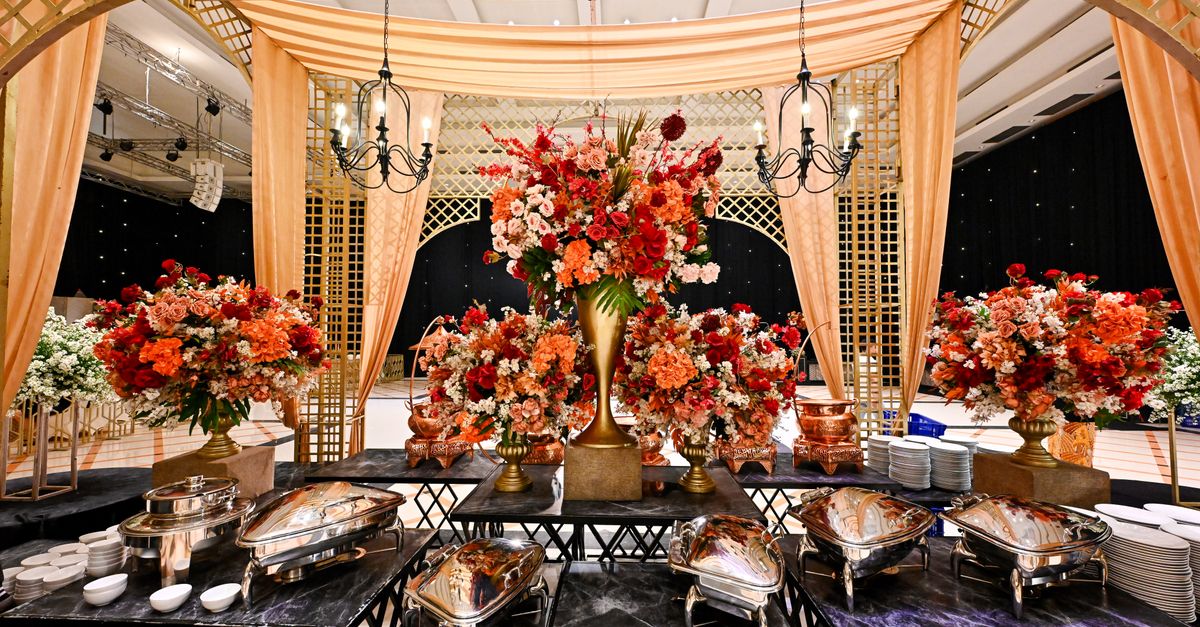
    Elegant wedding banquet buffet setup with floral arrangements

    White Dress, Then Hanbok, Then Off to the Honeymoon

    One thing that took me a while to fully appreciate is just how comfortably modern Korean weddings blend two very different aesthetics without anyone treating it as a contradiction. The main ceremony is thoroughly Western โ€” a white gown, a rented tuxedo, a string quartet or a pop song playlist, sometimes an officiant reciting vows in English even when neither side of the family speaks it fluently. Then, minutes later, the same couple is bowing on cushions in hanbok for pyebaek. You’d think mixing a white wedding dress with centuries-old bowing rituals might feel jarring, and yet somehow it doesn’t. It’s just what a wedding looks like here now โ€” the two traditions coexist without much friction, at least from what I’ve observed at a good number of these events.

    Most hanbok worn for pyebaek is rented rather than owned outright, since a quality set can run anywhere from 300,000 to over a million won to buy, and couples typically only wear it for a few hours. And that’s really the pattern for the whole day, once you notice it: the white dress is rented, the tuxedo is rented, the hanbok is rented, even the venue’s flowers and staging are rented as part of the package. Almost nothing physical from the ceremony is meant to be kept โ€” it’s all borrowed for one tightly scheduled afternoon and handed back. Rental shops near major wedding hall districts do brisk business specifically because of this, some even offering same-day fitting and pickup packages timed to the wedding hall schedule next door.

    After the reception wraps, honeymoons follow patterns you’d recognize from anywhere else โ€” Southeast Asia, Europe, Hawaii, and increasingly Japan are common destinations, with trip length varying from a long weekend to two weeks depending on job flexibility. Interestingly, the honeymoon is sometimes treated as a smaller decision than the wedding day logistics themselves. Couples I’ve talked to often say they spent more time picking a wedding hall package and a buffet tier than a honeymoon destination, which says something about where the real pressure of Korean wedding planning tends to sit โ€” not on the trip afterward, but on getting through that one 30-minute slot without a hitch.

    Wedding reception dining tables set up in a banquet hall

    Frequently Asked Questions

    How much cash should I give if I’m invited to a Korean wedding as a foreign coworker? If you’ve met the couple a handful of times through work but aren’t close, 50,000 won is a perfectly acceptable amount and won’t raise eyebrows. If you work directly with the bride or groom on a daily basis, bumping that up to 100,000 won is more in line with local norms. When in doubt, ask a Korean colleague who’s also attending โ€” splitting the difference based on their guidance is completely normal and expected.

    Is it rude to skip the ceremony and just go to the buffet? Not really, though it depends a bit on how close you are to the couple. Distant guests skipping straight to food after registering at the front desk is common enough that nobody bats an eye. If you’re a close friend or family member, though, it’s worth at least popping your head into the ceremony hall for a few minutes โ€” the couple will likely notice who was there for the actual vows, even if the room is only half full by the end.

    Back to that Saturday afternoon with four weddings running through the same hallway โ€” at the time, it struck me as almost cold, a little too efficient for something that’s supposed to be one of the biggest days of a person’s life. Watching more of them since then, I don’t see it that way anymore. The efficiency and the sentiment aren’t actually in competition; they’re just handling different jobs. The wedding hall system takes care of the logistics so nobody has to think about them, which frees up the pyebaek, the envelope at the door, and the crowded buffet table to carry all the actual meaning. Modern Korean weddings are, in a way, two events stitched into one afternoon: a brisk, scheduled ceremony built for turnover, and a quieter, more emotionally loaded family ritual tucked in right behind it. You show up expecting a wedding on a strict clock, and you leave having watched that clock coexist, without much friction, with something a lot older and warmer than the schedule ever let on.

  • Korean Street Food Culture: What to Actually Order From a Pojangmacha

    Korean Street Food Culture: What to Actually Order From a Pojangmacha

    The first time I ducked into a pojangmacha, I did it wrong. I sat down like I was at a restaurant, waited for a menu that never came, and just stared at the ajumma behind the counter. She didn’t say anything either โ€” just gave me a quick once-over, raised an eyebrow, and jabbed a pair of metal tongs toward the bubbling red pan like she already knew the answer to a question I hadn’t asked yet. “One serving?” I nodded because I didn’t know what else to do, and thirty seconds later a plate of tteokbokki landed in front of me, still popping little bubbles of gochujang sauce, steam fogging up in the cold air between us. That was the whole transaction. No menu, no small talk, no bill until you asked for it. Years later, I still think that one wordless exchange taught me more about how Koreans actually eat than any fancy dinner ever has.

    Orange tent pojangmacha stall glowing at night with soju bottles on the table

    What a Pojangmacha Actually Is

    Pojangmacha literally means “covered wagon,” and that’s a pretty honest description. It’s an orange or dark green tarp stretched over a metal frame, usually wheeled in on a cart at dusk and wheeled back out before sunrise. Inside, there’s a griddle, a few pots of broth, some plastic stools, and maybe a folding table if you’re lucky. Some are permanent-ish, tucked into the same corner every single night for twenty years. Others genuinely pack up and vanish, which sounds romantic until you’re the guy who walked fifteen minutes back to a spot that’s now just an empty sidewalk.

    People sometimes lump pojangmacha in with regular street carts, and I get why โ€” both are outdoors, both are cheap, both smell incredible from thirty feet away. But a pojangmacha is really its own category: it’s a seated stall. You’re not eating standing up with a paper cup like you would grabbing hotteok in Myeongdong. You sit on a plastic stool, order a few dishes, and stay a while. That distinction matters more than it sounds, because it’s the difference between a quick bite and an actual evening out.

    The Core Menu: Tteokbokki, Sundae, Twigim, Odeng

    If you only learn four words before visiting one of these tents, make them these. Tteokbokki is chewy cylindrical rice cake simmered in a gochujang-based sauce that’s spicy, faintly sweet, and a little fishy from the anchovy broth underneath. A basic plate runs somewhere around 4,000 to 5,000 won, though prices near tourist-heavy spots like Myeongdong or Hongdae have crept up over the past couple of years โ€” don’t be shocked if it’s closer to 6,000. The tteok itself has almost no flavor on its own; it’s dense and springy, closer in bite to a thick dumpling than to rice as you’d normally picture it, which is exactly why it’s such a good vehicle for that sauce. It grabs onto every bit of gochujang clinging to the pan and somehow stays chewy all the way through, never mushy, even after sitting in the sauce for a while.

    Sundae is the one that trips up almost every newcomer, myself included. It’s Korean blood sausage โ€” pig intestine casing stuffed with glass noodles, sweet rice, and pig’s blood, then steamed. Cut into thick coins and served with a little dish of salt or a spicy liver dip on the side. I’ll be honest: the smell got me before the taste did, something earthy and mineral-heavy that’s very different from anything in a Western sausage, and for a second I genuinely hesitated with the toothpick halfway to my mouth. But the actual bite is mild, almost bland, with a slightly grainy, bouncy texture โ€” the glass noodles inside give it these little chewy threads that catch you off guard. Surprisingly, it’s one of the milder-tasting items on the whole table, which nobody warns you about beforehand, and once the smell stops bothering you, it’s honestly one of the easier things to order twice.

    Twigim covers basically anything battered and deep-fried โ€” sweet potato, whole squid legs, mandu dumplings, hard-boiled eggs wrapped in fish paste, sometimes even a whole gimbap roll sliced and fried. You usually order it “in a bag” and the vendor snips it into bite-sized pieces with scissors right there at the counter. It comes with the tteokbokki sauce for dipping, or a thin soy-vinegar sauce if you want something lighter. The sound of that oil crackling when a fresh batch drops in is honestly half the appeal โ€” it’s loud, aggressive, and it tells you the food is fresh, not sitting under a heat lamp.

    Odeng, sometimes called eomuk, is fish cake pressed onto wooden skewers and simmered slowly in an anchovy-and-kelp broth. This is the one dish that’s genuinely comforting rather than exciting โ€” salty, warm, a little sweet from the fish paste, and served in a paper cup of the broth itself, which you’re meant to drink like tea while you wait for everything else. On a cold night, that little cup of odeng broth does more for your mood than it has any right to. It’s usually the cheapest thing on the table, often just 1,000 to 1,500 won per skewer, and most stalls let you refill the broth cup for free, which even after years here still feels like a small kindness I don’t fully expect.

    Close-up of tteokbokki rice cakes in spicy gochujang sauce

    The Late-Night Pojangmacha-and-Soju Ritual

    Here’s the part that took me the longest to understand: pojangmacha aren’t really daytime food. Sure, some open around lunch, but the real culture happens between about 9 p.m. and 2 or 3 a.m., after work dinners wrap up and people aren’t quite ready to go home. You’ll see coworkers still in their office lanyards, couples on a second or third date, and solo guys just decompressing with a plate of odeng and a small green bottle. The soju here is almost never the main event โ€” it’s the thing that makes the sitting-around part make sense. Order a bottle for around 4,000 to 5,000 won, split it two or three ways, and suddenly a fifteen-minute snack turns into an hour. There’s a specific rhythm to it, too โ€” a shot of soju going down with that faint burn, then immediately a spoonful of hot odeng broth to chase it, and the two things almost cancel each other out. The sharp edge of the alcohol softens against the warm, salty broth, and if you time it with a bite of tteokbokki right after, the sweetness in the sauce takes the last of the bitterness away. It’s a little sequence regulars do almost automatically, without ever talking about it.

    Even after living here a long time, I still find the etiquette around that bottle more interesting than the food itself โ€” who pours for whom, when you’re supposed to turn away to drink, all of it. Nobody’s going to lecture a foreigner for getting it slightly wrong at a street tent โ€” people are far more relaxed here than at a company dinner โ€” but it’s still fun to notice, and if you want the deeper dive, I’ve actually written a whole separate piece on the pouring etiquette around soju, since a pojangmacha table is exactly where you’ll see it play out in real time, unfiltered by restaurant formality.

    What surprised me most, honestly, is how quiet the mood can get even with alcohol involved. It’s not rowdy in the way a Western bar can be. Voices stay low, the plastic stools creak, someone’s phone buzzes with a text they ignore. It’s less “party” and more “decompression chamber between the office and the subway home.” Who knew a folding table under a tarp could feel that intimate.

    Covered alley inside a traditional Korean market lined with food and goods stalls

    Market Culture vs. Tent Culture, and Why It All Feels Different From a Restaurant

    People visiting Korea often lump every outdoor food scene together, but a pojangmacha and a place like Gwangjang Market are honestly not the same animal, even though both run on that same point-and-eat simplicity. Gwangjang is a sprawling, roofed traditional market that’s been running since 1905, with rows of stalls selling everything from silk to raw beef, and a food section in the middle that’s basically a street food festival every single day. You’ll find bindaetteok โ€” thick mung bean pancakes fried until the edges go lacy and crisp, usually around 6,000 to 8,000 won โ€” alongside mayak gimbap, tiny finger-sized rolls dipped in a mustard-soy sauce that somehow makes plain rice and pickled radish taste addictive. There’s also kalguksu, hand-cut noodle soup, and yukhoe, raw seasoned beef, for anyone feeling adventurous.

    The difference from a pojangmacha isn’t just size, it’s pacing. A market stall wants you to eat fast and move on to the next one โ€” you’re grazing across ten vendors, not settling into one. A pojangmacha wants you to stay put. Even so, both share that same unpretentious, no-menu-needed energy where you point, you eat, you pay, and nobody’s rushing you into small talk you didn’t ask for. That’s actually what separates both of them from a sit-down restaurant, where there’s a whole quiet choreography going on โ€” side dishes appear unordered, someone refills your water without being asked, and there’s an unspoken script for who orders what. Street food throws most of that out. It’s transactional in the best sense: you point, you pay, you eat standing or on a stool, and the whole interaction might last under a minute. There’s less performance and, frankly, less pressure. Nobody’s judging your Korean, your manners, or how many banchan you didn’t touch.

    It also says something about class and comfort that took me a while to appreciate. Street food here isn’t seen as “lesser” the way it can be elsewhere โ€” CEOs and construction workers genuinely eat at the same tteokbokki cart, sometimes standing shoulder to shoulder. That leveling effect is part of why the culture has survived so many waves of gentrification and rising rent. It’s cheap enough to stay accessible, and beloved enough that nobody’s embarrassed to be seen there.

    Ordering as a Foreigner Who Doesn’t Speak Korean Well

    This is the part I get asked about most, and the honest answer is: it’s easier than people expect. Pointing works. Genuinely, just point at what looks good, hold up fingers for quantity, and most vendors will meet you halfway. A lot of tents now have laminated photo menus taped to the cart specifically because of tourist traffic, especially in Jongno, Myeongdong, and around Hongdae. If there’s no photo menu, your phone’s translation camera app handles handwritten signs surprisingly well โ€” not perfectly, but well enough to tell tteokbokki from twigim.

    A few practical things nobody tells you upfront. Cash still matters more here than in a regular restaurant; plenty of pojangmacha take cards or mobile pay now, but the smaller, more old-school tents sometimes still prefer cash, and it’s genuinely awkward to find that out after you’ve already eaten. Carry a little. Also, don’t expect a check to appear โ€” you ask for it, usually by making eye contact and saying “eolmayeyo,” or just doing the universal little bill-signing gesture with your hand, which works everywhere on earth apparently. And seating is first-come, first-served with zero reservation culture, so if a tent looks packed at 11 p.m. on a Friday, that’s just Friday.

    If you want a broader rundown of small missteps that trip up newcomers beyond just food ordering, I put together a separate list on common mistakes foreigners make in Korea that covers a lot of the same “nobody told me this” territory. Street food etiquette is really just a smaller slice of that bigger picture โ€” most of it comes down to watching what everyone around you is doing and copying it, which, awkward as it feels the first time, is basically how I learned everything on this list.

    FAQ

    Is pojangmacha street food actually safe to eat? Yes, for the most part โ€” Korea has fairly strict food safety enforcement even for outdoor vendors, and turnover at a busy tent is high enough that nothing sits around long. That said, use the same common sense you’d use anywhere: if a stall looks empty and the oil in the fryer looks dark and old, maybe skip it and walk to the one with a line. A line is honestly the best safety indicator you’ll find.

    Do I need cash, or will a card work? It depends heavily on the stall. Bigger, more tourist-facing tents in places like Myeongdong usually take cards or mobile pay without issue. Smaller, old-school neighborhood pojangmacha, especially the ones open past midnight, are far more likely to be cash-only. I’d say carry at least 20,000 to 30,000 won in small bills if you’re planning a proper pojangmacha night with soju included, just so you’re not the person awkwardly asking where the nearest ATM is at 1 a.m.

    What if I have a serious allergy โ€” can I even communicate that? This one’s trickier, and I won’t pretend otherwise. Street stalls rarely have English-speaking staff or printed ingredient lists, so if you have a serious shellfish or peanut allergy, odeng broth (often made with dried anchovy and sometimes shrimp) and certain twigim batters are genuine risks worth being cautious about. A translated allergy card on your phone, shown before ordering, works far better than trying to explain verbally in the moment.

    Looking back at that first awkward plate of tteokbokki, I don’t think I could have learned any of this from a guidebook. Half the charm of a pojangmacha is figuring it out slightly wrong the first time, getting a patient look from the ajumma running the stall, and doing it a little better the second time. Go hungry, bring small bills, and don’t overthink the ordering โ€” nobody else at the tent is.

  • ๊ฐ€์„ ์˜ˆ๊ธˆยทํŒŒํ‚นํ†ต์žฅ ๊ฐˆ์•„ํƒ€๊ธฐ, ์ด์ž ๋ช‡๋งŒ ์›์— ์œ ๋‚œ ๋–ค๋‹ค๊ณ ์š”?

    ๊ฐ€์„ ์˜ˆ๊ธˆยทํŒŒํ‚นํ†ต์žฅ ๊ฐˆ์•„ํƒ€๊ธฐ, ์ด์ž ๋ช‡๋งŒ ์›์— ์œ ๋‚œ ๋–ค๋‹ค๊ณ ์š”?

    ์ด์ž ๋ช‡์ฒœ ์›, ๋ช‡๋งŒ ์› ์ฐจ์ด ๊ฐ–๊ณ  ์€ํ–‰ ์•ฑ์„ ์„ธ ๊ฐœ๋‚˜ ๊น”์•„๋†“๊ณ  ๋น„๊ตํ•˜๋Š” ๊ฒŒ ์œ ๋‚œ์ฒ˜๋Ÿผ ๋ณด์ผ ์ˆ˜ ์žˆ๋‹ค. ๊ทธ๋Ÿฐ๋ฐ 1์ฒœ๋งŒ ์›์„ 1๋…„ ๋„ฃ์–ด๋‘๋Š” ๊ธฐ์ค€์œผ๋กœ ๊ณ„์‚ฐ๊ธฐ๋ฅผ ๋‘๋“œ๋ ค๋ณด๋ฉด ์–˜๊ธฐ๊ฐ€ ๋‹ฌ๋ผ์ง„๋‹ค. ์ •๊ธฐ์˜ˆ๊ธˆ์ด๋ƒ ํŒŒํ‚นํ†ต์žฅ์ด๋ƒ์— ๋”ฐ๋ผ ์„ธํ›„๋กœ ์†์— ์ฅ๋Š” ์ด์ž ์ฐจ์ด๊ฐ€ 15๋งŒ ์›์„ ๋„˜์–ด๊ฐ€๋Š” ๊ฒฝ์šฐ๋„ ํ”ํ•˜๋‹ค. ์ปคํ”ผ๊ฐ’ ์ •๋„๊ฐ€ ์•„๋‹ˆ๋ผ ์•Œ๋œฐํฐ ์š”๊ธˆ์ œ ๊ธฐ์ค€ ์„œ๋„ˆ ๋‹ฌ์น˜ ํ†ต์‹ ๋น„๋‹ค. 9์›” ์ค‘์ˆœ์ธ ์ง€๊ธˆ, ์ €์ถ•์€ํ–‰ ์ •๊ธฐ์˜ˆ๊ธˆ ํ‰๊ท ๊ธˆ๋ฆฌ๋Š” 3%๋Œ€ ํ›„๋ฐ˜๊นŒ์ง€ ๋‚ด๋ ค์™”๊ณ  ํ•œ์—ฌ๋ฆ„ ๋ฐ˜์งํ–ˆ๋˜ ํŠนํŒ ๊ฒฝ์Ÿ์€ ๋ˆˆ์— ๋„๊ฒŒ ์ž ์ž ํ•ด์กŒ๋‹ค. ๊ฐˆ์•„ํƒˆ ํƒ€์ด๋ฐ์„ ์žฌ๊ณ  ์žˆ๋˜ ์‚ฌ๋žŒ์ด๋ผ๋ฉด ์ง€๊ธˆ ์ƒํ™ฉ์„ ํ•œ ๋ฒˆ์€ ์ •๋ฆฌํ•ด๋ณผ ํ•„์š”๊ฐ€ ์žˆ๋‹ค.

    ๊ฐ€์„ ๋“ค์–ด ์˜ˆ๊ธˆ ์‹œ์žฅ์ด ์กฐ์šฉํ•ด์ง„ ์ด์œ 

    6์›”๋งŒ ํ•ด๋„ ์ผ๋ถ€ ์ €์ถ•์€ํ–‰์ด ์—ฐ 4.6%๋Œ€ ํŠนํŒ์„ ์ž‡๋‹ฌ์•„ ๋‚ด๋†“์œผ๋ฉฐ ์ˆ˜์‹  ๊ฒฝ์Ÿ์ด ๋œจ๊ฑฐ์› ๋‹ค. ๊ทธ๋Ÿฐ๋ฐ 8์›” ๊ธฐ์ค€ ์ „๊ตญ 79๊ฐœ ์ €์ถ•์€ํ–‰์˜ 12๊ฐœ์›” ์ •๊ธฐ์˜ˆ๊ธˆ ํ‰๊ท ๊ธˆ๋ฆฌ๋Š” ์—ฐ 3.79~3.80% ์ˆ˜์ค€์œผ๋กœ ๋‚ด๋ ค์•‰์•˜๋‹ค. ์ตœ๊ณ  ์šฐ๋Œ€๊ธˆ๋ฆฌ๋ฅผ ๋‹ค ์ฑ„์›Œ๋„ 4.10% ์•ˆํŒŽ์ด ์ƒํ•œ์„ ์ด๋‹ค. ๋‘ ๋‹ฌ ์‚ฌ์ด์— ํŠนํŒ ์—ด๊ธฐ๊ฐ€ ์ด๋ ‡๊ฒŒ๊นŒ์ง€ ์‹์„ ์ผ์ธ๊ฐ€ ์‹ถ๊ฒ ์ง€๋งŒ, ์ด์œ ๋Š” ๋‹จ์ˆœํ•˜๋‹ค. ์ €์ถ•์€ํ–‰๋“ค์ด ์ƒ๋ฐ˜๊ธฐ์— ๋ชฉํ‘œํ–ˆ๋˜ ์œ ๋™์„ฑ์„ ์ด๋ฏธ ์ƒ๋‹น ๋ถ€๋ถ„ ํ™•๋ณดํ–ˆ๊ณ , ๊ฐ€๊ณ„๋Œ€์ถœ ๊ทœ์ œ ๋•Œ๋ฌธ์— ๋Œ์–ด๋ชจ์€ ์ž๊ธˆ์„ ๊ตด๋ฆด ๊ณณ๋„ ๋งˆ๋•…์น˜ ์•Š๋‹ค. ๋ˆ์„ ๊ธ‰ํ•˜๊ฒŒ ๋” ๋ชจ์„ ์ด์œ ๊ฐ€ ์—†์–ด์ง„ ์…ˆ์ด๋‹ค.

    ๊ธฐ์ค€๊ธˆ๋ฆฌ๋Š” ์˜ค๋ฅด๋Š”๋ฐ ์˜ˆ๊ธˆ๊ธˆ๋ฆฌ๋Š” ์™œ ๊ฑฐ๊พธ๋กœ ๊ฐ€๋‚˜. ํ•œ๊ตญ์€ํ–‰ ๊ธฐ์ค€๊ธˆ๋ฆฌ๋Š” 7์›” 2.75%, 8์›” 3.00%๋กœ ๋‘ ์ฐจ๋ก€์— ๊ฑธ์ณ ์˜ค๋ฅธ ๋’ค 9์›” ๋“ค์–ด์„œ๋„ 3.00%๋ฅผ ์œ ์ง€ํ•˜๊ณ  ์žˆ๋‹ค. ์ƒ์‹๋Œ€๋กœ๋ผ๋ฉด ์˜ˆ๊ธˆ๊ธˆ๋ฆฌ๋„ ๋”ฐ๋ผ ์˜ฌ๋ผ์•ผ ์ •์ƒ์ธ๋ฐ, ์ €์ถ•์€ํ–‰ ์ž…์žฅ์—์„œ๋Š” ๊ธฐ์ค€๊ธˆ๋ฆฌ๋ณด๋‹ค ์ฆ์‹œ ๋ณ€๋™์„ฑ์ด ๋” ์˜ˆ๋ฏผํ•œ ๋ณ€์ˆ˜๋กœ ์ž‘๋™ํ•œ๋‹ค. ์ตœ๊ทผ ์ฃผ์‹์‹œ์žฅ ๋ณ€๋™์„ฑ์ด ์ปค์ง€๋ฉด์„œ ์•ˆ์ „์ž์‚ฐ์ธ ์˜ˆ๊ธˆ์œผ๋กœ ๋ˆ์ด ๋ชฐ๋ฆฌ๋Š” ํ๋ฆ„์ด ์ƒ๊ฒผ๊ณ , ๊ทธ๋งŒํผ ์ €์ถ•์€ํ–‰์ด ๊ณ ๊ธˆ๋ฆฌ๋ฅผ ๋‚ด๊ฑธ์–ด ์˜ˆ๊ธˆ์„ ๋ถ™์žก์•„์•ผ ํ•  ์ ˆ๋ฐ•ํ•จ์ด ์ค„์—ˆ๋‹ค. ๊ตณ์ด ๋น„์‹ผ ๊ฐ’ ์น˜๋ฅด๊ณ  ๋ˆ์„ ๋Œ์–ด์˜ฌ ์ด์œ ๊ฐ€ ์—†์–ด์ง„ ๊ฑฐ๋‹ค. ๋‹ค๋งŒ ์‹œ์žฅ๊ธˆ๋ฆฌ๊ฐ€ ๋‹ค์‹œ ํŠ€๊ฑฐ๋‚˜ ์˜ˆ๊ธˆ ์ดํƒˆ์ด ์ปค์ง€๋ฉด ์ผ๋ถ€ ์ €์ถ•์€ํ–‰์„ ์ค‘์‹ฌ์œผ๋กœ ํŠนํŒ์ด ์žฌ๋“ฑ์žฅํ•  ์—ฌ์ง€๋Š” ๋‚จ์•„ ์žˆ๋‹ค๋Š” ๊ฒŒ ์—…๊ณ„ ๊ด€์ธก์ด๋‹ค.

    ์€ํ–‰ ์ฐฝ๊ตฌ์—์„œ ์˜ˆ๊ธˆ ์ƒ๋‹ด์„ ๋ฐ›๋Š” ๋ชจ์Šต

    ์˜ˆ๊ธˆ์ž๋ณดํ˜ธ, ์•„์ง๋„ 5์ฒœ๋งŒ ์›๊นŒ์ง€์ธ ์ค„ ์•Œ์•˜๋‹ค๋ฉด

    ์ฃผ๋ณ€์— ๋ฌผ์–ด๋ณด๋ฉด ์˜์™ธ๋กœ ๋งŽ์€ ์‚ฌ๋žŒ์ด ์—ฌ์ „ํžˆ “์˜ˆ๊ธˆ์ž๋ณดํ˜ธ๋Š” 5์ฒœ๋งŒ ์›๊นŒ์ง€”๋ผ๊ณ  ์•Œ๊ณ  ์žˆ๋‹ค. 2025๋…„ 8์›”๊นŒ์ง€๋Š” ๋งž๋Š” ๋ง์ด์—ˆ๋‹ค. ๊ทธ๋Ÿฐ๋ฐ 2025๋…„ 9์›” 1์ผ, ์˜ˆ๊ธˆ์ž๋ณดํ˜ธ๋ฒ• ์‹œํ–‰๋ น ๋“ฑ ๊ด€๋ จ ๋ฒ•๋ น ๊ฐœ์ •์œผ๋กœ ๋ณดํ˜ธ ํ•œ๋„๊ฐ€ 5์ฒœ๋งŒ ์›์—์„œ 1์–ต ์›์œผ๋กœ ๊ป‘์ถฉ ๋›ฐ์—ˆ๋‹ค. 2001๋…„ ํ•œ๋„๊ฐ€ ์ •ํ•ด์ง„ ๋’ค 24๋…„ ๋งŒ์— ์ฒ˜์Œ ์†๋Œ„ ์กฐ์ •์ด๋‹ค. 1๋…„์ด ์ฑ„ ์•ˆ ๋œ ๋ณ€ํ™”๋ผ ์•„์ง๋„ ์˜ˆ์ „ ๊ธฐ์ค€์œผ๋กœ ์•Œ๊ณ  ์žˆ๋Š” ์‚ฌ๋žŒ์ด ๋งŽ์€ ๊ฒƒ๋„ ๋ฌด๋ฆฌ๋Š” ์•„๋‹ˆ๋‹ค. ์›๊ธˆ๊ณผ ์ด์ž๋ฅผ ํ•ฉ์ณ ๊ธˆ์œตํšŒ์‚ฌ ํ•œ ๊ณณ๋‹น 1์–ต ์›๊นŒ์ง€ ๋ณดํ˜ธ๋˜๊ณ , ์‹œํ–‰์ผ ์ด์ „์— ๋„ฃ์–ด๋‘” ์˜ˆ๊ธˆ์ด๋ผ๋„ ์ดํ›„์— ๊ทธ ๊ธˆ์œตํšŒ์‚ฌ๊ฐ€ ํŒŒ์‚ฐํ•˜๋ฉด ์ƒํ–ฅ๋œ ํ•œ๋„๋กœ ๋ณดํ˜ธ๋ฐ›๋Š”๋‹ค.

    ํ•œ๋„๊ฐ€ ๋‘ ๋ฐฐ๋กœ ๋Š˜์—ˆ๋‹ค๋Š” ๊ฒŒ ์ˆซ์ž๋กœ๋งŒ ๋ณด๋ฉด ๋ณ„๊ฒƒ ์•„๋‹Œ ๊ฒƒ ๊ฐ™์ง€๋งŒ, ์‹ค์ œ ์ž๊ธˆ ๋ฐฐ๋ถ„ ์ „๋žต์—์„œ๋Š” ๊ฝค ํฐ ๋ณ€ํ™”๋‹ค. ์˜ˆ์ „์—๋Š” ์ €์ถ•์€ํ–‰ ํ•œ ๊ณณ์— 5์ฒœ๋งŒ ์› ์ด์ƒ ๋„ฃ๊ธฐ๊ฐ€ ๊บผ๋ฆผ์น™ํ•ด์„œ ์—ฌ๋Ÿฌ ์€ํ–‰์— ์ชผ๊ฐœ ๋„ฃ๋Š” ๊ฒŒ ์ •์„์ด์—ˆ๋‹ค. ๊ทธ๋Ÿฐ๋ฐ ์ง€๊ธˆ์€ 1์–ต ์›๊นŒ์ง€๋Š” ํ•œ ๊ณณ์— ๋ชฐ์•„ ๋„ฃ์–ด๋„ ์ œ๋„์ ์œผ๋กœ๋Š” ์•ˆ์ „ํ•˜๋‹ค. ๊ทธ๋ ‡๋‹ค๊ณ  ๋ฌด์กฐ๊ฑด ํ•œ ๊ณณ์— ๋ชฐ๋นตํ•˜๋ผ๋Š” ๋œป์€ ์•„๋‹ˆ๋‹ค. ๋งŒ๊ธฐ๊ฐ€ ๊ฒน์น˜๋ฉด ๊ฐˆ์•„ํƒˆ ํƒ€์ด๋ฐ์„ ๋†“์น˜๊ธฐ ์‰ฝ๊ณ , ๊ธ‰ํ•˜๊ฒŒ ๋ชฉ๋ˆ์ด ํ•„์š”ํ•  ๋•Œ ์ค‘๋„ํ•ด์ง€ ์†์‹ค์„ ํ•œ๊บผ๋ฒˆ์— ๋– ์•ˆ์„ ์ˆ˜๋„ ์žˆ๋‹ค. ํ•œ๋„๊ฐ€ ๋Š˜์–ด๋‚œ ๊ฑธ ์•Œ๊ณ ๋„ ๊ตณ์ด ๋งŒ๊ธฐ๋ฅผ 3๊ฐœ์›”, 6๊ฐœ์›”, 12๊ฐœ์›”๋กœ ์ชผ๊ฐœ ๋„ฃ๋Š” ์‚ฌ๋žŒ๋“ค์ด ์žˆ๋Š” ์ด์œ ๊ฐ€ ์—ฌ๊ธฐ์— ์žˆ๋‹ค.

    ํŒŒํ‚นํ†ต์žฅ vs ์ •๊ธฐ์˜ˆ๊ธˆ, ์ˆซ์ž๋กœ ๋”ฐ์ ธ๋ณด๋ฉด

    ํŒŒํ‚นํ†ต์žฅ ๊ธˆ๋ฆฌ 1~2%ํฌ์ธํŠธ ์ฐจ์ด๋ฅผ ๊ฐ–๊ณ  ์™œ ์ด๋ ‡๊ฒŒ๋“ค ์˜ˆ๋ฏผํ•˜๊ฒŒ ๊ตฌ๋‚˜ ์‹ถ์„ ์ˆ˜ ์žˆ๋‹ค. ๊ทธ๋Ÿฐ๋ฐ ๋ง‰์ƒ ๊ณ„์‚ฐํ•ด๋ณด๋ฉด ์ฒด๊ฐ์ด ๋‹ค๋ฅด๋‹ค. 1์ฒœ๋งŒ ์›์„ 12๊ฐœ์›” ์ •๊ธฐ์˜ˆ๊ธˆ(์—ฐ 3.8%)์— ๋„ฃ์œผ๋ฉด ์„ธํ›„ ์ด์ž๋Š” ์•ฝ 32๋งŒ 1์ฒœ ์›์ด๋‹ค. ๊ฐ™์€ ๋ˆ์„ ํŒŒํ‚นํ†ต์žฅ(์—ฐ 2.0%๋Œ€ ๊ธฐ๋ณธ๊ธˆ๋ฆฌ ๊ธฐ์ค€)์— ๊ทธ๋ƒฅ ๋„ฃ์–ด๋‘๋ฉด ์„ธํ›„๋กœ ์•ฝ 16๋งŒ 9์ฒœ ์› ์ •๋„๋‹ค. ์ฐจ์•ก์ด 15๋งŒ ์›์„ ๋„˜๋Š”๋‹ค. 1๋…„ ๋‚ด๋‚ด ๋ˆ์„ ์•ˆ ๊ฑด๋“œ๋ฆด ์ž์‹ ์ด ์žˆ๋‹ค๋ฉด ์ •๊ธฐ์˜ˆ๊ธˆ ์ชฝ์ด ํ™•์‹คํžˆ ์œ ๋ฆฌํ•˜๋‹ค๋Š” ๋œป์ด๋‹ค.

    ๊ทธ๋Ÿฐ๋ฐ๋„ ํŒŒํ‚นํ†ต์žฅ์ด ์™„์ „ํžˆ ๋ฐ€๋ฆฌ๋Š” ๊ฑด ์•„๋‹ˆ๋‹ค. ์ •๊ธฐ์˜ˆ๊ธˆ์€ ์ค‘๋„ํ•ด์ง€ ์‹œ ์•ฝ์ •๊ธˆ๋ฆฌ๊ฐ€ ์•„๋‹ˆ๋ผ ์ค‘๋„ํ•ด์ง€์ด์œจ(๋Œ€๊ฐœ ์—ฐ 0.1~1%๋Œ€)๋กœ ํ™• ๊นŽ์—ฌ์„œ ๊ณ„์‚ฐ๋œ๋‹ค. 6๊ฐœ์›”๋งŒ ๋„ฃ์–ด๋†“๊ณ  ๊ธ‰ํ•˜๊ฒŒ ๋บ„ ์ƒํ™ฉ์ด ์ƒ๊ธฐ๋ฉด ์• ์ดˆ์— ํŒŒํ‚นํ†ต์žฅ์— ๋„ฃ์–ด๋‘๋Š” ๊ฒŒ ๋‚˜์•˜๋˜ ์…ˆ์ด ๋œ๋‹ค. ์นด์นด์˜ค๋ฑ…ํฌ ์„ธ์ดํ”„๋ฐ•์Šค, ์ผ€์ด๋ฑ…ํฌ ํŒŒํ‚นํ†ต์žฅ, ํ† ์Šค๋ฑ…ํฌ ํ†ต์žฅ์ฒ˜๋Ÿผ ์ธํ„ฐ๋„ท์€ํ–‰ ํŒŒํ‚นํ†ต์žฅ ๊ธฐ๋ณธ๊ธˆ๋ฆฌ๋Š” ์—ฐ 1%๋Œ€ ํ›„๋ฐ˜์—์„œ 2%๋Œ€ ์ดˆ๋ฐ˜์ด ๋Œ€์ฒด์ ์ธ ์ˆ˜์ค€์ด๊ณ , ์ €์ถ•์€ํ–‰ ํŒŒํ‚นํ†ต์žฅ์€ ์ด๋ณด๋‹ค 0.5~1.0%ํฌ์ธํŠธ ๋†’๊ฒŒ ๋‚˜์˜ค๋Š” ๊ฒฝ์šฐ๊ฐ€ ๋งŽ๋‹ค. ๋‹ค๋งŒ ๊ด‘๊ณ ์— ๋ถ™๋Š” “์ตœ๊ณ  ์—ฐ 3%๋Œ€” ๋ฌธ๊ตฌ๋Š” ๋Œ€๋ถ€๋ถ„ ์‹ ๊ทœ๊ฐ€์ž…, ๊ฐ„ํŽธ๊ฒฐ์ œ ๋“ฑ๋ก, ๋งˆ์ผ€ํŒ… ๋™์˜ ๊ฐ™์€ ์šฐ๋Œ€์กฐ๊ฑด์„ ๋‹ค ์ฑ„์›Œ์•ผ ํ•˜๊ณ , ๊ทธ ์šฐ๋Œ€๊ธˆ๋ฆฌ์กฐ์ฐจ 50๋งŒ~200๋งŒ ์› ์ดํ•˜ ์†Œ์•ก ๊ตฌ๊ฐ„์—๋งŒ ๋ถ™๋Š” ๊ฒฝ์šฐ๊ฐ€ ํ”ํ•˜๋‹ค. 1์ฒœ๋งŒ ์›์„ ๋„ฃ์–ด๋‘ฌ๋„ ์‹ค์ œ๋กœ ์ตœ๊ณ  ์šฐ๋Œ€๊ธˆ๋ฆฌ๊ฐ€ ์ ์šฉ๋˜๋Š” ๋ˆ์€ ๋”ฑ 100๋งŒ ์›๋ฟ์ด๊ณ , ๋‚˜๋จธ์ง€ 900๋งŒ ์›์—๋Š” ๊ธฐ๋ณธ๊ธˆ๋ฆฌ๋งŒ ๋ถ™๋Š” ์‹์ด๋‹ค. ์•ฑ ์—ด์–ด์„œ ์ƒํ’ˆ ์ƒ์„ธ ์กฐ๊ฑด์„ ํ•œ ์ค„ ํ•œ ์ค„ ์ฝ์–ด๋ด์•ผ ๊ด‘๊ณ  ๋ฌธ๊ตฌ๋ž‘ ์ฒด๊ฐ ์ด์ž๊ฐ€ ๋‹ค๋ฅด๋‹ค๋Š” ๊ฑธ ์•Œ๊ฒŒ ๋˜๋Š” ์ด์œ ๋‹ค.

    ์Šค๋งˆํŠธํฐ์œผ๋กœ ํŒŒํ‚นํ†ต์žฅ ์•ฑ์„ ํ™•์ธํ•˜๋Š” ๋ชจ์Šต

    ๊ทธ๋ž˜์„œ, ์ง€๊ธˆ ๊ฐˆ์•„ํƒ€์•ผ ํ• ๊นŒ

    ๋‚ด ๋ˆ์ด ์–ธ์ œ ํ•„์š”ํ•œ์ง€, ๊ทธ ๋””๋ฐ์ด(D-day)๊ฐ€ ์–ธ์ œ๋ƒ์— ๋”ฐ๋ผ ๋‹ต์ด ๊ฐˆ๋ฆด ๋ฟ์ด๋‹ค. 6๊ฐœ์›” ์•ˆ์— ์“ธ ๊ณ„ํš์ด ์žˆ๋Š” ๋ˆ์ด๋ผ๋ฉด ํŒŒํ‚นํ†ต์žฅ์ด๋‚˜ ๋งŒ๊ธฐ๊ฐ€ ์งง์€ ํŠนํŒ์„ ์ฐพ๋Š” ํŽธ์ด ๋‚ซ๊ณ , 1๋…„ ์ด์ƒ ๋ฌตํ˜€๋‘˜ ์—ฌ์œณ๋ˆ์ด๋ผ๋ฉด ์ง€๊ธˆ ๋‚˜์™€ ์žˆ๋Š” 3.8~4.1%๋Œ€ ์ •๊ธฐ์˜ˆ๊ธˆ์„ ์žก์•„๋‘๋Š” ์ชฝ์ด ์œ ๋ฆฌํ•˜๋‹ค. ์• ๋งคํ•œ ๊ฑด ๊ทธ ์ค‘๊ฐ„, ๊ทธ๋Ÿฌ๋‹ˆ๊นŒ 3~6๊ฐœ์›” ๋’ค์— ์“ธ์ง€ ์•ˆ ์“ธ์ง€ ๋ชจ๋ฅด๋Š” ๋ˆ์ด๋‹ค. ์ด๋Ÿด ๋•Œ ํ”ํžˆ ์“ฐ๋Š” ๋ฐฉ๋ฒ•์ด ๋งŒ๊ธฐ ๋ถ„์‚ฐ์ด๋‹ค. ์˜ˆ๋ฅผ ๋“ค์–ด 3์ฒœ๋งŒ ์›์ด ์žˆ๋‹ค๋ฉด 1์ฒœ๋งŒ ์›์€ 3๊ฐœ์›”, 1์ฒœ๋งŒ ์›์€ 6๊ฐœ์›”, ๋‚˜๋จธ์ง€ 1์ฒœ๋งŒ ์›์€ 12๊ฐœ์›”๋กœ ๋‚˜๋ˆ  ๋„ฃ์œผ๋ฉด ๊ธˆ๋ฆฌ ๋ณ€๋™์— ๋”ฐ๋ผ ์ˆœ์ฐจ์ ์œผ๋กœ ๊ฐˆ์•„ํƒˆ ์—ฌ์ง€๊ฐ€ ์ƒ๊ธด๋‹ค.

    ๊ธฐ์กด์— ๋„ฃ์–ด๋‘” ์ •๊ธฐ์˜ˆ๊ธˆ์„ ์ง€๊ธˆ ๊นจ๊ณ  ๊ฐˆ์•„ํƒ€์•ผ ํ•˜๋‚˜ ๊ณ ๋ฏผํ•˜๋Š” ๊ฒฝ์šฐ๋„ ์žˆ์„ ํ…๋ฐ, ์ด๊ฑด ๊ณ„์‚ฐ์„ ๊ผญ ํ•ด๋ด์•ผ ํ•œ๋‹ค. ์ค‘๋„ํ•ด์ง€์ด์œจ๋กœ ์†ํ•ด ๋ณด๋Š” ์ด์ž์™€, ์ƒˆ ์ƒํ’ˆ์œผ๋กœ ๊ฐˆ์•„ํƒ”์„ ๋•Œ ๋Š˜์–ด๋‚˜๋Š” ์ด์ž๋ฅผ ๋น„๊ตํ•ด์„œ ํ›„์ž๊ฐ€ ํ™•์‹คํžˆ ์ปค์•ผ ๊ฐˆ์•„ํƒˆ ๊ฐ’์–ด์น˜๊ฐ€ ์žˆ๋‹ค. ์˜ˆ๋ฅผ ๋“ค์–ด ๋‚จ์€ ๊ธฐ๊ฐ„ ๋™์•ˆ ํฌ๊ธฐํ•ด์•ผ ํ•˜๋Š” ์ด์ž๊ฐ€ 5๋งŒ ์›์ธ๋ฐ ๊ฐˆ์•„ํƒ€์„œ ์ถ”๊ฐ€๋กœ ์–ป์„ ์ˆ˜ ์žˆ๋Š” ์ด์ž๊ฐ€ 12๋งŒ ์›์ด๋ผ๋ฉด ๊ฐˆ์•„ํƒ€๋Š” ์ชฝ์ด ์ด๋“์ด๊ณ , ๋ฐ˜๋Œ€๋กœ ์ฐจ์ด๊ฐ€ 1๋งŒ~2๋งŒ ์› ์ˆ˜์ค€์ด๋ฉด ์€ํ–‰ ์˜ฎ๊ธฐ๊ณ  ์„œ๋ฅ˜ ๋‹ค์‹œ ์“ฐ๋Š” ์ˆ˜๊ณ ์— ๋น„ํ•ด ์‹ค์ต์ด ํฌ์ง€ ์•Š๋‹ค. ๋งŒ๊ธฐ๊ฐ€ ํ•œ๋‘ ๋‹ฌ ์•ˆ ๋‚จ์•˜๋‹ค๋ฉด ์›ฌ๋งŒํ•˜๋ฉด ๋ฒ„ํ‹ฐ๋Š” ์ชฝ์ด ๋‚ซ๋‹ค. ๋ฐ˜๋Œ€๋กœ ๋งŒ๊ธฐ๊ฐ€ 6๊ฐœ์›” ๋„˜๊ฒŒ ๋‚จ์•˜๊ณ  ๊ธˆ๋ฆฌ ์ฐจ์ด๊ฐ€ 1%ํฌ์ธํŠธ ์ด์ƒ ๋‚œ๋‹ค๋ฉด ๊ฐˆ์•„ํƒ€๋Š” ์ชฝ์œผ๋กœ ๊ณ„์‚ฐ์ด ๊ธฐ์šฐ๋Š” ๊ฒฝ์šฐ๊ฐ€ ๋งŽ๋‹ค.

    ๊ฐ€๊ณ„๋ถ€์™€ ๊ณ„์‚ฐ๊ธฐ๋กœ ์˜ˆ๊ธˆ ์ด์ž๋ฅผ ๊ณ„์‚ฐํ•˜๋Š” ๋ชจ์Šต

    ์ž์ฃผ ๋ฌป๋Š” ์งˆ๋ฌธ

    Q. ์ €์ถ•์€ํ–‰ ์˜ˆ๊ธˆ์ด 1๊ธˆ์œต๊ถŒ๋ณด๋‹ค ๊ธˆ๋ฆฌ๊ฐ€ ๋†’์€๋ฐ, ์ •๋ง ์•ˆ์ „ํ•œ๊ฐ€์š”?
    ๋Œ€๋ถ€๋ถ„์˜ ์ €์ถ•์€ํ–‰๋„ ์˜ˆ๊ธˆ๋ณดํ—˜๊ณต์‚ฌ ๋ณดํ˜ธ ๋Œ€์ƒ์ด๋ผ ์›๊ธˆ๊ณผ ์ด์ž๋ฅผ ํ•ฉ์ณ 1์–ต ์›๊นŒ์ง€๋Š” ์‹œ์ค‘์€ํ–‰๊ณผ ๋™์ผํ•˜๊ฒŒ ๋ณดํ˜ธ๋ฐ›๋Š”๋‹ค. ๋‹ค๋งŒ ๊ฐœ๋ณ„ ์ €์ถ•์€ํ–‰์˜ ์ž๊ธฐ์ž๋ณธ๋น„์œจ(BIS๋น„์œจ)์ด๋‚˜ ์—ฐ์ฒด์œจ ๊ฐ™์€ ๊ฑด์ „์„ฑ ์ง€ํ‘œ๋ฅผ ์˜ˆ๊ธˆ๋ณดํ—˜๊ณต์‚ฌ๋‚˜ ํ•ด๋‹น ์ €์ถ•์€ํ–‰ ๊ณต์‹œ์ž๋ฃŒ์—์„œ ํ•œ ๋ฒˆ์ฏค ํ™•์ธํ•ด๋ณด๋Š” ๊ฑธ ๊ถŒํ•œ๋‹ค. ๊ธˆ๋ฆฌ๊ฐ€ ๋†’๋‹ค๊ณ  ๋ฌด์กฐ๊ฑด ์ข‹์€ ๊ฒŒ ์•„๋‹ˆ๋ผ, ์™œ ๋†’์€์ง€๋ฅผ ์•Œ๊ณ  ๋„ฃ๋Š” ๊ฒŒ ์•ˆ์ „ํ•˜๋‹ค.

    Q. ์—ฌ๋Ÿฌ ์ €์ถ•์€ํ–‰์— ๋‚˜๋ˆ  ๋„ฃ์œผ๋ฉด ์„ธ๊ธˆ ์ฒ˜๋ฆฌ๊ฐ€ ๋ณต์žกํ•ด์ง€์ง€ ์•Š๋‚˜์š”?
    ์ด์ž์†Œ๋“์„ธ๋Š” ๊ฐ ๊ธˆ์œตํšŒ์‚ฌ์—์„œ ์›์ฒœ์ง•์ˆ˜(15.4%)๋กœ ์ฒ˜๋ฆฌ๋˜๊ธฐ ๋•Œ๋ฌธ์— ํ†ต์žฅ์„ ์—ฌ๋Ÿฌ ๊ฐœ ๋งŒ๋“ ๋‹ค๊ณ  ํ•ด์„œ ์‹ ๊ณ  ์ ˆ์ฐจ๊ฐ€ ๋”ฐ๋กœ ๋Š˜์–ด๋‚˜์ง€๋Š” ์•Š๋Š”๋‹ค. ๋‹ค๋งŒ ์—ฐ๊ฐ„ ์ด์žยท๋ฐฐ๋‹น์†Œ๋“์ด 2์ฒœ๋งŒ ์›์„ ๋„˜์œผ๋ฉด ๊ธˆ์œต์†Œ๋“์ข…ํ•ฉ๊ณผ์„ธ ๋Œ€์ƒ์ด ๋  ์ˆ˜ ์žˆ์œผ๋‹ˆ, ๋ชฉ๋ˆ์„ ๊ตด๋ฆฌ๋Š” ๊ฒฝ์šฐ๋ผ๋ฉด ์ด ๋ถ€๋ถ„๋งŒ ๋ณ„๋„๋กœ ์ฑ™๊ธฐ๋ฉด ๋œ๋‹ค.

    Q. ํŒŒํ‚นํ†ต์žฅ ์šฐ๋Œ€๊ธˆ๋ฆฌ ์กฐ๊ฑด, ๋งค๋ฒˆ ํ™•์ธํ•ด์•ผ ํ•˜๋‚˜์š”?
    ๊ทธ๋ ‡๋‹ค. ์€ํ–‰๋“ค์ด ๋งˆ์ผ€ํŒ… ๋ชฉ์ ์œผ๋กœ ์šฐ๋Œ€์กฐ๊ฑด์„ ์ˆ˜์‹œ๋กœ ๋ฐ”๊พธ๊ธฐ ๋•Œ๋ฌธ์—, ์ง€๋‚œ๋‹ฌ ๊ฐ€์ž… ๋‹น์‹œ ์กฐ๊ฑด๊ณผ ์ด๋ฒˆ ๋‹ฌ ์กฐ๊ฑด์ด ๋‹ฌ๋ผ์ ธ ์žˆ๋Š” ๊ฒฝ์šฐ๊ฐ€ ์ข…์ข… ์žˆ๋‹ค. ์ตœ์†Œ ๋ถ„๊ธฐ์— ํ•œ ๋ฒˆ์€ ์€ํ–‰ ์•ฑ์˜ ์ƒํ’ˆ ์ƒ์„ธ ํŽ˜์ด์ง€์—์„œ ๊ธฐ๋ณธ๊ธˆ๋ฆฌ์™€ ์šฐ๋Œ€๊ธˆ๋ฆฌ ๊ตฌ๊ฐ„์„ ๋‹ค์‹œ ํ™•์ธํ•˜๋Š” ์Šต๊ด€์„ ๋“ค์ด๋Š” ๊ฒŒ ์‹ค์ œ ์ˆ˜์ต๋ฅ  ๊ด€๋ฆฌ์— ๋„์›€์ด ๋œ๋‹ค.

    ์˜ˆ๊ธˆ์ด๋“  ํŒŒํ‚นํ†ต์žฅ์ด๋“ , ๋ชฉ์ ์€ ์ž ์ž๋Š” ๋ˆ์„ ๊นจ์›Œ์„œ ์†Œ์†Œํ•˜์ง€๋งŒ ํ™•์‹คํ•œ ์ด์ž๋ฅผ ๋งŒ๋“ค์–ด๋‘๋Š” ์ผ์ด๋‹ค. ํฐ๋ˆ์„ ๊ตด๋ฆฌ๋Š” ์‚ฌ๋žŒ๋งŒ ์‹ ๊ฒฝ ์“ธ ๋ฌธ์ œ๊ฐ€ ์•„๋‹ˆ๋ผ ๋น„์ƒ๊ธˆ ๋ช‡๋ฐฑ๋งŒ ์›์„ ๋„ฃ์–ด๋‘๋Š” ์‚ฌ๋žŒ์—๊ฒŒ๋„ ์ด์ž ์ฐจ์ด๋Š” ์Œ“์ด๋ฉด ๋ฌด์‹œ ๋ชป ํ•  ๊ธˆ์•ก์ด ๋œ๋‹ค. ๋น„์ƒ๊ธˆ ์šด์šฉ์— ๋Œ€ํ•œ ์ข€ ๋” ๊ตฌ์ฒด์ ์ธ ๋ฐฉ๋ฒ•์€ ํŒŒํ‚นํ†ต์žฅ ํ™œ์šฉ๋ฒ•, ๋น„์ƒ๊ธˆ ๊ตด๋ฆฌ๋Š” ํ˜„์‹ค์ ์ธ ๋ฐฉ๋ฒ• ์ด์ •๋ฆฌ ๊ธ€์—์„œ ๋‹ค๋ค˜๋‹ค. ๋งŒ๊ธฐ๊ฐ€ ๋‹ค๊ฐ€์˜ค๋Š” ์ ๊ธˆ์ด๋‚˜ ์ฒญ๋…„๋„์•ฝ๊ณ„์ขŒ๊ฐ€ ์žˆ๋‹ค๋ฉด ์ฒญ๋…„๋„์•ฝ๊ณ„์ขŒ ๋งŒ๊ธฐ, ๊ทธ๋‹ค์Œ์€? 2026๋…„ ๊ฐˆ์•„ํƒ€๊ธฐ ์„ ํƒ์ง€ ์ •๋ฆฌ๋„ ํ•จ๊ป˜ ์ฐธ๊ณ ํ•ด๋ณผ ๋งŒํ•˜๋‹ค. ์ด ๊ธ€์€ ์ •๋ณด ์ œ๊ณต์„ ๋ชฉ์ ์œผ๋กœ ํ•˜๋ฉฐ, ํŠน์ • ๊ธˆ์œต์ƒํ’ˆ ๊ฐ€์ž…์„ ๊ถŒ์œ ํ•˜์ง€ ์•Š๋Š”๋‹ค. ์‹ค์ œ ๊ฐ€์ž… ์ „์—๋Š” ๋ฐ˜๋“œ์‹œ ๊ธˆ์œต๊ฐ๋…์› ๊ธˆ์œต์ƒํ’ˆํ†ตํ•ฉ๋น„๊ต๊ณต์‹œ๋‚˜ ์€ํ–‰์—ฐํ•ฉํšŒ ์†Œ๋น„์žํฌํ„ธ์—์„œ ์ตœ์‹  ๊ธˆ๋ฆฌ์™€ ์กฐ๊ฑด์„ ์ง์ ‘ ํ™•์ธํ•˜๊ธธ ๋ฐ”๋ž€๋‹ค.

  • ๋น„ํ–‰์ ‘์‹œ๋ฅผ ์žก์•˜๋‹ค๋”๋‹ˆ ํ•˜๋ฃจ ๋งŒ์— ๋ง ๋ฐ”๊พผ ๋ฏธ๊ตฐ, ๋กœ์ฆˆ์›ฐ UFO ์‚ฌ๊ฑด์˜ ์ „๋ง

    ๋น„ํ–‰์ ‘์‹œ๋ฅผ ์žก์•˜๋‹ค๋”๋‹ˆ ํ•˜๋ฃจ ๋งŒ์— ๋ง ๋ฐ”๊พผ ๋ฏธ๊ตฐ, ๋กœ์ฆˆ์›ฐ UFO ์‚ฌ๊ฑด์˜ ์ „๋ง

    ๋‰ด๋ฉ•์‹œ์ฝ”์˜ ํ™ฉ๋Ÿ‰ํ•œ ๋ชฉ์žฅ ํ•œ๋ณตํŒ์„ ๊ฑท๋‹ค๊ฐ€, ์€๋ฐ•์ง€ ์กฐ๊ฐ๊ณผ ๋‚˜๋ฌด ๋ง‰๋Œ€, ์ •์ฒด ๋ชจ๋ฅผ ํ…Œ์ดํ”„๊ฐ€ ์ˆ˜์‹ญ ๋ฏธํ„ฐ์— ๊ฑธ์ณ ํฉ์–ด์ ธ ์žˆ๋Š” ๊ฑธ ๋ฐœ๊ฒฌํ•œ๋‹ค๋ฉด ์–ด๋–จ๊นŒ. ๋Œ€๋ถ€๋ถ„์€ ๊ทธ๋ƒฅ ์“ฐ๋ ˆ๊ธฐ๋ผ๊ณ  ์—ฌ๊ธฐ๊ณ  ์ง€๋‚˜์น ์ง€๋„ ๋ชจ๋ฅธ๋‹ค. ๊ทธ๋Ÿฐ๋ฐ 1947๋…„ 7์›”, ๋‰ด๋ฉ•์‹œ์ฝ”์ฃผ ๋กœ์ฆˆ์›ฐ ๊ทผ์ฒ˜์˜ ํ•œ ๋ชฉ์žฅ์—์„œ ์‹ค์ œ๋กœ ์ด๋Ÿฐ ์ผ์ด ๋ฒŒ์–ด์กŒ๊ณ , ์ด ์‚ฌ์†Œํ•ด ๋ณด์ด๋Š” ๋ฐœ๊ฒฌ์ด ์ง€๊ธˆ๊นŒ์ง€ 80๋…„ ๊ฐ€๊นŒ์ด ์ด์–ด์ง€๋Š” ๋ฏธ๊ตญ ์ตœ๋Œ€์˜ ๋ฏธ์Šคํ„ฐ๋ฆฌ๋กœ ๋ฒˆ์กŒ๋‹ค. ์‹œ์ž‘์€ ํ—ˆ๋ฌดํ•  ๋งŒํผ ํ‰๋ฒ”ํ–ˆ๋‹ค.

    1947๋…„ 7์›” 8์ผ ์˜ค์ „, ๋กœ์ฆˆ์›ฐ ์œก๊ตฐ ํ•ญ๊ณต๊ธฐ์ง€์˜ ๊ณต๋ณด์žฅ๊ต ์›”ํ„ฐ ํ•˜์šฐํŠธ ์ค‘์œ„๋Š” ์งง์€ ๋ณด๋„์ž๋ฃŒ ํ•œ ์žฅ์„ ์ง€์—ญ ์‹ ๋ฌธ์‚ฌ์— ๋„˜๊ฒผ๋‹ค. “๋กœ์ฆˆ์›ฐ ์œก๊ตฐ ํ•ญ๊ณต๊ธฐ์ง€๊ฐ€ ๋น„ํ–‰์ ‘์‹œ๋ฅผ ํšŒ์ˆ˜ํ–ˆ๋‹ค.” ์ง€์—ญ์ง€ ๋กœ์ฆˆ์›ฐ ๋ฐ์ผ๋ฆฌ ๋ ˆ์ฝ”๋“œ๋Š” ๊ทธ๋‚  ์˜คํ›„ “RAAF Captures Flying Saucer On Ranch in Roswell Region”์ด๋ผ๋Š” ์ œ๋ชฉ์„ 1๋ฉด์— ๋ฐ•์•˜๋‹ค. ๊ทธ๋Ÿฐ๋ฐ ์ด ๊ธฐ์‚ฌ, ์ฑ„ 24์‹œ๊ฐ„๋„ ๋ชป ๋ฒ„ํ…ผ๋‹ค. ๋‹ค์Œ ๋‚  ๊ตฐ์€ ๋ง์„ ๋ฐ”๊ฟจ๋‹ค. ์ถ”๋ฝํ•œ ๊ฑด ๋น„ํ–‰์ ‘์‹œ๊ฐ€ ์•„๋‹ˆ๋ผ ๊ทธ์ € ๊ธฐ์ƒ๊ด€์ธก์šฉ ๊ธฐ๊ตฌ์˜€๋‹ค๋Š” ๊ฒƒ์ด๋‹ค. ๊ฒจ์šฐ ํ•˜๋ฃจ์งœ๋ฆฌ ์ด ์ดŒ๊ทน์ด, ์ดํ›„ ์ˆ˜์‹ญ ๋…„๊ฐ„ ๋ˆˆ๋ฉ์ด์ฒ˜๋Ÿผ ๋ถˆ์–ด๋‚œ ๋…ผ์Ÿ์˜ ์ฒซ ๋‹จ์ถ”์˜€๋‹ค.

    ๋ชฉ์žฅ ์ž”ํ•ด์—์„œ ์‹œ์ž‘๋œ ์†Œ๋™

    ์‚ฌ๊ฑด์€ ๋กœ์ฆˆ์›ฐ ์‹œ๋‚ด๊ฐ€ ์•„๋‹ˆ๋ผ ๊ทธ๋ณด๋‹ค ํ›จ์”ฌ ์™ธ๋”ด ๊ณณ, ์ฝ”๋กœ๋‚˜ ๋งˆ์„ ์ธ๊ทผ ๋ชฉ์žฅ์—์„œ ์‹œ์ž‘๋๋‹ค. ๋ชฉ์žฅ ๊ด€๋ฆฌ์ธ์ด๋˜ ์œŒ๋ฆฌ์—„ ๋งฅ ๋ธŒ๋ž˜์ฆ์€ 1947๋…„ 6์›” ์ค‘์ˆœ ๋ฌด๋ ต ์–‘๋–ผ๋ฅผ ๋Œ๋ณด๋Ÿฌ ๋‚˜๊ฐ”๋‹ค๊ฐ€ ๋ฐญ ํ•œ ๊ตฌ์„์— ํฉ์–ด์ง„ ์ด์ƒํ•œ ์ž”ํ•ด๋ฅผ ๋ฐœ๊ฒฌํ–ˆ๋‹ค. ๊ณ ๋ฌด ์กฐ๊ฐ, ์€๋ฐ•์ง€ ๋น„์Šทํ•œ ๊ธˆ์† ํŒŒํŽธ, ๋‚˜๋ฌด ๋ง‰๋Œ€์™€ ์ ‘์ฐฉํ…Œ์ดํ”„ ๊ฐ™์€ ๊ฒƒ๋“ค์ด ๋„“๊ฒŒ ํผ์ ธ ์žˆ์—ˆ๋‹ค. ์ฒ˜์Œ์—” ๋Œ€์ˆ˜๋กญ์ง€ ์•Š๊ฒŒ ๋„˜๊ฒผ๋Š”๋ฐ, 7์›” ์ดˆ ๋ผ๋””์˜ค์—์„œ ๋– ๋“ค์ฉํ•˜๊ฒŒ ๋ณด๋„๋˜๋˜ ‘๋น„ํ–‰์ ‘์‹œ’ ์†Œ์‹์„ ๋“ฃ๊ณ ์„œ์•ผ ์ƒ๊ฐ์ด ๋ฐ”๋€Œ์—ˆ๋‹ค. ๋ธŒ๋ž˜์ฆ์€ 7์›” 7์ผ ๋กœ์ฆˆ์›ฐ๋กœ ๋‚˜๊ฐ€ ์น˜๋ธŒ์Šค ์นด์šดํ‹ฐ ๋ณด์•ˆ๊ด€ ์กฐ์ง€ ์œŒ์ฝ•์Šค๋ฅผ ์ฐพ์•„๊ฐ”๊ณ , ์œŒ์ฝ•์Šค๋Š” ๊ณง๋ฐ”๋กœ ์ธ๊ทผ ๋กœ์ฆˆ์›ฐ ์œก๊ตฐ ํ•ญ๊ณต๊ธฐ์ง€์— ์ด ์‚ฌ์‹ค์„ ์•Œ๋ ธ๋‹ค.

    ๊ธฐ์ง€์—์„œ๋Š” ์ •๋ณด์žฅ๊ต ์ œ์‹œ ๋งˆ์…€ ์†Œ๋ น์ด ์ง์ ‘ ํ˜„์žฅ์œผ๋กœ ๋‚˜๊ฐ”๋‹ค. ๋งˆ์…€์€ ํ›—๋‚  ์ธํ„ฐ๋ทฐ์—์„œ ๊ทธ ๊ธˆ์† ์กฐ๊ฐ์˜ ์ด‰๊ฐ์„ ์ƒ์„ธํžˆ ๋ฌ˜์‚ฌํ–ˆ๋Š”๋ฐ, ์•Œ๋ฃจ๋ฏธ๋Š„ ํ˜ธ์ผ์ฒ˜๋Ÿผ ์–‡๊ณ  ๊ฐ€๋ฒผ์›Œ ๋ณด์ด๋ฉด์„œ๋„ ์•„๋ฌด๋ฆฌ ์†์— ํž˜์„ ์ค˜์„œ ๊ตฌ๊ฒจ๋„ ์†์„ ๋–ผ๋Š” ์ˆœ๊ฐ„ ์Šคํ”„๋ง์ฒ˜๋Ÿผ ์›๋ž˜ ๋ชจ์–‘์œผ๋กœ ๋Œ์•„์™”๋‹ค๊ณ  ๋งํ–ˆ๋‹ค. ๋ผ์ดํ„ฐ ๋ถˆ์„ ๊ฐ€๊นŒ์ด ๋Œ€ ๋ด๋„ ๊ทธ์„์Œ ํ•˜๋‚˜ ๋‚จ์ง€ ์•Š์•˜๋‹ค๋Š” ๋Œ€๋ชฉ๊นŒ์ง€ ๋”ํ•ด์ง€๋ฉด์„œ, ์ด ์ฆ์–ธ์€ ์ดํ›„ ๋กœ์ฆˆ์›ฐ ์ด์•ผ๊ธฐ๋ฅผ ํ‚ค์šฐ๋Š” ํ•ต์‹ฌ ๊ทผ๊ฑฐ ์ค‘ ํ•˜๋‚˜๊ฐ€ ๋๋‹ค. ๋‹ค๋งŒ ํšŒ์ˆ˜ ๋‹น์‹œ ๋งˆ์…€ ๋ณธ์ธ๋„, ํ•จ๊ป˜ ์žˆ๋˜ ๋ถ€๋Œ€์›๋“ค๋„ ๊ทธ๊ฒƒ์„ ์™ธ๊ณ„ ๋ฌผ์ฒด๋ผ๊ณ  ๋‹จ์ •ํ•˜์ง€๋Š” ์•Š์•˜๋‹ค. ๊ทธ๋ƒฅ “๋ณธ ์  ์—†๋Š” ์žฌ์งˆ”์ด๋ผ๋Š” ์ธ์ƒ ์ •๋„์˜€๋‹ค.

    ๋‰ด๋ฉ•์‹œ์ฝ” ์‚ฌ๋ง‰์˜ ๋ฐคํ•˜๋Š˜๊ณผ ๋ณ„

    ํ•˜๋ฃจ ๋งŒ์— ๋’ค์ง‘ํžŒ ๋ฐœํ‘œ, ๊ทธ๋ฆฌ๊ณ  30๋…„์˜ ์นจ๋ฌต

    ์—ฌ๊ธฐ์„œ ์ด์ƒํ•˜๊ฒŒ ๋А๊ปด์งˆ ์ˆ˜ ์žˆ๋Š” ๋Œ€๋ชฉ์ด ํ•˜๋‚˜ ์žˆ๋‹ค. ๊ตฐ์ด ์Šค์Šค๋กœ “๋น„ํ–‰์ ‘์‹œ๋ฅผ ์žก์•˜๋‹ค”๊ณ  ๋ฐœํ‘œํ•ด ๋†“๊ณ , ์™œ ๋ฐ”๋กœ ๋‹ค์Œ ๋‚  ๋ง์„ ๋ฐ”๊ฟจ์„๊นŒ ํ•˜๋Š” ์ ์ด๋‹ค. ์‹ค์ œ๋กœ 7์›” 9์ผ, ํฌํŠธ์›Œ์Šค ์œก๊ตฐ ํ•ญ๊ณต๊ธฐ์ง€ ์‚ฌ๋ น๋ถ€๋Š” ๋ธŒ๋ž˜์ฆ์ด ๊ฐ€์ ธ์˜จ ์ž”ํ•ด๋ฅผ ๊ณต๊ฐœํ•˜๋ฉด์„œ ๋ ˆ์ด๋” ๋ฐ˜์‚ฌํŒ์ด ๋‹ฌ๋ฆฐ ๊ธฐ์ƒ๊ด€์ธก ๊ธฐ๊ตฌ์ผ ๋ฟ์ด๋ผ๊ณ  ์ •์ • ๋ฐœํ‘œํ–ˆ๋‹ค. ๋‹น์‹œ ์‹ ๋ฌธ์— ์‹ค๋ฆฐ ์‚ฌ์ง„ ์† ์ž”ํ•ด๋„ ํ™•์‹คํžˆ ์€๋ฐ•์ง€์™€ ๋‚˜๋ฌด ๋ง‰๋Œ€์ฒ˜๋Ÿผ ๋ณด์ธ๋‹ค. ๊ทธ๋ž˜์„œ ๋งŽ์€ ์‚ฌ๋žŒ๋“ค์ด ์ด ์‹œ์ ์—์„œ ์‚ฌ๊ฑด์ด ๊ทธ๋ƒฅ ํ•ดํ”„๋‹์œผ๋กœ ๋๋‚ฌ๋‹ค๊ณ  ์ƒ๊ฐํ•œ๋‹ค. ๊ทธ๋Ÿฐ๋ฐ๋„ ๋กœ์ฆˆ์›ฐ์€ ์ดํ›„ 30๋…„ ๊ฐ€๊นŒ์ด ์„ธ๊ฐ„์—์„œ ๊ฑฐ์˜ ์žŠํ˜”๋‹ค๊ฐ€, ์–ด๋А ์ˆœ๊ฐ„ ๋‹ค์‹œ ๋ถˆ๋ถ™์—ˆ๋‹ค.

    1978๋…„, ๋ฌผ๋ฆฌํ•™์ž ์Šคํƒ ํ„ด ํ”„๋ฆฌ๋“œ๋จผ์ด ์€ํ‡ดํ•œ ์ œ์‹œ ๋งˆ์…€์„ ์ธํ„ฐ๋ทฐํ•˜๋ฉด์„œ ๋กœ์ฆˆ์›ฐ ์ด์•ผ๊ธฐ๊ฐ€ ๋‹ค์‹œ ์ˆ˜๋ฉด ์œ„๋กœ ๋– ์˜ฌ๋ž๋‹ค. ๋งˆ์…€์€ ์ด๋•Œ ๊ธฐ์ƒ ๊ธฐ๊ตฌ ์„ค๋ช…์— ์˜๋ฌธ์„ ์ œ๊ธฐํ•˜๋ฉฐ, ์ž์‹ ์ด ํ˜„์žฅ์—์„œ ๋ณธ ์ž”ํ•ด๋Š” ํ›จ์”ฌ ์ด์ƒํ•œ ๋ฌผ๊ฑด์ด์—ˆ๋‹ค๊ณ  ๊ฐ•์กฐํ–ˆ๋‹ค. ์ด ์ธํ„ฐ๋ทฐ๋ฅผ ๊ณ„๊ธฐ๋กœ 1980๋…„๋Œ€ ์ดํ›„ ๋ชฉ๊ฒฉ์ž ์ฆ์–ธ์„ ๋ชจ์œผ๋Š” ์ž‘์—…์ด ๋ณธ๊ฒฉํ™”๋๊ณ , ์—ฌ๊ธฐ์„œ๋ถ€ํ„ฐ ์™ธ๊ณ„์ธ ์‹œ์‹ ์ด ๋ฐœ๊ฒฌ๋๋‹ค๋Š” ์ด์•ผ๊ธฐ, ์‹œ์‹ ์„ ์‹ค์€ ํŠธ๋Ÿญ์ด ๋กœ์ฆˆ์›ฐ ๊ธฐ์ง€๋กœ ์˜ฎ๊ฒจ์กŒ๋‹ค๋Š” ์ด์•ผ๊ธฐ ๊ฐ™์€ ํ›จ์”ฌ ์ž๊ทน์ ์ธ ๋ฒ„์ „๋“ค์ด ๋ง๋ถ™๊ธฐ ์‹œ์ž‘ํ–ˆ๋‹ค. ํฅ๋ฏธ๋กœ์šด ๊ฑด, 1947๋…„ ๋‹น์‹œ ์–ด๋–ค ์‹ ๋ฌธ์—๋„ ์™ธ๊ณ„์ธ ์‹œ์‹  ๊ด€๋ จ ์–ธ๊ธ‰์€ ์ „ํ˜€ ์—†์—ˆ๋‹ค๋Š” ์‚ฌ์‹ค์ด๋‹ค. ๊ทธ ์ด์•ผ๊ธฐ๋Š” ์‚ฌ๊ฑด ๋ฐœ์ƒ 30์—ฌ ๋…„์ด ์ง€๋‚˜์„œ์•ผ ๋“ฑ์žฅํ•œ ์…ˆ์ด๋‹ค.

    ๊ธฐ๋ฐ€ ํ•ด์ œ๋œ ์ง„์‹ค, ํ”„๋กœ์ ํŠธ ๋ชจ๊ตด

    ๊ตฐ์˜ ์„ค๋ช…์ด ๊ณ„์† ๋ฐ”๋€ ๊ฒƒ๋„ ์˜์‹ฌ์„ ํ‚ค์šด ์š”์ธ์ด์—ˆ๋‹ค. 1994๋…„, ๋ฏธ ๊ณต๊ตฐ์€ ์ƒˆ๋กœ์šด ๋ณด๊ณ ์„œ๋ฅผ ํ†ตํ•ด ๋‹น์‹œ ์ถ”๋ฝํ•œ ๋ฌผ์ฒด์˜ ์ •์ฒด๋ฅผ ๋‹ค์‹œ ๋ฐํ˜”๋‹ค. ์ด๋ฒˆ์—” ๋‹จ์ˆœํ•œ ๊ธฐ์ƒ ๊ธฐ๊ตฌ๊ฐ€ ์•„๋‹ˆ๋ผ ‘ํ”„๋กœ์ ํŠธ ๋ชจ๊ตด’์ด๋ผ๋Š” ๊ณ ๋„๋กœ ๊ธฐ๋ฐ€์— ๋ถ€์ณ์ง„ ๊ตฐ์‚ฌ ํ”„๋กœ๊ทธ๋žจ์˜ ์ผ๋ถ€์˜€๋‹ค๋Š” ์„ค๋ช…์ด์—ˆ๋‹ค. ํ”„๋กœ์ ํŠธ ๋ชจ๊ตด์€ ์†Œ๋ จ์˜ ํ•ต์‹คํ—˜์„ ๊ณ ๊ณ ๋„์—์„œ ๊ฐ์ง€ํ•˜๊ธฐ ์œ„ํ•ด ๋งˆ์ดํฌ๋กœํฐ๊ณผ ์Œํ–ฅ ์„ผ์„œ๋ฅผ ๋งค๋‹จ ๋Œ€ํ˜• ํ’์„ ์„ ์—ฌ๋Ÿฌ ๊ฐœ ๋ฌถ์–ด ๋„์šฐ๋Š” ์‹คํ—˜์ด์—ˆ๋‹ค. ๋‚ฑ๊ฐœ ํ’์„  ํ•˜๋‚˜๋งŒ ํ•ด๋„ ์ง€๋ฆ„์ด ์›ฌ๋งŒํ•œ ์ด์ธต์ง‘ ๋†’์ด์— ๋งž๋จน์—ˆ๊ณ , ์ด๊ฑธ ์—ด๋‘ ๊ฐœ ๋„˜๊ฒŒ ์ค„์ค„์ด ์—ฎ์–ด ๋„์› ๋‹ค๊ณ  ํ•˜๋‹ˆ ์‹ค์ œ๋กœ ํ•˜๋Š˜์— ๋–  ์žˆ์„ ๋• ์ถ•๊ตฌ์žฅ ๋ช‡ ๊ฐœ๋ฅผ ์ด์–ด ๋ถ™์ธ ์ •๋„์˜ ๋ฉ์น˜์˜€๋˜ ์…ˆ์ด๋‹ค. ๋ชฉ์žฅ ์ฃผ์ธ์ด ๊ทธ ์ž”ํ•ด๋ฅผ ๋ณด๊ณ  “์ด๋Ÿฐ ๊ฑด ์ฒ˜์Œ ๋ณธ๋‹ค”๋ฉฐ ์ˆ ๋ ์˜€๋˜ ๊ฒƒ๋„ ์ด ์ •๋„ ๊ทœ๋ชจ๋ผ๋ฉด ์–ด๋А ์ •๋„ ๋‚ฉ๋“์ด ๊ฐ„๋‹ค.

    ๋ฌธ์ œ๋Š” ์ด ์„ค๋ช…์กฐ์ฐจ ๋ชจ๋“  ์˜๋ฌธ์„ ํ•ด์†Œํ•˜์ง€ ๋ชปํ–ˆ๋‹ค๋Š” ์ ์ด๋‹ค. 1947๋…„ ๋‹น์‹œ ๊ตฐ์ด ์™œ ๊ตณ์ด “๋น„ํ–‰์ ‘์‹œ ํšŒ์ˆ˜”๋ผ๋Š” ์ž๊ทน์ ์ธ ํ‘œํ˜„์œผ๋กœ ์ฒซ ๋ณด๋„์ž๋ฃŒ๋ฅผ ๋ƒˆ๋Š”์ง€, ๊ทธ๋ฆฌ๊ณ  ์™œ ๊ทธํ† ๋ก ๋นจ๋ฆฌ ๋ง์„ ๋ฐ”๊ฟจ๋Š”์ง€๋Š” ํ”„๋กœ์ ํŠธ ๋ชจ๊ตด ์„ค๋ช…๋งŒ์œผ๋กœ๋Š” ์™„์ „ํžˆ ๋‚ฉ๋“๋˜์ง€ ์•Š๋Š”๋‹ค๋Š” ์ง€์ ์ด ์—ฌ์ „ํžˆ ๋‚˜์˜จ๋‹ค. ๋ƒ‰์ „ ์ดˆ๊ธฐ์˜€๋˜ ๋งŒํผ ์†Œ๋ จ์˜ ํ•ต์‹คํ—˜ ๊ฐ์‹œ ํ”„๋กœ๊ทธ๋žจ์„ ๊ฐ์ถ”๊ธฐ ์œ„ํ•ด ์ฐจ๋ผ๋ฆฌ UFO ์†Œ๋™์œผ๋กœ ์‹œ์„ ์„ ๋Œ๋ ธ๋‹ค๋Š” ํ•ด์„๋„ ์žˆ๋‹ค. ์ด๊ฒŒ ๋‹ค ์ •๋ถ€์˜ ๋ณ€๋ช…์ด๋ผ๊ณ  ์ƒ๊ฐํ•  ์ˆ˜๋„ ์žˆ์ง€๋งŒ, ์ ์–ด๋„ ๋ฌธ์„œ์ƒ์œผ๋กœ๋Š” ํ”„๋กœ์ ํŠธ ๋ชจ๊ตด์˜ ์‹ค์ฒด๊ฐ€ ๊ธฐ๋ฐ€ ํ•ด์ œ๋˜๋ฉฐ ์ƒ๋‹น ๋ถ€๋ถ„ ํ™•์ธ๋œ ๊ฒƒ๋„ ์‚ฌ์‹ค์ด๋‹ค.

    ์•ผ๊ฐ„ ํ•˜๋Š˜์— ๋น›๋‚˜๋Š” UFO ํ˜•์ƒ

    ์™ธ๊ณ„์ธ ์‹œ์‹  ์†Œ๋ฌธ๊ณผ 1997๋…„ ๊ณต๊ตฐ์˜ ์žฌ๋ฐ˜๋ฐ•

    1995๋…„์—๋Š” ๋กœ์ฆˆ์›ฐ ๋…ผ์Ÿ์„ ํ•œ์ธต ๋” ๋‹ฌ์•„์˜ค๋ฅด๊ฒŒ ๋งŒ๋“  ์ผ์ด ๋ฒŒ์–ด์กŒ๋‹ค. ์˜๊ตญ ์ œ์ž‘์ž ๋ ˆ์ด ์‚ฐํ‹ธ๋ฆฌ๊ฐ€ 1947๋…„ ๋กœ์ฆˆ์›ฐ์—์„œ ์ดฌ์˜๋๋‹ค๋Š” ์™ธ๊ณ„์ธ ๋ถ€๊ฒ€ ํ•„๋ฆ„์„ ๊ณต๊ฐœํ•œ ๊ฒƒ์ด๋‹ค. ํ‘๋ฐฑ ํ™”๋ฉด ์†์—์„œ ์˜๋ฃŒ์ง„ ๋ณต์žฅ์˜ ์ธ๋ฌผ๋“ค์ด ์™ธ๊ณ„ ์ƒ๋ช…์ฒด๋กœ ๋ณด์ด๋Š” ์กด์žฌ๋ฅผ ํ•ด๋ถ€ํ•˜๋Š” ์žฅ๋ฉด์ด ๋‹ด๊ฒจ ์žˆ์—ˆ๊ณ , ์ „ ์„ธ๊ณ„ ๋ฐฉ์†ก์‚ฌ๊ฐ€ ์ด ์˜์ƒ์„ ์‚ฌ๋“ค์—ฌ ๋ฐฉ์˜ํ–ˆ๋‹ค. ๊ทธ๋Ÿฐ๋ฐ ๊ฒฐ๋ง์€ ๋‹ค์†Œ ํ—ˆ๋ฌดํ–ˆ๋‹ค. 2006๋…„, ์‚ฐํ‹ธ๋ฆฌ ๋ณธ์ธ์ด ์ด ์˜์ƒ ๋Œ€๋ถ€๋ถ„์„ ์‹ค์ œ ์ž๋ฃŒ๊ฐ€ ์•„๋‹ˆ๋ผ ์žฌ์—ฐ ์ดฌ์˜์œผ๋กœ ๋งŒ๋“ค์—ˆ๋‹ค๊ณ  ์ธ์ •ํ–ˆ๋‹ค. ์™„์ „ํ•œ ์กฐ์ž‘์€ ์•„๋‹ˆ์—ˆ๋‹ค๋Š” ์ฃผ์žฅ์„ ๋ง๋ถ™์ด๊ธด ํ–ˆ์ง€๋งŒ, ์‹ ๋ขฐ๋„๋Š” ์ด๋ฏธ ๋ฐ”๋‹ฅ์œผ๋กœ ๋–จ์–ด์ง„ ๋’ค์˜€๋‹ค.

    ๊ณต๊ตฐ๋„ ๊ฐ€๋งŒํžˆ ์žˆ์ง€๋Š” ์•Š์•˜๋‹ค. 1997๋…„, ์‚ฌ๊ฑด ๋ฐœ์ƒ 50์ฃผ๋…„์„ ๋งž์•„ ๋ฏธ ๊ณต๊ตฐ์€ ๋‘ ๋ฒˆ์งธ ๊ณต์‹ ๋ณด๊ณ ์„œ ‘Case Closed’๋ฅผ ๋‚ด๋†“์•˜๋‹ค. ์ด ๋ณด๊ณ ์„œ๋Š” ๋ชฉ๊ฒฉ์ž๋“ค์ด ๋งํ•˜๋Š” ‘์™ธ๊ณ„์ธ ์‹œ์‹ ’ ๋ชฉ๊ฒฉ๋‹ด์ด ์‹ค์ œ๋กœ๋Š” 1950๋…„๋Œ€์— ์ด๋ค„์ง„ ์ธ์ฒด๋ชจํ˜•(๋”๋ฏธ) ๋‚™ํ•˜์‚ฐ ์‹คํ—˜ ์žฅ๋ฉด๊ณผ ๋’ค์„ž์—ฌ ๊ธฐ์–ต์ด ์™œ๊ณก๋œ ๊ฒฐ๊ณผ๋ผ๊ณ  ์„ค๋ช…ํ–ˆ๋‹ค. ๊ทธ๋Ÿด๋“ฏํ•˜๊ฒŒ ๋“ค๋ฆฌ์ง€๋งŒ, ์—ฌ๊ธฐ์—” ์น˜๋ช…์ ์ธ ์‹œ๊ฐ„ ๋ฌธ์ œ๊ฐ€ ์žˆ๋‹ค. ํ•ด๋‹น ๋”๋ฏธ ์‹คํ—˜์€ 1950๋…„๋Œ€ ์ดˆ๋ฐ˜, ๊ทธ๋Ÿฌ๋‹ˆ๊นŒ ๋กœ์ฆˆ์›ฐ ์‚ฌ๊ฑด์ด ๋ฒŒ์–ด์ง„ ์ง€ ์ตœ์†Œ 3๋…„์€ ์ง€๋‚œ ๋’ค์—์•ผ ์‹œ์ž‘๋๋‹ค. ์‹œ๊ฐ„์ƒ ์•ž๋’ค๊ฐ€ ๋งž์ง€ ์•Š๋Š” ์ด ์„ค๋ช… ๋•Œ๋ฌธ์— ๊ณต๊ตฐ์˜ ์žฌ๋ฐ˜๋ฐ•์€ ์˜คํžˆ๋ ค ํšŒ์˜๋ก ์ž๋“ค ์‚ฌ์ด์—์„œ ๋” ํฐ ์›ƒ์Œ๊ฑฐ๋ฆฌ๊ฐ€ ๋๋‹ค.

    ์ง€๊ธˆ๋„ ์ด์–ด์ง€๋Š” ๋กœ์ฆˆ์›ฐ

    2007๋…„, ์›”ํ„ฐ ํ•˜์šฐํŠธ๊ฐ€ ์„ธ์ƒ์„ ๋– ๋‚œ ๋’ค ๋ด‰์ธ๋ผ ์žˆ๋˜ ๊ทธ์˜ ์žํ•„ ์ง„์ˆ ์„œ๊ฐ€ ๊ณต๊ฐœ๋๋‹ค. ํ•˜์šฐํŠธ๋Š” ์ƒ์ „ ์ธํ„ฐ๋ทฐ์—์„œ ๋Š˜ ์กฐ์‹ฌ์Šค๋Ÿฌ์šด ํƒœ๋„๋ฅผ ์œ ์ง€ํ–ˆ๋˜ ์ธ๋ฌผ์ธ๋ฐ, ์‚ฌํ›„ ๊ณต๊ฐœ๋ฅผ ์กฐ๊ฑด์œผ๋กœ ๋‚จ๊ธด ์ด ๋ฌธ์„œ์—์„œ๋Š” “๋‚ด๊ฐ€ ์ง์ ‘ ๋ณธ ์ž”ํ•ด๋Š” ์ง€๊ธˆ๊นŒ์ง€ ๋ณธ ์–ด๋–ค ์žฌ์งˆ๊ณผ๋„ ๋‹ฌ๋ž๋‹ค”๋ฉฐ “๊ทธ๊ฒƒ์ด ์™ธ๊ณ„์—์„œ ์˜จ ๋น„ํ–‰์ฒด์™€ ์Šน๋ฌด์›์ด์—ˆ๋‹ค๊ณ  ํ™•์‹ ํ•œ๋‹ค”๋Š” ์ทจ์ง€์˜ ๋ฐœ์–ธ์„ ๋‚จ๊ฒผ๋‹ค. ์ •์ž‘ ์‚ฌ๊ฑด ๋‹น์ผ ์ž”ํ•ด๋ฅผ ์ง์ ‘ ์ˆ˜๊ฑฐํ–ˆ๋˜ ์ œ์‹œ ๋งˆ์…€์€ ์ฃฝ๋Š” ์ˆœ๊ฐ„๊นŒ์ง€๋„ ์™ธ๊ณ„์ธ ์‹œ์‹ ์„ ๋ดค๋‹ค๋Š” ๋ง์€ ํ•˜์ง€ ์•Š์•˜๋‹ค๋Š” ์ ๊ณผ ๋น„๊ตํ•˜๋ฉด, ์ฆ์–ธ๋“ค ์‚ฌ์ด์˜ ์˜จ๋„ ์ฐจ๊ฐ€ ๊ฝค ํฌ๋‹ค๋Š” ๊ฑธ ์•Œ ์ˆ˜ ์žˆ๋‹ค.

    ๋กœ์ฆˆ์›ฐ์€ ์ง€๊ธˆ๋„ ๋งค๋…„ 7์›”์ด๋ฉด ‘UFO ํŽ˜์Šคํ‹ฐ๋ฒŒ’๋กœ ๋„์‹œ ์ „์ฒด๊ฐ€ ๋ถ์ ์ธ๋‹ค. ์ดˆ๋ก์ƒ‰ ์•ˆํ…Œ๋‚˜ ๋จธ๋ฆฌ๋ ๋ฅผ ์“ด ์•„์ด๋“ค๋ถ€ํ„ฐ ์€์ƒ‰ ์šฐ์ฃผ๋ณต ์ฝ”์ŠคํŠฌ์„ ์ฐจ๋ ค์ž…์€ ๊ด€๊ด‘๊ฐ๋“ค๊นŒ์ง€ ๊ฑฐ๋ฆฌ๋ฅผ ๋ฉ”์šฐ๊ณ , ์ธ๊ตฌ 4๋งŒ ๋ช… ๋‚จ์ง“ํ•œ ์†Œ๋„์‹œ๊ฐ€ ๋ฉฐ์น  ๋™์•ˆ B๊ธ‰ SF ์˜ํ™” ์„ธํŠธ์žฅ์ฒ˜๋Ÿผ ๋ณ€ํ•œ๋‹ค. ๊ตญ์ œ UFO ๋ฐ•๋ฌผ๊ด€ ์•ž์€ ๋งค๋…„ ์ด๋ง˜๋•Œ ์‚ฌ์ง„์„ ์ฐ์œผ๋ ค๋Š” ์ธํŒŒ๋กœ ์ค„์ด ๋Š˜์–ด์„ ๋‹ค. ๊ทธ๋Ÿฐ๋ฐ ์˜์™ธ๋กœ, ์ •์ž‘ ์‚ฌ๊ฑด์˜ ํ•ต์‹ฌ ํ˜„์žฅ์ด์—ˆ๋˜ ๋ธŒ๋ž˜์ฆ์˜ ๋ชฉ์žฅ์€ ์ด ์ถ•์ œ ๋ถ„์œ„๊ธฐ์™€๋Š” ๊ฑฐ๋ฆฌ๊ฐ€ ๋ฉ€๋‹ค. ๋กœ์ฆˆ์›ฐ ์‹œ๋‚ด์—์„œ ์ฐจ๋กœ ๋‘ ์‹œ๊ฐ„ ๊ฐ€๊นŒ์ด ๊ฑธ๋ฆฌ๋Š” ํ—ˆํ—ˆ๋ฒŒํŒ์ด๋ผ, ์ถ•์ œ๋ฅผ ์ฆ๊ธฐ๋Ÿฌ ์˜จ ๊ด€๊ด‘๊ฐ ์ค‘์—๋„ ์‹ค์ œ๋กœ ๊ทธ๊ณณ๊นŒ์ง€ ์ฐพ์•„๊ฐ€ ๋ณด๋Š” ์‚ฌ๋žŒ์€ ๋“œ๋ฌผ๋‹ค. ๊ด€๊ด‘์ง€๊ฐ€ ๋œ ๊ฑด ์‚ฌ๊ฑด์ด ์ผ์–ด๋‚œ ์žฅ์†Œ๊ฐ€ ์•„๋‹ˆ๋ผ, ๊ทธ ์ด์•ผ๊ธฐ๊ฐ€ ์„ธ์ƒ์— ์ฒ˜์Œ ์•Œ๋ ค์ง„ ๋„์‹œ์˜€๋˜ ์…ˆ์ด๋‹ค.

    ๋‰ด๋ฉ•์‹œ์ฝ”์ฃผ์˜ ๊ด‘ํ™œํ•œ ์‚ฌ๋ง‰ ํ’๊ฒฝ

    ์ž์ฃผ ๋ฌป๋Š” ์งˆ๋ฌธ

    Q1. ๋กœ์ฆˆ์›ฐ ์‚ฌ๊ฑด์˜ ์ž”ํ•ด๋Š” ๋ฌด์—‡์œผ๋กœ ๋ฐํ˜€์กŒ๋‚˜์š”?

    ๋ฏธ ๊ณต๊ตฐ์˜ ๊ณต์‹ ์ž…์žฅ์€ 1994๋…„ ๋ณด๊ณ ์„œ๋ฅผ ๊ธฐ์ค€์œผ๋กœ ‘ํ”„๋กœ์ ํŠธ ๋ชจ๊ตด’์šฉ ๊ณ ๊ณ ๋„ ํ’์„  ์ž”ํ•ด๋ผ๋Š” ๊ฒƒ์ด๋‹ค. ์†Œ๋ จ ํ•ต์‹คํ—˜ ๊ฐ์ง€๋ฅผ ์œ„ํ•ด ์—ฌ๋Ÿฌ ๊ฐœ์˜ ๊ธฐ์ƒ ํ’์„ ๊ณผ ์Œํ–ฅ ์„ผ์„œ, ๋ ˆ์ด๋” ๋ฐ˜์‚ฌํŒ์„ ํ•จ๊ป˜ ๋ฌถ์–ด ๋„์šฐ๋˜ ๊ธฐ๋ฐ€ ํ”„๋กœ๊ทธ๋žจ์˜ ์žฅ๋น„์˜€๋‹ค๋Š” ์„ค๋ช…์ด๋‹ค. ๋‹ค๋งŒ ์ด ์„ค๋ช…์— ๋งŒ์กฑํ•˜์ง€ ๋ชปํ•˜๋Š” ์—ฐ๊ตฌ์ž๋“ค๋„ ์—ฌ์ „ํžˆ ์กด์žฌํ•˜๋ฉฐ, ๋‹น์‹œ ๊ตฐ์˜ ์ดˆ๊ธฐ ๋ฐœํ‘œ์™€ ๋ฒˆ๋ณต ๊ณผ์ •์ด ๋งค๋„๋Ÿฝ์ง€ ๋ชปํ–ˆ๋‹ค๋Š” ์ ์ด ์˜ํ˜น์„ ๊ณ„์† ํ‚ค์šฐ๋Š” ์š”์ธ์œผ๋กœ ๊ผฝํžŒ๋‹ค.

    Q2. ์™ธ๊ณ„์ธ ์‹œ์‹ ์„ ๋ดค๋‹ค๋Š” ๋ชฉ๊ฒฉ์ž๋“ค์€ ์‹ ๋น™์„ฑ์ด ์žˆ๋‚˜์š”?

    1947๋…„ ๋‹น์‹œ ๊ธฐ๋ก์—๋Š” ์™ธ๊ณ„์ธ ์‹œ์‹ ์— ๋Œ€ํ•œ ์–ธ๊ธ‰์ด ์ „ํ˜€ ์—†๋‹ค. ์ด ์ด์•ผ๊ธฐ๋Š” 1978๋…„ ์Šคํƒ ํ„ด ํ”„๋ฆฌ๋“œ๋จผ์˜ ์žฌ์กฐ์‚ฌ ์ดํ›„, 1980~1990๋…„๋Œ€์— ๊ฑธ์ณ ์—ฌ๋Ÿฌ ๋ชฉ๊ฒฉ์ž์˜ ํšŒ๊ณ  ์ธํ„ฐ๋ทฐ๋ฅผ ํ†ตํ•ด ๋ง๋ถ™์—ฌ์กŒ๋‹ค. ์ˆ˜์‹ญ ๋…„์ด ์ง€๋‚œ ๊ธฐ์–ต์— ์˜์กดํ•œ ์ฆ์–ธ์ธ ๋งŒํผ ์‹ ๋ขฐ๋„๋ฅผ ๋‘๊ณ  ํ•™๊ณ„์™€ ํšŒ์˜๋ก ์ž๋“ค ์‚ฌ์ด์—์„œ ๋…ผ์Ÿ์ด ์ด์–ด์ง€๊ณ  ์žˆ์œผ๋ฉฐ, ๋ฏธ ๊ณต๊ตฐ์€ 1997๋…„ ๋ณด๊ณ ์„œ์—์„œ ์ด๋ฅผ 1950๋…„๋Œ€ ์ธ์ฒด๋ชจํ˜• ๋‚™ํ•˜ ์‹คํ—˜๊ณผ์˜ ๊ธฐ์–ต ํ˜ผ๋™์œผ๋กœ ์„ค๋ช…ํ•œ ๋ฐ” ์žˆ๋‹ค.

    Q3. ๋กœ์ฆˆ์›ฐ์— ์ง์ ‘ ๊ฐ€๋ณด๋ฉด ๋ญ˜ ๋ณผ ์ˆ˜ ์žˆ๋‚˜์š”?

    ๋กœ์ฆˆ์›ฐ ์‹œ๋‚ด์—๋Š” ๊ตญ์ œ UFO ๋ฐ•๋ฌผ๊ด€ ๋ฐ ์—ฐ๊ตฌ์„ผํ„ฐ๊ฐ€ ์žˆ์–ด ๋‹น์‹œ ์‹ ๋ฌธ ์Šคํฌ๋žฉ, ๋ชฉ๊ฒฉ์ž ์ง„์ˆ  ๊ธฐ๋ก, ๊ด€๋ จ ์†Œํ’ˆ ๋“ฑ์„ ์ „์‹œํ•˜๊ณ  ์žˆ๋‹ค. ๋‹ค๋งŒ ์‹ค์ œ ์ž”ํ•ด๊ฐ€ ๋ฐœ๊ฒฌ๋œ ๋ชฉ์žฅ ๋ถ€์ง€๋Š” ์‹œ๋‚ด์—์„œ ์ƒ๋‹นํžˆ ๋–จ์–ด์ง„ ์‚ฌ์œ ์ง€์ด๊ธฐ ๋•Œ๋ฌธ์— ์ผ๋ฐ˜ ๋ฐฉ๋ฌธ๊ฐ์ด ์ ‘๊ทผํ•˜๊ธฐ๋Š” ์‰ฝ์ง€ ์•Š๋‹ค. ๋งค๋…„ 7์›” ์ดˆ์—๋Š” ‘UFO ํŽ˜์Šคํ‹ฐ๋ฒŒ’์ด ์—ด๋ ค ํผ๋ ˆ์ด๋“œ์™€ ๊ฐ•์—ฐ, ์ฝ”์ŠคํŠฌ ํ–‰์‚ฌ ๋“ฑ์ด ํ•จ๊ป˜ ์ง„ํ–‰๋œ๋‹ค.

  • KํŒ ์—ฐ์Šต์ƒ ์ƒํ™œ, ๋ฐ๋ท”๊นŒ์ง€ ํ‰๊ท  ๋ช‡ ๋…„์„ ๋ฒ„ํ…จ์•ผ ํ• ๊นŒ

    KํŒ ์—ฐ์Šต์ƒ ์ƒํ™œ, ๋ฐ๋ท”๊นŒ์ง€ ํ‰๊ท  ๋ช‡ ๋…„์„ ๋ฒ„ํ…จ์•ผ ํ• ๊นŒ

    ์—ฐ์Šต์ƒ ํ‰๊ท  ๊ธฐ๊ฐ„์„ ๋ฌผ์œผ๋ฉด ๋‹ค๋“ค “1~2๋…„ ์•„๋‹ˆ์•ผ?”๋ผ๊ณ  ๋‹ตํ•œ๋‹ค. ๊ทธ๋Ÿฐ๋ฐ ์‹ค์ œ๋กœ ๊ธฐํš์‚ฌ ๊ด€๊ณ„์ž๋“ค์ด ๋งํ•˜๋Š” ์ˆซ์ž๋Š” ์ข€ ๋‹ค๋ฅด๋‹ค. ์งง์œผ๋ฉด 6๊ฐœ์›”, ๊ธธ๋ฉด 10๋…„. ํŠธ์™€์ด์Šค ์ง€ํšจ๋Š” ์ดˆ๋“ฑํ•™์ƒ ๋•Œ ์—ฐ์Šต์ƒ์ด ๋˜์–ด ์„ฑ์ธ์ด ๋˜์–ด์„œ์•ผ ๋ฐ๋ท”ํ–ˆ๋‹ค๊ณ  ๋ณธ์ธ์ด ์—ฌ๋Ÿฌ ์ฐจ๋ก€ ๋ฐฉ์†ก์—์„œ ๋ฐํ˜”๋‹ค. ๋ฐ˜๋Œ€๋กœ 1๋…„๋„ ์•ˆ ๋ผ ๋ฐ๋ท”์กฐ์— ๋ฝ‘ํžˆ๋Š” ๊ฒฝ์šฐ๋„ ์‹ค์กดํ•œ๋‹ค. ๋ฒ”์œ„๊ฐ€ ์ด๋ ‡๊ฒŒ ๋„“๋‹ค๋Š” ๊ฒƒ ์ž์ฒด๊ฐ€ ์ด ์‹œ์Šคํ…œ์˜ ํ•ต์‹ฌ์„ ๋ณด์—ฌ์ค€๋‹ค. ์ •ํ•ด์ง„ ์ปค๋ฆฌํ˜๋Ÿผ์ด ์žˆ๋Š” ๊ฒŒ ์•„๋‹ˆ๋ผ, ๊ทธ๋•Œ๊ทธ๋•Œ ํšŒ์‚ฌ์˜ ๊ทธ๋ฃน ๊ธฐํš๊ณผ ์—ฐ์Šต์ƒ ๊ฐœ์ธ์˜ ์„ฑ์žฅ ์†๋„๊ฐ€ ๋งž์•„๋–จ์–ด์ ธ์•ผ ๋ฐ๋ท”๋ผ๋Š” ๋ฌธ์ด ์—ด๋ฆฌ๋Š” ๊ตฌ์กฐ๋ผ๋Š” ๋œป์ด๋‹ค.

    ๋ฐ๋ท”๊นŒ์ง€ ํ‰๊ท  2~5๋…„, ๊ทธ๋Ÿฐ๋ฐ๋„ 10๋…„์„ ๋ฒ„ํ‹ฐ๋Š” ์‚ฌ๋žŒ์ด ์žˆ๋‹ค

    ์—…๊ณ„์—์„œ ํ†ต์šฉ๋˜๋Š” ์ˆ˜์น˜๋Š” ํ‰๊ท  2๋…„์—์„œ 5๋…„์ด๋‹ค. ์˜ค๋””์…˜์— ํ•ฉ๊ฒฉํ•ด ์—ฐ์Šต์ƒ ์‹ ๋ถ„์„ ์–ป์€ ๋’ค ๋ณด์ปฌ, ๋Œ„์Šค, ์™ธ๊ตญ์–ด, ์ด๋ฏธ์ง€ ํŠธ๋ ˆ์ด๋‹์„ ๊ฑฐ์ณ ๋ฐ๋ท”์กฐ์— ํŽธ์„ฑ๋˜๊ธฐ๊นŒ์ง€ ๊ฑธ๋ฆฌ๋Š” ๊ธฐ๊ฐ„์ด๋‹ค. ํ•™๊ต์— ๋‹ค๋‹ˆ๋Š” ๋ฏธ์„ฑ๋…„ ์—ฐ์Šต์ƒ์ด๋ผ๋ฉด ์˜ค์ „ ์ˆ˜์—…์„ ๋งˆ์น˜๊ณ  ์˜คํ›„ 3์‹œ์ฏค๋ถ€ํ„ฐ ์—ฐ์Šต์‹ค๋กœ ์ด๋™ํ•ด, ์ €๋… ์‹์‚ฌ ์‹œ๊ฐ„์„ ๋ผ๊ณ  ๋ฐค 10์‹œ ๋„˜์–ด์„œ๊นŒ์ง€ ์•ˆ๋ฌด์™€ ๋ณด์ปฌ ๋ ˆ์Šจ์ด ์ด์–ด์ง€๋Š” ๊ฒฝ์šฐ๊ฐ€ ํ”ํ•˜๋‹ค. ์—ฌ๊ธฐ์— ์ฃผ 1~2ํšŒ ์™ธ๊ตญ์–ด ์ˆ˜์—…๊ณผ ๊ฐœ์ธ ๋ณด์ปฌ ํŠธ๋ ˆ์ด๋‹์ด ๋”ํ•ด์ง€๋‹ˆ, ํ•˜๋ฃจ ์ผ๊ณผํ‘œ๋งŒ ๋ด๋„ ์„ฑ์ธ์˜ ํ’€ํƒ€์ž„ ๊ทผ๋ฌด๋ณด๋‹ค ๋นก๋นกํ•˜๋‹ค. ์˜์™ธ๋กœ ์ด ํ‰๊ท ๊ฐ’ ์•ˆ์—๋Š” ‘์šด์ด ์ข‹์•˜๋˜ ์ผ€์ด์Šค’๊ฐ€ ์ƒ๋‹น์ˆ˜ ํฌํ•จ๋ผ ์žˆ๋‹ค. ํšŒ์‚ฌ๊ฐ€ ๋งˆ์นจ ์‹ ์ธ ๊ทธ๋ฃน์„ ๊ธฐํšํ•˜๋˜ ์‹œ์ ์— ๋‚˜์ด์™€ ํฌ์ง€์…˜์ด ๋งž์•„๋–จ์–ด์ง„ ๊ฒฝ์šฐ๋‹ค. ๋ฐ˜๋Œ€๋กœ ์ง€ํšจ์ฒ˜๋Ÿผ 10๋…„ ๊ฐ€๊นŒ์ด ์—ฐ์Šต์ƒ ์ƒํ™œ์„ ์ด์–ด๊ฐ„ ์‚ฌ๋ก€๋„ ์žˆ๋‹ค. 10๋…„์ด๋ผ๋Š” ์‹œ๊ฐ„ ๋™์•ˆ ๋ช‡ ๋ฒˆ์˜ ํŒ€ ๊ฐœํŽธ๊ณผ ์ฝ˜์…‰ํŠธ ๋ณ€๊ฒฝ์„ ์ง€์ผœ๋ด์•ผ ํ–ˆ๋‹ค๋Š” ๋œป์ด๊ธฐ๋„ ํ•˜๋‹ค.

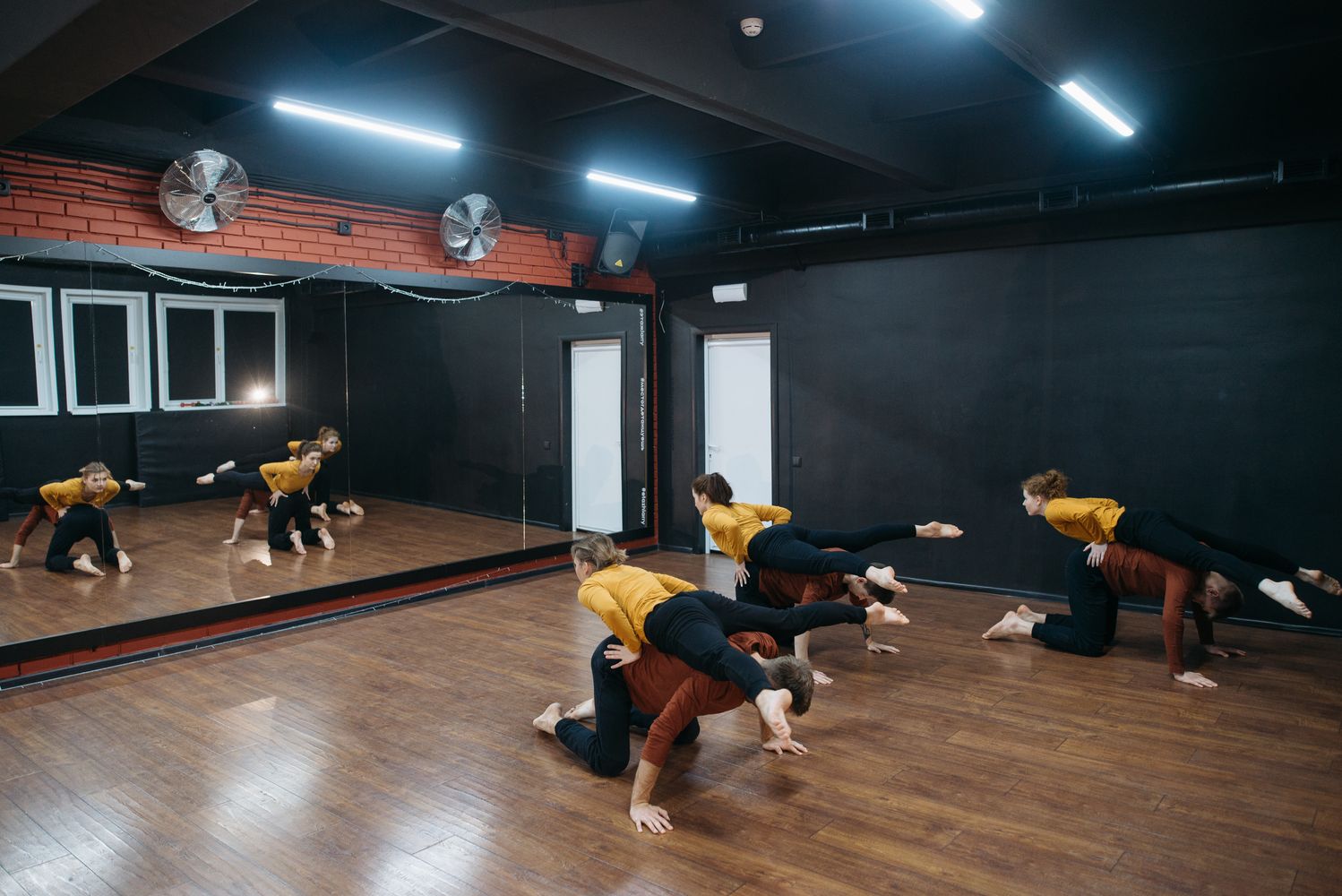
    ๊ฑฐ์šธ์ด ์žˆ๋Š” ์—ฐ์Šต์‹ค์—์„œ ๊ตฐ๋ฌด๋ฅผ ์—ฐ์Šตํ•˜๋Š” ์—ฐ์Šต์ƒ๋“ค

    ์™œ ์ด๋ ‡๊ฒŒ ํŽธ์ฐจ๊ฐ€ ํฐ๊ฐ€. ๋‹ต์€ ๋‹จ์ˆœํ•˜๋‹ค. ์—ฐ์Šต์ƒ ํŠธ๋ ˆ์ด๋‹์ด ๊ฐœ์ธ์˜ ์‹ค๋ ฅ๋งŒ์œผ๋กœ ์™„๊ฒฐ๋˜์ง€ ์•Š๊ธฐ ๋•Œ๋ฌธ์ด๋‹ค. ์•„๋ฌด๋ฆฌ ์ถค๊ณผ ๋…ธ๋ž˜๊ฐ€ ๋›ฐ์–ด๋‚˜๋„ ๊ทธํ•ด์— ๊ธฐํš ์ค‘์ธ ๊ทธ๋ฃน ์ฝ˜์…‰ํŠธ์™€ ํฌ์ง€์…˜์ด ๊ฒน์น˜์ง€ ์•Š์œผ๋ฉด ๋ฐ๋ท”์กฐ์—์„œ ๋ฐ€๋ ค๋‚œ๋‹ค. ๋ฐ˜๋Œ€๋กœ ์‹ค๋ ฅ์ด ์ƒ๋Œ€์ ์œผ๋กœ ๋ถ€์กฑํ•ด๋„ ํšŒ์‚ฌ๊ฐ€ ํ•„์š”๋กœ ํ•˜๋Š” ์ด๋ฏธ์ง€๋‚˜ ์–ธ์–ด ๋Šฅ๋ ฅ์„ ๊ฐ–์ท„๋‹ค๋ฉด ๋ฐ๋ท”๊ฐ€ ์•ž๋‹น๊ฒจ์ง€๊ธฐ๋„ ํ•œ๋‹ค. ์ตœ๊ทผ ๋ช‡ ๋…„ ์‚ฌ์ด์—๋Š” ์ด ์–ธ์–ด ๋Šฅ๋ ฅ์˜ ๋น„์ค‘์ด ๋ˆˆ์— ๋„๊ฒŒ ์ปค์กŒ๋‹ค. ๋ถ๋ฏธ์™€ ๋‚จ๋ฏธ, ๋™๋‚จ์•„ ํŒฌ๋ค ๋น„์ค‘์ด ์ปค์ง€๋ฉด์„œ ์˜์–ด๋‚˜ ์ผ๋ณธ์–ด๋กœ ํ”„๋ฆฌํ† ํ‚น์ด ๊ฐ€๋Šฅํ•œ ์—ฐ์Šต์ƒ์„ ํšŒ์‚ฌ๊ฐ€ ์šฐ์„ ์ˆœ์œ„์— ๋‘๋Š” ๊ฒฝํ–ฅ์ด ๋šœ๋ ทํ•ด์กŒ๊ธฐ ๋•Œ๋ฌธ์ด๋‹ค. ๊ทธ๋Ÿฌ๋‹ˆ๊นŒ ์—ฐ์Šต์ƒ ๊ธฐ๊ฐ„์€ ์ˆœ์ˆ˜ํ•œ ์‹ค๋ ฅ ๊ฒฝ์Ÿ์ด๋ผ๊ธฐ๋ณด๋‹ค, ์‹ค๋ ฅ๊ณผ ํƒ€์ด๋ฐ๊ณผ ํšŒ์‚ฌ ์‚ฌ์ •์ด ๊ฒน์น˜๋Š” ์„ธ ๋ณ€์ˆ˜์˜ ํ•จ์ˆ˜์— ๊ฐ€๊น๋‹ค.

    ์˜ค๋””์…˜ ๊ฒฝ์Ÿ๋ฅ ๋ถ€ํ„ฐ ์ด๋ฏธ ‘๋ช‡์ฒœ ๋Œ€ 1’

    ์—ฐ์Šต์ƒ์ด ๋˜๋Š” ์ฒซ ๊ด€๋ฌธ์ธ ๊ณต๊ฐœ ์˜ค๋””์…˜๋ถ€ํ„ฐ ๊ด€๋ฌธ์ด ์ข๋‹ค. SM, JYP, YG, ํ•˜์ด๋ธŒ ๊ฐ™์€ ๋Œ€ํ˜• ๊ธฐํš์‚ฌ์˜ ์ •๊ธฐ ์˜ค๋””์…˜์€ ๊ฒฝ์Ÿ๋ฅ ์ด ์ˆ˜์ฒœ ๋Œ€ 1์„ ๋„˜๊ธฐ๊ณ , ํŠน์ • ์‹œ์ฆŒ์—๋Š” ๋งŒ ๋Œ€ 1์— ๊ฐ€๊นŒ์šด ์ˆ˜์น˜๊ฐ€ ๋‚˜์˜ค๊ธฐ๋„ ํ•œ๋‹ค. ๊ทธ๋Ÿฐ๋ฐ๋„ ๋งค๋…„ ์ง€์›์ž๋Š” ์ค„์ง€ ์•Š๋Š”๋‹ค. ์˜คํžˆ๋ ค ์˜ค๋””์…˜ ์• ํ”Œ๋ฆฌ์ผ€์ด์…˜๊ณผ ์˜จ๋ผ์ธ ํ™”์ƒ ์˜ค๋””์…˜์ด ๋ณดํŽธํ™”๋˜๋ฉด์„œ ์ง€๋ฐฉ์ด๋‚˜ ํ•ด์™ธ ๊ฑฐ์ฃผ์ž์˜ ์ง€์› ๋ฌธํ„ฑ์ด ๋‚ฎ์•„์ ธ ์ง€์›์ž ํ’€ ์ž์ฒด๊ฐ€ ๋„“์–ด์ง€๋Š” ์ถ”์„ธ๋‹ค. 1์ฐจ ์„œ๋ฅ˜ยท์˜์ƒ ์‹ฌ์‚ฌ๋ฅผ ํ†ต๊ณผํ•ด๋„ 2์ฐจ, 3์ฐจ ๋Œ€๋ฉด ์‹ฌ์‚ฌ๊ฐ€ ๋‚จ์•„ ์žˆ๊ณ , ์ด ๋‹จ๊ณ„์—์„œ ์ถค๊ณผ ๋…ธ๋ž˜๋ฟ ์•„๋‹ˆ๋ผ ์นด๋ฉ”๋ผ ์•ž์—์„œ์˜ ํ‘œ์ •, ์ˆœ๋ฐœ๋ ฅ, ํŒ€์›Œํฌ๊นŒ์ง€ ํ•จ๊ป˜ ๋ณธ๋‹ค. ์˜ค๋””์…˜ ํ•ฉ๊ฒฉ์€ ์—ฐ์Šต์ƒ ์ƒํ™œ์˜ ์‹œ์ž‘์ ์ผ ๋ฟ, ๊ฑฐ๊ธฐ์„œ๋ถ€ํ„ฐ ์ง„์งœ ๊ฒฝ์Ÿ์ด ์‹œ์ž‘๋œ๋‹ค๋Š” ๋œป์ด๋‹ค.

    ์›”๋งํ‰๊ฐ€๋ผ๋Š” ์ด๋ฆ„์˜ ์ƒ์กด ๊ฒŒ์ž„

    ์—ฐ์Šต์ƒ์„ 50๋ช… ์ด์ƒ ๋ณด์œ ํ•œ ๋Œ€ํ˜• ๊ธฐํš์‚ฌ๋“ค์€ ๋Œ€๊ฐœ ํ•œ ๋‹ฌ์— ํ•œ ๋ฒˆ ‘์›”๋งํ‰๊ฐ€’๋ฅผ ์‹ค์‹œํ•œ๋‹ค. ๋ฐฉ์‹์€ ํšŒ์‚ฌ๋งˆ๋‹ค ์กฐ๊ธˆ์”ฉ ๋‹ค๋ฅด์ง€๋งŒ ํฐ ํ‹€์€ ๋น„์Šทํ•˜๋‹ค. ์—ฐ์Šต์ƒ๋“ค์€ 3~4์ผ ์ •๋„ ์ค€๋น„ ๊ธฐ๊ฐ„์„ ๋ฐ›์•„ ๊ฐ์ž ๋งก์€ ํŒŒํŠธ์˜ ์•ˆ๋ฌด๋‚˜ ๋ณด์ปฌ์„ ๋‹ค๋“ฌ๊ณ , ์ดํ‹€์— ๊ฑธ์ณ ํŠธ๋ ˆ์ด๋„ˆ์™€ ํ”„๋กœ๋“€์„œ ์•ž์—์„œ ํ‰๊ฐ€๋ฅผ ๋ฐ›๋Š”๋‹ค. ๋ฌด๋Œ€๋ผ๊ธฐ๋ณด๋‹ค๋Š” ์‹ฌ์‚ฌ์„์— ๊ฐ€๊นŒ์šด ์ž๋ฆฌ๋ผ์„œ, ์•ˆ๋ฌด ํ•œ ์†Œ์ ˆ์„ ํ‹€๋ฆฌ๊ฑฐ๋‚˜ ์Œ์ •์ด ์‚ด์ง ํ”๋“ค๋ฆฌ๊ธฐ๋งŒ ํ•ด๋„ ๋ช‡ ์ฃผ๊ฐ„ ์Œ“์•„์˜จ ์ค€๋น„๊ฐ€ ์ˆœ์‹๊ฐ„์— ๋‚ฎ์€ ์ ์ˆ˜๋กœ ๊ท€๊ฒฐ๋œ๋‹ค. ์ ์ˆ˜๋Š” ๋“ฑ๊ธ‰์œผ๋กœ ๋งค๊ฒจ์ง€๊ณ , ํ•˜์œ„๊ถŒ์— ๋ฐ˜๋ณตํ•ด์„œ ๋จธ๋ฌด๋ฅด๋ฉด ๊ณ„์•ฝ ํ•ด์ง€, ๋‹ค์‹œ ๋งํ•ด ๋ฐฉ์ถœ๋กœ ์ด์–ด์งˆ ์ˆ˜ ์žˆ๋‹ค. ์—ฐ์Šต์ƒ ์ถœ์‹  ์ธํ„ฐ๋ทฐ๋ฅผ ๋ณด๋ฉด “์ € ์นœ๊ตฌ๋ฅผ ์ด๊ฒจ์•ผ ๋‚ด๊ฐ€ ์‚ฐ๋‹ค”๋Š” ์••๋ฐ•๊ฐ์„ ํ† ๋กœํ•˜๋Š” ๊ฒฝ์šฐ๊ฐ€ ๋งŽ๋‹ค. ๊ฐ™์€ ๋ฐฉ์„ ์“ฐ๊ณ  ๊ฐ™์€ ๋ฐฅ์„ ๋จน๋Š” ๋™๋ฃŒ๊ฐ€ ๋™์‹œ์— ๊ฒฝ์Ÿ์ž์ธ ๊ตฌ์กฐ์ด๋‹ˆ, ๊ทธ ์ •์„œ์  ๋ถ€๋‹ด์ด ๊ฐ€๋ฒผ์šธ ๋ฆฌ ์—†๋‹ค.

    ๋ ˆ์ฝ”๋”ฉ ์ŠคํŠœ๋””์˜ค์—์„œ ๋ณด์ปฌ ํŠธ๋ ˆ์ด๋‹์„ ๋ฐ›๋Š” ๋ชจ์Šต

    ๊ทธ๋ ‡๋‹ค๊ณ  ์›”๋งํ‰๊ฐ€๊ฐ€ ์ˆœ์ „ํžˆ ํƒˆ๋ฝ์‹œํ‚ค๊ธฐ ์œ„ํ•œ ์žฅ์น˜๋งŒ์€ ์•„๋‹ˆ๋‹ค. ํšŒ์‚ฌ ์ž…์žฅ์—์„œ๋Š” ๋ˆ„๊ฐ€ ์‹ค๋ ฅ์ด ๋Š˜๊ณ  ์žˆ๋Š”์ง€, ๋ˆ„๊ตฌ๋ฅผ ์–ด๋–ค ํฌ์ง€์…˜์— ๋ฐฐ์น˜ํ• ์ง€ ํŒ๋‹จํ•  ๋ฐ์ดํ„ฐ๊ฐ€ ํ•„์š”ํ•˜๋‹ค. ๋ฐ๋ท”์กฐ๋Š” ํ•˜๋ฃจ์•„์นจ์— ์ •ํ•ด์ง€์ง€ ์•Š๋Š”๋‹ค. ๋ช‡ ๋‹ฌ, ๊ธธ๊ฒŒ๋Š” ๋ช‡ ๋…„์— ๊ฑธ์นœ ์›”๋งํ‰๊ฐ€ ์„ฑ์ ๊ณผ ํŠธ๋ ˆ์ด๋„ˆ ์ฝ”๋ฉ˜ํŠธ๊ฐ€ ๋ˆ„์ ๋˜์–ด์•ผ ํšŒ์‚ฌ๊ฐ€ “์ด ์กฐํ•ฉ์ด๋ฉด ๋˜๊ฒ ๋‹ค”๋Š” ํ™•์‹ ์„ ๊ฐ–๋Š”๋‹ค. ๊ทธ๋Ÿฌ๋‹ˆ๊นŒ ์—ฐ์Šต์ƒ์—๊ฒŒ ์›”๋งํ‰๊ฐ€๋Š” ๊ณตํฌ์˜ ๋Œ€์ƒ์ด๋ฉด์„œ ๋™์‹œ์— ์ž์‹ ์„ ์ฆ๋ช…ํ•  ๋ช‡ ์•ˆ ๋˜๋Š” ๊ณต์‹ ๋ฌด๋Œ€์ด๊ธฐ๋„ ํ•˜๋‹ค.

    ๊ธฐ์ˆ™์‚ฌ ์ƒํ™œ, ์‹ค๋ ฅ๋ณด๋‹ค ๋จผ์ € ๋ฐฐ์šฐ๋Š” ๊ฑด ‘๋ฒ„ํ‹ฐ๋Š” ๋ฒ•’

    ์ง€๋ฐฉ์ด๋‚˜ ํ•ด์™ธ ์ถœ์‹  ์—ฐ์Šต์ƒ๋“ค์€ ๋Œ€๋ถ€๋ถ„ ํšŒ์‚ฌ๊ฐ€ ๋งˆ๋ จํ•œ ๊ธฐ์ˆ™์‚ฌ์—์„œ ์ƒํ™œํ•œ๋‹ค. ๋ฐฉ ํ•˜๋‚˜์— ์—ฌ๋Ÿฌ ๋ช…์ด ํ•จ๊ป˜ ์ง€๋‚ด๊ณ , ํ†ต๊ธˆ๊ณผ ์‹์‚ฌ ์‹œ๊ฐ„, ํœด๋Œ€ํฐ ์‚ฌ์šฉ ์‹œ๊ฐ„๊นŒ์ง€ ๊ทœ์น™์œผ๋กœ ์ •ํ•ด์ง„ ๊ฒฝ์šฐ๊ฐ€ ๋งŽ๋‹ค. ๋ฏธ์„ฑ๋…„ ์—ฐ์Šต์ƒ์ด๋ผ๋ฉด ํ•™์—…๊ณผ ํŠธ๋ ˆ์ด๋‹์„ ๋ณ‘ํ–‰ํ•ด์•ผ ํ•˜๋‹ˆ ์ผ๊ณผํ‘œ๋Š” ๋” ๋นก๋นกํ•ด์ง„๋‹ค. ์ƒˆ๋ฒฝ๊นŒ์ง€ ์ด์–ด์ง€๋Š” ์—ฐ์Šต์ด ๋๋‚˜๊ณ  ๋ฐฉ์— ๋Œ์•„์˜ค๋ฉด ์”ป๊ณ  ๋ˆ•๊ธฐ ๋ฐ”์œ๋ฐ, ๋‹ค์Œ ๋‚  ์•„์นจ์ด๋ฉด ๋˜ ๊ฐ™์€ ์ผ๊ณผ๊ฐ€ ๋ฐ˜๋ณต๋œ๋‹ค. ๋ชธ์ด ํž˜๋“  ๊ฒƒ๋ณด๋‹ค ์‚ฌ๋žŒ์„ ์ง€์น˜๊ฒŒ ํ•˜๋Š” ๊ฑด ๋”ฐ๋กœ ์žˆ๋‹ค๋Š” ์ด์•ผ๊ธฐ๊ฐ€ ์—ฐ์Šต์ƒ ์ถœ์‹  ์ธํ„ฐ๋ทฐ์—์„œ ์ž์ฃผ ๋‚˜์˜จ๋‹ค. ๊ทธ๋Ÿฐ๋ฐ๋„ ๋Œ€๋ถ€๋ถ„์˜ ์—ฐ์Šต์ƒ ์ถœ์‹ ๋“ค์ด ๊ณตํ†ต์ ์œผ๋กœ ๊ผฝ๋Š” ์–ด๋ ค์›€์€ ์ฒด๋ ฅ ๋ฌธ์ œ๊ฐ€ ์•„๋‹ˆ๋ผ ์™ธ๋กœ์›€์ด๋‹ค. ๊ฐ€์กฑ๊ณผ ๋–จ์–ด์ ธ ๋‚ฏ์„  ๋„์‹œ์—์„œ ๋˜๋ž˜ ๊ฒฝ์Ÿ์ž๋“ค๊ณผ ํ•œ ๋ฐฉ์„ ์“ฐ๋Š” ์ƒํ™œ์ด ๊ธธ์–ด์งˆ์ˆ˜๋ก, ๋งˆ์Œ์„ ํ„ฐ๋†“์„ ์‚ฌ๋žŒ์ด ์˜คํžˆ๋ ค ์ค„์–ด๋“œ๋Š” ์—ญ์„ค์ด ์ƒ๊ธด๋‹ค.

    ๊ธฐ์ˆ™์‚ฌ ์ด์ธต ์นจ๋Œ€์—์„œ ๋Œ€ํ™”๋ฅผ ๋‚˜๋ˆ„๋Š” ๋ชจ์Šต

    ๋ฒŒ์จ ๋ฐ๋ท”ํ•œ ์„ ๋ฐฐ๋“ค์„ ๋ณด๋ฉฐ ๋ฒ„ํ‹ธ ํž˜์„ ์–ป๋Š”๋‹ค๋Š” ์—ฐ์Šต์ƒ๋„ ์žˆ๊ณ , ๋ฐ˜๋Œ€๋กœ ๊ฐ€๊นŒ์ด์„œ ๋™๋ฃŒ์˜ ๋ฐฉ์ถœ์„ ์ง€์ผœ๋ณด๋ฉฐ ํšŒ์˜๊ฐ์„ ๋А๋ผ๋Š” ๊ฒฝ์šฐ๋„ ์žˆ๋‹ค. ์ด ์‹œ์Šคํ…œ์˜ ๊ฐ€์žฅ ๋ƒ‰์ •ํ•œ ์ง€์ ์€ ์—ฌ๊ธฐ๋‹ค. ๋…ธ๋ ฅ๋งŒ์œผ๋กœ ๋ฒ„ํ‹ธ ์ˆ˜ ์žˆ๋Š” ๊ตฌ์กฐ๊ฐ€ ์•„๋‹ˆ๋ผ๋Š” ๊ฑธ, ์—ฐ์Šต์ƒ๋“ค์€ ๊ธฐ์ˆ™์‚ฌ ์ƒํ™œ ์ดˆ๊ธฐ๋ถ€ํ„ฐ ๋ชธ์œผ๋กœ ๋ฐฐ์šด๋‹ค.

    ๋ฐ๋ท”์กฐ ๊ฒฝ์Ÿ, ์‹ค๋ ฅ๋งŒํผ ์ค‘์š”ํ•œ ‘ํƒ€์ด๋ฐ’

    ๋ฐ๋ท”์กฐ์— ์ตœ์ข… ํŽธ์„ฑ๋˜๋Š” ์ธ์›์€ ๋ณดํ†ต ๊ทธ๋ฃน๋‹น 4๋ช…์—์„œ 9๋ช… ์•ˆํŒŽ์ด๋‹ค. ๋ฐ˜๋ฉด ๊ฐ™์€ ์‹œ๊ธฐ ํ›ˆ๋ จ๋ฐ›๋Š” ์—ฐ์Šต์ƒ์€ ์ˆ˜์‹ญ ๋ช…์— ๋‹ฌํ•˜๋Š” ๊ฒฝ์šฐ๊ฐ€ ํ”ํ•˜๋‹ค. ๋Œ€๋ถ€๋ถ„์€ ๋ฐ๋ท”์กฐ์— ๋“ค์ง€ ๋ชปํ•œ ์ฑ„ ๊ณ„์•ฝ์ด ๋๋‚œ๋‹ค๋Š” ๋œป์ด๋‹ค. ์ด ๋†’์€ ๋ฒฝ์„ ๋„˜๊ธฐ ์œ„ํ•ด ์ตœ๊ทผ ๋ช‡ ๋…„ ์‚ฌ์ด ๊ธฐํš์‚ฌ๋“ค์€ ์•„์˜ˆ ํŒ์„ ๋ฐ–์œผ๋กœ ๊บผ๋‚ด๊ธฐ๋„ ํ•œ๋‹ค. ๋ฐ”๋กœ ์„œ๋ฐ”์ด๋ฒŒ ์˜ค๋””์…˜ ํ”„๋กœ๊ทธ๋žจ์ด๋‹ค. Mnet์˜ ‘ํ”„๋กœ๋“€์Šค’ ์‹œ๋ฆฌ์ฆˆ๋‚˜ ‘๋ณด์ด์ฆˆ ํ”Œ๋ž˜๋‹›’, ‘๊ฑธ์Šค ํ”Œ๋ž˜๋‹›999’ ๊ฐ™์€ ํ”„๋กœ๊ทธ๋žจ์ด ๋Œ€ํ‘œ์ ์ธ๋ฐ, ์—ฐ์Šต์ƒ์„ ๋Œ€์ค‘์—๊ฒŒ ๋จผ์ € ๊ณต๊ฐœํ•˜๊ณ  ์‹œ์ฒญ์ž ํˆฌํ‘œ๋กœ ๋ฐ๋ท”์กฐ๋ฅผ ๊ฐ€๋ฆฌ๋Š” ๋ฐฉ์‹์ด๋‹ค. ๋ฐ๋ท”๋ผ๋Š” ์ง€๋ฆ„๊ธธ์ด ์—ด๋ฆฌ๊ธฐ๋„ ํ•˜์ง€๋งŒ, ํƒˆ๋ฝ์˜ ์ˆœ๊ฐ„์ด ์ƒ๋ฐฉ์†ก์œผ๋กœ ๊ณ ์Šค๋ž€ํžˆ ๋…ธ์ถœ๋˜๋Š” ๊ฐ€ํ˜นํ•œ ๋ฌด๋Œ€์ด๊ธฐ๋„ ํ•˜๋‹ค.

    ๊ทธ๋ž˜์„œ ๋ช‡ ๋…„์„ ๋ฒ„ํ…จ์•ผ ํ• ๊นŒ

    ์ •๋ฆฌํ•˜์ž๋ฉด ํ‰๊ท ์€ 2~5๋…„, ๊ทธ๋Ÿฌ๋‚˜ ์ด ํ‰๊ท ์€ ๊ฐœ์ธ๋งˆ๋‹ค ํฌ๊ฒŒ ์–ด๊ธ‹๋‚  ์ˆ˜ ์žˆ๋Š” ์ˆซ์ž๋‹ค. ํšŒ์‚ฌ์˜ ๊ทธ๋ฃน ๊ธฐํš ์‹œ์ , ์˜ค๋””์…˜ ๊ฒฝ์Ÿ๋ฅ , ์›”๋งํ‰๊ฐ€ ์„ฑ์ , ๊ทธ๋ฆฌ๊ณ  ๋ณธ์ธ์ด ๋ฒ„ํ…จ๋‚ด๋Š” ์ •์„œ์  ์ฒด๋ ฅ๊นŒ์ง€ ์—ฌ๋Ÿฌ ๋ณ€์ˆ˜๊ฐ€ ๋™์‹œ์— ๋งž์•„๋–จ์–ด์ ธ์•ผ ๋ฐ๋ท”๋ผ๋Š” ๊ฒฐ๊ณผ๋กœ ์ด์–ด์ง„๋‹ค. ๊ทธ ์ค‘ ์–ด๋А ํ•˜๋‚˜๋ผ๋„ ์–ด๊ธ‹๋‚˜๋ฉด ์—ฐ์Šต์ƒ ๊ธฐ๊ฐ„์€ 1๋…„์ด ๋  ์ˆ˜๋„, 10๋…„์ด ๋  ์ˆ˜๋„ ์žˆ๋‹ค. ํ™”๋ คํ•œ ๋ฌด๋Œ€ ๋’ค์— ์ด๋Ÿฐ ๋ถˆํ™•์‹คํ•œ ์‹œ๊ฐ„์ด ์Œ“์—ฌ ์žˆ๋‹ค๋Š” ๊ฑธ ์•Œ๊ณ  ๋‚˜๋ฉด, ๋ฐ๋ท” ๋ฌด๋Œ€๋ฅผ ๋ณด๋Š” ์‹œ์„ ๋„ ์กฐ๊ธˆ์€ ๋‹ฌ๋ผ์งˆ์ง€ ๋ชจ๋ฅธ๋‹ค.

    ์ž์ฃผ ๋ฌป๋Š” ์งˆ๋ฌธ

    Q1. ์—ฐ์Šต์ƒ์ด ๋˜๋ ค๋ฉด ๊ผญ ์˜ค๋””์…˜์— ํ•ฉ๊ฒฉํ•ด์•ผ ํ•˜๋‚˜์š”?

    ๋Œ€๋ถ€๋ถ„์˜ ๊ฒฝ์šฐ ๊ทธ๋ ‡๋‹ค. ๋Œ€ํ˜• ๊ธฐํš์‚ฌ๋Š” ์ •๊ธฐ ๊ณต๊ฐœ ์˜ค๋””์…˜๊ณผ ์˜จ๋ผ์ธ ํ™”์ƒ ์˜ค๋””์…˜์„ ํ•จ๊ป˜ ์šด์˜ํ•˜๋Š”๋ฐ, ์ตœ๊ทผ์—๋Š” ๊ธธ๊ฑฐ๋ฆฌ ์บ์ŠคํŒ… ๋น„์ค‘์ด ์ค„๊ณ  ์˜จ๋ผ์ธ ์ง€์› ๋น„์ค‘์ด ๋Š˜์—ˆ๋‹ค. ๋‹ค๋งŒ ๋Œ„์Šค ํ•™์›์ด๋‚˜ ๋ณด์ปฌ ํ•™์›์„ ํ†ตํ•ด ์†Œ์†์‚ฌ ๊ด€๊ณ„์ž ๋ˆˆ์— ๋„์–ด ๋น„๊ณต๊ฐœ๋กœ ์—ฐ๋ฝ์„ ๋ฐ›๋Š” ๊ฒฝ์šฐ๋„ ์—ฌ์ „ํžˆ ์กด์žฌํ•œ๋‹ค.

    Q2. ์›”๋งํ‰๊ฐ€์—์„œ ๊ณ„์† ํ•˜์œ„๊ถŒ์ด๋ฉด ๋ฌด์กฐ๊ฑด ๋ฐฉ์ถœ๋˜๋‚˜์š”?

    ํšŒ์‚ฌ์™€ ๊ณ„์•ฝ ์กฐ๊ฑด์— ๋”ฐ๋ผ ๋‹ค๋ฅด๋‹ค. ๋ช‡ ๊ฐœ์›” ์—ฐ์† ํ•˜์œ„๊ถŒ์ด ์ด์–ด์ง€๋ฉด ํŠธ๋ ˆ์ด๋„ˆ ๋ฉด๋‹ด์„ ๊ฑฐ์ณ ๊ณ„์•ฝ ํ•ด์ง€๋กœ ์ด์–ด์ง€๋Š” ๊ฒฝ์šฐ๊ฐ€ ๋งŽ์ง€๋งŒ, ํŠน์ • ํŒŒํŠธ(์ž‘์‚ฌยท์ž‘๊ณก, ํ”„๋กœ๋“€์‹ฑ ๋“ฑ)์—์„œ ๊ฐ•์ ์„ ๋ณด์ด๋ฉด ๋‹ค๋ฅธ ๋ฐฉํ–ฅ์œผ๋กœ ์ „ํ™˜ ๋ฐฐ์น˜๋˜๋Š” ์‚ฌ๋ก€๋„ ์žˆ๋‹ค. ๋ฐฉ์ถœ์ด ๊ณง ์žฌ๋Šฅ ๋ถ€์กฑ์„ ์˜๋ฏธํ•˜์ง€๋Š” ์•Š๋Š”๋‹ค๋Š” ์ ์€ ์—…๊ณ„ ๊ด€๊ณ„์ž๋“ค๋„ ๊ณตํ†ต์ ์œผ๋กœ ์–ธ๊ธ‰ํ•˜๋Š” ๋ถ€๋ถ„์ด๋‹ค.

    Q3. ์—ฐ์Šต์ƒ ๊ธฐ๊ฐ„์ด ๊ธธ๋ฉด ํšŒ์‚ฌ๊ฐ€ ๋ฏธ์•ˆํ•ด์„œ๋ผ๋„ ๋ฐ๋ท”์‹œ์ผœ ์ฃผ๋‚˜์š”?

    ๊ทธ๋Ÿฐ ๊ฒฝ์šฐ๋Š” ๊ฑฐ์˜ ์—†๋‹ค. ์˜ค๋ž˜ ๋ฒ„ํ…ผ๋‹ค๊ณ  ๋ฐ๋ท”๊ฐ€ ๋ณด์žฅ๋˜๋Š” ๊ตฌ์กฐ๊ฐ€ ์•„๋‹ˆ๋ผ์„œ, 5๋…„ ๋„˜๊ฒŒ ํŠธ๋ ˆ์ด๋‹์„ ๋ฐ›๊ณ ๋„ ๊ทธ๋ฃน ๊ฐœํŽธ ๊ณผ์ •์—์„œ ์ตœ์ข… ๋ผ์ธ์—…์— ๋“ค์ง€ ๋ชปํ•˜๋Š” ๊ฒฝ์šฐ๊ฐ€ ์‹ค์ œ๋กœ ์žˆ๋‹ค. ๋ฐ˜๋Œ€๋กœ 1๋…„ ๋ฏธ๋งŒ์˜ ์งง์€ ํŠธ๋ ˆ์ด๋‹๋งŒ์œผ๋กœ ๋ฐ๋ท”ํ•˜๋Š” ์‚ฌ๋ก€๋„ ์กด์žฌํ•œ๋‹ค. ํšŒ์‚ฌ์˜ ๊ทธ๋ฃน ๊ธฐํš ํƒ€์ด๋ฐ๊ณผ ์—ฐ์Šต์ƒ ๊ฐœ์ธ์˜ ํฌ์ง€์…˜์ด ๋งž์•„๋–จ์–ด์ง€๋Š”์ง€๊ฐ€ ๊ธฐ๊ฐ„๋ณด๋‹ค ๋” ๊ฒฐ์ •์ ์ธ ๋ณ€์ˆ˜๋กœ ๊ผฝํžŒ๋‹ค.

  • ๊ฐ€์„ ๋ฐค ์š”๋ฆฌ ์™„์ „์ •๋ณต: ์†์งˆ๋ถ€ํ„ฐ ๋ฐค์กฐ๋ฆผยท๋ฐค๋ฐฅยท๊ตฐ๋ฐค๊นŒ์ง€

    ๊ฐ€์„ ๋ฐค ์š”๋ฆฌ ์™„์ „์ •๋ณต: ์†์งˆ๋ถ€ํ„ฐ ๋ฐค์กฐ๋ฆผยท๋ฐค๋ฐฅยท๊ตฐ๋ฐค๊นŒ์ง€

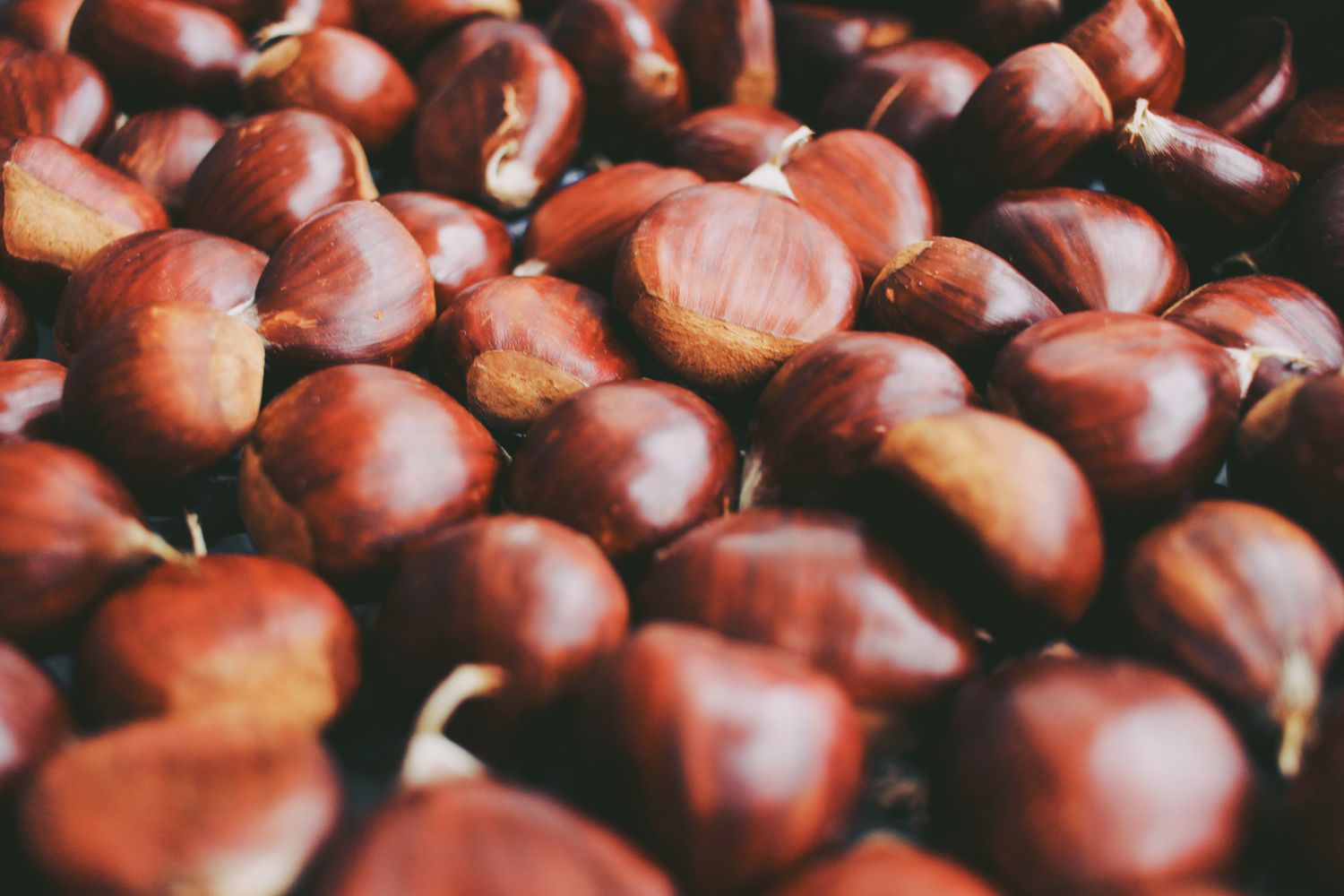
    ๋งˆํŠธ ๊ณผ์ผ ์ฝ”๋„ˆ๋ฅผ ์ง€๋‚˜๋‹ค ๋ณด๋ฉด 9์›” ๋‘˜์งธ ์ฃผ์ฏค๋ถ€ํ„ฐ ๋ฐค์ด ์Ÿ์•„์ง€๋“ฏ ๋‚˜์˜จ๋‹ค. ๊ป์งˆ์— ์œค๊ธฐ๊ฐ€ ์ž๋ฅด๋ฅด ํ๋ฅด๋Š” ํ–‡๋ฐค์ด ํ•œ ์†Œ์ฟ ๋ฆฌ์”ฉ ์Œ“์ด๋Š”๋ฐ, ์ •์ž‘ ์ง‘์— ์‚ฌ ์˜ค๋ฉด ๋ฐ˜์€ ์†์งˆํ•˜๋‹ค ์ง€์ณ์„œ ๊ทธ๋ƒฅ ์‚ถ์•„๋งŒ ๋จน๊ณ  ๋๋‚˜๋Š” ๊ฒฝ์šฐ๊ฐ€ ๋งŽ๋‹ค. ๋„๋งˆ ์œ„์—์„œ ๋„๋ฅด๋ฅด ๊ตด๋Ÿฌ๊ฐ€๋Š” ๋ฐค์„ ์†๊ฐ€๋ฝ์œผ๋กœ ๋ˆ„๋ฅด๋ฉฐ ์นผ์ง‘์„ ๋„ฃ๋‹ค ๋ณด๋ฉด ์‹ํƒ ์œ„์—์„œ ์กฐ๊ทธ๋งฃ๊ฒŒ ์‚ฌํˆฌ๋ฅผ ๋ฒŒ์ด๋Š” ๊ธฐ๋ถ„์ด ๋“ ๋‹ค. ๊ทธ๋Ÿฐ๋ฐ๋„ ๊ฐ€์„๋งˆ๋‹ค ๋ฐค์„ ๋˜ ์‚ฌ๋Š” ๊ฑด, ์ œ๋Œ€๋กœ๋งŒ ์†์งˆํ•˜๋ฉด ๋ฐค์กฐ๋ฆผ์ด๋“  ๋ฐค๋ฐฅ์ด๋“  ๊ตฐ๋ฐค์ด๋“  ์–ด๋А ํ•˜๋‚˜ ์‹คํŒจํ•˜๊ธฐ ์–ด๋ ค์šด ์žฌ๋ฃŒ์ด๊ธฐ ๋•Œ๋ฌธ์ด๋‹ค. ์ด ๊ธ€์—์„œ๋Š” ์†์งˆ๋ฒ•๋ถ€ํ„ฐ ๋ฐค์กฐ๋ฆผ, ๋ฐค๋ฐฅ, ๊ตฌ์šด๋ฐค๊นŒ์ง€, ๊ทธ๋ฆฌ๊ณ  ๋‹ค ๋ชป ์“ฐ๊ณ  ๋‚จ์€ ์ƒ๋ฐค์„ ์˜ค๋ž˜ ๋‘๋Š” ๋ฒ•๊นŒ์ง€ ์‹ค์ œ๋กœ ๋”ฐ๋ผ ํ•  ์ˆ˜ ์žˆ๋Š” ๋ถ„๋Ÿ‰๊ณผ ์‹œ๊ฐ„์œผ๋กœ ์ •๋ฆฌํ–ˆ๋‹ค.

    ๊ฐ€์„ ๋‚™์—ฝ ์œ„์— ๋†“์ธ ์ œ์ฒ  ๋ฐค

    ๋ฐค ์†์งˆ, ์นผ์ง‘๋ถ€ํ„ฐ ์ œ๋Œ€๋กœ ๋‚ด์•ผ ํ•œ๋‹ค

    ๋ฐค ์†์งˆ์—์„œ ์ œ์ผ ๋จผ์ € ๋ง‰ํžˆ๋Š” ์ง€์ ์€ ์นผ์ง‘์ด๋‹ค. ๋”ฑ๋”ฑํ•œ ๊ฒ‰๊ป์งˆ์— ์นผ์„ ๋Œ€๋Š” ์ˆœ๊ฐ„ ๋ฐค์ด ๋ฏธ๋„๋Ÿฌ์ ธ ๊ตด๋Ÿฌ๊ฐ€๋ฒ„๋ฆฌ๋Š” ๊ฒฝํ—˜, ํ•œ ๋ฒˆ์ฏค ์žˆ์„ ๊ฒƒ์ด๋‹ค. ์ด๊ฑธ ๋ง‰๋Š” ๋ฐฉ๋ฒ•์€ ์˜์™ธ๋กœ ๋‹จ์ˆœํ•œ๋ฐ, ์”ป์€ ๋ฐค์„ ์ฐฌ๋ฌผ์— 30๋ถ„ ์ •๋„ ๋‹ด๊ฐ€๋‘๋Š” ๊ฒƒ์ด๋‹ค. ๊ฒ‰๊ป์งˆ์ด ์‚ด์ง ๋ˆ…๋ˆ…ํ•ด์ง€๋ฉด์„œ ์นผ์ด ํ›จ์”ฌ ์ž˜ ๋“ค์–ด๊ฐ„๋‹ค. ๋ณ‘๋šœ๊ป‘์ด๋‚˜ ์ž‘์€ ์ข…์ง€๋ฅผ ๋’ค์ง‘์–ด ๋ฐค์„ ๊ทธ ์œ„์— ๊ณ ์ •ํ•˜๋“ฏ ์–น๊ณ , ๋พฐ์กฑํ•œ ์œ—๋ถ€๋ถ„์— ์‹ญ์ž(+)๋กœ ์นผ์ง‘์„ ๋„ฃ์œผ๋ฉด ๋ฏธ๋„๋Ÿฌ์ง์ด ํฌ๊ฒŒ ์ค„์–ด๋“ ๋‹ค. ์†์„ ๋งŽ์ด ์“ฐ๋Š” ์ž‘์—…์ด๋ผ ๊ฑฑ์ •๋œ๋‹ค๋ฉด ๋ชฉ์žฅ๊ฐ‘์„ ๋ผ๊ณ  ์žก๋Š” ๊ฒƒ๋งŒ์œผ๋กœ๋„ ์•ˆ์ •๊ฐ์ด ๋‹ค๋ฅด๋‹ค.

    ์นผ์ง‘์„ ๋‚ธ ๋‹ค์Œ์€ ๊ฐ€์—ด ๋ฐฉ์‹์„ ์ •ํ•  ์ฐจ๋ก€๋‹ค. ์—ฌ๊ธฐ์„œ ๋ฐฉ๋ฒ•์„ ํ•˜๋‚˜๋กœ ๋ญ‰๋šฑ๊ทธ๋ ค ์„ค๋ช…ํ•˜๋ฉด ์˜คํžˆ๋ ค ํ—ท๊ฐˆ๋ฆฌ๋‹ˆ, ์ƒํ™ฉ๋ณ„๋กœ ๋‚˜๋ˆ ๋ณด๋Š” ๊ฒŒ ๋‚ซ๋‹ค. ์‹œ๊ฐ„ ์—ฌ์œ ๊ฐ€ ์žˆ๋‹ค๋ฉด ์ฐœ๊ธฐ์— ๋„ฃ๊ณ  ์„ผ ๋ถˆ์—์„œ 20๋ถ„ ์ •๋„ ์ฐŒ๋Š” ์ชฝ์„ ์ถ”์ฒœํ•œ๋‹ค. ์‚ถ๋Š” ๊ฒƒ๋ณด๋‹ค ๋‹จ๋ง›์ด ๋œ ๋น ์ง€๊ณ , ๋œธ์ด ๋“œ๋Š” ๋™์•ˆ ์†๊ป์งˆ(๋ณด๋Šฌ)์ด ์•Œ๋งน์ด์™€ ์ž์—ฐ์Šค๋Ÿฝ๊ฒŒ ๋ถ„๋ฆฌ๋˜๊ธฐ ๋•Œ๋ฌธ์ด๋‹ค. ๋‹น์žฅ ๋ช‡ ์•Œ๋งŒ ๊ธ‰ํ•˜๊ฒŒ ๊นŒ์•ผ ํ•œ๋‹ค๋ฉด ๋“๋Š” ๋ฌผ์— 2~3๋ถ„๋งŒ ๋ฐ์ณ๋„ ์ถฉ๋ถ„ํ•˜๊ณ , ๊ทธ๋งˆ์ € ๋ฒˆ๊ฑฐ๋กญ๋‹ค๋ฉด ์ „์ž๋ ˆ์ธ์ง€์— 1๋ถ„ 30์ดˆ ๋Œ๋ฆฌ๋Š” ๋ฐฉ๋ฒ•๋„ ์žˆ๋‹ค. ๋‹ค๋งŒ ์ „์ž๋ ˆ์ธ์ง€๋Š” ๊ธฐ์ข…๋งˆ๋‹ค ํ™”๋ ฅ ์ฐจ์ด๊ฐ€ ์ปค์„œ 30์ดˆ ๋‹จ์œ„๋กœ ์ƒํƒœ๋ฅผ ํ™•์ธํ•˜๋ฉฐ ์กฐ์ ˆํ•˜๋Š” ํŽธ์ด ์•ˆ์ „ํ•˜๋‹ค.

    ๊ฐ€์—ด์ด ๋๋‚˜๋ฉด ๋œจ๊ฑฐ์šด ์ฑ„๋กœ ๊นŒ์ง€ ๋ง๊ณ , ์ฐฌ๋ฌผ์— ์ž ๊น ๋‹ด๊ฐ”๋‹ค๊ฐ€ ๋ฒ—๊ธฐ๋Š” ๊ฒŒ ๋‚ซ๋‹ค. ์˜จ๋„๊ฐ€ ํ™• ๋–จ์–ด์ง€๋ฉด์„œ ๊ป์งˆ๊ณผ ์•Œ๋งน์ด ์‚ฌ์ด์— ํ‹ˆ์ด ์ƒ๊ธฐ๊ธฐ ๋•Œ๋ฌธ์ด๋‹ค. ๊ทธ๋ž˜๋„ ํ•œ๋‘ ์•Œ์€ ๊ผญ ์†๊ป์งˆ์ด ๋”ฑ ๋ถ™์–ด์„œ ์•ˆ ๋–จ์–ด์ง€๋Š”๋ฐ, ์ด๋Ÿด ๋• ์–ต์ง€๋กœ ๋œฏ์ง€ ๋ง๊ณ  ์ž‘์€ ๊ณผ๋„๋กœ ๊ฒฐ์„ ๋”ฐ๋ผ ์‚ด์‚ด ๊ธ์–ด๋‚ด๋ฉด ์•Œ๋งน์ด๊ฐ€ ๋œ ๋ญ‰๊ฐœ์ง„๋‹ค.

    ์นผ์ง‘์„ ๋‚ด๊ธฐ ์ „ ์†์งˆํ•œ ์ƒ๋ฐค ํด๋กœ์ฆˆ์—…

    ๋ฐค์กฐ๋ฆผ, ์„คํƒ• ๋น„์œจ๋งŒ ๋งž์œผ๋ฉด ์‹คํŒจ๊ฐ€ ์—†๋‹ค

    ๋ฐค์กฐ๋ฆผ์€ ์†์ด ๋งŽ์ด ๊ฐ€๋Š” ์š”๋ฆฌ๋กœ ์•Œ๋ ค์ ธ ์žˆ์ง€๋งŒ, ๋น„์œจ๋งŒ ๊ธฐ์–ตํ•ด๋‘๋ฉด ์ƒ๊ฐ๋ณด๋‹ค ์ผ์ด ๋‹จ์ˆœํ•ด์ง„๋‹ค. ๊ป์งˆ ๊น ๋ฐค 1kg์„ ๊ธฐ์ค€์œผ๋กœ ์„คํƒ•์€ ๋ฐค ๋ฌด๊ฒŒ์˜ 40% ์„ , ๊ทธ๋Ÿฌ๋‹ˆ๊นŒ 400g ์ •๋„๋ฅผ ๋งž์ถ”๋ฉด ๋„ˆ๋ฌด ๋‹ฌ์ง€๋„ ์‹ฑ๊ฒ์ง€๋„ ์•Š๋‹ค. ์—ฌ๊ธฐ์— ๊ฐ„์žฅ 2ํฐ์ˆ ๊ณผ ๋Ÿผ ๋˜๋Š” ๋ ˆ๋“œ์™€์ธ 2ํฐ์ˆ ์„ ๋”ํ•˜๋Š”๋ฐ, ์ด ๋‘ ๊ฐ€์ง€๊ฐ€ ๋น ์ง€๋ฉด ๋‹จ๋ง›๋งŒ ๋‚จ๊ณ  ๋ฐ‹๋ฐ‹ํ•ด์ง„๋‹ค. ๊ฐ„์žฅ์€ ์„คํƒ•์˜ ๋ฌด๊ฑฐ์šด ๋‹จ๋ง›์„ ์‚ด์ง ๋ˆŒ๋Ÿฌ์ฃผ๋Š” ์—ญํ• ์„ ํ•˜๊ณ , ๋Ÿผ์ด๋‚˜ ๋ ˆ๋“œ์™€์ธ์€ ์กธ์ด๋Š” ๋™์•ˆ ์•Œ์ฝ”์˜ฌ์ด ๋‚ ์•„๊ฐ€๋ฉด์„œ ์€์€ํ•œ ์บ๋Ÿฌ๋ฉœ ํ–ฅ๋งŒ ๋‚จ๊ฒจ ๋งˆ์น˜ ์‹œ๋Ÿฝ์— ์˜ค๋ž˜ ์ ˆ์ธ ๋งˆ๋กฑ ๊ธ€๋ผ์„ธ๋ฅผ ์—ฐ์ƒ์‹œํ‚ค๋Š” ํ–ฅ์œผ๋กœ ๋ฐ”๋€๋‹ค.

    ์ˆœ์„œ๋Š” ์ด๋ ‡๋‹ค. ๊ป์งˆ ๊น ๋ฐค์— ๋ฒ ์ดํ‚น์†Œ๋‹ค 2~3ํฐ์ˆ ์„ ๋„ฃ๊ณ  ๋ฌผ์„ ๋„‰๋„‰ํžˆ ๋ถ€์–ด 12์‹œ๊ฐ„์—์„œ 24์‹œ๊ฐ„ ์ •๋„ ๋‹ด๊ฐ€๋‘”๋‹ค. ์‹œ๊ฐ„์ด ๋„ˆ๋ฌด ๊ธธ๊ฒŒ ๋А๊ปด์งˆ ์ˆ˜ ์žˆ๋Š”๋ฐ, ์ด ๊ณผ์ •์„ ์ƒ๋žตํ•˜๋ฉด ์กฐ๋ฆผ ๋„์ค‘ ๋ฐค์ด ์‰ฝ๊ฒŒ ๋ถ€์„œ์ง„๋‹ค. ๋‹ด๊ฐ€๋‘” ๋ฐค์„ ๋ฌผ์งธ๋กœ ๋ƒ„๋น„์— ์˜ฎ๊ฒจ ์•ฝ๋ถˆ์—์„œ 20๋ถ„์”ฉ ์„ธ ๋ฒˆ ๋“์ธ๋‹ค. ๋งค๋ฒˆ ๋ฌผ์„ ๊ฐˆ์•„์ฃผ๋ฉด ๋–ซ์€๋ง›์ด ๋น ์ ธ์„œ ํ›จ์”ฌ ๊น”๋”ํ•œ ๋ง›์ด ๋‚œ๋‹ค. ๊ทธ๋‹ค์Œ ๋ฐค์ด ์ž ๊ธธ ๋งŒํผ ๋ฌผ์„ ์ƒˆ๋กœ ๋ถ“๊ณ  ์„คํƒ•์„ ๋„ฃ์–ด ์•ฝ๋ถˆ์—์„œ 1์‹œ๊ฐ„๊ฐ€๋Ÿ‰ ์กธ์ธ๋‹ค. ๋งˆ์ง€๋ง‰์— ๊ฐ„์žฅ๊ณผ ๋Ÿผ(๋˜๋Š” ๋ ˆ๋“œ์™€์ธ)์„ ๋„ฃ๊ณ  10๋ถ„ ์ •๋„ ๋” ์กธ์ด๋ฉด ์œค๊ธฐ๊ฐ€ ๋„๋Š” ๋ฐค์กฐ๋ฆผ์ด ์™„์„ฑ๋œ๋‹ค.

    1์‹œ๊ฐ„์ด๋‚˜ ์กธ์ธ๋‹ค๊ณ  ํ•˜๋ฉด ๋ถ€๋‹ด์Šค๋Ÿฌ์šธ ์ˆ˜ ์žˆ๋Š”๋ฐ, ๊ทธ ์‹œ๊ฐ„ ๋‚ด๋‚ด ๋ถˆ ์•ž์— ์„œ ์žˆ์„ ํ•„์š”๋Š” ์—†๋‹ค. ์•ฝ๋ถˆ๋กœ ๋งž์ถฐ๋‘๊ณ  10๋ถ„์— ํ•œ ๋ฒˆ์”ฉ๋งŒ ๋“ค์—ฌ๋‹ค๋ณด๋ฉฐ ๋ฌผ์ด ์กธ์•„๋“œ๋Š”์ง€, ๋ฐค์ด ์œผ์Šค๋Ÿฌ์ง€์ง€ ์•Š๋Š”์ง€ ํ™•์ธํ•˜๋ฉด ์ถฉ๋ถ„ํ•˜๋‹ค. ์™„์„ฑ๋œ ๋ฐค์กฐ๋ฆผ์€ ๋ฐ€ํ์šฉ๊ธฐ์— ๋‹ด์•„ ๋ƒ‰์žฅ ๋ณด๊ด€ํ•˜๋ฉด ์ผ์ฃผ์ผ ์ •๋„ ๋ง›์ด ๊ทธ๋Œ€๋กœ ์œ ์ง€๋˜๊ณ , ๊ทธ๋ณด๋‹ค ์˜ค๋ž˜ ๋‘๊ณ  ์‹ถ๋‹ค๋ฉด ์†Œ๋…ํ•œ ๋ณ‘์— ์˜ฎ๊ฒจ ๋ƒ‰๋™ํ•ด๋„ ๋œ๋‹ค.

    ๋ฐค๋ฐฅ, ์Œ€๊ณผ ๋ฌผ ๋น„์œจ์ด ๊ด€๊ฑด์ด๋‹ค

    ๋ฐค๋ฐฅ์€ ๋ฐค์กฐ๋ฆผ์— ๋น„ํ•˜๋ฉด ํ›จ์”ฌ ์ˆ˜์›”ํ•œ ํŽธ์ด๋‹ค. ๋‹ค๋งŒ ์—ฌ๊ธฐ์„œ๋„ ์˜์™ธ๋กœ ์ž์ฃผ ์‹ค์ˆ˜ํ•˜๋Š” ์ง€์ ์ด ์žˆ๋Š”๋ฐ, ๋ฐ”๋กœ ๋ฌผ์˜ ์–‘์ด๋‹ค. ํ‰์†Œ ๋ฐฅ์„ ์ง“๋˜ ๋Œ€๋กœ ์Œ€๊ณผ ๋ฌผ์„ 1:1๋กœ ๋งž์ถ”๋ฉด ๋ฐฅ์ด ์งˆ์ฒ™ํ•ด์ง€๊ธฐ ์‰ฝ๋‹ค. ๋ฐค์ด ๋ฌผ์„ ํก์ˆ˜ํ•˜๋Š” ์„ฑ์งˆ์ด ์žˆ์–ด์„œ, ์Œ€ 2์ปต ๊ธฐ์ค€ ๋ฌผ์€ 3์ปต, ์ฆ‰ 1:1.5 ๋น„์œจ๋กœ ๋งž์ถ”๋Š” ํŽธ์ด ์•ˆ์ „ํ•˜๋‹ค.

    ๋ฐค์€ ๊ป์งˆ๋งŒ ๋ฒ—๊ธฐ๋ฉด ๋”ฐ๋กœ ์‚ถ์„ ํ•„์š” ์—†์ด ์ƒ์œผ๋กœ ๋„ฃ์–ด๋„ ๋œ๋‹ค. ์Œ€ 2์ปต์— ๋ฐค 120~150g ์ •๋„๊ฐ€ ์ ๋‹นํ•œ ๋น„์œจ์ธ๋ฐ, ๋„ˆ๋ฌด ์ž˜๊ฒŒ ์ฐ๋ฉด ๋ฐฅ ์ง€์„ ๋•Œ ๋‹ค ๋ญ‰๊ฐœ์ง€๋‹ˆ ๋ฐ˜ ์กฐ๊ฐ ์ •๋„ ํฌ๊ธฐ๋กœ ๋‘๋Š” ๊ฒŒ ๋‚ซ๋‹ค. ์••๋ ฅ์†ฅ์„ ์“ด๋‹ค๋ฉด ์„ผ ๋ถˆ๋กœ ์˜ฌ๋ฆฌ๋‹ค๊ฐ€ ์ถ”(๊น€)๊ฐ€ ๋Œ๊ธฐ ์‹œ์ž‘ํ•˜๋ฉด 3๋ถ„๊ฐ„ ์œ ์ง€ํ•˜๊ณ , ์ดํ›„ ์•ฝ๋ถˆ๋กœ ๋‚ฎ์ถฐ 4๋ถ„ ์ •๋„ ๋œธ์„ ๋“ค์ด๋ฉด ๋œ๋‹ค. ์ „๊ธฐ์••๋ ฅ๋ฐฅ์†ฅ์ด๋ผ๋ฉด ๋ฐฑ๋ฏธ ๋˜๋Š” ์žก๊ณก ๋ชจ๋“œ๋กœ ๋งž์ถ”๊ณ  ์ทจ์‚ฌ ๋ฒ„ํŠผ์„ ๋ˆ„๋ฅด๋ฉด ๋‚˜๋จธ์ง€๋Š” ๊ธฐ๊ณ„๊ฐ€ ์•Œ์•„์„œ ํ•œ๋‹ค.

    ์–‘๋…์žฅ ์—†์ด ๊ทธ๋ƒฅ ๋จน์–ด๋„ ๋ฐค์˜ ๋‹จ๋ง›์ด ์‚ด์•„ ์žˆ์–ด ์ถฉ๋ถ„ํžˆ ๋ง›์žˆ์ง€๋งŒ, ๊ฐ„์žฅ 1ํฐ์ˆ ์— ์ฐธ๊ธฐ๋ฆ„ ๋ฐ˜ ํฐ์ˆ , ๋‹ค์ง„ ํŒŒ ์•ฝ๊ฐ„์„ ์„ž์€ ์–‘๋…์žฅ์„ ๊ณ๋“ค์ด๋ฉด ๋ฐฅ๋ง›์ด ํ•œ์ธต ์‚ด์•„๋‚œ๋‹ค. ๋ฐค๋ฐฅ์€ ๊ฐ“ ์ง€์—ˆ์„ ๋•Œ๋ณด๋‹ค ํ•œ ๊น€ ์‹์€ ๋’ค์— ๋ฐค์˜ ๋‹จ๋ง›์ด ๋” ๋˜๋ ทํ•˜๊ฒŒ ๋А๊ปด์ง„๋‹ค๋Š” ์‚ฌ๋žŒ๋„ ๋งŽ์œผ๋‹ˆ, ๋šœ๊ป‘์„ ์—ด๊ธฐ ์ „ 5๋ถ„์ฏค ๋œธ์„ ๋” ๋“ค์ด๋Š” ๊ฒƒ๋„ ๋ฐฉ๋ฒ•์ด๋‹ค. ๋šœ๊ป‘์„ ์—ด์—ˆ๋‹ค๋ฉด ์ฃผ๊ฑฑ์œผ๋กœ ๋ฐค์ด ์œผ์Šค๋Ÿฌ์ง€์ง€ ์•Š๊ฒŒ ๋ฐ”๊นฅ์ชฝ ๋ฐฅ์„ ์•ˆ์ชฝ์œผ๋กœ ๊ฐ€๋ฅด๋“ฏ ์‚ด์‚ด ์„ž์–ด์ฃผ๋ฉด ๋ฐค์•Œ์ด ๊ณ ๋ฅด๊ฒŒ ํผ์ง„๋‹ค.

    ๊ฐ€์žฅ ๊ฐ„๋‹จํ•œ ๊ตฌ์šด๋ฐค, ๊ทธ๋ž˜๋„ ์˜จ๋„๋Š” ์ง€์ผœ์•ผ ํ•œ๋‹ค

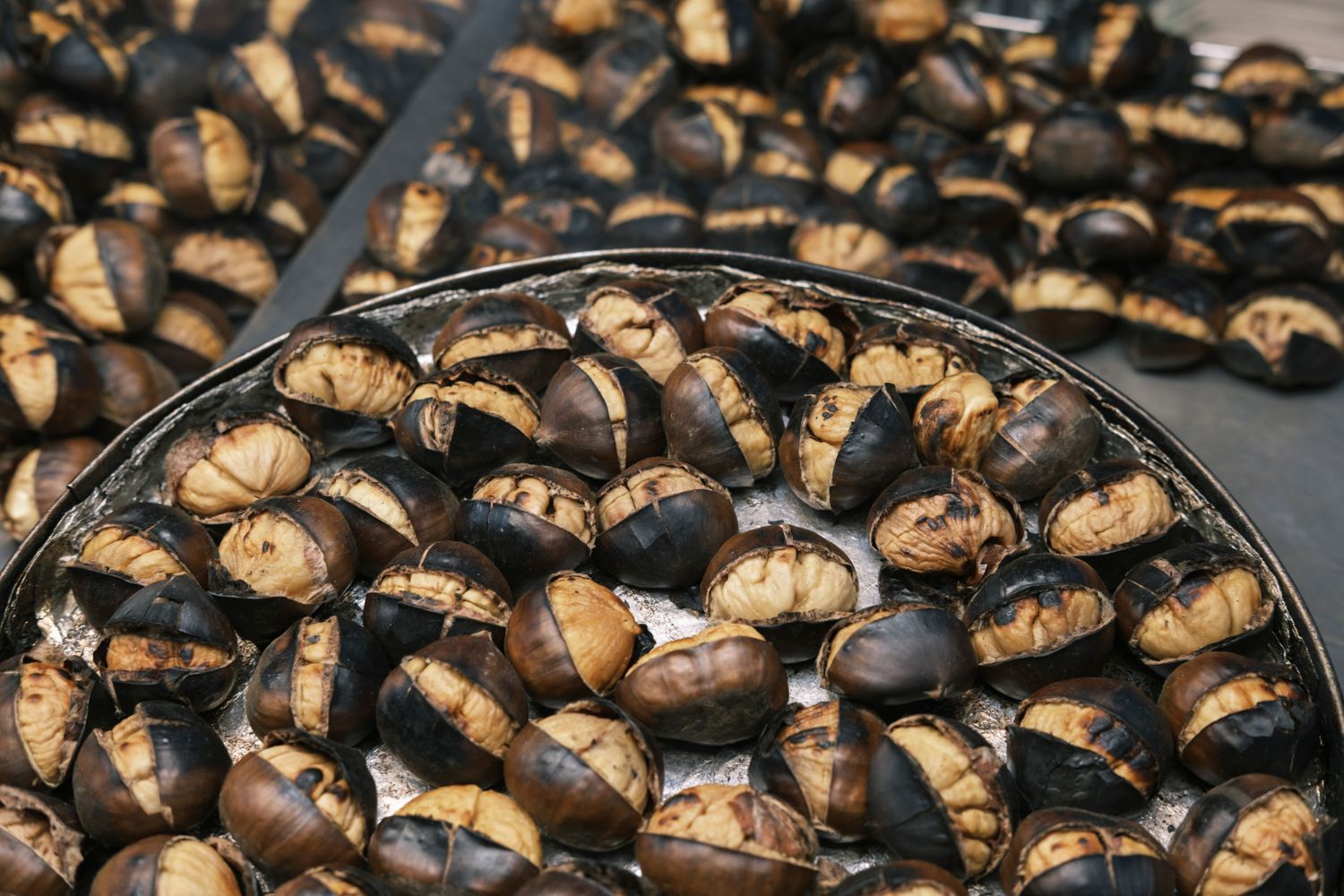
    ์…‹ ์ค‘ ๊ฐ€์žฅ ์†์ด ์•ˆ ๊ฐ€๋Š” ๊ฑด ์—ญ์‹œ ๊ตฌ์šด๋ฐค์ด๋‹ค. ๊ทธ๋Ÿฐ๋ฐ๋„ ์˜์™ธ๋กœ ์‹คํŒจํ•˜๋Š” ์‚ฌ๋žŒ์ด ๋งŽ์€๋ฐ, ๋Œ€๋ถ€๋ถ„ ์นผ์ง‘์„ ์ƒ๋žตํ•˜๊ณ  ํ†ต์งธ๋กœ ๊ตฝ๊ธฐ ๋•Œ๋ฌธ์ด๋‹ค. ์นผ์ง‘ ์—†์ด ๊ตฌ์šฐ๋ฉด ๋‚ด๋ถ€ ์ˆ˜์ฆ๊ธฐ๊ฐ€ ๋น ์งˆ ๊ณณ์ด ์—†์–ด ๋ฐค์ด ์˜ค๋ธ ์•ˆ์—์„œ ํŽ‘ ์†Œ๋ฆฌ๋ฅผ ๋‚ด๋ฉฐ ํ„ฐ์ง€๋Š” ์ผ์ด ์ข…์ข… ์ƒ๊ธด๋‹ค. ์‹ญ์ž๋กœ ์นผ์ง‘์„ ๋‚ธ ๋‹ค์Œ ์—์–ดํ”„๋ผ์ด์–ด๋‚˜ ์˜ค๋ธ์— 180~200๋„๋กœ 20๋ถ„ ์ •๋„ ๊ตฌ์šฐ๋ฉด ๊ป์งˆ์ด ์‚ด์ง ๋ฒŒ์–ด์ง€๋ฉด์„œ ๊ณ ์†Œํ•œ ๋ƒ„์ƒˆ๊ฐ€ ๋ถ€์—Œ์— ํผ์ง„๋‹ค.

    ์ค‘๊ฐ„์— ํ•œ ๋ฒˆ ๋’ค์ง‘์–ด์ฃผ๋ฉด ๊ณจ๊ณ ๋ฃจ ์ต๋Š”๋‹ค. ๋‹ค ๊ตฌ์šด ๋’ค์—๋Š” ๋œจ๊ฑฐ์šธ ๋•Œ ๋ฐ”๋กœ ๊นŒ๊ธฐ๋ณด๋‹ค 2~3๋ถ„ ์ •๋„ ์‹ํ˜€์„œ ๊นŒ๋Š” ํŽธ์ด ๋‚ซ๋‹ค. ๊ฐ“ ๊ตฌ์šด ๋ฐค์€ ์•Œ๋งน์ด๊ฐ€ ๋ฌผ๋Ÿฌ์„œ ์ž˜ ๋ญ‰๊ฐœ์ง€๋Š”๋ฐ, ์‚ด์ง ์‹์œผ๋ฉด ํ˜•ํƒœ๋ฅผ ์žก์œผ๋ฉด์„œ๋„ ์†์€ ์—ฌ์ „ํžˆ ๋”ฐ๋œปํ•ด์„œ ๋จน๊ธฐ ์ข‹์€ ์ƒํƒœ๊ฐ€ ๋œ๋‹ค.

    ๊ป์งˆ์ด ๋ฒŒ์–ด์ง€๋„๋ก ๊ตฌ์šด ๋ฐค์ด ์Ÿ๋ฐ˜์— ๋†“์—ฌ ์žˆ๋Š” ๋ชจ์Šต

    ๋‚จ์€ ์ƒ๋ฐค, ์ด๋ ‡๊ฒŒ ๋‘๋ฉด ํ•œ ๋‹ฌ๋„ ๊ฐ„๋‹ค

    ํ•œ ์†Œ์ฟ ๋ฆฌ์”ฉ ์‚ฌ ์˜จ ๋ฐค์„ ํ•œ ๋ฒˆ์— ๋‹ค ์†์งˆํ•˜๋Š” ์ง‘์€ ๋“œ๋ฌผ๋‹ค. ๋‚จ์€ ์ƒ๋ฐค์„ ๊ทธ๋ƒฅ ์ƒ์˜จ์— ๋‘๋ฉด ๋ฉฐ์น  ๋งŒ์— ํ‘œ๋ฉด์ด ์ชผ๊ทธ๋ผ๋“ค๊ณ  ์†์ด ๋ง๋ผ๋ฒ„๋ฆฌ๋Š”๋ฐ, ๋ฒŒ์จ ๋ฌผ๊ธฐ๊ฐ€ ๋น ์ง„ ๋ฐค์€ ์‚ถ์•„๋„ ์˜ˆ์ „๋งŒํผ ๋‹ฌ์ง€ ์•Š๋‹ค. ์‹ ๋ฌธ์ง€์— ๋‚ฑ๊ฐœ๋กœ ์‹ธ์„œ ๋ฐ€ํ์šฉ๊ธฐ๋‚˜ ๋น„๋‹๋ด‰์ง€์— ๋„ฃ๊ณ  ๋ƒ‰์žฅ๊ณ  ์•ผ์ฑ„์นธ์— ๋‘๋ฉด ์ˆ˜๋ถ„์ด ์ฒœ์ฒœํžˆ ์œ ์ง€๋˜๋ฉด์„œ 2~3์ฃผ๋Š” ๋ฌด๋‚œํžˆ ๋ฒ„ํ‹ด๋‹ค. ๋” ์˜ค๋ž˜ ๋‘๊ณ  ์‹ถ๋‹ค๋ฉด ๊ป์งˆ์งธ ๋ƒ‰๋™์‹ค์— ๋„ฃ์–ด๋„ ๋˜๋Š”๋ฐ, ์ด ๊ฒฝ์šฐ์—” ํ•ด๋™ํ•˜์ง€ ์•Š๊ณ  ์–ผ๋ฆฐ ์ฑ„๋กœ ๋ฐ”๋กœ ์ฐŒ๊ฑฐ๋‚˜ ์‚ถ์•„์•ผ ์•Œ๋งน์ด๊ฐ€ ํผ์„ํ•ด์ง€์ง€ ์•Š๋Š”๋‹ค.

    ์ž์ฃผ ๋ฌป๋Š” ์งˆ๋ฌธ

    ๋ฐค ๊ป์งˆ์„ ๊น ๋Š”๋ฐ ๊ฐˆ๋ณ€์ด ๋์–ด์š”. ๋จน์–ด๋„ ๋˜๋‚˜์š”?

    ๊ณต๊ธฐ์™€ ๋‹ฟ์œผ๋ฉด ๋ฐค ์•Œ๋งน์ด๊ฐ€ ๊ฐˆ์ƒ‰์œผ๋กœ ๋ณ€ํ•˜๋Š” ๊ฑด ์ž์—ฐ์Šค๋Ÿฌ์šด ์‚ฐํ™” ํ˜„์ƒ์ด๋ผ ๋จน๋Š” ๋ฐ๋Š” ๋ฌธ์ œ๊ฐ€ ์—†๋‹ค. ๋‹ค๋งŒ ์ƒ‰์ด ๊ฑฐ์Šฌ๋ฆฐ๋‹ค๋ฉด ๊นŽ์€ ๋ฐค์„ ์ฐฌ๋ฌผ์— ๋‹ด๊ฐ€๋‘๋ฉด ๊ฐˆ๋ณ€ ์†๋„๊ฐ€ ๋А๋ ค์ง„๋‹ค. ๋ฐค์กฐ๋ฆผ์ด๋‚˜ ๋ฐค๋ฐฅ์ฒ˜๋Ÿผ ์ตํ˜€ ๋จน๋Š” ์š”๋ฆฌ๋ผ๋ฉด ์–ด์ฐจํ”ผ ์ƒ‰์ด ์ง„ํ•ด์ง€๋ฏ€๋กœ ํฌ๊ฒŒ ์‹ ๊ฒฝ ์“ฐ์ง€ ์•Š์•„๋„ ๋œ๋‹ค.

    ๋ฐค์กฐ๋ฆผ์„ ๋งŒ๋“ค์—ˆ๋Š”๋ฐ ๋„ˆ๋ฌด ๋ฌด๋ฅด๊ฒŒ ๋์–ด์š”. ์™œ ๊ทธ๋Ÿฐ๊ฐ€์š”?

    ๋ฒ ์ดํ‚น์†Œ๋‹ค ๋ฌผ์— ๋‹ด๊ฐ€๋‘๋Š” ์‹œ๊ฐ„์ด 24์‹œ๊ฐ„์„ ๋„˜๊ฒผ๊ฑฐ๋‚˜, ์ฒ˜์Œ ์„ธ ๋ฒˆ ์‚ถ๋Š” ๋‹จ๊ณ„์—์„œ ๋ถˆ ์„ธ๊ธฐ๊ฐ€ ๋„ˆ๋ฌด ์…Œ์„ ๊ฐ€๋Šฅ์„ฑ์ด ํฌ๋‹ค. ์•ฝ๋ถˆ์„ ์œ ์ง€ํ•˜๊ณ , ๋‹ด๊ฐ€๋‘๋Š” ์‹œ๊ฐ„๋„ 12~24์‹œ๊ฐ„ ๋ฒ”์œ„๋ฅผ ์ง€ํ‚ค๋Š” ํŽธ์ด ํ˜•ํƒœ๋ฅผ ์‚ด๋ฆฌ๋Š” ๋ฐ ๋„์›€์ด ๋œ๋‹ค.

    ๋ฐค๋ฐฅ์— ๋ฐค์„ ๋” ๋งŽ์ด ๋„ฃ์–ด๋„ ๋˜๋‚˜์š”?

    ์–‘์„ ๋Š˜๋ ค๋„ ๋ฌด๋ฐฉํ•˜์ง€๋งŒ ๋ฐค์ด ๋งŽ์•„์งˆ์ˆ˜๋ก ๋ฌผ ํก์ˆ˜๋Ÿ‰๋„ ๋Š˜์–ด๋‚˜๋ฏ€๋กœ ๋ฌผ์„ ์•„์ฃผ ์•ฝ๊ฐ„ ๋” ๋„ฃ๋Š” ํŽธ์ด ์ข‹๋‹ค. ์Œ€ 2์ปต์— ๋ฐค 200g ์ •๋„๊นŒ์ง€๋Š” ๋ฌผ ๋น„์œจ์„ ํฌ๊ฒŒ ๋ฐ”๊พธ์ง€ ์•Š์•„๋„ ๋˜์ง€๋งŒ, ๊ทธ ์ด์ƒ ๋„ฃ๋Š”๋‹ค๋ฉด ๋ฌผ์„ 1/4์ปต ์ •๋„ ์ถ”๊ฐ€ํ•˜๋Š” ๊ฑธ ๊ถŒํ•œ๋‹ค.

  • ๊ฐ•๋ฆ‰ ๋‹น์ผ์น˜๊ธฐ ์ฝ”์Šค, ์•ˆ๋ชฉํ•ด๋ณ€ ์ปคํ”ผ๊ฑฐ๋ฆฌ์—์„œ ์ดˆ๋‹น์ˆœ๋‘๋ถ€๋งˆ์„๊นŒ์ง€

    ๊ฐ•๋ฆ‰ ๋‹น์ผ์น˜๊ธฐ ์ฝ”์Šค, ์•ˆ๋ชฉํ•ด๋ณ€ ์ปคํ”ผ๊ฑฐ๋ฆฌ์—์„œ ์ดˆ๋‹น์ˆœ๋‘๋ถ€๋งˆ์„๊นŒ์ง€

    ๊ฐ•๋ฆ‰์—ญ์— ๋‚ด๋ ค์„œ ์Šค๋งˆํŠธํฐ ์ง€๋„๋ฅผ ์ผœ๋ฉด ๋‹ค๋“ค ๋น„์Šทํ•œ ์‹ค์ˆ˜๋ฅผ ํ•œ๋‹ค. ๊ฐ€์ด๋“œ๋ถ ์ˆœ์„œ๋Œ€๋กœ ์˜ค์ฃฝํ—Œ๋ถ€ํ„ฐ ๋™์„ ์„ ์งœ๋Š” ๊ฒƒ. ๋‚˜๋„ ์ฒ˜์Œ์—” ๊ทธ๋žฌ๋‹ค. ๊ฐ•๋ฆ‰์€ ์ง€๋„๋กœ ๋ณด๋ฉด ์ƒ๊ฐ๋ณด๋‹ค ๋‚จ๋ถ์œผ๋กœ ๊ธธ์ญ‰ํ•œ ๋„์‹œ๋ผ์„œ, ์˜ค์ฃฝํ—Œ ์ชฝ๊ณผ ์•ˆ๋ชฉยท๊ฒฝํฌ ์ชฝ์„ ์˜ค๋ฝ๊ฐ€๋ฝํ•˜๋‹ค ๋ณด๋ฉด ์ด๋™ ์‹œ๊ฐ„๋งŒ ์ ˆ๋ฐ˜์„ ์จ๋ฒ„๋ฆฌ๊ธฐ ์‹ญ์ƒ์ด๋‹ค. ๊ทธ๋Ÿฐ๋ฐ ์ปคํ”ผ๊ฑฐ๋ฆฌ์™€ ๊ฒฝํฌํ˜ธ, ์ดˆ๋‹น์ˆœ๋‘๋ถ€๋งˆ์„์„ ํ•˜๋ฃจ์— ๋ฌถ์–ด์„œ ๋Œ์•„๋ณธ ์‚ฌ๋žŒ๋“ค ์–˜๊ธฐ๋ฅผ ๋“ค์–ด๋ณด๋ฉด ๋™์„ ์€ ์˜์™ธ๋กœ ๋‹จ์ˆœํ•˜๋‹ค. ์•ˆ๋ชฉํ•ด๋ณ€์—์„œ ์ปคํ”ผ ํ•œ ์ž” ๋งˆ์‹œ๊ณ , ๊ฑธ์–ด์„œ ๊ฒฝํฌํ˜ธ๋ฅผ ๋ฐ˜ ๋ฐ”ํ€ด ๋ˆ ๋‹ค์Œ, ์ดˆ๋‹น๋™ ๊ณจ๋ชฉ์—์„œ ์ˆœ๋‘๋ถ€๋กœ ๋งˆ๋ฌด๋ฆฌํ•˜๋Š” ์ฝ”์Šค๋‹ค. ์„ธ ๊ณณ์ด ์ „๋ถ€ ๊ฑธ์–ด์„œ๋“  ๋ฒ„์Šค๋กœ๋“  20๋ถ„ ์•ˆ์ชฝ ๊ฑฐ๋ฆฌ์— ๋ชฐ๋ ค ์žˆ๋‹ค๋Š” ๊ฒŒ ์ด ๋ฃจํŠธ์˜ ์ง„์งœ ๊ฐ•์ ์ด๋‹ค.

    ์•ˆ๋ชฉํ•ด๋ณ€, ์žํŒ๊ธฐ ์ปคํ”ผ์—์„œ ์‹œ์ž‘๋œ ๊ฑฐ๋ฆฌ

    ์•ˆ๋ชฉํ•ด๋ณ€ ์ปคํ”ผ๊ฑฐ๋ฆฌ๋ผ๊ณ  ํ•˜๋ฉด ๊ทธ๋ƒฅ ์นดํŽ˜ ๋งŽ์€ ๋ฐ”๋‹ท๊ฐ€ ์ •๋„๋กœ ์ƒ๊ฐํ•˜๊ธฐ ์‰ฌ์šด๋ฐ, ์œ ๋ž˜๋ฅผ ์•Œ๊ณ  ๊ฐ€๋ฉด ๊ฑท๋Š” ์žฌ๋ฏธ๊ฐ€ ๋‹ค๋ฅด๋‹ค. 1980๋…„๋Œ€ ์ดˆ๊นŒ์ง€๋งŒ ํ•ด๋„ ์•ˆ๋ชฉํ•ญ์€ ์‹œ๋‚ด๋ฒ„์Šค๊ฐ€ ํ•˜๋ฃจ ์„ธ ๋ฒˆ ๋“ค์–ด์˜ค๋Š” ์กฐ์šฉํ•œ ์–ด์ดŒ์ด์—ˆ๋‹ค. ๊ทธ๋Ÿฌ๋‹ค ํ•ด๋ณ€์— ์ปคํ”ผ ์žํŒ๊ธฐ๊ฐ€ ํ•˜๋‚˜๋‘˜ ๋†“์ด๊ธฐ ์‹œ์ž‘ํ–ˆ๊ณ , 1.2km ๋‚จ์ง“ํ•œ ์งง์€ ๊ตฌ๊ฐ„์— ์žํŒ๊ธฐ๊ฐ€ 50๋Œ€ ๊ฐ€๊นŒ์ด ๋Š˜์–ด์„œ๋Š” ์ง„ํ’๊ฒฝ์ด ๋ฒŒ์–ด์กŒ๋‹ค. ๊ฐ€๊ฒŒ๋“ค๋ผ๋ฆฌ ๊ฒฝ์Ÿ์ด ๋ถ™์œผ๋ฉด์„œ ์ฝฉ๊ฐ€๋ฃจ๋‚˜ ์ฐธ๊นจ, ํ—ค์ด์ฆ๋„›์„ ํƒ„ ์žํŒ๊ธฐ ์ปคํ”ผ๊นŒ์ง€ ๋“ฑ์žฅํ–ˆ๋‹ค๋Š” ์ด์•ผ๊ธฐ๊ฐ€ ์žˆ์„ ์ •๋„๋‹ค. 1990๋…„๋Œ€ ๋“ค์–ด ์ปคํ”ผ ๋ช…์žฅ๋“ค์ด ๊ฐ•๋ฆ‰์— ์ •์ฐฉํ•˜๊ณ  ๋กœ์Šคํ„ฐ๋ฆฌ ์นดํŽ˜๋“ค์ด ํ•˜๋‚˜๋‘˜ ๋ฌธ์„ ์—ด๋ฉด์„œ ์ง€๊ธˆ์˜ ์ „๋ฌธ์  ๊ฑฐ๋ฆฌ๋กœ ๋ฐ”๋€Œ์—ˆ๋‹ค. ๊ทธ๋Ÿฌ๋‹ˆ๊นŒ ์ด ๊ฑฐ๋ฆฌ๋Š” ํƒœ์ƒ๋ถ€ํ„ฐ ‘๋ฐ”๋‹ค๋ฅผ ๋ณด๋ฉฐ ๋งˆ์‹œ๋Š” ์ปคํ”ผ’์˜€๋˜ ์…ˆ์ด๋‹ค.

    ๊ฐ•์›๋„ ํ•ด์•ˆ๊ฐ€ ๋ฐฉํŒŒ์ œ ๋“ฑ๋Œ€์™€ ํ‘ธ๋ฅธ ๋™ํ•ด ๋ฐ”๋‹ค

    ํ•ด๋ณ€์„ ๋”ฐ๋ผ ๊ฑธ์œผ๋ฉด ์˜ค๋ž˜๋œ ๋กœ์Šคํ„ฐ๋ฆฌ๋ถ€ํ„ฐ ํ†ต์œ ๋ฆฌ๋กœ ํŒŒ๋„๋ฅผ ์ •๋ฉด์œผ๋กœ ๋งˆ์ฃผ ๋ณด๋Š” ์‹ ์ƒ ์นดํŽ˜๊นŒ์ง€ ์„ž์—ฌ ์žˆ๋‹ค. ์•„๋ฉ”๋ฆฌ์นด๋…ธ๋Š” ๋Œ€๊ฐœ 5์ฒœ~6์ฒœ ์›, ์‹œ๊ทธ๋‹ˆ์ฒ˜ ๋ผ๋–ผ๋‚˜ ๋””์ €ํŠธ๋ฅผ ๊ณ๋“ค์ด๋ฉด 7์ฒœ~8์ฒœ ์›๊นŒ์ง€ ์˜ฌ๋ผ๊ฐ„๋‹ค. ๋น„์‹ธ๋‹ค๋ฉด ๋น„์‹ผ ๊ฐ’์ด์ง€๋งŒ, ํ…Œ๋ผ์Šค์— ์•‰์•„ ๋ชจ๋ž˜์‚ฌ์žฅ์— ๋ถ€์„œ์ง€๋Š” ํ•˜์–€ ํฌ๋ง ์†Œ๋ฆฌ์™€ ๊ฐ“ ๋‚ด๋ฆฐ ์›๋‘ ํ–ฅ์ด ์„ž์ด๋Š” ๊ทธ 30๋ถ„์€ ๊ฐ’์„ ๋– ๋‚˜์„œ ์ด ์ฝ”์Šค์—์„œ ๊ฐ€์žฅ ์•„๊น์ง€ ์•Š์€ ์‹œ๊ฐ„์ด์—ˆ๋‹ค. ์ฐฝ๊ฐ€ ์ž๋ฆฌ๋Š” ์ฃผ๋ง ์˜ค์ „ 11์‹œ๋งŒ ๋„˜์–ด๋„ ๋Œ€๊ธฐ๊ฐ€ ์ƒ๊ธด๋‹ค. ํ•ด์ˆ˜์š•์žฅ ๊ฐœ์žฅ ๊ธฐ๊ฐ„์ด ์•„๋‹ˆ์–ด๋„ ์‚ฐ์ฑ…ํ•˜๋Š” ์‚ฌ๋žŒ์ด ๋Š์ด์ง€ ์•Š๋Š” ๊ฑธ ๋ณด๋ฉด ์—ฌ๊ธฐ๋Š” ๊ณ„์ ˆ์„ ํƒ€๋Š” ๊ณณ์ด ์•„๋‹ˆ๋‹ค.

    ํŒŒ๋ผ์†” ์•„๋ž˜ ์•ผ์™ธ ์ขŒ์„์ด ์žˆ๋Š” ํ•ด๋ณ€ ์นดํŽ˜ ํ’๊ฒฝ

    ๊ฒฝํฌํ˜ธ, ์ •์ž ํ•˜๋‚˜์— ํ˜ธ์ˆ˜์™€ ๋ฐ”๋‹ค๋ฅผ ๋™์‹œ์—

    ์•ˆ๋ชฉ์—์„œ ๊ฒฝํฌํ˜ธ๊นŒ์ง€๋Š” ๊ฑธ์–ด์„œ 20๋ถ„ ์ •๋„, ๋ฒ„์Šค๋กœ๋Š” ๋‘ ์ •๊ฑฐ์žฅ์ด๋ฉด ๋‹ฟ๋Š”๋‹ค. ํƒ์‹œ๋ฅผ ํƒ€๋ฉด ๊ธฐ๋ณธ์š”๊ธˆ ์ˆ˜์ค€์ธ 4์ฒœ~5์ฒœ ์› ์„ ์—์„œ ๋๋‚œ๋‹ค. ๊ฒฝํฌ๋Œ€๋ผ๋Š” ์ด๋ฆ„์„ ๋“ฃ๊ณ  ๋Œ€๋‹จํ•œ ์ ˆ๋ฒฝ์ด๋‚˜ ๋ด‰์šฐ๋ฆฌ๋ฅผ ๊ธฐ๋Œ€ํ•˜๋ฉด ์‚ด์ง ๊น€์ด ์ƒ ์ˆ˜๋„ ์žˆ๋‹ค. ์‹ค์ œ๋กœ๋Š” ํ˜ธ์ˆซ๊ฐ€ ์–ธ๋•์— ์ž๋ฆฌํ•œ ๋ˆ„๊ฐ ํ•œ ์ฑ„๋‹ค. ๊ทธ๋Ÿฐ๋ฐ๋„ ์ด ์ž๋ฆฌ๊ฐ€ ๊ด€๋™ํŒ”๊ฒฝ์œผ๋กœ ๊ผฝํžˆ๋Š” ๋ฐ๋Š” ์ด์œ ๊ฐ€ ์žˆ๋‹ค. ๋ˆ„๊ฐ์— ์˜ฌ๋ผ ํ•œ์ชฝ์œผ๋กœ ๊ณ ๊ฐœ๋ฅผ ๋Œ๋ฆฌ๋ฉด ์ž”์ž”ํ•œ ๊ฒฝํฌํ˜ธ๊ฐ€, ๋ฐ˜๋Œ€์ชฝ์œผ๋กœ๋Š” ํƒ ํŠธ์ธ ๋™ํ•ด๊ฐ€ ํ•จ๊ป˜ ์žกํžŒ๋‹ค. ํ˜ธ์ˆ˜์™€ ๋ฐ”๋‹ค๋ฅผ ํ•œ ์‹œ์•ผ ์•ˆ์— ๋„ฃ๋Š” ์ •์ž๋Š” ๋™ํ•ด์•ˆ์—์„œ๋„ ํ”์น˜ ์•Š๋‹ค.

    ํ˜ธ์ˆ˜ ๋‘˜๋ ˆ๊ธธ์€ ์•ฝ 4.3km๋กœ ํ•œ ๋ฐ”ํ€ด ๋‹ค ๋Œ๋ฉด ํ•œ ์‹œ๊ฐ„ ๋„˜๊ฒŒ ๊ฑธ๋ฆฌ๋Š”๋ฐ, ๋‹น์ผ์น˜๊ธฐ ์ผ์ •์ด๋ฉด ๊ตณ์ด ์™„์ฃผํ•  ํ•„์š”๋Š” ์—†๋‹ค. ๊ฒฝํฌ๋Œ€ ๋ˆ„๊ฐ์„ ๋‚ด๋ ค์™€ ํ˜ธ์ˆ˜๋ฅผ ์˜ค๋ฅธ์ชฝ์— ๋ผ๊ณ  ์ดˆ๋‹น๋™ ๋ฐฉํ–ฅ์œผ๋กœ 20~30๋ถ„๋งŒ ๊ฑธ์–ด๋„ ๊ฐˆ๋Œ€์™€ ๋ฌผ์–ต์ƒˆ, ๊ทธ๋ฆฌ๊ณ  ํ˜ธ์ˆ˜ ์œ„๋กœ ์ง€๋‚˜๊ฐ€๋Š” ์ฒ ์ƒˆ ๋ฌด๋ฆฌ๋ฅผ ์ถฉ๋ถ„ํžˆ ๋ณผ ์ˆ˜ ์žˆ๋‹ค. ์ด ๋ฐฉํ–ฅ์ด ๋‹ค์Œ ๋ชฉ์ ์ง€์ธ ์ดˆ๋‹น์ˆœ๋‘๋ถ€๋งˆ์„๊ณผ๋„ ์ด์–ด์ ธ์„œ ์™”๋˜ ๊ธธ์„ ๋˜์งš์–ด ๊ฐˆ ํ•„์š”๊ฐ€ ์—†๋‹ค๋Š” ๊ฒŒ ์€๊ทผํžˆ ํŽธํ•˜๋‹ค. ๋ฒš๊ฝƒ์ฒ ๋„ ์•„๋‹ˆ๊ณ  ๋‹จํ’์ฒ ๋„ ์•„๋‹Œ ํ‰์ผ ์˜คํ›„์— ๊ฐ€๋ดค๋Š”๋ฐ๋„ ์‚ฐ์ฑ…ํ•˜๋Š” ์ฃผ๋ฏผ์ด ๊ฝค ๋งŽ์•˜๋‹ค. ๊ด€๊ด‘์ง€๋ผ๊ธฐ๋ณด๋‹ค ๋™๋„ค ์‚ฌ๋žŒ๋“ค์˜ ์กฐ๊น… ์ฝ”์Šค์— ์—ฌํ–‰์ž๊ฐ€ ์‚ด์ง ๋ผ์–ด๋“œ๋Š” ๋А๋‚Œ์ด๋ž„๊นŒ.

    ์ดˆ๋‹น์ˆœ๋‘๋ถ€๋งˆ์„, ๋‘๋ถ€์— ๋ฐ”๋‹ท๋ฌผ์„ ์“ฐ๋Š” ์ด์œ 

    ๊ฒฝํฌํ˜ธ์—์„œ ์ดˆ๋‹น๋™ ์ˆœ๋‘๋ถ€๋งˆ์„๊นŒ์ง€๋Š” ๋‹ค์‹œ ๋„๋ณด๋กœ 15๋ถ„ ์•ˆํŒŽ์ด๋‹ค. ์ˆœ๋‘๋ถ€๋ผ๋Š” ๋ฉ”๋‰ด ์ž์ฒด๋Š” ์ „๊ตญ ์–ด๋””์—๋‚˜ ์žˆ๋Š”๋ฐ, ์œ ๋… ๊ฐ•๋ฆ‰ ์ดˆ๋‹น๋‘๋ถ€๊ฐ€ ์œ ๋ช…ํ•ด์ง„ ๋ฐ๋Š” ๋‚˜๋ฆ„์˜ ์‚ฌ์—ฐ์ด ์žˆ๋‹ค. ์กฐ์„  ์‹œ๋Œ€ ๋ฌธ์ธ ํ—ˆ๊ท ๊ณผ ํ—ˆ๋‚œ์„คํ—Œ์˜ ์•„๋ฒ„์ง€์ธ ํ—ˆ์—ฝ์ด ์ด ๋งˆ์„์— ์‚ด๋ฉด์„œ, ์ง‘ ์•ž ์šฐ๋ฌผ๋ฌผ๋กœ ์ฝฉ์„ ๋ถˆ๋ฆฌ๊ณ  ์ธ๊ทผ ๋ฐ”๋‹ท๋ฌผ๋กœ ๊ฐ„์„ ๋งž์ถฐ ๋‘๋ถ€๋ฅผ ๋งŒ๋“ค์—ˆ๋‹ค๋Š” ์ด์•ผ๊ธฐ๊ฐ€ ์ „ํ•ด์ง„๋‹ค. ๊ทธ์˜ ํ˜ธ๊ฐ€ ‘์ดˆ๋‹น’์ด์—ˆ๊ณ , ๊ทธ ํ˜ธ๋ฅผ ๋”ฐ์„œ ๋งˆ์„ ๋‘๋ถ€์— ์ดˆ๋‹น๋‘๋ถ€๋ผ๋Š” ์ด๋ฆ„์ด ๋ถ™์—ˆ๋‹ค๊ณ  ํ•œ๋‹ค. ๋‹ค๋งŒ ์ด๊ฑธ ๋’ท๋ฐ›์นจํ•˜๋Š” ํ™•์‹คํ•œ ๋ฌธํ—Œ ๊ธฐ๋ก์€ ๋‚จ์•„ ์žˆ์ง€ ์•Š๋‹ค๋Š” ์ ์€ ์†”์งํžˆ ์งš๊ณ  ๋„˜์–ด๊ฐ€์•ผ ํ•  ๊ฒƒ ๊ฐ™๋‹ค. ์ „์„ค์ฒ˜๋Ÿผ ๋‚ด๋ ค์˜ค๋Š” ์ด์•ผ๊ธฐ์ด๋˜, ์™„์ „ํžˆ ๊ฒ€์ฆ๋œ ์—ญ์‚ฌ๋Š” ์•„๋‹ˆ๋ผ๋Š” ๋œป์ด๋‹ค.

    ํ—ˆ์—ฝ์˜ ์ „์„ค์ด ์‚ฌ์‹ค์ด๋“  ์•„๋‹ˆ๋“ , ์ด ๋งˆ์„์ด ๋‘๋ถ€๋กœ ์ง„์งœ ๋ช…์„ฑ์„ ์–ป๊ฒŒ ๋œ ๋ฟŒ๋ฆฌ๋Š” ๋”ฐ๋กœ ์žˆ๋‹ค. ์ผ์ œ๊ฐ•์ ๊ธฐ์™€ 6ยท25์ „์Ÿ์„ ์ง€๋‚˜๋ฉฐ ๋‚จ์ž๋“ค์ด ๋งˆ์„์„ ๋น„์šด ์‚ฌ์ด, ์—ฌ์ธ๋“ค์ด ์ƒ๊ณ„๋ฅผ ์ด์–ด๊ฐ€๋ ค๊ณ  ๋งŒ๋“ค๋˜ ๊ฒŒ ๋‘๋ถ€์˜€๋‹ค๋Š” ์ด์•ผ๊ธฐ๋‹ค. ๊ทธ๋Ÿฌ๋‹ˆ๊นŒ ์ด ๋งˆ์„์—์„œ ๋‘๋ถ€๋Š” ์›๋ž˜ ๊ด€๊ด‘ ์ƒํ’ˆ์ด ์•„๋‹ˆ๋ผ ์ƒ๊ณ„ ์ˆ˜๋‹จ์ด์—ˆ๋˜ ์…ˆ์ด๊ณ , ์ง€๊ธˆ์˜ ์ˆœ๋‘๋ถ€๊ฑฐ๋ฆฌ๋Š” ๊ทธ ์œ„์— ํ˜•์„ฑ๋œ ๊ฒฐ๊ณผ์— ๊ฐ€๊น๋‹ค. ๊ฐ„์ˆ˜ ๋Œ€์‹  ๋™ํ•ด ๋ฐ”๋‹ท๋ฌผ๋กœ ์‘๊ณ ์‹œํ‚ค๋Š” ๋ฐฉ์‹์€ ์ง€๊ธˆ๋„ ๋งˆ์„ ๋‘๋ถ€์ง‘ ์ƒ๋‹น์ˆ˜๊ฐ€ ๊ทธ๋Œ€๋กœ ์ด์–ด๊ฐ„๋‹ค.

    ๋š๋ฐฐ๊ธฐ์— ๋‹ด๊ธด ์ˆœ๋‘๋ถ€์ฐŒ๊ฐœ์™€ ๊ณ๋“ค์ธ ๋ฐ˜์ฐฌ๋“ค

    ๋ฐฑ์ˆœ๋‘๋ถ€๋ฅผ ์‹œํ‚ค๋ฉด ์–‘๋…์žฅ์„ ์‚ด์ง๋งŒ ์–น์–ด ๊ทธ๋Œ€๋กœ ๋– ๋จน๊ฒŒ ๋˜๋Š”๋ฐ, ์ž…์— ๋„ฃ์ž๋งˆ์ž ์‚ฌ๋ฅด๋ฅด ๋…น์•„๋‚ด๋ฆฌ๋Š” ์งˆ๊ฐ ๋’ค๋กœ ์ฝฉ ๋ณธ์—ฐ์˜ ๊ณ ์†Œํ•จ๊ณผ ๋ฐ”๋‹ท๋ฌผ์˜ ์€์€ํ•œ ๊ฐ„์ด ๋’ค๋Šฆ๊ฒŒ ๋”ฐ๋ผ์˜จ๋‹ค. ์ž๊ทน์ ์ธ ๋ง›์— ์ต์ˆ™ํ•œ ์‚ฌ๋žŒ์ด๋ผ๋ฉด ์‹ฌ์‹ฌํ•˜๋‹ค๊ณ  ๋А๋‚„ ์ˆ˜๋„ ์žˆ์ง€๋งŒ, ๊ทธ ์‹ฌ์‹ฌํ•จ์ด ์˜คํžˆ๋ ค ๋‹ค์Œ ์ˆŸ๊ฐ€๋ฝ์„ ๋ถ€๋ฅด๋Š” ๋ฌ˜ํ•œ ๋ง›์ด๋‹ค. ๊ณจ๋ชฉ์— ๋“ค์–ด์„œ๋ฉด ์ˆœ๋‘๋ถ€์ง‘์ด ์Šค๋ฌด ๊ณณ ๋„˜๊ฒŒ ๋ชฐ๋ ค ์žˆ์–ด์„œ ์–ด๋””๋ฅผ ๊ณจ๋ผ์•ผ ํ• ์ง€ ๋ง‰๋ง‰ํ•  ์ˆ˜ ์žˆ๋Š”๋ฐ, ๋ฐฑ์ˆœ๋‘๋ถ€์™€ ์ˆœ๋‘๋ถ€์งฌ๋ฝ• ๋‘ ๊ฐ€์ง€๋ฅผ ํ•จ๊ป˜ ํŒŒ๋Š” ์ง‘์ด ๋งŽ์œผ๋‹ˆ ์ผํ–‰์ด ์žˆ๋‹ค๋ฉด ๋‚˜๋ˆ  ์‹œํ‚ค๋Š” ๊ฑธ ์ถ”์ฒœํ•œ๋‹ค. ๊ฐ€๊ฒฉ์€ ํ•œ ๊ทธ๋ฆ‡์— ๋งŒ ์› ์•ˆํŒŽ์ด๊ณ , ์ˆœ๋‘๋ถ€ ๋งŒ๋“ค๊ธฐ ์ฒดํ—˜์„ ์šด์˜ํ•˜๋Š” ๊ณณ๋„ ๋ช‡ ๊ตฐ๋ฐ ์žˆ์–ด์„œ ์•„์ด์™€ ํ•จ๊ป˜๋ผ๋ฉด ๋“ค๋Ÿฌ๋ณผ ๋งŒํ•˜๋‹ค.

    ๋™์„  ์ •๋ฆฌ์™€ ์‹ค์ œ ์†Œ์š” ์‹œ๊ฐ„

    ์„œ์šธ์—ญ์—์„œ KTX-์ด์Œ์„ ํƒ€๋ฉด ๊ฐ•๋ฆ‰์—ญ๊นŒ์ง€ ํ‰๊ท  1์‹œ๊ฐ„ 50๋ถ„ ์•ˆํŒŽ, ์š”๊ธˆ์€ ์ผ๋ฐ˜์‹ค ๊ธฐ์ค€ 2๋งŒ 7์ฒœ ์› ์ •๋„๋‹ค. ๊ฐ•๋ฆ‰์—ญ์—์„œ ์•ˆ๋ชฉํ•ด๋ณ€๊นŒ์ง€๋Š” ๋ฒ„์Šค๋กœ 15๋ถ„, ํƒ์‹œ๋กœ๋Š” 10๋ถ„์ด ์ฑ„ ์•ˆ ๊ฑธ๋ฆฌ๊ณ  ํƒ์‹œ๋น„๋Š” ๋Œ€๋žต 7์ฒœ~8์ฒœ ์› ์„ ์ด๋‹ค. ์•ˆ๋ชฉ ์ปคํ”ผ๊ฑฐ๋ฆฌ์—์„œ ์ปคํ”ผ ํ•œ ์ž”์— 30๋ถ„, ๊ฒฝํฌํ˜ธ ์‚ฐ์ฑ…์— 40๋ถ„, ์ดˆ๋‹น์ˆœ๋‘๋ถ€๋งˆ์„์—์„œ ์‹์‚ฌ๊นŒ์ง€ ๋„‰๋„‰ํžˆ 1์‹œ๊ฐ„์„ ์žก์œผ๋ฉด ์˜ค์ „ 11์‹œ์ฏค ๊ฐ•๋ฆ‰์— ๋„์ฐฉํ•ด๋„ ์˜คํ›„ 6์‹œ KTX๋กœ ์ถฉ๋ถ„ํžˆ ์„œ์šธ์— ๋Œ์•„๊ฐˆ ์ˆ˜ ์žˆ๋‹ค. ์„ธ ๊ณณ ๋ชจ๋‘ ๊ฑท๋Š” ๊ฑฐ๋ฆฌ๊ฐ€ ์งง์•„์„œ ๋ Œํ„ฐ์นด ์—†์ด๋„ ๋ถ€๋‹ด ์—†์ด ๋‹ค๋‹ ์ˆ˜ ์žˆ๋‹ค๋Š” ๊ฒƒ๋„ ์ด ์ฝ”์Šค์˜ ์žฅ์ ์ด๋‹ค.

    ์•ž์„œ ์†Œ๊ฐœํ–ˆ๋˜ ๊ฐ•๋ฆ‰ ๋ช…์ฃผ๋™ ํ•œ์˜ฅ๊ฑฐ๋ฆฌ ์ฝ”์Šค๊ฐ€ ๊ณจ๋ชฉ๊ณผ ์•ผ๊ฒฝ ์ค‘์‹ฌ์ด์—ˆ๋‹ค๋ฉด, ์ด๋ฒˆ ์ฝ”์Šค๋Š” ๋ฐ”๋‹ค์™€ ํ˜ธ์ˆ˜, ์Œ์‹์œผ๋กœ ํ•˜๋ฃจ๋ฅผ ์ฑ„์šฐ๋Š” ์ชฝ์— ๊ฐ€๊น๋‹ค. ์ž”์ž”ํ•œ ๊ณจ๋ชฉ ๊ฐ์„ฑ๊ณผ ์นดํŽ˜ ํƒ๋ฐฉ์„ ์›ํ•œ๋‹ค๋ฉด ๋ช…์ฃผ๋™ ์ชฝ์ด ๋งž๊ณ , ํƒ ํŠธ์ธ ๋ฐ”๋‹ค์™€ ํ˜ธ์ˆ˜ ์‚ฐ์ฑ…, ๋กœ์ปฌ ๋ฏธ์‹๊นŒ์ง€ ํ•œ ๋ฒˆ์— ์š•์‹ฌ๋‚ธ๋‹ค๋ฉด ์•ˆ๋ชฉยท๊ฒฝํฌยท์ดˆ๋‹น ์ฝ”์Šค๊ฐ€ ๋” ์–ด์šธ๋ฆฐ๋‹ค. ๊ฐ™์€ ๋„์‹œ๋ผ๋„ ์–ด๋А ๋™์„ ์„ ๊ณ ๋ฅด๋А๋ƒ์— ๋”ฐ๋ผ ํ•˜๋ฃจ์˜ ์˜จ๋„๊ฐ€ ๊ฝค ๋‹ฌ๋ผ์ง„๋‹ค.

    ์ž์ฃผ ๋ฌป๋Š” ์งˆ๋ฌธ

    Q. ์ดˆ๋‹น์ˆœ๋‘๋ถ€๋งˆ์„์€ ์˜ค์ „์— ๊ฐ€๋„ ๋ฌธ์„ ์—ฌ๋‚˜์š”?

    ๋Œ€๋ถ€๋ถ„์˜ ์‹๋‹น์ด ์˜ค์ „ 8์‹œ~9์‹œ ์‚ฌ์ด์— ๋ฌธ์„ ์—ฐ๋‹ค. ์•„์นจ ๊ฒธ ์ ์‹ฌ์œผ๋กœ ์ˆœ๋‘๋ถ€๋ฅผ ๋จน์œผ๋ ค๋Š” ์‚ฌ๋žŒ์ด ๋งŽ์•„์„œ ์˜ค์ „ 10์‹œ ์ „์— ๊ฐ€๋ฉด ๋Œ€๊ธฐ ์—†์ด ์•‰์„ ์ˆ˜ ์žˆ๋Š” ํŽธ์ด๋‹ค. ๋‹ค๋งŒ ๋ช…์ ˆ ์—ฐํœด๋‚˜ ์—ฌ๋ฆ„ ์„ฑ์ˆ˜๊ธฐ์—๋Š” ์˜ค์ „์—๋„ ์ค„์ด ์ƒ๊ธธ ์ˆ˜ ์žˆ์œผ๋‹ˆ ์ฐธ๊ณ ํ•˜๋Š” ๊ฒŒ ์ข‹๋‹ค.

    Q. ์•ˆ๋ชฉํ•ด๋ณ€ ์ปคํ”ผ๊ฑฐ๋ฆฌ๋Š” ๊ฒจ์šธ์—๋„ ๊ฐˆ ๋งŒํ•œ๊ฐ€์š”?

    ์˜์™ธ๋กœ ๊ฒจ์šธ ๋ฐฉ๋ฌธ๊ฐ๋„ ๊พธ์ค€ํ•˜๋‹ค. ์นดํŽ˜ ์•ˆ์—์„œ ํ†ต์œ ๋ฆฌ ๋„ˆ๋จธ๋กœ ํŒŒ๋„๋ฅผ ๋ณด๋Š” ์žฌ๋ฏธ๊ฐ€ ์žˆ์–ด์„œ ์˜คํžˆ๋ ค ์—ฌ๋ฆ„๋ณด๋‹ค ํ•œ์‚ฐํ•˜๊ฒŒ ์ฆ๊ธฐ๊ธฐ ์ข‹๋‹ค๋Š” ํ›„๊ธฐ๊ฐ€ ๋งŽ๋‹ค. ๋‹ค๋งŒ ํ•ดํ’์ด ์„ธ๊ฒŒ ๋ถ€๋Š” ๋‚ ์€ ์ฒด๊ฐ ์˜จ๋„๊ฐ€ ๋š ๋–จ์–ด์ง€๋‹ˆ ๊ฒ‰์˜ท์€ ๋„‰๋„‰ํžˆ ์ฑ™๊ธฐ๋Š” ๊ฒŒ ๋‚ซ๋‹ค.

    Q. ๋Œ€์ค‘๊ตํ†ต๋งŒ์œผ๋กœ ์„ธ ๊ณณ์„ ๋‹ค ๋Œ ์ˆ˜ ์žˆ๋‚˜์š”?

    ๊ฐ€๋Šฅํ•˜๋‹ค. ๊ฐ•๋ฆ‰ ์‹œ๋‚ด๋ฒ„์Šค๊ฐ€ ์•ˆ๋ชฉํ•ด๋ณ€, ๊ฒฝํฌํ˜ธ, ์ดˆ๋‹น๋™์„ ๋ชจ๋‘ ์ง€๋‚˜๊ธฐ ๋•Œ๋ฌธ์— ๋ฐฐ์ฐจ ๊ฐ„๊ฒฉ๋งŒ ํ™•์ธํ•˜๋ฉด ๋ Œํ„ฐ์นด ์—†์ด๋„ ๋ฌด๋ฆฌ ์—†์ด ์ด๋™ํ•  ์ˆ˜ ์žˆ๋‹ค. ๋‹ค๋งŒ ๋ฐฐ์ฐจ๊ฐ€ 20~30๋ถ„ ๊ฐ„๊ฒฉ์ธ ๋…ธ์„ ๋„ ์žˆ์–ด์„œ, ์‹œ๊ฐ„์ด ๋น ๋“ฏํ•˜๋ฉด ๊ตฌ๊ฐ„๋ณ„๋กœ ํƒ์‹œ๋ฅผ ์„ž์–ด ์“ฐ๋Š” ํŽธ์ด ๋งˆ์Œ ํŽธํ•˜๋‹ค.

  • ๋งˆํ” ๋„˜์œผ๋‹ˆ ์ž ์ด ์–•์•„์กŒ๋‹ค๋ฉด, ๋ชธ์ด ๋ณด๋‚ด๋Š” ์‹ ํ˜ธ์ผ ์ˆ˜ ์žˆ์Šต๋‹ˆ๋‹ค

    ๋งˆํ” ๋„˜์œผ๋‹ˆ ์ž ์ด ์–•์•„์กŒ๋‹ค๋ฉด, ๋ชธ์ด ๋ณด๋‚ด๋Š” ์‹ ํ˜ธ์ผ ์ˆ˜ ์žˆ์Šต๋‹ˆ๋‹ค

    ์ƒˆ๋ฒฝ 3์‹œ 33๋ถ„. ์ฒœ์žฅ์„ ๋ณด๊ณ  ์žˆ๋Š” ์‹œ๊ฐ„์ด ๊ธธ์–ด์ง€๋ฉด ์ฒ˜์Œ์—” “์˜ค๋Š˜๋”ฐ๋ผ ์นดํŽ˜์ธ์„ ๋Šฆ๊ฒŒ ๋งˆ์…จ๋‚˜” ํ•˜๊ณ  ๋„˜๊ธด๋‹ค. ๋’ค์ฒ™์ด๋‹ค ๋ฌด์‹ฌ์ฝ” ์Šค๋งˆํŠธํฐ์„ ๋“ค์–ด ์‹œ๊ณ„๋ฅผ ํ™•์ธํ–ˆ์„ ๋•Œ์˜ ๊ทธ ๋ง‰๋ง‰ํ•จ์€ ๊ฒช์–ด๋ณธ ์‚ฌ๋žŒ๋งŒ ์•ˆ๋‹ค. ์•Œ๋žŒ์ด ์šธ๋ฆฌ๊ธฐ๊นŒ์ง€ ์•„์ง ์„ธ ์‹œ๊ฐ„ ๋„˜๊ฒŒ ๋‚จ์•˜๋‹ค๋Š” ๊ฑธ ํ™•์ธํ•˜๊ณ  ๋‚˜๋ฉด, ๋‹ค์‹œ ๋ˆˆ์„ ๊ฐ์•„๋„ ์ž ์€ ์‰ฝ๊ฒŒ ๋Œ์•„์˜ค์ง€ ์•Š๋Š”๋‹ค. ๊ทธ๊ฒŒ ํ•˜๋ฃจ ์ดํ‹€์ด๋ฉด ๊ทธ๋Ÿฌ๋ ค๋‹ˆ ํ•˜๊ฒ ์ง€๋งŒ, ํ•œ ๋‹ฌ, ๋‘ ๋‹ฌ ๋ฐ˜๋ณต๋˜๋ฉด ์ด์•ผ๊ธฐ๊ฐ€ ๋‹ฌ๋ผ์ง„๋‹ค. 20๋Œ€ ๋•Œ๋Š” ์ˆ  ํ•œ์ž” ๋งˆ์…”๋„ ๋ˆ•์ž๋งˆ์ž ๊ณฏ์•„๋–จ์–ด์กŒ๋Š”๋ฐ, ๋งˆํ”์„ ๋„˜๊ธฐ๋ฉด์„œ๋ถ€ํ„ฐ๋Š” ๋ถ„๋ช… ํ”ผ๊ณคํ•œ๋ฐ๋„ ์ž ์ž๋ฆฌ์— ๋ˆ„์šฐ๋ฉด ์˜คํžˆ๋ ค ์ •์‹ ์ด ๋˜๋ ทํ•ด์ง€๋Š” ๊ฒฝํ—˜์„ ํ•œ๋‹ค๋Š” ์‚ฌ๋žŒ์ด ๋งŽ๋‹ค. ๋‹ค์Œ ๋‚  ์ถœ๊ทผ๊ธธ, ์ปคํ”ผ๋ฅผ ๋‘ ์ž”์งธ ๋งˆ์…”๋„ ๋จธ๋ฆฌ๊ฐ€ ๊ฐœ์šดํ•ด์ง€์ง€ ์•Š๋Š” ๋ฉํ•œ ๋А๋‚Œ๊นŒ์ง€ ๊ฒน์น˜๋ฉด ์Šฌ์Šฌ ๊ฑฑ์ •์ด ์‹œ์ž‘๋œ๋‹ค. ์‹ค์ œ๋กœ ๊ตญ๋‚ด ์ˆ˜๋ฉด์žฅ์• ๋กœ ๋ณ‘์› ์ง„๋ฃŒ๋ฅผ ๋ฐ›์€ ํ™˜์ž๋Š” ์—ฐ๊ฐ„ 70๋งŒ ๋ช…์„ ๋„˜์–ด์„ฐ๊ณ , ๊ด€๋ จ ์ง„๋ฃŒ๋น„๋งŒ 2000์–ต ์›๋Œ€์— ์ด๋ฅธ๋‹ค๋Š” ํ†ต๊ณ„๋„ ์žˆ๋‹ค. ์ด ๊ธ€์—์„œ๋Š” ์™œ 40~50๋Œ€์— ์ ‘์–ด๋“ค๋ฉด์„œ ์ž ์ด ์–•์•„์ง€๋Š”์ง€, ๊ทธ๋ฆฌ๊ณ  ๋ณ‘์›์— ๊ฐ€๊ธฐ ์ „์— ์Šค์Šค๋กœ ์ ๊ฒ€ํ•ด๋ณผ ์ˆ˜ ์žˆ๋Š” ์ƒํ™œ์Šต๊ด€์€ ๋ฌด์—‡์ธ์ง€ ์ •๋ฆฌํ•ด๋ณธ๋‹ค.

    ์™œ ๋‚˜์ด๊ฐ€ ๋“ค์ˆ˜๋ก ์ž ์ด ์–•์•„์งˆ๊นŒ

    “๋‚˜์ด ๋“ค๋ฉด ์ž ์ด ์—†์–ด์ง„๋‹ค”๋Š” ๋ง์„ ์–ด๋ฅธ๋“ค์—๊ฒŒ ์ž์ฃผ ๋“ค์—ˆ์„ ํ…๋ฐ, ์ด๊ฒŒ ๋‹จ์ˆœํžˆ ๊ธฐ๋ถ„ ํƒ“์ด๋‚˜ ์‹ฌ๋ฆฌ์ ์ธ ๋ฌธ์ œ๋งŒ์€ ์•„๋‹ˆ๋‹ค. ์ˆ˜๋ฉด์€ ํฌ๊ฒŒ ์–•์€ ์ž (1~2๋‹จ๊ณ„), ๊นŠ์€ ์ž (์„œํŒŒ์ˆ˜๋ฉด), ๋ ˜์ˆ˜๋ฉด์œผ๋กœ ๋‚˜๋‰˜๋Š”๋ฐ, ๋‚˜์ด๊ฐ€ ๋“ค์ˆ˜๋ก ์ด ์ค‘ ๊นŠ์€ ์ž  ๋‹จ๊ณ„๊ฐ€ ๋ˆˆ์— ๋„๊ฒŒ ์ค„์–ด๋“ ๋‹ค. 20๋Œ€์—๋Š” ๊นŠ์€ ์ž ์ด ์ „์ฒด ์ˆ˜๋ฉด์˜ 20% ์•ˆํŒŽ์„ ์ฐจ์ง€ํ•˜์ง€๋งŒ, 50๋Œ€ ๋ฌด๋ ต์—๋Š” ์ด ๋น„์œจ์ด 10% ์•ˆํŒŽ๊นŒ์ง€ ๋–จ์–ด์ง€๋Š” ๊ฒฝ์šฐ๋„ ๋“œ๋ฌผ์ง€ ์•Š๋‹ค. ์ ˆ๋ฐ˜ ๋„˜๊ฒŒ ์ค„์–ด๋“œ๋Š” ์…ˆ์ธ๋ฐ, ๋ฌธ์ œ๋Š” ๊นŠ์€ ์ž ์ด ์ค„์–ด๋“œ๋Š” ๋Œ€์‹  ์–•์€ ์ž ๊ณผ ์งง์€ ๊ฐ์„ฑ์ด ๊ทธ ์ž๋ฆฌ๋ฅผ ์ฑ„์šด๋‹ค๋Š” ์ ์ด๋‹ค. ๋ณธ์ธ์€ “๊ทธ๋ž˜๋„ 8์‹œ๊ฐ„์€ ๋ˆ„์›Œ ์žˆ์—ˆ์œผ๋‹ˆ ์žค๋‹ค”๊ณ  ์ƒ๊ฐํ•˜์ง€๋งŒ, ์‹ค์ œ๋กœ๋Š” ๋ฐค์ƒˆ ์—ฌ๋Ÿฌ ์ฐจ๋ก€ ์งง๊ฒŒ ๊นจ์–ด๋‚˜๋ฉด์„œ ์ˆ˜๋ฉด์˜ ์งˆ ์ž์ฒด๊ฐ€ ๋š ๋–จ์–ด์ ธ ์žˆ๋Š” ์…ˆ์ด๋‹ค.

    ํ•œ๋ฐค์ค‘ ์นจ๋Œ€์— ๋ˆ„์›Œ ์ž ๋“ค์ง€ ๋ชปํ•˜๊ณ  ์žˆ๋Š” ์ค‘๋…„ ์—ฌ์„ฑ

    ์—ฌ๊ธฐ์— ๋ฉœ๋ผํ† ๋‹Œ ์ด์•ผ๊ธฐ๋„ ํ•จ๊ป˜ ๋ด์•ผ ํ•œ๋‹ค. ๋ฉœ๋ผํ† ๋‹Œ์€ ๋‡Œ์˜ ์†ก๊ณผ์„ ์—์„œ ๋ถ„๋น„๋˜๋Š” ํ˜ธ๋ฅด๋ชฌ์œผ๋กœ, ์–ด๋‘์›Œ์ง€๋ฉด ๋ถ„๋น„๋Ÿ‰์ด ๋Š˜๋ฉด์„œ “์ด์ œ ์ž˜ ์‹œ๊ฐ„”์ด๋ผ๋Š” ์‹ ํ˜ธ๋ฅผ ๋ชธ์— ๋ณด๋‚ธ๋‹ค. ๊ทธ๋Ÿฐ๋ฐ ๋‚˜์ด๊ฐ€ ๋“ค์ˆ˜๋ก ์ด ๋ฉœ๋ผํ† ๋‹Œ ๋ถ„๋น„๋Ÿ‰ ์ž์ฒด๊ฐ€ ์ค„์–ด๋“ค๊ณ , ๋ถ„๋น„ ๋ฆฌ๋“ฌ๋„ ์˜ˆ์ „๋งŒํผ ๋šœ๋ ทํ•˜์ง€ ์•Š๊ฒŒ ๋œ๋‹ค. ์ Š์—ˆ์„ ๋•Œ๋Š” ๋ฐค 10์‹œ์ฏค์ด๋ฉด ๋ชธ์ด ์•Œ์•„์„œ ๋‚˜๋ฅธํ•ด์กŒ๋‹ค๋ฉด, 40๋Œ€ ์ค‘๋ฐ˜์„ ๋„˜๊ธฐ๋ฉด์„œ๋Š” ๊ทธ ์‹ ํ˜ธ๊ฐ€ ์•ฝํ•ด์ง€๊ฑฐ๋‚˜ ์‹œ๊ฐ„๋Œ€๊ฐ€ ํํŠธ๋Ÿฌ์ง€๋Š” ์‹์ด๋‹ค. ๊ทธ ๊ฒฐ๊ณผ๊ฐ€ ๋ฐ”๋กœ “๋ถ„๋ช… ํ”ผ๊ณคํ•œ๋ฐ ์ž ์€ ์•ˆ ์˜ค๋Š”” ์• ๋งคํ•œ ์ƒํƒœ๋‹ค.

    ์—ฌ์„ฑ์˜ ๊ฒฝ์šฐ: ์—์ŠคํŠธ๋กœ๊ฒ ๊ฐ์†Œ์™€ ์ˆ˜๋ฉด

    ์—ฌ์„ฑ์ด๋ผ๋ฉด ์ด ์‹œ๊ธฐ ์ˆ˜๋ฉด ๋ฌธ์ œ๋ฅผ ๊ฐฑ๋…„๊ธฐ์™€ ๋–ผ์–ด๋†“๊ณ  ์„ค๋ช…ํ•˜๊ธฐ๊ฐ€ ์–ด๋ ต๋‹ค. ๋ณดํ†ต 40๋Œ€ ์ค‘ํ›„๋ฐ˜๋ถ€ํ„ฐ ํ๊ฒฝ ์ „ํ›„ ์‹œ๊ธฐ์— ๊ฑธ์ณ ๋‚œ์†Œ์—์„œ ๋งŒ๋“ค์–ด์ง€๋Š” ์—์ŠคํŠธ๋กœ๊ฒ ๋ถ„๋น„๋Ÿ‰์ด ํฐ ํญ์œผ๋กœ ์ค„์–ด๋“œ๋Š”๋ฐ, ์ด ํ˜ธ๋ฅด๋ชฌ์€ ์ฒด์˜จ ์กฐ์ ˆ๊ณผ ์ž์œจ์‹ ๊ฒฝ๊ณ„ ๊ท ํ˜•์—๋„ ๊ด€์—ฌํ•œ๋‹ค. ๊ทธ๋ž˜์„œ ์—์ŠคํŠธ๋กœ๊ฒ์ด ์ค„๋ฉด ํ•œ๋ฐค์ค‘์— ๊ฐ‘์ž๊ธฐ ์–ผ๊ตด๊ณผ ์ƒ์ฒด๊ฐ€ ํ™”๋ˆ๊ฑฐ๋ฆฌ๋Š” ์•ˆ๋ฉดํ™์กฐ๋‚˜ ์‹์€๋•€(์•ผ๊ฐ„ ๋ฐœํ•œ)์ด ๋‚˜ํƒ€๋‚˜๊ธฐ ์‰ฝ๊ณ , ์ด๊ฒŒ ์ž ์„ ๊นจ์šฐ๋Š” ์ง์ ‘์ ์ธ ์›์ธ์ด ๋˜๊ธฐ๋„ ํ•œ๋‹ค. ์ž๋‹ค๊ฐ€ ์ด๋ถˆ์„ ๊ฑท์–ด์ฐผ๋‹ค ๋‹ค์‹œ ๋ฎ์—ˆ๋‹ค ํ•˜๋Š” ๋ฐค์ด ์žฆ์•„์กŒ๋‹ค๋ฉด, ๋‹จ์ˆœํžˆ ๊ณ„์ ˆ ํƒ“์ด ์•„๋‹ ๊ฐ€๋Šฅ์„ฑ๋„ ์—ผ๋‘์— ๋‘ฌ์•ผ ํ•œ๋‹ค. ๊ฒŒ๋‹ค๊ฐ€ ์ž์œจ์‹ ๊ฒฝ๊ณ„๊ฐ€ ํ”๋“ค๋ฆฌ๋ฉด ์‚ฌ์†Œํ•œ ์ผ์—๋„ ์‹ฌ์žฅ์ด ๋‘๊ทผ๊ฑฐ๋ฆฌ๊ฑฐ๋‚˜ ์ด์œ  ์—†์ด ๋ถˆ์•ˆํ•ด์ง€๋Š” ๊ฒฝ์šฐ๊ฐ€ ์žˆ๋Š”๋ฐ, ์ด๋Ÿฐ ์ฆ์ƒ ์ž์ฒด๊ฐ€ ๋‹ค์‹œ ๊ฐ์„ฑ ์ƒํƒœ๋ฅผ ๋งŒ๋“ค์–ด ์ž ๋“ค๊ธฐ ๋” ์–ด๋ ต๊ฒŒ ๋งŒ๋“œ๋Š” ์•…์ˆœํ™˜์œผ๋กœ ์ด์–ด์ง„๋‹ค.

    ๋‚จ์„ฑ๋„ ์˜ˆ์™ธ๋Š” ์•„๋‹ˆ๋‹ค

    ๋ถˆ๋ฉด์ฆ์ด๋ผ๊ณ  ํ•˜๋ฉด ํ”ํžˆ ์—ฌ์„ฑ, ๊ทธ์ค‘์—์„œ๋„ ๊ฐฑ๋…„๊ธฐ ์—ฌ์„ฑ์„ ๋จผ์ € ๋– ์˜ฌ๋ฆฌ๊ธฐ ์‰ฝ๋‹ค. ๊ทธ๋Ÿฐ๋ฐ ๋‚จ์„ฑ๋„ ์‚ฌ์ •์ด ํฌ๊ฒŒ ๋‹ค๋ฅด์ง€ ์•Š๋‹ค. ๋‚จ์„ฑํ˜ธ๋ฅด๋ชฌ์ธ ํ…Œ์Šคํ† ์Šคํ…Œ๋ก ์€ 30๋Œ€ ์ „ํ›„๋ถ€ํ„ฐ ํ•ด๋งˆ๋‹ค ์•ฝ 1%์”ฉ ์„œ์„œํžˆ ์ค„์–ด๋“œ๋Š”๋ฐ, ์ด ๋ˆ„์ ์น˜๊ฐ€ 40๋Œ€ ์ค‘๋ฐ˜์ฏค ๋˜๋ฉด ํ”ผ๋กœ๊ฐ, ์ง‘์ค‘๋ ฅ ์ €ํ•˜, ๋ฌด๊ธฐ๋ ฅ๊ฐ๊ณผ ํ•จ๊ป˜ ๋ถˆ๋ฉด์ฆ ํ˜•ํƒœ๋กœ ๋“œ๋Ÿฌ๋‚˜๋Š” ๊ฒฝ์šฐ๊ฐ€ ์žˆ๋‹ค. ์‹ค์ œ๋กœ ๊ตญ๋‚ด ์กฐ์‚ฌ์—์„œ 40๋Œ€ ์ด์ƒ ์ค‘๋…„ ๋‚จ์„ฑ์˜ 57.1%, 50๋Œ€๋Š” 68.4%๊ฐ€ ๊ฐฑ๋…„๊ธฐ ํ˜„์ƒ์„ ๊ฒฝํ—˜ํ•œ๋‹ค๋Š” ๊ฒฐ๊ณผ๋„ ๋‚˜์˜จ ๋ฐ” ์žˆ๋‹ค. ์˜์™ธ๋กœ ์ด ์ˆ˜์น˜๋ฅผ ์ฒ˜์Œ ์ ‘ํ•˜๋ฉด “๊ทธ๋ ‡๊ฒŒ ํ”ํ•œ ์ผ์ด์—ˆ๋‚˜” ํ•˜๊ณ  ๋†€๋ผ๋Š” ์‚ฌ๋žŒ์ด ๋งŽ๋‹ค. ๋ณธ์ธ์€ ๊ทธ๋ƒฅ “์š”์ฆ˜ ์ผ์ด ๋งŽ์•„์„œ ํ”ผ๊ณคํ•œ๊ฐ€ ๋ณด๋‹ค” ์ •๋„๋กœ ๋„˜๊ธฐ๋‹ค๊ฐ€, ๋ช‡ ๋‹ฌ์งธ ์ƒˆ๋ฒฝ์— ๊นจ๋Š” ๊ฒŒ ๋ฐ˜๋ณต๋˜๊ณ  ๋‚˜์„œ์•ผ ํ˜ธ๋ฅด๋ชฌ ๋ณ€ํ™” ๊ฐ€๋Šฅ์„ฑ์„ ๋– ์˜ฌ๋ฆฌ๋Š” ๊ฒฝ์šฐ๊ฐ€ ํ”ํ•˜๋‹ค.

    ์ด๋ ‡๊ฒŒ ํ˜ธ๋ฅด๋ชฌ ๋ณ€ํ™”๋งŒ์œผ๋กœ๋„ ๋ฐค์ž ์ด ํ”๋“ค๋ฆด ์ด์œ ๋Š” ์ถฉ๋ถ„ํ•˜๋‹ค. ๊ทธ๋Ÿฐ๋ฐ 40~50๋Œ€์˜ ์ˆ˜๋ฉด์„ ๋ฐฉํ•ดํ•˜๋Š” ์ถ•์ด ํ•˜๋‚˜ ๋” ์žˆ๋‹ค. ๋ฐ”๋กœ ์ƒํ™œ ๋ฆฌ๋“ฌ๊ณผ ์ŠคํŠธ๋ ˆ์Šค๋‹ค. ์–ด์ฉŒ๋ฉด ์ด๊ฒŒ ํ˜ธ๋ฅด๋ชฌ๋ณด๋‹ค ๋” ์ž์ฃผ, ๋” ์ง์ ‘์ ์œผ๋กœ ์ž ์„ ๋ฐ€์–ด๋‚ด๊ณ  ์žˆ์„์ง€๋„ ๋ชจ๋ฅธ๋‹ค.

    ๋ชธ์ด ์•„๋‹ˆ๋ผ ์ƒํ™œ ๋ฆฌ๋“ฌ์ด ๋ฌธ์ œ์ผ ์ˆ˜๋„ ์žˆ๋‹ค

    40~50๋Œ€๋Š” ์ง์žฅ์—์„œ๋Š” ์ฑ…์ž„์ด ๋ฌด๊ฑฐ์›Œ์ง€๊ณ , ์ง‘์—์„œ๋Š” ์ž๋…€ ๊ต์œก์ด๋‚˜ ๋ถ€๋ชจ๋‹˜ ๊ฑด๊ฐ• ๋ฌธ์ œ๊ฐ€ ๊ฒน์น˜๋Š” ์‹œ๊ธฐ์ด๊ธฐ๋„ ํ•˜๋‹ค. ์ŠคํŠธ๋ ˆ์Šค์™€ ๋ถˆ์•ˆ์ด ์ˆ˜๋ฉด ๋ถ€์กฑ์˜ ๊ฐ€์žฅ ํฐ ์›์ธ(32%)์œผ๋กœ ๊ผฝํžŒ๋‹ค๋Š” ์กฐ์‚ฌ ๊ฒฐ๊ณผ์ฒ˜๋Ÿผ, ๋จธ๋ฆฟ์†์ด ๋ณต์žกํ•˜๋ฉด ๋ชธ์ด ์•„๋ฌด๋ฆฌ ํ”ผ๊ณคํ•ด๋„ ๋‡Œ๋Š” ๊ฐ์„ฑ ์ƒํƒœ๋ฅผ ์œ ์ง€ํ•œ๋‹ค. ์—ฌ๊ธฐ์— ์Šค๋งˆํŠธํฐ ์‚ฌ์šฉ(27%)์ด ๋”ํ•ด์ง€๋ฉด ๋ฌธ์ œ๋Š” ๋” ์ปค์ง„๋‹ค. ์นจ๋Œ€์— ๋ˆ„์›Œ ๋‰ด์Šค๋‚˜ SNS๋ฅผ ๋„˜๊ธฐ๋‹ค ๋ณด๋ฉด ํ™”๋ฉด์˜ ๋ธ”๋ฃจ๋ผ์ดํŠธ๊ฐ€ ๋ฉœ๋ผํ† ๋‹Œ ๋ถ„๋น„๋ฅผ ๋‹ค์‹œ ์–ต์ œํ•˜๊ณ , ์ด๋ฏธ ์ค„์–ด๋“  ๋ฉœ๋ผํ† ๋‹Œ๋งˆ์ € ๋” ๋Šฆ๊ฒŒ ๋‚˜์˜ค๊ฒŒ ๋งŒ๋“œ๋Š” ์…ˆ์ด๋‹ค.

    ์–ด์ฉŒ๋ฉด ๋ฒ”์ธ์€ ๋งค์ผ ์˜คํ›„ ๋งˆ์‹œ๋Š” ๊ทธ ์ปคํ”ผ ํ•œ ์ž”์ผ ์ˆ˜๋„ ์žˆ๋‹ค. 20๋Œ€ ๋•Œ๋Š” ์ €๋… 8์‹œ์— ์ปคํ”ผ๋ฅผ ๋งˆ์…”๋„ ๋‹ค์Œ ๋‚  ์ƒˆ๋ฒฝ๊นŒ์ง€ ์•„๋ฌด ๋ฌธ์ œ ์—†์ด ์žค์„์ง€ ๋ชจ๋ฅธ๋‹ค. ๊ทธ๋Ÿฐ๋ฐ ๋‚˜์ด๊ฐ€ ๋“ค๋ฉด ์นดํŽ˜์ธ์„ ๋ถ„ํ•ดํ•˜๋Š” ๊ฐ„ ํšจ์†Œ์˜ ํ™œ์„ฑ์ด ๋–จ์–ด์ง€๋ฉด์„œ ์ฒด๋‚ด์— ๋จธ๋ฌด๋Š” ์‹œ๊ฐ„์ด ๋ˆˆ์— ๋„๊ฒŒ ๊ธธ์–ด์ง„๋‹ค. 40๋Œ€ ์ดํ›„์—๋Š” ์˜คํ›„ 2์‹œ์ฏค ๋งˆ์‹  ์ปคํ”ผ ํ•œ ์ž”์˜ ์นดํŽ˜์ธ ์ ˆ๋ฐ˜๊ฐ€๋Ÿ‰์ด ์ž์ • ๋„˜์–ด์„œ๊นŒ์ง€ ํ˜ˆ์ค‘์— ๋‚จ์•„ ์žˆ๋Š” ๊ฒฝ์šฐ๋„ ์žˆ๋‹ค๋Š” ๊ฒŒ ๊ด€๋ จ ์—ฐ๊ตฌ๋“ค์ด ๊ณตํ†ต์ ์œผ๋กœ ์งš๋Š” ์ง€์ ์ด๋‹ค. ๊ทธ๋Ÿฐ๋ฐ๋„ ๋งŽ์€ ์‚ฌ๋žŒ์ด “์˜ˆ์ „์— ๋งˆ์‹œ๋˜ ์–‘๊ณผ ์‹œ๊ฐ„”์„ ๊ทธ๋Œ€๋กœ ์œ ์ง€ํ•œ๋‹ค. ํ•œ ์—ฐ๊ตฌ์— ๋”ฐ๋ฅด๋ฉด ์นดํŽ˜์ธ์˜ ํ•˜๋ฃจ ์ด๋Ÿ‰๋ณด๋‹ค ๋งˆ์ง€๋ง‰์œผ๋กœ ๋งˆ์‹  ์‹œ๊ฐ์ด ์ˆ˜๋ฉด์˜ ์งˆ์— ๋” ํฐ ์˜ํ–ฅ์„ ๋ฏธ์ณค๊ณ , ์˜คํ›„ 3์‹œ ์ดํ›„ ์„ญ์ทจํ•œ ์นดํŽ˜์ธ์€ ์ž ๋“œ๋Š” ๋ฐ ๊ฑธ๋ฆฌ๋Š” ์‹œ๊ฐ„์„ ๋Š˜๋ฆฌ๊ณ  ๋ฐค์‚ฌ์ด ๋ฏธ์„ธ ๊ฐ์„ฑ ํšŸ์ˆ˜๊นŒ์ง€ ๋Š˜๋ ธ๋‹ค๊ณ  ํ•œ๋‹ค. ์ ์‹ฌ ์ดํ›„ ๋งˆ์‹œ๋Š” ์•„๋ฉ”๋ฆฌ์นด๋…ธ ํ•œ ์ž”์ด ์ƒ๊ฐ๋ณด๋‹ค ๋ฐค์ž ์— ์˜ค๋ž˜ ์˜ํ–ฅ์„ ๋ฏธ์น˜๊ณ  ์žˆ์„ ์ˆ˜ ์žˆ๋‹ค๋Š” ๋œป์ด๋‹ค.

    ์ƒˆ๋ฒฝ์— ์ž ๋“ค์ง€ ๋ชปํ•˜๊ณ  ๋’ค์ฒ™์ด๋Š” ์ค‘๋…„ ๋‚จ์„ฑ

    ์˜ค๋Š˜ ๋ฐค๋ถ€ํ„ฐ ์ ๊ฒ€ํ•ด๋ณผ ์ˆ˜ ์žˆ๋Š” ์ƒํ™œ์Šต๊ด€ ์ฒดํฌ๋ฆฌ์ŠคํŠธ

    ๊ฑฐ์ฐฝํ•œ ์ฒ˜๋ฐฉ๋ณด๋‹ค ์ž‘์€ ์Šต๊ด€ ๋ช‡ ๊ฐ€์ง€๋ฅผ ๋จผ์ € ์†๋ณด๋Š” ๊ฒŒ ์ˆœ์„œ๋‹ค. ์•„๋ž˜ ํ•ญ๋ชฉ์„ ํ•˜๋‚˜์”ฉ ์ฒดํฌํ•ด๋ณด๋ฉด์„œ, ์ž์‹ ์—๊ฒŒ ํ•ด๋‹นํ•˜๋Š” ๋ถ€๋ถ„๋ถ€ํ„ฐ ๋ฐ”๊ฟ”๋ณด๋Š” ๊ฑธ ๊ถŒํ•œ๋‹ค.

    • ๊ธฐ์ƒ ์‹œ๊ฐ„์„ ๊ณ ์ •ํ•œ๋‹ค โ€“ ๋Šฆ๊ฒŒ ์žค์–ด๋„ ๋‹ค์Œ ๋‚  ์•„์นจ ์ผ์–ด๋‚˜๋Š” ์‹œ๊ฐ์€ ๋งค์ผ ๊ฐ™๊ฒŒ ์œ ์ง€ํ•˜๋Š” ํŽธ์ด ์ˆ˜๋ฉด ๋ฆฌ๋“ฌ ํšŒ๋ณต์— ๋” ํšจ๊ณผ์ ์ด๋‹ค. ์ฃผ๋ง์— ๋ชฐ์•„ ์ž๋Š” ์Šต๊ด€์ด ์˜คํžˆ๋ ค ๋ฆฌ๋“ฌ์„ ๋” ํํŠธ๋Ÿฌ๋œจ๋ฆฐ๋‹ค.
    • ์˜คํ›„ 3์‹œ ์ดํ›„ ์นดํŽ˜์ธ์„ ์ค„์ธ๋‹ค โ€“ ์ปคํ”ผ๋ฟ ์•„๋‹ˆ๋ผ ๋…น์ฐจ, ์ดˆ์ฝœ๋ฆฟ, ์ผ๋ถ€ ํƒ„์‚ฐ์Œ๋ฃŒ์—๋„ ์นดํŽ˜์ธ์ด ๋“ค์–ด ์žˆ๋‹ค๋Š” ์ ์„ ๋†“์น˜๊ธฐ ์‰ฝ๋‹ค. ๋””์นดํŽ˜์ธ์œผ๋กœ ๋ฐ”๊พธ๋Š” ๊ฒƒ๋งŒ์œผ๋กœ๋„ ์ฒด๊ฐ์ด ๋‹ฌ๋ผ์ง„๋‹ค.
    • ์ž ์ž๋ฆฌ ์Šค๋งˆํŠธํฐ ์‚ฌ์šฉ์„ ์ค„์ธ๋‹ค โ€“ ์ตœ์†Œํ•œ ๋ˆ•๊ธฐ 30๋ถ„ ์ „์—๋Š” ํ™”๋ฉด์—์„œ ๋ˆˆ์„ ๋—€๋‹ค. ์•Œ๋žŒ์€ ์Šค๋งˆํŠธํฐ ๋Œ€์‹  ๋ณ„๋„ ์‹œ๊ณ„๋ฅผ ์“ฐ๋Š” ๊ฒƒ๋„ ๋ฐฉ๋ฒ•์ด๋‹ค.
    • ๋‚ฎ์ž ์€ 20๋ถ„ ์ด๋‚ด๋กœ โ€“ ๊ธธ๊ฒŒ ์ž๋ฉด ๋ฐค์ž ์„ ๋ฐ€์–ด๋‚ด๋Š” ๊ฒฐ๊ณผ๋กœ ์ด์–ด์ง„๋‹ค. ์•Œ๋žŒ์„ ๋งž์ถฐ๋‘๊ณ  ์ž๋Š” ํŽธ์ด ์•ˆ์ „ํ•˜๋‹ค.
    • ์นจ์‹ค ์˜จ๋„๋ฅผ ์„œ๋Š˜ํ•˜๊ฒŒ ์œ ์ง€ํ•œ๋‹ค โ€“ 20~22๋„ ์ •๋„๋กœ ๋งž์ถ”๊ณ  ํ†ตํ’์ด ์ž˜ ๋˜๋Š” ์–‡์€ ์นจ๊ตฌ๋กœ ๋ฐ”๊พธ๋ฉด ์•ผ๊ฐ„ ๋ฐœํ•œ์ด ์žˆ๋Š” ๊ฒฝ์šฐ ํŠนํžˆ ์ฒด๊ฐ์ด ๋‹ค๋ฅด๋‹ค.
    • ์ €๋… ์Œ์ฃผ๋Š” ์˜คํžˆ๋ ค ์—ญํšจ๊ณผ โ€“ ์ˆ ์€ ์ž…๋ฉด์„ ๋„์™€์ฃผ๋Š” ๋“ฏ ๋ณด์ด์ง€๋งŒ, ์ƒˆ๋ฒฝ์— ์ž ์„ ์–•๊ฒŒ ๋งŒ๋“ค๊ณ  ์ค‘๊ฐ„์— ๊นจ์šฐ๋Š” ์ชฝ์œผ๋กœ ์ž‘์šฉํ•˜๋Š” ๊ฒฝ์šฐ๊ฐ€ ๋งŽ๋‹ค.
    • ๊ฐ€๋ฒผ์šด ์œ ์‚ฐ์†Œ ์šด๋™์„ ๋‚ฎ ์‹œ๊ฐ„์— โ€“ ์ €๋… ๋Šฆ๊ฒŒ ํ•˜๋Š” ๊ฒฉ๋ ฌํ•œ ์šด๋™๋ณด๋‹ค ์˜คํ›„ ์‹œ๊ฐ„๋Œ€์˜ 30๋ถ„ ์ •๋„ ์‚ฐ์ฑ…์ด๋‚˜ ๊ฐ€๋ฒผ์šด ๊ฑท๊ธฐ๊ฐ€ ๋ฐค์ž ์— ๋” ๋„์›€์ด ๋œ๋‹ค.

    ํ•œ ๊ฐ€์ง€๋งŒ ๋ฐ”๊ฟ”์„œ ๋‹ค์Œ ๋‚  ๋ฐ”๋กœ ํšจ๊ณผ๊ฐ€ ๋‚˜ํƒ€๋‚˜๊ธธ ๊ธฐ๋Œ€ํ•˜๊ธฐ๋Š” ์–ด๋ ต๋‹ค. ๋ณดํ†ต 2~3์ฃผ๋Š” ๊พธ์ค€ํžˆ ์‹ค์ฒœํ•ด์•ผ ๋ชธ์ด ์ƒˆ๋กœ์šด ๋ฆฌ๋“ฌ์— ์ ์‘ํ•œ๋‹ค. ๊ทธ๋Ÿฐ๋ฐ๋„ ์กฐ๊ธ‰ํ•œ ๋งˆ์Œ์— ๋ฉฐ์น  ํ•ด๋ณด๊ณ  “์—ญ์‹œ ์†Œ์šฉ์—†๋„ค” ํ•˜๋ฉฐ ํฌ๊ธฐํ•˜๋Š” ๊ฒฝ์šฐ๋ฅผ ๋งŽ์ด ๋ณธ๋‹ค. ์ˆ˜๋ฉด ์Šต๊ด€์€ ๋‹จ๊ธฐ๊ฐ„์— ๊ณ ์ณ์ง€๋Š” ๊ฒŒ ์•„๋‹ˆ๋ผ๋Š” ์ ์„ ๋จผ์ € ๋ฐ›์•„๋“ค์ด๋Š” ๊ฒŒ ์˜คํžˆ๋ ค ์ง€๋ฆ„๊ธธ์ผ ์ˆ˜ ์žˆ๋‹ค.

    ์ด๋Ÿด ๋• ๋ณ‘์›์„ ์ฐพ์•„์•ผ ํ•œ๋‹ค

    ์ƒํ™œ์Šต๊ด€์„ ์„œ๋„ˆ ์ฃผ ๊พธ์ค€ํžˆ ๋ฐ”๊ฟ”๋ดค๋Š”๋ฐ๋„ ์ž ๋“ค๊ธฐ๊นŒ์ง€ 30๋ถ„ ์ด์ƒ ๊ฑธ๋ฆฌ๋Š” ๋‚ ์ด ์ฃผ 3ํšŒ ์ด์ƒ ๊ณ„์†๋˜๊ฑฐ๋‚˜, ๋‚ฎ ๋™์•ˆ ์ผ์ƒ์ƒํ™œ์ด ํž˜๋“ค ์ •๋„๋กœ ํ”ผ๋กœ์™€ ์กธ์Œ์ด ์ด์–ด์ง„๋‹ค๋ฉด ๊ทธ๋•Œ๋Š” ์Šค์Šค๋กœ ํ•ด๊ฒฐํ•˜๋ ค ํ•˜๊ธฐ๋ณด๋‹ค ์ „๋ฌธ์˜์™€ ์ƒ๋‹ดํ•˜๋Š” ํŽธ์ด ๋‚ซ๋‹ค. ํŠนํžˆ ์ฝ”๋ฅผ ์‹ฌํ•˜๊ฒŒ ๊ณจ๊ฑฐ๋‚˜ ์ž๋‹ค๊ฐ€ ์ˆจ์ด ๋ง‰ํžˆ๋Š” ๋А๋‚Œ์œผ๋กœ ๊นจ๋Š” ๊ฒฝ์šฐ, ๋‹ค๋ฆฌ๊ฐ€ ์ €๋ฆฌ๊ฑฐ๋‚˜ ์›€์ฐ”๊ฑฐ๋ ค์„œ ์ž ์„ ์„ค์น˜๋Š” ๊ฒฝ์šฐ๋Š” ์ˆ˜๋ฉด๋ฌดํ˜ธํก์ฆ์ด๋‚˜ ํ•˜์ง€๋ถˆ์•ˆ์ฆํ›„๊ตฐ์ฒ˜๋Ÿผ ๋ณ„๋„์˜ ๊ฒ€์‚ฌ์™€ ์น˜๋ฃŒ๊ฐ€ ํ•„์š”ํ•œ ์งˆํ™˜์ผ ์ˆ˜ ์žˆ๋‹ค. ์—ฌ์„ฑ์ด๋ผ๋ฉด ์‚ฐ๋ถ€์ธ๊ณผ๋‚˜ ๊ฐฑ๋…„๊ธฐ ํด๋ฆฌ๋‹‰์—์„œ, ๋‚จ์„ฑ์ด๋ผ๋ฉด ๋น„๋‡จ์˜ํ•™๊ณผ๋‚˜ ๋‚ด๋ถ„๋น„๋‚ด๊ณผ์—์„œ ํ˜ธ๋ฅด๋ชฌ ์ˆ˜์น˜๋ฅผ ํ™•์ธํ•ด๋ณด๋Š” ๊ฒƒ๋„ ๋ฐฉ๋ฒ•์ด๋‹ค. ์ •ํ™•ํ•œ ์ง„๋‹จ๊ณผ ์น˜๋ฃŒ๋Š” ๋ฐ˜๋“œ์‹œ ์ „๋ฌธ์˜์™€ ์ƒ๋‹ดํ•ด์•ผ ํ•œ๋‹ค๋Š” ์ ์„ ๋‹ค์‹œ ํ•œ๋ฒˆ ๊ฐ•์กฐํ•˜๊ณ  ์‹ถ๋‹ค.

    FAQ

    Q1. ์ž๊ธฐ ์ „์— ์ˆ ์„ ๋งˆ์‹œ๋ฉด ์ž ์ด ๋” ์ž˜ ์˜ค์ง€ ์•Š๋‚˜์š”?

    ์ฒ˜์Œ ์ž ๋“œ๋Š” ์†๋„๋งŒ ๋ณด๋ฉด ๊ทธ๋ ‡๊ฒŒ ๋А๊ปด์งˆ ์ˆ˜ ์žˆ๋‹ค. ์•Œ์ฝ”์˜ฌ์ด ์ง„์ • ์ž‘์šฉ์„ ํ•˜๊ธฐ ๋•Œ๋ฌธ์— ๋ˆ•์ž๋งˆ์ž ์ž ๋“œ๋Š” ๊ฒฝ์šฐ๊ฐ€ ๋งŽ๋‹ค. ๊ทธ๋Ÿฐ๋ฐ ๋ฌธ์ œ๋Š” ๊ทธ ๋’ค๋‹ค. ์ˆ ์ด ๋ถ„ํ•ด๋˜๋Š” ๊ณผ์ •์—์„œ ์˜คํžˆ๋ ค ์ˆ˜๋ฉด์ด ์–•์•„์ง€๊ณ , ์ƒˆ๋ฒฝ ์‹œ๊ฐ„๋Œ€์— ๊ฐ์„ฑ์ด ๋Š˜์–ด๋‚œ๋‹ค๋Š” ๋ณด๊ณ ๊ฐ€ ๋งŽ๋‹ค. ์ž๋‹ค๊ฐ€ ์ƒˆ๋ฒฝ 2~3์‹œ์ฏค ์œ ๋… ์ž์ฃผ ๊นฌ๋‹ค๋ฉด ์ €๋… ์Œ์ฃผ ์Šต๊ด€๋ถ€ํ„ฐ ์˜์‹ฌํ•ด๋ณผ ๋งŒํ•˜๋‹ค.

    Q2. ๋‚ฎ์ž ์„ ์•„์˜ˆ ์•ˆ ์ž๋Š” ๊ฒŒ ๋‚˜์„๊นŒ์š”?

    ์™„์ „ํžˆ ์•ˆ ์ž˜ ํ•„์š”๊นŒ์ง€๋Š” ์—†๋‹ค. ๋‹ค๋งŒ ์‹œ๊ฐ„์„ ์ •ํ•ด๋‘๋Š” ๊ฒŒ ์ค‘์š”ํ•˜๋‹ค. ์˜คํ›„ 1~3์‹œ ์‚ฌ์ด, 20๋ถ„ ์ด๋‚ด๋กœ ์งง๊ฒŒ ์ž๋Š” ์ •๋„๋ผ๋ฉด ์˜คํžˆ๋ ค ์˜คํ›„ ์—…๋ฌด ํšจ์œจ์—๋„ ๋„์›€์ด ๋˜๊ณ  ๋ฐค์ž ์— ํฐ ์ง€์žฅ์„ ์ฃผ์ง€ ์•Š๋Š”๋‹ค๋Š” ๊ฒŒ ์ผ๋ฐ˜์ ์ธ ๊ฒฌํ•ด๋‹ค. ๋ฌธ์ œ๋Š” ์†ŒํŒŒ์—์„œ 1์‹œ๊ฐ„ ๋„˜๊ฒŒ ๊ณฏ์•„๋–จ์–ด์ง€๋Š” ๊ฒฝ์šฐ์ธ๋ฐ, ์ด๋Ÿฌ๋ฉด ์ •์ž‘ ๋ฐค์—๋Š” ์ž ์ด ์˜ค์ง€ ์•Š๊ฒŒ ๋œ๋‹ค.

    Q3. ์ˆ˜๋ฉด์ œ๋ฅผ ๋จน์–ด๋„ ๋ ์ง€ ๊ณ ๋ฏผ๋˜๋Š”๋ฐ, ํ˜ผ์ž ํŒ๋‹จํ•ด๋„ ๋ ๊นŒ์š”?

    ์ˆ˜๋ฉด์ œ๋Š” ์•ฝ๋ฌผ๋งˆ๋‹ค ์ž‘์šฉ ๋ฐฉ์‹๊ณผ ๋ถ€์ž‘์šฉ, ์˜์กด์„ฑ ์œ„ํ—˜์ด ํฌ๊ฒŒ ๋‹ค๋ฅด๋‹ค. ํŠนํžˆ 40~50๋Œ€๋Š” ๋‹ค๋ฅธ ์•ฝ์„ ํ•จ๊ป˜ ๋ณต์šฉํ•˜๋Š” ๊ฒฝ์šฐ๋„ ๋งŽ์•„์„œ ์ƒํ˜ธ์ž‘์šฉ์„ ๋”ฐ์ ธ๋ด์•ผ ํ•œ๋‹ค. ์ธํ„ฐ๋„ท์—์„œ ๋ณธ ์ •๋ณด๋งŒ์œผ๋กœ ์ž„์˜๋กœ ๋ณต์šฉ์„ ์‹œ์ž‘ํ•˜๊ฑฐ๋‚˜ ์ค‘๋‹จํ•˜๋Š” ๊ฑด ๊ถŒํ•˜๊ธฐ ์–ด๋ ต๋‹ค. ์ •ํ™•ํ•œ ์ง„๋‹จ๊ณผ ์น˜๋ฃŒ๋Š” ๋ฐ˜๋“œ์‹œ ์ „๋ฌธ์˜์™€ ์ƒ๋‹ดํ•ด์•ผ ํ•œ๋‹ค.

    ์•„๋Š‘ํ•œ ์กฐ๋ช…์ด ์ผœ์ง„ ์นจ์‹ค ํ˜‘ํƒ์˜ ์•ผ๊ฐ„ ์Šคํƒ ๋“œ

    ์ž ์ด ์˜ˆ์ „ ๊ฐ™์ง€ ์•Š๋‹ค๊ณ  ๋А๊ปด์ง„๋‹ค๋ฉด, ๊ทธ๊ฑด ์˜์ง€๋ ฅ์ด ์•ฝํ•ด์กŒ๊ฑฐ๋‚˜ ๊ฒŒ์„๋Ÿฌ์ ธ์„œ๊ฐ€ ์•„๋‹ˆ๋‹ค. ๋ชธ์˜ ์‹œ์Šคํ…œ ์ž์ฒด๊ฐ€ ๋ฐ”๋€Œ๊ณ  ์žˆ๋‹ค๋Š” ์‹ ํ˜ธ์— ๊ฐ€๊น๋‹ค. ์˜ค๋Š˜ ๋ฐค์—๋Š” ์Šค๋งˆํŠธํฐ์„ ์นจ๋Œ€์—์„œ ์กฐ๊ธˆ ๋ฉ€๋ฆฌ ๋‘๊ณ , ๋ฏธ์ง€๊ทผํ•œ ๋ฌผ ํ•œ ์ž” ๋งˆ์‹  ๋’ค ๋ฐฉ ์˜จ๋„๋ฅผ ๋‚ฎ์ถฐ๋ณด๋Š” ๊ฒƒ๋ถ€ํ„ฐ ์‹œ์ž‘ํ•ด๋ณด๋ฉด ์–ด๋–จ๊นŒ. ๋‹ค๋งŒ ๋ช‡ ์ฃผ๊ฐ€ ์ง€๋‚˜๋„ ๋‚˜์•„์ง€์ง€ ์•Š๋Š”๋‹ค๋ฉด ๊ทธ๋•Œ๋Š” ํ˜ผ์ž ๋ฒ„ํ‹ฐ์ง€ ๋ง๊ณ , ์ •ํ™•ํ•œ ์ง„๋‹จ๊ณผ ์น˜๋ฃŒ๋ฅผ ์œ„ํ•ด ์ „๋ฌธ์˜์™€ ์ƒ๋‹ดํ•˜์‹œ๊ธฐ ๋ฐ”๋ž€๋‹ค.

  • Is It Rude to Pour Your Own Drink in Korea? Inside the Pouring Etiquette

    Is It Rude to Pour Your Own Drink in Korea? Inside the Pouring Etiquette

    The first time someone in Korea reached over and quietly took the bottle out of my hand, I honestly thought I’d done something wrong. I was maybe four months into living here, sitting at a plastic table outside a chicken-and-beer place, and I’d just gone to refill my own glass the way I would anywhere else. My friend didn’t say a word. He just gently pried the bottle from my fingers, filled my glass for me, and set the bottle back down like nothing had happened. I sat there confused for a second, then asked him straight out why he’d done that. He shrugged and said something like, “you don’t pour for yourself here,” as if it were the most obvious thing in the world, then went right back to the conversation we’d been having. It took me another week of quietly asking coworkers between meetings โ€” and one older coworker actually walking me through it over lunch, complete with a demonstration using a water bottle โ€” before I understood what had actually gone on at that table.

    This is one of those cultural details that guidebooks mention in a single line stuffed into the back of a sidebar โ€” “don’t pour your own drink” โ€” and then move on, as if that sentence explains anything. It doesn’t. There’s a whole quiet choreography behind who pours for whom, when, and how, and once you start noticing it, you see it everywhere: company dinners, family gatherings, a couple of coworkers grabbing soju after a long shift. Even solo diners aren’t exempt from thinking about it, just in reverse โ€” more on that in a second. I want to walk through what’s actually going on, because the logic underneath it is more interesting than “it’s just tradition.”

    Why You’re Not Supposed to Pour Your Own Glass

    The basic rule is simple to state: at a shared Korean table, you don’t fill your own glass. Someone else fills it for you, and in turn, you fill someone else’s. It sounds almost too neat, like a system designed by a committee, but it grew out of something pretty old โ€” the Confucian idea that a shared meal is really a web of relationships, not just a bunch of individuals eating in the same room. Pouring for someone is a small physical acknowledgment that you see them, that you’re paying attention to their glass, not just your own plate.

    One thing worth clearing up right away: this only applies when you’re actually at a table with other people. If you’re eating alone at a Korean restaurant โ€” which is completely normal here and even has its own name and dedicated culture โ€” none of this applies. You pour your own drink exactly the way you would anywhere else, no ritual required. The whole system exists to manage a social exchange, so once there’s no one else’s glass to think about, it simply switches off.

    You’d think having someone else control your glass would slow a meal down, make it feel stiff and managed. And okay, sometimes it does, especially early on when you’re still tracking the rules consciously instead of feeling them. But in practice it becomes second nature shockingly fast. After a year or so, I found myself automatically glancing at other people’s glasses before topping off mine, the same way you’d instinctively check if someone needs the salt passed to them. It stops being a rule you’re following and starts being a habit you don’t think about โ€” which, to be fair, is probably the whole point.

    Friends clinking soju shot glasses together at a table in Korea

    The Two-Handed Pour, and Why It Matters More Than You’d Guess

    Here’s where it gets more specific than most explanations bother to go. When you pour for someone older than you, or someone senior to you at work, you don’t just pour โ€” you support the bottle with two hands, or at minimum you rest your left hand lightly against your right forearm while your right hand does the pouring. There’s an actual physical feel to it: soju bottles are small and light, so the two-handed grip isn’t really about needing the extra support. It’s closer to how you’d hand someone a business card with both hands, or bow slightly deeper to someone older โ€” a small, deliberate slowing-down of a mundane action to signal that this particular moment matters. The receiving glass gets the same treatment: held with both hands, or with the left hand touching the base while the right hand grips it, and the body angled slightly away or the head turned a bit to the side when actually drinking.

    I remember thinking this looked almost theatrical the first time I watched it happen properly โ€” like a tea ceremony had wandered into a barbecue restaurant. Surprisingly, though, it doesn’t feel performative once you’re the one doing it. There’s a real reason the two-handed version reads as more respectful: a single hand pouring toward someone senior can come across as careless, even a little dismissive, like you couldn’t be bothered to give the moment your full attention. Two hands signal the opposite โ€” this pour is deliberate, it’s for you specifically, I’m not just splashing liquid around while thinking about something else.

    With people your own age or close friends, this gets relaxed considerably. One hand is completely fine among peers, and honestly, being overly formal with a friend your own age can come across as stiff or even a little odd, like you’re keeping distance rather than closing it. The two-handed version is reserved for age or rank gaps โ€” a junior employee pouring for a manager, a college freshman pouring for a senior student, anyone pouring for a parent or grandparent. Context does a lot of the work here, and Koreans read it almost instinctively, the way you’d instinctively lower your voice in a library without being told to.

    Elders Go First โ€” Always

    Order matters just as much as technique. At any table with a clear age hierarchy, the oldest person’s glass gets filled first, before anyone else touches their own. Even at a big table with ten people, someone will usually make a point of walking around to fill the most senior person’s glass before drinks start flowing more casually among everyone else. It’s not treated as excessive or fussy โ€” it’s just the accepted starting move, like saying grace before a meal in some households.

    This extends to company dinners in a way that surprised me the most. Rank at the table often mirrors rank at the office almost exactly. The most junior employee is expected to keep an eye on everyone’s glasses, refilling proactively rather than waiting to be asked, and definitely making sure the department head or team lead is never sitting there with an empty glass. I’ve watched a junior staffer keep this going for an entire dinner โ€” topping off the team lead’s beer mid-sentence while the guy is deep into a story about a client meeting, barely breaking eye contact to do it, then going right back to nodding along. It sounds exhausting when I describe it like that, but the employees I’ve talked to don’t experience it as burdensome so much as just what you do โ€” a small, low-stakes way of showing respect that costs you almost nothing.

    Warmly lit Korean restaurant table set for a group dinner

    What Happens When You Get It Wrong

    This is a different question from whether you’re allowed to turn down a drink someone offers you โ€” that’s its own can of worms โ€” but the pouring ritual still applies even when you’re only accepting a token sip. Nobody is going to lecture a foreigner for pouring their own drink โ€” Koreans are generally forgiving about this with visitors, and most people will just quietly top off your glass for you before you get the chance, almost preemptively. But among Koreans themselves, or with someone who’s lived here long enough that the rules are assumed to apply, getting it wrong registers. It’s rarely dramatic. Nobody’s going to call you out at the table. It’s more of a flicker โ€” a slightly raised eyebrow, a beat of silence, maybe someone gently correcting you by taking the bottle from your hand the way my friend did to me.

    The mistake I see visitors make most often isn’t even the pouring itself โ€” it’s not noticing when someone else’s glass has gone empty. You can be perfectly polite about not pouring your own drink and still miss the equally important other half of the exchange, which is staying alert to everyone else’s glass, especially the senior people at the table. It’s a two-way obligation, not a one-way restriction, and that’s the part that tends to get flattened in quick explanations of the custom.

    This is honestly the harder skill to pick up, and it took me longer than the pouring technique itself. Growing up outside Korea, you’re trained to manage your own plate, your own glass, your own pace at a meal โ€” nobody else’s business. Here, you have to run a second, quieter track of attention the whole time: who’s talking, who just finished their glass, whether the oldest person at the table has had a refill in the last few minutes. It’s a bit like learning to drive and suddenly having to check three mirrors instead of just watching the road ahead of you. Clumsy at first, then eventually just part of how you sit at a table.

    How to Actually Handle It as a Visitor

    You don’t need to memorize a manual before your trip. If you’re at a table with Koreans, just watch for a beat before reaching for the bottle yourself. If someone offers to pour for you, hold your glass up with both hands โ€” or at least one hand supported by the other โ€” rather than leaving it sitting flat on the table. If you’re pouring for someone visibly older, use two hands or the forearm-touch version. With people your own age or clearly close friends, relax and don’t overthink it; nobody expects a tourist to nail formal etiquette with a peer at a casual dinner.

    And if you slip up โ€” you will, probably more than once โ€” it’s genuinely not a big deal. Most Koreans know foreigners aren’t raised with this system, and the grace extended to visitors here is real, not just polite fiction. What people notice and appreciate is the effort, not perfect execution. Reach for someone else’s glass before your own, and you’re already doing better than most first-time visitors manage.

    It’s Not About Control โ€” It’s About Connection

    I used to assume, early on, that this whole system was some subtle way of enforcing hierarchy โ€” reminding juniors of their place, that kind of thing. And sure, there’s a hierarchy embedded in it, no point pretending otherwise. But the longer I’ve lived here, the more I think the hierarchy is almost secondary to the actual function, which is connection. You’re forced, structurally, to pay attention to the people around you rather than just your own glass, your own plate, your own night. Even now, after years of this being completely normal to me, I still notice how different it feels from drinking somewhere everyone just handles their own cup and nobody’s tracking anyone else’s.

    There’s also a generosity built into it that’s easy to miss if you’re only thinking about the rules. Pouring for someone means you’re the one making sure they’re taken care of, even in this tiny way, even if it’s just soju in a plastic cup at a table covered in grilled meat. It’s a small ritual, repeated constantly throughout a meal, that keeps reminding everyone at the table that they’re eating together rather than just eating near each other. That’s a genuinely nice thing, once you stop thinking about it as an etiquette test you might fail.

    Korean meal spread with soju bottle on a wooden table

    Frequently Asked Questions

    What if I don’t drink alcohol โ€” do I still need to follow the pouring rules?

    Yes, mostly. The same etiquette applies to non-alcoholic drinks at a shared table, especially juice, soda, or tea served alongside a meal where others are drinking soju or beer. If you’re not drinking, it’s still polite to let someone pour your non-alcoholic drink for you and to pour for others in turn. Koreans generally respect a clear “I don’t drink” and won’t pressure you to hold a shot glass, but the two-handed courtesy around pouring itself tends to carry over regardless of what’s actually in the glass.

    Do the same pouring rules apply at a casual work happy hour versus a formal company dinner?

    The core rules stay the same, but how strictly people enforce them shifts with the setting. A formal company dinner, especially one with senior executives present, tends to be closer to textbook etiquette โ€” two-handed pours, elders served first, junior staff actively watching glasses. A casual after-work beer with two or three coworkers your own age is much looser; people still avoid pouring their own drink out of habit, but nobody’s tracking the finer points of hand position. Read the room: the more senior people present, and the more formal the venue, the more the details matter.

    What do I do if two people try to pour for each other at the same time?

    This happens constantly, and it’s honestly one of the more charming moments of a Korean dinner โ€” a small, good-natured tug-of-war over the bottle. Generally, whoever is younger or lower-ranking should yield and let the senior person’s gesture stand, even if the senior person insists on pouring for you first out of warmth. Don’t fight it too hard; a light protest followed by accepting gracefully is the normal pattern, and everyone at the table usually finds it a little funny rather than awkward.

  • What I Wish I Knew Before Moving to Korea

    What I Wish I Knew Before Moving to Korea

    I packed two suitcases for what I told myself would be a one-year contract, and I am still here, several years and one apartment renewal later. Nobody warned me that the hardest part of moving to Korea wouldn’t be the language or the food or even missing my family. It would be the paperwork sequence โ€” the specific, maddening order in which you have to do things before you’re allowed to do the next thing. Get this wrong and you spend your first month locked out of a bank account, unable to get a real phone plan, paying cash for everything like it’s 2003. I remember standing in my empty studio that first night, suitcase zippers still half-open, phone at eleven percent battery, trying to figure out which of six different documents I was supposed to have brought to which office in what order โ€” and getting none of them right. That disoriented, slightly panicked feeling is the one I’m trying to save you from here. I want to walk through what I actually wish someone had sat me down and explained before I got on the plane, because most of what circulates online is either outdated, written for tourists, or so vague it’s useless the moment you’re standing in an immigration office holding the wrong document.

    Rows of apartment buildings in Seoul under a clear blue sky

    The Administrative Chain Nobody Draws a Map Of

    Here’s the thing that would have saved me three miserable weeks: almost everything in Korea’s foreigner-facing bureaucracy is chained together, and the chain only runs one direction. You need your Alien Registration Card โ€” now technically called a Residence Card, though almost everyone still calls it the ARC out of habit โ€” before a bank will open you a real account. You need that bank account, in most cases, before a phone carrier will give you a proper postpaid plan instead of a prepaid one with a data cap that evaporates by the fifteenth of the month. And you often need a Korean phone number before certain apps, delivery services, or even some landlords will take you seriously. It’s a closed loop that starts with immigration, and if you land without an appointment already booked, you can lose two or three weeks just waiting for a slot to open up.

    I know this sounds like I’m overstating a bureaucratic inconvenience, and to be fair, plenty of people muddle through without ever mapping it out this precisely โ€” they just ask a coworker for help at each step and it works out eventually. But if you’re the type who likes to walk in prepared, book your immigration office appointment online before you even board the flight, if your visa type allows it. Some offices let you reserve a slot weeks in advance; Seoul Global Center’s immigration counters and several regional offices use an online reservation system, and showing up without a booking during a busy season can mean hours in a waiting room only to be told to come back another day.

    Opening a Bank Account Is Not What You Think It Is

    Even now, after years here, I still find it a little funny how much friction exists around something as basic as opening a checking account. Korean banks have tightened foreigner account rules considerably over the past several years, largely as a response to voice-phishing and money-mule scams that disproportionately used newly opened foreign accounts. That means you’ll likely be asked for proof of employment, a contract, sometimes a certificate of income or enrollment, and your ARC โ€” a passport alone usually isn’t enough anymore at most major banks. Some banks cap your daily transfer limits for the first few months on a new account specifically to prevent it from being used in a scam, which is a reasonable policy but genuinely inconvenient if you’re trying to pay a hefty deposit to a landlord in your first week.

    A detail that surprised me and that I never see mentioned: not every bank branch treats foreign customers the same way. Some branches, especially in neighborhoods with fewer international residents, have staff who are visibly uncomfortable processing a foreigner account and will find reasons to send you elsewhere. Others, particularly around university areas, Itaewon, or major business districts, do it constantly and have English-language forms ready. My advice โ€” and I’ve told this to more newcomers than I can count โ€” is to specifically seek out a branch in a foreigner-dense neighborhood for your first account, even if it’s not the most convenient location, and bring your employment contract, your ARC, and your phone (already activated, if you can manage it) all in the same visit.

    Stack of moving boxes in a sunlit room representing a fresh start

    Housing Deposits Will Break Your Brain the First Time

    Aerial view of a residential apartment complex surrounded by greenery

    Nothing about Korean housing finance maps cleanly onto what most Westerners grew up with, and I think this is where people lose the most money out of pure unfamiliarity. There are two dominant rental structures here. Wolse (์›”์„ธ) is the one that feels familiar โ€” you pay monthly rent, plus a deposit, usually somewhere between one and twelve months’ rent depending on the building, refundable when you move out assuming there’s no damage. Jeonse (์ „์„ธ) is the one that breaks people’s brains the first time they hear about it: you hand the landlord a lump sum deposit that can run into the hundreds of millions of won โ€” often 50 to 80 percent of the unit’s market value โ€” and in exchange, you pay zero monthly rent for the length of the lease, typically two years. The landlord invests that deposit and lives off the return; you get your full sum back at the end, in theory.

    I say “in theory” because this is exactly where I’d tell my past self to slow down. Jeonse fraud became a genuinely serious national problem in the early 2020s, with landlords who had over-leveraged their properties defaulting and leaving tenants unable to recover deposits that sometimes represented their entire savings. If you’re considering jeonse, get a real estate registry check (๋“ฑ๊ธฐ๋ถ€๋“ฑ๋ณธ) on the property before signing anything โ€” it shows existing mortgages and liens against the unit โ€” and strongly consider jeonse deposit guarantee insurance through HUG (Korea Housing & Urban Guarantee Corporation) or a similar provider. It costs money, yes, and it feels like an unnecessary step when you’re excited about an apartment. It is not unnecessary. I’ve watched a friend go through the agonizing process of trying to recover a deposit from a landlord who simply stopped answering calls, and insurance would have made that six-month nightmare into a two-week paperwork process instead.

    Wolse is simpler and, for most first-time movers, honestly the more sensible choice unless you’re planning to stay long-term and have serious capital to tie up. Either way, budget for key money you won’t see again for months or years, and don’t sign anything through an agent (๊ณต์ธ์ค‘๊ฐœ์‚ฌ) without confirming they’re licensed โ€” you can check this at the local district office, and legitimate agents display their license number prominently in the office.

    Once the apartment stress is behind you and you’ve actually signed a lease, there’s a second kind of paperwork waiting that people tend to forget about entirely in the chaos of moving boxes and deposit transfers: making sure you’re actually covered if you get sick in the meantime.

    Healthcare Registration Is Better Than You Expect, But Only Once You’re In

    This is one area where I think Korea genuinely outperforms a lot of what people are used to, and I say that as someone who spent years assuming national health insurance would be a bureaucratic slog. Once you’re registered โ€” and if you’re employed, your employer typically handles enrollment in the National Health Insurance Service, deducting the premium directly from your paycheck โ€” the actual experience of using it is remarkably smooth. Specialist visits that would take months to schedule back home often happen the same week here, sometimes the same day if you’re willing to sit in a waiting room for an hour.

    The part nobody explains well is the gap between arrival and enrollment. If you’re not employed yet, or you’re on a visa type that requires you to enroll as a regional subscriber rather than through a workplace, that process can take a few weeks to activate, and premiums for regional subscribers are calculated using a formula involving your reported income, assets, even things like your car โ€” which can produce a bill that surprises people who expected something closer to a flat rate. I’d budget for a short gap where you’re either uninsured or paying out of pocket, and I would genuinely recommend short-term travel insurance to bridge that window rather than gambling on nothing going wrong in your first month, because that’s exactly when jet lag, unfamiliar food, and general disorientation seem to catch up with people physically.

    The Phone Plan Trap

    I fell into this one myself, and it’s such a common mistake that I now warn every single person who asks me for moving advice. Airport kiosks and convenience stores will sell you a prepaid tourist SIM the moment you land, and for the first week or two that’s exactly right โ€” you need data immediately for maps and translation apps and to coordinate with whoever’s helping you move in. But those prepaid plans are expensive per gigabyte compared to a standard postpaid contract, and I know several people, myself included in year one, who kept renewing prepaid SIMs for months out of sheer inertia because switching felt like a hassle, quietly overpaying the entire time. I did the math on my own habit eventually and it wasn’t pretty โ€” I was paying somewhere around 55,000 won a month for a tourist data pass that reset every ten days and throttled hard once I hit the limit, versus roughly half that for an MVNO postpaid plan with triple the data once I finally switched. Multiply that gap by the five or six months I procrastinated and it’s not a small amount of money to hand over for the sake of avoiding one afternoon of paperwork.

    Once you have your ARC and a bank account, switching to a postpaid plan with one of the three major carriers, or one of the increasingly popular budget MVNO carriers that resell their network capacity at a lower price, is straightforward and usually cuts your monthly cost substantially โ€” often by half or more for comparable data. The MVNOs in particular don’t get enough attention from newcomers; they run on the same towers as the majors, so coverage is identical, but the plans can be dramatically cheaper if you’re willing to sign up through an app rather than a physical store. My only caution here is that some of the best deals are only advertised in Korean, so this is a good moment to ask a Korean-speaking coworker or friend to help you compare a few options rather than defaulting to whichever carrier’s storefront you happen to walk past.

    Close-up of a smartphone with a SIM card, representing phone plan setup

    Social Norms That Save You Friction Early

    This last category isn’t about paperwork, it’s about the small daily frictions that pile up if nobody tells you in advance, and I’ve noticed that these are the things people actually message me about months after arriving, wishing they’d known sooner. Business cards still matter more than you’d expect in a country this digitally advanced โ€” if you’re in any kind of office job, receive one with both hands, glance at it before pocketing it, and don’t write on it in front of the person who gave it to you โ€” the card is treated as a small stand-in for the person themselves, so crumpling it into a back pocket without a glance reads roughly the way a limp, dismissive handshake would back home. Seniority and hierarchy show up constantly in small linguistic and behavioral cues, even among people close in age, and getting the polite speech level slightly wrong in a work context reads less as a foreigner’s honest mistake and more as mildly careless โ€” people are generally forgiving, but it helps to at least understand that the gap exists rather than being blindsided by a chillier-than-expected reaction.

    Recycling and waste disposal is another one that trips people up constantly, and it’s genuinely not intuitive if you’re coming from a country with single-stream recycling. Korea requires purpose-bought trash bags (์ข…๋Ÿ‰์ œ ๋ด‰ํˆฌ) specific to your district โ€” you cannot use a generic garbage bag, and buildings will refuse pickup or fine you if you try โ€” plus separate bins for food waste, which is often charged by weight through a chip-embedded bin or a separate paid sticker system. Most people I know figured this out through an awkward conversation with a building manager or an annoyed neighbor rather than being told upfront, myself included. Ask your landlord or building office on day one exactly which bags to buy and where the food waste bin is; it will save you an uncomfortable interaction later.

    One more thing worth mentioning, since it connects directly to the apartment-hunting stress I described earlier: noise carries in Korean apartment buildings far more than most newcomers expect, largely because of how many buildings are constructed, and it’s worth reading up on the etiquette around it before you’re the person getting a passive-aggressive note taped to your door. I’ve written more about that particular headache in Korean Apartment Noise Wars: The Upstairs-Downstairs Conflict Nobody Warns You About, if you want the fuller picture before you sign a lease.

    What I’d Tell Myself on the Plane

    If I could compress all of this into one piece of advice, it wouldn’t be about any single logistical hurdle โ€” it would be about sequencing and patience. Book the immigration appointment before you land if your visa allows it. Expect the bank account to take more paperwork than you assume. Understand jeonse before anyone talks you into it at an open house. Bridge the healthcare gap with travel insurance for your first few weeks. Don’t marry yourself to a prepaid SIM out of laziness. And ask about the trash bags before your neighbor has to tell you. None of this is dramatic, and none of it is a warning to stay away โ€” if anything, doing the unglamorous parts right early on is exactly what lets the more interesting, more surprising parts of living here actually land the way they’re supposed to, instead of being buried under a folder of half-finished admin tasks. I still think back on the version of myself sorting through immigration forms at a coffee shop counter, overwhelmed, and I wish I could just hand him this list. If you want the flip side of this post โ€” the smaller, funnier culture-shock moments rather than the logistics โ€” I covered a lot of that separately in Things That Surprised Me When I Moved to Korea.

    Frequently Asked Questions

    Do I need to open a Korean bank account before I arrive, or can it wait?

    It has to wait until after you have your Alien Registration Card in hand, which itself usually takes one to three weeks after your immigration office visit, depending on the region and season. Plan on paying your first month or two of expenses โ€” including any housing deposit installment your landlord expects up front โ€” through cash, a foreign card with international withdrawal fees, or a money transfer service, and treat the bank account as a task for week two or three rather than day one.

    Is jeonse ever a good idea for a foreigner who just moved to Korea?

    It can be, particularly if you’re planning to stay multiple years and have the capital without going into debt for it, since you effectively get free rent for the lease term. But I’d only recommend it if you get the property registry checked for existing liens and purchase jeonse deposit guarantee insurance โ€” skipping either step to save a bit of money up front is the exact pattern that leads to the deposit-recovery horror stories you’ll eventually hear about from other expats.

    What happens if I don’t figure out the trash bag system right away?

    Most buildings simply won’t collect trash left in a non-official bag, so it sits there, which is its own quiet embarrassment, and in stricter buildings a security guard or building manager may leave a notice or, in repeat cases, a small fine. It’s a low-stakes mistake in the grand scheme of moving internationally, but it’s also one of the easiest things to avoid entirely just by asking your landlord or a neighbor on your first or second day which bags your district uses.