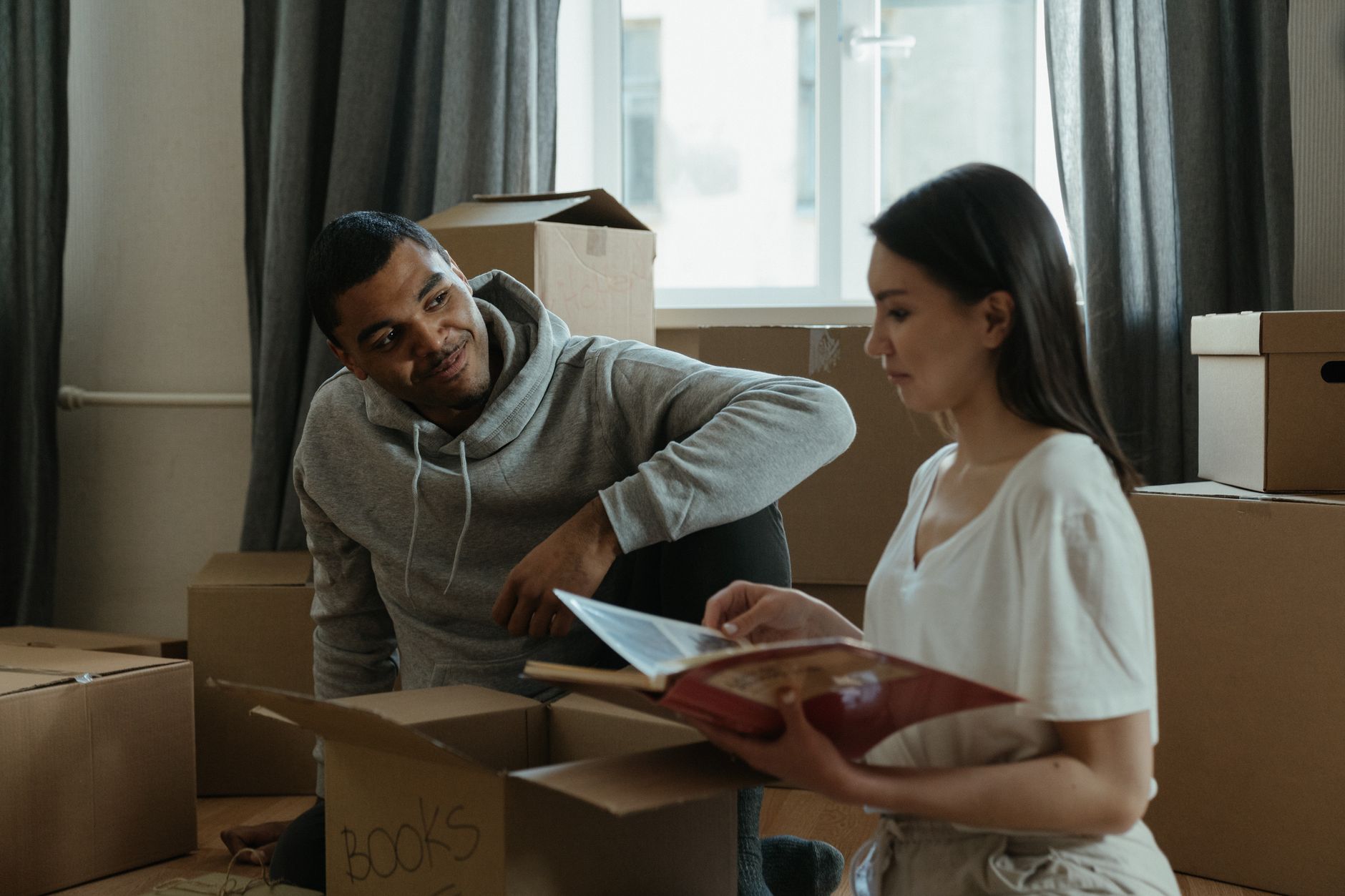
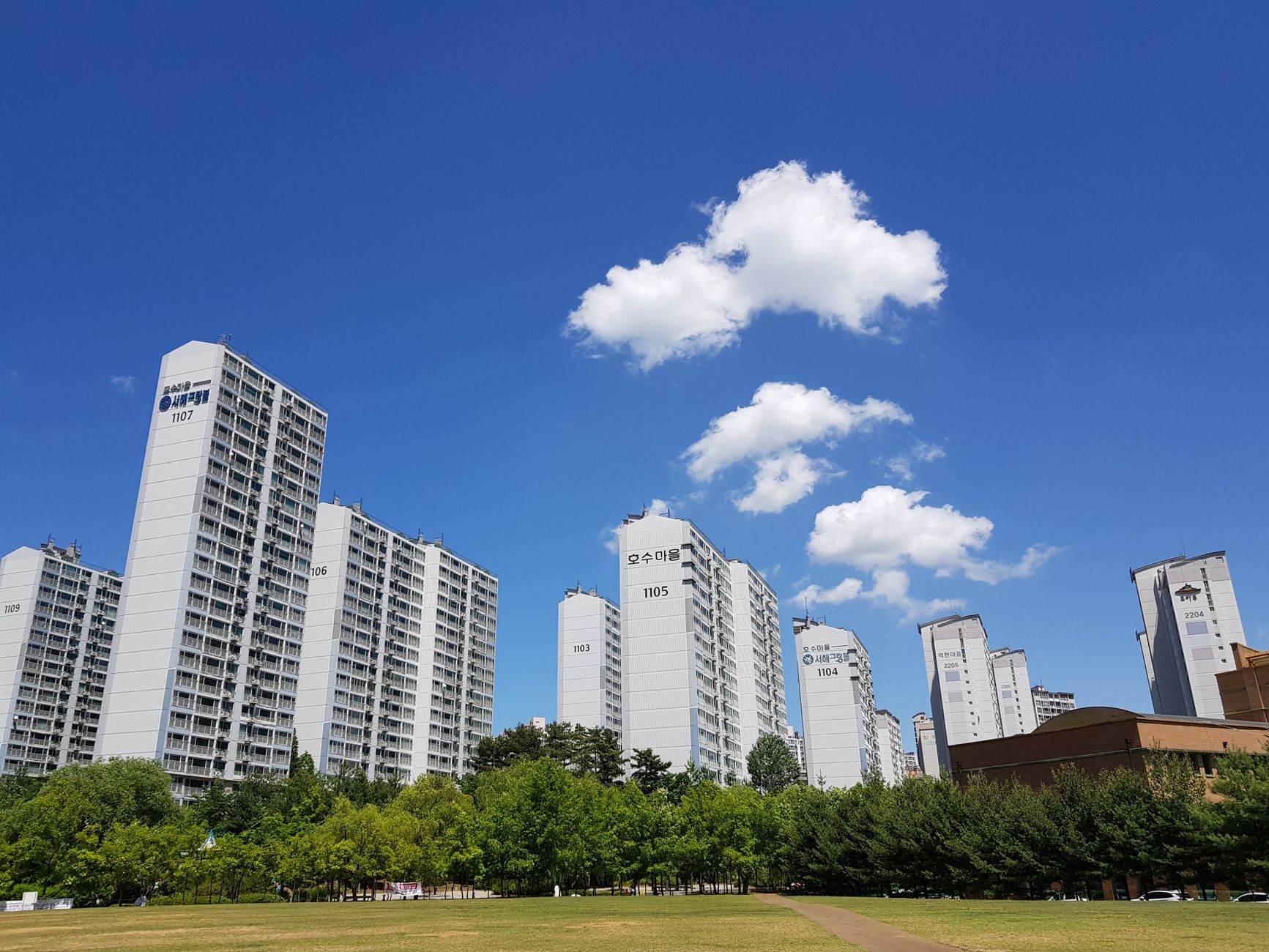
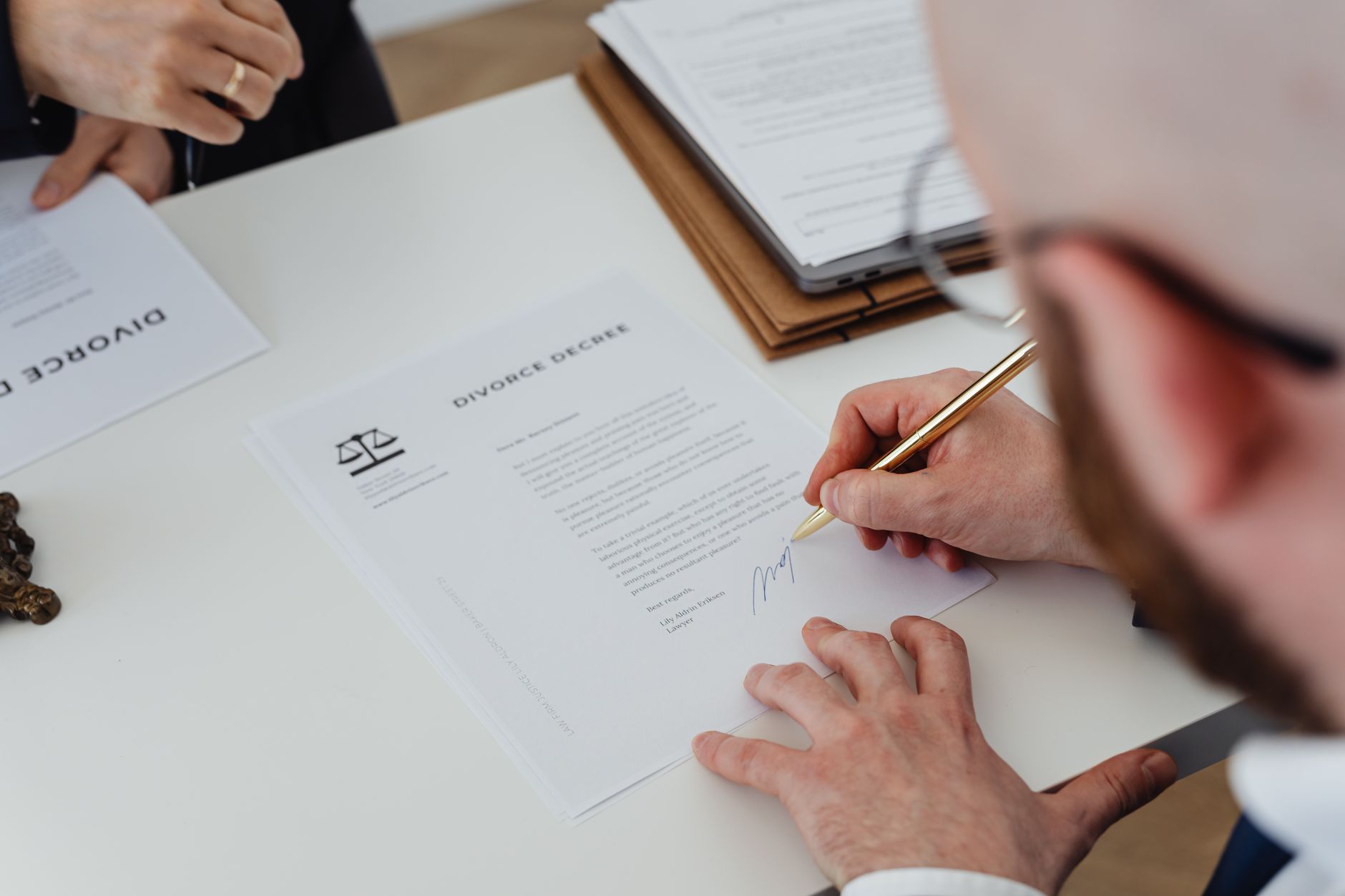
지난달 이사한 지인 이야기다. 오전에 짐을 다 옮기고 오후엔 피곤하다는 이유로 전입신고를 다음 날로 미뤘다. 그런데 하필 그날 저녁, 집주인이 은행에서 대출을 받으면서 그 집에 근저당권을 설정해 버렸다. 결과적으로 지인의 보증금은 그 근저당보다 순위가 밀렸다. 며칠 차이도 아니고 반나절 차이로 벌어진 일이다. 별거 아니라고 생각하기 쉽지만, 전입신고와 확정일자를 언제 어떤 순서로 처리하느냐가 보증금을 지키는 문제와 직결된다.
전입신고와 확정일자, 각각 무슨 역할을 하나
전입신고는 정부24(gov.kr)에서 온라인으로 처리하는 주민등록 이전 절차다. 이사한 날로부터 14일 이내에 해야 하고, 늦으면 과태료가 붙을 수 있다. 확정일자는 인터넷등기소(iros.go.kr)나 정부24, 혹은 주민센터에서 임대차계약서에 도장을 받는 개념인데, 계약서를 작성한 날짜를 국가가 공적으로 증명해주는 절차라고 보면 된다. 이름이 비슷해서 둘 중 하나만 하면 되는 줄 아는 사람도 의외로 많다. 그런데 두 절차는 법적으로 완전히 다른 권리를 만들어준다.
전입신고를 하면 대항력이라는 게 생긴다. 집주인이 바뀌거나 집이 경매에 넘어가도, 세입자가 새 소유자에게 “나 여기 살고 있고 계약 기간 남았다”고 주장할 수 있는 힘이다. 확정일자를 받으면 우선변제권이 생긴다. 이건 집이 경매나 공매로 넘어갔을 때, 다른 채권자보다 먼저 보증금을 배당받을 수 있는 순위다. 둘 다 있어야 완전한 방어가 된다. 하나만 있으면 반쪽짜리 보호막이다.
순서가 왜 이렇게까지 중요한가
여기서 사람들이 자주 놓치는 부분이 나온다. 대항력은 전입신고와 실제 거주(주택의 인도)를 마친 바로 다음 날 오전 0시부터 효력이 생긴다. 당일이 아니라 다음 날이다. 그런데 확정일자는 접수한 그날 바로 효력이 인정된다. 이 미묘한 시차 때문에, 이사 당일 저녁에 집주인이 은행 대출을 받아 근저당을 설정해버리면 세입자의 대항력보다 그 근저당이 먼저 순위를 차지하는 일이 실제로 벌어진다. 앞서 말한 지인의 사례가 정확히 이 경우다.
그래서 전문가들이 강조하는 원칙은 하나다. 이사한 날 곧바로, 가능하면 전입신고와 확정일자를 같은 날 동시에 처리하라는 것이다. 순서를 두고 “전입신고 먼저냐 확정일자 먼저냐”를 따지는 글이 많은데, 사실 실무적으로는 둘 다 최대한 빨리, 같은 날 끝내는 게 핵심이다. 다행히 정부24에서는 임대차계약서를 첨부하면 전입신고와 임대차신고를 한 번에 처리하면서 확정일자까지 자동으로 부여받을 수 있다. 따로따로 사이트 두 곳을 오갈 필요가 없다는 뜻이다.
정부24로 전입신고 + 확정일자 한 번에 신청하는 법
정부24 홈페이지에 접속해 검색창에 “전입신고”를 입력한다. 공동인증서나 간편인증(카카오, PASS 등)으로 본인 확인을 하고 신청서를 작성하면 된다. 새 주소, 세대주 여부, 함께 전입하는 세대원 정보를 입력하는 과정 자체는 어렵지 않다. 여기서 임대차계약서 파일을 첨부하면 화면에 임대차신고 메뉴가 함께 뜨는데, 이걸 같이 진행하면 확정일자까지 자동으로 붙는다. 계약서는 전체 페이지가 선명하게 나온 사진이나 스캔 파일(PDF, JPG)이어야 한다. 특약사항이 적힌 뒷장을 빼먹고 앞장만 올리는 실수가 은근히 자주 나온다.
신청이 끝나면 처리 상태를 온라인으로 확인할 수 있다. 보통 접수 당일이나 다음 근무일 안에 처리되는데, 주민센터 담당자가 서류를 검토하다 보완 요청을 하는 경우도 있어서 신청 직후 안심하고 넘어가기보다 하루 이틀 뒤 처리 결과를 한 번 더 확인하는 편이 낫다.
인터넷등기소에서 확정일자만 따로 받을 때
정부24 원스톱 처리가 안 되는 상황이거나 확정일자만 별도로 받고 싶다면 인터넷등기소를 이용하면 된다. 회원가입과 보안프로그램 설치가 먼저 필요한데, 처음 이용하는 사람은 이 단계에서 은근히 시간을 잡아먹는다. 로그인 후 상단 메뉴에서 확정일자 항목을 찾아 들어가면 기본정보 입력, 계약정보 입력, 신청인 정보 입력 순서로 화면이 진행된다. 계약서 파일을 업로드하고 소액의 수수료를 결제하면 접수가 완료된다. 접수일 기준으로 확정일자가 부여되고, 앞서 설명했듯 법적 효력은 그 다음 날부터 인정된다는 점을 기억해두면 좋다.
실수하기 쉬운 포인트 세 가지
첫째, 확정일자만 받고 전입신고를 미루는 경우다. 계약할 때 미리 확정일자를 받아두는 건 괜찮지만, 실제 이사와 전입신고가 늦어지면 대항력 자체가 없는 상태로 시간이 흐른다. 둘째, 계약서 특약사항을 빠뜨리고 스캔하는 경우다. 등기소나 정부24 시스템은 계약서 전체 내용을 기준으로 확정일자를 부여하기 때문에 일부 페이지가 빠지면 나중에 분쟁 소지가 생길 수 있다. 셋째, 이사 당일 저녁에 등기부등본을 다시 확인하지 않는 경우다. 계약 전에 등기부등본을 봤다고 안심하는 사람이 많은데, 막상 이사 당일까지 그 사이 근저당이 새로 설정됐는지는 따로 열람해봐야 알 수 있다.
전세사기 예방과 어떻게 연결되나
전세사기 사건들을 들여다보면 공통적으로 “대항력과 우선변제권 확보가 늦어진 틈”을 파고든 경우가 많다. 세입자가 전입신고와 확정일자를 미루는 사이에 집주인이 다른 대출을 끌어오거나, 이미 근저당이 많이 잡힌 집인 줄 모르고 계약하는 식이다. 전입신고와 확정일자를 최대한 빨리, 같은 날 처리하는 것 자체가 대단한 비밀 정보는 아니다. 그런데도 실제로 실천하는 사람은 생각보다 적다. 이사 당일 하루 정도는 피곤하더라도 온라인 신청 절차 자체는 십 분 내외로 끝나니, 짐 정리보다 먼저 처리해두는 편이 안전하다.
자주 묻는 질문
Q. 이사 당일 전입신고를 못 했는데, 다음 날 해도 괜찮은가요? 가능은 하지만 그 사이 공백이 생긴다는 점을 감안해야 한다. 대항력은 전입신고와 실제 거주를 마친 다음 날 0시부터 발생하기 때문에, 신고가 하루 늦어지면 보호받지 못하는 기간도 그만큼 늘어난다. 급한 사정이 없다면 이사 당일 저녁을 넘기지 않는 게 안전하다.
Q. 계약할 때 미리 확정일자를 받아뒀는데, 전입신고는 이사하고 나서 해도 되나요? 확정일자는 계약서만 있으면 이사 전에도 미리 받을 수 있다. 하지만 우선변제권은 대항요건(전입신고와 실제 거주)과 확정일자를 모두 갖춰야 인정되기 때문에, 전입신고가 늦어지면 그만큼 완전한 보호를 받는 시점도 늦어진다. 확정일자를 미리 받았다고 안심하지 말고 이사 후 전입신고를 서둘러야 한다.
Q. 정부24와 인터넷등기소 둘 다 이용해야 하나요? 임대차계약서를 정부24 전입신고 화면에서 함께 첨부하면 확정일자까지 원스톱으로 처리되므로 두 사이트를 따로 오갈 필요는 없다. 다만 정부24에서 원스톱 처리가 지원되지 않는 특수한 계약 형태이거나 확정일자만 별도로 다시 받아야 하는 상황이라면 인터넷등기소를 통해 개별적으로 신청하면 된다.
작년 가을에 전세자금대출 상담을 받으러 은행에 갔다가 당황했던 적이 있다. 신용카드도 꼬박꼬박 쓰고 연체 한 번 없이 살았는데, 창구 직원이 화면에 뜬 점수를 보여주며 “생각보다 낮으시네요”라고 말했다. 나이스 기준 780점대. 나쁜 점수는 아니지만 본인이 기대했던 900점대와는 거리가 멀었다. 그날 집에 와서 나이스지키미와 올크레딧을 번갈아 켜놓고 몇 시간을 뒤졌다. 그러면서 알게 된 게, 신용점수에 대해 다들 어렴풋이 안다고 생각하지만 실제로는 잘못 알고 있는 부분이 꽤 많다는 점이다.
카드를 여러 개 만들면 유리하다는 착각
카드사마다 실적 조건이 다르니 여러 장 만들어두는 게 신용점수에도 도움이 될 거라고 생각하기 쉽다. 그런데 KCB와 NICE평가정보 모두 카드 발급 개수 자체는 점수 산정 항목이 아니라고 밝히고 있다. 카드가 5장이든 10장이든 그 숫자 자체는 감점 요인이 아니라는 뜻이다.
문제는 카드 개수가 아니라 발급 과정에서 생기는 신용조회 이력이다. 한 달 안에 서너 곳 금융기관에 카드를 동시에 신청하면, 그 조회 기록이 단기간에 몰리면서 대출이 급하게 필요한 사람처럼 보일 수 있다. 카드 자체보다 짧은 기간에 여러 곳을 두드린 정황이 감점 요인이 되는 셈이다. 카드를 만들려면 시기를 좀 나눠서 신청하는 편이 안전하다.
할부는 어떨까. 무이자 할부니까 부담 없다고 생각해서 12개월, 18개월씩 끊는 경우가 많은데, 신용평가 모델은 할부 결제를 일시불보다 빚에 가깝게 취급하는 경향이 있다. 갚아야 할 금액이 몇 달에 걸쳐 남아있는 상태로 잡히기 때문이다. 당장 카드값이 줄어든 것처럼 느껴지지만 신용평가 시스템 입장에서는 채무가 길게 이어지는 걸로 읽힌다는 얘기다. 급하게 필요한 게 아니라면 짧은 할부, 가능하면 일시불이 점수 관리에는 낫다.
실제로 점수를 움직이는 것들
신용점수를 올린다고 하면 뭔가 특별한 금융상품을 가입해야 할 것 같지만, 의외로 가장 효과가 큰 건 통신비나 공공요금 납부 실적을 등록하는 일이다. 통신요금, 국민연금, 건강보험료를 6개월 이상 성실하게 낸 기록을 나이스지키미나 올크레딧 사이트에서 직접 제출하면 평균 5~13점 정도 오르는 사례가 많다고 알려져 있다. 이 정보는 자동으로 반영되지 않고 본인이 신청해야 반영된다는 점을 모르는 사람이 의외로 많다.
신용카드 이용률 관리도 생각보다 비중이 크다. 한도가 300만 원인 카드를 매달 250만 원씩 긁으면 이용률이 80%를 넘기게 되는데, 이 비율이 높을수록 자금 사정이 빠듯한 사람으로 평가된다. 한도 대비 사용 금액을 30~50% 이내로 유지하는 게 안전하다고 보면 된다. 한도를 늘려달라고 요청하는 것도 방법이지만, 이 역시 신용조회가 발생할 수 있으니 자주 반복할 일은 아니다.
연체는 두말할 것도 없이 가장 치명적이다. 다만 여기서도 오해가 있다. 5만 원, 10만 원 소액을 며칠 늦게 낸 것과 몇 백만 원을 90일 넘게 못 갚은 건 전혀 다른 무게로 다뤄진다. 단기 소액 연체는 갚는 즉시 기록에서 크게 부담되지 않는 경우가 많지만, 90일 이상 장기연체로 넘어가면 이력이 꽤 오래 남는다. 카드값 며칠 늦은 것 정도로 신용불량자가 되는 건 아니지만, 반복되면 이야기가 달라진다.
신용조회, 정말 감점 요인일까
본인이 자기 신용점수를 조회하면 점수가 깎인다는 얘기, 아직도 믿는 사람들이 있다. 이건 2011년 신용조회 제도가 개편되면서 이미 사라진 개념이다. 나이스지키미나 올크레딧에서 본인이 직접 몇 번을 조회하든 점수에는 전혀 영향이 없다. 감점되는 건 금융기관이 대출이나 카드 심사를 위해 조회하는 경우인데, 그마저도 예전만큼 크게 반영되지는 않는 추세다. 그런데도 여전히 “조회하면 점수 떨어진다”는 소문 때문에 자기 점수 한 번 안 찾아보는 사람이 적지 않다는 게 아이러니다.
신용카드를 안 쓰고 방치해두면 점수가 오히려 떨어질 수 있다는 점도 짚어둘 만하다. 오래 쓰지 않는 카드는 자동 해지되는 경우가 있는데, 이러면 신용거래 기간이 짧아진 것으로 잡혀 오히려 불리해질 수 있다. 카드를 꾸준히 소액이라도 사용하며 유지하는 게, 아예 안 쓰는 것보다 점수 관리에는 도움이 된다.
자주 묻는 질문
Q. 학자금대출을 다 갚았는데 왜 점수가 오히려 떨어진 것 같나요?
대출을 완납하면 오히려 단기적으로 점수가 잠깐 흔들리는 경우가 있다. 신용거래 종류가 줄어들거나, 오래된 대출 이력이 사라지면서 평가 항목 하나가 빠지기 때문이다. 보통 한두 달 지나면 회복되는 편이니 조급해할 필요는 없다.
Q. 카드값을 한 번도 밀린 적이 없는데 왜 700점대에 머물러 있을까요?
연체가 없어도 신용거래 기간이 짧거나, 카드 이용률이 높거나, 대출 상품 종류가 한쪽에 몰려 있으면 점수가 잘 안 오르는 경우가 있다. 사회초년생이라 신용거래 이력 자체가 짧으면 아무리 성실히 써도 상위 등급까지는 시간이 걸린다. 공공요금 납부 실적을 등록해보는 게 이럴 때 도움이 될 수 있다.
Q. 마이너스통장을 개설만 해두고 안 쓰면 점수에 영향 없나요?
한도가 설정된 순간부터는 실제로 안 써도 잠재적인 부채로 잡혀 총부채 규모 계산에 포함될 수 있다. 당장 쓸 일이 없다면 필요한 시점에 개설하는 편이 점수 관리 측면에서는 유리하다.
신용점수는 한 번에 확 오르는 게 아니라 몇 달에 걸쳐 조금씩 쌓이는 결과물에 가깝다. 이번 달에 공공요금 납부 실적 한 번 등록해보고, 카드 이용률 확인해보고, 불필요한 신용조회만 줄여도 몇 달 뒤 숫자는 분명히 달라져 있을 것이다.
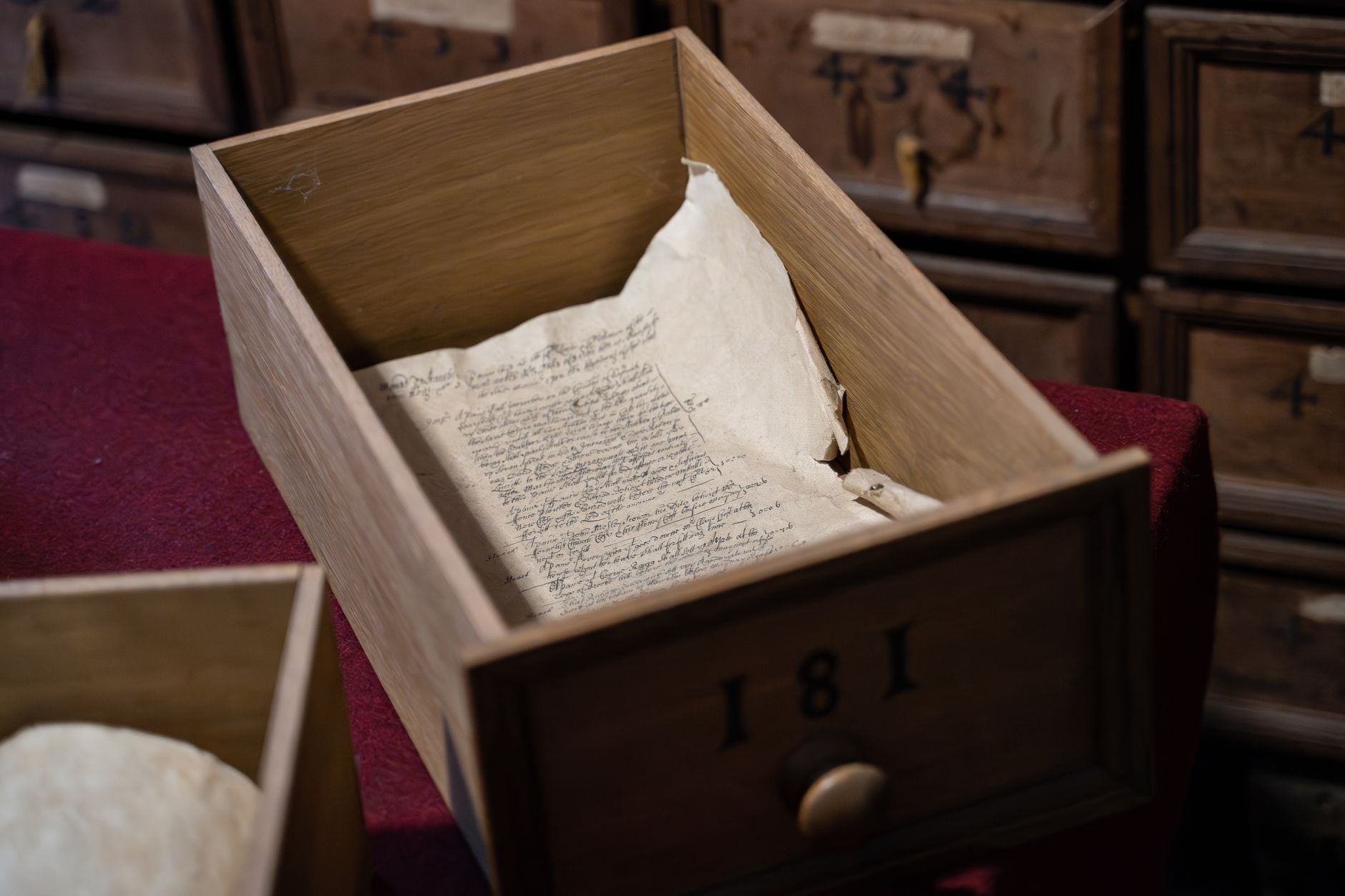
1912년 봄, 로마 근교의 한 저택. 폴란드 출신 고서적상 빌프리드 보이니치는 낡은 목재 서랍장 앞에 쭈그려 앉아 있었다. 재정난에 몰린 예수회 소유 도서관이 소장품을 은밀히 처분한다는 소식을 듣고 찾아온 참이었다. 상자를 하나씩 열어보던 그의 손이 어느 순간 멈췄다. 양피지 한 뭉치, 처음 보는 글자로 빼곡한 책 한 권이었다. 낙엽처럼 바스락거리는 종이 위에 낯선 식물과 벌거벗은 여인들이 그려져 있었다니, 그 자리에서 곧바로 값을 치렀다고 전해진다. 이렇게 손에 넣은 책이 지금까지 인류 역사상 가장 유명한 미해독 문서로 남아 있는 보이니치 필사본이다.
지금 이 책은 미국 코네티컷주 예일대학교 바이네케 희귀본 도서관에 ‘MS 408’이라는 번호로 보관되어 있다. 총 240쪽 분량, 가로 16cm 세로 23.5cm 정도의 작은 판형인데 실물을 본 사람들은 하나같이 이상하게 손에 착 붙는 느낌이라고 말한다. 종이가 아니라 동물 가죽으로 만든 벨럼(vellum) 재질이기 때문이다. 2009년 애리조나대학교 연구진이 이 벨럼 조각 몇 개를 방사성탄소연대측정에 돌렸는데, 결과는 1404년에서 1438년 사이였다. 다시 말해 이 책의 재료가 된 동물이 죽은 시점이 그 무렵이라는 뜻이다. 그러니 흔히 나돌던 로저 베이컨이나 레오나르도 다빈치 작성설은 사실상 설 자리를 잃었다. 두 사람이 태어나기도 전이거나 활동 시기와 맞지 않기 때문이다.
그냥 낙서 아니냐고 생각할 수도 있다. 그런데 페이지를 넘겨보면 생각이 달라진다. 처음 보는 글자가 25만 자 넘게 반복되며 나름의 규칙을 가지고 흘러가고 있어서다. 단어 길이 분포나 글자 간 등장 빈도가 자연 언어의 통계적 특징과 묘하게 닮았다는 분석이 여러 차례 나왔다. 암호 연구자들은 이 정체불명의 문자를 그냥 ‘보이니치어’라고 부른다. 알파벳도, 한자도, 아랍 문자도 아닌 20여 개의 낯선 기호가 반복되는데, 놀랍게도 실제 존재하는 어떤 언어 체계와도 완벽히 일치하지 않는다.
삽화도 만만치 않게 수상쩍다. 책의 앞부분은 식물 그림으로 채워져 있는데 뿌리와 잎, 꽃의 모양이 실존하는 어떤 식물과도 딱 맞아떨어지지 않는다. 중반부에는 별자리와 태양, 달의 위상을 그린 듯한 원형 도표가 이어지고, 후반부로 가면 벌거벗은 여성들이 초록빛 물이 담긴 욕조나 관 모양의 구조물 속에서 서로 연결된 관을 타고 흐르는 장면이 반복된다. 산부인과 치료나 목욕 문화를 담았다는 추정도 있지만, 이상하게도 어느 것 하나 명쾌하게 들어맞지는 않는다.
해독 시도가 없었던 건 아니다. 1921년 펜실베이니아대학교의 의학사학자 윌리엄 뉴볼드는 자신이 암호를 풀었다며 로저 베이컨이 남긴 과학적 통찰이 담겨 있다고 주장했다. 학계는 열광했지만 오래가지 못했다. 그가 제시한 해독 방법 자체가 임의적이어서 같은 방식이면 사실상 아무 문장이나 만들어낼 수 있다는 반박이 이어졌기 때문이다. 제2차 세계대전 이후에는 미국 국가안보국(NSA) 소속 암호해독가 프레스콧 커리어가 참여해 필체를 두 가지로 구분하는 성과를 냈지만, 정작 내용 자체는 끝내 풀리지 않았다.
그럼 요즘은 다를까 싶어 찾아보면, 최근 몇 년 사이 인공지능을 동원한 시도가 부쩍 늘었다. 2019년 한 연구자는 라틴어와 여러 유럽어를 뒤섞은 축약 표기라는 주장을 내놓았고, 2025년에는 이탈리아 방언을 속기 방식으로 옮긴 여성 대상 의학서라는 가설이 다시 주목받았다. 2026년에 들어서는 자체 학습시킨 거대언어모델로 상당 부분을 해독했다는 연구팀까지 등장했다. 그런데도 언어학자들 사이의 반응은 싸늘한 편이다. 패턴을 그럴듯하게 짜맞춘 것일 뿐 실제 의미를 옮긴 게 아니라는 지적이 나온다. 데이터와 학습 과정이 공개되지 않아 다른 연구자가 검증할 방법도 마땅치 않다고 한다.
그렇다면 이 책의 정체는 무엇일까. 크게 세 갈래 가설이 오간다. 첫째는 실제 언어를 치환한 암호문이라는 설이다. 15세기 유럽 궁정과 수도원에서는 자산이나 처방을 숨기려는 목적의 암호 사용이 드물지 않았으니 개연성은 있다. 둘째는 특정한 규칙에 따라 새로 만든 인공 언어, 조어(造語)였다는 설이다. 뜻 없는 소리라도 일정한 문법 규칙만 지키면 통계적으로 자연 언어와 비슷한 패턴이 나올 수 있다는 실험 결과도 있다. 셋째는 애초에 아무 의미가 없는 정교한 사기극이라는 설이다. 영국 킬대학교의 심리학자 고든 러그는 15~16세기에도 사용 가능했던 기계적 표를 이용하면 지금 우리가 보는 것과 흡사한 무의미 문자열을 만들어낼 수 있음을 실험으로 보여준 바 있다. 물론 이는 어디까지나 가능성을 보여준 것이지 필사본이 사기극이라는 확증은 아니다.
희한한 점은 이 책이 그냥 방치된 낙서가 아니라는 데 있다. 벨럼 값이나 안료 값을 생각하면 제작에는 상당한 비용이 들었을 것이다. 게다가 신성로마제국 황제 루돌프 2세가 이 책을 소장했었다는 기록도 남아 있어서, 적어도 당대에는 값어치 있는 물건으로 취급되었다는 정황이 뚜렷하다. 누군가 오랜 시간과 비용을 들여 만든 물건이라는 사실과, 그 목적이 여전히 오리무중이라는 사실 사이의 간극이 이 필사본을 600년 넘게 사람들 입에 오르내리게 만든 셈이다.
자주 묻는 질문
보이니치 필사본은 지금 어디에서 볼 수 있나요?
원본은 예일대학교 바이네케 희귀본 도서관에 소장되어 있으며 일반 열람은 제한적이다. 다만 도서관 측이 전체 페이지를 고해상도로 스캔해 온라인에 공개해두어서, 인터넷으로는 누구나 실제 필체와 삽화를 자유롭게 살펴볼 수 있다.
정말 아무도 해독하지 못했나요?
현재까지 학계가 공식적으로 인정한 완전한 해독은 없다. 부분적인 규칙성이나 통계적 특징을 밝혀낸 연구는 여럿 있었지만, 문장 단위로 의미가 통하는 번역을 내놓고 다른 학자들의 검증까지 통과한 사례는 아직 나오지 않았다.
AI로 해독됐다는 뉴스는 믿어도 되나요?
단정하기는 이르다. 대형언어모델은 그럴듯한 문장을 만들어내는 데 능하지만, 그 문장이 실제 원문의 의미와 일치하는지는 별개 문제다. 학습 데이터와 검증 절차가 투명하게 공개되고 독립된 연구자들의 재현이 뒤따르기 전까지는 하나의 가설로 받아들이는 편이 안전하다.
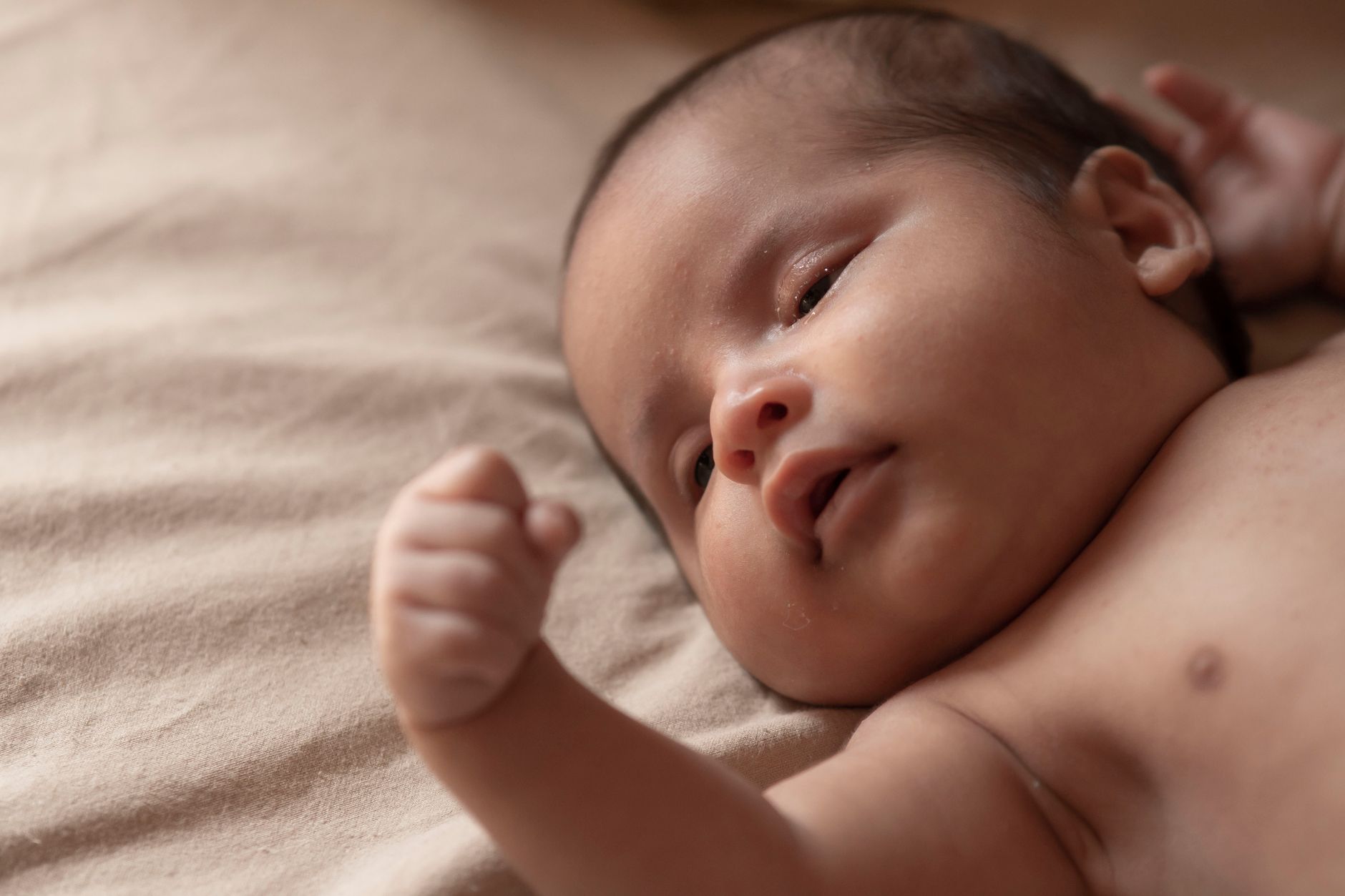
Somewhere around week eleven of my daughter’s life, a small white box showed up on my desk at the office — not from me, from a coworker who’d had a baby two months earlier. Inside was rice cake, plain and white and slightly sweet, wrapped in cellophane with a ribbon. “Baek-il,” she said, like that explained everything, and honestly, once she walked me through it, it kind of did. That box was the moment baek-il (백일) stopped being a word I nodded along to and became something I actually understood — Korea’s 100th-day celebration for a newborn, and a much older, much heavier tradition than the cute cake photos on Instagram let on.
If you’ve spent any time around Korean parenting culture, you’ve probably heard of doljanchi (돌잔치), the elaborate first-birthday party with the hanbok and the doljabi table where the baby grabs an object to predict their future — I’ve written about what my daughter grabbed at her own doljanchi and what it meant to me. Baek-il is different, and it’s worth keeping the two straight, because they’re not just the same party held twice. One marks a full year of survival with fanfare. The other marks a much shorter, much more fragile stretch — and it comes from a darker place than the pastel decorations suggest.
Why the 100th day, specifically
Here’s the part that surprised me most: baek-il isn’t really about the number 100 being lucky or round. It’s about survival. For most of Korean history, infant mortality was brutally high — babies who made it through pregnancy and birth still faced a real chance of not making it through the first few months, from infection, malnutrition, or simple lack of medicine. A hundred days was, in practical terms, roughly the point where a baby’s odds improved enough that families felt safe exhaling. Turns out that’s not a uniquely Korean idea, either — you see faint echoes of it across East Asia — but Korea built an entire ritual calendar around that specific number, and it stuck for centuries even after modern medicine made the original danger largely disappear.
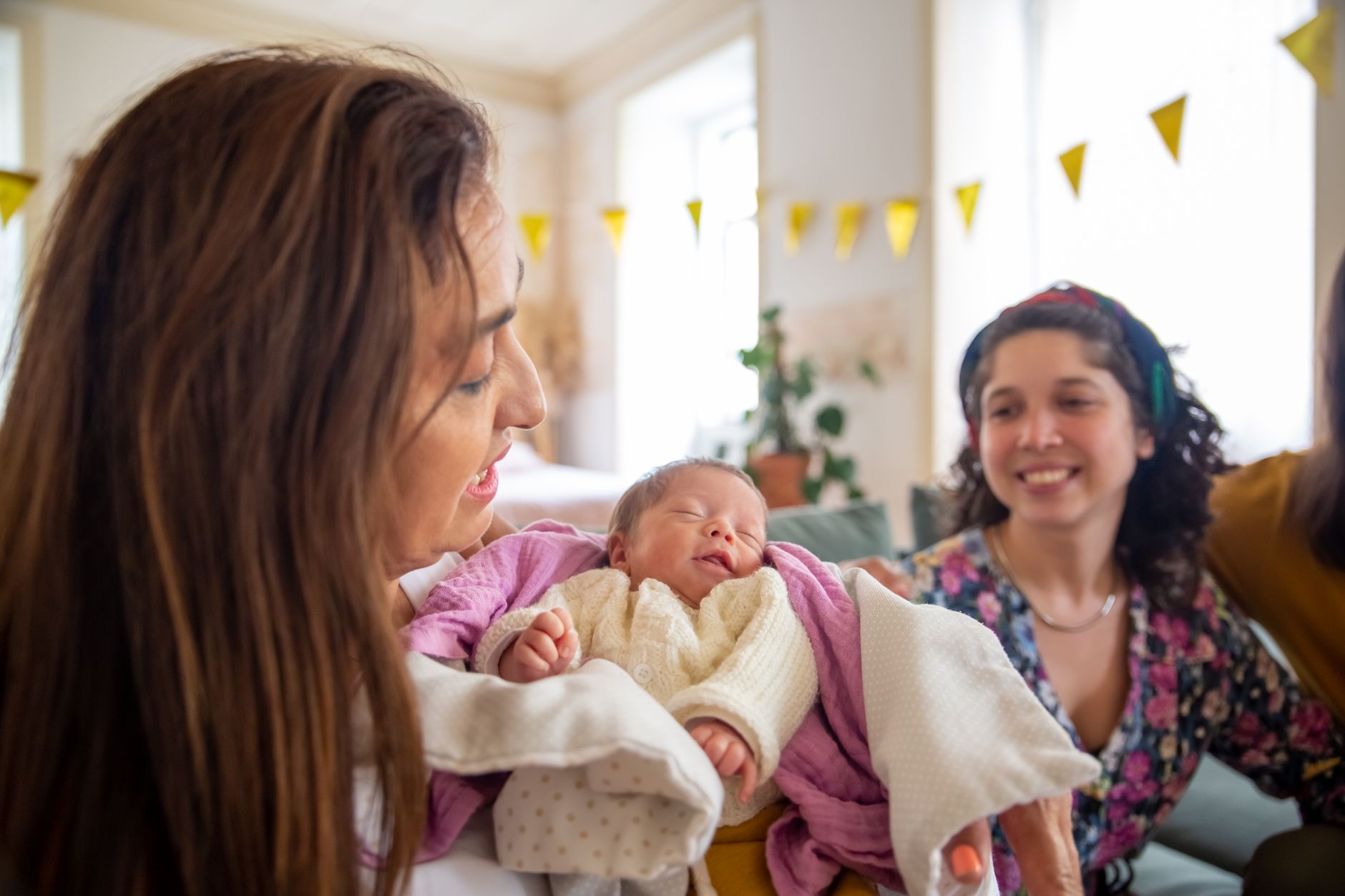
There’s a practical layer underneath the symbolic one, too. Traditionally, newborns and their mothers stayed home for the full hundred days, away from visitors and the outside world — a custom tied to postpartum recovery for the mother as much as protection for the baby. So baek-il wasn’t only “the baby survived,” it was also “we can finally show the baby to people.” The party doubled as the introduction. You’d think a culture this modern and this online would’ve quietly dropped a ritual rooted in centuries-old fears about infant death, but even now, baek-il photo packages are a whole industry in Korea, and most families still mark the day somehow, even if it’s just cake and a phone call to grandparents.
The food isn’t just decoration — it’s the whole message
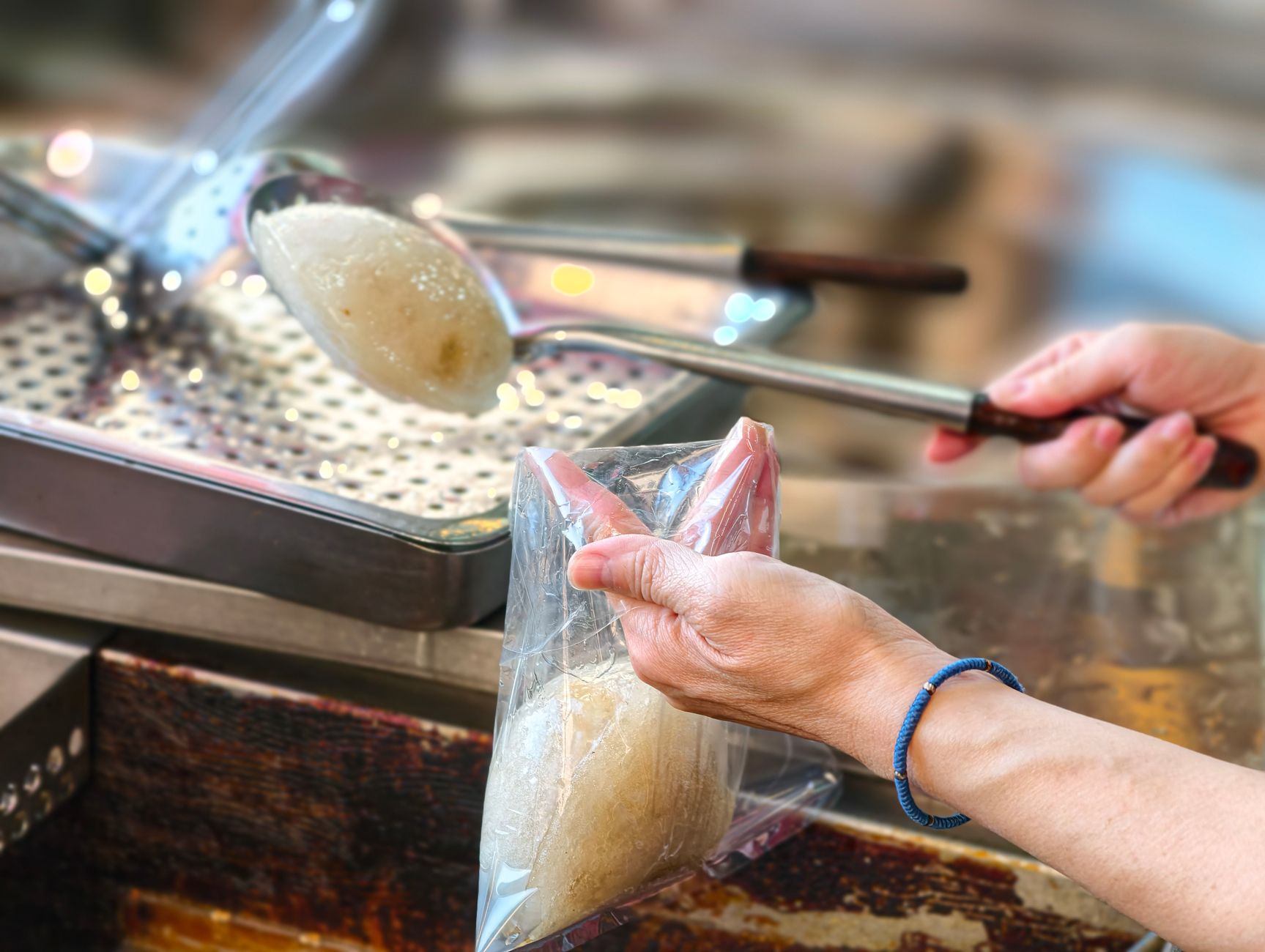
If there’s one dish that defines baek-il, it’s baekseolgi (백설기), a plain white steamed rice cake with almost no sweetness and no toppings — deliberately so. The word baek (백) is doing double duty here: it means both “hundred” and “white,” which is exactly the kind of wordplay Korean food culture loves to lean on. White stands for purity and a clean, unmarked start, so the cake becomes a wish, laid out in edible form, that the child grows up honest and untouched by trouble. It looks almost plain next to a doljanchi spread, and that’s sort of the point — baek-il food is meant to be humble, not showy.
Sitting next to the white cake, you’ll almost always find patteok (팥떡), red bean rice cake, and this one’s got a very different job. Red beans, in Korean folk belief, ward off bad luck and evil spirits — the same color shows up at housewarmings and other transitional moments for exactly that reason. So the pairing on a baek-il table is basically two prayers side by side: white for purity, red for protection. Neither one is subtle once you know what you’re looking at, but I’ll admit, for months I just thought it was two kinds of rice cake because they tasted good together.
The other tradition tied to the food is the one that still gets me a little, honestly. Families used to try to share baekseolgi with 100 different people — neighbors, coworkers, distant relatives, anyone reachable — on the belief that spreading the cake around would spread long life and good fortune back to the baby. A hundred people, for a baby who’d just made it a hundred days. You don’t have to be sentimental to feel the symmetry there. Nobody’s literally counting to 100 anymore, but the habit of sending little boxes of rice cake out to coworkers and friends around baek-il is still very much alive — that’s exactly how the box landed on my desk in the first place.
What baek-il actually looks like today
You’d think, given how much doljanchi has ballooned into a full event-planning industry in Korea — hired photographers, rented halls, coordinated hanbok — that baek-il would have followed the same trajectory. Surprisingly, it mostly hasn’t. Most families I’ve talked to describe baek-il as noticeably quieter: a home gathering with grandparents and close relatives, a rice cake spread, maybe a studio photo session, and that’s largely it. Part of that is practical — a hundred-day-old baby isn’t exactly ready to be paraded around a banquet hall for three hours — but part of it is also that Korean tradition has always treated the 100-day mark as more private and protective than celebratory in the loud sense.
That said, the photo studio piece has become a genuine institution on its own. Baby photo studios across Korea run dedicated “baek-il photoshoot” packages, often with props, soft blankets, and staged setups that show up all over Korean parenting blogs and social feeds. It’s become almost its own mini-industry sitting next to, but separate from, the actual family gathering. Some parents skip the home ceremony altogether these days and treat the studio photos as the main event — which would’ve been unthinkable a generation or two ago, when the point was survival, not aesthetics, but that’s modern Korea for you: the ritual bends, the sentiment mostly holds.
Gifts: what people actually bring
Cash is still the default gift at a baek-il gathering, much like at Korean weddings, though the amount runs smaller and more casual — usually somewhere in the tens of thousands of won from friends, more from close family, tucked into an envelope rather than handed over loose. Gold rings used to be a standard baek-il gift, based on the old logic that gold holds value and can be sold later if the family needs cash — a very practical kind of sentimentality. Rising gold prices have made that custom less common than it used to be, though grandparents especially still lean toward it. Beyond that, you’ll see the expected baby gear — clothes, blankets, sometimes a small keepsake tied to the child’s name — but nothing close to the elaborate hanbok and gold rings that flood a doljanchi table a year later.
If you’re a foreigner invited to a baek-il and unsure what to bring, cash in a plain envelope is the safest move, and nobody will think less of you for keeping it simple — this isn’t the milestone where lavish gestures are expected. Strange as it sounds coming from someone who once way overthought a wedding envelope, baek-il gifting is genuinely one of the lower-stakes moments in the whole calendar of Korean life events.
Baek-il and doljanchi: not the same party twice
It’s easy to lump these two together if you’re new to Korea — both involve a baby, rice cake, and relatives showing up with envelopes. But the emotional register is different, and once you notice it, you can’t unsee it. Baek-il is relief. It’s the quiet exhale of “we made it through the dangerous part,” rooted in an era when that was never guaranteed. Doljanchi, by contrast, is closer to a full celebration of identity and future — the doljabi table, the fortune-telling, the bigger crowd, the sense that the child has now cleared enough ground to be introduced to the world as a person with a path ahead. One is about survival. The other is about possibility. Both matter, but they’re not interchangeable, and conflating them is a pretty easy way to miss what makes baek-il quietly moving in its own right.
Frequently asked questions
Is baek-il still widely celebrated in Korea today, or is it fading out?
It’s still common, though the scale has shrunk compared to a generation ago. Most families do something — a home gathering, a photo session, rice cake shared with coworkers — even if it’s nowhere near the size of a doljanchi. In cities especially, it’s common now to hear of parents doing a small studio photoshoot and a quiet family dinner instead of inviting a wide circle of guests, which would’ve been more typical decades back when survival itself was the thing being marked.
What should I say or bring if a Korean coworker invites me to their baby’s baek-il?
Cash in a plain envelope is the standard, low-stress choice — there’s no need to agonize over it the way you might for a wedding. If you’d rather bring something physical, baby clothes or a small gift for the child work fine too. Congratulating the parents with something like “baek-il chukhahamnida” (백일 축하합니다, congratulations on the 100th day) covers you well even if your Korean is otherwise limited.
Why does the rice cake matter so much if it’s basically plain and unsweetened?
That plainness is the entire point rather than an oversight. Baekseolgi is deliberately unadorned because it’s meant to represent purity and an unmarked start in life, not to be the most exciting item on the table. It’s less a dessert and more a small, edible wish — which, once you know that, makes it taste a little different even if the recipe never changes.
Last week a friend paid me back 4,300 won for a coffee. Not with coins, not with a crumpled bill pressed into my palm at the subway gate — she just held her phone over mine for a second, typed in my name, and it was done before I’d even finished saying “no rush.” That’s the moment that still gets me, three-plus years into living here. Back home, splitting a bill meant someone always ended up short, or you did the awkward Venmo request that sat unanswered for a week. In Korea, the money just arrives. Instantly. For four thousand won. This is Yijidaddy, and I want to talk about the cashless culture here — specifically KakaoPay, Toss, and the QR-code world that quietly runs underneath almost every transaction I make now.
You might assume a country famous for its late-night pojangmacha stalls and cash-only markets would still lean heavily on physical won. I certainly did, before I moved here. Turns out it’s almost the opposite. South Korea processes the majority of its card and mobile spending through non-physical methods now, and the market for mobile payments alone is valued in the tens of billions of dollars. I don’t say that to throw a stat at you — I say it because it matches exactly what I see every single day: I genuinely cannot remember the last time I paid for something under 20,000 won with paper cash. Even the tiny tteokbokki cart near my apartment, run by an ajumma who looks like she’s been doing this since before smartphones existed, has a laminated QR code taped to the side of her cart.
The apps that run the show
Two names dominate the conversation whenever payments come up: KakaoPay and Toss. KakaoPay lives inside KakaoTalk, which is basically the operating system of Korean social life — everyone I know, from my mother-in-law to my coworkers, has it open all day anyway, so folding payments into that same app was a genuinely smart move on Kakao’s part. You send money to a KakaoTalk friend the same way you’d send a message. Toss, on the other hand, started life more like a standalone finance app and has since ballooned into something closer to a full banking hub — transfers, savings, investing, even loan applications, all under one roof. Naver Pay exists too and gets real use, especially for online shopping, but in day-to-day in-person spending, it’s Kakao and Toss that I bump into constantly.
Here’s the part that surprised me most: Toss has basically become a verb. I’ve heard Korean coworkers say “그냥 토스해” — “just Toss me” — the exact way I’d hear an American say “just Venmo me.” Nobody says “transfer the money” anymore, not casually. A brand becoming a verb is a pretty specific marker of market saturation, and living here you feel that saturation constantly, in ways a market-share percentage on a slide never quite communicates.
QR codes are everywhere, and I mean everywhere
Sounds excessive, but I’ve paid for a 2,000-won bag of roasted chestnuts from a street cart using a QR code scan. I’ve paid my portion of a dinner bill by scanning a code taped to the table at a Korean barbecue place, my share pulled directly from my linked account before the side dishes were even cleared. Convenience stores, cafes, the guy who sells fish cakes near the station — the pattern repeats. You open the app, either you scan their code or they scan yours, and the transaction clears in a couple of seconds. No card swipe, no chip insert, no “please remove your card” beeping impatiently at you.
What threw me off at first was how casual the whole thing feels for something involving actual money changing hands. Back where I’m from, paying always had a small ceremony to it — hand over the card, wait, sign or tap, get the receipt. Here it’s closer to sending a text message. Oddly enough, that casualness is exactly what made me trust it eventually. When something works the same way every single time, a thousand times in a row, you stop bracing for it to fail.
Splitting bills without the awkward math
Group dinners in Korea used to make me anxious before I understood how this worked. Someone pays the full bill upfront — often just grabs the card and goes, no discussion — and then everyone else quietly Tosses or KakaoPays their share afterward, sometimes literally while still sitting at the table. There’s no calculator app, no arguing over who had the extra bottle of soju, no IOUs that quietly evaporate. You might expect that informality to lead to people forgetting or dodging payment, but in practice the social pressure of a visible, instant transfer keeps everyone honest. I’ve noticed the money usually shows up within minutes, sometimes before I’ve even sat back down from the bathroom.
This is different from how I handled group money before I lived here, where “I’ll pay you back” often meant “I will think about paying you back.” The friction is gone, and without that friction, the excuse disappears too.
Getting set up as a foreigner: the learning curve nobody warns you about
Here’s where things get less magical. Setting up KakaoPay or Toss as a foreigner isn’t quite the same one-tap experience Korean friends describe. You’ll generally need an Alien Registration Card, a Korean phone number on a local carrier, and — this is the part that trips people up — a Korean bank account already linked to your name. I’ve written separately about the actual bank account process itself (that deserves its own post, and if you’re at that stage, I go through what that was like for me here), so I won’t rehash the account-opening mechanics. What I’ll say specifically about the payment apps is this: once the bank account exists, linking it to Toss felt noticeably smoother than linking it to KakaoPay did for me. Toss has invested in an English interface that actually holds up through the identity verification steps, whereas KakaoPay’s foreigner-facing flow felt like it was translated as an afterthought — functional, but you’ll be squinting at a menu or two.
You might wonder whether it’s even worth the hassle if you’re just visiting rather than living here long-term. Turns out, no — tourists genuinely don’t need to go through any of this. If you’re just passing through, some KakaoPay QR terminals now accept scans from international wallet apps that support the Alipay+ network, so a short trip doesn’t require opening a Korean bank account at all. But for anyone actually settling in for work, study, or a visa longer than a few months, going through the ARC-plus-bank-account-plus-app pipeline eventually becomes worth it. Once it’s done, it’s done — you’re not redoing this every month.
Where T-money still fits into all this
If you’ve been reading long enough, you know I’ve already gone deep on how the T-money card actually works, so I won’t repeat that ground here. What’s worth noting briefly is how differently T-money and these payment apps sit in my daily habits. T-money is my subway-and-bus reflex — a physical tap that I don’t even think about anymore, partly because some transit gates still aren’t fully synced with app-based payment the way convenience store registers are. Meanwhile KakaoPay and Toss are what I reach for basically everywhere else: shops, restaurants, paying friends back, online orders. They overlap a little — you can link T-money inside some of these apps now — but in practice I still carry the physical card out of habit, even though my phone could probably replace it entirely at this point.
The part that still catches me off guard
Even now, there’s a small moment of surprise every time a transaction clears in under two seconds. I’ve noticed I still instinctively reach for my wallet before catching myself and pulling out my phone instead — old habits from a cash-and-card upbringing don’t disappear overnight. What’s changed is the anxiety around it. Early on, I worried constantly about whether a payment actually went through, whether I’d fat-fingered an amount, whether the QR code was even legitimate. These days I trust the system the way I trust a subway door to open when the train stops — not because I understand every mechanism behind it, but because it has simply never once let me down in three years of daily use.
That trust, more than any statistic about market size, is probably the real story of cashless Korea. It’s not that the technology is flashy — a QR code is about as unglamorous as tech gets. It’s that it works quietly, constantly, in the background of ordinary life, until one day you realize you haven’t touched a coin in months and didn’t even notice.
FAQ
Can foreigners use Toss or KakaoPay without a Korean ID? Not for the full local account experience — both apps require an Alien Registration Card, a Korean phone number, and typically a linked Korean bank account before you can send or receive money, or scan to pay at most local stores. Short-term visitors without an ARC generally can’t sign up for the full version of either app, though this doesn’t mean you’re locked out of every payment option while visiting, since some tourist-facing QR terminals accept scans from compatible international wallet apps instead.
Do I need both KakaoPay and Toss, or is one enough? You can get by with just one, but I’ve noticed most long-term expats end up with both eventually, simply because different friends and merchants default to different apps. KakaoPay tends to win for in-person QR payments at small shops and stalls, while Toss gets used more for quick person-to-person transfers and banking-style features. If you had to pick just one to start with, I’d lean toward whichever one your closest Korean friends or coworkers already use, since half the value is being able to send and receive money with the people around you.
What happens if my phone dies or I have no signal — is cash still accepted everywhere? Yes, cash is still legal tender everywhere and small businesses in particular will always take it. I’ve never been refused a cash payment in Korea. That said, I’ve noticed I carry less and less physical cash simply because I rarely need it, so a dead phone battery on a day I was relying entirely on app payments has genuinely left me stuck once or twice — a small reminder to keep at least a little cash tucked away as a backup, even in a place this thoroughly cashless.
Every year, a few days before Seollal, Korean banks quietly get a strange little rush of customers who aren’t withdrawing cash so much as trading it in — handing over ordinary, wrinkled bills and asking for brand-new ones straight from the vault. Crisp. Unfolded. Practically warm from the printer. It sounds fussy until you learn what they’re for: sebaetdon (세뱃돈), the money that gets tucked into an envelope and handed to a child the moment they’ve finished bowing to you on your own living room floor. I’m Yijidaddy, and working out the rules around that single bow — who does it, what you’re supposed to say, how much money counts as generous versus stingy — has taken me longer to get comfortable with than almost anything else about Korean holiday life.
Seollal (설날), the Lunar New Year, falls on Tuesday, February 17, 2026, with the official holiday running from Monday the 16th through Wednesday the 18th. I’ve already written about Chuseok, Korea’s autumn harvest holiday, and it’s tempting to lump the two together — they’re both huge, both send the entire country’s traffic into gridlock, both mean days off work. But Seollal has its own center of gravity, and it isn’t the food table. It’s the bow. So this one’s going to stay focused on sebae itself: the bowing, the money, the phrase, and the small print nobody explains to you on your first try.
What sebae actually is
Sebae (세배) is a formal, floor-level bow performed by younger family members to their elders on the morning of Seollal. Not a nod, not a handshake substitute — an actual full bow, done kneeling, usually to grandparents first, then parents, then aunts and uncles in descending order of age. Married couples often bow together, side by side, which is its own small adjustment if you’re the one married in. You might assume this is a relic that’s faded out with each generation, the way a lot of formal etiquette does. Surprisingly, it hasn’t — even families who’ve dropped most other traditional practices tend to keep this one, maybe because it only takes a few minutes and everyone secretly likes the ceremony of it.
How the bow is actually done
The mechanics take some getting used to. You kneel, place your hands together in front of you — this clasped-hands position is called gongsu (공수) — bow forward until your hands and forehead are near the floor, pause for a beat, then rise. It’s more deliberate than it sounds, and the first few times, you will absolutely watch everyone else out of the corner of your eye to time it right. One detail that trips people up: the “correct” hand-over-hand order in gongsu differs by gender, and honestly, I’ve had two different in-laws correct me in two different directions, which tells you something about how strictly this is actually enforced in practice. Nobody’s grading you on form. They’re watching to see if you showed up and tried.
The phrase: saehae bok mani badeuseyo
Right as you’re rising from the bow, or sometimes right before it, you say “saehae bok mani badeuseyo” (새해 복 많이 받으세요) — literally something like “receive a lot of new year’s fortune,” though everyone just translates it loosely as “happy new year.” It’s the one phrase you genuinely need memorized going into Seollal, more than any food name or holiday greeting. Kids usually get taught a slightly more casual version among themselves, but toward elders it stays formal, badeuseyo and all. I’ll admit the rhythm of it didn’t stick for me right away — Korean formal endings rarely do — but saying it wrong is far less awkward than not saying it at all. Elders seem to appreciate the attempt more than the pronunciation.
Sebaetdon: the money part
This is the part that catches most foreigners off guard, and it’s also the part I get asked about most. Sebaetdon is cash given by an elder to a younger relative immediately after the bow — a direct, one-to-one reward for the gesture of respect, not a general gift-giving tradition like Christmas. The mechanics matter more than you’d think. The money goes into an envelope, ideally with those crisp new bills I mentioned earlier — using worn or creased cash is considered a little careless, even if nobody will say so out loud. You hand it over with two hands, not one. The child receives it with two hands as well, bows again to say thank you, and — this is the rule that surprises people most — does not open the envelope to check the amount in front of you. Doing that on the spot reads as rude, almost transactional, even though everyone involved obviously knows money is exactly what’s inside.
How much sebaetdon is normal in 2026
Amounts scale with both age and relationship, and there’s a real range. For young children receiving from relatives outside the immediate family, 10,000 to 50,000 won (roughly $7 to $35) is typical. Grandparents and parents tend to give more to their own grandchildren and children, often 50,000 to 100,000 won or beyond once kids reach their teens. One widely cited Korean survey found that close to half of respondents considered 50,000 won a reasonable “standard” amount — which, if you’re new to this, is a genuinely useful anchor point when you’re standing there with an envelope and no idea what’s appropriate. Turns out even Koreans debate this every single year, so if you’re unsure, you’re in good company. And a modern wrinkle worth knowing: with adult children now often living far from their parents, digital sebaetdon sent by bank transfer or KakaoPay has become common enough that it’s barely remarked on anymore, even though it skips the whole envelope ceremony entirely.
What to wear
You do not need to own a hanbok to attend a Seollal gathering, and most Koreans don’t wear one on the actual day either — hanbok tends to be reserved for kids, for photos, or for families who specifically want the aesthetic. What matters more is looking tidy: no ripped jeans, no gym wear, nothing that reads as “I rolled out of bed for this.” Neat, modest, slightly dressed-up casual is the safe zone. That said, if your in-laws do put you in a hanbok — and mine did, more than once — just go with it. It photographs well, and refusing tends to disappoint people more than the outfit itself would ever embarrass you.
Jesa and charye: the ancestral rite some families do first
In families that observe it, an ancestral memorial rite — sometimes called charye (차례) when it’s tied to a holiday, sometimes referred to more broadly as jesa (제사) — happens on Seollal morning before the living-family bowing starts. Food is arranged on a low table in a specific order, and the eldest members lead bows toward photos or memorial tablets of ancestors, thanking them and welcoming the new year on their behalf. You might expect this to be universal, but it genuinely isn’t — Christian families often skip it entirely, some households have quietly stopped doing it as generations pass, and it’s usually hosted at the home of the eldest son regardless of where everyone else lives. If your host family does it, the safest move is the same one that works for sebae itself: watch, follow, and don’t touch anything on the table unless someone tells you to. Afterward, most families sit down to tteokguk, the rice cake soup eaten specifically on this day — tradition says eating a bowl is what actually makes you a year older, which is a strange kind of birthday to wrap your head around at first.
Why the whole country seems to disappear
One thing you can’t miss around Seollal, even from the outside, is the traffic. It’s consistently one of the two heaviest travel periods on the Korean calendar, alongside Chuseok, as nearly everyone heads back to a hometown or a grandparent’s house for the morning bow. I won’t dwell on that side of it here since I’ve covered the mechanics of holiday travel gridlock in the Chuseok piece — the short version for Seollal is the same instinct, just in the dead of winter instead of early autumn, which somehow makes the whole thing feel even more determined.
Frequently asked questions
How much sebaetdon should I give as a foreign in-law?
Match whatever your in-laws are giving to children of similar age, or ask directly — nobody will think less of you for checking, and most families would rather tell you than watch you guess wrong. As a rough baseline, 10,000 to 30,000 won for younger kids and 50,000 won for teenagers or young adult relatives is a safe, unremarkable range for 2026.
Do I have to bow if I’m not Korean or just recently married in?
Yes, generally — once you’re part of the family through marriage, you’re expected to take part in sebae the same as anyone else, hand position mistakes and all. Nobody expects flawless form from someone new to it, but skipping it entirely tends to read as more awkward than attempting it imperfectly.
What if my host family doesn’t do jesa or charye — does that change anything about sebae?
Not really. Jesa and sebae are separate customs that happen to fall on the same morning in some households. Plenty of families do sebae with zero ancestral rite involved, so if yours skips the memorial table, the bowing to living elders and the sebaetdon that follows still happen exactly the same way.
One last thing
If this is your first Seollal in a Korean family, my honest advice is to just commit to the bow rather than overthinking the choreography — nobody’s timing your form with a stopwatch. Learn the phrase even if the pronunciation comes out rough. Accept the envelope with two hands and don’t peek inside until you’re out of the room. And if someone hands you a hanbok, put it on. You’ll get the hang of the rest by your second or third year, the same way I did — one slightly awkward bow at a time.
연봉 5,200만원인 회사원 이지은 씨는 작년 연말정산에서 딱 12만원을 더 냈다. 연금저축펀드에 480만원만 넣고, 남은 120만원 여유는 그냥 흘려보낸 탓이다. 겨우 20만원어치만 더 채웠어도 3만 3천원 가까이 돌려받을 수 있었다는 계산이 나중에야 나왔다. 별것 아닌 액수처럼 보이지만, 2026년 기준으로 연금저축과 IRP 세액공제 구조를 미리 짜두면 이런 아쉬움은 한 번으로 끝낼 수 있다.
2026년 세액공제 한도, 숫자부터 확인하자
연금저축계좌 하나만 굴린다면 연간 납입액 중 최대 600만원까지 세액공제 대상이 된다. 여기에 IRP(개인형퇴직연금) 계좌를 더하면 두 계좌를 합쳐 연 900만원까지 한도가 늘어난다. 다만 두 계좌 한도가 같은 비율로 나뉜다고 생각하면 오산이다. 순서가 관건이다. 연금저축 단독 한도는 600만원이 상한선인 반면, IRP는 그 자체로 900만원 전액을 채워도 무방하다. 그래서 연금저축에 900만원을 몰아넣어도 세액공제는 여전히 600만원까지만 인정된다. 나머지 300만원 몫은 반드시 IRP나 다른 퇴직연금 계좌로 채워야 공제 혜택이 살아난다.
공제율은 소득 구간에 따라 갈린다
총급여 5,500만원 이하(종합소득금액 기준 4,500만원 이하)라면 16.5%의 세액공제율이 적용된다. 이 구간을 넘어서면 13.2%로 뚝 떨어진다. 지방소득세까지 포함된 수치라 실제 체감 환급률은 이보다 낮게 느껴질 수 있는데, 계산 자체는 의외로 이 두 비율로 끝난다.
세 번째 사례처럼 한도를 다 못 채우면, 그만큼 돌려받는 금액도 딱 그 비율만큼 줄어든다. 앞서 나온 이지은 씨 사례가 바로 여기 해당한다.
연금저축과 IRP, 채우는 순서가 왜 중요한가
둘 다 세액공제 통이니 아무 데나 채워도 똑같다고 생각하기 쉽지만, 실제로는 다르다. 많은 사람이 연금저축에 600만원을 먼저 채우고 남는 여력을 IRP로 돌리는 방식을 쓰는데, 두 계좌 성격이 꽤 다르기 때문이다. 연금저축은 펀드나 예금 등으로 자유롭게 굴릴 수 있어 운용 폭이 넓다. 반면 IRP는 위험자산 투자 한도(통상 자산의 70%)가 정해져 있어 상대적으로 보수적인 배분이 강제되는 구조다. 그런데도 세액공제 효과 자체는 어느 계좌에 넣든 동일하니, 운용 방식과 수수료 구조를 비교해서 배분 비율을 정하면 그만이다.
납입일 기준을 놓치면 12월에 헛수고한다
입금만 해두면 그 해 걸로 인정될 거라 생각하기 쉽지만, 연금저축펀드는 계좌에 돈을 넣은 날이 아니라 펀드 매수가 실제로 체결된 날짜를 기준으로 납입액을 인정한다. 12월 30일에 입금해도 매수 체결이 해를 넘기면 그 해 세액공제 대상에서 그대로 빠져버린다. 연말에 몰아서 채우려는 계획이라면 최소 영업일 2~3일 전에는 입금과 매수 신청을 끝내두는 편이 안전하다. 반면 정기예금형 IRP나 원리금보장 상품은 입금일 기준으로 바로 인정되는 경우가 많아서, 계좌별로 따로 확인해야 한다.
중도해지 시 페널티도 챙겨야 한다
급하면 그냥 빼서 쓰면 되지 않겠냐고 할 수도 있지만, 세액공제를 받은 금액을 55세 이전에 연금 외의 형태로 인출하면 기타소득세 16.5%가 부과된다. 사실상 아낀 세금을 그대로 토해내는 셈이라, 급전이 필요해도 다른 방법을 먼저 찾는 편이 낫다. 다만 부득이한 사유(천재지변, 개인회생, 3개월 이상 요양 등)로 인출할 때는 예외적으로 낮은 세율(3.3~5.5%)이 적용되니, 상황에 따라 서류를 챙겨 확인해볼 만하다.
ISA 만기자금을 옮기면 한도가 더 늘어난다
900만원 한도를 이미 다 채웠다면 더 받을 방법이 없다고 생각하기 쉬운데, ISA(개인종합자산관리계좌) 만기 후 그 자금을 연금계좌로 이체하면 얘기가 달라진다. 이체 금액의 10%(최대 300만원)를 기존 900만원 한도와 별도로 추가 세액공제 받을 수 있어서다. ISA를 5년 굴려 만기자금이 3,000만원이라면, 그중 300만원어치를 연금계좌로 옮기는 것만으로도 추가 공제 한도가 통째로 열리는 셈이다. 다만 이체 후 일정 기간(통상 인출 제한) 안에 빼면 공제받은 세액이 오히려 추징될 수 있어, 여윳돈으로 판단할 때만 활용하는 것이 안전하다.
자주 묻는 질문
Q. 올해 이직해서 근로소득이 없는 달이 몇 달 있었는데, 그래도 900만원을 다 채우면 148만원을 다 돌려받나요?
몇 달 쉬었으니 급여가 적게 잡혀 유리하지 않겠냐고 생각할 수 있지만, 공제율은 그 해 총급여 합산액을 기준으로 판단한다. 이직 공백기가 있어도 연간 총급여가 5,500만원 이하로 집계되면 16.5%가 적용될 뿐이다. 다만 근로소득 자체가 아예 없었던 해라면 세액공제가 아니라 연말정산 대상에서 빠질 수 있어서, 종합소득세 신고로 전환해서 공제받아야 하는 경우도 생긴다.
Q. 배우자 명의로 IRP를 만들어서 제 소득공제에 합산할 수 있나요?
부부는 어차피 한 살림이니 되지 않겠냐 싶지만, 불가능하다. 세액공제는 계좌 명의자 본인의 근로소득 또는 종합소득에서만 적용된다. 부부라도 각자의 소득과 납입액이 따로 계산되기 때문에, 배우자 명의 계좌는 배우자 본인의 연말정산에서만 효과를 낸다.
Q. 프리랜서라 종합소득세 신고를 하는데 한도가 다른가요?
근로소득자든 사업소득자든 연금저축·IRP 세액공제 한도(600만원/900만원)와 공제율 기준(4,500만원/16.5%, 13.2%)은 똑같이 적용된다. 근로자는 연말정산에서 받고, 프리랜서나 사업자는 5월 종합소득세 신고 때 같은 방식으로 공제받으면 된다.
계산식만 보면 단순해 보이지만, 매수 체결일이나 계좌 간 한도 배분처럼 세부 조건에서 뜻밖의 실수가 생긴다. 올해 남은 몇 달 동안 자신의 총급여 구간과 지금까지 납입액을 한 번만 점검해봐도 12월의 아쉬움은 꽤 줄어든다. 이 글은 세제 정보 제공을 목적으로 하며 특정 금융상품이나 종목 가입을 권유하지 않는다. 개인별 세부 상황은 국세청 홈택스나 세무 전문가 확인을 거쳐 최종 판단하길 권한다.
1947년 7월 4일 밤, 뉴멕시코주 코로나 인근 폭스 목장에서는 요란한 천둥소리와 함께 정체를 알 수 없는 굉음이 하늘을 갈랐다. 별거 아닌 소리로 넘길 수도 있었지만, 다음 날 아침 목장주 W.W. “맥” 브래즐(Mac Brazel)은 양떼를 몰던 중 넓은 들판에 흩어진 낯선 금속 조각들과 마주쳤다. 은박지처럼 얇은데도 구겨도 금세 원래 모양으로 돌아왔고, 불을 붙여봐도 타지 않는 재질이었다. 대수롭지 않아 보이던 이 잔해를 그는 자루에 담아 로즈웰 보안관 조지 윌콕스(George Wilcox)에게 신고했는데, 그 사소한 신고 하나가 80년 가까이 지난 지금까지 세계에서 가장 유명한 UFO 미스터리로 남을 줄은 아무도 몰랐다.
1947년 7월, 뉴멕시코 사막 상공에서는 정체를 알 수 없는 빛과 잔해에 관한 소문이 빠르게 번져나갔다.
사건의 시작 — 폭스 목장의 이상한 잔해
단순 신고로 끝날 수도 있었지만, 윌콕스 보안관은 브래즐의 이야기를 듣자마자 인근 로즈웰 육군 비행장(Roswell Army Air Field)에 연락을 넣었다. 하필 이 기지에는 미 육군 8공군 소속 509폭격비행전대가 주둔하고 있었다. 히로시마와 나가사키에 원자폭탄을 투하한, 세계에서 유일하게 핵무장을 갖춘 폭격 부대였다. 보안 등급부터 남달랐던 만큼 웬만한 일도 예사롭게 넘어가지 않는 분위기였다.
1947년 7월 7일과 8일 사이, 정보장교 제시 마르셀(Jesse Marcel) 소령과 방첩대(CIC) 소속 셰리든 캐빗(Sheridan Cavitt) 대위가 폭스 목장으로 직접 나가 잔해를 수거했다. 그저 평범한 잔해 처리로 끝날 수도 있었던 일인데, 마르셀은 훗날 인터뷰에서 그 파편들이 지구상의 어떤 재료와도 달랐다고 회고했다. 얇은 금속 막대에는 도무지 이해할 수 없는 상형문자 같은 무늬가 새겨져 있었고, 무게에 비해서는 의외로 단단했다는 것이다.
“비행접시 회수” 보도자료, 그리고 하루 만의 번복
1947년 7월 8일, 로즈웰 육군 비행장 공보장교 월터 하우트(Walter Haut)는 짧은 보도자료를 발표했다. 내용은 단순명료했다. “509폭격비행전대 정보실이 원반(disc) 하나를 확보하는 데 성공했다”는 것. 이 한 문장은 로즈웰 데일리 레코드 지역판 1면에 대문짝만하게 실렸고, 미국 전역의 통신사를 타고 삽시간에 퍼져나갔다.
그런데 파장은 오래가지 않았다. 같은 날 오후, 포트워스 소재 8공군 사령부의 로저 라미(Roger Ramey) 준장이 기자회견을 자청해 하루 전 발표를 스스로 뒤집었다. 잔해는 기상관측용 고무 풍선과 레이더 반사판 조각일 뿐이라는 설명이었다. 못 믿겠다는 반응이 나올 법도 했지만, 기상장교 어빙 뉴턴(Irving Newton)이 현장에서 목재 살대와 은박지, 접착테이프로 이루어진 잔해를 직접 조립해 보이며 언론 앞에서 이를 입증했다. 하룻밤 사이 “비행접시”는 “기상 기구”로 강등됐고, 사건은 그렇게 봉합되는 듯 보였다.
30년의 침묵과 프로젝트 모굴의 등장
사건은 이후 수십 년간 지역 뉴스의 각주 정도로만 취급됐다. 그런데 1978년, 은퇴한 마르셀 소령이 UFO 연구가 스탠튼 프리드먼(Stanton Friedman)과의 인터뷰에서 당시 잔해가 “이 세상 것이 아니었다”고 증언하면서 흐름이 완전히 바뀌었다. 이 인터뷰 하나를 계기로 1980년대 UFO 연구자들 사이에서 로즈웰은 다시 조명받기 시작했고, 목격자들의 회고록과 증언집이 뒤늦게 쏟아져 나왔다.
미 공군은 여론의 압박에 못 이겨 1994년과 1997년, 두 차례에 걸쳐 공식 보고서를 냈다. 핵심은 ‘프로젝트 모굴(Project Mogul)’이었다. 냉전 초기 소련의 핵실험을 대기 중 음파로 탐지하려고 고고도 풍선 여러 개를 엮어 만든 극비 감청 장비였다는 것이다. 브래즐이 주운 은박지와 나무 살대, 반사판 조각은 다름 아닌 이 모굴 풍선의 잔해였고, 당시 워낙 극비 프로젝트였던 탓에 현장 장교들조차 정체를 몰라 처음엔 “원반”이라 표현했다는 게 공군 측 설명이었다.
1997년 보고서와 남은 의문
1997년 보고서는 한 걸음 더 나아갔다. 목격담 중에서도 ‘외계인 시신을 봤다’는 증언은 1950년대 진행된 고공 낙하 실험용 인체모형(anthropomorphic dummy) 투하 실험과 시기가 뒤섞여 기억이 왜곡된 결과라는 분석이었다. 그럴듯해 보이지만 이 설명은 시기적 모순 때문에 비판도 적지 않았다. 모형 투하 실험은 1950년대 후반에야 이루어졌는데, 1947년의 기억과 어떻게 겹쳐질 수 있느냐는 의문이 여전히 남아 있어서다.
세계 유일의 핵무장 부대가 주둔했던 로즈웰 육군 비행장의 높은 보안 등급은 이후 은폐론이 자라나는 토양이 됐다.
왜 유독 로즈웰인가 — 음모론이 자라난 토양
로즈웰이 다른 수많은 UFO 목격담과 달리 신화급 지위를 얻은 데는 몇 가지 이유가 겹친다. 하나는 군 당국이 스스로 “원반을 확보했다”고 발표했다가 하루 만에 번복했다는 사실 자체다. 발표가 뒤집힌 전례가 워낙 드물다 보니, 그 자체로 더 큰 의혹을 낳을 수밖에 없었다. 다른 하나는 509폭격비행전대라는 부대의 상징성이다. 세계에서 유일하게 핵무기를 다루는 부대가 얽혀 있었다는 사실만으로도 은폐설에 힘이 실리기엔 충분했다.
셋째는 타이밍이다. 로즈웰 사건은 케네스 아널드(Kenneth Arnold)가 워싱턴주 상공에서 “접시가 물수제비 뜨듯 날아갔다”고 증언해 ‘비행접시(flying saucer)’라는 용어 자체가 막 탄생한 1947년 6월 직후 벌어졌다. 미국 전역이 하늘을 올려다보던 그 몇 주 사이에 하필 로즈웰 사건이 터진 셈이다. 대중의 관심이 최고조에 달한 시점과 군의 어설픈 초기 대응이 겹치면서, 로즈웰은 이후 등장한 모든 은폐론의 원형이 되어버렸다.
현재까지의 논쟁 — 무엇이 남았나
공군의 공식 결론은 명확하다. 추락한 것은 외계 우주선이 아니라 프로젝트 모굴의 감청용 풍선 잔해였다는 것. 명확하다고 해서 다 받아들여지는 건 아니다. 마르셀 소령을 비롯한 현장 목격자들의 증언과 공식 설명 사이의 간극, 초기 보도자료가 하루 만에 번복된 경위, 정부 기록 상당수가 오래전 파기됐다는 사실까지 겹치면서 로즈웰은 좀처럼 완전히 종결되지 않는 사건으로 남아 있다.
매년 7월이 되면 로즈웰 시내에서는 어김없이 UFO 페스티벌이 열려 전 세계에서 관광객이 모여든다. 시내의 국제 UFO 박물관(International UFO Museum and Research Center)에는 당시 증언 녹취록과 신문 스크랩이 그대로 전시돼 있다. 진실이 무엇이든, 뉴멕시코의 작은 목장에서 시작된 이 이야기는 어느새 그 자체로 하나의 문화 현상이 되어버렸다.
자주 묻는 질문
로즈웰 사건 잔해는 공식적으로 무엇으로 밝혀졌나요?
미 공군의 공식 조사 결과는 프로젝트 모굴에서 사용된 고고도 음파탐지 풍선의 잔해라는 것이다. 별거 아닌 것처럼 들리지만, 당시 워낙 극비 프로젝트였던 탓에 현장 요원들조차 정체를 몰라 초기 보도자료에 “원반”이라는 표현이 들어갔다는 설명이다.
목격자 증언은 왜 지금도 신뢰받나요?
제시 마르셀 소령처럼 실제로 잔해를 만져본 인물의 증언이 수십 년 뒤에도 흔들림 없이 이어진 데다, 초기 보도자료가 하루 만에 번복된 정황까지 고스란히 남아 있어 공식 설명과 증언 사이의 간극을 끝내 좁히지 못했기 때문이다.
로즈웰에서 실제로 가볼 수 있는 곳이 있나요?
뉴멕시코주 로즈웰 시내의 국제 UFO 박물관 및 연구센터에 가면 당시 신문과 증언 녹취, 관련 자료를 직접 볼 수 있다. 매년 7월에는 사건을 기념하는 UFO 페스티벌도 열린다.
회의 자료를 넘기던 손이 갑자기 멈췄다. 에어컨 바람이 빵빵한 사무실인데도 목덜미부터 얼굴까지 불이 붙은 듯 확 달아올랐던 것. 옆자리 동료는 아무렇지 않은 표정인데 이마에 땀이 송골송골 맺힌 건 나뿐이었다. 화장실로 뛰어가 찬물로 손목을 적시고 나서야 겨우 가라앉았다. 마흔여덟 김모 씨가 지난달 겪은 일이다. 대수롭지 않게 넘길 수도 있지만, 이런 순간을 한두 번 겪고 나면 누구나 같은 질문을 떠올리게 된다. “나도 갱년기가 시작된 걸까.”
갱년기, 왜 40대 후반부터 시작될까
한국 여성의 평균 폐경 연령은 만 49~52세 사이로 알려져 있다. 폐경이 오기 4~7년 전부터 몸이 서서히 변화하는 시기를 갱년기라 부르는데, 이 기간 난소 기능이 조금씩 줄면서 에스트로겐 분비량이 들쭉날쭉해진다. 40대 중반부터 신호를 느끼는 사람이 있는가 하면 50대 초반이 되어서야 체감하는 사람도 있어서, 시작 시점은 의외로 사람마다 차이가 크다. 옆집 언니 얘기만 듣고 내 몸도 비슷하려니 짐작할 수 있지만, 증상의 강도와 기간은 제각각이라 단순 비교는 큰 의미가 없다.
40~50대가 가장 많이 호소하는 대표 증상 5가지
1. 안면홍조와 식은땀
가장 흔하게 알려진 증상이 안면홍조다. 하루에도 몇 차례씩 얼굴과 목이 갑자기 달아올랐다가 몇 분 안에 가라앉는 패턴이 반복된다. 대수롭지 않아 보일 수 있지만 밤에 나타나면 얘기가 다르다. 식은땀 때문에 잠옷을 갈아입어야 할 정도로 심해지는 경우도 있다.
2. 수면장애
새벽 3~4시에 눈이 번쩍 떠져서 다시 잠들지 못하는 경험을 하는 사람이 많다. 단순히 신경이 예민해진 탓이라 여기기 쉽지만, 야간 발한이 원인인 경우도 있고 호르몬 변화 자체가 수면의 질을 떨어뜨리기도 한다.
3. 감정 기복과 짜증
별일 아닌 일에 눈물이 핑 돌거나, 반대로 사소한 일에 불쑥 화가 치미는 경우가 늘어난다. 예민해진 성격 탓이라고 오해받기 쉽지만 사실은 감정 조절이 예전 같지 않다고 느끼는 시기일 뿐이다.
4. 관절통과 근육 뻣뻣함
아침에 일어났을 때 손가락 마디나 무릎이 뻣뻣하게 느껴진다는 이야기를 의외로 많이 듣는다. 나이 들어 그런가 보다 넘기기 쉽지만, 에스트로겐이 줄면서 관절과 근육에도 영향을 준다고 알려져 있다.
5. 질 건조감과 비뇨기 불편감
말하기 꺼려지지만 의외로 흔한 증상이다. 건조함이나 잦은 요의 때문에 일상이 불편해지는 경우가 적지 않다.
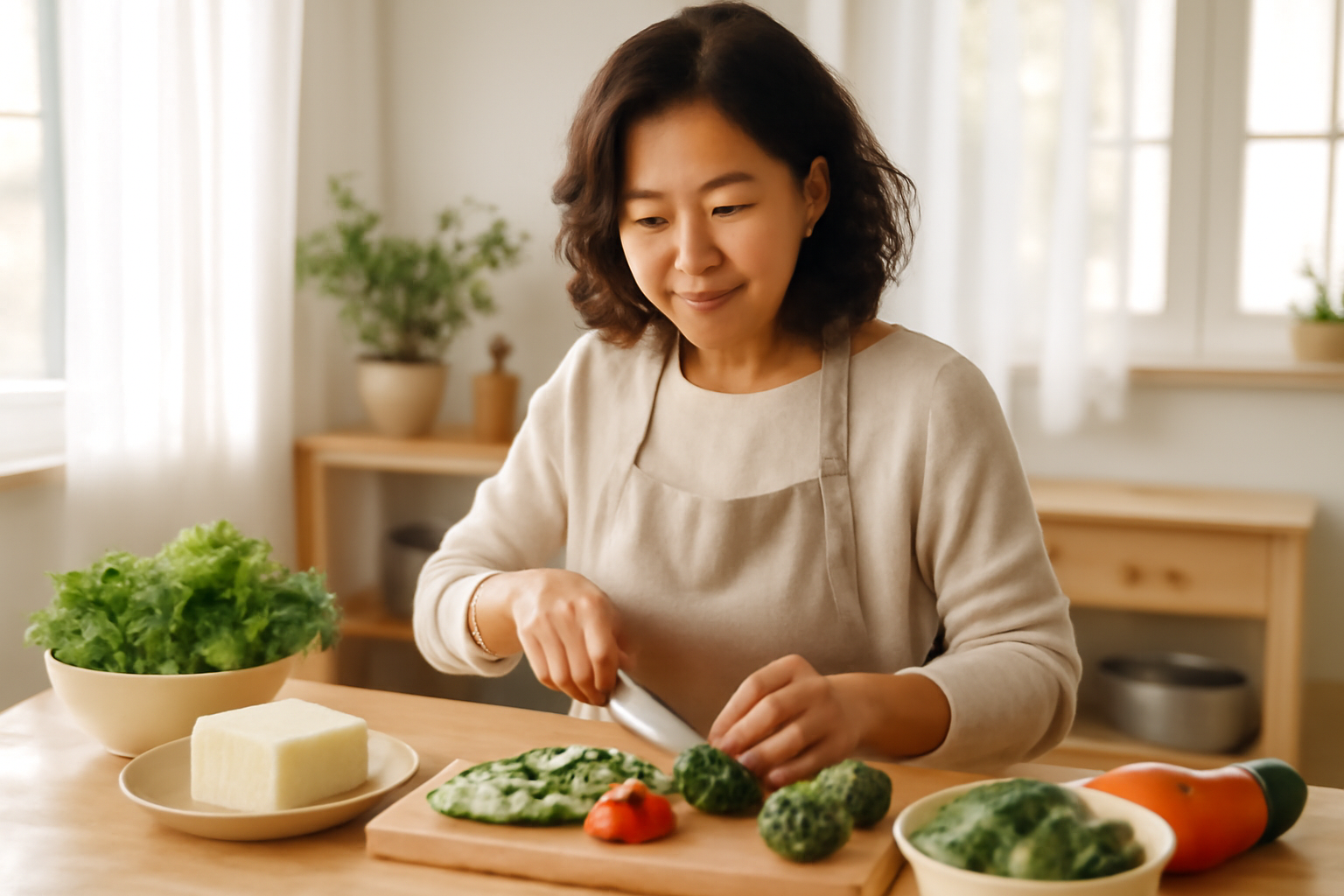
균형 잡힌 식단은 갱년기 생활관리의 기본이다
오늘부터 시작하는 생활습관 관리법
운동, 유산소·근력·스트레칭을 골고루
운동이라고 하면 거창하게 느껴질 수 있지만 꼭 그렇지도 않다. 빠르게 걷기나 자전거 같은 유산소 운동은 혈액순환과 기분 조절에 도움이 된다고 알려져 있다. 근력 운동은 갱년기 이후 빨라지는 골밀도 감소 속도를 늦추는 데 중요한 역할을 한다. 주 3~5회, 회당 30분 안팎을 목표로 삼되 처음부터 무리할 필요는 없다. 걷기부터 서서히 강도를 올리는 편이 부담이 적다. 요가나 스트레칭은 관절 유연성을 지키면서 마음까지 가라앉혀주는 효과를 기대할 수 있다.
식습관, 콩과 칼슘 챙기고 자극적인 음식 줄이기
콩 발효식품이라고 하면 밋밋하게 느껴질 수 있지만 효과는 의외로 쏠쏠하다. 두부, 된장, 청국장에는 식물성 에스트로겐인 이소플라본이 들어 있어 안면홍조 완화에 도움이 된다는 연구 결과가 있다. 우유나 요거트, 뼈째 먹는 생선으로 칼슘과 비타민D를 함께 챙기면 뼈 건강 관리에 보탬이 된다. 반대로 카페인과 알코올, 맵고 자극적인 음식은 홍조나 두근거림을 부추길 수 있어 조금 줄이는 편이 낫다.
수면 위생, 잠자리 온도부터 점검하기
별거 아닌 것 같지만 침실 온도를 살짝 서늘하게 유지하고 통기성 좋은 잠옷을 고르는 것만으로도 야간 발한으로 인한 뒤척임이 줄어드는 경우가 많다. 오후 3시 이후 커피나 홍차는 되도록 피하고, 매일 비슷한 시각에 잠자리에 드는 규칙을 지키면 수면의 질이 서서히 안정된다.
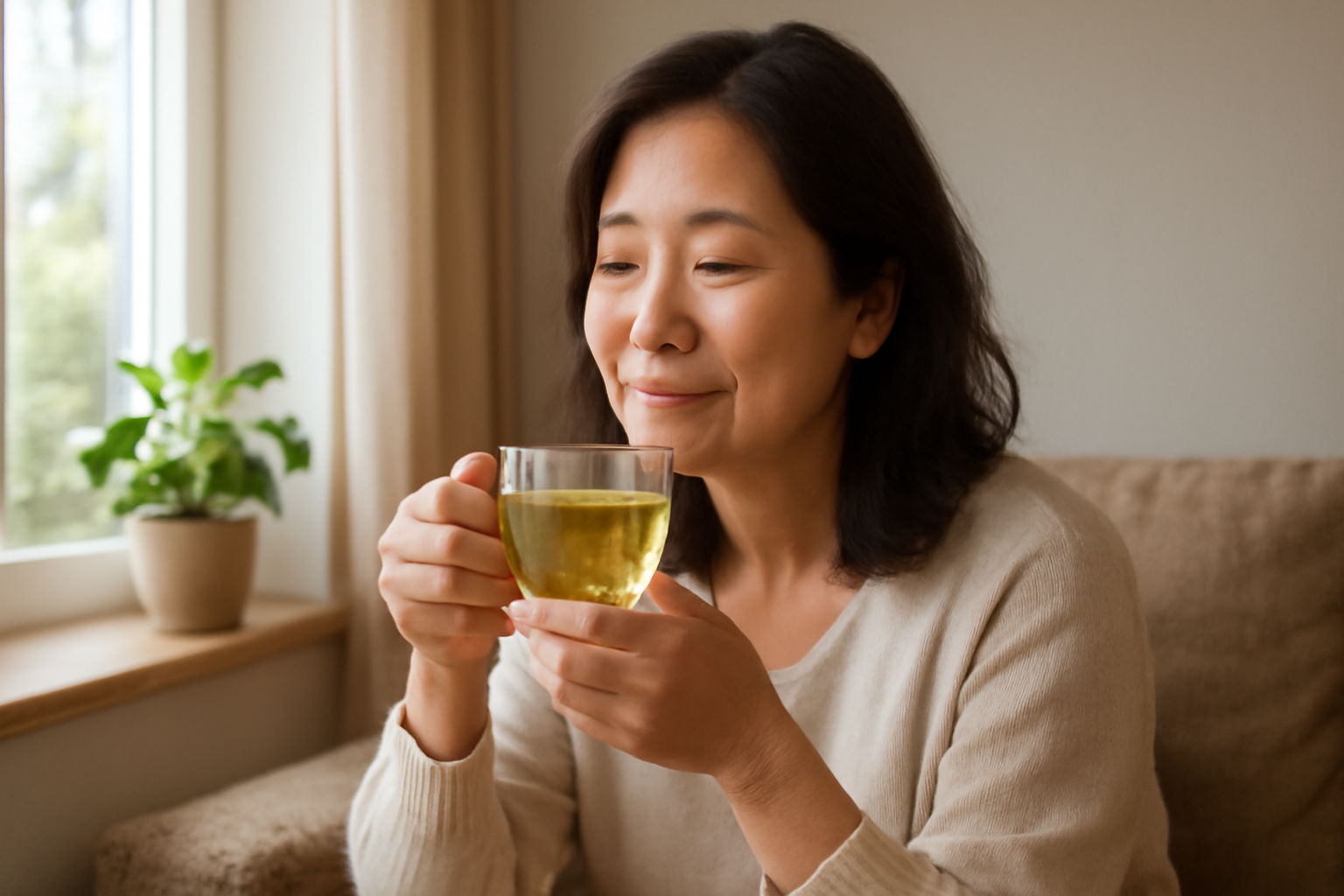
하루 10분의 휴식 시간이 감정 기복 완화에 도움이 된다
마음 챙기기, 나만의 스트레스 해소법 만들기
거창한 방법이 필요할 것 같지만 사실은 단순하다. 깊게 숨을 들이마시고 천천히 내쉬는 복식호흡을 하루 몇 번만 반복해도 긴장이 눈에 띄게 풀린다는 사람이 많다. 친구와 짧은 통화, 좋아하는 음악 듣기, 산책처럼 소소한 루틴을 매일 정해두면 감정 기복도 조금씩 완만해진다. 혼자 끙끙 앓기보다 가족이나 친구에게 지금 몸 상태를 솔직히 말해두는 편이 오히려 도움이 된다.
이런 경우라면 병원 방문을 고려해보세요
이 정도로 병원까지 가야 하나 싶을 수 있지만, 일상생활이 어려울 정도로 증상이 심하거나 부정출혈이 있거나 두근거림이나 두통이 갑자기 심해졌다면 자가 관리만으로 버티지 말고 산부인과나 내과 전문의를 찾아보는 편이 안전하다. 증상은 사람마다 원인과 강도가 달라서, 정확한 상태 파악은 전문의의 진료를 통해서만 가능하다.
자주 묻는 질문
Q1. 갱년기 증상은 얼마나 오래 지속되나요?
사람마다 차이가 크지만 평균적으로 4~7년 정도 이어진다고 알려져 있다. 짧게는 1~2년 안에 잦아드는 경우도 있고, 의외로 10년 가까이 이어지는 경우도 보고된다.
Q2. 영양제만 먹어도 증상이 나아질까요?
영양제만 잘 챙기면 될 것 같지만 그렇지는 않다. 칼슘, 비타민D, 이소플라본 등이 도움이 된다는 자료는 많지만 영양제가 치료제를 대신할 수는 없다. 식습관 개선과 함께 보조적으로 활용하는 정도로 생각하는 편이 현실적이다.
Q3. 운동을 처음 시작하는데 어떤 강도가 적당한가요?
갑자기 강도 높은 운동을 시작해야 할 것 같지만 오히려 반대다. 평소 운동을 거의 하지 않았다면 하루 20분 걷기부터 시작해서 2~3주에 걸쳐 시간을 늘려가는 방식을 권한다. 통증이나 어지럼증이 느껴지면 바로 멈추고 몸 상태를 살피는 것이 우선이다.
본 글은 정보 제공 목적으로 작성되었으며 의학적 진단이나 치료를 대신하지 않습니다. 정확한 진단과 치료는 반드시 산부인과 등 전문의와 상담하시기 바랍니다.
아침 8시 20분, 한옥마을 주차장에 차를 세우고 골목으로 들어서면 이 시간엔 한산할 거라 생각하기 쉽지만 의외로 벌써 사람 발길이 이어진다. 기와지붕 사이로 밥 짓는 냄새와 콩나물 삶는 구수한 냄새가 먼저 코를 스친다. 왱이집 앞은 벌써 열 명 넘게 줄을 서 있고, 가게 문 틈으로 뚝배기 부딪히는 소리가 들린다. 전주 한옥마을을 제대로 먹으려면 순서가 중요하다. 계획 없이 돌아다녀도 되지 않겠냐 싶지만, 막상 그렇게 움직이면 웨이팅으로 반나절이 훌쩍 날아가고 정작 먹고 싶던 곳은 문 닫을 시간이 되어버리기 일쑤다. 아래 동선은 아침부터 저녁까지 걷는 거리와 대기 시간을 계산해 짠 하루 코스다.
오전 8시 30분, 콩나물국밥으로 하루 시작
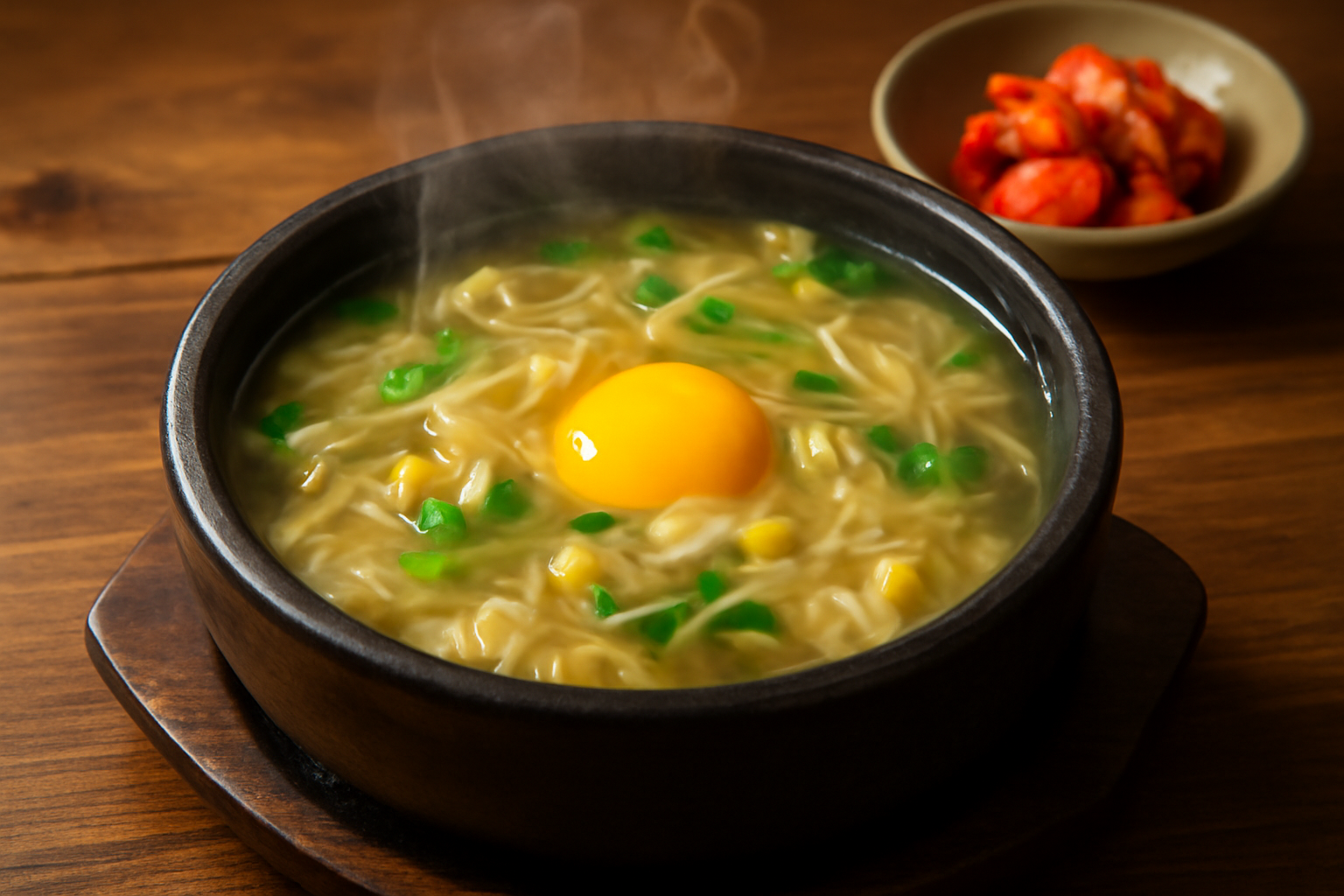
전주 콩나물국밥은 크게 두 갈래로 나뉜다. 삼백집식은 뚝배기째 팔팔 끓여 계란이 반쯤 익어 나오고, 남부시장식인 왱이집은 국물이 맑고 개운하다. 해장이 필요하면 왱이집, 든든하게 속을 채우고 싶으면 삼백집이 낫다. 가격은 두 곳 모두 1인분 9천원대로 생각보다 부담 없다. 아침 8시 반이면 대기 없이 바로 들어갈 수 있지만 9시가 넘어가면 줄이 순식간에 길어진다. 아침부터 술이냐 싶겠지만, 모주 한 잔을 곁들이면 국밥 맛이 한층 살아난다.
경기전과 전동성당, 걸으면서 소화시키기
국밥 한 그릇을 비우고 나면 경기전까지 도보로 5분이면 충분하다. 태조 이성계의 어진을 모신 곳으로, 아침 햇살에 기와가 반짝이는 시간이 사진 찍기 가장 좋다. 담장을 따라 5분만 더 걸으면 전동성당이 나온다. 한옥마을 한복판에 서양식 성당이라니 어색할 것 같지만, 붉은 벽돌 성당과 한옥 지붕이 한 프레임에 잡히는 구도는 오히려 이 동네만의 풍경으로 자리 잡았다. 성당 맞은편 풍년제과는 이 이른 시간에도 초코파이를 사려는 줄이 벌써 생겨 있으니, 여기서 미리 포장해두면 오후 간식 걱정을 덜 수 있다. 낱개 2천원 선.
낮 12시, 비빔밥 한 그릇으로 든든하게
점심은 비빔밥이 정답이다. 하숙영가마솥비빔밥은 가마솥에서 바로 퍼주는 밥이 고슬고슬하고, 고궁수라간은 놋그릇에 담긴 육회비빔밥이 유명하다. 두 곳 모두 1인분 1만 3천원에서 1만 5천원 사이라 비빔밥치고 비싸다 느낄 수 있지만, 그릇 크기와 재료를 보면 수긍이 간다. 정오 무렵은 웨이팅이 20분을 넘기기 쉬우므로 11시 40분쯤 도착하는 편이 마음 편하다. 비빔밥에 딸려 나오는 콩나물국이나 육개장으로 국물까지 챙기면 오후 내내 걸을 힘이 남는다.
오후 2시, 동문길 길거리음식 탐방
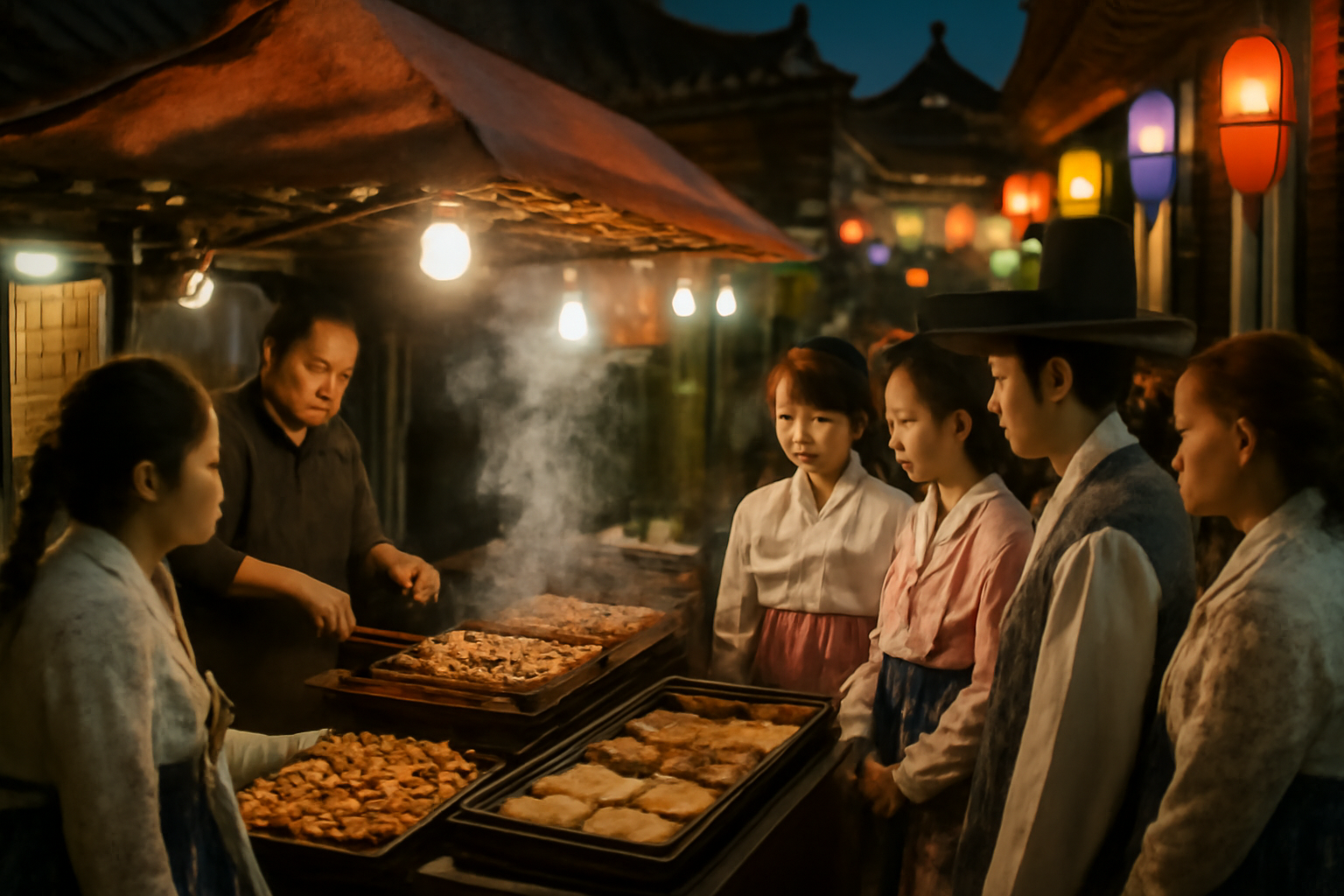
배가 좀 꺼질 때쯤 동문길로 접어들면 그제야 진짜 한옥마을이 시작되는 느낌이다. 화덕에서 구워지는 문꼬치, 매콤한 소스를 두른 회오리감자, 매콤한 국물에 라면 사리를 넣은 오모리김치찌개가 골목 양쪽에 늘어서 있다. 하나씩 사 먹어도 금세 배가 부르니 일행끼리 나눠 먹는 걸 추천한다. 가격대는 대부분 4천원에서 7천원. 사람이 몰리는 낮 시간에는 줄이 길어 보여 지레 포기하기 쉽지만, 회전이 빨라 10분 안팎이면 순서가 온다.
오후 3시 반, 오목대에서 내려다보는 지붕 물결
길거리음식으로 당 충전을 했다면 오목대 계단을 오를 차례다. 계단 200개라는 말에 지레 겁먹을 수도 있지만, 막상 오르면 기와지붕이 파도처럼 이어지는 전망이 펼쳐져 힘든 줄 모른다. 땀은 나지만 5분이면 충분하고, 내려오는 길에는 문화양복점을 개조한 카페에서 커피 한 잔 마시며 다리를 쉬면 된다. 창가 자리에 앉으면 방금 걸어온 골목이 그대로 내려다보인다.
저녁 6시, 칼국수 아니면 야시장
저녁은 두 가지 갈림길이다. 배가 아직 든든하면 베테랑칼국수에서 칼칼한 만두 칼국수로 마무리하고, 뭔가 더 구경하고 싶다면 남부시장 청년몰 야시장으로 넘어간다. 청년몰은 금요일부터 일요일 저녁에만 열리는데, 재래시장이라 기대가 크지 않았다면 오산이다. 파전, 육회, 수제 맥주 같은 젊은 감각의 안주가 많아 분위기가 완전히 다르다. 남부시장까지는 한옥마을에서 도보 10분 거리라 저녁 산책 코스로도 나쁘지 않다.
하루 동선 한눈에 보기
08:30 왱이집 또는 삼백집 콩나물국밥 → 09:15 경기전·전동성당 산책 → 09:45 풍년제과 초코파이 포장 → 11:40 비빔밥 웨이팅 시작 → 12:00 하숙영가마솥비빔밥 또는 고궁수라간 점심 → 14:00 동문길 길거리음식 → 15:30 오목대 전망대 → 16:00 카페 휴식 → 18:00 베테랑칼국수 또는 남부시장 청년몰 저녁. 이렇게 나열해 놓으면 빡빡해 보이지만, 이 순서대로 움직이면 이동 거리가 대부분 도보 10분 이내라 실제 체력 소모는 크지 않다.
자주 묻는 질문
한옥마을 주차는 어디가 편한가요?
한옥마을 공영주차장이 가장 크고 접근성이 좋다. 시간당 1천원 선이며 주말에는 오전 9시 이전 도착을 권한다. 성수기 주말 오전 10시가 넘으면 만차가 되는 경우가 많아 아쉽지만, 인근 공영주차장이나 오목대 방향 주차장을 함께 검색해두는 게 안전하다.
이 코스를 다 도는 데 얼마나 걸리나요?
아침 8시 반부터 저녁 6시까지 잡으면 여유 있게 소화된다. 걷는 시간만 따지면 총 이동 거리가 3킬로미터 안팎이라 부담스럽지 않지만, 웨이팅과 사진 촬영 시간까지 더하면 최소 8시간은 잡아야 한다. 시간이 부족하면 점심과 길거리음식 구간만 남기고 아침 식사를 생략해도 동선이 크게 흐트러지지 않는다.
비 오는 날에는 어떻게 즐기나요?
비가 오면 오목대 전망 구간은 미끄러우니 건너뛰는 게 안전하다. 야외 일정이 통째로 무너질까 걱정되겠지만, 대신 전주한옥마을 공예품전시관이나 실내 찻집에서 시간을 보내다가 식사 시간에 맞춰 이동하는 방식이 낫다. 길거리음식 노점도 우산을 쓴 채로 이용 가능한 곳이 많아 일정 자체를 취소할 필요는 없다.