My youngest was maybe four the first time she noticed the sound. We were leaving a corner GS25 with a popsicle already half-eaten, and the cashier tapped her own lanyard against a little black reader, mid-conversation with the guy behind us. It chirped, and my daughter looked up at me like something had just happened that needed explaining. “That’s her bus money,” I told her, which wasn’t quite right but wasn’t quite wrong either. It took me embarrassingly long to realize that chirp isn’t a bus thing, or a subway thing, or a convenience-store thing — it’s all of them, off the same card.
What T-money Actually Is
T-money is Korea’s rechargeable prepaid transit card. Usually it’s a small plastic card, though it also comes built into phone cases, keyrings, and watch bands now. Load cash onto it, and it draws down that balance every time you tap: subway, bus, a lot of taxis, and everyday purchases at convenience stores and vending machines. No monthly fee, no registration for basic adult use — buy one, load it, tap. A few habits around transfers and top-ups save real money over time.
Where to Buy and Top Up
You can buy a blank card at almost any convenience store — GS25, CU, 7-Eleven, emart24 — usually near the register, or just ask. It’s a small one-time cost, separate from the balance you load onto it. Subway service counters and ticket machines sell them too.
Topping up is just as easy: hand the cashier cash and gesture at the card, or say “T-money chungjeon” (충전, “charge”). Subway stations have top-up machines near the turnstiles with an English option, and I default to whichever store is closest, since there’s basically always one nearby. A mobile version now lives inside your phone too, though the physical card is still simpler at first.
The Transfer Discount Nobody Explains Well
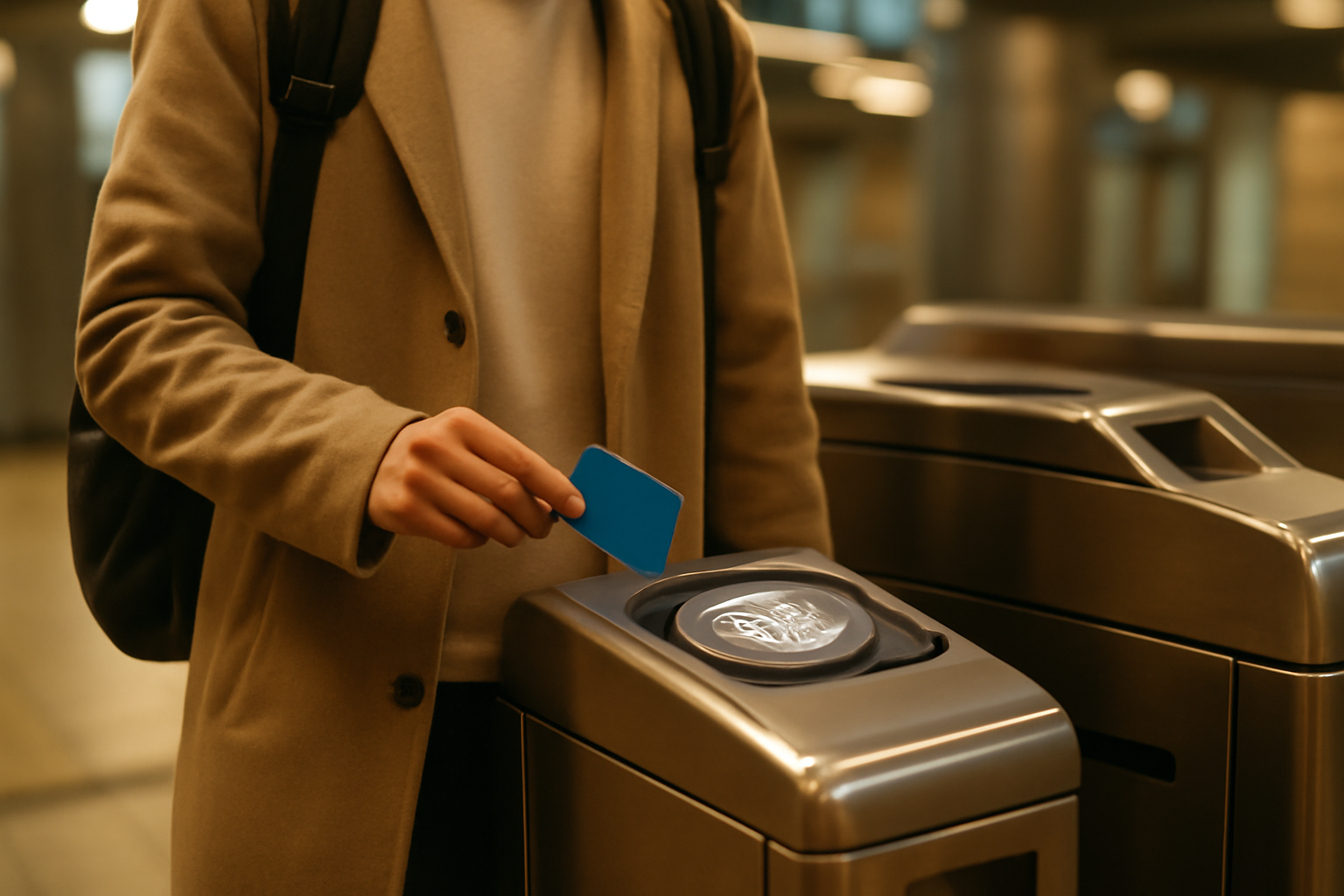
This took me longest to understand, and it saves the most money once you get it. Tap off the subway or a bus and onto another bus or subway line within roughly 30 minutes, and the system treats it as one connected trip instead of two separate fares — a discounted transfer rate instead of full price twice. Late at night the window stretches a bit longer, since buses run less often.
The catch, which trips up a lot of people including me: you have to tap OFF the bus too, not just on. Subway gates handle this automatically since you must tap to exit, but buses are easy to forget — you just hop off and walk away. Skip that exit tap and the system has no way of knowing you transferred, so your next ride starts from zero. I now pause and tap even when I’m the only one getting off.
Convenience Stores, Vending Machines, and Some Taxis
What surprised me as a newcomer is that T-money isn’t limited to transit. Convenience stores let you pay for snacks or a quick lunch by tapping your balance instead of cash, and vending machines on subway platforms often take it too — not universal, but common enough that I’ve gone whole days without opening my wallet. Taxis are a mixed bag: many, especially in bigger cities, have a reader and take T-money like a card, while others expect cash. There’s no way to tell from outside, so I just ask before the ride starts.
The Phone Case and Keyring Culture
Once you’ve lived here a while, you notice how many people don’t carry a T-money card in the traditional sense — it’s built into something else. Phone cases with a chip pocket on the back, so you tap your whole phone at the gate. Keyrings shaped like characters with a chip embedded inside. It’s less about the technology and more about not wanting one more object rattling around in your bag. My own case has a cartoon rabbit my kids picked out, and I now associate that rabbit with the sound of the gates opening.
T-money vs. a Tourist Transit Pass
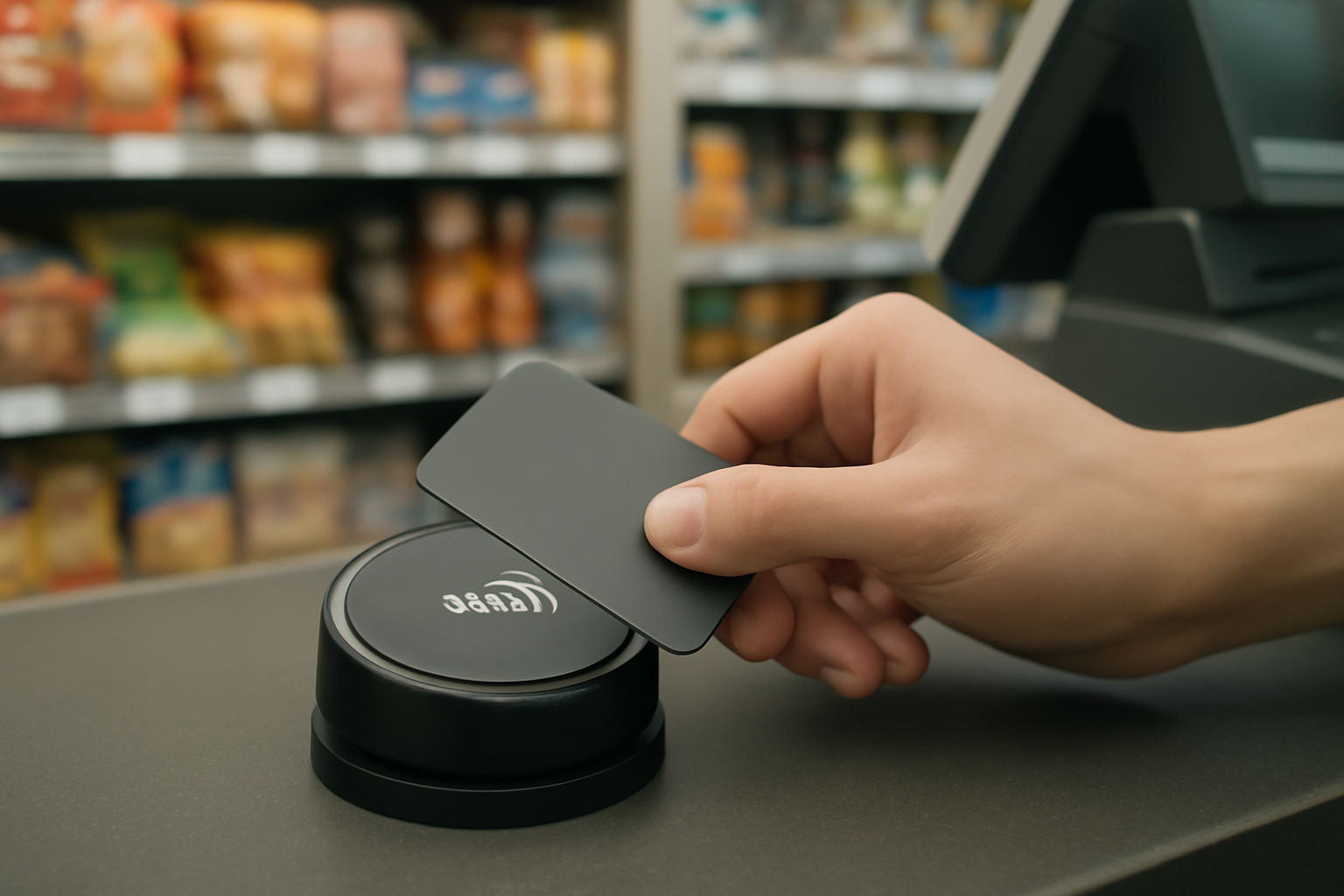
Worth being clear: T-money itself isn’t a tourist pass — it’s just the card residents use every day, and tourists use it the same way. The confusion usually comes from products like the Discover Seoul Pass, a separate, time-limited sightseeing pass covering entry to attractions around Seoul, whose physical version also bundles in T-money functionality. Just getting around? Plain T-money is cheaper and more flexible. Packing in paid sightseeing on a short trip? The bundled pass might make more sense — just know you’re paying for two different things.
Kids’ Cards and the Discount Registration Step
If you’re raising kids here, one detail is worth knowing: children and teens pay reduced fares, but only if their card is registered to reflect their age. An unregistered card just charges the adult rate — it has no idea how old the person tapping it is. Registration is usually done online through the T-money service or in person, linking the card to the child’s info so the discount applies automatically. It’s an extra errand, but skipping it means quietly overpaying every ride.
What Happens When Your Balance Runs Low
If your balance can’t cover the fare, the gate or bus reader usually flashes a warning or just rejects the tap. On the subway that just means topping up at the nearby machine — mildly annoying, never a real crisis. On a bus it’s more awkward, since you’re holding up the line, so I’ve learned to glance at my balance before heading out if I’ve got a few trips ahead. Small habit, but it saves you the error beep and the whole bus glancing over.
FAQ
Can tourists use T-money?
Yes, completely. No residency or ID needed — pick one up at a convenience store or subway station, load cash onto it, and start tapping, same as anyone who lives here.
What’s the difference between T-money and a Discover Seoul Pass?
T-money is a general-purpose transit and payment card with no time limit and no attraction discounts. The Discover Seoul Pass is a separate, time-limited sightseeing product bundling discounted entry to attractions, whose physical version also includes T-money functionality. Use plain T-money to just get around; consider the pass if you’re packing in sightseeing.
Do I need to register my card?
Not for standard adult use — buy, top up, and tap completely anonymously. Registration only matters for a child’s discounted fare, or for recovering a lost card’s balance.
Prices and top-up options shift over time, so treat the specifics here as a general map rather than the final word — but the core habit has stuck with me for years: buy the card, load it up, tap on, tap off, and let the chirp do the math for you.
Leave a Reply