Author: luxsman

  • Floor Noise (Cheung-gan Soneum): Korea’s Apartment Noise Culture Explained

    Floor Noise (Cheung-gan Soneum): Korea’s Apartment Noise Culture Explained

    The first time it happened, I thought someone was moving furniture at 1 a.m. It was actually just my upstairs neighbor’s toddler, apparently wide awake and thrilled about it, doing what I can only describe as controlled sprinting from the bedroom to the kitchen and back. I lay there doing the math foreigners in Korea eventually all do: is this normal, am I overreacting, and exactly how many decibels of goodwill do I have left before I write a note. That math has a name here. It’s called 층간소음, cheung-gan soeum, and once you live in a Korean apartment for more than a few months, you stop thinking of it as an occasional annoyance and start treating it like an invisible upstairs tenant who never signed a lease but somehow still dictates your evenings.
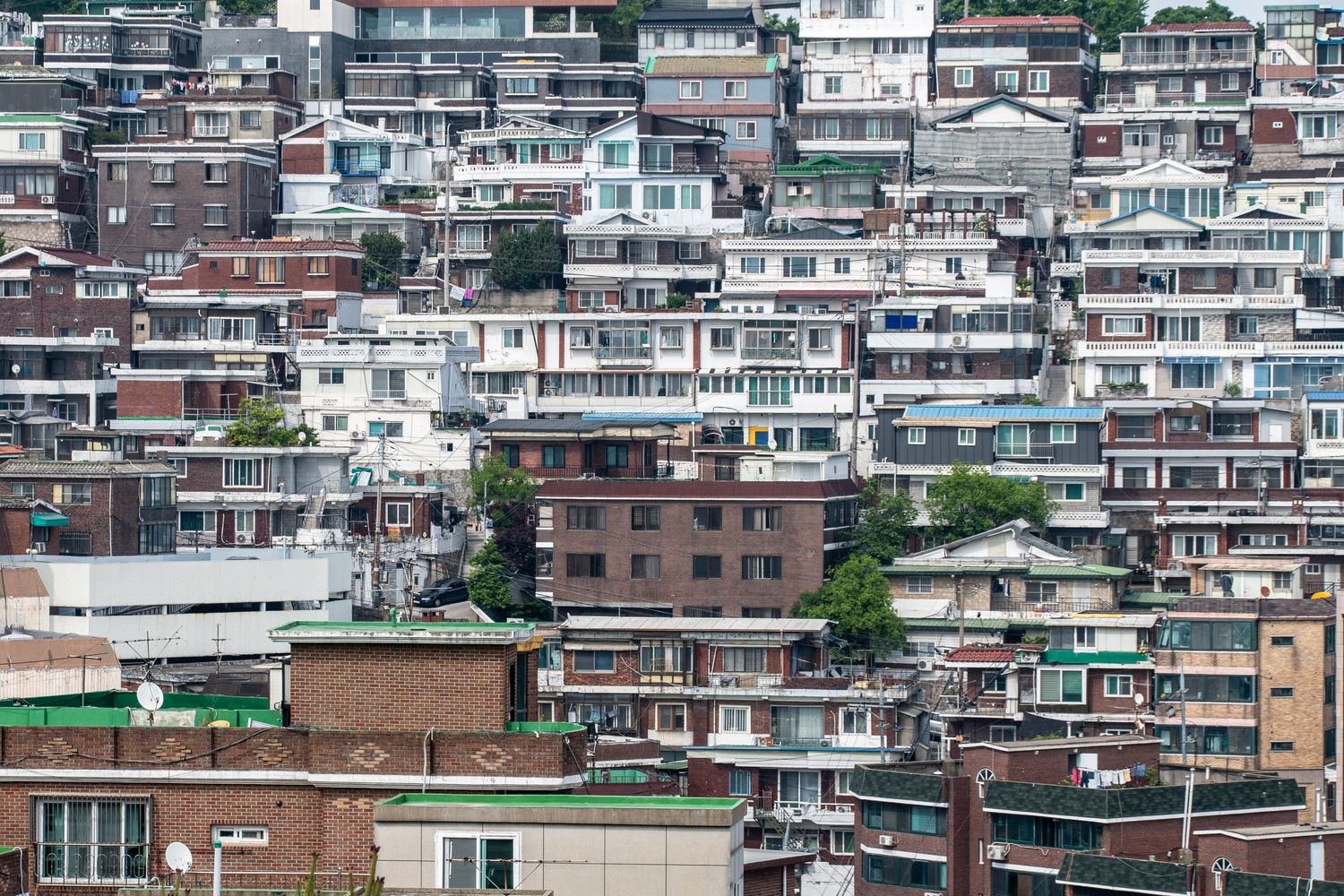
    Close-up of a high-rise Korean apartment building facade showing stacked concrete floors and balconies

    Why This Is Basically Built Into the Buildings

    What actually surprised me, once I looked into it, is that modern construction doesn’t solve this problem so much as quietly guarantee it. Something like 77.8 percent of the population lives in multi-unit housing, apartments and officetels stacked ten, twenty, sometimes forty floors high, and nearly all of them share the same skeleton: a poured concrete slab floor separating you from whoever’s below. Concrete is excellent for a lot of things. Carrying the low thud of a dropped dumbbell straight down to the unit underneath happens to be one of them, and no amount of granite countertops in the lobby changes that basic physics.

    It’s not shoddy construction, either, which is the assumption I made early on and had to drop fairly quickly. Impact noise, the thump of footsteps or furniture, travels differently than airborne sound like voices or a TV, and slab-and-column construction, the method most apartment blocks use because it goes up fast at scale, happens to carry that specific low-frequency thump exceptionally well. Newer complexes now have to pass a floor-impact insulation test before getting an occupancy permit, and the government tightened the standard in 2023 to roughly 39 decibels in the daytime and 34 at night. Buildings that fail can be sent back for retrofitting, and in some cases developers end up compensating residents directly. But the rule only really bites on new construction. Older complexes built under the looser standards from the 2000s and 2010s are effectively grandfathered in, which is a big part of why the same complaint keeps resurfacing generation after generation instead of quietly disappearing as codes improve.

    When It Escalates: The Darker Side

    And this is exactly why the issue carries more weight here than a simple noisy-neighbor gripe would anywhere else. Police received well over 130,000 interfloor noise reports over one recent four-year stretch, something like 160 calls a day on average, and by some counts more than half of those reports involved an actual physical altercation rather than just words exchanged in a hallway. Government inspection requests have climbed sharply too, more than doubling over the past several years as more households look for an official channel before confronting a neighbor directly. Serious cases, assaults, and in rare instances far worse, get enough national news coverage that cheung-gan soeum has become its own recognized category of urban conflict here, not an isolated oddity you’d have to explain from scratch.

    To be fair, that’s the extreme tail, not the daily reality, and I don’t want to overstate it. But it’s serious enough that the government runs a dedicated mediation service, the Floor Noise Neighbor Center, where residents can request a free inspection and a neutral third party sits down with both households before anyone does anything rash. Some neighbors skip the formal process entirely and just negotiate directly, which has produced a strange but oddly practical workaround: cash settlements. In one case that made the rounds in Korean media, an upstairs family reportedly agreed to pay their downstairs neighbor roughly two million won a month, something like fifteen hundred dollars, until their toddlers grew out of the running-around phase. It sounds extreme until you realize it’s basically just pricing in what mediation and mats couldn’t fix. The anxiety has even leaked into pop culture, with a wave of recent Korean films built entirely around the dread of a downstairs neighbor you can hear but never see, which tells you something about how claustrophobic vertical living in a city this dense can start to feel.

    The Everyday Sounds That Actually Start the Trouble

    Given all that, it’s worth being clear about what actually sets people off, because it’s rarely anything dramatic. Ask any Korean and you’ll get a strangely specific, almost universally agreed-upon list. Kids running is the number one offender, and I say that with real sympathy for parents, because short of duct-taping your five-year-old to the couch there’s only so much you can do about a child who’s just discovered they have legs. Chairs scraping across a hard floor is another classic, that screech that seems to travel through the entire building’s skeleton at once. Washing machines and dryers running late at night make the list too, partly because Korean work schedules push chores into whatever sliver of evening is left, and partly because the vibration from a spinning drum transmits through the floor in a way a quiet TV simply doesn’t.

    And then there’s the stuff nobody warns you about until you’ve already annoyed somebody. Rolling a suitcase across the floor. Dragging a chair instead of lifting it. Even just walking around barefoot with a heavier gait than you realize you have. I got a knock on my door once, politely worded but unmistakably a complaint, about the sound of my own footsteps, and my first reaction was mild disbelief. My second, after actually paying attention for a day, was to notice that yes, I do stomp a little when I’m carrying coffee. Living here trains a kind of hyper-awareness of your own body moving through space that I never had to develop anywhere else.

    The Etiquette Everyone Quietly Follows

    Given how much physics is working against everyone, it makes sense that the culture has built an entire layer of social softening on top of it, an unspoken rulebook most residents follow without ever discussing it out loud. Interlocking rubber or EVA foam mats covering the living room floor are so common they’re practically furniture at this point, and if you have kids, skipping them basically isn’t an option. Indoor slippers are standard in most homes anyway for cleanliness, but they also happen to muffle footfalls, a second benefit nobody mentions out loud but everybody quietly appreciates. Washing machines get run before 9 or 10 p.m. as an unwritten curfew, chairs get little felt pads glued to their feet, and in newer buildings you’ll sometimes see cork or rubber underlayment installed beneath the laminate flooring specifically to cut impact sound before anyone’s even moved in.

    A person wearing indoor slippers standing on a floor mat, illustrating common Korean apartment noise etiquette

    Where the mats and slippers handle the physical side of things, the social side runs on something older and, to me, considerably more charming: gift-giving. When people move into a new apartment, it’s still fairly common to bring a small gift, rice cake or a box of tissues or a bottle of laundry detergent, to the units directly above, below, and beside theirs. On the surface it’s a friendly hello. Underneath, it’s a preemptive apology for the moving trucks banging around that day and, honestly, for whatever noise is inevitably coming down the line once the new tenants settle in. I brought 떡 to three doors when I moved into my current place, felt a little silly doing it at the time, and then felt considerably less silly a month later when my downstairs neighbor, instead of filing a complaint about my son’s new habit of practicing taekwondo kicks in the hallway, left a friendly note instead. I don’t think that’s a coincidence.

    What It Actually Looks Like Day to Day

    Given everything above, the police reports and the cash settlements and the horror movies, you’d expect daily apartment life to feel tense. It mostly doesn’t. What it actually feels like is a constant low hum of consideration that becomes second nature after a while, the byproduct of everyone quietly agreeing to absorb a little inconvenience so nobody ends up as a statistic. You learn to run the washing machine before dinner instead of after. You buy the felt pads for chair legs without being asked, because you’ve already been on the receiving end of somebody else’s scraping chair and know exactly how it sounds from below. You start walking with a little more heel-to-toe softness than you’d ever bother with back home, and at some point you stop registering it as effort at all.
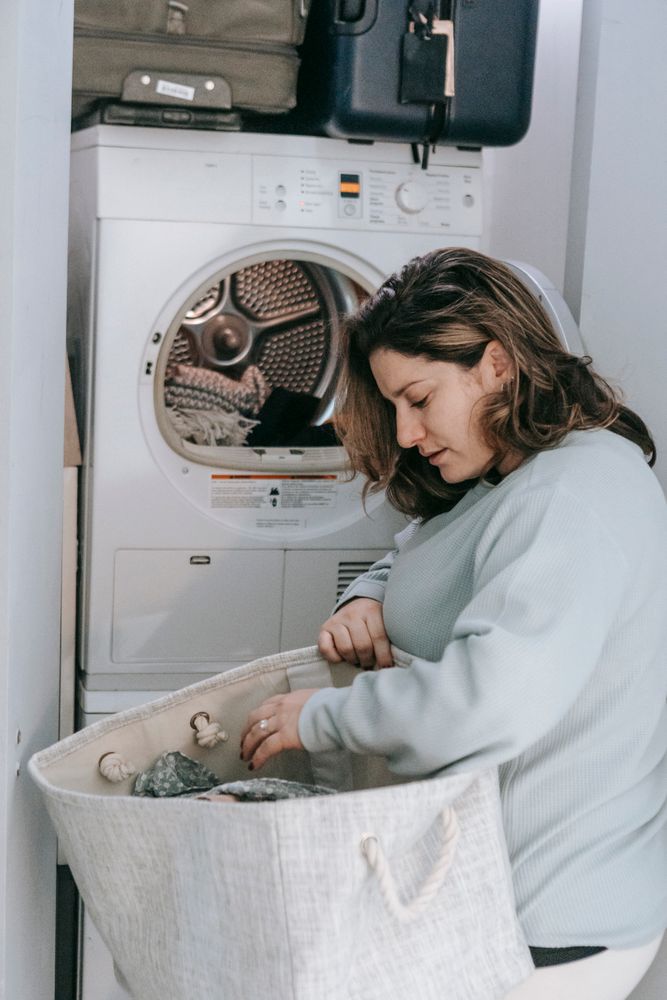
    A woman doing laundry indoors, representing the etiquette of running washing machines only during daytime hours in Korean apartments

    What still gets me, even years in, is how community-minded the whole system ends up being despite starting from a fairly antisocial premise, everyone quietly trying not to bother everyone else. Apartment complex bulletin boards regularly post gentle reminders about quiet hours. Management offices field noise complaints as a routine part of the job, not an emergency. And the overwhelming majority of disagreements really do resolve with an apology, a bag of fruit, and maybe a slightly thicker rug, rather than anything approaching the extreme cases that make the news. It’s one of those things you have to actually live through to understand. Reading about cheung-gan soeum from outside makes it sound like a low-grade national crisis. Living inside it, most days, just feels like being a slightly more careful neighbor than you’re used to being.

    If you’re moving into a Korean apartment for the first time, my honest advice is to buy the mats before you need them, introduce yourself to the units around you, and assume your footsteps are louder than you think they are. I wrote more about the adjustments that surprised me most when I first got here in What I Wish I Knew Before Moving to Korea, and if you want the fuller list of social landmines worth avoiding, What NOT to Do in Korea as a Foreigner covers a lot of the same territory from a different angle. Between the two, floor noise etiquette is honestly one of the more forgivable mistakes to make, as long as you actually fix it once someone tells you.

    Frequently Asked Questions

    Is it normal for Korean apartments to feel this thin, sound-wise?

    Pretty much, yes, and it catches almost every newcomer off guard. It’s less about cheap construction and more about how concrete slab floors physically transmit impact noise, the low thump of footsteps or furniture, differently than airborne sound like voices does. Even well-built, expensive apartment complexes in central Seoul deal with the same issue, so it’s not really something you can buy your way out of by choosing a pricier building.

    What should I actually do if my upstairs neighbor is loud at night?

    The default first step here is a polite note or a quiet word to building management rather than confronting anyone directly, since a knock at 11 p.m. can escalate things fast for no good reason. If it keeps happening, most complexes have an internal process, and the government’s Floor Noise Neighbor Center offers free mediation and sound measurement if things stay unresolved. Going straight to a face-to-face confrontation is genuinely the least common and least recommended route, and most residents actively avoid it.

    Do top-floor units or renters have it easier?

    Top floor helps, but it’s not a free pass, since you can still pick up noise from rooftop mechanical equipment, elevator machinery, or the building’s own structural echo. Renters, meanwhile, tend to lean on mats and slippers rather than permanent flooring upgrades precisely because those solutions require zero modification to someone else’s property and can be packed up and taken to the next place. It’s often the more practical fix anyway, since most noise complaints trace back to footsteps and furniture rather than the floor material itself.

  • 이사 트럭 예약해놓고 뒤늦게 안 사실 — 전세보증보험, 가을 이사철 전에 확인할 3가지

    이사 트럭 예약해놓고 뒤늦게 안 사실 — 전세보증보험, 가을 이사철 전에 확인할 3가지

    이삿짐센터 견적서에 도장 찍어놓고 나서야 등기부등본을 다시 열어본 사람, 의외로 많다. 지난주 인천 미추홀구에서 원룸을 알아보던 박서연씨(32)도 그랬다. 계약금 500만 원을 넣은 다음 날, 친구한테서 “그 집 근저당 얼마야? 등본은 봤어?”라는 카톡이 왔다. 별생각 없이 답하려다 문득 등본을 제대로 안 봤다는 걸 깨닫고 손이 떨렸다고 한다. 전세금 2억 8천만 원짜리 계약이었는데, 정작 집이 경매에 넘어가면 그 돈을 못 받을 수도 있다는 걸 그제야 실감한 것이다.

    9월부터 11월, 이른바 가을 이사철에는 이런 일이 유독 자주 벌어진다. 계약이 몰리다 보니 공인중개사도 바쁘고, 세입자는 세입자대로 서류 하나하나 챙길 여유가 없다. 그런데 보증금을 지키는 장치는 이사 며칠 전에 부랴부랴 알아봐서 될 일이 아니다. 신청 시점 자체가 정해져 있기 때문이다.

    전세보증보험이 정확히 뭘 보장해주는 걸까

    전세보증보험, 정식 명칭으로는 전세보증금반환보증이다. 집주인이 전세 계약 끝나고도 보증금을 돌려주지 않으면 주택도시보증공사(HUG)나 SGI서울보증 같은 보증기관이 세입자에게 먼저 보증금을 지급하고, 그다음 집주인한테 가서 돈을 받아내는 구조다. 말은 간단한데, 막상 이 상품이 왜 필요한지는 계약서에 도장 찍을 때는 잘 와닿지 않는다.

    보험까지 들어야 하나 싶겠지만, 최근 몇 년 사이 빌라·오피스텔 전세 사기가 늘면서 상황이 달라졌다. 집주인이 전세 만기가 됐는데도 “다음 세입자 구해지면 그때 주겠다”며 버티는 경우, 혹은 집이 근저당에 걸려 경매로 넘어가는 경우가 남 얘기만은 아니게 됐다. 그런데도 정작 자기 계약서는 안전할 거라고 믿는 사람이 많다.

    왜 하필 가을 이사철에 더 챙겨야 할까

    9~11월은 학기 시작과 정년퇴직, 발령 시즌이 겹치면서 전세 매물이 빠르게 돌아간다. 부동산 중개업소마다 하루에도 계약이 서너 건씩 잡히는 시기라, 서류 검토가 형식적으로 흘러가기 쉽다. 여기에 함정이 있다. HUG 반환보증은 신규 계약 기준으로 잔금지급일과 전입신고일 중 늦은 날로부터 전세 계약기간의 절반이 지나기 전까지만 신청할 수 있다. 2년 계약이면 첫 1년 안에 넣어야 한다는 뜻이다.

    9월 15일에 입주했다면 2년 계약 기준으로 늦어도 이듬해 9월 중순까지는 신청을 끝내야 한다. 짐 정리, 인터넷 설치, 관리비 정산 같은 이사 뒷정리에 치이는 사이 이 1년이라는 시간은 훌쩍 지나가 버린다. 벌써 반년, 1년이 지나 있었다며 뒤늦게 문의하는 사례가 가을에 유독 몰린다는 게 관련 업계 관계자들 사이에서도 자주 나오는 이야기다.

    확정일자·전입신고·대항력, 헷갈리지 말고 이렇게 이해하자

    보증보험 얘기를 하기 전에 먼저 짚어야 할 게 있다. 대항력과 우선변제권이다. 이름만 들으면 어려워 보이는데, 실은 단순하다. 전입신고를 하면 그다음 날 0시부터 대항력이 생긴다. 당일이 아니라 다음날이라는 점이 의외로 중요하다.

    이사 당일 오전에 전입신고를 마쳤다고 안심할 일이 아니다. 바로 그날 오후에 집주인이 은행에서 근저당을 새로 설정해버리면, 은행의 근저당이 세입자의 대항력보다 먼저 효력을 갖는 상황이 벌어질 수 있다. 하루 차이로 순위가 뒤집히는 셈이다. 확정일자는 여기에 우선변제권을 더해주는 절차인데, 전입신고와 확정일자 둘 중 늦게 갖춘 날짜를 기준으로 순위가 매겨진다.

    그러니 이사 당일 체크리스트는 짐만 옮기고 끝나는 게 아니다. ① 잔금을 치르고 ② 곧바로 동주민센터에 가서 전입신고와 확정일자를 함께 처리하고 ③ 그날 등기부등본을 한 번 더 열람해 오후 사이 근저당이 새로 잡히지 않았는지 확인하는 것까지가 이사 당일의 할 일이다. “며칠 있다 해도 되겠지”라며 미루는 사람이 여전히 있는데, 그 며칠 사이 집주인이 대출을 추가로 받아버리면 순위가 밀리는 건 순식간이다.

    이사 짐을 옮기는 모습

    지금 내 계약, 안전한지 세 가지로 가늠해보기

    복잡한 얘기를 다 읽기 힘들다면 딱 세 가지만 확인해도 된다. 첫째, 등기부등본상 선순위 채권과 내 보증금을 합친 금액이 집 시세의 90%를 넘지 않는지. 둘째, 잔금지급일과 전입신고일 중 늦은 날로부터 계약기간 절반이 아직 지나지 않았는지. 셋째, 전입신고와 확정일자를 계약 당일 바로 처리했는지. 이 세 가지 중 하나라도 걸리면 가입이 반려되거나 보장 한도가 줄어들 수 있으니, 계약서에 도장 찍기 전에 미리 짚어보는 편이 낫다.

    가입 방법과 비용, 실제로는 얼마나 들까

    가입 경로는 크게 세 가지다. HUG 지사에 직접 방문하거나, HUG 안심전세포털이나 모바일 앱으로 비대면 신청하거나, 은행 창구에서 대출과 묶어 처리하는 방법이다. 요즘은 모바일 신청 비중이 훨씬 높다. 계약서 사진, 확정일자 받은 임대차계약서, 주민등록등본과 초본 정도만 준비하면 되고, 심사는 보통 1~2주 걸린다.

    보증료가 부담스러울 거라 생각하기 쉬운데, 막상 계산해보면 그렇게 크지 않다. HUG 기준으로 연 0.1~0.2% 수준이다. 전세보증금이 3억 원이라면 연간 보증료가 30만 원에서 60만 원 사이라는 얘기다. 한 달로 나누면 2만 5천 원에서 5만 원 정도, 카페 라떼 몇 잔 값을 아끼려다 보증금 3억 원을 통째로 날릴 위험을 안고 가는 셈이다. 이렇게 놓고 보면 계산이 쉬워진다. 부부합산 소득이나 계약 조건에 따라 할인이 붙기도 해서 실제로는 이보다 적게 내는 경우도 많다.

    다만 조건은 있다. 보증금이 수도권은 7억 원, 그 외 지역은 5억 원을 넘지 않아야 하고, 계약 기간은 1년 이상이어야 한다. 2026년 들어 선순위 채권과 보증금을 합친 금액이 집값의 90%를 넘으면 가입 자체가 거절되는 경우가 늘었다. 심사가 예전보다 확실히 까다로워졌다는 게 체감된다.

    박서연씨는 결국 어떻게 했을까

    앞서 언급한 박서연씨 얘기로 돌아가면, 등기부등본을 다시 떼어본 결과 근저당은 있었지만 채권최고액과 보증금을 합쳐도 시세의 70% 선이라 가입 조건 자체는 충족했다. 계약 당일 전입신고와 확정일자를 함께 처리했고, 잔금 치른 지 열흘 만에 모바일로 보증보험 신청까지 끝냈다. 연 보증료는 42만 원 정도 나왔다고 한다. “그 돈 아까워서 안 들었으면 어쩔 뻔했나 싶다”는 게 그의 소감이었다. 물론 모든 상황이 이렇게 매끄럽게 풀리는 건 아니다. 임대인이 “내가 설마 안 주겠냐”며 가입에 난색을 표하거나, 보증금 비율이 기준을 넘어서 가입이 반려되는 경우도 분명 있다.

    계약서와 도장

    가입이 반려됐다고 해서 방법이 아예 없는 건 아니다. 그럴 때는 전세권 설정등기라는 대안이 있다. 등기부등본에 직접 권리를 기재하는 방식이라 절차는 조금 더 번거롭지만, 집주인 동의 없이도 진행할 수 있는 경우가 있고 보증보험보다 강력한 담보력을 갖기도 한다. 다만 등록면허세 등 비용이 별도로 들어가니, 자기 상황에서 어느 쪽이 더 나을지는 따져볼 필요가 있다.

    자주 묻는 질문

    Q. 이미 이사한 지 1년 넘었는데 지금도 가입할 수 있나요?

    신규 계약이라면 잔금지급일과 전입신고일 중 늦은 날로부터 전세 계약기간의 절반이 지나기 전까지만 신청이 가능하다. 2년 계약에서 1년 3개월이 지났다면 이미 기한을 넘긴 상태라 신규 가입은 어렵다. 다만 갱신 계약을 앞두고 있다면, 갱신 계약기간의 절반이 지나기 전까지 다시 기회가 생긴다. 만기 한두 달 전에 집주인과 갱신 이야기를 할 때 이 부분을 같이 챙기는 게 현실적이다.

    Q. 오피스텔도 전세보증보험 가입이 되나요?

    된다. 다만 계약서에 용도가 ‘주거용’으로 명확히 적혀 있어야 하고, 실제로 그 오피스텔에 거주하고 있어야 한다. 업무용으로 등록된 오피스텔에 살면서 계약서만 주거용으로 바꿔달라고 하면 안 되고, 애초에 임대인이 주거용으로 임대차계약을 체결했는지가 관건이다. 계약 전에 이 부분을 공인중개사에게 명확히 확인하는 게 좋다.

    Q. 집주인이 보증보험 가입을 싫어하는데, 계속 밀어붙여도 되나요?

    그런 경우가 종종 있다. 보증보험에 가입하면 집주인의 채무 상태나 세금 체납 여부 같은 정보가 어느 정도 노출되기 때문에 꺼리는 임대인이 있는 것도 사실이다. 그런데 2021년부터는 임대인 동의 없이도 세입자 단독으로 가입할 수 있는 절차가 마련돼 있다. 굳이 집주인 눈치를 보며 포기할 필요는 없다는 뜻이다. 다만 임대인의 국세·지방세 미납 여부 확인에는 임대인 동의가 필요한 경우가 있으니, 계약 단계에서 관련 서류 협조를 미리 요청해두는 편이 매끄럽다.

  • 40대 이후 자꾸 깜빡깜빡한다면 — 건망증과 초기 치매, 뭐가 다를까

    40대 이후 자꾸 깜빡깜빡한다면 — 건망증과 초기 치매, 뭐가 다를까

    지난 3월 둘째 주 화요일, 마포구의 한 마케팅 회사에서 팀장으로 일하는 47세 이모 씨는 신입 거래처 담당자와 세 번째 미팅을 하다가 얼굴이 화끈거리는 경험을 했다. 명함을 두 번이나 주고받은 사람인데 이름이 도무지 입에서 나오지 않았던 것이다. “죄송한데 성함이…” 하고 되묻는 순간, 상대방은 웃으며 넘어갔지만 이 씨는 그날 저녁 내내 마음이 편치 않았다. 자기 전에 스마트폰으로 “40대 건망증 치매 초기”를 검색한 사람이 이 씨 한 명만은 아닐 것이다.

    이 정도 실수는 사실 누구나 한 번쯤 겪는다. 문제는 이 씨처럼 그날 밤 유독 마음에 걸리는 사람과, 대수롭지 않게 잊고 넘어가는 사람 사이의 차이다. 마흔 넘으면 다 그렇다는 말, 주변에서 한 번쯤은 들어봤을 것이다. 뇌 인지기능 연구자들 사이에서는 35세 전후로 신경세포와 시냅스 연결이 서서히 줄어들면서 기억을 꺼내는 속도가 느려진다는 설명이 통용된다. 그런데도 막상 이런 설명만으로는 이 씨가 겪은 순간적 진땀이 정말 자연스러운 노화인지, 아니면 눈여겨봐야 할 신호인지 구분이 되지 않는다. 단순히 느려진 것과, 아예 저장이 안 되는 것은 전혀 다른 이야기이기 때문이다.

    건망증, 정말 나이 탓만일까

    단순 건망증은 정보가 뇌 어딘가에 이미 저장은 됐는데 꺼내오는 길목에서 잠깐 막히는 현상에 가깝다. 열쇠를 어디 뒀는지 순간 생각이 안 나다가도, 배우자가 “현관 신발장 위 아니야?”라고 힌트를 주면 “아, 맞다!” 하고 바로 떠오르는 식이다. 이 씨처럼 마흔다섯 살 전후로 업무와 육아, 부모 부양까지 동시에 짊어진 사람이라면 이 정도 깜빡임은 하루에도 몇 번씩 겪을 수 있다.

    여기서 스트레스가 왜 건망증을 심하게 만드는지 짚고 넘어갈 필요가 있다. 만성적으로 긴장 상태가 이어지면 코르티솔이라는 호르몬이 계속 분비되는데, 이 호르몬이 새로운 정보를 저장하는 뇌 부위인 해마의 기능을 일시적으로 둔하게 만든다는 게 여러 연구에서 확인된 내용이다. 쉽게 말해 뇌가 정보를 애초에 제대로 받아 적지 못하는 상태가 되는 셈이다. 수면 부족과 갱년기 호르몬 변화까지 겹치면 이 현상은 더 두드러진다. 그러니 “요즘 왜 이렇게 깜빡하지” 싶다면 병부터 의심하기보다 최근 며칠 잠은 제대로 잤는지, 스트레스가 유독 심했던 시기는 아니었는지 먼저 되짚어보는 게 순서다.

    이렇게 설명하면 “그럼 나도 그냥 스트레스성이겠네” 하고 안심하고 싶어지는데, 그렇게 단정 짓기엔 이르다. 힌트를 줘도 전혀 기억을 못 하는 경우, 혹은 그 일이 있었다는 사실 자체를 통째로 잊어버리는 경우는 결이 다르기 때문이다. 어제 딸과 나눈 통화 내용을 가물가물해하는 것과, 통화를 했다는 사실 자체를 딸이 말해줘도 “내가 언제 전화했어?”라고 되묻는 것은 완전히 다른 차원의 문제다.

    메모지에 일정을 적으며 기억을 확인하는 중년 여성

    경도인지장애라는 중간 지대

    건망증이 심해진다고 해서 다음 단계가 곧바로 치매인 것은 아니다. 그 사이에는 경도인지장애(MCI)라는 중간 단계가 존재한다. 경도인지장애는 기억력 저하가 또래보다 뚜렷하게 나타나지만, 일상생활을 스스로 꾸려나가는 데는 큰 지장이 없는 상태를 가리킨다. 밥은 챙겨 먹고 은행 업무도 혼자 처리할 수 있지만, 같은 질문을 반복해서 하거나 방금 들은 이야기를 며칠 뒤 통째로 기억하지 못하는 일이 잦아진다.

    여기서 가장 눈여겨봐야 할 부분은 자각, 그러니까 메타인지의 유지 여부다. 조금 풀어서 설명하면 이렇다. 단순 건망증을 겪는 사람은 물건을 못 찾으면 “아까 분명히 여기 뒀는데, 내가 왜 이러지” 하며 스스로 답답해하고 다시 찾아 나선다. 잊어버렸다는 사실을 본인이 정확히 알고 있는 것이다. 반면 경도인지장애나 초기 치매 단계로 접어들면 정반대 반응이 나타난다. 본인은 문제를 전혀 못 느끼거나, 가족이 “아까 그 얘기 또 하시네” 하고 지적해도 “내가 언제 그랬냐”며 부인한다. 잊어버렸다는 사실 자체를 인식하지 못하니 답답할 일도, 스스로 걱정할 일도 없는 셈이다. 그래서 정작 병원 문을 먼저 두드리는 건 본인이 아니라 곁에서 지켜보던 가족이나 동료인 경우가 많다.

    실제로 이런 장면은 명절에 흔히 벌어진다. 오랜만에 만난 자녀가 “엄마, 아까 한 얘기 또 하시네”라고 무심코 던진 한마디가 병원 방문의 계기가 되기도 한다. 이 정도는 그냥 넘어가도 되는 거 아니냐고 되물을 수 있지만, 당사자는 반복하고 있다는 사실 자체를 모르는 경우가 많다는 걸 감안하면 가족의 관찰이 오히려 더 정확한 단서가 될 때가 있다. 직장에서도 비슷하다. 십수 년간 큰 실수 없이 처리하던 업무에서 갑자기 순서를 헷갈리거나 같은 보고서를 두 번 제출하는 일이 반복되면 동료들이 먼저 눈치를 챈다. 물론 과중한 업무나 번아웃 때문일 가능성이 훨씬 크다는 점은 분명히 짚어야겠지만, 휴식을 취해도 나아지지 않고 몇 달째 이어진다면 이야기가 달라진다.

    병원에서 의료진과 상담하는 중년 남성

    신경과 진료를 고민해야 할 체크포인트

    그렇다고 사소한 깜빡임마다 병원을 찾을 필요는 없다. 다만 아래 몇 가지가 겹쳐서 나타난다면 한 번쯤 전문의와 상담해볼 필요는 있다.

    첫째, 같은 질문이나 이야기를 본인이 자각하지 못한 채 반복하는 경우다. 30분 전에 물어본 걸 또 묻는 정도가 한 달에 몇 차례 이상 이어진다면 눈여겨봐야 한다. 둘째, 늘 다니던 익숙한 길에서 방향 감각을 잃는 경우. 이건 단순한 깜빡임과는 결이 다르다. 셋째, 요리나 공과금 납부처럼 오랫동안 문제없이 해오던 일을 갑자기 순서대로 해내지 못하는 경우다. 넷째, 물건을 엉뚱한 곳에 두고 그걸 두었다는 사실 자체를 통째로 잊는 경우. 리모컨을 냉장고에 넣어놓고 “누가 훔쳐갔다”고 진지하게 생각한다면, 단순히 깜빡한 것과는 다른 신호일 수 있다.

    이런 이야기를 들으면 겁부터 나서 사소한 실수 하나하나에 의미를 부여하게 되는 경우도 있다. 그런데도 막상 신경과 진료실을 찾는 40~50대 상당수는 정밀 검사 결과 정상 범위이거나 스트레스성 건망증으로 판정받는다. 검사 자체가 불안을 키우는 게 아니라, 오히려 확인을 통해 마음을 놓는 계기가 되는 경우가 더 많다는 뜻이다. 본인이 문제를 인지하지 못하거나 지적에 방어적으로 반응하는 가족이 있다면, “치매 검사받아보자”는 식의 직접적인 접근보다는 건강검진 항목에 인지기능 검사를 자연스럽게 포함시키는 방식이 덜 부담스러울 수 있다. 가족이 관찰한 구체적인 사례를 날짜와 상황까지 메모해두면 진료 시 의료진에게 훨씬 도움이 되는 정보가 된다.

    자주 묻는 질문

    Q. 40대인데 벌써 치매를 걱정해야 하나요?

    A. 40대에 발병하는 치매는 전체 치매 환자 중 극히 일부에 해당하는 이른 나이의 경우이며, 대부분의 40대 건망증은 수면 부족이나 스트레스, 다중 업무로 인한 일시적 현상이다. 다만 앞서 언급한 체크포인트가 여러 개 겹치고 몇 달 이상 지속된다면, 나이와 무관하게 신경과 진료를 받아보는 편이 안심하는 데 도움이 된다.

    Q. 스트레스 때문에 건망증이 심해질 수도 있나요?

    A. 그렇다. 만성 스트레스와 수면 부족은 새로운 정보를 뇌에 저장하는 과정 자체를 방해할 수 있다. 이 경우 기억이 아예 저장되지 않았으니 힌트를 줘도 떠오르지 않을 수 있는데, 이는 병적인 기억력 저하와는 원인이 다르다. 충분한 수면과 스트레스 관리로 호전되는지를 몇 주 지켜보는 것도 하나의 방법이 될 수 있다.

    Q. 부모님이 아니라 제 배우자(40대 후반)가 걱정될 때는 어떻게 접근해야 하나요?

    A. 본인이 방어적으로 반응한다면 앞서 언급했듯 건강검진에 인지기능 검사를 자연스럽게 끼워 넣는 방식을 권한다. 배우자를 다그치기보다, 언제 어떤 상황에서 이상한 점을 느꼈는지 구체적으로 기록해두었다가 진료 때 함께 전달하는 편이 훨씬 정확한 진단에 도움이 된다.

    이 글에서 다룬 내용은 일반적인 정보 제공을 목적으로 하며, 특정 증상이 건망증인지 경도인지장애인지 혹은 치매 초기 신호인지를 스스로 판단하거나 확진하는 근거로 사용해서는 안 된다. 정확한 진단은 전문의(신경과) 상담을 통해서만 가능하다는 점을 꼭 기억해두길 바란다.

  • 로어노크 식민지 실종 사건 — 사라진 117명은 어디로 갔을까

    로어노크 식민지 실종 사건 — 사라진 117명은 어디로 갔을까

    1590년 8월 18일, 존 화이트는 손녀의 세 번째 생일을 축하하러 대서양을 건넜다. 배 밑창에는 손녀에게 줄 선물 꾸러미와 3년치 그리움을 눌러 담은 편지가 실려 있었다. 그런데 마을에 도착했을 때 그를 맞이한 건 생일 케이크가 아니라 텅 빈 울타리와 바람 소리뿐이었다. 사람도, 시신도, 싸운 흔적도 없었다. 117명이 통째로 사라진 자리에 남은 건 나무 기둥에 새겨진 단어 하나, “CROATOAN”이었다.

    1587년, 신대륙에 세운 마을

    이야기는 그보다 3년 전으로 거슬러 올라간다. 1587년 5월, 잉글랜드 탐험가 존 화이트는 남성 84명, 여성 17명, 아이와 청소년 11명 등 총 117명을 이끌고 지금의 노스캐롤라이나주 로어노크 섬에 도착했다. 목적은 단순했다. 스페인이 독점하다시피 하던 신대륙에 잉글랜드의 발판을 박아 넣는 것. 그해 8월 18일, 화이트의 딸 엘리너 데어가 딸을 낳았다. 이름은 버지니아 데어. 북미 땅에서 태어난 최초의 잉글랜드인 아기였다.

    마을은 순조롭게 자리를 잡는 듯했다. 그런데 보급품이 문제였다. 곡식도 도구도 부족했고, 화이트는 손녀가 태어난 지 아흐레 만에 영국으로 돌아가기로 한다. 본국에서 물자를 구해 가을 안에 다시 오겠다는 약속과 함께였다. 이때만 해도 이 짧은 이별이 3년으로 늘어질 줄은, 그리고 그 이별이 영영 끝나지 않을 줄은 아무도 몰랐다.

    안개 낀 해안 절벽과 침엽수 숲

    문제는 타이밍이었다. 화이트가 귀국한 직후 잉글랜드와 스페인 사이에 전운이 감돌기 시작했다. 1588년 스페인 무적함대가 잉글랜드 해협으로 밀고 들어오면서 여왕 엘리자베스 1세는 모든 선박을 징발해버렸다. 로어노크로 가는 배 따위는 사치였다. 화이트는 발이 묶인 채 무려 3년을 흘려보내야 했다. 겨우 배를 구해 대서양을 다시 건넌 게 1590년 8월 18일, 공교롭게도 손녀의 생일이었다.

    텅 빈 마을과 나무에 새겨진 단서

    배에서 내린 화이트가 본 건 상상과 전혀 달랐다. 집들은 이미 철거되어 있었고 울타리만 덩그러니 서 있었다. 급하게 도망친 흔적은 아니었다. 오히려 짐을 챙기고 문을 정리한, 계획된 이동에 가까웠다. 그리고 울타리 기둥에는 “CROATOAN”이라는 아홉 글자가, 근처 나무에는 “CRO”라는 세 글자가 새겨져 있었다.

    여기서 의아한 대목이 하나 있다. 떠나기 전 화이트와 정착민들은 위험에 처하면 십자가 표시를 남기기로 약속해두었다. 그런데 어디에도 십자가는 없었다. 적어도 이 단어를 새길 당시에는 급박한 위협 상황이 아니었다는 뜻이다. 크로아토안은 로어노크에서 남쪽으로 약 80킬로미터 떨어진 섬, 지금의 해터라스 섬을 가리키는 원주민 부족이자 지명이었다. 화이트는 서둘러 닻을 올리고 그리로 향했지만 때마침 불어닥친 태풍에 밧줄이 끊어지고 배는 좌초 직전까지 몰렸다. 선원들은 더 이상의 항해를 거부했고, 배는 방향을 돌려 영국으로 돌아가야 했다. 화이트는 그 뒤로도 몇 차례 재출항을 시도했지만 번번이 후원자를 구하지 못했고, 끝내 다시는 신대륙 땅을 밟지 못한 채 눈을 감았다. 손녀를, 딸을, 정착민 117명 전원을 마지막으로 찾아 나선 순간이 그렇게 허무하게 끝나버린 셈이다.

    네 갈래로 갈리는 가설들

    가장 유력한 시나리오는 단연 원주민 동화설이다. 정착민들이 스스로 크로아토안 부족의 마을로 옮겨가 함께 살았다는 이야기인데, 나무에 새겨진 단서와 정확히 맞아떨어진다는 점에서 설득력이 있다. 그런데 그럴듯한 만큼 동시에 미심쩍은 구석도 있다. 117명이라는 적지 않은 인원이 흔적도 없이 다른 공동체에 완전히 녹아들었다는 게, 말처럼 간단할 리 없기 때문이다.

    하지만 또 다른 한편에서는 완전히 비극적인 학살설도 고개를 든다. 로어노크 인근에는 정착민들과 사이가 틀어진 부족들도 있었다. 훗날 제임스타운을 세운 존 스미스는 1607년경 원주민 추장 포우하탄으로부터 “로어노크 사람들이 이웃 부족의 습격으로 몰살당했다”는 이야기를 전해 듣고 기록에 남겼다. 심지어 그 습격이 백인 정착민의 존재를 예언한 주술사의 경고 때문이었다는 세부 진술까지 곁들여져 있다. 그런데 이건 어디까지나 20년 가까이 지난 뒤의 2차 전언이다. 시신이나 무덤 같은 물증은 지금까지 단 하나도 나오지 않았다.

    세 번째, 가뭄과 기근설은 최근 들어 힘을 받는 쪽이다. 버지니아주 참나무의 나이테를 분석한 1998년 연구에 따르면 1587년부터 1589년 사이 이 지역은 지난 800년 통틀어 가장 혹독한 가뭄을 겪었다. 식수와 곡식이 동시에 바닥났을 가능성이 크다는 뜻이다. 굶주림에 몰린 정착민들이 뿔뿔이 흩어져 여러 원주민 마을에 나뉘어 흡수됐을 수 있다는 추정과도 맞물린다. 의외로 최근 발굴에서 이 시나리오를 뒷받침하는 흔적이 하나둘 나오고 있다.

    마지막으로 최근 과학이 던진 또 다른 용의선상은 스페인이다. 당시 스페인은 잉글랜드가 신대륙에 발판을 마련하는 걸 극도로 경계했다. 실제로 1588년 스페인 정찰선이 로어노크 인근 해안을 훑고 지나가며 버려진 정착지 흔적을 발견했다는 항해 일지가 스페인 국립문서보관소에 남아 있다. 정찰대는 마을이 이미 비어 있는 걸 확인하고는 별다른 조치 없이 며칠간 해안에 머물다 돌아갔다고 적혀 있을 뿐, 정작 마을을 파괴하거나 정착민을 나포했다는 직접 증거는 없다. 유력한 배후로 자주 거론되지만, 막상 파헤쳐 보면 정황뿐인 셈이다.

    촛불 아래 깃펜으로 편지를 쓰는 손

    21세기 삽으로 파헤친 새로운 단서

    이 사건이 흥미로운 건 400년이 넘도록 여전히 발굴이 진행 중이라는 점이다. 2024년 First Colony Foundation은 노스캐롤라이나 버티 카운티의 이른바 ‘사이트 Y’ 지역을 재발굴해 16세기 잉글랜드산 도자기 파편들을 추가로 찾아냈다. 로어노크에서 내륙 쪽으로 이동한 무리가 있었을 가능성을 뒷받침하는 자료다.

    해터라스 섬 쪽 성과도 만만치 않다. 고고학자 스콧 도슨과 마크 호튼이 이끄는 크로아토안 고고학 프로젝트는 1998년부터 이 섬을 파고 있는데, 인장 반지, 총기 부품, 잉글랜드산 동전 같은 유물이 원주민 유적층에서 함께 출토됐다. 2025년 5월에는 대장간 작업의 부산물인 쇳조각 무더기 두 곳이 새로 발견됐는데, 흡사 어제까지 누군가 쓰다 만 작업대를 그대로 덮어놓은 듯한 모습이었다고 발굴팀은 전했다. 정착민 중 일부가 이곳에서 도구를 직접 만들며 살았을 가능성을 시사하는 물증이다.

    그런데도 모두가 이 결과에 동의하는 건 아니다. 원로 고고학자 에릭 클링겔호퍼는 당시 지도들을 재검토한 결과 크로아토안 부족의 실제 거주지가 해터라스 섬이 아니라 현재의 데어 카운티 본토 쪽이었을 가능성을 제기했다. 지명 하나를 두고도 전문가들 사이에 이견이 갈리는 셈이니, 100퍼센트 확실한 결론은 아직 요원하다.

    왜 아직도 못 풀렸을까

    단서가 이렇게 많이 쌓였는데 왜 아직 정답이 안 나왔을까 싶을 수 있다. 답은 의외로 단순하다. 문자로 남은 기록 자체가 거의 없기 때문이다. 정착민들은 일기를 남기지 않았고, 원주민 공동체의 구전은 시간이 지나며 여러 갈래로 변형됐다. 게다가 노스캐롤라이나 해안 지형은 지난 400년 동안 침식과 퇴적을 반복하며 크게 바뀌었다. 당시 유적이 지금은 바닷속에 잠겨 있을 가능성도 배제할 수 없다.

    그래서 오늘날 연구자들 사이에서는 단일 가설보다 복합 시나리오가 힘을 얻는 분위기다. 정착민 117명 전원이 한 곳으로 이동한 게 아니라, 몇몇 무리로 흩어져 각기 다른 원주민 공동체에 나뉘어 흡수됐으리라는 쪽이다. 한 집단은 해터라스로, 다른 집단은 내륙으로, 또 일부는 가뭄과 굶주림 속에 목숨을 잃었을 수도 있다. 벌써 400년이 넘게 지난 지금도, 117명의 흔적은 노스캐롤라이나의 짙은 해무 속에서 여전히 우리를 향해 손을 흔들고 있는 셈이다.

    자주 묻는 질문

    Q1. 정말 117명 전원이 흔적도 없이 사라졌을까요?

    기록상 그렇게 전해진다. 존 화이트가 남긴 항해 기록에 근거한 숫자로, 남성 84명, 여성 17명, 어린이와 청소년 11명 등으로 구성돼 있었다고 알려져 있다. 다만 항해 중 사망하거나 이탈한 인원까지 정확히 반영됐는지는 기록마다 조금씩 차이가 있어, 학자에 따라 117명에서 121명 사이로 추정치가 갈린다.

    Q2. CROATOAN이라는 글자가 나중에 위조됐을 가능성은 없나요?

    화이트 본인이 직접 남긴 항해 기록에 그 글자를 목격한 정황이 상세히 적혀 있고, 새김 방식이나 위치가 당시 정착민들이 미리 약속해둔 신호 체계와 맞아떨어진다는 점에서 위조 가능성은 낮게 본다. 다만 그 단어가 정확히 무엇을 뜻하는지, 이동 경로인지 단순한 지명 표기인지에 대해서는 여전히 해석이 갈린다.

    Q3. 버지니아 데어의 이후 행적은 밝혀졌나요?

    아니다. 화이트의 손녀이자 신대륙 최초의 잉글랜드인 아기였던 버지니아 데어의 이후 행적을 알려주는 직접 증거는 지금까지 하나도 발견되지 않았다. 해터라스 섬에서 나온 유물들이 그와 같은 세대 아이들의 흔적일 가능성은 거론되지만, 개인을 특정할 만한 자료는 아직 없다.

  • Is It Rude to Refuse Alcohol in Korea?

    Is It Rude to Refuse Alcohol in Korea?

    My glass sat untouched for eleven minutes. I know because I checked my phone twice, mostly to avoid eye contact with the guy across the table who kept nudging the soju bottle two inches closer to me every time he refilled his own. It was a Thursday in late October, a galbi place near Yeoksam Station with the kind of low ceiling that traps grill smoke and small talk in equal measure, and I was the only non-Korean at a team dinner for eleven people. Somewhere around round three, someone finally asked the question out loud: “Yijidaddy-nim, why aren’t you drinking?” Not hostile. Just curious, and a little confused, like I’d shown up to a baseball game without a glove.

    Think of that eleven-minute standoff as this entire article in miniature, because it saves us from the throat-clearing paragraph about “Korea’s rich drinking culture” that you’ve probably already read three times this week. What I actually want to get into is the mechanics of saying no — what happens in the room, on people’s faces, in the silence right after — because that’s the part nobody explains until you’re the one sitting there with a full glass and eleven pairs of eyes quietly doing math on you.

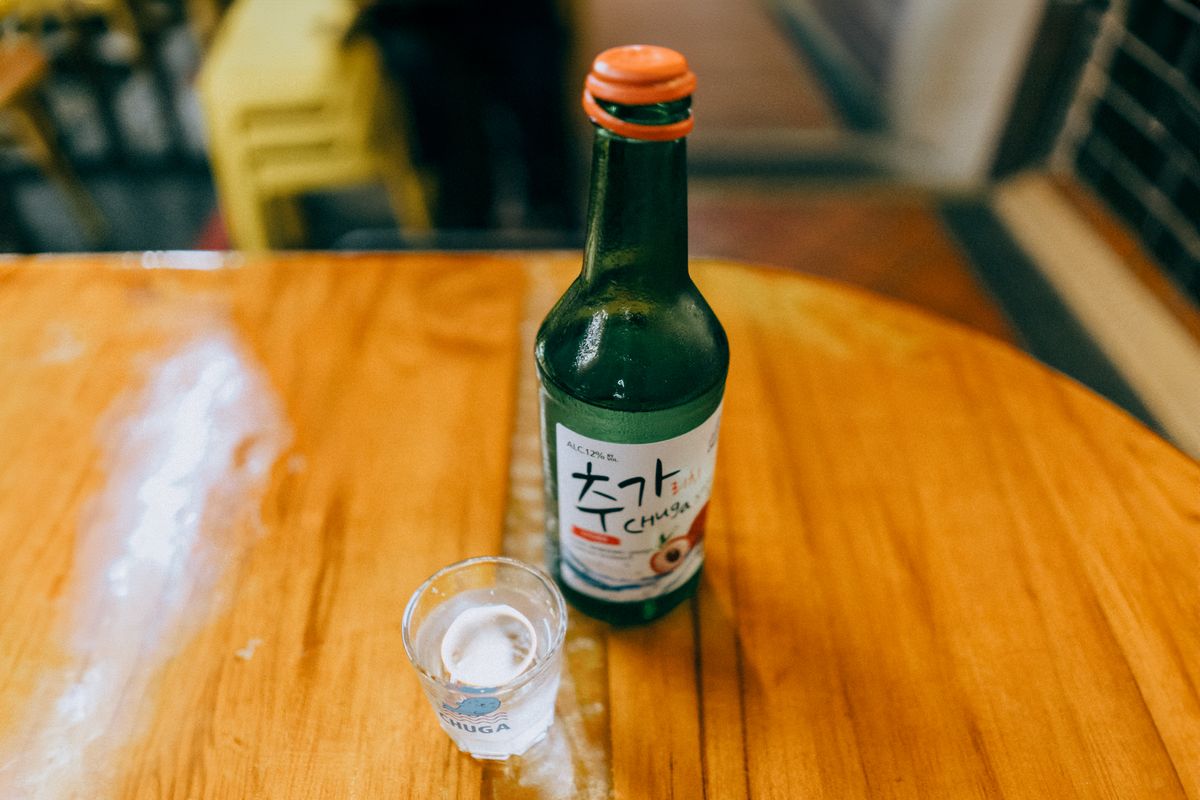
    Green soju bottle and shot glass on a wooden restaurant table in Korea

    Hoesik isn’t really about the alcohol

    You’d expect a company dinner, a hoesik (회식), to be about food and drink, and technically it is. But functionally it’s a pressure-release valve for a workplace culture that’s fairly formal the other six days a week. The honorifics loosen. Your team lead might tell a story about failing his driving test four times. Someone cries a little, someone sings, and by round two the org chart has quietly dissolved. Alcohol is the lubricant for that shift, not the point of it — which is exactly why refusing it can feel, to the people around you, like refusing the whole ritual rather than just a drink.

    I used to assume the pressure was about getting people drunk for its own sake. It isn’t, not really. It’s about everyone crossing the same small threshold together, at roughly the same pace, so nobody’s left standing on the sober, buttoned-up side of the room while everyone else has gone loose and honest. When you don’t drink, you’re not just skipping a beverage — you’re staying on the wrong side of that line, at least from the outside. That’s the part that took me almost two years in Seoul to actually understand instead of just resent.

    Which is exactly why a flat “no” can land so oddly, even when nobody says a word about it. You’re not turning down a drink so much as declining to cross the threshold with everyone else, and the table can feel that gap even if it can’t name it. So the real question isn’t whether refusing alcohol is technically allowed — it obviously is — it’s what actually happens in the ninety seconds after you say it.

    So what actually happens when you say no?

    Here’s the part people brace for and, somewhat surprisingly, the part that’s changed the most. Ten years ago, by most accounts from Korean friends who started their careers in the early 2010s, a flat refusal from a junior employee could genuinely sour the night. Today, in most offices — not all, but most — a calm, early, one-time “I don’t drink tonight” gets a shrug and maybe a follow-up question, not a scene. What still doesn’t fly is the wishy-washy no: hedging, half-accepting, then leaving the glass full for an hour while someone keeps topping it off out of habit. That reads as awkward rather than rude, but it drags the whole table’s attention toward you anyway, which is its own kind of uncomfortable.

    At my table that October night, once I gave an actual reason — I was driving a coworker home, which was true — the guy who’d been nudging the bottle just laughed, said “aigo, next time then,” and poured himself another shot instead. No tension. No lingering weirdness. The story ends there, which is honestly less dramatic than most foreigners expect going in, myself included.

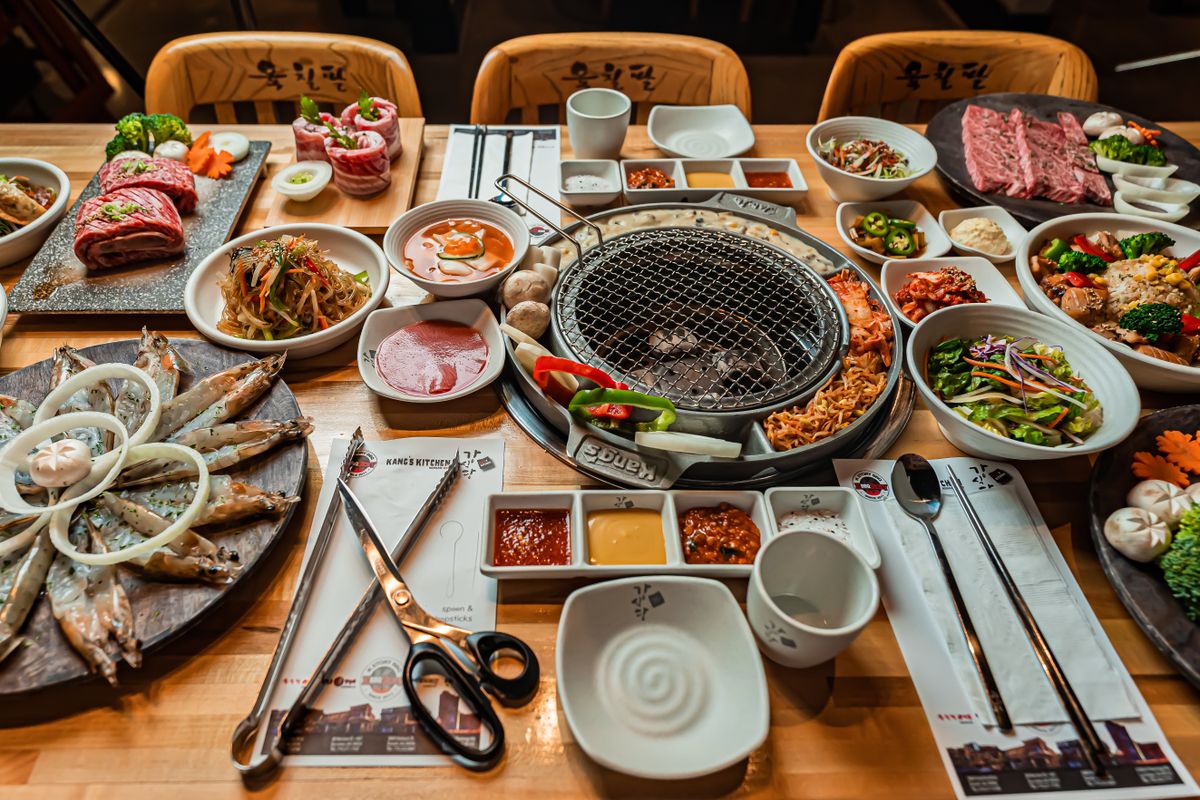
    Korean barbecue spread on a wooden table set for a group hoesik dinner

    The reasons that actually work

    Not all refusals are created equal, and this is where a lot of guides get vague. From what I’ve seen and been told directly by Korean colleagues over the years, here’s roughly how different excuses land, and it’s not a flat list — some of these took me embarrassingly long to figure out.

    Driving works almost every time, no follow-up questions. It’s concrete, it’s about someone else’s safety too, and nobody wants to be the person who argued you into a DUI. I’ve used this one more than any other, and it’s the only excuse that’s never once gotten a raised eyebrow. Medication or a specific health issue — “my doctor told me to stop for a few weeks,” not a vague “I’m not feeling well” — also lands well, especially with people over 45 who tend to take health explanations at face value and sometimes start offering unsolicited home remedies in return. A coworker’s mother once mailed her a bag of dried omija berries for exactly this reason, unprompted, after hearing secondhand that her daughter was “on medication.” Religion works but can occasionally invite a follow-up conversation, since organized non-drinking on religious grounds is less common in everyday Korean social life than in, say, parts of the Middle East or the American South — expect a genuinely curious “oh, which church?” rather than any pushback. And then there’s the plain “I just don’t drink” — which, even now, is the weakest of the four in an older or more traditional office. It’s not rude exactly, but it can land as a little standoffish, like you’ve opted out of something communal rather than having a reason you couldn’t help. Somewhat unfairly, the flimsiest-sounding excuse in English (“I’m driving”) outperforms the most honest one (“I just don’t feel like it”) almost every single time.

    One trick a Korean friend taught me, half-joking, half-serious: you don’t have to explain at all if you just keep your glass full. Pour it yourself at the start, nurse the same glass for two hours, and nobody polices whether the level ever drops. It sounds almost too simple, but I’ve watched it work at three separate dinners — the same principle, in fact, behind the glass-flip trick I’ll get to in the FAQ below.

    Age changes everything about how this lands

    You might assume older Koreans are uniformly stricter about this, and mostly, yes, that tracks — but not for the reason people usually guess. It’s less that people in their 50s and 60s are hunting for a reason to be offended, and more that pouring for someone and having them drink with you is, in that generation’s social vocabulary, literally how respect gets expressed at a table. Refusing without a clear, stated reason isn’t read as “I don’t want to drink” so much as “I don’t want to connect with you right now,” which is a much heavier thing to accidentally say.

    Younger Koreans, particularly office workers in their 20s and early 30s, generally couldn’t care less — and a lot of them are quietly grateful when someone else opts out first, because it gives them cover to do the same. I’ve sat at dinners in Seongsu and Hongdae where half the table under 30 ordered non-alcoholic beer without a single comment from anyone, while two tables over, a group that looked to be in their 50s was still doing rounds of soju bombs like it was 2009. Same city, same night, completely different drinking cultures happening in parallel.

    The zero-alcohol shelf is quietly taking over

    This is the part that’s changed the most since I first moved here, and it’s not subtle if you know where to look. Walk into almost any GS25, CU, or 7-Eleven in Seoul now and you’ll find a small but growing shelf of alcohol-free beer sitting right next to the real stuff — Hite Zero, Cass 0.0, and OB’s newer Cass All Zero, which markets itself on removing not just alcohol but sugar, calories, and gluten too. Five years ago that shelf barely existed. Now it’s standard enough that nobody blinks when you grab one at the counter next to a bag of honey butter chips.

    The numbers back up what I’m seeing on the ground: spending on non-alcoholic beer in Korea hit roughly 73.3 billion won in the year through May 2026, up about 32.6% from the year before. To put that in perspective, that single shelf at my local GS25 has physically doubled in size since I moved to this neighborhood — what used to be four cans wedged in next to the sports drinks is now an entire second door of the fridge. That’s not a niche trend anymore, that’s a real shift in what people are reaching for. And it’s not only about abstaining entirely — there’s a whole practice now, especially among university students and younger office workers, called “zebra striping”: alternating a real drink with a non-alcoholic one across a long night out, so you stay social and hydrated without waking up regretting round six. Picture a table where every other can is a Hite Zero instead of the real thing, in no particular pattern, just a rough rhythm the drinker keeps for themselves — that’s the whole idea, stripes of black and white rather than one long stretch of either. I first heard the term from a coworker in her late 20s who described it like it was the most obvious thing in the world, which, once she explained it, it kind of was. She said she does it specifically on weeknights, when she still has to be at her desk by 9am and can’t afford a real hangover, but wants Friday-night energy anyway.

    Even the language around drinking less has softened. “Sober curious” isn’t a phrase that would have meant much in a Korean office in 2015. Now it shows up in casual conversation the same way “I’m doing intermittent fasting” does — a personal choice stated plainly, not a confession requiring justification. That shift alone tells you more about where this culture is heading than any single hoesik story could.

    Refrigerated shelf of drinks including non-alcoholic beer at a Korean convenience store

    Companies have noticed too, which surprised me a little the first time I heard about it. A handful of larger firms now run officially designated “sober hoesik” nights — same format, same food, same seating chart, just no alcohol on the table at all, sometimes swapped for bowling or a movie screening instead. It’s not universal by any means, and plenty of smaller companies and older-school industries haven’t budged an inch. But the fact that it exists as a recognized HR-approved option now, rather than something you’d have to fight for, says a lot about which direction the culture is actually moving.

    What I’d actually tell a friend visiting Korea

    If you’re worried about a single dinner or a short trip, don’t be. Tourists get an enormous amount of slack that expats and coworkers don’t — nobody’s going to hold a grudge because you passed on soju at a barbecue place in Myeongdong. The stakes only really rise if you’re in it for the long haul: working here, dating here, becoming part of someone’s actual social circle. Even then, the honest answer is that one calm, early, specific “no thanks” almost always works better than either forcing it down or dodging the question for twenty awkward minutes. State your reason once, keep the mood light, and let the table move on — because it will. Mine did, that Thursday in Yeoksam, somewhere around the point everyone started arguing about whether pineapple belongs on samgyeopsal.

    I still think about that eleven minutes sometimes, mostly because of how anticlimactic it turned out to be. The soju bottle that felt like a small verdict sliding toward me was just a bottle, the guy nudging it was just being friendly in the only language he had for it, and the whole tense standoff dissolved the second I said one true sentence out loud. If there’s a next Thursday, a next galbi place, a next bottle nudged two inches closer — and there always is — I already know how it goes now. I’ll say my one line, somebody will laugh, and the table will move on without me long before I’ve finished worrying about it.

    Frequently Asked Questions

    Q: My Korean boss keeps refilling my glass even after I said no once. What do I do?
    A: This is less stubbornness than habit — pouring for others is almost automatic at a Korean table, and a lot of people do it without even registering whether the glass moved. Keep your glass visibly full (top it off yourself before anyone else can) or turn it slightly upside down between rounds, which is a subtle, widely understood signal that you’re finished. You rarely need to say anything twice.

    Q: Is it okay to just say “I’m allergic to alcohol” even if that’s not technically true?
    A: A lot of foreigners lean on this one, and it does work — Koreans are generally familiar with actual alcohol flush reaction, which is common enough here that “I turn red and get sick” barely raises an eyebrow. That said, I’d gently push back on faking it outright; “I get a bad reaction to alcohol” or simply naming a health reason without overselling it gets you the same result without the small risk of getting caught in an exaggeration later, especially if you end up working with the same people for years.

    Q: Will refusing alcohol actually hurt my career or social standing here?
    A: Less than you’d think, and it’s getting less true every year. It depends heavily on the specific office and generation you’re dealing with — a conservative, older-skewing company in an industry like construction or traditional finance will feel different from a startup in Seongsu full of people in their late 20s. But broadly, one clear reason stated calmly and consistently over time reads as a personal boundary, not a character flaw. The people who actually get remembered badly are the ones who make the refusal into a whole production, not the ones who just quietly order a Cass Zero and move on with the conversation.

  • Things That Surprised Me Moving to Korea

    Things That Surprised Me Moving to Korea

    The first time I heard the siren, I grabbed my laptop, my passport, and one shoe before I even registered what was happening. It was 2 p.m. on the 15th of the month, and outside my window in Mapo-gu, absolutely nobody else was panicking. A man kept sweeping his storefront. Two ajummas kept talking about radishes. I stood there with one shoe on, feeling like the only person who hadn’t gotten the memo, which, as it turned out, was exactly the point. That was my introduction to Korea’s civil defense drill, and it is still one of six things that rearranged how I think about this country, even years into calling it home.

    1. Civil defense drills that nobody treats as an emergency

    You’d expect a national siren test to cause at least a little commotion — a few confused tourists, some honking, maybe a dog losing its mind. Instead, what I got was near silence. The Minbang app on my phone buzzed with a notice, the loudspeakers outside did their thing for about fifteen minutes, and life underneath it just kept going, like the drill was weather rather than an emergency. I asked my coworker Ji-eun about it over lunch near Hongik University, half expecting her to explain some deep cultural stoicism. She just shrugged and said, “We’ve done it since we were kids, it’s like a fire alarm at school, nobody really reacts.” I’ll admit that answer undersold how impressive the system actually is — apartment complexes here run their own evacuation drills too, and mine, an 18-story building near Sinchon, had a full stairwell walk-down in April with building staff at every landing checking names off a clipboard. Nobody complained about the inconvenience. They just filed down twelve flights like it was a mildly annoying errand. It wasn’t until later, reading up on it, that I connected the dots — a lot of this drill infrastructure, and the seriousness with which schools and workplaces now run their own safety trainings, tightened considerably after the Sewol ferry disaster in 2014. That context reframed the whole thing for me. The calm isn’t indifference. It’s what a society looks like after deciding, collectively, that this stuff has to actually work rather than just exist on paper.

    2. Hair salons on every corner, and somehow all of them survive

    You might assume that in any city, salons cluster the way coffee shops do, one every couple of blocks, tasteful spacing. Walk down a single stretch of Yeonnam-dong, though, between the park and the rail-line walking trail, and you’ll pass seven — I counted, more than once, mostly out of disbelief — within about 200 meters. Not barbershops repurposed with a sign; full salons, multiple chairs, hair models smiling from posters in the window, prices for a men’s cut hovering around 20,000 to 25,000 won. My first thought was that half of them had to be fronts for something else, because the math didn’t seem to work. It does work, somehow. Koreans get haircuts more often than I ever did back home — every four to six weeks seems standard rather than aspirational — and there’s a level of finish, the blow-dry, the styling gel application, the little consultation about your face shape, that turns a basic cut into something closer to a service industry than a chore. I still haven’t fully adjusted to being asked, unprompted, whether I want my eyebrows trimmed too.

    A row of hair salons along a narrow Seoul street

    3. The UV index treated like an actual weather forecast

    I figured checking a UV index was something dermatologists did, not something regular people built into their morning routine the way you’d check for rain. Then I noticed my landlord’s wife checking the 자외선지수 (UV index) on the weather app before deciding whether to bike to the market, the same casual glance you’d give a rain forecast. Middle-aged men carry black umbrellas in July, not because it’s raining but because the sun index hit “very high,” and nobody so much as glances twice. At Hangang Park on a bright Saturday in late May, I watched an entire family reapply sunscreen mid-picnic, kids included, with the practiced rhythm of people brushing their teeth. Even I’ve started doing it, somewhat embarrassingly, and I used to be the guy who considered sunscreen an occasional summer afterthought. There’s a whole retail aisle logic behind it too — SPF is printed on makeup, on hand cream, on lip balm, on things I never would have thought to check back home. Part of it, I’ve come to think, traces back further than convenience: pale, even skin has been an aesthetic ideal here for generations, long before K-beauty turned “whitening” and SPF-layered skincare into a global export. So it’s not vanity exactly, or not only vanity. It reads more like basic hygiene that everyone quietly agreed on decades ago and just never bothered to announce.

    4. The dual-speed rhythm of 빨리빨리, on and off

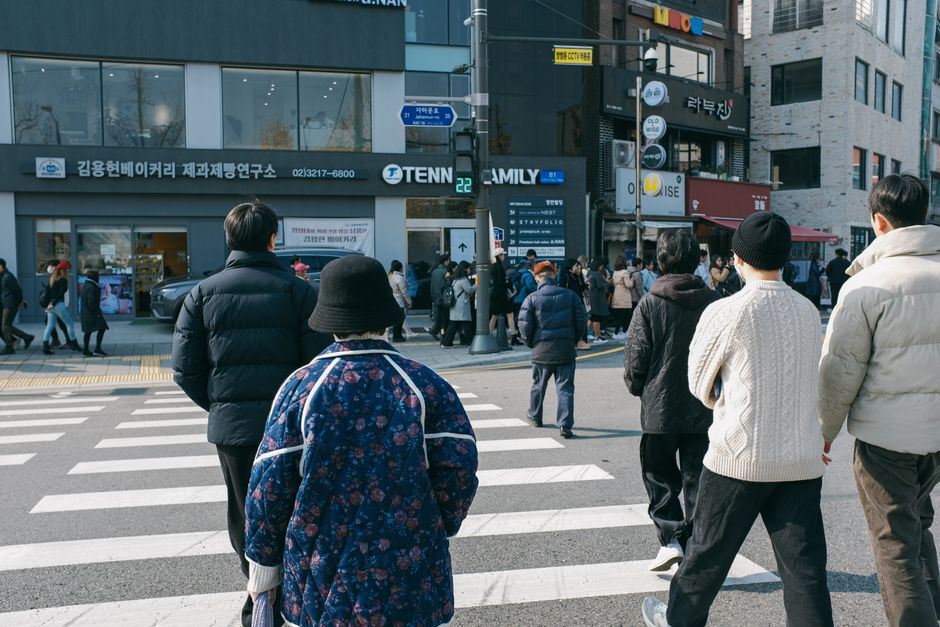
    You’d think a country famous for hospitality and patience with elders would be uniformly unhurried in daily interactions, but that assumption falls apart the second you step into an elevator. People mash the door-close button like it’s a video game, sometimes before the last passenger has even cleared the threshold, and if you hesitate, someone will lean past you to do it for you. It’s not rudeness — it genuinely doesn’t register as rude to anyone involved — it’s closer to reflex. Crosswalks have the same energy: the countdown timer hits single digits and the entire crowd picks up its pace in unison, like a school of fish reacting to the same signal. I noticed it most clearly outside Gangnam Station around 8:40 on a Tuesday morning, watching maybe forty people break into a light jog the second the number hit six. And yet flip the setting slightly and that urgency just evaporates. Nobody rushes you out of a restaurant here, even when there’s a line at the door. A shared meal runs as long as the conversation does. I’ve watched a grandmother near my building chat with a stranger on a park bench for a good twenty minutes, in no hurry at all. At first that contrast looked like a contradiction to me. Now it feels more like Korea runs on two separate clocks depending on context, and everyone around me just knows, instinctively, which one applies without ever needing it explained.

    Pedestrians crossing a busy Seoul intersection

    5. Buildings that quietly skip the 4th floor

    I noticed this one purely by accident, jabbing the elevator panel in my building and finding the sequence go 1, 2, 3, F, 5. My first assumption was a broken button. It wasn’t. The number 4 sounds like the Sino-Korean word for death, 死, and enough buildings quietly skip it — replacing it with F for “four” in English, or just leaving it off entirely — that I now notice when a building doesn’t do it, rather than when it does. Older apartment blocks around my neighborhood do the same thing with unit numbers ending in 4, and a friend who works in real estate in Ilsan told me landlords sometimes list a 4th-floor unit slightly cheaper because some tenants still request a different floor outright. What surprised me wasn’t the superstition itself — plenty of countries skip a 13th floor — but how unremarked-upon it is here. Nobody brings it up unprompted. It’s baked into the architecture the way a building code would be, not treated as folklore you’d explain to a foreigner unless he specifically asked, which, admittedly, I did, more than once, at more than one dinner table.

    6. Bakery lines that run on rules nobody wrote down

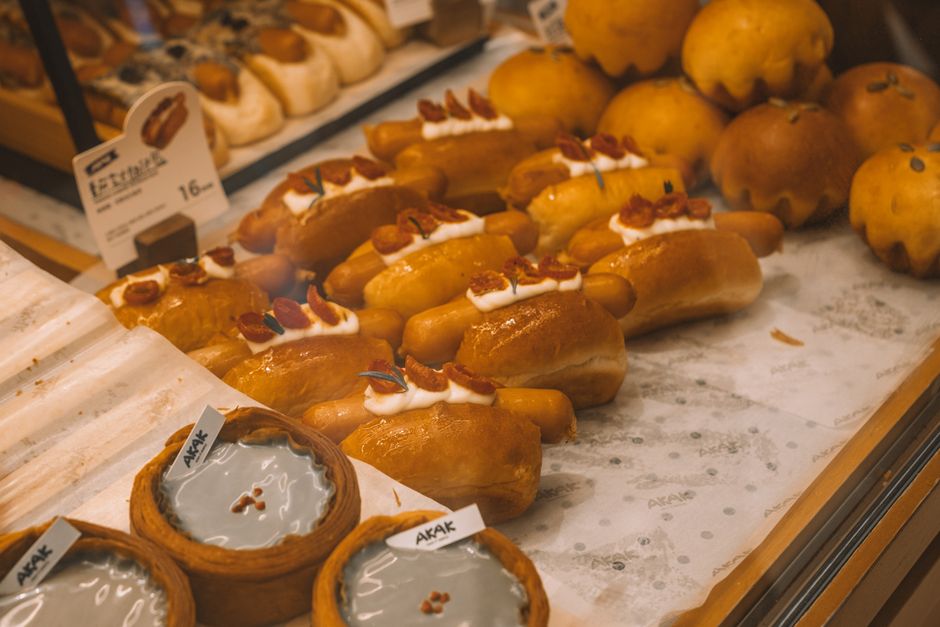
    Popular bakeries here have no ticket machine, no rope, no app to hold your place — and yet I have never once seen the line actually break down. At a bakery near Yeonhui-dong that gets a small crowd most Saturday mornings, everyone picks up a tray and a pair of tongs at the door and just… knows where the line starts, weaving single-file past the pastry case as if the floor itself were marked. Try to guess wrong and drift toward the register out of order, and you will get a look — not hostile, just a flat, immediate look that tells you everything. I got that look exactly once, back in my first month, reaching for a coffee bun a half-step ahead of an elderly woman who had clearly been standing there the whole time. I apologized, she nodded once, and that was the entire exchange. No confrontation, no words really necessary, just an unwritten rule enforced with total consistency by people who’ve never discussed it with each other.

    Fresh bread and pastries displayed at a Korean bakery

    What none of this adds up to

    None of these are the “big” culture shock stories you’d expect someone to lead with — no chopsticks confusion, no karaoke mishap. They’re smaller than that, almost administrative, and that’s exactly why they stuck with me. A siren nobody panics over. A block with more salons than it seems to need. A UV number people check like the weather. An elevator that turns everyone into a sprinter for eight seconds and then lets them go back to being unhurried. A floor that quietly doesn’t exist. A bakery line with rules nobody wrote down. Individually they’re minor. Taken together, though, I’ve started to think of them less as quirks and more as the quiet machinery that lets a genuinely dense, fast-moving society avoid grinding against itself all day — dozens of small, mostly invisible agreements everyone honors without ever discussing them out loud, because discussing them was never really the point. They just work, which might be the most Korean thing about all six of them.

    FAQ

    Q1. Is the monthly siren drill something I need to actually do anything during, as a visitor or new resident?
    A. For a short-term visitor, no — you can generally ignore it and continue what you’re doing, since it’s a nationwide civil defense test rather than an actual emergency signal. If you’re a resident and it happens to coincide with a building-specific fire drill (posted in advance in the elevator or lobby noticeboard), it’s worth following building staff instructions just so you know your building’s evacuation route, but the siren itself, on the 15th at 2 p.m., is routine and expected.

    Q2. Why do some apartment buildings skip the 4th floor and others don’t seem to care at all?
    A. It comes down to age and management style rather than any official rule. Older buildings and ones managed by more traditional developers are far more likely to relabel or skip 4, while newer high-rises, especially ones built or renovated with international buyers or tenants in mind, sometimes keep it as-is. There’s no law requiring either approach, which is part of why it can look inconsistent from building to building even on the same street.

    Q3. If I accidentally jump a bakery queue like you did, what’s the actual expected recovery move?
    A. A quick, sincere “죄송합니다” (I’m sorry) and stepping back is genuinely enough — nobody expects a foreigner to know an unwritten system on day one, and the flat look I mentioned earlier isn’t anger, more just mild surprise. What matters more is not repeating it once you notice how the tray-and-tongs flow works; regulars will absolutely notice if you keep cutting in, even unintentionally.

  • Is It Rude to Eat Alone in Korea?

    Is It Rude to Eat Alone in Korea?

    Somebody asked me once, half-joking, whether ordering a full rack of galbi for a table of one in Seoul would get me stared at. Fair question. It used to be the kind of thing that made Korean strangers glance twice, maybe pity you a little, maybe assume something had gone wrong in your life. These days, though, that same scene barely registers. Nobody looks up.

    Honbap Wasn’t Always This Easy

    The word is honbap — 혼밥 — a mashup of “honja” (alone) and “bap” (rice, or meal, depending on how loosely you’re translating). It sounds almost too simple to carry cultural weight, but it does. Korean food culture, for most of its modern history, has been built around the group. Dishes arrive in shared bowls. Barbecue is grilled at the center of the table for everyone to reach. Even the portion sizes assume more than one mouth is eating. Sit down solo at a restaurant built for sharing, and you’re not just eating — you’re quietly announcing that nobody came with you.

    That announcement used to carry a sting. Older Koreans have described turning down invitations rather than admit they’d be dining by themselves, and some restaurant owners flat-out refused single customers because a one-top meant less revenue per table and, honestly, a slightly awkward vibe for the room. You’d hear the word “sajangnim” called out, and then that beat of hesitation — where do I put this person who came in alone. It wasn’t hostility exactly. It was just that the whole system wasn’t built for you.

    So when people say honbap “used to be rude,” what they usually mean is that it used to be sad-looking, not against any rule. Nobody was going to throw you out. But there was a quiet judgment baked into it — the assumption that a person eating alone must not have anyone, which in a culture that prizes belonging to a group (family, company, school, friend circle) reads almost like a small failure.

    Why the Stigma Actually Broke

    It wasn’t one sudden social revolution. It was two slower forces landing at roughly the same time, and it’s worth separating them, because flattening the whole shift into “Koreans just got more individualistic” misses half the story. Single-person households have been climbing for years — Statistics Korea’s own household surveys have put the figure above 35 percent nationally in recent counts, and in Seoul specifically it’s already brushing up against 40, a number that would have sounded like a rounding error a generation ago, back when three-generation households under one roof were still the norm in most neighborhoods. That’s not a fringe demographic anymore. That’s a market big enough to build a business model around.

    And markets respond to size. Once enough people were eating, drinking, even traveling and watching movies alone, businesses stopped treating solo customers as an inconvenience to tolerate and started treating them as a segment to design for. You can trace the honbap boom pretty specifically to around 2015 through 2017, the years when one-person shabu-shabu chains and “study room” style grill houses — private little booths that looked more like reading carrels than restaurant seating — started popping up around university districts and office neighborhoods. That’s also roughly when honjok — “alone tribe,” people who deliberately choose solo activities rather than settle for them — started showing up on variety shows and in marketing decks. There’s a particular Korean cultural talent for turning a coping mechanism into a lifestyle brand, and that’s basically what happened here.

    But it isn’t purely generational rebellion against collectivism, either — a lot of it is plain exhaustion. Company dinners, hoesik, can run long, loud, and obligatory, with rounds of soju you didn’t necessarily want and conversations you’re too junior to steer. After a week of that, a quiet bowl of kimchi jjigae eaten alone, at your own pace, reading your phone without anyone asking why you’re on your phone, isn’t loneliness. For a lot of people it’s the first calm twenty minutes of their day — which is probably why honbap took off hardest among office workers in their twenties and thirties, the exact group most exposed to that hoesik fatigue in the first place.

    From Kiosks to Solo Grills to the Convenience Store Counter

    Here’s where the shift stopped being just attitude and started showing up as actual physical infrastructure — and it happened in a fairly logical order, starting with how you order.

    The self-order kiosk, or “kiosk” (키오스크, borrowed straight from English), quietly removed a huge chunk of the social friction around eating alone. Before kiosks became standard, walking into a restaurant by yourself meant a verbal exchange with staff — how many, table for one, sometimes a look. Small stuff, but it added up if you were already a little self-conscious about dining solo. With a kiosk, you walk in, tap a screen, pay, sit down, and your number gets called. No conversation required. I’ve noticed this pattern in plenty of places outside Korea too — the barrier to doing something alone in public is rarely the activity itself, it’s the tiny moment of having to explain yourself to someone. Kiosks quietly deleted that moment from the honbap equation.

    Once ordering stopped requiring a human conversation, the next logical step was redesigning the room itself — and Korean barbecue and hot pot restaurants, the exact category of food that used to require a minimum of two or three people just to place an order, are where that redesign shows up most literally. Rows of narrow booths, each with its own little grill or individual pot, sometimes with a divider on either side so you’re not making eye contact with strangers mid-bite. Some booths even have a small TV or tablet built in.

    Solo diner grilling Korean barbecue at an individual grill booth

    What’s a little funny is how deliberately anti-social these places are, in the best way. The partitions aren’t there because Koreans have become cold or unfriendly — if anything, the opposite. They exist because someone did the math and realized there was a huge, previously ignored customer base that wanted the food without the performance of having company. A single-portion samgyeopsal set with your own tiny grill isn’t a downgrade from the group version. For a lot of regulars, it’s actually preferable — no one’s negotiating who flips the meat, no one’s hogging the good cuts.

    And if kiosks handled the ordering and solo-grill booths handled the seating, convenience stores went one step further and removed the restaurant altogether. Walk into a GS25 or CU or 7-Eleven at almost any hour and you’ll find instant noodles, triangle kimbap, and pre-packaged lunch boxes (dosirak) built specifically around eating right there, alone, at the counter seating most stores now have bolted along the front window — usually facing outward toward the street rather than toward other customers, which somehow makes the whole thing less self-conscious rather than more. There’s a hot water dispenser a few feet from the noodle shelf so you can build your own instant meal on the spot, iced-coffee machines that turn the same counter into a five-minute breakfast bar, and, in a few flagship stores, actual ramen-cooking machines that plate a hot bowl for a couple thousand won. None of it requires talking to anyone. It’s hyper-efficient, faintly ritualistic, and — once you’ve done it a few times — strangely calming rather than sad.

    Convenience store counter seating for a solo meal in Korea

    I think that’s the part outsiders underestimate the most: honbap culture didn’t just make eating alone socially acceptable, it built entire physical spaces — kiosk counters, grill booths, convenience store windows — where being alone in public simply isn’t remarkable anymore. You’re not the only person doing it; you’re one of several, all quietly doing the same thing, and that shared anonymity ends up feeling less isolating than a lot of forced group meals ever did.

    Is There Still Any Awkwardness Left?

    Some, sure — I wouldn’t pretend the stigma vanished completely. Certain restaurant categories still lean group-oriented in practice even where they’ll technically serve you: a full traditional hanjeongsik spread, or a table meant for shabu-shabu with one giant communal pot, can feel like overkill for a party of one even when nobody actually stops you. Older generations, generally speaking, are more likely to raise an eyebrow at solo dining than people in their twenties and thirties, who mostly shrug at it. But the trajectory is pretty unmistakable. What used to require an apology now barely requires a second thought, and the businesses that adapted fastest — the honbap-specific grill chains, the kiosk-equipped cafes, the convenience store counter seats — are the ones doing the best business with that exact customer today.

    So no, eating alone in Korea today isn’t rude. If anything, it’s become almost fashionable, wrapped up in a broader honjok identity that treats solitude as a preference rather than a consolation prize. The stigma didn’t disappear because Koreans stopped valuing togetherness — hoesik dinners and family meals are still very much alive — it just stopped being the only acceptable way to eat.

    FAQ

    Will a restaurant actually turn me away if I ask for a table for one?

    It’s rare in cities like Seoul or Busan now, especially at honbap-friendly chains, cafes, and anywhere with a kiosk. It’s more likely to come up at group-format places built around communal grilling or hot pot for four or more, where a two-person minimum might still apply on the menu rather than as a personal judgment about you.

    Is honbap the same thing as honjok?

    Not quite. Honbap specifically means eating alone. Honjok is the broader identity — the “alone tribe” — that covers solo dining along with solo drinking (honsul), solo travel, solo movie-watching, and generally choosing solitary activities on purpose rather than as a fallback.

    What’s the easiest first honbap meal to try if I feel self-conscious about it?

    A convenience store counter seat or a solo-format Korean BBQ booth is about as low-pressure as it gets — no waitstaff conversation required at either, thanks to kiosks or self-checkout, and you’ll be surrounded by other people doing the exact same thing.

  • Korean Spicy Food Scale Explained

    Korean Spicy Food Scale Explained

    A Korean friend once handed me a bowl of jjamppong — the deep red, slightly murky kind, with a slick of chili oil pooling on top before you even stir it — and said, casually, “it’s not that spicy.” I was three bites in, eyes watering, groping blindly for my ice water like it was a matter of national security. She wasn’t lying to me. She genuinely believed it. That gap — between what a Korean tongue registers as “a little kick” and what the rest of us register as a five-alarm fire — is the whole reason this post exists. Korean spiciness isn’t one thing. It’s a stack of different chemistries, different cultural habits, and different pain tolerances, all disguised under the exact same shade of angry red, and once you can tell them apart, eating in Korea stops being a guessing game.

    Gochugaru and gochujang are not the same heat

    Here’s the mix-up almost every visitor makes: they see red powder or red paste on a label and assume “chili” means one consistent level of pain. It doesn’t. Gochugaru, the dried red pepper flake, is the actual firepower — it typically sits somewhere around 1,500 to 10,000 Scoville Heat Units depending on the batch, which is a wide enough range that two bags from two different markets can taste nothing alike. It’s what gives kimchi its sharp, immediate bite and what makes a bowl of sundubu jjigae sting the second it hits your lips.

    Gochujang, on the other hand, is the fermented chili paste — and despite looking like the spicier of the two (it’s thicker, darker, more intense-looking), it actually clocks in under 1,000 SHU most of the time. That’s because gochujang isn’t just chili. It’s chili powder blended with glutinous rice, fermented soybean, barley malt, and salt, then aged for months. The fermentation mellows the raw heat and swaps a chunk of it for sweetness and umami. So when a dish is built around gochujang — think tteokbokki, or a bibimbap sauce — you’re tasting a slow, rounded warmth. When it’s built around gochugaru, you’re getting hit fast and sharp. Same red color, genuinely different experience, and almost nobody explains this to foreigners before they order.

    Korean red pepper flakes gochugaru and chili paste gochujang

    Why Buldak became a global dare while Koreans just ate it for lunch

    Once that natural baseline of pepper and paste is set, modern Korean food culture takes the same heat and cranks it up into something almost entirely synthetic — which is exactly where Buldak comes in. You’d think a country with this much nuance in its chili game would be a little embarrassed by Buldak Bokkeummyun turning into a worldwide dare. It isn’t. If anything, Koreans find the international “fire noodle challenge” mildly amusing, because the original Buldak sits at roughly 4,404 SHU — spicy, sure, but nowhere near the top of what’s sold on Korean shelves. The 2x Spicy version jumps to around 8,706 SHU, and the 3x Haek variant pushes past 13,000. Compare that to gochugaru’s upper range and you’ll notice something: Buldak’s sauce isn’t relying on gochugaru alone. It leans on concentrated chili extract and oil-based capsaicin, which spreads across your whole mouth instead of landing in one spot — part of why it feels so relentless compared to a spicy stew that at least gives your tongue a break between spoonfuls.

    What’s easy to miss from outside Korea is how ordinary the noodles actually are here. Grab a convenience store cup version at a GS25 late on a Friday night and you’ll see office workers eating it standing up at the plastic counter after a round of drinks, treating it like a hangover snack rather than a medieval torture device. The dare framing exploded abroad around 2014 and never really was a “challenge” domestically to begin with — it was just instant noodles that happened to be hot. That says something about how differently the exact same bowl can be read depending on which side of the ocean you’re standing on.

    The cheese-and-mayo strategy nobody warns you about

    If you’ve ever watched a Korean coworker dump shredded cheese onto Buldak, or squeeze mayo over a plate of tteokbokki at a street cart, it might look like they’re ruining the dish. They’re not — they’re managing it. Capsaicin, the compound responsible for the burn, is oil-soluble, not water-soluble. That’s why chugging ice water when your mouth is on fire is basically a fool’s errand; it just spreads the oil around instead of clearing it out. Dairy fat is what actually works, because casein — a protein in milk products — binds to capsaicin molecules and pulls them off the receptors in your mouth. Cheese, mayo, and condensed milk all do this job, which is exactly why cup-bap and tteokbokki carts treat a squirt of kewpie-style mayo or a slice of gooey processed cheese as practically mandatory rather than optional, and why convenience stores sell a “cheese sachet” add-on for spicy ramyeon in the first place.

    This isn’t a hack foreigners invented online. It’s baked into how the food is actually built and sold. Cream cheese tteokbokki, rose (creamy gochujang) sauces, cheese-topped budae jjigae — these aren’t watered-down versions for people who “can’t handle it.” They’re a legitimate second category of Korean spicy food, one where the fat is doing real, measurable work against the capsaicin instead of just sitting on top for flavor. Cheese Buldak, for context, comes in around 2,323 SHU — roughly half the original — and it consistently outsells several of the hotter variants, which tells you plenty about what most people actually want when the packaging says “fire.”

    Cheese topped spicy Korean tteokbokki with melted cheese

    So why do Koreans keep saying it’s “not spicy” when you’re sweating

    This is the part that actually annoys foreigners the most, and I get it — you’re crying over a bowl of soup and the person across the table is calmly finishing theirs while telling you it’s “mild.” It’s tempting to assume they’re just tougher, or exaggerating for effect, but the more boring explanation is closer to the truth: repeated exposure to capsaicin from early childhood genuinely blunts the pain response over time. The trigeminal nerve, which is what actually registers that burning sensation (not your taste buds, despite what it feels like), adapts with consistent exposure. Someone who’s been eating gochugaru-laced side dishes since they were five years old is working from a recalibrated baseline that a first-time visitor simply doesn’t have yet.

    There’s also a labeling problem hiding underneath this. Korean menus and product packaging run on their own internal spice scale — mild, medium, “maeun-mat” (spicy flavor), and then the genuinely dangerous stuff — and that scale was calibrated against a population with a much higher average tolerance. A dish rated “medium” on a Korean scale can land firmly in “why is my nose running” territory for someone who grew up on food that barely uses black pepper. Neither side is wrong about their own experience. They’re just measuring against two completely different baselines, and nobody bothers to translate between them until you’re already three spoonfuls in and it’s too late to send it back gracefully.

    How to actually navigate it if you’re new here

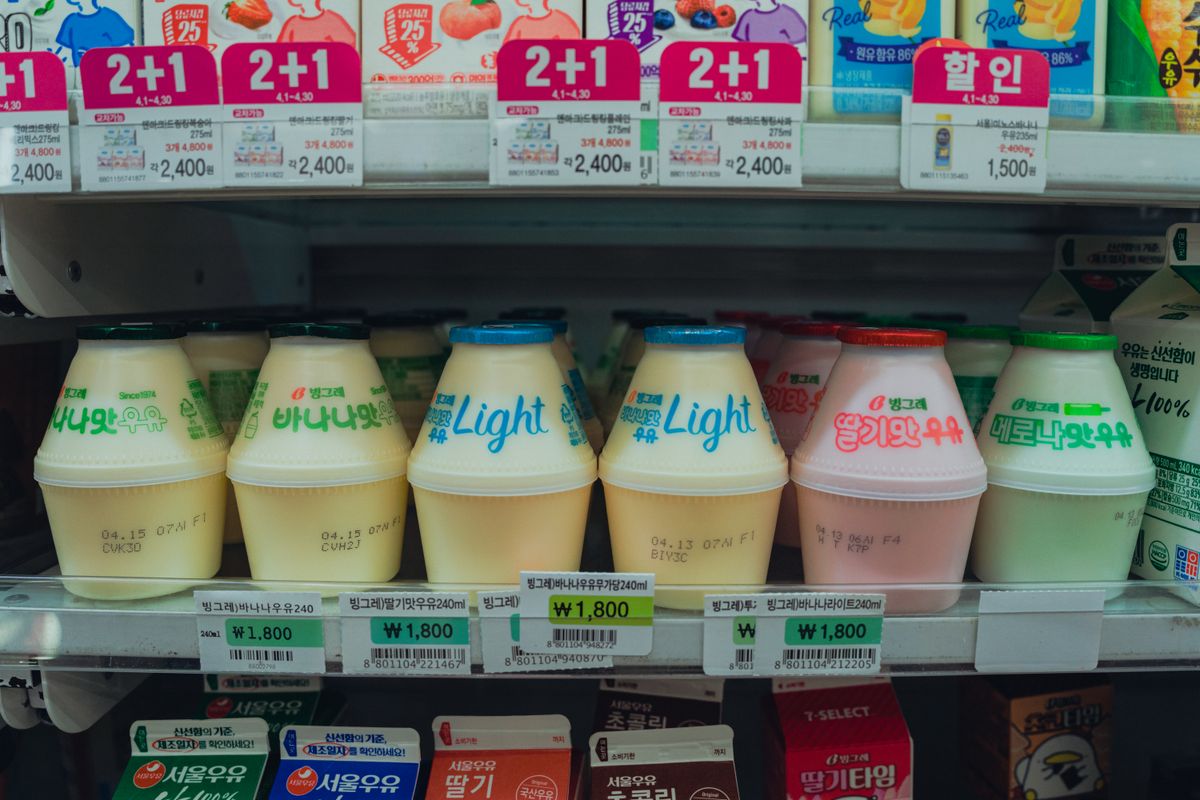
    If you’re trying to build up tolerance instead of avoiding spicy food entirely, the smarter path is starting with gochujang-based dishes before gochugaru-heavy ones, since the paste gives you the flavor without the same sharp spike. Ordering “half spicy” (banmae) is a completely normal, non-embarrassing request at most restaurants that let you customize heat, and asking for extra cheese or a side of milk isn’t seen as weak — it’s practically a built-in menu option at this point. If a Korean friend tells you a dish “isn’t spicy,” it’s worth treating that less as a fact and more as a translation problem: ask them to compare it to something specific you’ve already tried, because a direct comparison is far more useful than a vague reassurance from someone whose baseline sits nowhere near yours. And if you do end up in over your head, reach for dairy before water — a small carton of banana milk from the fridge case works better than an entire bottle of Coke, no matter what the vending machine next to it is trying to tell you.

    FAQ

    Is gochugaru always spicier than gochujang?

    By raw Scoville numbers, generally yes — gochugaru lands around 1,500 to 10,000 SHU while gochujang usually sits under 1,000 SHU thanks to fermentation and the added rice, soybean, and malt. But brand and pepper batch matter too, so a seed-heavy, high-quality gochugaru can feel sharper than a cheap gochujang cut with extra sugar, and the reverse is possible as well.

    Does drinking water actually help with Buldak-level spice?

    Barely. Capsaicin is oil-based, so water just spreads it around instead of washing it away. Dairy fat — milk, yogurt, cheese — works better because casein binds to the capsaicin and helps clear it off your receptors, which is exactly why those cheese sachet packets sold with spicy ramyeon aren’t just a flavor gimmick.

    Why does a “medium” dish in Korea feel extremely hot to me?

    Korean spice labeling is calibrated against a population that’s built up tolerance since childhood through repeated capsaicin exposure, which gradually dulls the trigeminal nerve’s pain response. A “medium” rating on that scale reflects a much higher baseline than most first-time visitors carry, so it’s less that the label is wrong and more that two different reference points are colliding on the same spoon.

  • 연락 끊긴 지 딱 3일, 이거 밀당일까 진짜 잠수 이별일까

    연락 끊긴 지 딱 3일, 이거 밀당일까 진짜 잠수 이별일까

    카카오톡 프로필을 오늘만 세 번째 눌러봤다. 마지막 접속 시간은 어제 밤 11시 42분에서 멈춰 있다. 그런데 내가 보낸 메시지 옆에는 여전히 ‘1’이 그대로다. 웃긴 건 인스타그램 스토리는 어제도, 오늘 아침에도 새로 올라왔다는 거다. 나만 빼고 다 잘 지내는 느낌. 바쁜 건가, 아니면 이게 그 유명한 ‘잠수 이별’인가 — 이 질문 하나로 하루 종일 일이 손에 안 잡힌 사람이라면, 이 글이 도움이 될 것이다.

    사흘의 침묵, 이거 정말 위험 신호일까

    결론부터 말하면 ‘3일’이라는 숫자 자체엔 절대적인 기준이 없다. 사람마다 연락 빈도가 다르고, 원래도 하루에 한 번 안부만 주고받던 사이라면 사흘의 침묵이 이상 신호가 아닐 수도 있다. 반대로 매일 아침저녁으로 카톡을 주고받던 사이였다면 하루만 조용해도 불안이 스멀스멀 올라온다. 중요한 건 날짜 수가 아니라 ‘평소 패턴 대비 얼마나 벗어났는가’다. 어제까지 시시콜콜한 하루 일과를 실시간으로 중계하던 사람이 갑자기 세 마디 답장으로 줄었다면, 그건 사흘이 아니라 하루 만에도 이미 신호다.

    그렇다고 완전히 안심할 일도 아니다. 한 결혼정보업체가 미혼남녀를 대상으로 진행한 설문에서 ‘썸이 깨지는 신호’를 묻자 응답자의 51.6%가 ‘연락이 없어지거나 텀이 길어진다’를 꼽았다. 뒤를 이어 ‘말투가 변한다’가 24.7%, ‘약속 잡는 횟수가 줄어든다’가 15.8%였다. 즉 연락 텀이 늘어나는 건 실제로 관계가 식어갈 때 가장 흔하게 나타나는 첫 신호이긴 하다. 다만 이게 밀당인지 진짜 정리 수순인지는 이 숫자 하나로는 구분이 안 된다는 게 문제다. 그래서 필요한 건 숫자가 아니라 ‘무엇이 함께 달라졌는가’를 보는 눈이다.

    스마트폰 메시지를 확인하며 답장을 기다리는 모습

    ‘밀당’과 ‘잠수’를 가르는 결정적 차이

    여기서 밀당이랑 잠수를 같은 걸로 헷갈리는 사람이 은근히 많다. 밀당의 침묵은 ‘의도가 있는 침묵’이다. 상대는 여전히 SNS에 스토리를 올리고, 다른 사람 게시물엔 좋아요도 누르고, 프로필 사진도 자주 바꾼다. 존재감은 여전히 흘리면서 단지 나한테만 답장 속도를 늦추는 식이다. 심지어 답장이 온 다음엔 평소보다 더 다정하거나 애교 섞인 말투로 오는 경우도 많다 — 밀당은 상대를 완전히 놓을 생각이 없다는 전제에서 나오는 행동이기 때문이다.

    반면 잠수 이별의 침묵은 ‘설명을 아예 회피하는 침묵’이다. 카톡은 물론이고 인스타그램 스토리도 뜸해지거나, 심하면 팔로우를 끊거나 스토리 공개 범위에서 나를 제외해버린다. 답장이 와도 단답이고, 예전과 달리 애정 표현이나 이모티콘이 사라진다. 무엇보다 “요즘 좀 바빠서”라는 말만 반복하고 정작 언제 만나자는 약속은 끝까지 잡지 않는다. 친구들과의 약속 인증샷은 꼬박꼬박 올라오는데 정작 나한테는 “일이 많아서 정신없다”는 말만 돌아온다면, 그건 바쁜 게 아니라 우선순위에서 밀려난 거다. 밀당이 ‘긴장감을 주는 기술’이라면, 잠수는 ‘이별 통보를 회피하는 방식’에 가깝다.

    왜 우리는 답장 10분, 20분에 이렇게 목을 매게 될까

    그 사흘 동안 유독 신경 쓰이는 게 하나 더 있다. 바로 답장 속도다. 답장 속도에 웃길 정도로 예민해지는 게 요즘 연애의 특징이라고 해도 과언이 아니다. 실제로 연애 조언을 다루는 한 SNS 계정에서는 “상대가 10분 안에 답하면 10~20분 내로, 2~3시간 후에 답하면 비슷한 템포로 맞추라”는 팁까지 돌 정도다. 우습게 들릴 수도 있지만, 이게 완전히 근거 없는 얘기는 아니다. 답장 속도는 상대가 지금 나를 얼마나 우선순위에 두고 있는지를 보여주는 가장 직관적인 신호이기 때문이다. 그러니 사흘째 답이 없는 상황에서 유독 시계를 자꾸 들여다보게 되는 것도, 사실은 이 ‘속도 = 관심’이라는 감각이 몸에 배어 있어서다.

    문제는 이 속도 게임이 종종 과도한 해석으로 이어진다는 점이다. 회의 중이었거나, 운전 중이었거나, 그냥 폰을 무음으로 해놓고 낮잠을 잤을 수도 있는데 우리는 그 몇 시간의 공백에 온갖 서사를 채워 넣는다. “혹시 다른 사람이 생긴 건 아닐까”, “내가 뭘 잘못 말했나” 하고 대화 내용을 스크롤해서 다시 읽어보는 것도 흔한 패턴이다. 답장 속도 하나로 관계 전체를 판단하려는 순간, 오히려 진짜 신호를 놓치기 쉽다.

    카페에서 혼자 앉아 휴대폰을 바라보는 여성

    심리학은 ‘잠수’를 어떻게 설명할까

    잠수 이별을 학술적으로는 ‘고스팅(ghosting)’이라고 부른다. 심리학자 피터 조나슨(Peter Jonason) 연구팀이 2021년 학술지 ‘Acta Psychologica’에 발표한 논문은 참가자 341명을 대상으로 고스팅에 대한 태도와 경험을 조사했는데, 상대의 감정보다 자기 보호와 갈등 회피를 우선시하는 성향—흔히 ‘다크 트라이어드(Dark Triad)’라고 부르는 성격 특성이 높은 사람일수록 고스팅을 더 쉽게 받아들이고 실제로 저지르는 경향이 나타났다. 거창하게 들리지만 쉽게 풀면 “불편한 대화를 마주할 용기가 지독하게 없는 사람일수록 말없이 사라지는 쪽을 택한다”는 얘기다. 즉 잠수는 단순히 마음이 식어서라기보다, 이별 통보라는 껄끄러운 순간 자체를 견디지 못하는 회피 습관에 가깝다.

    오스트리아의 심리학자 라인하르트 할러(Reinhard Haller)도 비슷한 지적을 한다. 스마트폰과 SNS 같은 디지털 소통 수단이 발달하면서 오히려 ‘침묵으로 도망치기’가 훨씬 쉬워졌다는 것이다. 상처받는 입장에서는 억울할 수 있지만, 뒤집어 보면 그만큼 잠수를 타는 쪽도 정면으로 부딪힐 용기가 없다는 뜻이기도 하다. 내가 못나서, 매력이 없어서 잠수를 당한 게 아니라 상대가 갈등을 감당할 그릇이 안 됐을 뿐이라는 얘기다.

    ‘밀당’과 ‘잠수’를 가르는 체크리스트 4가지

    아래 항목 중 서너 개 이상 겹친다면 밀당보다는 잠수 이별 쪽에 무게를 두는 게 현실적이다.

    첫째, 연락 텀이 서서히 늘어난 게 아니라 갑자기 뚝 끊겼다. 밀당은 보통 점진적인데, 잠수는 어느 날을 기점으로 급격하게 조용해지는 경우가 많다. 어제까지 하루 열댓 통씩 오가던 카톡이 오늘부로 완전히 멈췄다면, 이건 서서히 식은 게 아니라 어떤 결정을 이미 내린 뒤일 가능성이 크다.

    둘째, SNS 활동 자체가 줄었거나, 유독 나와 관련된 반응에서만 조용해졌다. 스토리는 계속 올리는데 나한테만 답장이 없다면 이건 밀당일 가능성이 높지만, 친구들과 놀러 간 인증샷은 올라오는데 정작 나와 나눴던 대화나 함께 찍은 사진에는 좋아요조차 안 눌러준다면 얘기가 다르다.

    셋째, 마지막으로 나눈 대화에서 미묘하게 갈등이나 서운함이 오갔다. “그건 좀 서운했어”라는 말 한마디 이후로 대화가 뚝 끊겼다면, 그 침묵은 밀당의 ‘튕기기’가 아니라 정리의 시작일 확률이 크다.

    넷째, 약속을 구체적으로 잡으려 하면 계속 미뤄지거나 흐지부지된다. “다음 주에 보자”는 말만 반복되고 정작 날짜는 한 번도 확정되지 않는다면, 이건 상대가 이미 관계를 정리하는 쪽으로 마음을 굳혔을 가능성이 크다.

    이미 잠수라는 확신이 들었다면, 지금 당장 멈춰야 할 행동

    답이 없다고 메시지를 연달아 세 통, 네 통 보내는 건 오히려 역효과다. 상대가 밀당 중이었다면 부담을 느껴 더 멀어질 수 있고, 진짜 잠수 이별 중이었다면 그 침묵을 더 정당화해줄 빌미만 준다. 감정을 쏟아내기보다 “네 설명을 기다리고 있어” 정도의 담담한 메시지 하나를 남기고 기다려보는 편이 심리적으로도 더 유리하다. 내가 ‘기다려지는 을’이 아니라, ‘설명을 요구할 권리가 있는 사람’이라는 걸 잊지 않는 게 핵심이다.

    그리고 무엇보다, 사흘이라는 시간 동안 내 일상을 완전히 상대의 답장 여부에 저당 잡히지 않는 게 중요하다. 고작 그 사람의 ‘읽씹’인지 ‘안읽씹’인지 때문에 내 소중한 주말 오후와 저녁 메뉴 고르는 즐거움까지 빼앗기기엔 너무 억울하지 않은가. 오히려 이 시간 동안 친구를 만나거나 평소 미뤄뒀던 일을 하면서 스스로 여유를 되찾은 사람들이, 나중에 상대가 연락을 다시 해왔을 때도 훨씬 담담하게 반응할 수 있었다는 이야기를 주변에서 많이 듣는다.

    친구들과 웃으며 대화하는 사람들

    자주 묻는 질문

    Q1. 원래 연락을 잘 안 하는 스타일인데, 이것도 잠수 이별일 수 있나요?

    평소 패턴이 원래 그랬다면 사흘의 침묵은 큰 의미가 없을 가능성이 높다. 판단 기준은 절대적인 날짜 수가 아니라 ‘이 사람의 평소 연락 빈도 대비 얼마나 달라졌는가’다. 원래 답장이 느린 사람이 갑자기 며칠째 조용한 것과, 원래 하루에도 몇 번씩 연락하던 사람이 갑자기 뚝 끊긴 것은 완전히 다른 신호로 봐야 한다.

    Q2. 잠수 탄 것 같아서 화가 나는데, 계속 연락해도 될까요?

    감정적으로는 이해가 가지만 실질적인 도움은 안 될 확률이 크다. 하루 이틀 간격으로 짧은 메시지를 두세 번 보내는 정도까지는 자연스럽지만, 그 이상 반복되면 상대에게 오히려 침묵을 정당화할 명분만 주게 된다. 한 번 담담하게 의사를 전달한 뒤엔 답이 올 때까지 기다리는 편이 관계에서든 스스로의 감정 회복에서든 더 나은 선택이다.

    Q3. 밀당인 줄 알았는데 결국 잠수 이별로 끝나는 경우도 많나요?

    적지 않다. 밀당으로 시작했다가 상대가 아예 관계를 정리하기로 마음먹으면서 그대로 잠수로 넘어가는 경우도 흔하다. 그래서 이 둘을 딱 잘라 구분하기보다는, 위에서 언급한 체크리스트—SNS 활동 변화, 약속 잡기 패턴, 갈등 직후의 침묵 여부—를 시간을 두고 계속 관찰하는 편이 더 정확하다.

  • 가을철 결로·곰팡이 막는 법 — 환기 타이밍부터 제습제 위치까지

    가을철 결로·곰팡이 막는 법 — 환기 타이밍부터 제습제 위치까지

    아침에 창문 열었다가 유리에 맺힌 물방울 보고 흠칫한 적 있을 것이다. 어젯밤엔 분명 멀쩡했는데. 9월 중순 넘어가면서 낮에는 26도까지 오르다가 새벽엔 15도 아래로 뚝 떨어지는 날이 이어지는데, 이렇게 실내외 온도차가 10도 이상 벌어지는 순간이 결로를 만드는 진짜 범인이다. 따뜻하고 습한 실내 공기가 차가운 유리·벽면에 닿으면 공기 중 수증기가 이슬점 온도 아래로 식으면서 그대로 물방울로 맺히는 것뿐이라, 에어컨을 껐다 켰다 반복하거나 낡은 창틀 코킹도 거들긴 하지만 근본 원인은 온도차 그 자체다. 그래서 일교차가 벌어지는 환절기가 1년 중 제일 취약한 시기가 된다.

    문제는 이게 물기 닦고 끝날 일이 아니라는 점이다. 눈에 잘 안 띄는 창틀 패킹이나 벽지 뒷면, 붙박이장 안쪽에 습기가 계속 스며들면 놀랍게도 단 2주 만에 검은 곰팡이 포자가 자리를 잡는다. 그때 가서 락스 뿌리는 것보다, 애초에 물방울이 맺히지 않게 습도와 환기를 관리하는 쪽이 훨씬 적은 노력으로 끝난다.

    환기, 아무 시간에나 하면 오히려 역효과다

    창문만 열면 다 해결될 거라 생각하기 쉬운데, 시간대를 잘못 잡으면 습한 바깥 공기를 실내로 들이는 꼴이 된다. 새벽 5~7시나 해 진 뒤 저녁 시간대는 바깥 습도가 오히려 실내보다 높은 경우가 많아서 이때 환기하면 방을 눅눅하게 만드는 셈이다. 그렇다면 언제 열어야 할까. 기상청 습도 데이터를 봐도 보통 오전 10시~오후 2시 사이, 해가 올라와 기온이 오른 직후 바깥 공기가 가장 건조하다. 이 구간에 하루 2~3회, 한 번에 10~15분씩 환기하는 게 정석이다.

    창문 하나만 빼꼼 여는 것보다 집 안에서 서로 마주 보는 창을 동시에 여는 편이 훨씬 효율적이다. 맞바람이 통하면서 5분 만에도 공기가 확 뒤바뀌는데, 창 하나만 열어놓으면 15분을 열어도 방 안쪽 공기는 거의 안 움직인다. 화장실이나 주방처럼 습기가 몰리는 공간은 문을 살짝 열어두고 환풍기를 같이 돌리는 게 좋고, 샤워 직후에는 환풍기를 최소 30분은 더 돌려야 벽 타일 틈 결로가 줄어든다.

    비 오는 날이나 미세먼지 나쁨인 날엔 창문 열기가 부담스러울 수 있는데, 그런 날은 환기 대신 실내 습도계로 수치를 확인하면서 제습기나 에어컨 제습 모드로 40~60% 구간을 유지하는 쪽이 낫다. 습도 60%를 넘어가는 시간이 하루 누적 6시간 이상 되면 곰팡이 포자가 발아하기 좋은 조건이 갖춰진다고 보면 된다.

    창문에 맺힌 결로 물방울

    제습제는 아무 데나 놓는다고 효과가 나는 게 아니다

    마트에서 파는 염화칼슘 제습제, 그냥 방 한가운데 던져놓고 쓰는 사람 많은데 사실 그건 제일 비효율적인 위치다. 습기는 공기 중에 고르게 퍼져 있는 게 아니라 차가운 표면 근처에 몰려 있다. 구체적으로는 찬 공기가 스며드는 창틀 바로 밑, 그리고 공기가 정체되기 쉬운 붙박이장 구석 바닥처럼 손이 잘 안 가는 자리다. 그래서 제습제는 방 중앙보다 창틀 하단이나 벽 모서리, 붙박이장 바닥 쪽에 두는 게 훨씬 흡습 효율이 높다.

    용량 대비 공간도 따져봐야 한다. 시판 제습제 한 통(보통 200~300ml 흡수 용량)은 1.5평 안팎의 밀폐 공간을 기준으로 만들어진 제품이 많다. 붙박이장처럼 문을 닫으면 완전히 밀폐되는 공간이라면 한 칸에 하나씩, 옷장이 크면 위·아래 칸에 각각 하나씩 놓는 식으로 배치해야 한다. 물이 다 차오르면 흡습력이 떨어지니 2~3주에 한 번은 물통을 확인하고, 물이 가득 차기 전에 미리 교체하는 편이 안전하다.

    숯을 쓰는 사람도 있는데, 숯은 화학 제습제보다 흡습 속도는 느리지만 냄새까지 같이 잡아준다는 장점이 있다. 다만 숯 자체가 습기를 머금다 보면 어느 시점부터는 방출하는 쪽으로 돌아서기 때문에, 2주에 한 번 정도는 햇볕에 3~4시간 널어 말려서 다시 써야 한다. 안 그러면 오히려 숯이 습기 저장고가 되어버린다. 신발장이나 옷장 서랍 한 칸에 200g 안팎을 그물망에 담아 넣어두면 적당하다.

    옷장 안 제습제와 정리된 옷들

    벽지에 곰팡이가 이미 폈다면, 락스보다 먼저 할 일

    동전만 한 검은 반점이 벽지 구석에 보인다고 바로 락스부터 뿌리는 경우가 많은데, 벽지 표면은 락스 원액에 색이 바래거나 얼룩이 남기 쉬워서 초기 단계에서는 소독용 에탄올을 물에 70% 정도 희석해서 마른 천에 묻혀 톡톡 두드리듯 닦아내는 게 먼저다. 문질러 닦으면 포자가 오히려 주변으로 퍼질 수 있으니 두드리는 방식이 낫다.

    닦아낸 뒤에는 반드시 그 자리를 완전히 건조시켜야 한다. 젖은 상태로 방치하면 며칠 안에 같은 자리에 다시 곰팡이가 올라온다. 헤어드라이어 찬바람이나 선풍기로 10분 정도 바람을 쐬어주고, 그 위에 베이킹소다를 살짝 뿌려 습기를 마저 흡수시킨 다음 마른 브러시로 털어내는 방법도 많이 쓴다. 반점이 손바닥 크기를 넘어가거나 벽지 뒤 석고보드까지 검게 번진 흔적이 보이면, 이건 표면 청소로 해결될 단계가 아니라 벽 내부 결로나 누수를 의심해야 하는 상황이라서 관리사무소나 전문 업체 점검이 필요하다.

    옷장·신발장, 문 닫아두는 습관부터 고쳐야 한다

    외출했다 돌아오면 신발장 문부터 딱 닫는 사람이 많은데, 신발 안쪽 습기가 빠져나갈 틈이 없으면 그 습기가 고스란히 신발장 안에 머물다가 나무 선반이나 신발 밑창 사이 곰팡이로 이어진다. 신발을 벗고 최소 1~2시간은 문을 살짝 열어 통풍시킨 뒤 닫는 습관 하나만 들여도 신발장 냄새와 곰팡이가 눈에 띄게 줄어든다.

    옷장도 마찬가지다. 옷을 빽빽하게 걸어두면 옷 사이에 공기층이 없어서 습기가 갇히기 쉬우니, 옷걸이 간격을 손가락 한두 마디 정도는 띄워서 걸어두는 게 좋다. 벽에 완전히 붙여둔 붙박이장이라면 뒤판과 벽 사이에 습기가 맺히기 쉬운데, 이동식 옷장이라면 벽에서 5cm 정도 떼어놓는 것만으로도 뒷면 결로가 확 줄어든다. 이렇게 공간을 띄워도 바닥 쪽은 여전히 습기가 고이기 쉬운데, 이때는 옷장 바닥에 신문지를 몇 장 깔아두는 것도 은근히 효과가 있다. 신문지가 습기를 머금는 동시에 인쇄 잉크 특유의 냄새가 좀약 냄새를 대신 잡아주는 부수 효과도 있어서, 한 달에 한 번 정도 갈아주면 나쁘지 않다.

    신발장 정리와 습기 관리

    습도계 하나 사두면 훨씬 편해진다

    감으로 “요즘 좀 눅눅한 것 같은데” 하고 넘어가는 것보다, 만원 안팎 하는 디지털 습도계 하나 방마다 놓아두면 관리가 훨씬 수월해진다. 이왕이면 바닥에 세워두기보다 자석 부착형이나 스탠드 겸용 제품을 골라 눈높이 벽면에 붙여두면 지나갈 때마다 자연스럽게 눈에 들어와 확인을 놓치지 않는다. 쾌적하면서도 곰팡이 발생을 억제하는 구간은 실내 온도 18~22도, 습도 40~60% 정도로 보면 된다. 습도가 65%를 넘어가는 시간이 길어질수록 곰팡이 포자 발아 확률이 가파르게 올라가니, 습도계 바늘이 그 선을 넘나드는 게 보이면 그날은 환기 시간을 평소보다 5분씩 늘리거나 제습기를 한 시간 더 돌리는 식으로 바로 대응하면 된다.

    자주 묻는 질문

    Q. 보일러를 틀어두면 결로가 줄어드나요?

    난방으로 실내 온도를 올리면 유리 표면과 실내 공기의 온도차가 줄어들어 결로가 어느 정도 완화되는 건 맞다. 다만 창문을 계속 닫아둔 채 난방만 돌리면 실내 습도 자체는 오히려 높아질 수 있으니, 난방 중에도 하루 한두 번은 짧게라도 환기를 해주는 게 안전하다.

    Q. 제습제와 제습기, 둘 다 필요한가요?

    역할이 다르다고 보면 된다. 제습기는 방 전체 공기 습도를 빠르게 낮추는 데 유리하고, 제습제는 옷장·신발장처럼 밀폐된 좁은 공간에 지속적으로 놓아두는 용도에 맞다. 거실이나 침실처럼 넓은 공간은 제습기로, 붙박이장이나 신발장 같은 밀폐 공간은 제습제로 나눠서 관리하는 게 효율적이다.

    Q. 곰팡이 냄새는 안 나는데 벽지가 자꾸 들뜨는 건 왜 그런가요?

    벽지 뒤쪽에서 이미 결로수가 고이고 있다는 신호일 수 있다. 냄새가 나기 전이라도 벽지 아래쪽이나 이음매 부분이 부풀거나 뜯어지는 느낌이 든다면, 그 부분만 살짝 들춰서 안쪽에 물기나 검은 자국이 있는지 확인해보는 게 좋다. 물기가 확인되면 벽면 결로 문제일 가능성이 높으니 환기·제습을 강화하면서 지켜보고, 계속 반복되면 전문 점검을 받아보는 편이 낫다.