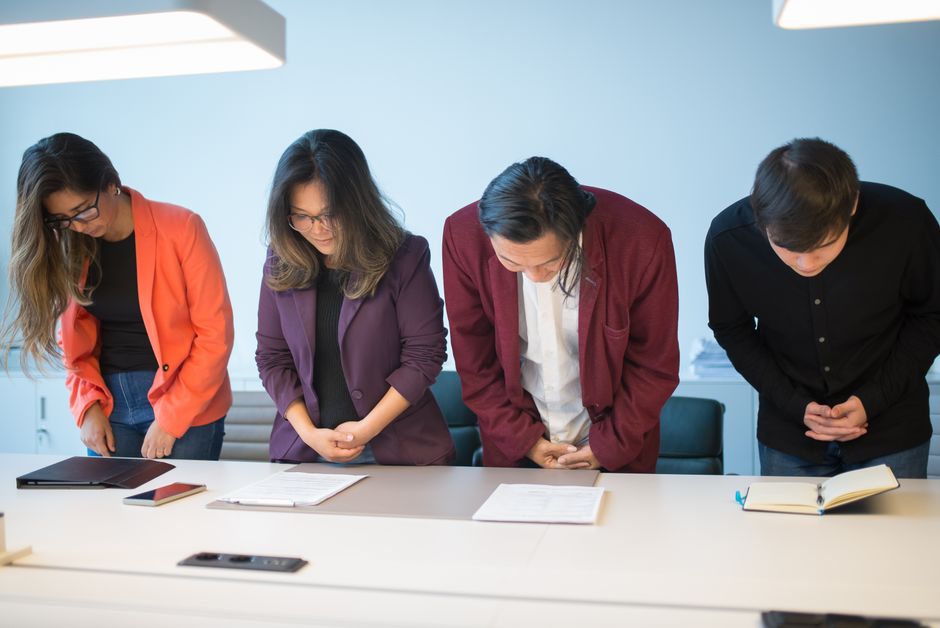
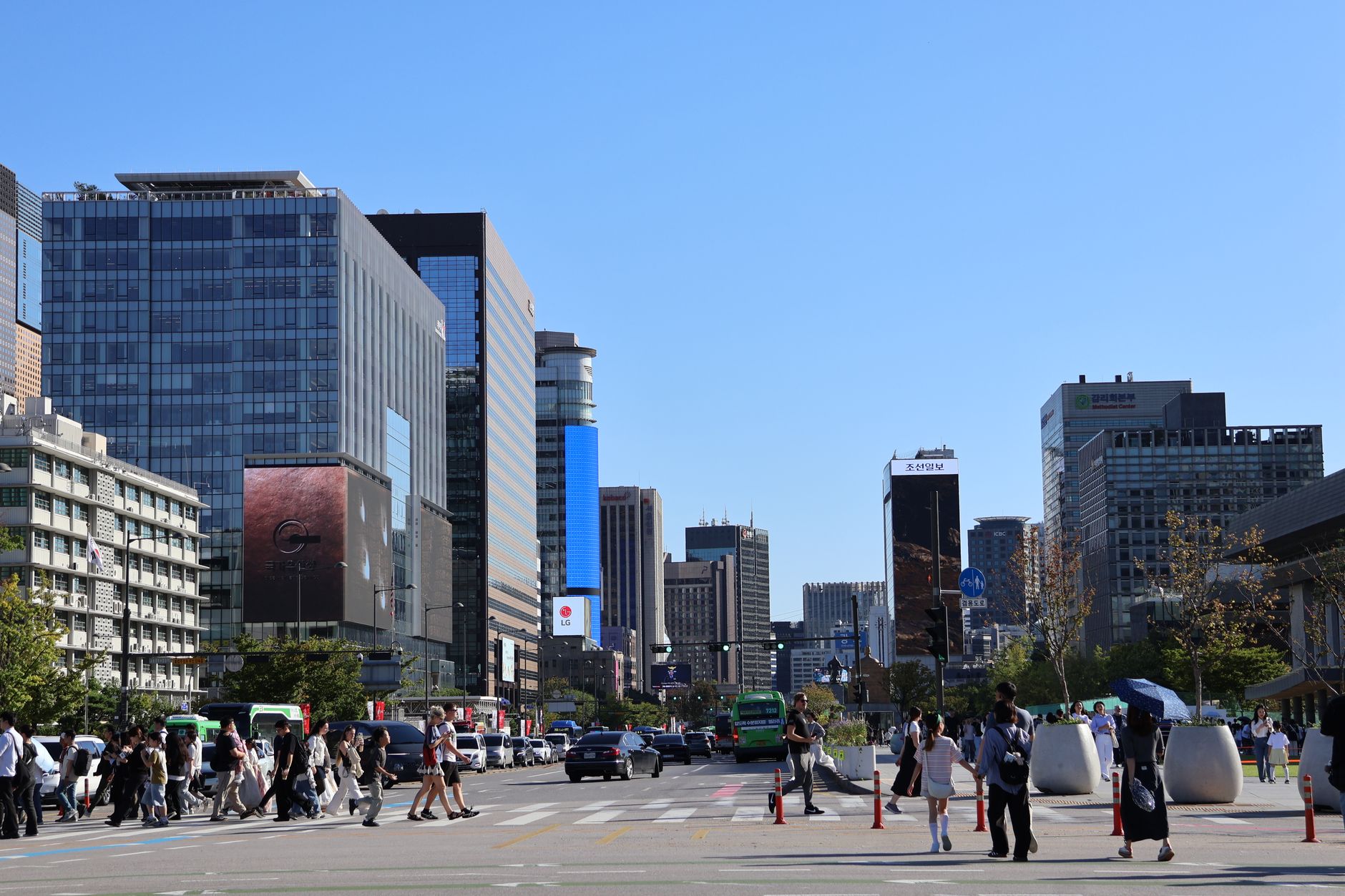
The first time my mother-in-law bowed slightly while I stuck my hand out for a full handshake, I felt the awkwardness settle in before I even understood why. She recovered gracefully. I did not. It took a solid year of these small missteps before bowing stopped feeling like a performance I had to remember and started feeling like something my body just did on its own.
You might assume bowing in Korea is one uniform gesture — dip your head, done — the way it’s often flattened in movies or quick culture guides. It isn’t. There’s a whole quiet math running underneath it: how deep, how long, who moves first, whether a nod is enough or an actual bend at the waist is expected. Get the math wrong and nobody says anything, but you can feel the room recalibrate around you.
The angle actually matters more than you’d think
In a business context, the standard is around a 30-degree bend — brief, controlled, with your eyes coming back up to meet the other person’s the moment you straighten. That’s the depth for meeting someone new professionally, or greeting a senior you don’t see often. Go much shallower and it reads as a nod rather than a bow; go much deeper and you’re suddenly overcorrecting into a gesture that belongs at a funeral or a formal apology, not a Tuesday morning meeting.
What surprised me was learning that bowing too deeply, too often, is its own kind of mistake. I watched a foreign colleague once give a full 45-degree bow to a convenience store clerk ringing up his coffee, clearly trying to be respectful, and the clerk looked more confused than flattered. The depth of a bow implies a debt of gratitude or respect proportional to the occasion — a stranger scanning your snacks doesn’t call for the same gesture you’d give your father-in-law.
Hierarchy decides who moves first, not politeness
Here’s the part that took me the longest to internalize: the junior person always initiates. If you’re meeting someone senior — your boss, an older relative, a client you’re courting — you bow first and slightly deeper, and they respond with something smaller, sometimes barely more than a nod. That’s not the senior person being cold or dismissive. Matching your bow depth exactly would actually suggest you’re equals, which isn’t the message either of you is going for in that moment.
I made the mistake early on of bowing back at the same depth an executive gave me, thinking I was being appropriately humble. What I was actually doing, without realizing it, was quietly implying we were on the same level. Nobody corrected me on the spot, which somehow made it worse when I figured it out weeks later.
Bowing and handshakes aren’t mutually exclusive
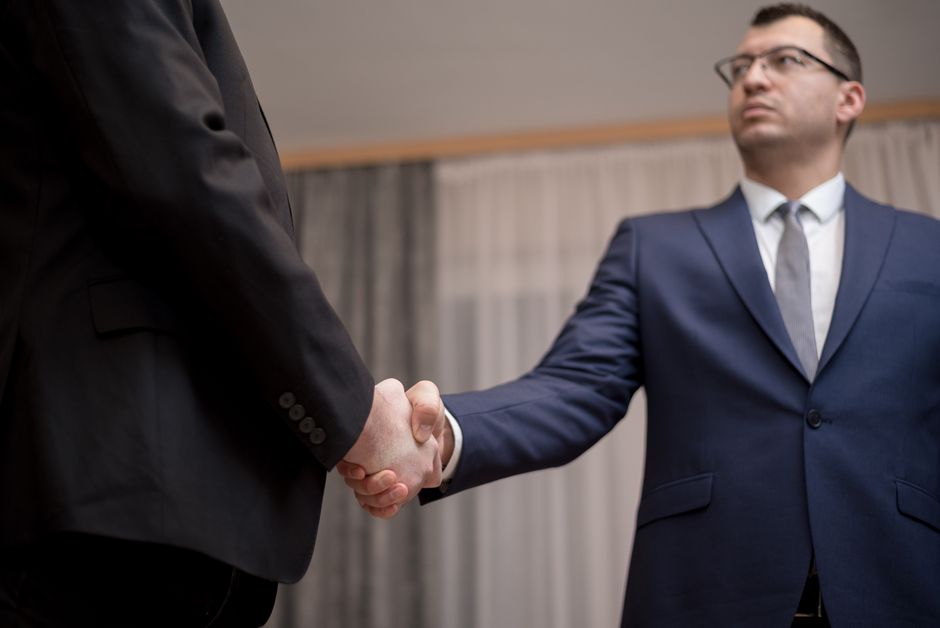
This one genuinely surprised me the first time I saw it happen: in business settings, especially ones with any international flavor, you’ll often get both at once — a slight bow while shaking hands, not one or the other. If the other person is senior to you, using two hands for the handshake while dipping your head slightly covers both cultural bases at once. It looks a little clumsy the first few times you try it. It stops feeling that way faster than you’d expect.
FAQ
Do I need to bow to service staff, like at restaurants or stores? A small nod of acknowledgment is polite but a deep bow isn’t expected or necessary — it can actually feel disproportionate, as in the convenience store example above. Save the deeper bows for people you have an ongoing relationship or hierarchy with.
What if I’m meeting someone my own age for the first time? A light bow of maybe 15 degrees combined with a handshake works fine. Peers don’t require the formality that hierarchy-based relationships do.
Is it rude for a foreigner to just shake hands instead of bowing? Most Koreans extend real patience to foreigners still learning the etiquette, and a handshake alone won’t offend anyone. That said, adding even a slight head dip shows you’re making the effort, and people notice that more than you’d expect.
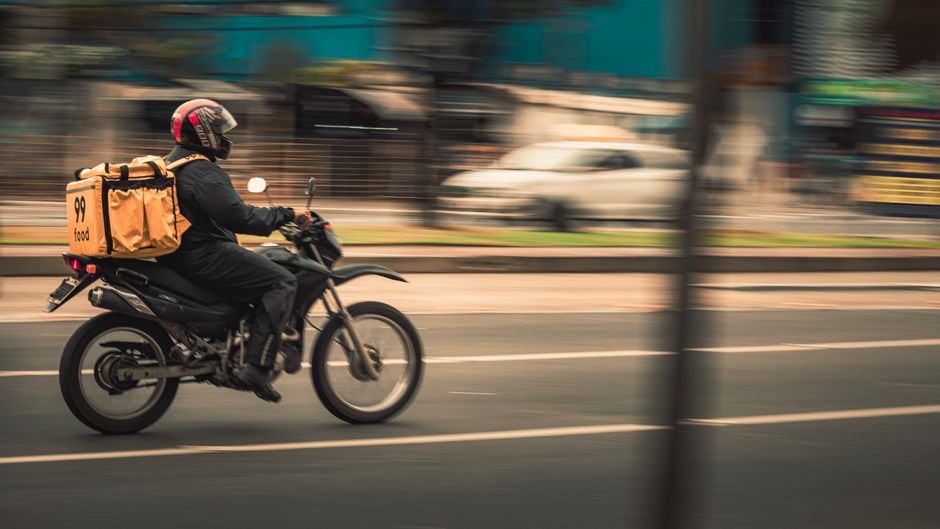
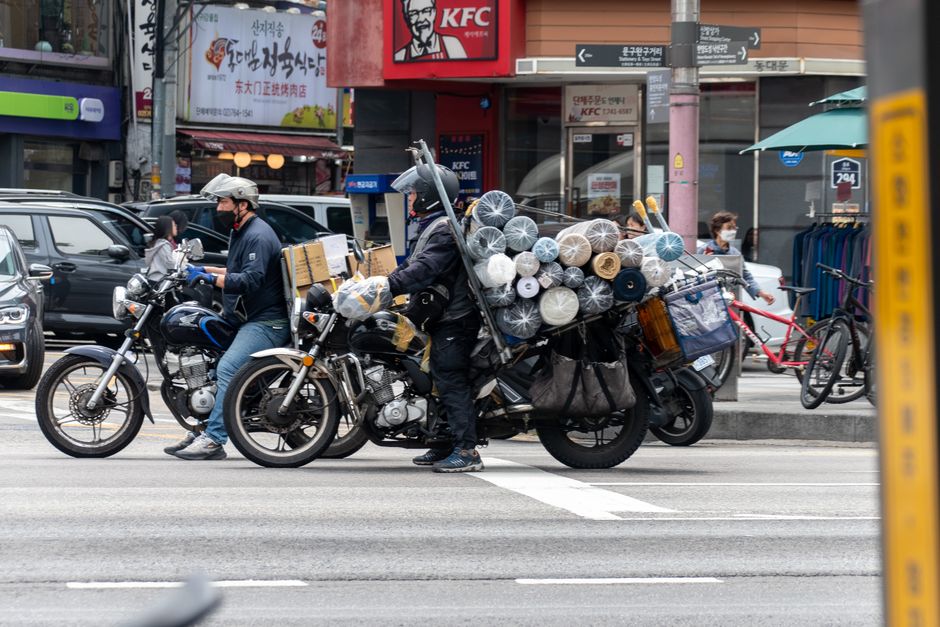
I once watched a delivery rider run a red light in the rain, phone mounted on his handlebars buzzing with a new order before he’d even dropped off the last one, and my first instinct was to be alarmed. My second instinct, a few seconds later, was to check my own delivery app to see if my food was close. That’s roughly how long it takes to get absorbed into “bali bali” culture — long enough to be shocked, then long enough to start benefiting from it without a second thought.
You might think “bali bali” — literally “quickly, quickly” — is just a phrase people say when they’re impatient, the way anyone anywhere might snap at someone to hurry up. It’s not quite that small. It’s less a phrase and more an operating principle that shaped how modern Korea physically got built, and it still runs underneath things as mundane as how fast your fried chicken shows up at the door.
Where it actually comes from
Here’s what I didn’t expect going in: this isn’t some ancient cultural trait, it’s a byproduct of how compressed Korea’s development was in just a few decades. Thatched roofs got swapped for factory-ready slate roofing, farmland turned into industrial sites, mountain paths became paved roads — all inside a timeframe that would take other countries generations to work through. When your entire country rebuilds itself that fast, “fast” stops being a personality trait and starts being the baseline expectation for literally everything, including how quickly your lunch arrives.
Delivery culture, weirdly, traces back further than you’d guess too. There’s a record from 1768 of a scholar named Hwang Yun-seok ordering naengmyeon for lunch with colleagues — delivery food isn’t some 21st-century invention here, it’s just that the speed expectation around it has ratcheted up dramatically.
The 30-minute promise, and what it actually costs
Order food almost anywhere in Korea and there’s an unspoken clock running: about thirty minutes, give or take, or something feels off. What I wish I’d understood sooner is what that clock costs the people delivering it. Riders are, by necessity, incentivized to treat yellow lights as green and speed limits as loose suggestions, because a late delivery means an unhappy customer and a bad rating, and both of those things hit their income directly. The density of Korean cities — apartment complexes stacked close together, short distances between restaurants and homes — is what makes the thirty-minute promise achievable at all, but it doesn’t make it safe.
It shows up in places you wouldn’t expect
You’d expect bali bali to show up in obvious places — traffic, delivery, subway platforms where people are already lining up before the doors fully open. What caught me off guard was how deep it goes into things like customer service. Ask a question at a bank or a phone carrier store and you’ll usually get a resolution on the spot, not a “someone will follow up in three to five business days” answer. Wi-Fi installation that takes weeks in other countries can happen here within a day or two of moving in. Once you’ve lived with that kind of responsiveness, going back to a slower system anywhere else feels almost broken.
The trade-off nobody advertises
Strange as it sounds to complain about something this convenient, bali bali culture does have a cost side that doesn’t get talked about as much internationally. Rapid, compressed growth has a habit of prioritizing speed over process — corners get cut, safety inspections get rushed, and there’s a reason some of Korea’s worst infrastructure disasters in past decades got traced back to shortcuts taken in the name of finishing faster. The same instinct that gets your delivery to your door in half an hour can, at scale and in the wrong context, be genuinely dangerous.
FAQ
Is “bali bali” considered a compliment or a complaint when Koreans say it to each other?
Both, depending on tone. Said with frustration to someone dawdling, it’s a mild scolding. Said proudly about how quickly something got done, it’s closer to a badge of honor.
Do delivery apps offer any way to tip riders for going above and beyond? Most major apps don’t have a built-in tipping culture the way Western delivery apps do — tipping isn’t expected, and riders’ pay is generally structured around per-delivery rates rather than gratuities.
As a foreigner, is it rude to ask someone to slow down? Not rude at all — most people will happily adjust once they realize you’re still catching up to the pace, whether that’s a conversation moving too fast or a queue moving faster than you expected. Koreans are generally patient with visitors still getting their bearings.
지난 토요일 아침, 서울 마포구에 사는 김모(52)씨는 창문 틈으로 들어오는 찬 기운에 놀라 보일러 스위치를 눌렀다. 그런데 온수는커녕 “삐-” 소리와 함께 낯선 에러 코드만 액정에 떴다. 5개월 넘게 꺼둔 보일러였다. 관리사무소에 전화를 돌려보니 돌아온 대답은 간단했다. “이맘때 그런 전화, 하루에도 몇 통씩 옵니다.”
아직 한낮은 덥다고 보일러 얘기가 이르다고 생각할 수도 있지만, 정작 첫 추위가 훅 들이닥치는 날 고장이 나면 서비스 기사 예약도 밀리고 출장비도 성수기 요금이 붙는다. 그러니 날이 완전히 추워지기 전, 지금 이 시기가 오히려 점검하기 딱 좋은 타이밍이다.
1. 반년 넘게 뽑아둔 플러그부터 다시 꽂아두기
의외로 많은 사람이 모르는 사실인데, 요즘 보일러에는 ‘고착방지 기능’이라는 게 들어있다. 24시간마다 딱 1분씩 순환펌프와 송풍기를 저절로 돌려서 내부 부품이 굳지 않게 막아주는 장치다. 여름 내내 절전한다고 플러그를 뽑아뒀다면 이 기능도 같이 멈춰 있었다는 뜻이다. 그러니 본격적으로 난방을 시작하기 며칠 전에 미리 플러그를 꽂아 이 기능부터 다시 작동시켜 두는 게 좋다.
2. 보일러실 침수 흔적, 켜기 전에 눈으로 확인
장마와 태풍이 지나간 뒤라 별거 아니라고 넘기기 쉽지만, 보일러실 바닥이 젖었던 흔적이 있다면 얘기가 달라진다. 물기가 남은 상태에서 무작정 전원을 넣으면 내부 회로가 상할 수 있어서다. 바닥에 얼룩이 있거나 벽면에 곰팡이 자국이 보인다면 전원을 켜지 말고 제조사 고객센터에 먼저 문의해야 한다. 괜히 혼자 해결해보겠다고 전원부터 넣는 게 가장 흔한 실수다.
3. 수압 게이지, 1.0~1.5 사이인지부터 보자
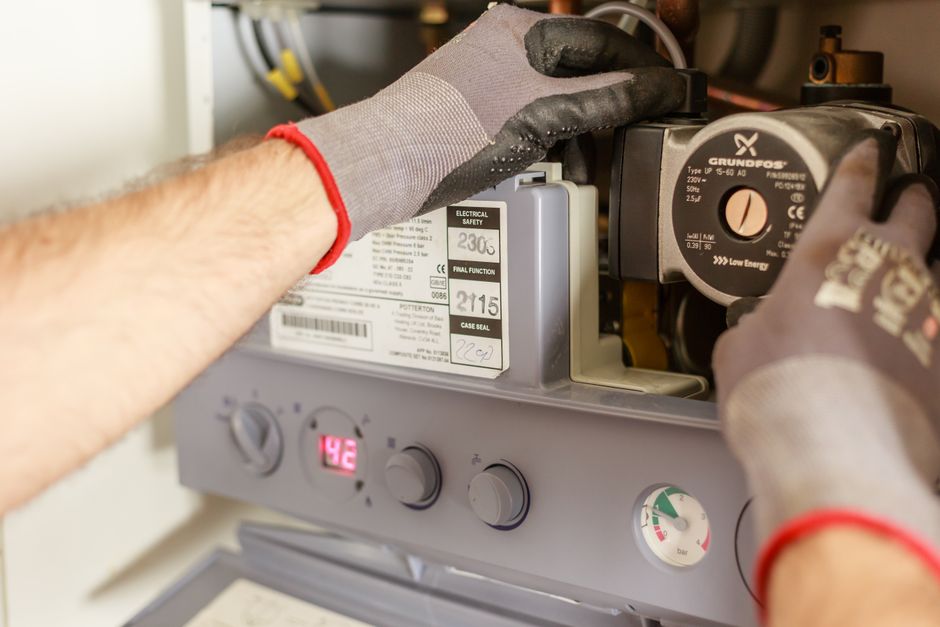
보일러 앞면 수압 게이지를 유심히 본 적 없는 사람이 대부분일 것이다. 정상 범위는 보통 1.0~1.5바 사이인데, 바늘이 이보다 한참 낮으면 보일러가 물을 다시 채우라는 신호를 보내는 것이고, 반대로 너무 높으면 압력밸브 쪽을 점검해봐야 한다. 게이지 하나만 봐도 큰 고장을 막을 수 있다는 걸 아는 사람은 생각보다 적다.
4. 가스 밸브와 연통, 벌레 집 되기 딱 좋은 자리
여름 내내 안 쓴 연통 안에 벌레나 거미줄이 자리 잡는 일이 은근히 잦다. 배기가 막힌 채로 가동하면 불완전연소로 이어질 수 있어서, 가스 밸브가 완전히 열려 있는지, 연통 끝이 막혀있지 않은지 눈으로 한 번 훑어보는 게 순서다. 별것 아닌 것 같아도 이 확인 하나로 출장 한 번을 아낄 수 있다.
5. 그래도 1년에 한 번은 전문가 점검이 답이다
직접 할 수 있는 점검은 여기까지지만, 내부 부품 상태나 열효율까지 보려면 전문가 손을 빌리는 수밖에 없다. 보통 본격적인 추위가 오기 전, 그러니까 지금 같은 시기에 예약하면 대기 시간도 짧고 출장비도 상대적으로 저렴한 편이다. 반대로 첫 한파가 몰아친 뒤에 전화를 돌리면 일주일 넘게 기다리는 경우도 드물지 않다.
자주 묻는 질문
Q. 보일러에서 에러 코드가 떴는데, 전원을 껐다 켜면 되나요? 일시적인 오류라면 재부팅으로 풀리는 경우도 있지만, 같은 코드가 반복해서 뜬다면 임의로 계속 껐다 켰다 하지 말고 제조사 콜센터에 코드 번호를 그대로 불러주는 게 빠르다. 코드마다 원인이 다르기 때문에 증상만 설명하는 것보다 훨씬 정확하게 진단받을 수 있다.
Q. 보일러 점검, 꼭 업체를 불러야 하나요? 직접 하면 안 되나요? 수압 확인이나 플러그 연결, 연통 주변 확인 정도는 누구나 할 수 있다. 다만 내부 부품 분해나 가스 배관 쪽은 자격을 갖춘 기사가 다뤄야 하는 영역이라, 이상 소음이나 냄새가 난다면 무리해서 손대지 말고 바로 서비스를 부르는 편이 안전하다.
Q. 옥탑방이나 다세대주택은 관리사무소가 따로 없는데 어떻게 하나요? 이런 경우는 세입자가 직접 보일러 제조사 고객센터로 연락해서 방문 점검을 신청하면 된다. 임대인과 미리 연락해 비용 부담 부분을 확인해두면 나중에 얼굴 붉힐 일이 줄어든다.
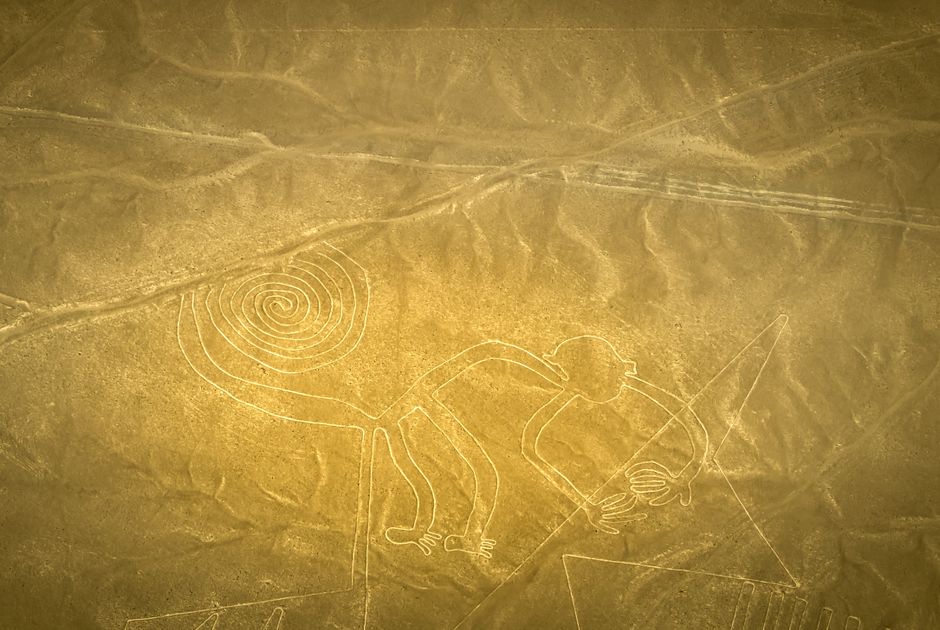
비행기 창밖으로 봐야만 겨우 알아볼 수 있는 그림을, 대체 왜 그 시대 사람들은 땅 위에 그려 놓았을까. 2천 년 가까이 지난 지금까지도 페루 남부의 나스카 사막에는 새 한 마리, 원숭이 한 마리가 수백 미터 크기로 새겨져 있다. 사람 키보다 높은 곳에서 봐야 형체가 보이는 그림을, 하늘을 날 방법도 없던 사람들이 왜 그렸는지는 여전히 답이 나오지 않았다.
외계인이 만들었다는 말까지 나올 법도 하지만, 최근 몇 년 사이 이 미스터리에 꽤 진지한 균열이 생겼다. 2024년, 일본 야마가타대학의 사카이 마사토 교수 연구팀이 AI에게 기존에 확인된 나스카 지상화 패턴을 학습시키고 고원 전체를 다시 스캔한 것이다. 결과는 놀라웠다. 1,309곳의 유력 후보지를 추려낸 뒤 실제 드론 답사와 현장 검증을 거쳐 303개의 새로운 지상화를 추가로 확인했다.
있는 줄도 몰랐던 그림이 갑자기 300개 넘게 나온 이유
몇 십 년째 사람 눈으로 훑어봐도 못 찾던 그림들이 왜 이제야 나왔을까 싶겠지만, 이유는 단순하다. 기존에 알려진 대형 선형 지상화는 하늘에서만 보이지만, 이번에 새로 발견된 것들은 크기가 훨씬 작고 지면과 가까운 곳에 있어 사람 눈으로는 그냥 지나치기 쉬운 형태였다. 사카이 교수팀은 위성영상과 LiDAR, 항공사진에 머신러닝을 결합해서 사막 표면 전체를 다시 읽어냈고, 그 결과 그동안 확인된 지상화 수가 거의 두 배로 늘었다.
길과 그림의 관계, 의외로 실마리가 여기 있었다
그럼 이 그림들은 대체 무슨 용도였을까 하는 질문에, 연구팀은 뜻밖의 단서를 내놨다. 새로 확인된 작은 부조형 지상화들이 사람들이 실제로 반복해서 다녔던 옛길 주변에 몰려 있었다는 점이다. 반면 우리가 익히 아는 거대한 선형 그림들은 오히려 공동체 단위의 의례 행사와 관련 있을 가능성이 크다고 봤다. 그러니까 작은 그림은 ‘지나가며 보는 표식’에 가깝고, 큰 그림은 ‘모여서 치르는 의식’의 흔적이라는 얘기다. 두 종류가 완전히 다른 목적으로 만들어졌을 수 있다는 뜻이라 흥미로운 대목이다.
2천 년 넘게 안 지워진 것도 미스터리라면 미스터리다
그림의 정체 못지않게 신기한 건 보존 상태다. 페루 남부 사막은 연간 강수량이 극도로 적고 바람도 약한 편이라, 표면의 검붉은 돌을 걷어내 흰 지반을 드러내는 방식으로 그린 선들이 지금까지 거의 그대로 남아있다. 자연조건이 이렇게까지 맞아떨어지는 곳도 드물다 보니, 오히려 이 우연 같은 보존 조건이 없었다면 애초에 지상화라는 개념 자체가 알려지지도 못했을 거라는 얘기까지 나온다.
그래서 누가, 왜 그렸다는 건가
여전히 완전한 답은 아니다. 다만 지금까지 나온 근거들을 모아보면, 나스카 문명이 기원전 500년부터 기원후 500년 사이 이 지역에 살면서 천문 관측이나 물 관련 의식, 신에게 바치는 제의의 일환으로 이 그림들을 그렸을 가능성이 유력하게 거론된다. AI가 찾아낸 300여 개의 신규 지상화 덕분에 이제야 ‘큰 그림용 vs 길 표식용’이라는 구분이 생겼을 뿐, 정확히 누가 왜 그렸는지는 여전히 열려 있는 질문이다.
자주 묻는 질문
Q. 나스카 지상화는 실제로 하늘에서만 보이나요? 큰 그림들은 그렇다. 벌새나 원숭이처럼 유명한 형상들은 수백 미터 규모라 지상에서는 선 몇 개만 보일 뿐 전체 형태를 알아보기 어렵다. 다만 이번에 AI로 새로 발견된 작은 부조형 그림들은 크기가 작아 근처 언덕이나 낮은 고도에서도 확인 가능한 경우가 있다.
Q. 직접 가서 볼 수 있나요? 페루 나스카 지역에서 경비행기 투어를 통해 상공에서 관람할 수 있다. 다만 고지대에 사막 기후라 멀미가 심한 사람이라면 사전에 대비가 필요하다는 후기가 많다.
Q. 외계인이 만들었다는 설은 근거가 있나요? 1960~70년대 일부 저술에서 제기된 주장이지만, 학계에서는 나스카 문명의 도구와 제작 기법으로도 충분히 재현 가능하다는 실험 결과가 여러 차례 나온 바 있어 설득력 있는 근거로 받아들여지지 않는다.
신곡 하나 나오는 데 뭐 그렇게 오래 걸리냐고 묻는 사람이 많지만, 사실 팬들이 SNS에서 “컴백 떴다”고 환호하는 그 순간은 이미 몇 달 전부터 준비된 일정의 마지막 단계에 가깝다. 티저 이미지 한 장이 올라오기까지, 그 뒤에는 녹음실과 연습실을 오가며 쌓인 시간이 훨씬 길게 깔려 있다.
컴백일 한 달 전, 조용히 시작되는 예고편 전쟁
공식 발표 없이도 팬들 사이에서 컴백설이 먼저 도는 경우가 흔한데, 이때 회사는 대개 컴백일로부터 3~4주 전 시점에 콘셉트 포토부터 순서대로 공개한다. 처음엔 인물 사진 한 장, 다음엔 그룹 단체컷, 그다음엔 짧은 하이라이트 클립 순으로 조금씩 정보량을 늘려가는 방식이다. 이 순서가 무너지면 팬덤 반응도 예상과 다르게 흘러가기 때문에, 공개 간격과 순서 자체가 하나의 전략으로 취급된다.
정작 노래는 몇 달 전에 이미 끝나 있다
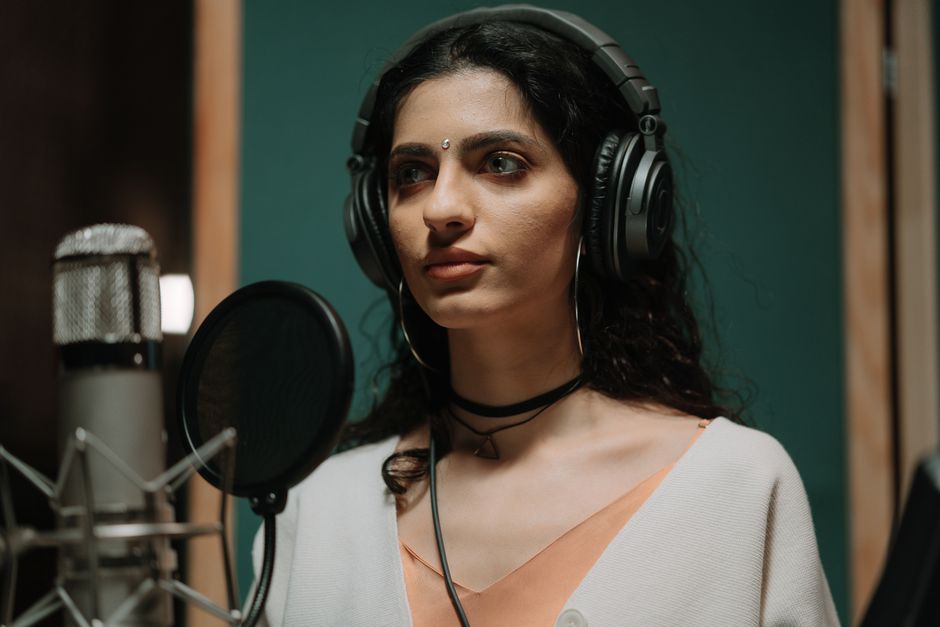
티저가 뜨는 시점엔 이미 늦었다고 생각할 수도 있지만, 실제 녹음 작업은 보통 그보다 두세 달 앞서 마무리된다. 타이틀곡 선정 자체가 회사 내부 회의와 멤버들 의견을 거쳐 여러 후보 중에서 좁혀지는 과정이라, 곡이 확정된 뒤에도 가이드 보컬을 참고해 실제 멤버 목소리로 다시 녹음하는 데만 며칠이 걸린다. 그 사이 안무팀은 별도로 붙어서 곡에 맞는 포인트 동작을 짜고, 멤버들과 몇 차례 수정을 거친 뒤에야 최종 안무가 확정된다.
연습실 불은 밤늦게까지 꺼지지 않는다
안무가 나왔다고 끝난 게 아니라 오히려 그때부터가 진짜 시작이다. 컴백을 앞둔 몇 주간은 멤버들이 거울 앞에서 같은 동작을 몇 백 번씩 맞춰보는 시간으로 채워진다. 대형 이동 동선이나 카메라 워킹까지 고려한 ‘방송용 동선’을 따로 짜는 경우도 많아서, 단순히 춤을 추는 것과 무대에서 보여주는 춤은 연습 강도 자체가 다르다는 얘기가 나온다.
쇼케이스, 사실 리허설만 하루 종일이다
막상 쇼케이스 당일 팬들이 보는 시간은 한두 시간 남짓이지만, 그 무대를 위해 당일 아침부터 카메라 동선, 조명 큐, 음향 밸런스까지 맞추는 리허설이 몇 시간씩 이어진다. 생방송 음악 프로그램 출연이 겹치는 주라면 하루에 여러 방송사 무대를 옮겨 다니며 같은 동작을 반복해야 해서, 겉으로 보이는 화려함과 실제 스케줄 강도 사이의 간극이 꽤 크다.
컴백 스케줄, 어디서 확인하면 될까
이렇게 촘촘하게 짜인 컴백 일정을 팬 입장에서 놓치지 않고 따라가려면 스케줄 정리해주는 채널부터 챙겨보는 게 편하다. 실시간으로 컴백 일정을 모아 보여주는 사이트들이 여럿 있어서, 좋아하는 그룹의 티저 공개일부터 음악방송 출연일까지 한눈에 확인하는 팬들이 많다.
자주 묻는 질문
Q. 타이틀곡은 누가 정하나요? 최종 결정은 회사 프로듀싱팀과 대표 프로듀서가 하는 경우가 많지만, 최근에는 멤버들이 직접 작사·작곡에 참여하거나 후보곡 선정 단계에서 의견을 내는 그룹도 늘고 있다.
Q. 티저가 예정보다 늦게 나오는 이유는 뭔가요? 뮤직비디오 촬영이나 후반 작업 일정이 밀리는 경우, 혹은 의상·세트 관련 마무리 작업이 늦어지는 경우가 대표적인 이유로 꼽힌다. 팬들 사이에서는 종종 불안 요소로 받아들여지지만, 실제로는 완성도를 높이려는 조정인 경우가 많다.
Q. 쇼케이스는 아무나 갈 수 있나요? 대부분 사전 응모나 팬클럽 우선 예매를 거쳐야 하고, 좌석 수가 한정돼 있어 경쟁률이 높은 편이다. 온라인 생중계로 동시 송출되는 경우가 많아 현장에 못 가더라도 실시간으로 지켜볼 수 있는 방법이 마련돼 있다.
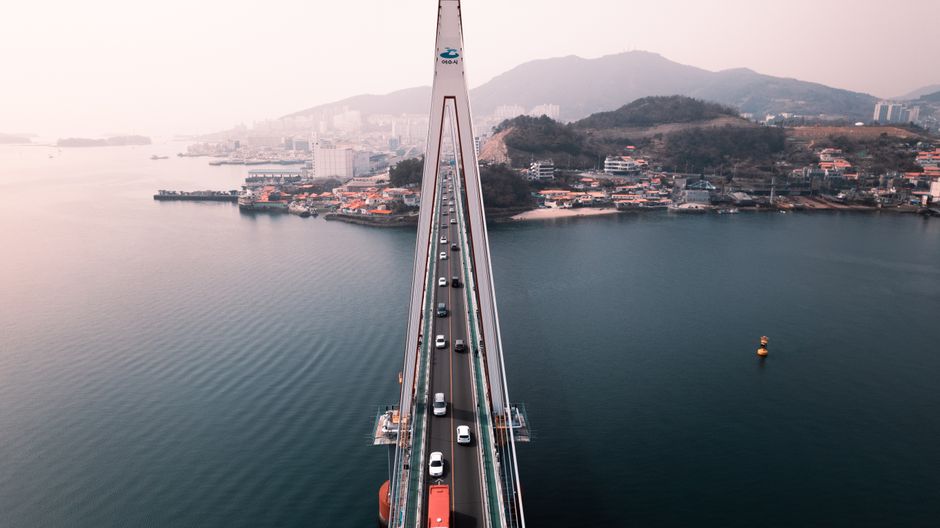
“여수 밤바다”라는 노래 제목만 알고 정작 여수에 가본 적 없는 사람이 의외로 많다. 노래방에서 백번 부른 것과 실제로 돌산대교 아래 파란 조명이 물 위에 번지는 걸 보는 건 완전히 다른 이야기다. 지난여름 이곳을 다녀온 여행객들 후기를 보면 한결같이 나오는 말이 있다. “사진보다 실물이 낫다”는 거다.
1코스: 해상케이블카, 일몰 시간 맞춰야 진짜다
낮에 타도 예쁘지 않겠냐고 할 수도 있지만, 여수 해상케이블카는 확실히 해 질 무렵이 다르다. 오동도와 자산공원을 잇는 국내 최초의 바다 위 케이블카인데, 일반 캐빈 외에 바닥이 투명하게 뚫린 크리스탈 캐빈까지 운영 중이다. 현재 두 종류 합쳐 50대가 오가고 있어서 성수기가 아니라면 대기 시간이 그렇게 길지는 않다. 다만 크리스탈 캐빈은 인기가 많아 따로 줄을 서야 할 수도 있으니 참고하자.
2코스: 낭만포차 거리, 배고픈 채로 가야 제맛
케이블카에서 내려와 슬슬 허기가 질 때쯤 찾아가면 딱 좋은 곳이 거북선대교 아래 낭만포차 거리다. 파란 조명으로 장식된 포장마차들이 바닷가를 따라 쭉 늘어서 있는데, 해산물 안주부터 여수 특산물인 갓김치를 곁들인 메뉴까지 종류가 다양하다. 바다를 바로 옆에 두고 먹는 자리라 그런지, 다른 지역 포차 거리보다 유독 사진 찍으러 오는 사람이 많다.
3코스: 돌산공원, 여수 밤바다 전체를 내려다보는 자리
포차 거리에서 배를 채웠다면 이번엔 조금 올라가야 한다. 돌산대교 바로 옆에 자리한 돌산공원에서는 형형색색으로 빛나는 돌산대교와 거북선대교를 한 프레임에 담을 수 있다. 연인들의 데이트 코스로 유명한 이유가 있다 싶을 만큼, 야경 하나만큼은 여수 시내 어디에 내놔도 밀리지 않는 곳이다.
4코스: 다음 날 아침엔 오동도 일출로 마무리
전날 밤을 화려하게 보냈다면 아침은 반대로 차분하게 채워보자. 동백꽃으로 유명한 오동도는 해가 뜨는 시간대에 산책하면 관광객이 적어 훨씬 여유롭게 걸을 수 있다. 밤에는 케이블카로 훑어봤던 섬을, 아침엔 직접 걸어서 다시 만나는 셈이라 같은 장소를 두 번 다르게 즐기는 기분이 든다.
자주 묻는 질문
Q. 여수 밤바다 코스, 1박2일이면 충분한가요? 해상케이블카, 낭만포차, 돌산공원까지는 하루 만에도 충분히 돌 수 있다. 다만 오동도 일출까지 챙기려면 하루를 묵고 아침 일찍 움직이는 편이 여유롭다.
Q. 크리스탈 캐빈, 꼭 따로 예약해야 하나요? 현장 구매도 가능하지만 주말이나 성수기에는 대기가 길어질 수 있어 온라인 사전 예약을 해두는 여행객이 많다.
Q. 낭만포차 거리는 언제까지 운영하나요? 계절과 포차마다 조금씩 다르지만 대체로 저녁부터 자정 무렵까지 운영한다. 겨울철에는 일부 포차가 단축 운영하는 경우도 있으니 방문 전 확인하는 게 안전하다.
비 오는 날 부추전 안 먹으면 서운하다는 사람도 있지만, 정작 집에서 부치면 식당처럼 바삭하게 안 나온다고 하소연하는 사람이 더 많다. 문제는 대부분 부추나 불 세기가 아니라 반죽 자체에 있다. 물 대신 뭘 넣느냐, 가루를 어떤 비율로 섞느냐에 따라 같은 재료로도 결과물이 완전히 달라진다.
반죽 비율부터 다시 잡자
부침가루만 쓰면 되지 않냐고 생각하기 쉽지만, 바삭한 식감을 살리려면 부침가루와 튀김가루를 3:1 비율로 섞는 게 핵심이다. 부침가루가 기본적인 점성과 감칠맛을 잡아주고, 튀김가루가 가벼우면서 바삭한 식감을 더해주는 역할을 한다. 부추 한 줌(약 150g) 기준으로 튀김가루 1컵, 부침가루 반 컵 정도가 무난한 비율이다.
물은 반드시 얼음물, 이거 하나만 지켜도 다르다
별거 아닌 것 같아도 반죽에 넣는 물의 온도가 의외로 결과를 크게 바꾼다. 미지근한 물로 반죽하면 글루텐이 빨리 활성화돼 식감이 질겨지는데, 얼음을 2~3개 띄운 찬물을 쓰면 반죽이 눅눅해지지 않고 굽는 동안 수분이 빠르게 날아가면서 바삭함이 훨씬 오래 유지된다. 반죽 농도는 국자로 떠서 주르륵 흐르지 않고 약간 뻑뻑하게 떨어질 정도가 적당하다.
탄산 있는 맥주, 넣어보면 이유를 알게 된다
의외라고 생각할 수 있지만 반죽 물의 일부를 맥주로 바꾸면 확실히 다른 식감이 나온다. 맥주 속 탄산 기포가 반죽 안에 미세한 공기층을 만들어주는데, 이 공기층이 굽는 동안 수분을 더 빨리 날려보내는 역할을 해서 겉은 바삭하고 속은 촉촉한 대비가 살아난다. 술 냄새가 걱정된다면 소량만 섞어도 효과는 충분하다.
기름은 아끼지 말고, 뒤집는 타이밍은 한 번만
기름을 적게 써야 건강에 좋을 것 같지만, 부추전만큼은 예외에 가깝다. 팬 전체에 기름이 얇게 코팅되도록 넉넉히 둘러야 반죽 겉면이 튀기듯 익으면서 바삭한 층이 생긴다. 그리고 뒤집는 횟수도 중요한데, 자꾸 뒤적이면 반죽이 부서지고 식감도 물러지니 한쪽 면이 완전히 노릇해질 때까지 기다렸다가 딱 한 번만 뒤집는 게 요령이다.
재료는 취향껏, 청양고추 하나면 확 산다
부추만 넣어도 맛있지만, 양파와 당근을 채 썰어 조금 섞으면 단맛이 더해지고 색감도 화사해진다. 여기에 청양고추를 하나 다져 넣으면 느끼함을 잡아주면서 맛의 밸런스가 확 살아나니, 매운 걸 못 먹는 게 아니라면 꼭 한번 넣어보길 추천한다.
자주 묻는 질문
Q. 부침가루가 없으면 밀가루로만 해도 되나요? 가능은 하지만 부침가루에는 이미 소금과 조미료가 배합돼 있어 간을 따로 맞춰야 한다. 밀가루만 쓸 경우 소금 약간과 다진 마늘을 넣어 밑간을 해주는 게 좋다.
Q. 냉동 보관하면 바삭함이 유지되나요? 구운 뒤 식혀서 냉동하면 보관은 되지만, 해동 후 전자레인지보다는 에어프라이어나 팬에 다시 구워야 바삭함이 어느 정도 살아난다. 전자레인지는 수분이 다시 스며들어 눅눅해지기 쉽다.
Q. 부추전과 파전, 반죽 비율이 다른가요? 기본 반죽 비율은 비슷하지만 파전은 대파의 수분이 많아 반죽을 살짝 더 되직하게 잡는 편이 좋다. 부추는 상대적으로 수분이 적어 이번 레시피 비율 그대로 적용해도 무난하다.
My father-in-law once told me, dead serious, that a rainy Tuesday is basically a national holiday for fried chicken delivery. I laughed the first time I heard it. I stopped laughing the third time I watched him actually order the moment the first drop hit the window. That’s when I understood chimaek isn’t a snack combo here — it’s closer to a reflex.
You might assume “chicken and beer” is just something every country does in some form, and sure, that’s fair. But Korea took two separate things — fried chicken and beer — and welded them into one word, one craving, and eventually one Oxford English Dictionary entry. In 2021, “chimaek” officially made it into the OED, defined as fried chicken enjoyed with beer, Korean-style. That’s not a small thing for a word that barely existed in casual conversation fifty years ago.
It’s newer than you’d think
Here’s the part that surprised me most when I first looked into it: whole roasted chicken was already a thing in Korea by the 1960s, mostly at electric rotisserie shops around Myeongdong, but that was a family outing kind of food, not a beer-pairing. The actual fried-chicken-with-beer combo we know today didn’t really take shape until the late 1970s, once cooking oil became affordable and widespread enough for frying to move from special occasion to everyday menu. So next time someone acts like chimaek is some ancient tradition, you can gently correct them — it’s younger than disco.
What changed everything, though, wasn’t the chicken itself. It was where people started eating it. Chimaek stopped being a delivery-only thing and became baseball stadium food, company dinner food, Han River picnic food. I’ve sat cross-legged on a picnic mat by the Han River with a paper cup of draft beer balancing on my knee more times than I can count, and I still don’t fully understand how a plastic bag of fried chicken tastes better outdoors than it does on a plate at home. But it does.
Why beer specifically, and not soju
Strange as it sounds for a country famous for soju, chimaek culture leans hard on beer, and there’s a practical reason for it. Fried chicken is heavy, salty, greasy — the kind of food that needs something carbonated and cold to cut through it, not something that intensifies the heaviness. Soju pairs better with grilled meat or spicy stews, where you want that sharper, cleaner contrast. Beer just does the job fried chicken needs: wash it down, reset your palate, repeat.
The delivery app changed the math entirely
I wish I knew this before moving here, but ordering chimaek in Korea isn’t really “ordering food” the way I understood it back home. You open an app, pick a chain — there are dozens, each with a cult following over whether their sauce or their batter is superior — and thirty minutes later someone’s at your door with a bag that’s somehow still hot. No tip expected, no awkward cash fumbling. It’s efficient enough that I’ve genuinely questioned why I’d ever cook chicken myself again.
And on nights the delivery minimum feels like too much commitment, there’s always the convenience store option. Grab a canned beer, maybe some tteokbokki-flavored chips, and call it a smaller-scale chimaek. It’s not quite the same ceremony, but it counts.
It traveled further than I expected
You’d think a food-and-drink combo this specific would stay local, but the K-drama and K-pop wave of the 2010s carried chimaek along with it, and now I’ve seen Korean fried chicken chains in cities that have nothing else Korean around them. Getting a dictionary entry in 2021 was almost a formality at that point — the word had already spread faster than anyone was tracking it.
FAQ
Is chimaek just fried chicken and any beer, or does it have to be a specific brand? No specific brand required — draft beer (called “hof” beer here) is the classic pairing, but canned beer from a convenience store works just fine for a casual version. The combo matters more than the label.
Why do Koreans double-fry their chicken? It’s a texture thing. Frying twice — once at a lower temperature to cook it through, then again at higher heat for a short burst — renders out more fat and leaves the skin far crunchier, which holds up better even after a 30-minute delivery ride.
Is it rude to order chimaek alone? Not at all. Solo chimaek nights, sometimes called “honmaek,” are common enough that most delivery portions are sized for exactly that.
A coworker asked me once why I still bother going to a PC bang when I own a perfectly decent laptop at home. I didn’t have a great answer at the time beyond “the chair is better and someone brings me ramyeon without me having to stand up.” Looking back, that’s actually most of the answer.
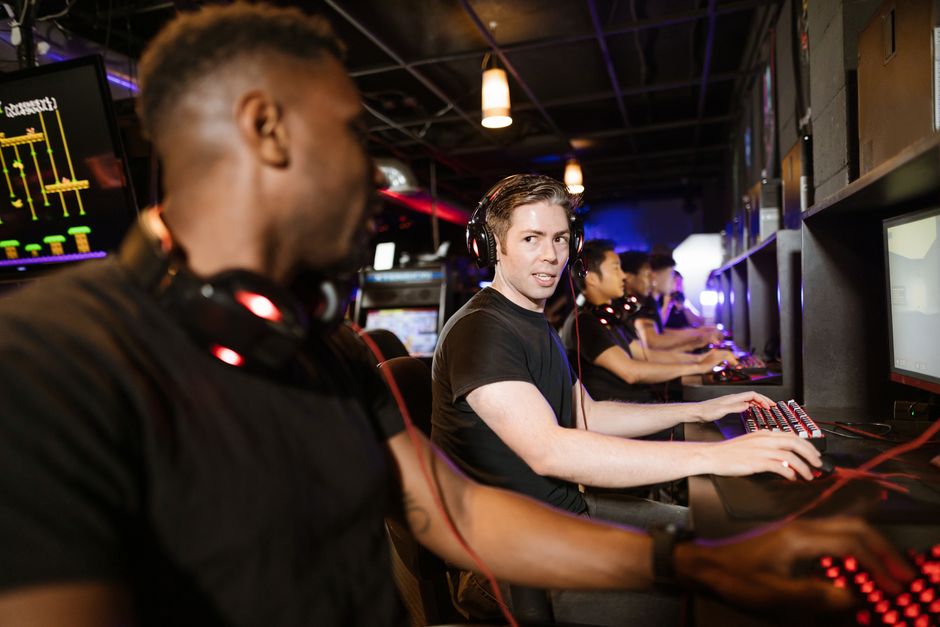
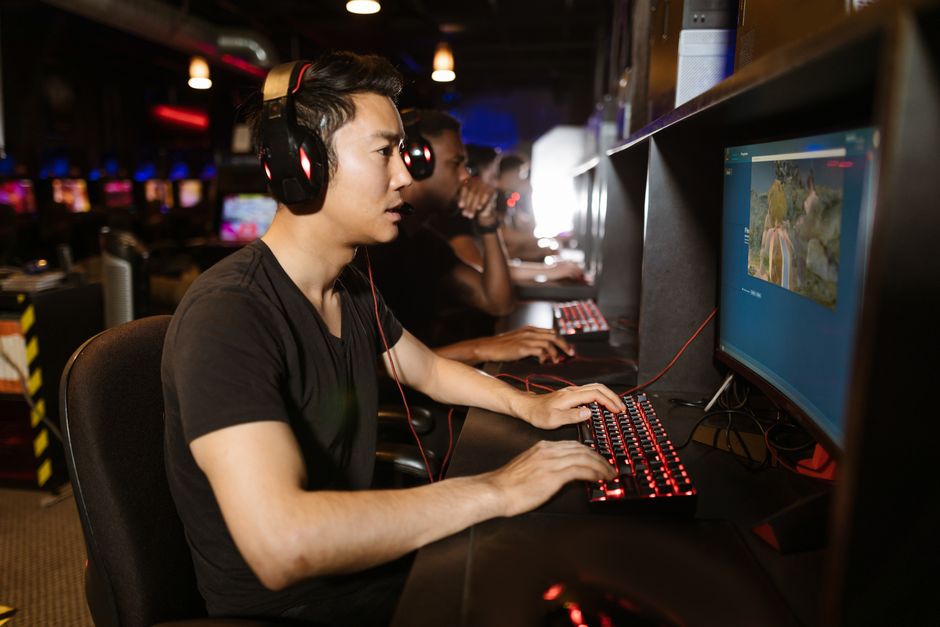
You’d think PC bangs would have quietly died out by now. Everyone in Korea is glued to a phone, mobile games dominate the market, and most people have a computer at home that’s more than capable of running anything. And yet walk past one at 11pm on a Tuesday and you’ll still see rows of monitors glowing, half the seats filled, someone’s headset mic catching every callout in a ranked match. The prediction that PC bangs would fade never quite came true.
Why they never made sense to skip
Here’s the thing that took me a while to get: a PC bang membership card in Korea isn’t really about not owning a computer. Plenty of regulars have gaming rigs at home just as strong. What they don’t have at home is the social layer — friends dropping into the seat next to you without planning it, a shared screen for co-op games, snack and drink service that shows up at your elbow without you pausing your match. It’s less “internet cafe” and more “gaming living room you don’t have to clean.”
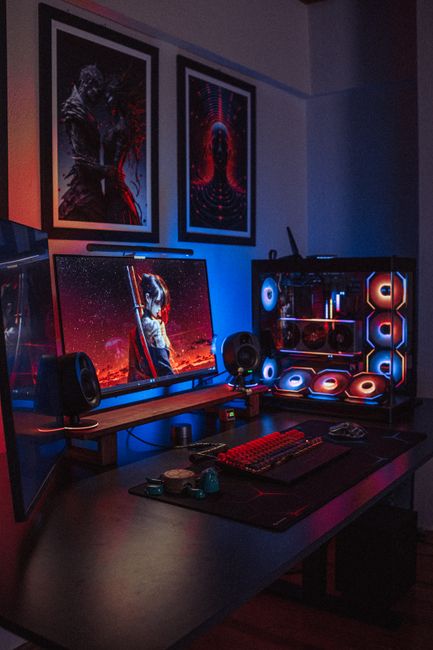
And when it comes to sheer hardware, most PC bangs upgrade their rigs more aggressively than the average household does. By 2026, you’d be hard-pressed to find one still running anything older than Windows 11, and the graphics cards inside most machines outclass what a lot of casual home gamers are running. Paying by the hour for top-tier hardware turns out to be a pretty reasonable trade for a lot of people.
The industry around them is shifting, though
It’s not all steady as it looks from the seats. Korean game publishers themselves are going through something of an identity crisis — tighter regulation on loot-box style monetization, players getting fatigued with the old formulas, and development costs climbing fast enough that the old playbook doesn’t guarantee a hit anymore. A lot of studios are pivoting toward console and PC releases on global platforms like Steam, and leaning harder into AI-assisted development to keep costs down. MMORPGs specifically, once the genre that built the whole PC bang business model, have been in decline worldwide for years now, with most major developers already shifting their focus toward mobile.
What I find kind of funny is that PC bangs themselves have adapted better than some of the games that made them famous. They’ve leaned into becoming a kind of premium retail space — think branded snack menus, ergonomic gaming chairs, streaming setups for content creators — rather than just cheap seats to log into a game you couldn’t otherwise afford to run.
The tourist angle nobody warned me about
What genuinely caught me off guard is how many foreign tourists and YouTubers now treat a PC bang visit as a must-do Korea experience, right up there with a palace tour or a jjimjilbang trip. I get it, honestly — where else can you pay a few thousand won, sit down at a rig better than most gaming PCs back home, and order fried rice to your seat without breaking eye contact with your screen?
FAQ
How much does a PC bang typically cost per hour? Pricing varies by neighborhood and how upscale the place is, but casual PC bangs generally charge in the range of 1,000 to 2,000 won per hour, with premium ones running higher for better hardware and food menus.
Do I need a Korean ID to use one? Most PC bangs require some form of ID for account registration, since usage is tracked by login. A foreign passport or ARC card usually works, though policies can vary by location, so it’s worth asking at the counter first.
Are PC bangs just for gaming, or can I use one to browse or do work? You can absolutely just browse the web or get work done — nobody’s going to question it. That said, don’t be surprised if the ambient soundtrack is mostly keyboard clatter and the occasional victory shout from three seats over.
Walk into almost any Korean office at 6:58 a.m. on a Monday and you’ll see something odd: the newest hires already at their desks, coats off, while the department head strolls in at 8:55 sipping an Americano. It looks backwards until you understand the logic underneath it. In Korean companies, rank isn’t just a line on an org chart — it’s a script that tells you when to speak, where to sit, who pours the drink, and who gets to be a few minutes late. I’ve spent enough years watching this system up close, as Yijidaddy, to tell you it’s not as rigid as outsiders assume, and not nearly as loose as young employees wish it were.
The Title Ladder: From 사원 to 임원
Most large Korean corporations still run on a title ladder that hasn’t changed much since the 1970s conglomerate boom. It goes roughly like this: sawon (사원, staff-level), daeri (대리, assistant manager), gwajang (과장, section chief), chajang (차장, deputy general manager), and bujang (부장, general manager). Above bujang, you cross into the executive tier — imwon (임원) — with titles like isa (이사) and beyond, where the rules of the game change entirely because you’re no longer really an “employee” in the traditional sense; you’re closer to management leadership.
A typical timeline has someone spending three to four years as sawon before making daeri, then another four or so years before gwajang. By the time a person reaches bujang, they’ve often put in fifteen-plus years at the same company or industry. Sounds slow, and it is — that’s the point. Seniority by tenure was historically treated as proof of loyalty, and loyalty was treated as proof of competence. Younger employees today push back on that equation constantly, and honestly, they have a case.
What surprises a lot of foreigners is that these titles aren’t just internal — they get used like names. You don’t call your section chief “Mr. Kim” in a meeting; you call him “Kim Gwajang-nim,” title first, honorific suffix attached. Get the title wrong and it’s not a small slip. It signals you either don’t know where someone stands, or worse, that you don’t care.
Age vs. Title: Who Actually Outranks Whom
Here’s where it gets genuinely tricky, even for Koreans. Title determines your position on paper, but age determines a huge amount of the social dynamic underneath it. It’s entirely possible — common, even — for a 27-year-old daeri to be technically senior to a 34-year-old sawon who joined the company late after a career switch. On paper, the daeri gives instructions. In practice, the daeri will often speak to the older sawon with noticeably more deference than the org chart would suggest, softening orders into requests, avoiding direct correction in front of others.
You might assume this creates constant friction, and sometimes it does. But more often, both sides quietly work out an arrangement: the older, lower-ranked employee accepts the younger person’s authority on tasks and deadlines, while the younger, higher-ranked employee extends the everyday social respect that Korean culture assigns to age — using more polite speech levels, letting the older colleague pour their own drink first, that sort of thing. It’s a workaround, not a rulebook, and it doesn’t always hold.
Honorific Speech: The Grammar of Rank
Korean has a built-in honorific system, and the workplace is where it gets used most precisely. Speaking to a superior means switching verb endings, adding “-nim” to titles, and often changing your vocabulary entirely — even the word for “eat” changes depending on who’s doing the eating. Get too casual with someone above you and it reads as disrespect, even if you didn’t mean it that way. Get too formal with a peer and it can feel distant, even cold.
Strange as it sounds to someone from a flatter workplace culture, this isn’t just etiquette for its own sake. The honorific system does real communicative work — it tells everyone in the room, instantly, who has decision-making authority in that conversation. New hires often spend their first few months just calibrating this, and it’s genuinely exhausting. Even Korean-born new employees say the first year of adjusting their speech habits at work feels like learning a second dialect.
Hoesik: The Dinner That Was Never Really Optional
No conversation about Korean workplace hierarchy is complete without hoesik (회식) — the team dinner, usually built around grilled meat and soju, that traditionally doubled as unofficial work time. You weren’t paid for it, but you were absolutely expected to show up, and showing up late or leaving early used to be read as a quiet act of defiance. The idea behind it wasn’t unreasonable on its face: hierarchy makes people guarded at their desks, and a few rounds of soju is supposed to loosen that up so a bujang and a sawon can talk like human beings for once.
Even so, the reality for a lot of employees was less “bonding” and more “obligation.” Drinking games got used to enforce pecking order — juniors pouring for seniors, never the other way around, glasses refilled the moment they dipped below half-full. A 2023 JobKorea survey found that roughly 64 percent of employees in their twenties said they’d prefer hoesik events without alcohol entirely, which tells you how far the gap has grown between what hoesik was designed to do and how it actually landed on younger staff.
What’s Actually Changing
You’d be forgiven for thinking none of this budges, but it genuinely has, especially post-2020. Startups and younger tech companies in Seoul’s Gangnam and Pangyo districts have been quietly stripping out layers of the old title ladder altogether — plenty now use flat English-style titles like “Manager” or simply first names with “-nim” attached, regardless of tenure. Naver and Kakao popularized this years ago internally, and smaller startups followed suit because it’s genuinely easier to move fast when a junior developer can flag a problem to a senior one without navigating five layers of honorific speech first.
Hoesik hasn’t disappeared, but its shape has shifted. “Dry hoesik” — team meals with no alcohol — are increasingly normal, and lunchtime team-bonding has been eating into what used to be exclusively an evening ritual. Turns out, once companies started competing harder for younger talent, the old assumption that everyone would just tolerate late-night drinking sessions stopped holding up. That said, don’t expect this to be universal any time soon. Walk into a traditional manufacturing conglomerate versus a five-year-old fintech startup and you’ll still find two fairly different worlds operating under the same national culture.
Frequently Asked Questions
I just joined a Korean company as a foreign hire and I’m not sure how to address my coworkers. What’s the safe default?
When in doubt, use the person’s title plus “-nim” — for example, “Kim Gwajang-nim” rather than “Kim-ssi” or a first name. If you genuinely don’t know someone’s title yet, ask a peer quietly rather than guessing out loud in a meeting. Most Korean colleagues are patient with foreign staff still learning the system, but they do notice effort, so erring toward more formal is almost always the safer move than erring toward casual.
My team keeps scheduling hoesik on weeknights and I’d rather not drink. Is it acceptable to skip the alcohol?
Yes, and this is one of the areas where things have genuinely loosened up. It’s now common to simply say you don’t drink, or to drink very little while still showing up and participating in the conversation — nobody reasonable will force a glass on you at most modern companies. Full absence from hoesik entirely is still a different question and depends heavily on your specific team and manager, so gauge that separately from whether you’re expected to drink once you’re there.
A colleague younger than me was just promoted to a position above mine. How should I handle that?
This situation, called age-title inversion, comes up more than you’d think given Korea’s seniority-heavy hiring history, and there’s no single fixed rule — most workplaces handle it through mutual, unspoken calibration rather than an explicit policy. In practice, it usually works out with the younger person using respectful language and avoiding blunt commands, while you extend the professional deference their title now calls for on work matters. It can feel awkward for the first few weeks, but most people on both sides settle into a workable rhythm faster than expected.