Category: Uncategorized

  • Is It Rude to Eat Alone in Korea?

    Is It Rude to Eat Alone in Korea?

    The first time I sat down alone at a Korean barbecue place, the owner walked over, looked at the empty seats across from me, and asked if I was waiting for someone. I wasn’t. I just wanted galbi and a quiet lunch. That small, awkward pause — the “are you sure it’s just you?” moment — is the whole story of solo dining in Korea in one sentence. It used to be a real obstacle. These days, it’s mostly a memory, though not entirely.
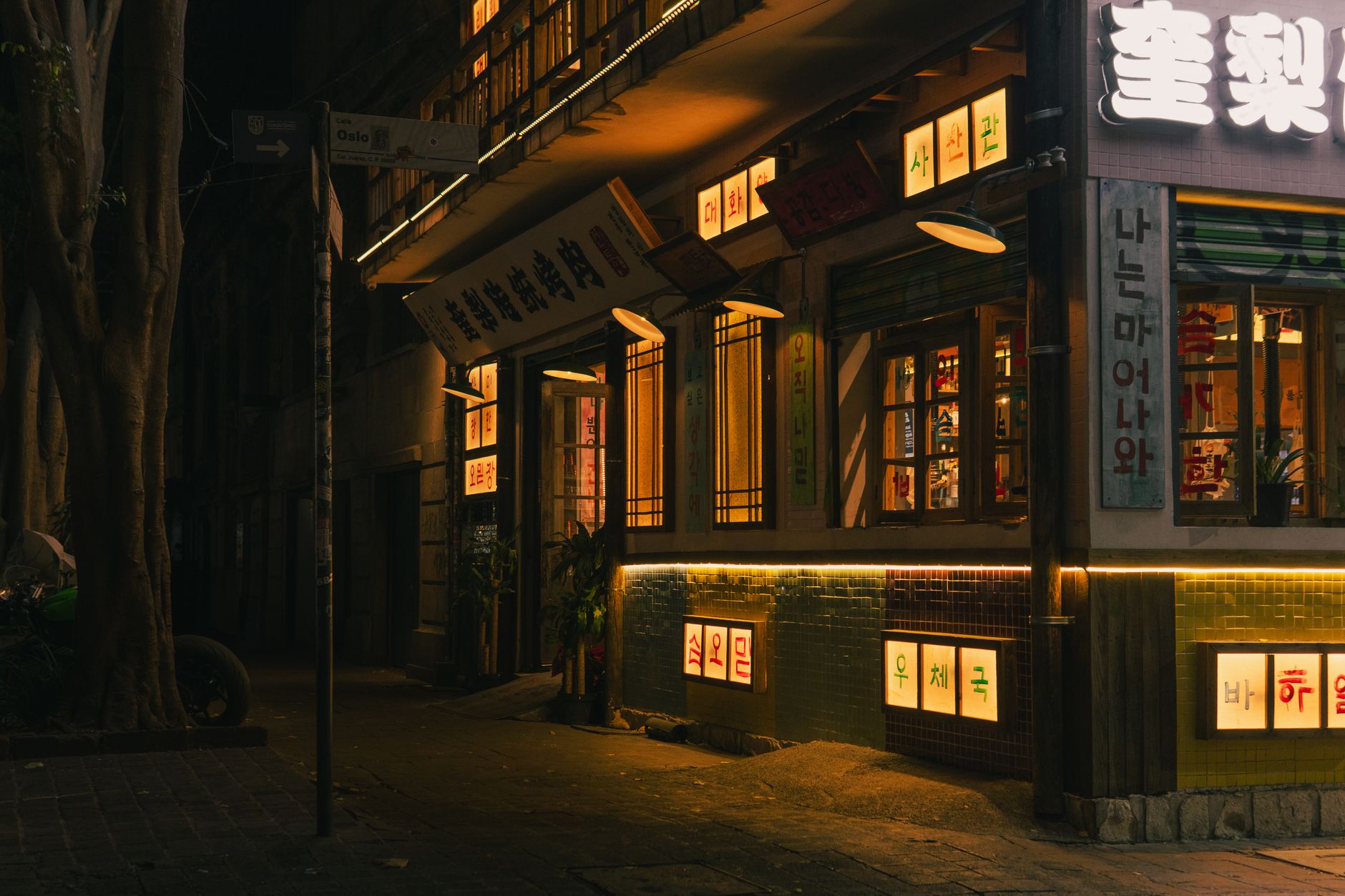
    Illuminated Korean restaurant storefront at night with hangul signage

    What honbap actually means

    Honbap (혼밥) is a compound of “honja” (alone) and “bap” (rice, or meal) — eating by yourself. You’ll also hear “honsul” for drinking alone and “honyeong” for watching a movie solo; Korean has quietly built an entire vocabulary around doing things by yourself over the last decade or so. That in itself tells you something. Ten years ago you rarely needed a word for it, because it rarely came up.

    Korean dining has traditionally revolved around the shared table — communal stews, grilled meat split among the group, side dishes (banchan) refilled for everyone at once. A lot of restaurant menus were built assuming at least two people: samgyeopsal ordered by the portion for two, jjigae priced for a pot meant to be shared. Walking in solo used to mean either getting turned away outright or getting served with a raised eyebrow. You might assume that’s exaggeration, but staff at some restaurants really would ask a solo customer to eat quickly and free up the table, or seat them somewhere out of the way near the kitchen.

    Why the shift happened

    The honbap boom didn’t come out of nowhere. Around 2017, media outlets in Korea started pointing to it as a genuine cultural turn, not just a niche habit among students or night-shift workers. The underlying demographic shift is the real driver: single-person households made up roughly a third of all households in Seoul by the early 2020s, and the number keeps climbing as marriage rates fall and people live alone longer, whether by choice or circumstance. Restaurants that ignore that many potential customers are, frankly, leaving money on the table.

    There’s also a television and streaming effect worth mentioning — shows built around the pleasure of eating alone, following characters who savor a meal for one without anyone commenting on it, helped normalize the idea that honbap isn’t sad or pitiable. It can just be relaxing. Surprisingly, for a culture that spent decades prizing the group over the individual, that reframing landed fast. Business owners noticed and adapted their floor plans, not just their attitudes.
    A person eating alone at a restaurant counter, focused on their bowl

    Where solo diners still get side-eyed — and where you’ll never notice

    Not every restaurant category caught up at the same pace, so it helps to know the map before you go in expecting either total ease or total friction.

    Gukbap houses (rice-in-soup shops) were basically built for honbap before the word existed. You order at a counter or from a simple menu, sit at a long bar-style counter, and eat in fifteen minutes. Nobody blinks. The same goes for most noodle shops, kimbap chains like Kimbap Cheonguk, and the entire convenience store ecosystem — GS25, CU, 7-Eleven — where you can grab a triangle kimbap or instant noodles, add hot water at the in-store kettle, and eat standing or seated right there. It sounds almost too casual to count as “dining,” but for a huge share of solo diners in Korea, that’s the daily default, not a last resort.

    Kiosk-ordering restaurants deserve a special mention because they’ve quietly solved a big chunk of the honbap anxiety problem. If there’s a touchscreen at the entrance, you don’t have to catch anyone’s eye, explain that it’s just you, or navigate a conversation in a language you might not speak fluently. You tap, you pay, you sit. Chains that have gone all-in on kiosks — many franchise gimbap shops, budget donkatsu spots, coffee chains — are functionally solo-proof now.

    Korean barbecue is the trickier category, and it’s the one people ask me about most. Traditional KBBQ is built around shared grills and multi-portion ordering, which historically shut solo diners out entirely — you literally couldn’t order a single serving of meat at some places. That’s where the newer 1-person BBQ format comes in: individual grill stations at a counter, single servings starting around 9,000 to 12,000 won depending on the chain, self-serve banchan bars so you’re not waiting on staff. Gogitbar and Hongojip are two of the better-known chains built specifically around this idea, and they’ve spread well beyond Seoul at this point. If a regular KBBQ place doesn’t have single servings listed, it’s worth asking — some family-run spots will quietly accommodate you even without a formal solo menu, especially outside peak dinner hours.
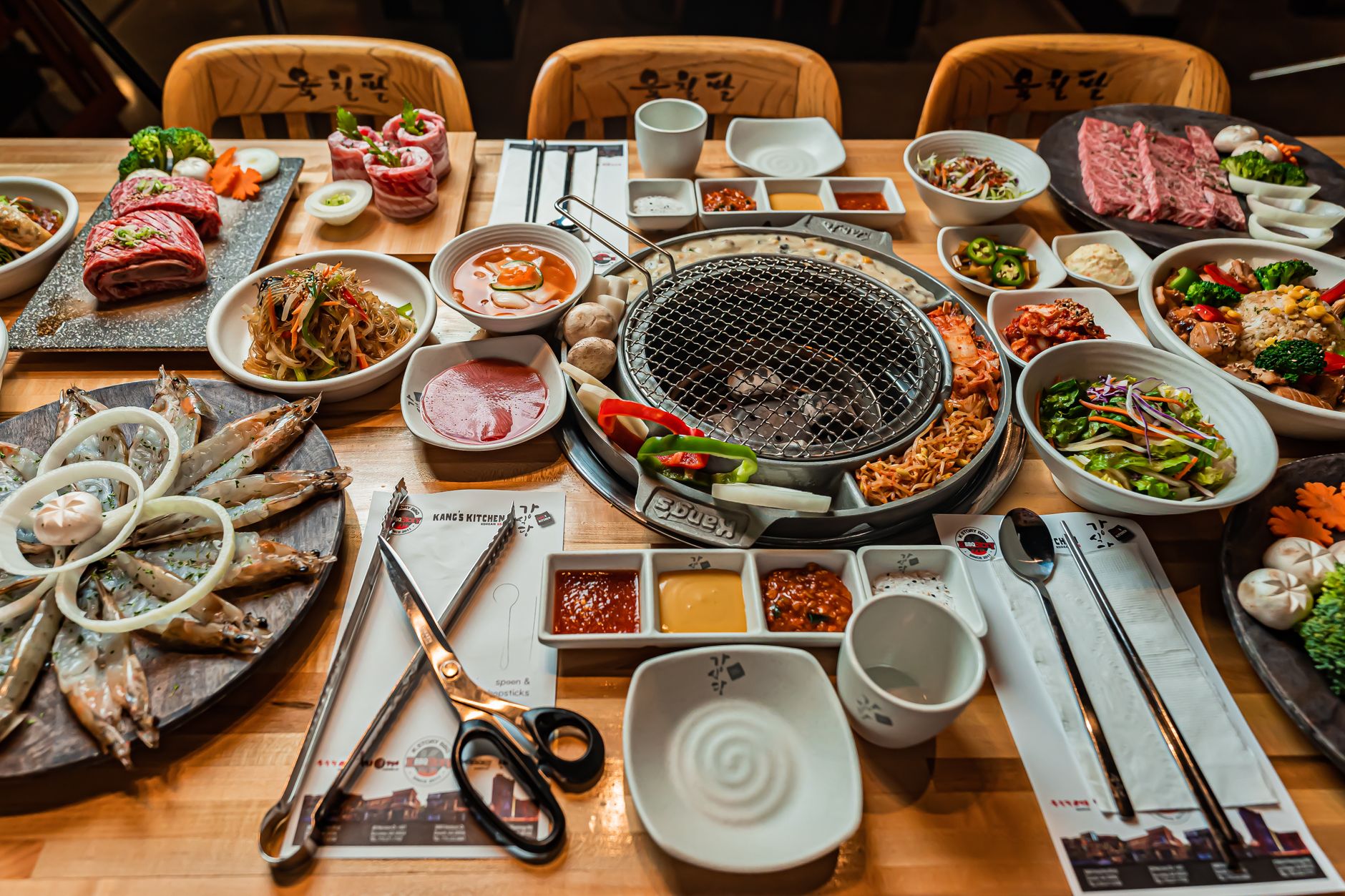
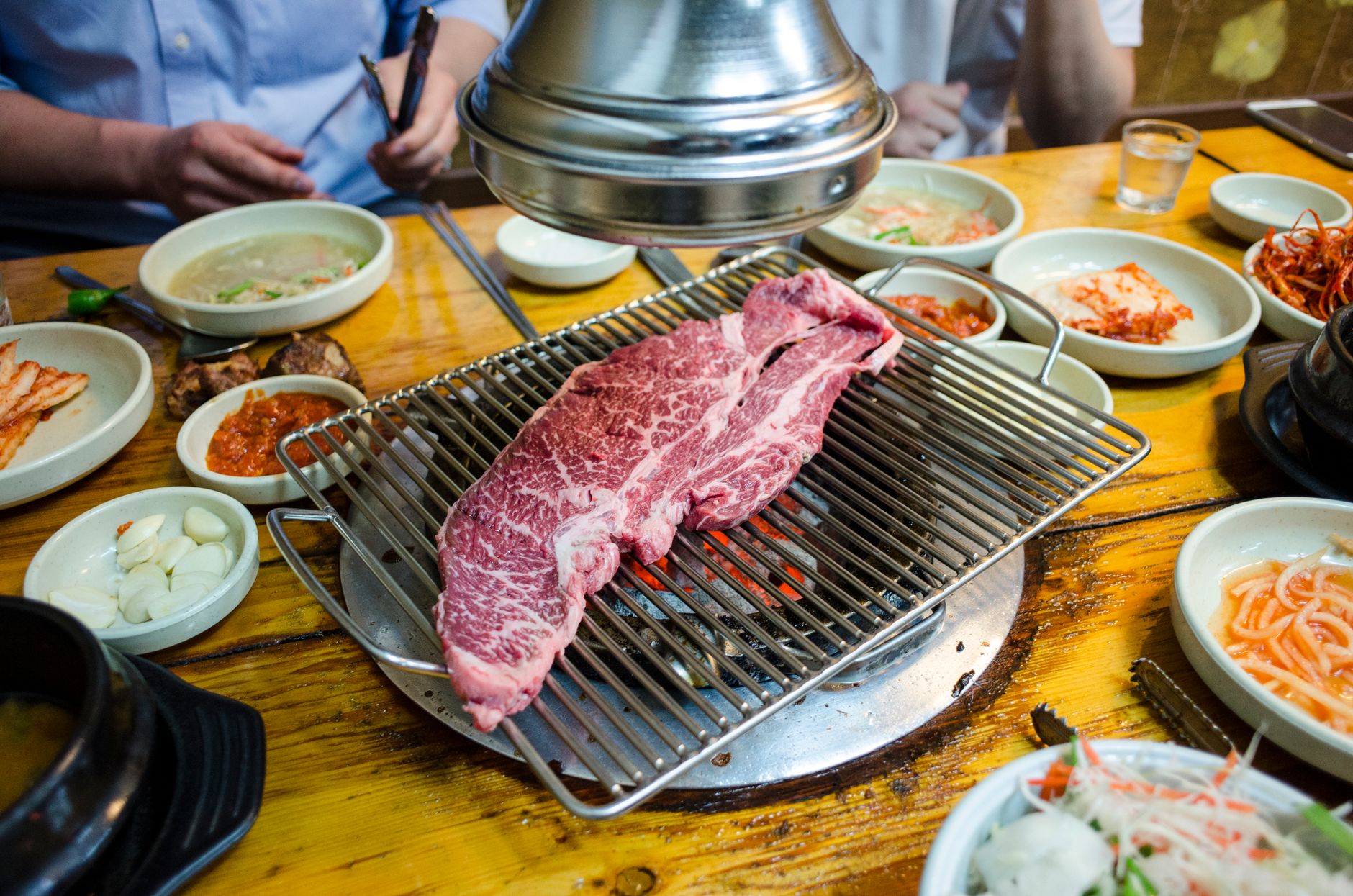
    Korean barbecue table spread with grill, banchan side dishes, and meat platters

    Fine dining and traditional hanjeongsik (full-course Korean set meals) remain the hardest territory. These are built around communal ordering and pacing meant for groups, and some simply won’t seat a party of one during busy hours — not out of rudeness, exactly, but because a single-diner table during a dinner rush is a seat that could’ve served four. You might think that’s unfair, and in a sense it is, but it’s a business-logic problem more than a cultural judgment at this point.

    Practical tips if you’re eating solo in Korea

    Lunch hours (roughly 11:30 a.m. to 1:30 p.m.) tend to be the most solo-friendly window almost everywhere, since plenty of office workers eat alone on weekday lunches and restaurants expect it. Weekend dinner is the toughest slot to walk in solo at a popular spot, so if you’re set on a specific KBBQ or hanjeongsik restaurant, consider going earlier or on a weekday instead. Markets like Gwangjang in Seoul are worth calling out specifically — the long communal benches mean solo diners genuinely blend in better than groups do, which is a nice reversal of the usual dynamic. And honestly, don’t overthink the language barrier: pointing at a photo menu or a neighboring table’s dish works fine almost everywhere, kiosk or not.

    Frequently asked questions

    Is it considered rude in Korea to eat at a Korean BBQ restaurant by yourself?

    It’s not considered rude exactly, but it can be logistically difficult at traditional KBBQ spots that only sell meat in multi-person portions. It’s less about etiquette and more about the restaurant’s ordering structure. Your best bet is a dedicated 1-person BBQ chain such as Gogitbar or Hongojip, or a regular KBBQ place during off-peak hours where staff are more likely to make an exception.

    Will restaurant staff in Seoul treat me differently if I show up alone as a tourist?

    Generally no — in a city like Seoul, where honbap culture is well established, a solo tourist barely registers as unusual, especially at kiosk-ordering restaurants, noodle shops, and gukbap counters. You’re more likely to get curious friendliness than judgment. The exceptions tend to be reservation-only fine dining or hanjeongsik restaurants during peak dinner hours, where table turnover matters more.

    What’s the easiest type of Korean meal to order completely alone with no Korean language skills?

    Anything with a kiosk at the door is the safest bet — you tap through a picture menu and pay by card without saying a word. Convenience store meals are the next easiest: pick a kimbap or instant noodle cup, use the free hot water station, and eat at the small counter most stores now have. Gukbap and noodle counters come in a close third, since the menus are short and pointing works fine.
  • Korean Superstitions Explained

    Korean Superstitions Explained

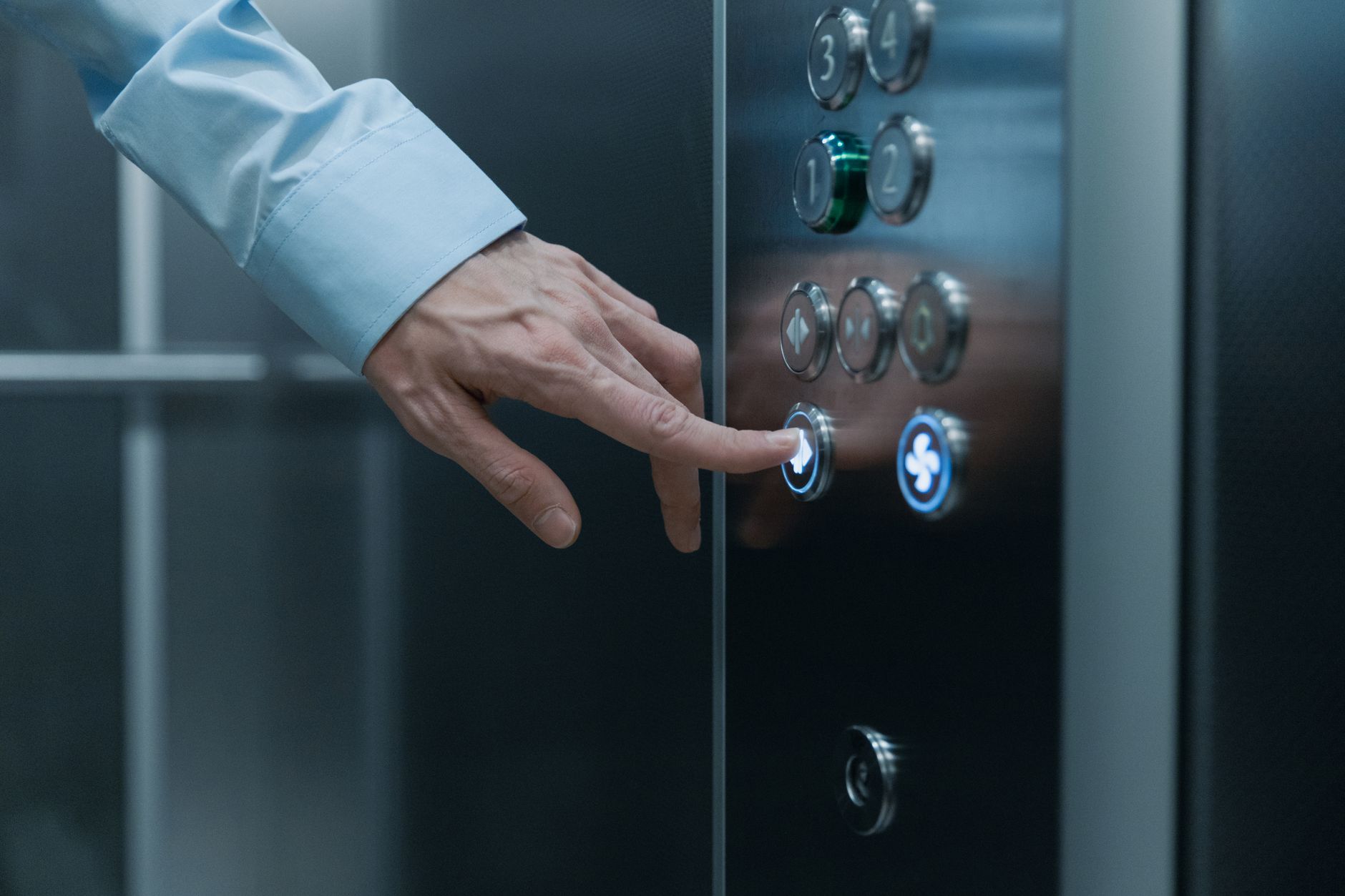
    The first time I noticed the elevator in my building had no fourth floor button, I genuinely thought it was a typo. There it was, right between 3 and 5: a lonely letter F, sitting where a number should be. I asked a neighbor about it and got a look that said “you really don’t know?” followed by a two-minute explanation involving death, Chinese characters, and a fan that might kill me in my sleep. That conversation sent me down a rabbit hole, and honestly, once you start noticing these things in Korea, you can’t stop.

    Korean superstitions aren’t tucked away in dusty folklore books. They show up in ordinary places — apartment buildings, birthday cards, moving trucks, even the way you sign your name. Some of them have real linguistic roots. Others feel like they were invented specifically to keep small children from doing dumb things at 2 a.m. Either way, they’re worth understanding if you live here, visit here, or just like a good “wait, seriously?” story.

    Never write a living person’s name in red ink

    This one caught me off guard the first time I grabbed a red pen to sign a coworker’s birthday card. A colleague practically lunged across the desk to stop me. Turns out, in Korea (and in several other East Asian cultures), red ink was traditionally reserved for recording the names of the deceased. Government registries and ancestral tablets used red characters to mark someone who had died, so writing a living person’s name in red carries an old, uncomfortable echo of that practice — as if you’re symbolically wishing death on them.

    You might think this is the kind of belief that dies out with the older generation, but even now, plenty of younger Koreans avoid red ink for names out of habit rather than genuine fear. It’s less “I believe this will curse my friend” and more “why risk the awkward look I’ll get.” I’ve since switched to blue or black for anything involving names, just to keep the peace.

    The number 4 and that missing elevator button

    Elevator panel with F replacing the number 4 floor button

    Back to that elevator. The reason four gets swapped for F traces back to language, not ghost stories. In Sino-Korean vocabulary, the number 4 (사, sa) is pronounced almost identically to the character for death (死, also sa). It’s the same root cause behind tetraphobia in China, Japan, and Taiwan — a homophone problem that turned into a full-blown cultural avoidance. Hospitals, apartment complexes, and hotels frequently skip a labeled fourth floor entirely, or disguise it as “F,” the same way many Western buildings skip a labeled 13th floor.

    Strange as it sounds for a modern, tech-forward country to reroute its architecture around a pronunciation quirk, it happens constantly. I’ve stayed in high-rise hotels in Seoul where the floor directory jumps straight from 3 to 5, and nobody at the front desk blinks an eye when you ask about it. It’s just how things are labeled. Interestingly, this superstition is fading fastest in newer buildings aimed at younger buyers, so if you want to spot it in the wild, older apartment blocks and traditional hospitals are your best bet.

    Fan death: the one that actually made international news

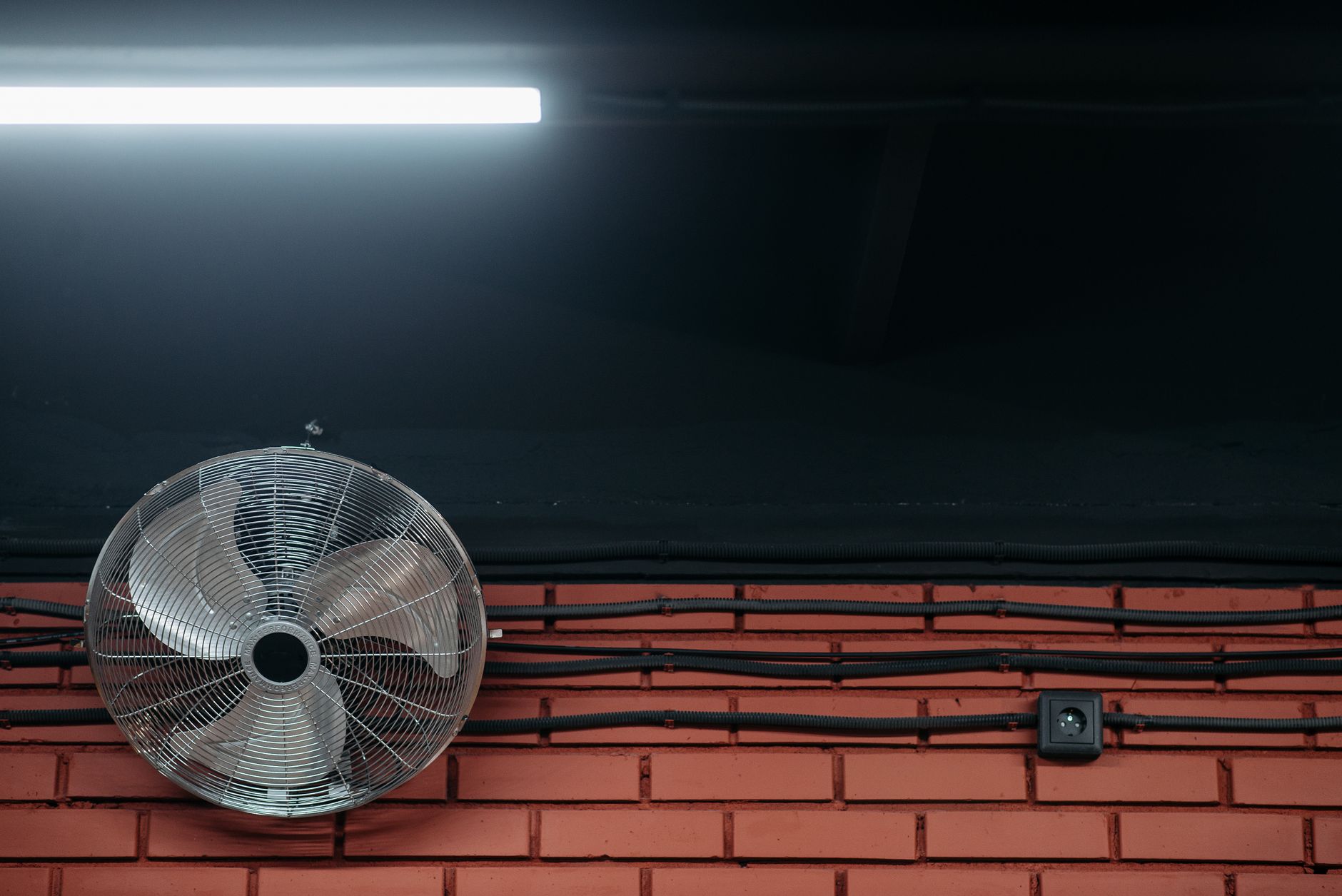
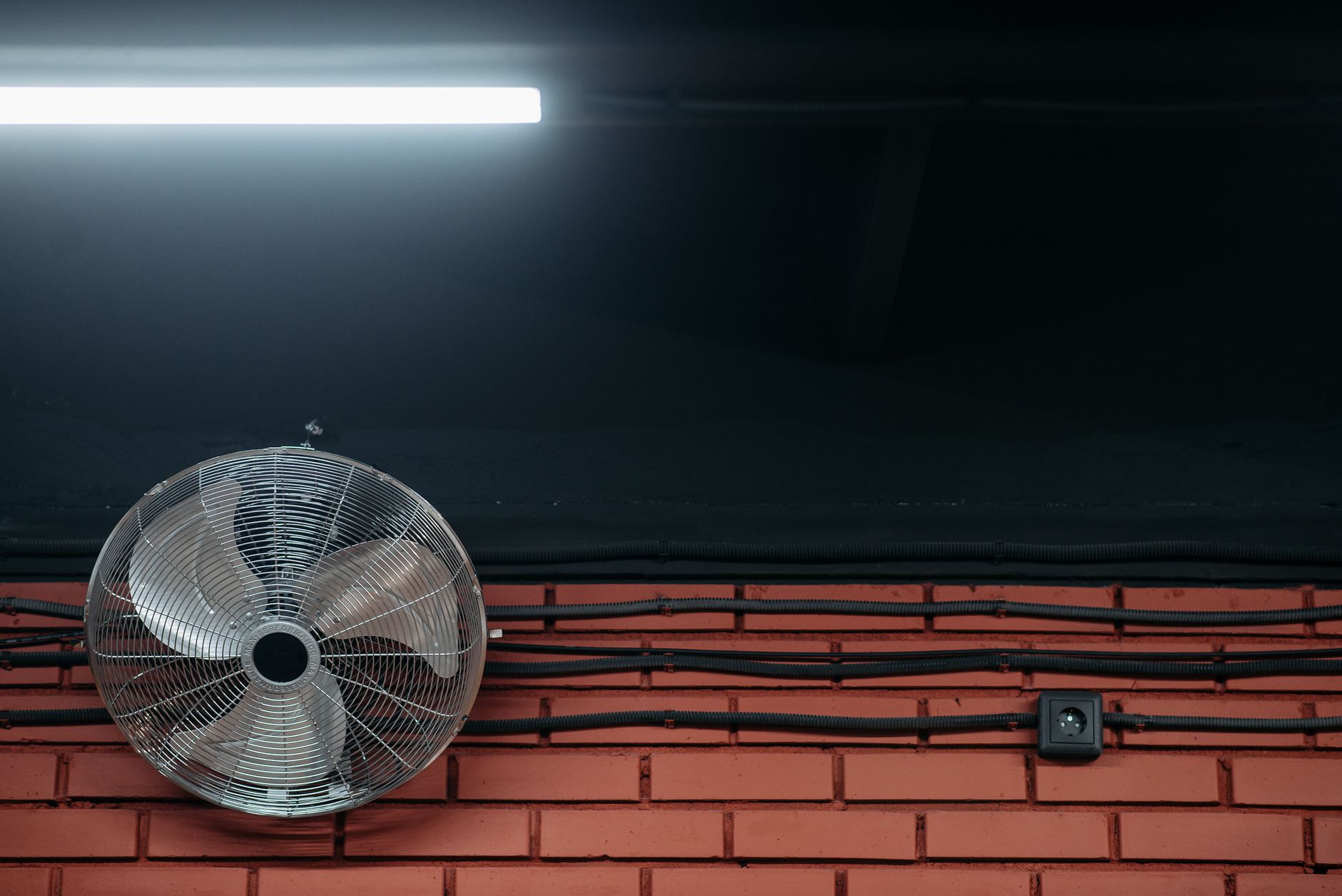
    Electric fan running in a room, referencing the Korean fan death superstition

    Of everything on this list, “fan death” (선풍기 사망설) is the one that tends to make foreigners laugh out loud, and I’ll admit I did too. The belief holds that sleeping in a small, sealed room with an electric fan running all night can somehow kill you — through suffocation, hypothermia, or oxygen displacement, depending on who’s explaining it to you. It sounds like something out of a horror movie script, not a real safety concern.

    And yet, this isn’t some fringe internet myth. South Korean newspapers reported fan-death-related deaths as far back as the 1920s, and the Korea Consumer Protection Board issued public warnings about electric fans and air conditioners as late as 2006, citing them among summer hazards. No credible physiological mechanism actually supports fans killing a sleeping person in a normal room, and doctors have pushed back on the idea for decades. Even so, the belief was persistent enough that Korean fan manufacturers started building in automatic shut-off timers, a feature you still find on nearly every fan sold domestically today. So whatever you think of the science, it left a permanent mark on product design — which is a pretty remarkable legacy for a superstition.

    Whistling after dark

    Here’s one my mother-in-law still enforces without fail: no whistling at night. The reasoning goes that a nighttime whistle summons ghosts, wandering spirits, or snakes to wherever you are. As a kid, you’d get shushed immediately if you started whistling a tune after sunset, no explanation needed beyond “don’t.”

    You might push back and say every culture has some version of “don’t make noise at night” for practical reasons — attracting animals, disturbing neighbors, whatever. That’s probably part of the origin story here too. But the specific pairing of ghosts and snakes gives it away as folk belief rather than pure noise etiquette. It’s a small rule, low stakes, easy to follow, and it’s stuck around for generations because nobody really loses anything by just not whistling after dark.

    손 없는 날 — moving on the “spirit-free” day

    Traditional Korean hanok rooftops representing old Korean customs

    This is the superstition that actually affects logistics, and I mean that literally. 손 없는 날 (son eomneun nal) roughly translates to “day without the evil spirit,” referring to a malicious entity in Korean folk belief said to roam in a fixed direction depending on the lunar calendar date. On days when this spirit isn’t present in a given direction, moving your household is considered safe. On other days, moving supposedly invites bad luck, financial trouble, or misfortune into the new home.

    Here’s the part that surprised me most: this isn’t a niche belief practiced by a handful of superstitious grandmothers. Moving companies in Korea openly publish calendars marking these auspicious dates, and demand on 손 없는 날 is high enough that moving costs on those days routinely run higher than on regular ones. I looked into booking movers for a friend’s apartment change in Seoul, and the price difference between a “good” day and a random Tuesday was noticeable — sometimes 20 to 30 percent more, purely because everyone wants the same handful of dates. Whether or not you buy into the spirit-avoidance logic, the market has absolutely priced it in.

    So, do people actually believe all this?

    Honestly, it varies wildly by generation and by belief. Some of these — fan death, the red ink rule — get followed more out of habit and social courtesy than genuine conviction. Others, like the moving-day calendar, still carry enough weight that real money changes hands over them. What struck me living here is that you don’t need to personally believe any of it to end up following the customs anyway, because so many people around you do, and going against the grain just isn’t worth the friction over something this minor.

    Frequently Asked Questions

    Is fan death still taken seriously by younger Koreans?

    Less so than in previous decades, but the physical habit remains common. Most fans sold in Korea, including budget models from local brands, still ship with a built-in timer function, and plenty of people — even ones who roll their eyes at the superstition itself — use it out of general caution rather than fear of ghosts or suffocation.

    Will I actually get in trouble for writing someone’s name in red ink at work?

    You won’t get formally reprimanded, but you might get an odd reaction, especially from older colleagues. If you’re signing a birthday card, filling out a form, or writing a coworker’s name for any casual purpose, it’s simplest to just grab a blue or black pen and avoid the momentary awkwardness altogether.

    How much more expensive is moving on a 손 없는 날?

    It depends on the season and the moving company, but expect a real premium — often somewhere in the range of an extra 10 to 30 percent compared to a non-auspicious weekday. If budget matters more to you than the tradition, booking movers on an “unlucky” date can genuinely save you money, and plenty of expats do exactly that.

  • The Korean Spicy Food Scale, Explained (So You Stop Getting Surprised)

    The Korean Spicy Food Scale, Explained (So You Stop Getting Surprised)

    I’ve watched a lot of people order “the spicy one” at a Korean restaurant like it’s a single dial they can turn up or down. It isn’t. Korean spicy food isn’t a straight line from mild to blazing — it’s more like a whole climate, with humid warmth on one end (think a spoonful of kimchi jjigae that just kind of glows in your chest) and a dry, chemical-feeling burn on the other, the kind you get from a bag of instant fire noodles that makes your scalp sweat. If you’ve ever been blindsided — expecting a gentle kick and getting something that makes your eyes water, or bracing for fire and getting something almost sweet — you’re not imagining it. There’s an actual logic to how Korean spice is built, and once you see it, ordering gets a lot less like gambling.

    Bowl of spicy Korean noodles topped with seaweed flakes

    Korean spicy isn’t one flavor — it’s built from different peppers

    The reason “spicy Korean food” covers such a wide range is that it’s rarely just one ingredient doing the work. Most dishes lean on gochujang (fermented red chili paste) for a slow, savory-sweet heat, or gochugaru (dried chili flakes) for a brighter, more direct burn, and the two behave completely differently even though they come from similar peppers. Gochujang, oddly enough, is on the milder side as a standalone ingredient — often under 1,000 Scoville Heat Units (SHU) — because it’s cut with fermented soybean, sweet rice, and time. Gochugaru runs hotter and more variable, typically 1,500 to 10,000 SHU depending on the batch. Then there’s cheongyang pepper (청양고추), the thin green-to-red chili Korean home cooks toss into stews almost as an afterthought — except it’s not an afterthought at all. It clocks in around 10,000 to 23,000 SHU, several times hotter than a jalapeño, and a single sliced one dropped into a pot of soup can shift the whole dish’s personality in about thirty seconds. You might assume the paste-based dishes would be spicier since they look more intense and red — turns out it’s usually the opposite.

    The everyday range: banchan to jjigae

    On a typical table, the spice level moves around a lot within a single meal, which is part of what confuses first-timers. Banchan — the small side dishes that show up automatically, no ordering required — sit at the gentle end. Kkakdugi (cubed radish kimchi) and baechu kimchi (napa cabbage kimchi) carry real chili flavor but usually stay in a friendly, snackable zone; you could eat a spoonful between bites of rice all night without much trouble. Move up to jjigae — stews like kimchi-jjigae or sundubu-jjigae (soft tofu stew) — and you’re in a warmer, more sustained heat that builds as you eat rather than hitting all at once. Above that sits dishes built specifically to be aggressive: buldak (fire chicken), yangnyeom tteokbokki (spicy rice cakes in a thick sauce), and jjamppong (spicy seafood noodle soup) at the higher end of a restaurant’s menu. None of this is marked with numbers on a normal Korean menu, by the way — it’s communicated through dish names, chili icons, or just a server’s raised eyebrow when you ask.

    What the numbers on packaging actually mean

    Packaged Korean food is a different story, and this is where the Scoville-adjacent markers actually show up. Samyang’s Buldak instant noodle line is the clearest example, and it’s become something of an international benchmark almost by accident. The original Buldak flavor sits around 4,400 to 8,700 SHU depending on the source you check — already hotter than a jalapeño — while the 2x Spicy version climbs to roughly 10,000 SHU, and the 3x Spicy tops out near 13,000 to 13,200 SHU. Samyang labels its own lineup in plain-language tiers — Medium Spicy, Hot Spicy, Very Spicy, Extreme Spicy — rather than printing SHU numbers on the front, which is honestly more useful for most shoppers than a raw figure would be. Strange as it sounds, that packaging heat scale has had real consequences: in June 2024, Denmark’s food safety authority recalled several Buldak varieties, including the 2x and 3x Spicy lines, after young people started filming themselves eating bowl after bowl for social media dares. Samyang pushed back, and by mid-July that year Danish authorities partially reversed the decision after retesting. Even so, the episode is a decent reminder that “just a spicy snack” and “3x Spicy Buldak” aren’t quite the same category of spicy.

    Two people eating spicy fire noodles from flame-branded containers

    How locals actually judge spice level

    Here’s the part that surprises a lot of visitors: most Koreans aren’t thinking in Scoville units at all when they order. The everyday vocabulary is more like a set of textures than a scale. Maepda (맵다) just means spicy, full stop, but people qualify it constantly — maekomhada (매콤하다) suggests a pleasant, appetite-building kick, eolkeunhada (얼큰하다) describes the warm, savory burn of a good hangover soup, and “seni” (세다, meaning “strong”) signals something closer to the buldak end of things. People also judge heat by physical reaction — whether a dish makes you reach for water, whether it makes you sweat at the hairline, whether it’s the kind of spicy where you keep eating anyway because it tastes good underneath the burn. That last point matters more than people expect. A dish that’s “too spicy” in Korean food culture usually still has to taste balanced — sweet, savory, or umami doing something underneath the chili — rather than heat existing for its own sake the way it sometimes does with novelty hot sauces abroad.

    Small plate of mild cubed radish kimchi, a common Korean banchan side dish

    Easing in without embarrassing yourself

    If you’re new to Korean spice and don’t want your first real experience to be crying at a table in front of strangers, there’s a sensible order to work through things. Start with banchan-level food — kimchi, radish kimchi, seasoned bean sprouts — for a few meals so your palate gets used to gochugaru’s particular sharpness, which is different from the capsaicin burn of, say, a habanero-based hot sauce. From there, kimchi-jjigae or a mild bibimbap with gochujang on the side (ask for it separately, which is completely normal to request) is a reasonable next step. You might think ordering things “less spicy” marks you as a tourist, but plenty of locals do exactly this too — spice tolerance varies a lot person to person, and nobody’s keeping score. Milk or plain yogurt cuts capsaicin far better than water does, since capsaicin is fat-soluble — water just spreads the burn around your mouth instead of neutralizing it. And if you decide to try buldak-tier noodles, split a bowl with a friend the first time. It’s genuinely fine not to finish it.

    FAQ

    Is Korean food always spicy, or is that a stereotype?

    It’s mostly a stereotype, or at least an oversimplification. A huge share of everyday Korean cooking — japchae (glass noodle stir-fry), bulgogi, plain steamed rice with grilled fish, most soups served at a Korean grandmother’s table — has little to no chili in it at all. The spicy dishes are the ones that travel well internationally and show up on social media, so they dominate the image of Korean food abroad, but a typical home-cooked meal in Seoul is often quite mild with maybe one or two spicy banchan on the side rather than heat in every dish.

    Why do I sweat so much eating Korean spicy soup even when it doesn’t taste that hot?

    This is a real phenomenon Koreans even have a word for — “sok-siwonhada” (속 시원하다), roughly “my insides feel refreshed.” Hot soups like kimchi-jjigae or yukgaejang are often served bubbling hot in a stone pot, so you’re combining actual thermal heat with capsaicin heat at the same time, which triggers sweating even at a moderate spice level. It’s considered a feature, not a bug — a lot of Koreans specifically seek out a sweaty, spicy soup on a hot summer day or when they’re fighting off a cold, on the logic that it clears out your system.

    Are gochujang-based sauces safer for someone with low spice tolerance than gochugaru-based ones?

    Generally yes, though it depends on how much is used. Because gochujang is fermented and blended with sweet rice and soybean, a spoonful stirred into a sauce tends to read as savory-sweet with warmth rather than sharp heat, which is why dishes like tteokbokki can range from kid-friendly to painfully hot depending on the recipe. Gochugaru, being a more concentrated dried chili flake, tends to hit faster and sharper even in smaller amounts. If a menu doesn’t specify, asking whether a sauce is gochujang-based or loaded with fresh chili and gochugaru is a reasonable way to gauge what you’re getting into before it arrives at the table.

  • Things That Surprised Me Moving to Korea

    Things That Surprised Me Moving to Korea

    I thought I had done my homework before I moved. I had read the guidebooks, watched the vlogs, memorized the phrases for “one more, please” and “where is the bathroom.” What nobody tells you is that the real adjustment isn’t the big cultural stuff you prepare for — it’s the small, dumb, everyday friction that catches you off guard three weeks in, when you’re just trying to buy stamps or find your apartment’s fourth floor. Below are the things that actually made me stop and go “wait, what” after I settled into life here. Not the greatest-hits list you’ve read a dozen times — the smaller stuff that snuck up on me.

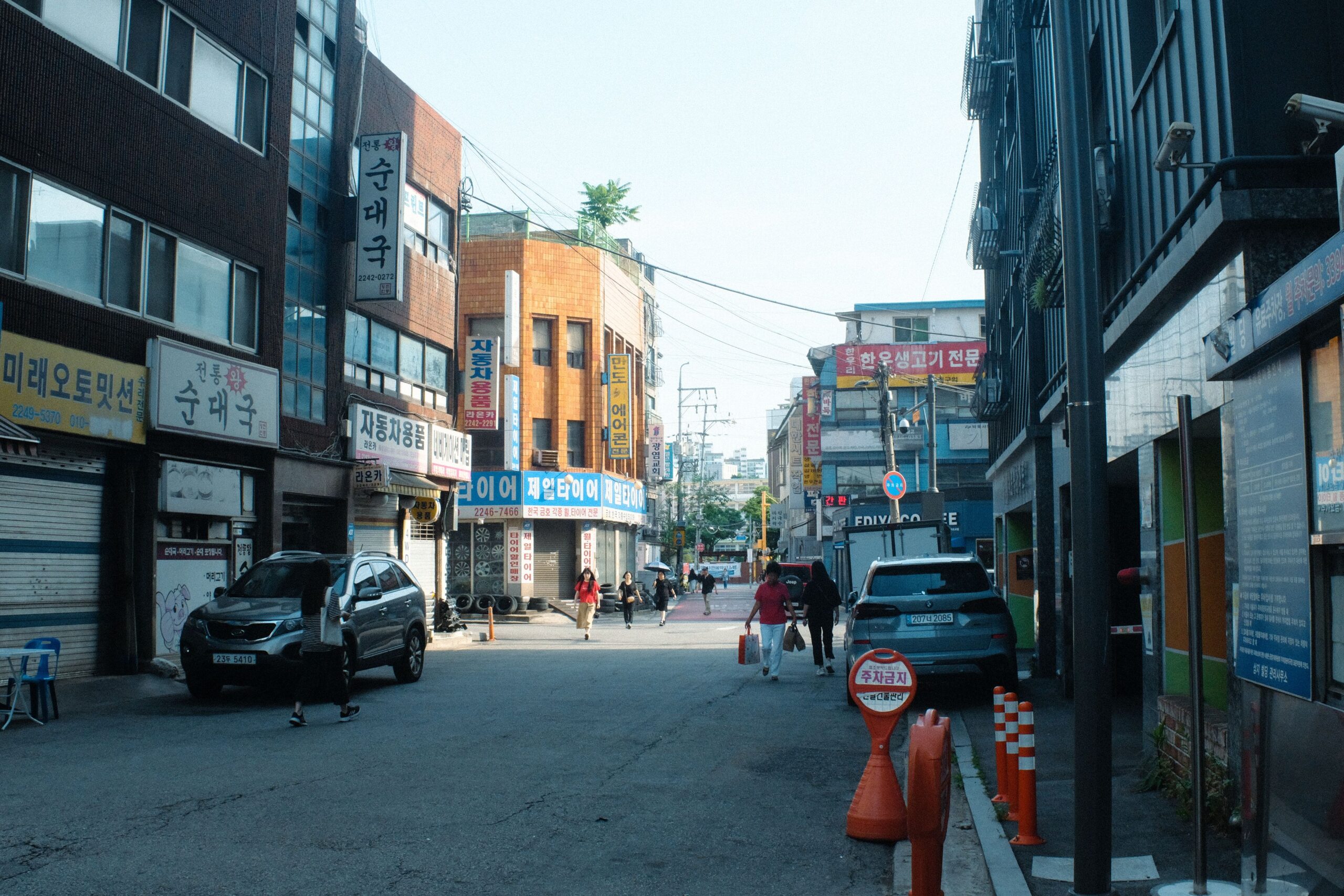
    Busy pedestrian street scene in a Seoul neighborhood

    1. The fourth floor that isn’t there

    The first time I stepped into an elevator here, I scanned the panel for button four and found an “F” sitting where it should be. I assumed it was a typo. It wasn’t. The number 4 is pronounced “sa,” which happens to sound identical to the Chinese-derived word for death, and that homophone has been enough to push the digit out of elevators, hospital wards, and parking garages across the country. You might think this is a fringe superstition that only shows up in temples or fortune-teller shops, but even sleek, brand-new office towers in Gangnam do it. Hospitals take it furthest — some skip room numbers ending in 4 on every single floor, not just the fourth level. Newer apartment complexes marketed to younger buyers are starting to push back and print a plain 4 anyway, on the logic that a confusing elevator button costs more in customer complaints than the superstition costs in bad luck. Still, three years in, I catch myself glancing for the F out of habit even in buildings that don’t have one.

    2. Sleeping in public is not a red flag

    Back home, someone slumped over asleep on a train is either exhausted beyond reason or something to keep an eye on. Here, it’s Tuesday. Riders nod off standing up gripping a subway pole, students face-plant on library desks between classes, and office workers put their heads down on a coffee shop table during lunch without a hint of embarrassment. Nobody wakes them up early, nobody side-eyes them, and nobody assumes anything is wrong. Turns out this makes a strange kind of sense once you think about the hours a lot of people here actually work — a 9 a.m. start after a late night out or a long commute leaves people running on fumes, and a short public nap is treated as basic maintenance rather than a personal failing. I’ll admit I was self-conscious about dozing off on the Line 2 loop around Seoul the first few times. Nobody else was.

    3. “Open 24 hours” means literally anything, not just stores

    Convenience stores being open around the clock isn’t unusual anywhere anymore. What surprised me was how far the 24-hour logic extends into daily life here. Gyms with 4 a.m. members. Saunas that double as an actual sleeping option if you miss the last train. Print shops, hair salons open past midnight in university neighborhoods, kids’ English academies running evening sessions that end well after most Western elementary schools would have sent everyone home hours earlier. Even some clinics keep late hours for people who can’t get away from work during normal business time. You might assume this points to an unhealthy schedule culture, and there’s a fair conversation to be had there — but from a pure convenience standpoint, it rewires your sense of what’s “normal” pretty fast. I’ve had a haircut at 11 p.m. on a weeknight because that’s simply when I had time, and nobody at the salon blinked.

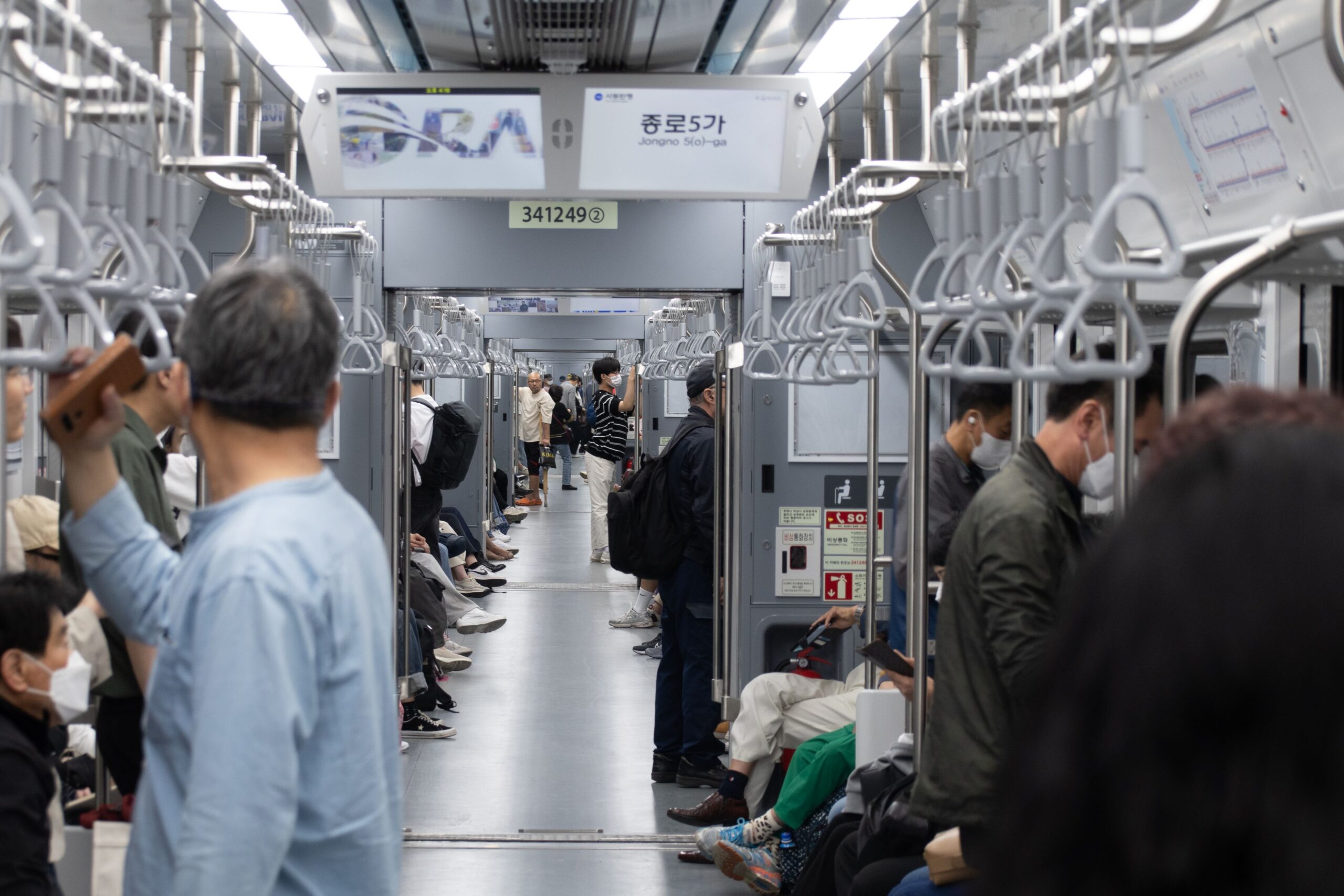
    Commuters riding in a Seoul subway carriage

    4. Recycling is a genuine skill you have to learn

    I figured recycling would be recycling everywhere — glass here, plastic there, done. Not quite. Many apartment complexes sort waste into a half-dozen or more separate streams: paper, clear PET bottles rinsed and label-removed, colored plastics, styrofoam, food waste weighed by a chip embedded in the bin, general trash that has to go in a specific paid bag for your district. Get it wrong often enough and, at some buildings, there’s a camera pointed at the disposal area and a fine on the way. Strange as it sounds, I found this oddly satisfying once I got the hang of it — there’s a system, the system works, and the streets genuinely stay cleaner for it. The learning curve in month one, though, involved a neighbor gently re-sorting a bag I’d left in completely the wrong bin.

    5. Everyday errands move at a speed that feels almost suspicious

    Need a spare key cut? Ten minutes at a hardware stall, done while you wait. Glasses with a new prescription? Same-day at most optical shops, often within the hour. Alterations on a pair of pants picked up an hour earlier? Ready before dinner. Internet installed in a new apartment? A technician can often show up the same day or the next morning, not “sometime in the next two-week window” the way it can go elsewhere. I remember being almost suspicious of how fast a tailor near my old place turned around a jacket hem — I kept asking if she was sure it would actually be ready, and she just laughed at me. It wasn’t a fluke. That’s closer to the baseline expectation here for small services, and once you get used to it, waiting a week for anything back home feels bizarre in the other direction.

    6. Appliances are built for a different-shaped life

    My first apartment had a washing machine roughly the size of a cooler and a fold-out drying rack instead of a dryer. Dedicated clothes dryers exist here but aren’t the default the way they are back home — plenty of people just hang laundry by a window or on a small balcony. The fridge situation runs the opposite direction: many households keep a second, dedicated kimchi refrigerator next to the regular one, built to hold fermenting cabbage at a stable temperature without stinking up everything else in the kitchen. Sounds like overkill until you’ve smelled what happens when kimchi ferments on a regular fridge shelf. Bathrooms surprised me too — built-in bidets are common enough that I now feel oddly under-equipped in ones that don’t have one.

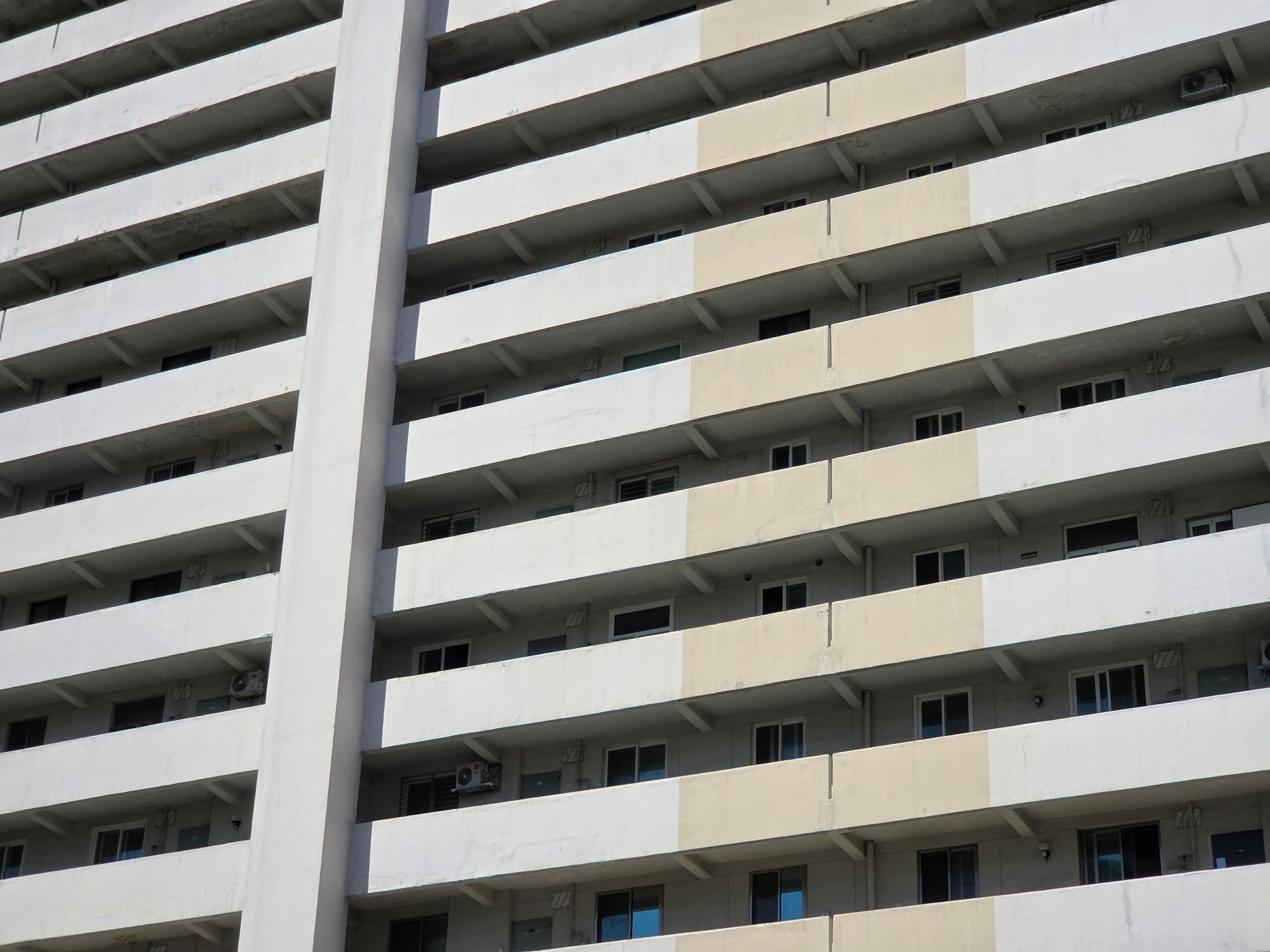
    High-rise residential apartment building in Seoul

    7. Your ID card becomes an extension of your hand

    Everyone carries a card — citizens have their resident registration card, foreign residents carry an Alien Registration Card — and it comes up far more than a passport ever would back home. Picking up a held package, signing a phone contract, checking into some clinics, even certain gym sign-ups: the card number gets asked for constantly, almost like a second name. I didn’t expect how naked I’d feel the one time I left mine at home and needed it for something routine. You’d think you could just get waved through with extra paperwork, but more than once I’ve had to turn around and go back for it. Small thing, but it recalibrates how you think about identification day to day.

    Frequently Asked Questions

    Is it actually rude to point out the missing 4th floor to a Korean friend?

    Not rude, just a little bit “everyone already knows that.” Most people here are aware it’s a superstition rather than a strict rule, and plenty will laugh along if you point at the F button. It’s more interesting as a conversation starter than a taboo — I’ve had genuinely fun chats with older coworkers about which buildings in their neighborhood still skip it and which new ones don’t bother.

    If I move into an apartment with a kimchi fridge already installed, do I need to actually use it for kimchi?

    Not at all — plenty of people use the second fridge for drinks, extra groceries, or overflow from a small kitchen. It’s just a second fridge with a more specific factory setting. But if you do end up making or storing kimchi at home, you’ll notice quickly why the dedicated unit exists; a regular fridge really does pick up the smell.

    Do I need to worry about doing something wrong with recycling as a new arrival who doesn’t read the local language well?

    Most apartment buildings post color-coded signs with pictures, and building staff or a neighbor will usually correct you gently rather than report you the first few times. It’s worth asking your landlord or a building manager for a quick walkthrough in your first week — a five-minute explanation up front saves you from the guessing game I went through.

  • 40~50대 골다공증, 폐경 전부터 챙겨야 하는 이유

    40~50대 골다공증, 폐경 전부터 챙겨야 하는 이유

    건강검진 결과지에서 “골감소증 의심”이라는 문구를 처음 본 순간, 대부분 이렇게 반응한다. “저요? 아직 폐경도 안 왔는데요.” 40대 초중반 여성 상담자들에게서 정말 자주 듣는 말이다. 뼈가 약해지는 건 할머니들 이야기라고 생각했는데, 정작 검사지에는 자기 이름이 적혀 있으니 당황스러울 수밖에 없다. 그런데 막상 골밀도 검사 데이터를 들여다보면, 이런 반응이 오히려 늦은 편에 속한다는 걸 알게 된다.

    골밀도, 생각보다 훨씬 일찍부터 줄어든다

    뼈는 30대 중반 즈음 최대 골량에 도달한 뒤 완만하게 줄어들기 시작한다. 여기까지는 그러려니 할 수 있는데, 문제는 폐경 전후다. 여성호르몬인 에스트로겐이 뼈를 보호하는 역할을 하다가 폐경기에 접어들며 분비량이 급격히 줄면, 이후 5~7년 동안 골밀도가 연간 2~3%씩 빠지는 시기가 온다. 일생 동안 잃는 골량의 상당 부분이 이 짧은 구간에 집중된다고 하면 놀라는 사람이 많다. 40대에 아직 별다른 증상이 없다고 안심할 게 아니라, 오히려 이 시기부터 뼈에 관심을 가져야 하는 이유가 여기에 있다. 폐경 전후로 몸에 나타나는 다른 변화들까지 함께 살펴보고 싶다면 40~50대 갱년기 증상과 생활관리법도 참고가 될 만하다.

    아프지 않아서 더 무서운 조기 신호

    골다공증을 “소리 없는 도둑”이라고 부르는 이유가 있다. 뼈가 부러지기 전까지는 통증도, 불편함도 거의 없다. 허리가 좀 쑤셔도 다들 그러려니 하고 넘기고, 키가 1~2cm 줄어든 것도 “나이 들면 다 그렇지” 하고 지나치기 쉽다. 그런데 이런 사소해 보이는 변화들이 사실은 뼈가 보내는 신호일 수 있다. 자세가 조금씩 구부정해지거나, 가벼운 부딪힘에도 멍이 크게 들거나, 별다른 충격 없이 손목이나 발목이 삐끗해서 골절로 이어졌다면 그냥 넘길 일이 아니다. 의외로 진단은 골절이 생기고 나서야 이루어지는 경우가 많다는 점을 기억해두면 좋다.

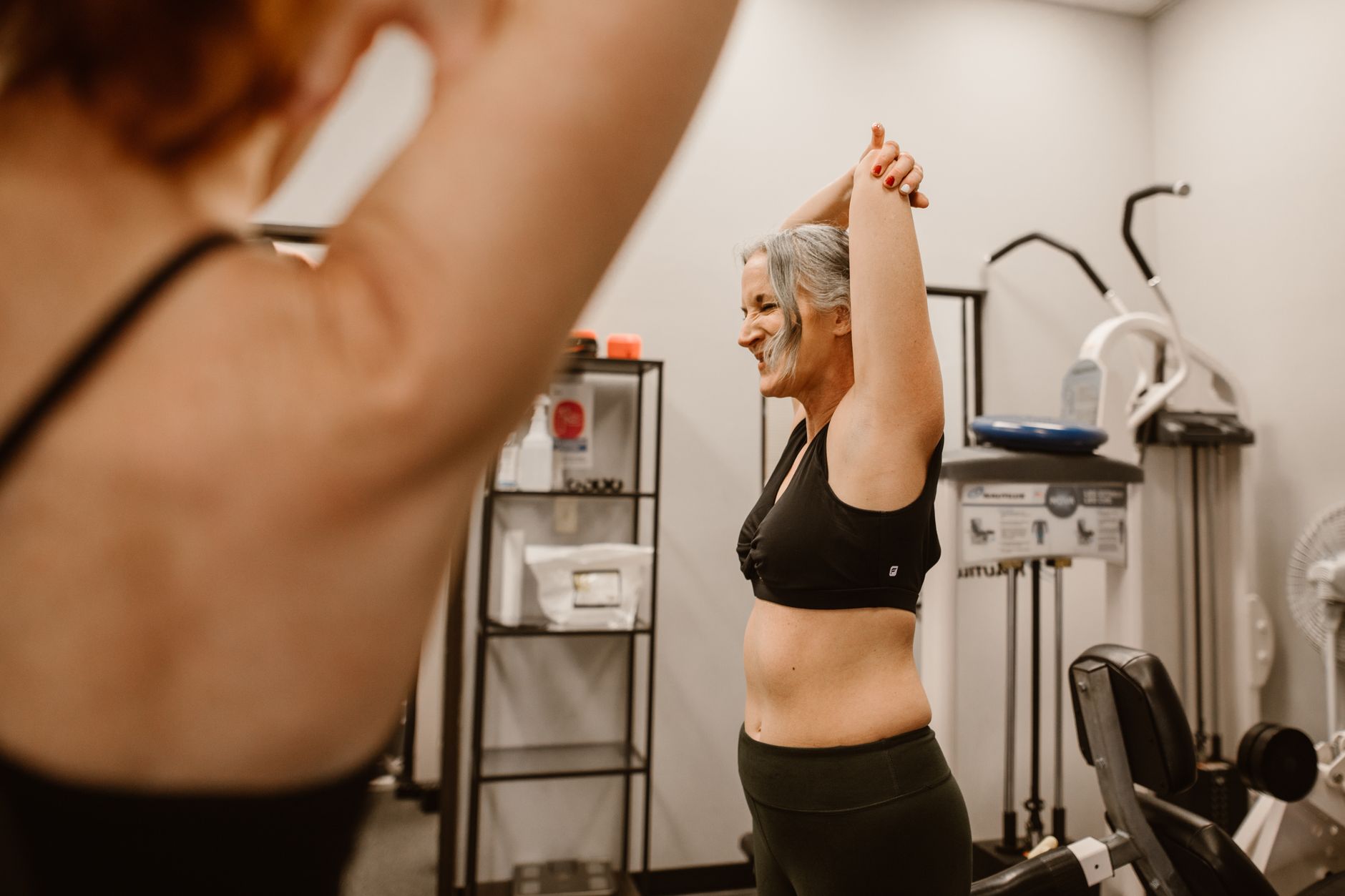
    중년 여성이 실내에서 스트레칭 운동을 하는 모습

    칼슘, 우유만 많이 마시면 되는 걸까

    우유만 열심히 마시면 해결된다고 생각하기 쉬운데, 실제로는 하루 필요량을 채우는 게 생각보다 까다롭다. 50세 미만 성인의 하루 칼슘 권장 섭취량은 1,000mg, 50세 이상은 1,200mg 수준으로 알려져 있다. 우유 한 잔에 들어있는 칼슘이 대략 200mg 안팎이니, 우유만으로 채우려면 하루 5~6잔을 마셔야 한다는 계산이 나온다. 현실적이지 않다. 그래서 두부, 멸치, 브로콜리, 케일 같은 녹색 채소, 저지방 유제품을 골고루 곁들이는 편이 훨씬 수월하다. 칼슘을 많이 먹는다고 무조건 좋은 것도 아니라서, 과다 섭취는 신장결석 같은 다른 문제로 이어질 수 있으니 양을 무작정 늘리기보다 균형을 맞추는 쪽이 현실적인 접근이다.

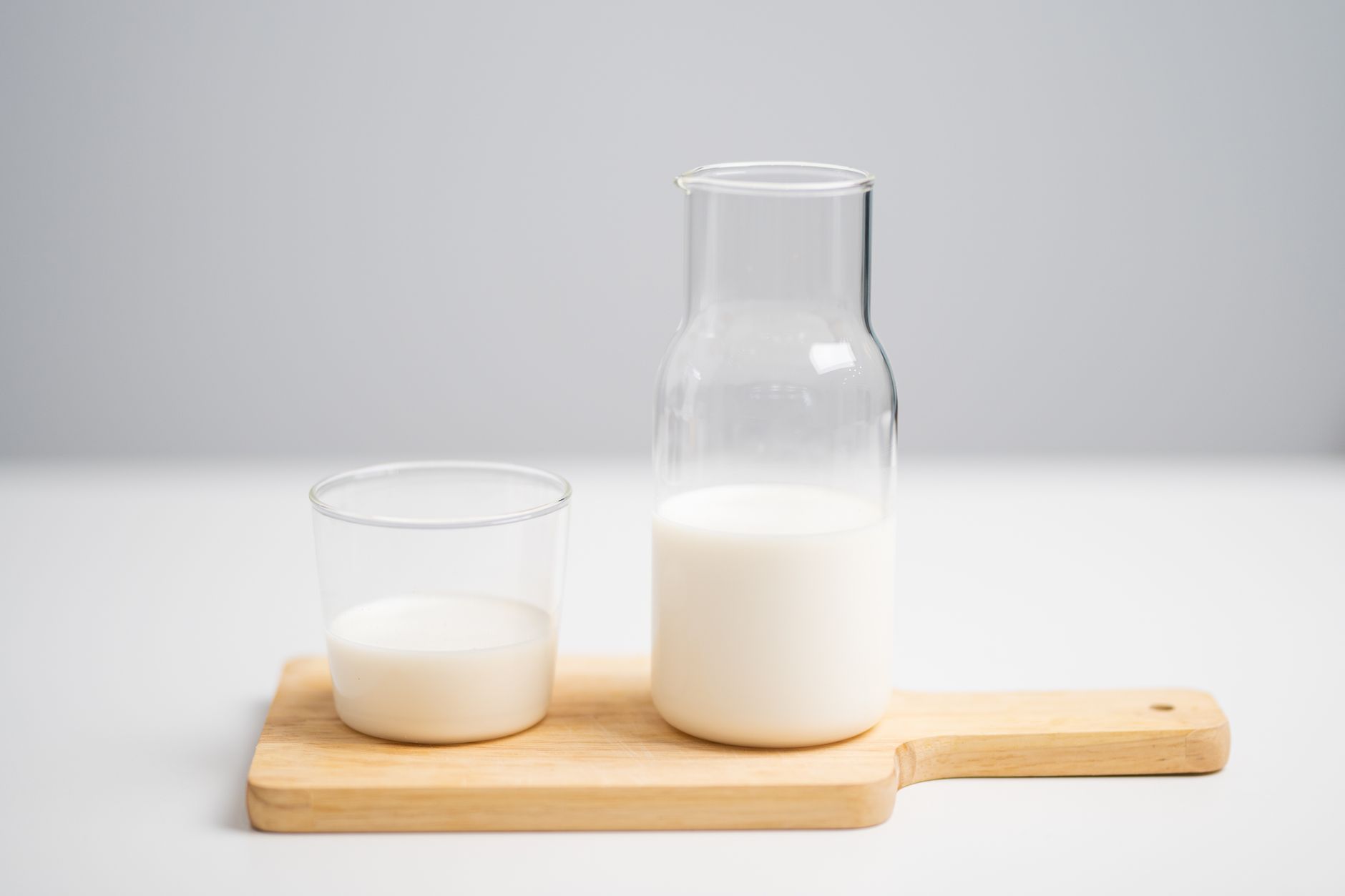
    칼슘이 풍부한 우유와 유제품

    비타민D와 운동, 이 두 가지가 함께 가야 하는 이유

    칼슘을 아무리 잘 챙겨도 비타민D가 부족하면 몸이 그 칼슘을 제대로 흡수하지 못한다. 50세 이상 성인에게는 하루 800~1,000IU 정도의 비타민D 섭취가 권장되는데, 실내 생활이 길고 자외선 차단제를 꼼꼼히 바르는 요즘 생활 패턴에서는 햇빛만으로 필요량을 채우기가 쉽지 않다. 그런데도 하루 15~20분 정도 팔다리를 드러내고 햇볕을 쬐는 습관은 여전히 도움이 된다고 알려져 있다. 운동도 마찬가지다. 걷기, 계단 오르내리기, 가벼운 조깅처럼 뼈에 자극을 주는 체중부하 운동과, 아령이나 밴드를 이용한 근력운동을 함께하면 골밀도 유지뿐 아니라 균형감각을 길러 낙상 자체를 줄이는 효과까지 기대할 수 있다. 근육과 관절이 같이 약해지는 시기이다 보니, 무릎 통증으로 활동량이 줄어드는 경우도 적지 않은데 이 부분이 궁금하다면 40~50대 무릎관절 통증, 퇴행성관절염 글도 함께 보면 도움이 된다.

    햇살 좋은 숲길을 걷는 여성

    골밀도 검사, 언제쯤 받아보면 좋을까

    검사를 언제 받아야 하냐고 물으면 막연하게 “나이 들면요”라고 답하는 사람이 많은데, 실제 기준은 조금 더 구체적이다. 폐경 이후 여성이나 골절 가족력, 저체중, 장기간 스테로이드 복용 이력 같은 위험요인을 가진 경우에는 40대라도 미리 검사를 받아보는 게 권장된다. 특별한 위험요인이 없더라도 폐경 전후 시기부터는 한 번쯤 기본 검사로 자신의 골밀도 수준을 확인해두는 편이 이후 관리 방향을 정하는 데 훨씬 수월하다. 막상 검사를 받아보면 예상보다 수치가 낮게 나와 놀라는 경우도 있고, 반대로 걱정했던 것보다 괜찮아서 안심하는 경우도 있다. 어느 쪽이든 막연히 걱정만 하는 것보다 수치로 확인해두는 편이 낫다.

    자주 묻는 질문

    Q. 40대 초반인데 아직 폐경도 안 왔어요. 그런데도 골다공증 검사가 필요한가요?
    당장 진단명이 붙을 가능성은 낮더라도, 어머니나 자매가 골다공증 진단을 받았거나 본인이 마른 체형이라면 미리 기본 골밀도 검사로 현재 수치를 확인해두는 편이 이후 변화를 비교하는 데 유용하다. 특별한 위험요인이 없다면 폐경 전후 시기에 한 번 확인해보는 정도로도 충분한 경우가 많다.

    Q. 영양제로 칼슘을 따로 챙겨 먹어야 하나요?
    음식으로 하루 권장량을 채우기 어렵다고 느끼는 경우 보충을 고려해볼 수는 있지만, 어떤 제품을 얼마나 먹을지는 개인의 식습관과 건강 상태에 따라 크게 달라지는 부분이라 이 글에서 특정 제품이나 용량을 단정해서 안내하기는 어렵다. 평소 식단을 먼저 점검해보고, 필요하다면 전문의와 상담 후 결정하는 게 안전하다.

    Q. 운동을 하면 이미 줄어든 골밀도도 다시 늘어나나요?
    꾸준한 체중부하 운동과 근력운동이 골밀도 유지와 낙상 예방에 도움이 된다는 점은 여러 연구에서 확인되고 있지만, 이미 진행된 골밀도 감소가 어느 정도까지 회복되는지는 개인의 상태에 따라 차이가 크다. 운동 효과를 과신하기보다는 꾸준한 생활습관 중 하나로 받아들이는 편이 현실적이다.

    본 정보는 참고용이며, 정확한 진단과 치료는 전문의와 상담하시기 바랍니다.

  • Is It Rude to Refuse Alcohol in Korea?

    Is It Rude to Refuse Alcohol in Korea?

    The glass is already full before you’ve decided anything. That’s the part nobody warns you about. Your boss has picked up the soju bottle, poured it toward you with two hands, and is now just… waiting. Not glaring, not smiling, just waiting, glass tilted slightly in your direction, and the whole table has gone quiet enough that you can hear the ice machine humming in the back. You haven’t said a word yet, and somehow the moment already feels loaded.

    I’m Yijidaddy, and I’ve sat at enough of these tables now that the panic has mostly worn off, but the question underneath it never really goes away: is it actually rude to say no here, or does it just feel that way because everyone’s watching?

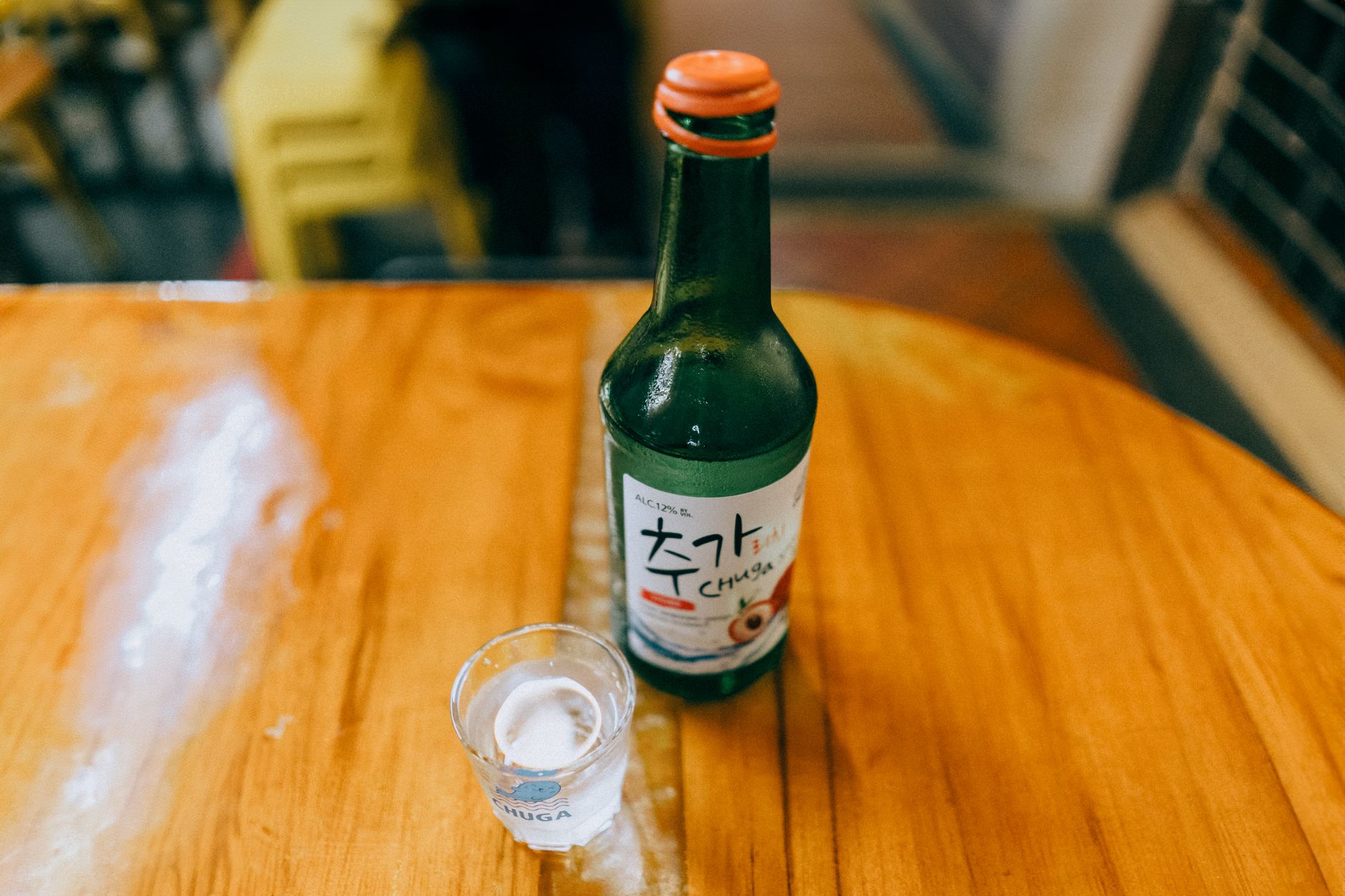
    Soju bottle and shot glass on a wooden table in a Korean restaurant

    Why the Answer Isn’t a Simple Yes or No

    Here’s the honest, slightly unsatisfying answer: it depends entirely on who’s pouring, where you are, and how you say no. Refuse a stranger’s drink at a casual dinner and nobody blinks. Refuse your department head’s drink at a hoesik — the Korean word for a company dinner, usually built around the idea that eating and drinking together builds team cohesion — and you’re navigating something with actual social weight. The discomfort you feel isn’t in your head. It’s a real signal that you’re standing at the edge of a hierarchy system that’s been reinforced through alcohol for decades.

    You might assume this is just an older generation thing, fading out with each passing year, and to some extent that’s true. Younger Korean employees increasingly push back on being pressured to drink, and some companies have even set official limits on after-work drinking hours. But even so, the underlying etiquette hasn’t disappeared — it’s just gotten more negotiable. Knowing the old rules is still what lets you bend them gracefully instead of just ignoring them and hoping for the best.

    What Refusing Actually Signals

    In traditional Korean drinking culture, alcohol poured by a senior isn’t really about the alcohol. It’s an offering, almost a small ritual of inclusion — accepting it says “I respect you and I’m part of this group.” A flat, unexplained refusal can read less like “I don’t want to drink” and more like “I’m rejecting you,” which is a much bigger statement than most foreigners intend to make. That gap between what you meant and what got heard is where most of the awkwardness actually comes from.

    Strange as it sounds, the fix usually isn’t refusing better — it’s accepting differently. A common and completely acceptable move is to take the glass with both hands, let it be filled, bring it to your lips, and take the smallest possible sip before setting it back down. Nobody is tracking your blood alcohol content at the table. What they’re tracking is whether you showed up, whether you received the gesture, and whether you’re being a good sport about the ritual. A token sip usually satisfies all three.

    Korean barbecue table set for a hoesik company dinner

    The Small Physical Rules That Do a Lot of Work

    There are a handful of small physical habits that carry more social weight than they probably should, and once you know them, the whole system starts to make a lot more sense. Pouring and receiving with two hands — or at least one hand supported by the other touching your forearm — signals respect toward someone older or senior to you. If you’re already familiar with how self-pouring is viewed here, you’ll recognize the same logic at play in why pouring your own drink is considered a small faux pas in the first place: drinking in Korea is rarely a solo act, even when you’d rather it were.

    The other habit, and the one that surprises people the most, is turning your head or body slightly away from a senior when you actually take a drink they poured for you. It looks almost shy from the outside, but it’s a gesture of deference, not discomfort — you’re not hiding the act of drinking, you’re just not doing it directly “at” the person who outranks you. To my surprise, once I started doing it automatically, it stopped feeling performative and just became muscle memory, the same way you’d instinctively lower your voice in a quiet room.

    How to Say No Without Making It a Whole Thing

    If you genuinely can’t or don’t want to drink, the trick is timing and framing, not force. Mentioning it early — before the first bottle is even opened — lands completely differently than refusing mid-round after everyone’s already three glasses in and mid-toast. “I’m not drinking tonight” said at the start is a simple fact. The same sentence said after a geonbae, the group toast that kicks off a round, can feel like you’re pulling out of something everyone just committed to together.

    Reasons that work well and rarely get pushed back on: being on medication, driving later, or simply saying your stomach isn’t up for it that day. You don’t need a doctor’s note or a dramatic explanation — a short, matter-of-fact reason plus receiving the poured glass anyway (even if you don’t drink from it) usually closes the conversation. What doesn’t tend to work as smoothly is a bare “no thanks” with no context, especially from someone visibly younger or more junior at the table, because it can read as either shyness taken too far or, worse, a lack of respect — even though that’s almost never the intent.

    Group of friends raising glasses together in a toast

    It’s also worth saying that not every round of drinks demands the same level of care. Wonsaem — literally “one shot,” the custom of downing a glass in a single go, often shouted as a kind of group cheer — shows up more at looser gatherings among friends than at a formal hoesik with your director sitting across the table. Reading the room matters here almost more than knowing the rules themselves. A hoesik that moves to a second location, sometimes a noraebang for singing and a slightly more relaxed atmosphere, tends to loosen the formality a notch too, which is its own small mercy if the first round felt stiff.

    The Part That Actually Matters

    None of this is really about alcohol tolerance. It’s about being read as someone who understands the shape of the room. A senior colleague pouring your glass isn’t testing your liver, they’re extending a small, ritualized gesture of inclusion, and how you receive it — two hands, a slight turn, a token sip, a polite early heads-up if you’re opting out entirely — says far more about your social fluency than whether the glass ends up empty. Turns out you can decline the drink and still fully accept the gesture, and that distinction is really the whole trick.

    Frequently Asked Questions

    My boss just poured me a shot at a hoesik and I don’t drink at all — what do I do right now? Receive the glass with both hands, thank them, and either take the smallest possible sip or simply let it sit in front of you untouched for the rest of the meal. Nobody is going to force the glass to your lips. What matters is that you accepted the gesture instead of waving it off, and if anyone asks, a quiet “I’m not drinking these days” closes the topic without drama.

    Is it rude to tell my coworkers ahead of time that I don’t drink alcohol at all? Not at all — in fact it’s the smoothest option available. Mentioning it before the first bottle opens, even in passing (“I don’t drink, but I’ll definitely be there”), sets the expectation early and almost always gets a completely understanding response, since it gives everyone time to adjust rather than putting anyone on the spot mid-toast.

    What if an elder keeps refilling my glass even after I’ve said I’m done? This usually isn’t pressure so much as habit — topping off a neighbor’s glass is just what you do at a Korean table. Leaving the glass mostly full and simply not lifting it again is a clear enough signal on its own, and pairing it with a light “I’m good for tonight, thank you” almost always gets the refills to stop without any tension at all.

  • The Day My Trash Bag Got Me a Warning Note

    The Day My Trash Bag Got Me a Warning Note

    The first time I left a bag of trash by the curb in Korea, I came home to find it still sitting there — untouched, except for a small yellow sticker slapped on the side. No note, no explanation, just a printed sticker that, once translated, basically said: wrong bag. I remember standing there in the stairwell wondering how a country could have such a strong opinion about garbage. It took me a few weeks and a couple more stickers to realize this wasn’t bureaucratic pettiness. It was a system, and once you understand the logic behind it, it actually starts to make a strange kind of sense.

    Korea’s trash rules run on something called jongnyangje (종량제), which translates roughly to a “pay by volume” system. Instead of a flat monthly garbage fee baked into your utilities, you pay for waste disposal by buying special pre-approved bags — and only those bags — every time you throw something away. The bags themselves are the fee. No official bag, no pickup. It sounds almost too simple to work, but the fact that it’s been running nationwide since the mid-1990s and is credited with pushing household waste volumes down while recycling rates climbed past 60 percent suggests there’s something to it.

    Four separate recycling bins for paper, plastic, metal, and glass

    Here’s the part that trips up almost every newcomer: these bags are hyper-local. The bag you buy at a convenience store in one district is not valid one neighborhood over. Each city or district (gu) prints its own bags, usually in a distinct color, with the district’s name stamped right on it, and sets its own price. A small bag might run you a few hundred won; a large one for a full household could climb toward a couple thousand won depending on size and region. You might assume this is just an arbitrary local tax grab, but the pricing structure is deliberate — the more you throw away, the more you pay, which is the entire point of a volume-based system. Buy the bag at any GS25, CU, or local mart; just make sure it’s stamped for the district you actually live in, because that detail is easy to miss when you’re jet-lagged and just trying to get rid of a pizza box.

    Food waste, meanwhile, lives in its own separate universe entirely. In most Korean apartments you won’t just toss vegetable peels and rice into the general bag — food waste (음식물쓰레기) gets its own designated bag or, increasingly common in newer complexes, an RFID-tagged bin that weighs what you deposit and charges your household account accordingly. Yes, weighed. Down to the gram, in some buildings. That struck me as excessive the first time I saw it, but it turns out there’s a genuinely practical reason: separated food waste in Korea doesn’t just get landfilled, it’s processed into animal feed, compost, or biogas, so contamination actually matters. Which is why things like bones, shells, eggshells, tea bags, and fruit pits are explicitly excluded — they’re not compostable in the way vegetable scraps are, and slipping them into the food bin is one of the more common mistakes expats make without realizing it.

    Then there’s recycling, which is really where the sorting anxiety peaks for anyone who grew up with a single blue bin for “everything recyclable.” Korea splits recyclables into distinct streams — paper, plastic, vinyl (soft plastic film, snack wrappers, plastic bags), glass, and cans/metal — and depending on your building, you may need to sort them into separate bins or bags before you even leave your unit. Plastic bottles typically need caps removed and labels peeled off. Vinyl has to be reasonably clean and dry. Boxes need to be flattened. It can feel like homework. Strange as it sounds, though, once you get the rhythm down — a small bin under the sink for food scraps, a bag for vinyl, a spot by the door for bottles — it stops feeling like a chore and starts feeling like a habit, the same way recycling glass or composting might in other countries once you’ve done it long enough.

    Hands sorting recyclable glass, paper, and plastic into separate bins

    You might wonder what actually happens if you get it wrong. In practice, enforcement varies by building and neighborhood, but it’s not toothless. Improperly bagged general waste — using a regular black plastic bag instead of the official jongnyangje one, or using another district’s bag — commonly just gets left behind by collectors, sometimes with a sticker or notice attached, forcing you to sort it out yourself. Repeated or more serious violations, especially in buildings with active management offices or apartment complexes with CCTV coverage of the trash area, can escalate to an actual fine, and reports suggest penalties can reach into the hundreds of thousands of won for persistent offenders. Even so, most first-time mistakes I’ve heard about end with an awkward sticker or a note taped to a door rather than an actual bill. It’s less “gotcha” enforcement and more a system that relies on mild social pressure and the occasional nudge to keep everyone in line.

    What makes all of this genuinely disorienting for someone new to a Korean apartment isn’t any single rule — it’s that the rules are hyper-local and rarely explained anywhere obvious. Every complex has its own trash room or designated curb spot, its own pickup schedule (recycling might be twice a week, food waste daily or every other day, general waste on specific evenings only), and its own quirks about where exactly the food waste machine is hidden. If you’ve just moved in, as covered in Korean Housewarming Gift Culture Explained, chances are nobody handed you a laminated instruction sheet — you’re expected to either ask a neighbor, watch what other residents do, or figure it out through trial and error (and the occasional sticker of shame). It’s one of those small logistical hurdles that never makes it into the glossy “moving to Korea” checklists, but it’s often the first real cultural puzzle new residents run into, right up there with figuring out why every Korean apartment complex looks the same from the outside.

    Bags of trash set out on a street corner for collection

    I’ll admit that as Yijidaddy, someone who’s spent years now navigating apartment life here, the trash system was one of the few things I never fully stopped thinking about. Not because it’s oppressive — it’s genuinely not — but because it demands a kind of ongoing attention that garbage disposal doesn’t usually ask of you elsewhere. You start noticing which bin lids are color-coded, which neighbors sort meticulously and which ones clearly wing it, and how the whole building seems to operate on an unspoken code of conduct around trash day. It’s a small thing, but it says something about how much collective infrastructure sits quietly behind daily life here — infrastructure you only really notice once you’ve gotten a sticker for getting it wrong.

    Frequently Asked Questions

    I just moved into a new apartment and have no idea where to buy the official trash bags — what do I do?

    Head to the nearest convenience store (GS25, CU, or a local supermarket) and ask for jongnyangje bongtu (종량제 봉투) for your specific district — staff are used to this question and can usually point you to the right size and color. If you’re unsure which district code applies, check your building’s trash collection area; other residents’ bags will show you exactly what to buy.

    My apartment has a food waste machine that asks for a card or PIN — what is that?

    That’s an RFID or card-based food waste bin, common in newer apartment complexes. You tap a resident card or enter a unit code, deposit your food waste, and the machine weighs it and bills your household monthly based on total weight — no separate bag needed for that specific system. If you don’t have a card yet, ask your building’s management office; they usually issue one when you move in.

    I accidentally put a regular black trash bag out instead of the official one — am I going to get fined immediately?

    Almost certainly not on the first offense. In most cases collectors simply leave the bag behind, sometimes with a warning sticker, and you’re expected to notice and switch to the correct bag next time. Fines tend to be reserved for repeated or flagrant violations, particularly in complexes with active monitoring, so a one-off mistake is more of a minor embarrassment than a financial hit.

  • The Twenty-Minute Miracle: Life Inside Korea’s Delivery Culture

    The Twenty-Minute Miracle: Life Inside Korea’s Delivery Culture

    I was sitting on a bench by the Han River one evening, no plans, no kitchen nearby, just a phone and a vague craving for fried chicken. Twenty-two minutes later, a rider in a padded jacket rolled up on a scooter, checked the pin on his screen, and handed me a warm box and two cans of cola like it was the most ordinary transaction in the world. To him, it was. To me, even after years of living here, it still isn’t.

    That’s the thing about delivery in Korea that never quite stops registering as remarkable, even once you’ve stopped being surprised by it. You get used to the speed. You get used to the convenience. But every so often something small — a single can of soda showing up at your door, a rider finding you on a riverside bench with no street address at all — reminds you that this is not how most of the world works.

    Twenty to thirty minutes, more or less on the dot

    The number people throw around is twenty to thirty minutes, and in my experience that’s not marketing copy — it’s roughly what actually happens in most cities, especially Seoul and other dense urban areas. Delivery fees typically land somewhere between about 1,000 and 5,000 won depending on distance, weather, and how busy the app’s algorithm thinks the neighborhood is at that moment. Minimum order amounts aren’t fixed across the board; each restaurant sets its own, and you’ll see it clearly before you check out, usually somewhere in the 12,000 to 20,000 won range for a full meal. You might assume that keeps small orders out of the system entirely. It mostly does, for restaurant food — but that’s not the whole picture, because delivery here isn’t limited to restaurants at all.

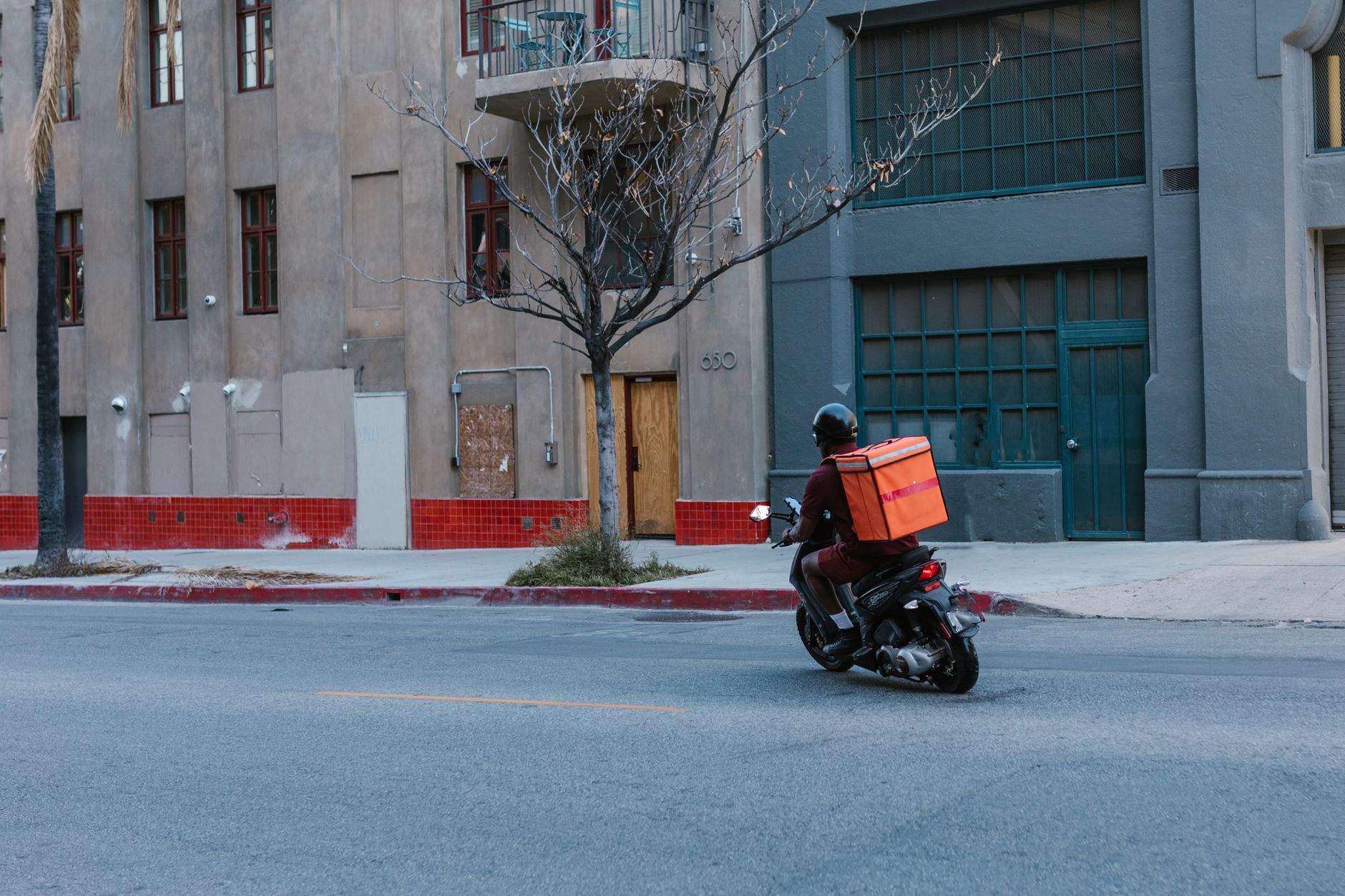
    A delivery rider on a motorbike navigating a Korean city street

    This is where it gets genuinely strange for newcomers. Convenience store apps and quick-commerce services will send someone to your door with a single can of soda, a bag of ramen, or a roll of toilet paper, often within twenty minutes, for a delivery fee that’s barely more than the item itself. I’ve heard people call this wasteful or excessive, and I get the instinct — sending a person and a scooter across town for one can of Coke does sound like overkill on paper. But the infrastructure exists, the riders are already circulating through the neighborhood on other runs, and the margins apparently work out, because the service keeps expanding rather than disappearing.

    An ecosystem, not a single app

    There isn’t really one delivery app so much as a layered ecosystem of them — restaurant delivery apps, grocery and fresh-food delivery services, convenience store partnerships, and increasingly, dedicated dawn or late-night delivery windows that promise your order before you wake up. Most of these apps work the same basic way: you drop a pin on a map, browse restaurants or stores within range, pick your items, and pay inside the app, usually through whatever cashless method is already linked to your phone. If you’ve read about how thoroughly Korea has moved away from cash, that same infrastructure is quietly doing a lot of the work here too — the ease of tapping to pay through KakaoPay or a similar app is part of why ordering food feels almost frictionless.

    What surprised me, coming from a country where “delivery” mostly meant pizza or maybe Chinese food, is how normal it feels here to order a full grocery run, a coffee, or even convenience store snacks without ever leaving the couch. If you’ve wondered what’s actually worth ordering from a Korean convenience store, there’s a whole world of snacks worth trying that show up just as fast as a hot meal would.

    A hand holding a smartphone showing a food delivery app

    The riders make the whole thing possible

    None of this works without the riders, and once you start paying attention to them, you notice they’re everywhere — weaving between cars, cutting through alleys, parked in clusters outside busy restaurants during dinner rush. They ride motorbikes and scooters year-round, through summer humidity and winter cold, often carrying insulated bags strapped to the back that keep soup piping hot for the full trip. It’s easy to take this for granted until you actually watch someone do it during a downpour and realize how much coordination — and honestly, risk — goes into getting your dinner to you in half an hour.

    Riders are generally paid per delivery, sometimes with bonuses tied to volume, which is part of why speed matters so much to them. Korea’s broader “palli palli,” or hurry-hurry, mindset shows up clearly on the road — riders treat some traffic rules more like suggestions, which locals mostly shrug off as the cost of fast delivery, even though it raises real safety concerns that regulators keep debating.

    No tipping, and it’s not just a suggestion

    Here’s a detail that consistently catches newcomers off guard: tipping is not part of the equation, and I mean that more strongly than it sounds. The delivery fee shown at checkout is the entire cost — nothing extra is expected for the rider, and offering cash on top of it can come across as awkward or even faintly insulting rather than generous. You’ll sometimes see a line item labeled something like “delivery tip” inside an app, which trips people up, but that’s just the delivery fee under a different name, not a gratuity in the Western sense. Strange as it sounds if you’re coming from a tipping culture, showing up with extra cash in hand is more likely to fluster a rider than please one.

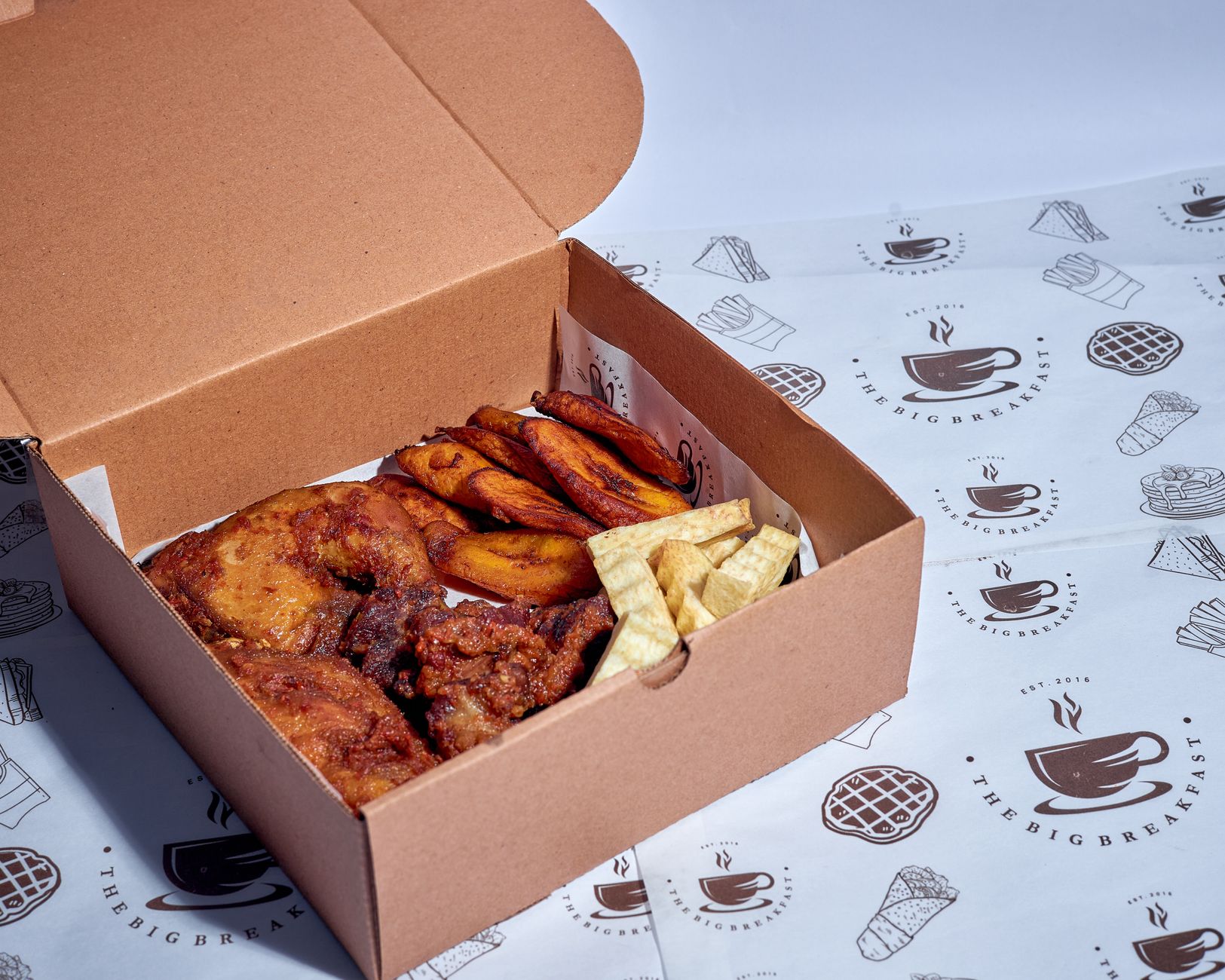
    A box of Korean fried chicken ready for delivery

    As Yijidaddy, I’ve had more than one conversation with visiting friends who instinctively reach for their wallet after a delivery arrives, and I have to explain, again, that they can just say thanks and close the door. It never quite feels natural the first few times. Eventually it does.

    Ordering to a bench, a riverside, a spot with no address

    Maybe the clearest sign of how far this system has been engineered is that you don’t actually need a street address to receive a delivery. Apps let you drop a location pin anywhere — a bench in a riverside park, a specific spot in a plaza, a picnic mat under a bridge — and riders navigate to that pin rather than to a building number. You might think this would lead to constant confusion, missed meetups, food going cold while everyone searches for each other. In practice it works surprisingly well, partly because riders call or message when they’re close, and partly because Korean cities are dense enough that “near the second bench past the fountain” is a perfectly workable set of directions.

    Turns out that’s the real shift for someone who didn’t grow up with this: delivery stops being a special occasion and becomes closer to infrastructure, on par with public transit. It reshapes small daily decisions — whether to pack a lunch, whether to grocery shop ahead, whether a picnic needs any planning beyond picking a decent spot to sit.

    FAQ

    Can I really order delivery to a park with no address, like if I’m having a picnic by the river?

    Yes. Most delivery apps let you drop a map pin instead of typing an address, so if you’re sitting on a bench along the Han River or in a neighborhood park, you can place the pin on your exact spot and the rider will navigate there directly, usually calling or texting once they’re close so you can wave them down.

    Is it rude to try to tip a delivery rider if I feel bad making them come out in bad weather?

    It’s not considered rude exactly, but it’s unusual enough that riders often refuse it or seem uncomfortable accepting it, since the delivery fee already covers the trip. A better gesture, if you want to acknowledge the effort, is just a genuine thank-you or a good rating in the app rather than cash at the door.

    What happens if my order is below the restaurant’s minimum, can I still get a single item like one drink delivered?

    Restaurant minimums are usually firm — if your order doesn’t meet the threshold, you’ll need to add more items or choose a different place. But convenience store and quick-commerce delivery services operate differently, with much lower minimums, which is exactly how a single can of soda or one snack can still get delivered on its own.

  • The Baby Birthday That Outshines a Korean Wedding

    The Baby Birthday That Outshines a Korean Wedding

    There is a particular sound a Korean banquet hall makes about twenty minutes before a first birthday party starts: the click of stiletto heels on marble, a photographer testing his flash against a wall of pink and gold balloons, and somewhere in the back, a grandmother arguing with a stylist about whether the baby’s hanbok sash is tied correctly. I remember standing in a hallway like that, holding a gift envelope thick enough to embarrass me, and thinking: this is more production than my own wedding had. Nobody had warned me. And that, more or less, is the whole story of doljanchi in one hallway.

    Doljanchi is the celebration held on a Korean child’s first birthday — “dol” meaning the one-year mark, “janchi” meaning feast or party. If you’ve lived in Korea for any length of time, you’ve probably been invited to one, RSVP’d without quite knowing what you were agreeing to, and then found yourself watching a one-year-old in silk robes crawl toward a table covered in string, coins, and a stethoscope. It looks whimsical from the outside. It is, underneath the whimsy, one of the more emotionally loaded traditions still actively practiced in modern Korean life.

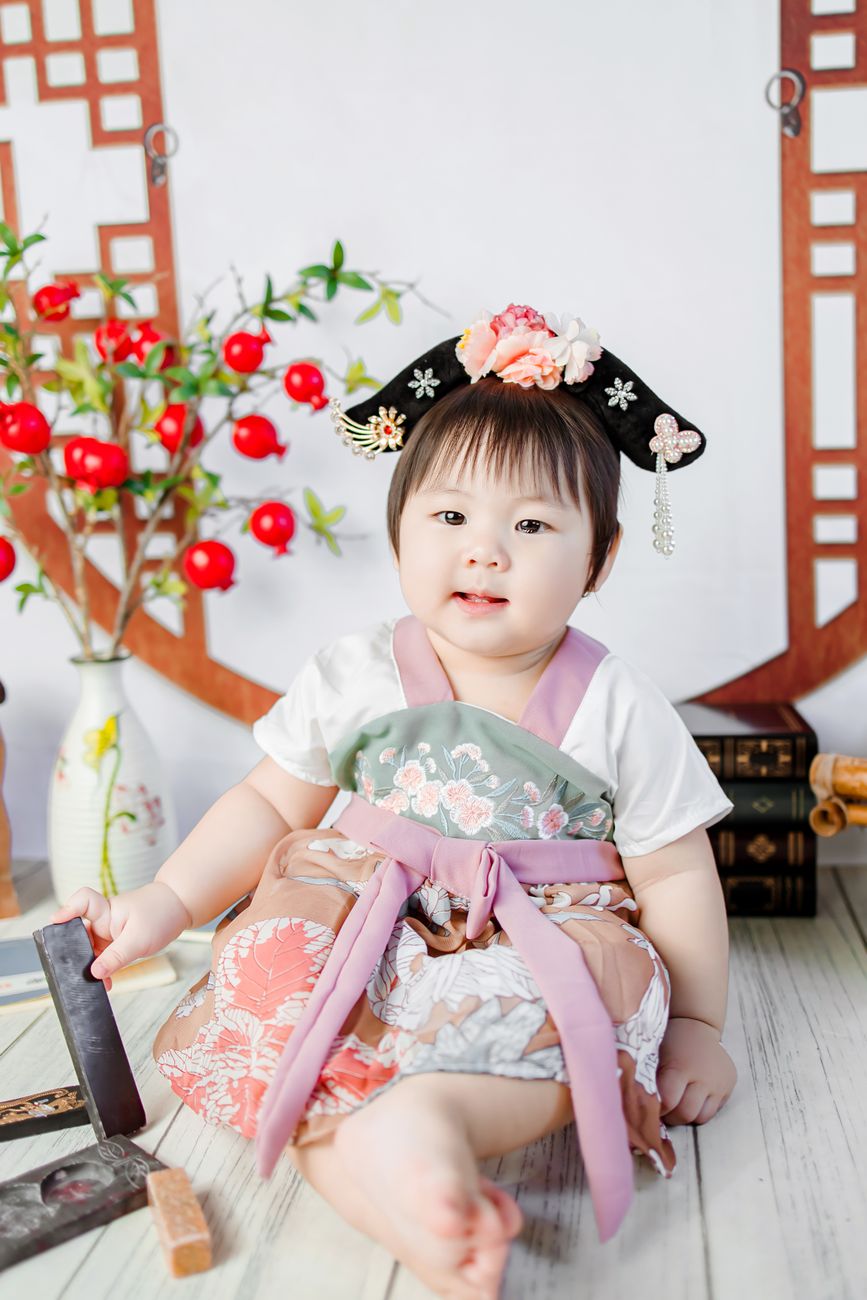
    A baby in colorful traditional Korean hanbok surrounded by festive traditional decor for a first birthday

    The centerpiece of the day is the doljabi, and it’s worth explaining properly because most foreigners get a watered-down version of it secondhand. The baby is set down in front of a low table — the dolsang — arranged with a curated set of objects, and whichever one the child grabs first is treated, half-jokingly and half not, as a preview of their future. A spool of thread means a long life. Rice or money means the child will never go hungry. A pencil, a brush, or a book points toward scholarship. A bow and arrow — historically, at least — suggested a future in the military; in some households it’s since been swapped for a gavel (a judge), a stethoscope (a doctor), or a microphone (a singer, and yes, parents absolutely say this hoping for a K-pop star). Both readings can be true at once, honestly — the fortune-telling and the fondness for a good coincidence.

    You might expect a ritual this specific to feel stiff or ceremonial in the way some traditions do — all solemn faces and rehearsed movements. It isn’t, really. Everyone in the room is laughing, half-shouting suggestions at the baby, phones out, somebody’s uncle trying to nudge the money pile a little closer with his foot. It’s less a rite and more a party game with unusually high emotional stakes, which might be exactly why it has survived so well into the twenty-first century while other, more solemn ceremonies have quietly faded.

    Here’s the part that changes how you see the whole event once you know it: doljanchi didn’t become a big deal by accident, and it definitely wasn’t always this glamorous. For most of Korean history, surviving to your first birthday was not a given. Infant mortality was brutal for centuries, and even as recently as the 1950s, in the aftermath of the Korean War, something close to one in four infants didn’t make it to age one. Turning one wasn’t a milestone the way it is in wealthier countries today — it was closer to a finish line. A baby who reached their first birthday had cleared the single riskiest stretch of their life, and families threw a feast because there was genuinely something enormous to be relieved about. That context reframes everything else: the elaborate table, the formal photographs, the mountain of rice cakes distributed to a hundred neighbors so the luck and gratitude would spread — none of it was decorative excess. It was people marking, as loudly and generously as they could afford, that their child had made it.

    That history is also, I think, the real answer to a question a lot of expats ask sooner or later: why does a one-year-old’s birthday sometimes outshine an adult’s wedding? Modern Korea has one of the lowest infant mortality rates in the world now, so the original life-or-death urgency is gone — and yet the scale of the celebration hasn’t shrunk to match. If anything it’s grown. Rented hotel ballrooms, professional dol photographers who show up with lighting rigs, custom-designed dolsang tables that can run into the hundreds of dollars before a single guest arrives, hanbok tailored or rented specifically for the day, multi-course catered meals for a hundred-plus guests. A modest home gathering might cost a few hundred dollars; a full banquet-hall version with all the trimmings can climb well past ten thousand. Surprising as it sounds for a country with one of the world’s lowest birth rates, dol parties haven’t gotten smaller as families have gotten smaller — in some ways they’ve become the one celebration that gets the full budget, precisely because there may only be this one child, this one dol, ever.

    Close-up of a baby wearing a colorful hanbok with traditional decorations in the background
    A joyful baby surrounded by colorful balloons and toys, illustrating the scale of a modern first birthday party

    As Yijidaddy, watching this from the outside-in seat of a foreign parent, I’ll admit the scale caught me off guard the first time I really understood it. Weddings, at least in a lot of Western contexts, are the “go big” event by default. Here, a wedding can be a relatively brisk, almost businesslike affair — sometimes over within the hour, guests filtering in and out to eat before the next couple’s slot begins. The first birthday, by contrast, gets the lingering afternoon, the seating chart, the emotional toasts. It felt backwards to me at first. It doesn’t anymore. Once you know that a hundred years ago this exact birthday was never guaranteed, throwing the bigger party for the baby stops looking backwards and starts looking like the most sensible instinct in the world.

    There’s also a quieter continuity worth noting, one that connects doljanchi to an earlier milestone many of the same families will have already marked. If you want the fuller picture of how Korean families celebrate a baby’s survival milestones even before the first birthday, the hundred-day mark has its own rich tradition — see Baek-il: Why Korea Celebrates a Baby’s 100th Day for how that earlier, smaller feast set the stage for this bigger one.

    None of this is a fixed script anymore, either, which is the other thing I didn’t expect. Doljabi tables now routinely include a joystick, a paintbrush, a stack of stock certificates, a soccer ball. Some families skip the banquet hall entirely and do a quiet, intimate version at home with just grandparents present, which is its own kind of doljanchi and no less valid for being smaller. Turns out a centuries-old survival ritual is perfectly comfortable sharing table space with a video game controller — a small, funny reminder that traditions here tend to bend without breaking.

    Frequently Asked Questions

    Q: I’ve been invited to a coworker’s baby’s doljanchi in Korea — how much cash should I put in the gift envelope, and is that even the right gift?
    A: Cash in a plain white envelope is the standard and expected gift, much like at a Korean wedding. For a coworker or acquaintance, an amount in the same range as a wedding gift from a similar relationship is typical; close friends and family tend to give more. If you’d rather bring something physical alongside it, baby clothes, gold rings (a traditional dol gift symbolizing wealth), or a small toy are all safe, welcome additions — just don’t skip the envelope entirely, since that’s the part that’s actually expected.

    Q: My daughter is turning one next month and we’re trying to decide between a home celebration and a rented venue — does skipping the big banquet hall mean we’re not doing it “right”?
    A: Not at all. The doljabi ceremony, the hanbok, and the meaning behind the day don’t require a hundred guests or a hired photographer to be real — plenty of Korean families do a small, home-based version with just close relatives and still call it a full doljanchi. The banquet-hall version became common because families had the means and wanted to share the moment widely, not because it’s the only correct format.

    Q: What if my son just grabs a random object and it doesn’t “match” anything meaningful — should I try to guide his hand toward a specific item?
    A: Most families let the grab happen naturally and treat the result as playful fortune-telling rather than something to be engineered — half the fun is in the surprise and the good-natured teasing that follows, whatever gets picked. Nudging the outcome tends to defeat the point, and honestly, the story of “he went straight for the microphone and screamed into it” usually ends up being the more memorable one anyway.

  • Inside a Korean Jjimjilbang: What Actually Happens at the Bathhouse

    Inside a Korean Jjimjilbang: What Actually Happens at the Bathhouse

    The first time I stood in front of a wall of lockers holding nothing but a small key on a rubber wristband, I genuinely did not know what to do with my hands. Everyone around me had already peeled off, tossed their clothes in a basket, and walked toward the showers like it was the most unremarkable thing in the world. I was the only person in the room clearly performing a small internal crisis. Nobody noticed. That, it turns out, is the whole point of a jjimjilbang — and the hardest thing for a foreigner to believe until you’ve lived it.

    A jjimjilbang is not quite a spa in the Western sense and not quite a public pool either. It’s closer to a small, self-contained village built around heat, water, and rest, usually open around the clock, usually costing somewhere between 9,000 and 15,000 won to get in the door. For that price you get a gender-separated bathing floor, a shared unisex floor full of themed sauna rooms, a snack counter, and sometimes a whole sleeping area where people genuinely spend the night. I am Yijidaddy, and after several years of raising a family in Korea, the jjimjilbang has gone from the single most intimidating building in my neighborhood to one of my favorite places to disappear for an afternoon.

    Warm wooden bathhouse interior with soft lighting, evoking a traditional Korean jjimjilbang sauna room

    Let’s start with the part that trips up nearly every newcomer: the actual bathing floor, the mokyoktang, is nude and strictly separated by gender. Swimsuits are usually against the house rules, since the whole bathing system is built around genuinely getting clean before you soak, and wet fabric defeats that purpose. You might assume this creates tension or awkwardness. Surprisingly, it doesn’t. Once you’re actually inside, nobody is looking at anybody. Grandmothers scrub their backs, teenagers chat about school, women read on their phones propped against a shower wall — it has the energy of a very warm, very wet waiting room, not anything remotely sexualized. The nudity is communal and utilitarian rather than exposed, which is a strange thing to explain to someone who hasn’t felt it firsthand, but it clicks fast once you’re standing there.

    First-timers tend to fixate on the nudity and miss the etiquette that matters more to the regulars around them. You shower and scrub down thoroughly before ever touching the communal tubs — this isn’t optional politeness, it’s the entire logic of the system, since the hot pools are meant to be soaked in, not washed in. Long hair gets tied up away from the water, and you generally don’t dunk your head under in the shared pools. None of this is posted in English anywhere, which is exactly why it helps to know beforehand rather than learning by way of a pointed stare from an ajumma who has seen a thousand confused tourists before you.

    Once you’ve washed and dressed in the cotton uniform the front desk hands you — usually a plain t-shirt and shorts, the least flattering outfit you will wear all year — you head up to the unisex floor, and this is where the jjimjilbang starts to feel like the strange little universe people rave about. Here, everyone is dressed and together, and the vibe shifts entirely from clinical bathing to something closer to a communal living room. You’ll find a row of themed kiln saunas — a salt room, a charcoal room, sometimes an ice room kept deliberately freezing as a counterpoint to everything else — each one a slightly different temperature and, according to the signage, good for something specific, whether that’s circulation, skin, or simply sweating out the week.

    Small wooden heated sauna cabin with stones and warm ambient lighting

    This is also where you’ll spot the egg-shaped hats — a row of adults sitting cross-legged in matching t-shirts with what looks like soft-boiled eggs balanced on their heads takes a second to process the first time you see it. Turns out the hats are simply a folded-towel trick, worn less for fashion and more because the hottest kiln rooms genuinely need something protecting your scalp and ears. Somewhere along the way it became a visual signature of the whole jjimjilbang experience, and honestly, once you’re wearing one yourself, it stops feeling silly and starts feeling like a costume everyone agreed to without discussing it.

    Illustration of a Korean jjimjilbang common room with people in matching sauna uniforms and egg-shaped towel hats sharing sikhye

    And then there’s sikhye, quite possibly the best-kept secret of the whole jjimjilbang system. It’s a sweet, malty rice punch, served ice cold with a few grains of rice still floating at the bottom, and after twenty minutes in a scorching salt room it tastes like something closer to medicine than dessert — in the best way. Pair it with a couple of sauna-baked eggs, slow-roasted right there in the kiln until the shells go faintly brown, and you’ve got the unofficial national snack of the jjimjilbang. A rice drink and a hot egg sounds like an odd combination to crave after sweating for half an hour. Even so, it works, and once you’ve had it that way, plain water afterward feels like a downgrade.

    Sleeping overnight is another thing that sounds strange on paper and makes complete sense once you’re there. Many jjimjilbangs have a dedicated floor with mats, wooden pillow blocks, and blankets, and it’s not unusual to see office workers who missed the last subway, students studying away from home, or families on a tight travel budget all sprawled out together under the same low hum of ambient noise. It is not luxurious — the pillows are an acquired taste, usually wooden or hard foam rather than soft. Strange as it sounds for a place built around comfort, that firmness is apparently intentional, meant to keep your neck aligned overnight. Whatever the reasoning, a night here costs a fraction of a motel and comes with unlimited access to hot baths in the morning, a trade plenty of Koreans make happily and repeatedly.

    No conversation about jjimjilbang culture is complete without ttaemiri, the professional body scrub, and this is usually where foreigners either fully commit to the experience or quietly back out the door. For an extra fee, paid separately from your entry ticket, a scrub technician goes over your entire body on a raised vinyl table with a rough exfoliating mitt, removing what can only be described as an alarming, almost fascinating amount of dead skin. You might expect this to be uncomfortable. In practice, it’s brisk, businesslike, and over in about twenty minutes, often finished off with a quick oil massage that leaves your skin feeling almost uncomfortably smooth. It’s not for everyone, and nobody pushes you toward it if you’d rather skip it — but it’s one of those things you kind of have to feel for yourself to understand why people swear by it.

    What surprised me most, looking back on my early visits, wasn’t any single ritual — it was how ordinary the whole thing felt to everyone except me. The jjimjilbang isn’t performed for anyone’s benefit; it’s just how a huge number of Korean families spend a random Tuesday evening. If you’re curious about the etiquette around communal bathing from a more granular angle, it’s worth reading Korean Bathroom Culture Explained as a companion piece to this one.

    Frequently Asked Questions

    Is it awkward to go alone as a foreigner who doesn’t speak Korean? Say you walk in solo and realize the staff member at the counter isn’t going to switch to English. In practice, the transaction is almost entirely visual — you pay, you get a key and a wristband, and you follow everyone else’s lead from there. Most front desks in bigger cities have seen enough tourists that pointing and gesturing gets you through in under a minute, and once you’re past the locker room, nobody expects conversation from you at all.

    What if I have a tattoo and I’m worried about how it will be received? This depends on the jjimjilbang. Larger, tourist-accustomed facilities in Seoul are usually relaxed about it, while smaller neighborhood spots — historically wary of tattoos due to associations with organized crime — may ask you to cover a large piece or, rarely, decline entry. If you’re covered in ink, it’s worth searching for tattoo-friendly jjimjilbangs in whichever city you’re visiting before you show up and get turned away at the door.

    Can I bring my kids, and is it appropriate for them? Yes, and it’s one of the more normal family outings you’ll find here — you’ll regularly see parents walking a sleepy toddler out of the bathing floor at nine at night. Children go into whichever parent’s gender-separated section makes sense for the family, and the unisex sauna floor upstairs, with its snacks, mats, and cartoons on the TV, is practically built with kids in mind.