Somebody handed me a paper cup of makgeolli at a company dinner in my second month living in Korea, and I did what felt completely normal to me back home: I poured my own refill about ten minutes later when the cup ran dry. The table went quiet for a second. Not dramatically quiet, nobody gasped, but there was this tiny pause, like a skipped beat in a song, before my coworker reached over, took the bottle from my hand, and topped me off himself with a little laugh. I didn’t fully understand what had happened until months later. That’s the thing about living here as a foreigner: the mistakes are rarely catastrophic, but they pile up in small, specific ways, and nobody really sits you down and explains the whole list at once.
I’m Yijidaddy, and I’ve been based in Korea long enough now that I’ve made most of the mistakes on this list personally, sometimes more than once. This isn’t a tourist pamphlet with the usual “don’t point with one finger” bullet points you’ve probably already read on ten other sites. I want to walk through the ones that actually trip up people who are here for months or years, not just a weekend in Myeongdong, because the traps change once you’re not just sightseeing anymore.
The Drinking Trap
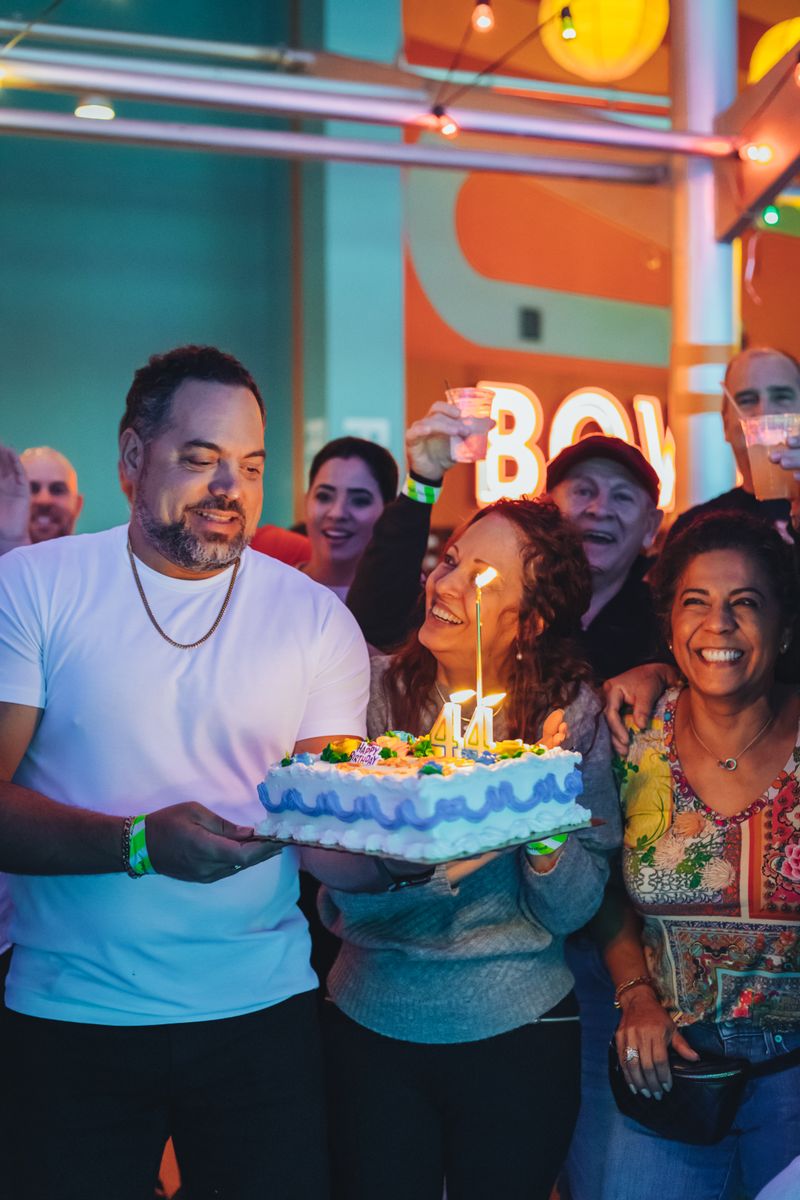
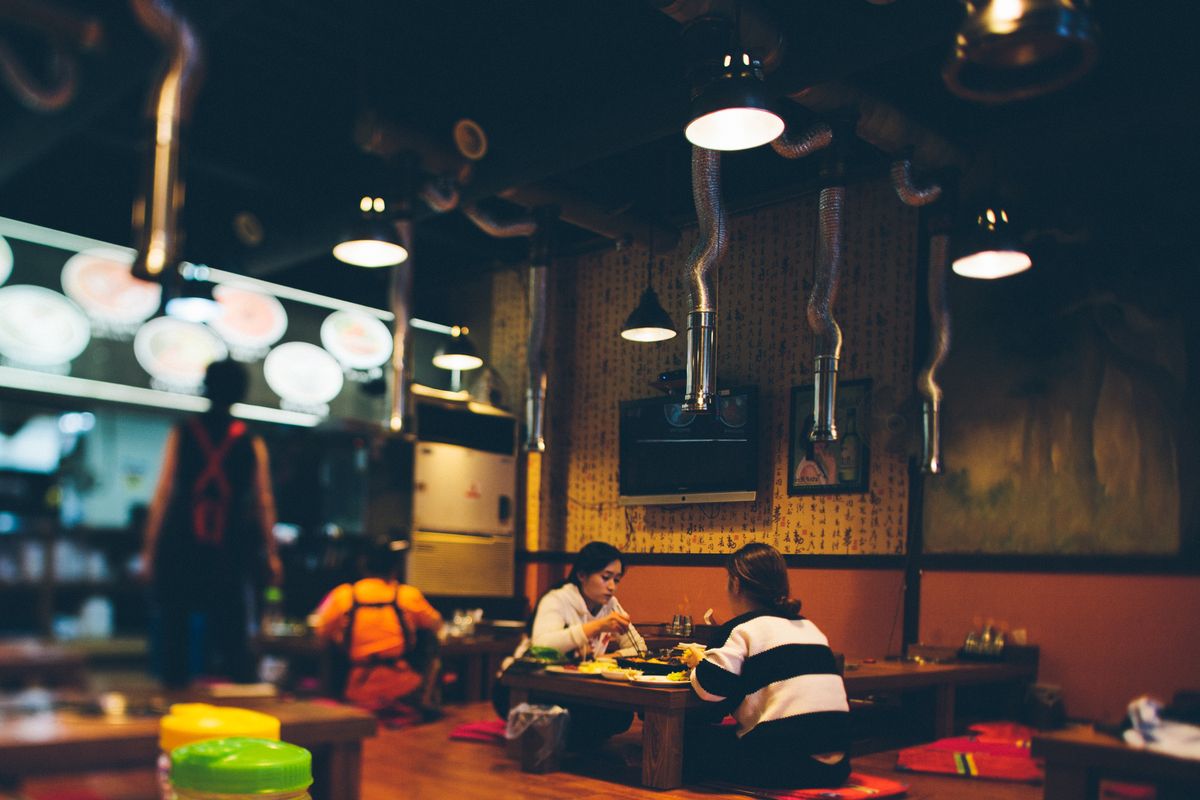
You might assume a drink is a drink, and refilling your own glass is just efficient — nobody wants to sit there with an empty cup waiting for someone to notice. But in Korea, especially at hoesik, the after-work dinner-and-drinks gatherings that are still a real fixture of office culture here, pouring your own soju or beer reads as a small signal that you’re either not paying attention to the people around you or, worse, that you don’t need anyone. Drinking here is relational, not just consumption. You watch other people’s glasses, you top them off when they’re low, and you let them do the same for you.
There’s a physical component too that I got wrong for longer than I’d like to admit. When you’re pouring for someone senior — a boss, an older coworker, someone’s parent — you use two hands, or at minimum one hand on the bottle with your other hand resting lightly against your forearm. Same when you’re receiving a pour: two hands on the glass, or one hand on the glass with the other touching your forearm or chest. It looks almost ceremonial the first few times you see it, but it becomes automatic embarrassingly fast, which honestly says something about how much repetition this culture runs on.
Underneath all the choreography, though, it’s really just a running, wordless check-in happening across the table the entire night — who’s had enough, who needs a refill, who’s being looked after. It’s less about the alcohol and more about that. If you want more on how drinking culture works here, from the toasting to the check dynamics to why nobody just orders one round and leaves, I wrote a longer piece specifically on that.
The Subway Code
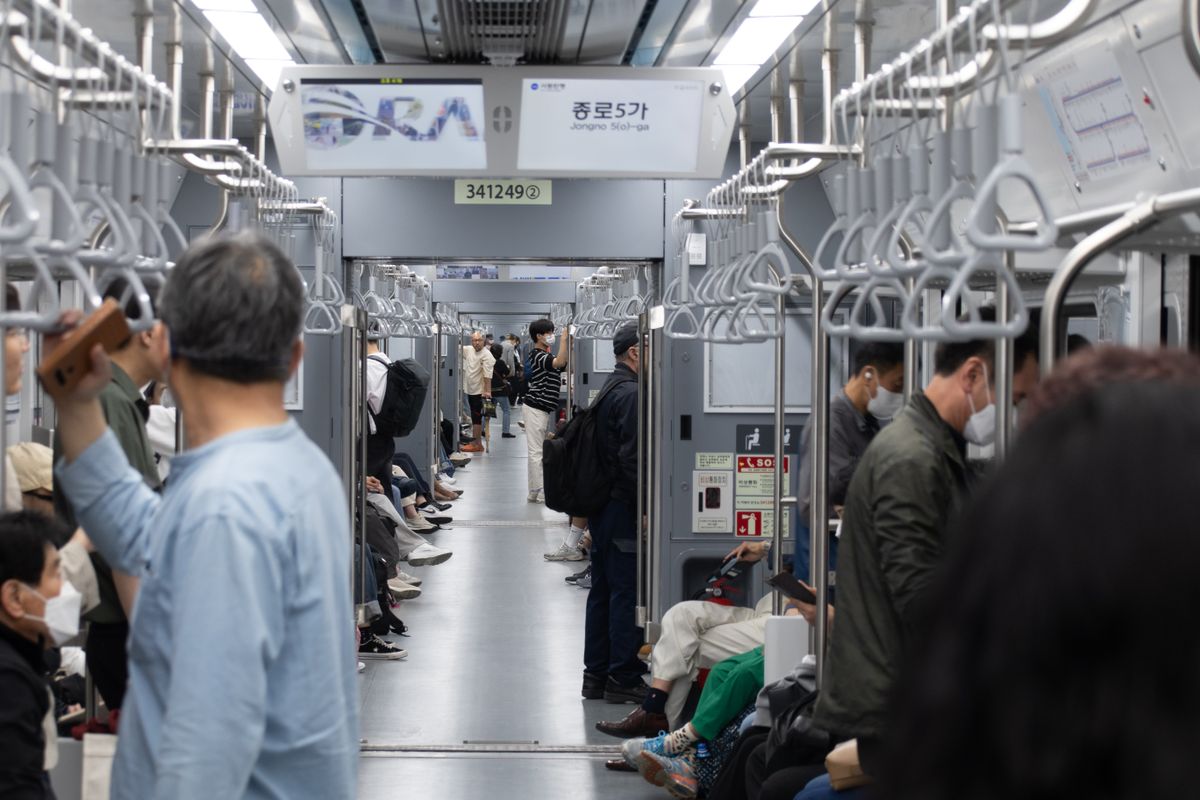
I used to think the pink seats near the subway doors — the priority seats reserved for elderly passengers, pregnant women, and people with disabilities — were more of a suggestion than a rule, the way they can feel back where I’m from. In Seoul, they are not a suggestion. I sat in one exactly once during rush hour, half asleep after a long shift, and an older man boarded a few stops later. Nobody said anything to me directly. But three or four people near me gave this specific, deliberate look toward him and then quickly back at me — not a glare exactly, more the kind of look that dissolves into staring at their phone the second you notice it — and I got up so fast I nearly dropped my phone. Weirdly, that silent social pressure works better than any sign could.
Phone calls are the other one that catches people off guard. You’ll see people texting, gaming, watching dramas with earphones in, completely absorbed in their phones the entire ride — but actually talking on a call, especially at normal volume, gets you looks fast. Line 2 during evening rush hour, packed tight enough that you can feel the person next to you’s backpack against your ribs between Gangnam and Hongdae stations, is not the place to catch up with a friend on speakerphone. If a call is unavoidable, people tend to cup a hand over their mouth and speak just above a whisper. It felt excessive to me at first, honestly, but after a year of quiet commutes I’ve come to genuinely prefer it. There’s something calming about a train car where the loudest sound is the door chime.
The Chopstick Rule That Makes Older Koreans Actually Flinch
This one gets repeated so often in guidebooks that it almost sounds like an urban legend, but it’s real and it matters: don’t stick your chopsticks upright in a bowl of rice. It visually mirrors the incense sticks placed for ancestral memorial rites, so doing it at a dinner table, even by accident while you go grab something from another dish, can land as genuinely unsettling to an older Korean at the table rather than just a minor faux pas. I’ve watched a host quietly reach over and lay a friend’s chopsticks flat without a word, mid-conversation, like muscle memory, and keep right on talking as if nothing happened.
There’s a rhythm to eating with a group here that took me longer to absorb than the rules themselves. You generally wait for the oldest or most senior person at the table to pick up their spoon first before anyone else starts eating. It’s not enforced with any kind of scolding, at least not with foreigners, but you’ll notice everyone else naturally pausing for that first beat, and if you’re the one who dives in early, you’re the only person whose spoon moved.
And if you’re offered more food or another drink, the polite move is to decline once, maybe twice, before accepting — which felt bizarre and even a little dishonest to me at first, since where I’m from you just say what you actually want. Here it’s less about honesty and more about a small ritual of showing you’re not being greedy, even when everyone at the table knows you’re going to say yes eventually.
The Tipping Habit That Doesn’t Translate
Tipping just doesn’t exist in Korea in the way it does in the US, and I mean that literally — there’s no line on the receipt for it, no jar by the register expecting it, and leaving cash on a restaurant table is more likely to make a server chase you down the street to return it than to be received as a kindness. I tried tipping a taxi driver during my first month, a ride from Hongik University Station to my old apartment in Mangwon that came to about 4,700 won, and I told him to keep the change from a 10,000 won bill and stepped out. He rolled the window down, called out, and held the coins and small bills out flat on his open palm until I turned around and took them back — no annoyance in his face, just a kind of patient correction, like he’d done this exact routine with a foreigner before.
It’s not that Koreans think tipping is rude exactly, more that the entire pricing structure here assumes the listed price is the full price, service included, full stop. You’ll still occasionally see tip jars appear at trendy dessert cafes clearly aimed at foreign tourists, which, honestly, muddies the water for everyone and probably confuses first-time visitors more than it helps.
The Sacred Boundary of the Front Door
You’d think shoes-off-at-the-door is simple enough to get right immediately, and mostly it is, but the gray areas are where people slip up. Some smaller traditional restaurants with raised floor seating, certain guesthouses, temples obviously, and pretty much every Korean home require shoes off right at the entrance, usually marked by a small step up called a hyeongwan. What surprised me was how far the “no shoes” logic extends beyond just floors — at a jjimjilbang, the Korean bathhouse and sauna, you change into sandals the moment you’re inside, and wearing your outdoor shoes even one step past the entrance mat is treated as genuinely unclean, not just a style violation.
I once wandered two steps too far into a friend’s apartment entryway while checking my phone for directions, still half in the hallway, and got a very polite but very immediate “ah, ah, ah” and a pointed look at my sneakers before I’d even managed to say hello properly. I hopped back onto the hyeongwan, laughing, and untied my shoes right there while she held the door.
Public Affection and Reading the Room
Public displays of affection are more restrained here than in a lot of Western countries, though this one has genuinely loosened over the years I’ve been watching it, especially among younger couples in areas like Hongdae or Yeonnam-dong. Still, a hand on the small of someone’s back or a quick hug reads very differently from what would be unremarkable in, say, a park in Los Angeles. Loud laughter, group photos that block a whole sidewalk, or a boisterous conversation carried across an entire cafe are the kind of thing that won’t get you confronted, but will get you noticed, and being noticed in a culture that generally prizes not standing out is its own quiet kind of mistake.
I’ve caught myself doing this more than once, laughing too loudly at something on my phone on a quiet bus, and felt that specific prickle of a dozen polite, uninterested-looking people who are absolutely aware of me. Nobody turns their head. That’s almost the point — the awareness is there without anyone needing to show it.
The Mistake That Actually Matters Most
If there’s a single thread running through everything above, it’s that Korea isn’t one uniform rulebook, it’s closer to a set of overlapping social radars — generational, regional, situational — that locals read instinctively and foreigners have to learn consciously. A twenty-two-year-old barista in a Hongdae coffee shop and a sixty-year-old shop owner in a Jongno alley are operating on somewhat different versions of the etiquette I’ve described here, and the honest, if unsatisfying, answer is that you calibrate as you go.
I still get things wrong. Last month I accidentally handed a business card with one hand to a client visiting our office, a man clearly in his fifties who’d flown in from Busan for the meeting, and caught myself half a second too late, card already halfway across the table. He took it graciously, gave a small nod, and didn’t miss a beat in the conversation. Nobody made a scene about it.
That’s really the pattern I’d want anyone new here to understand: the social cost of a mistake is almost always smaller than the anxiety of anticipating it, and Koreans I’ve met are, on the whole, remarkably graceful about foreigners who are visibly trying.
Frequently Asked Questions
I’m going to a work dinner with Korean colleagues for the first time next week and I don’t drink alcohol. Will I offend anyone by refusing soju?
You won’t, and this is genuinely one area where things have relaxed a lot even in the years I’ve lived here. Saying “저는 술을 못 마셔요” (I can’t drink alcohol) is understood immediately, and most hoesik dinners these days will have cola, juice, or non-alcoholic options on the table without anyone blinking. What matters more than whether you drink is that you still participate in the pouring ritual — top off other people’s glasses with theirs, let them pour your soda for you using the same two-handed gesture, and stay through at least part of the meal rather than ducking out the second food arrives. The social participation matters more than the alcohol itself.
I accidentally sat in a priority seat on the subway and nobody said anything directly to me — was that actually fine, or did I mess up?
Nobody confronting you doesn’t mean it went unnoticed. Korean social correction tends to be indirect rather than direct confrontation, so silence isn’t the same as approval — it’s more likely that people simply expected you’d notice and move on your own, the way I described happening to me. If it happens again, the safest habit is to treat the pink-marked seats as fully off-limits regardless of how empty the car is, even late at night, since an elderly rider boarding at the next stop is always a possibility and the seat being empty when you sat down doesn’t really factor into the etiquette at all.
My Korean host family keeps insisting I eat more even after I’ve said I’m full twice — am I doing something wrong by declining?
You’re actually doing it exactly right, and this pattern is a genuine, recognized social ritual here rather than a communication breakdown. Hosts are expected to insist two or three times as a show of generosity, and guests are expected to decline once or twice before accepting, so both sides are essentially performing a small, mutually understood dance. If you’re truly full, a firm but warm “저는 배불러요, 정말 잘 먹었습니다” (I’m full, I really enjoyed the meal) after the second offer usually closes it out gracefully. The mistake isn’t in the back-and-forth itself, it’s assuming the first “I’m full” is meant to be taken as the final answer.