Blog

  • Korean Noraebang Culture Explained: What Happens Inside Those Neon Rooms

    Korean Noraebang Culture Explained: What Happens Inside Those Neon Rooms

    The first time my father-in-law handed me a tambourine and told me, without a hint of irony, that my job was to “shake it like you mean it,” I understood something about Korea that no guidebook had managed to explain. We were four drinks into a Friday night, packed into a room the size of a walk-in closet, neon light bouncing off a mirrored wall, and a nine-year-old song number machine was about to become the most important object in the room. Welcome to noraebang.

    Noraebang (노래방) literally means “song room,” and if you live in Korea long enough — married into a Korean family the way I have — you stop thinking of it as karaoke and start thinking of it as a piece of social infrastructure. It’s where office dinners go to loosen up, where breakups get processed, where teenagers celebrate exam results, and where my in-laws, who otherwise seem allergic to public displays of anything, turn into completely different people the second the microphone comes out.

    What Actually Happens Inside a Noraebang

    Picture a hallway lined with numbered doors, like a motel built for sound instead of sleep. Behind each door is a private room — not a stage, not an open floor, just your group and four padded walls. There’s a big screen for lyrics and music videos (usually something gloriously unrelated to the song playing), a remote-style number pad, a coffee table sticky with the ghosts of a thousand splashed beers, and a couch that seats however many friends you dragged in with you.

    You don’t perform for strangers. That’s the whole point. The room is soundproofed enough that your terrible high notes stay exactly where they belong — inside, with the people who already love you.

    The Song Number System

    Every song in the machine has a number, and every regular has a mental library of their go-to numbers memorized the way some people remember phone numbers from childhood. There’s a thick, well-worn songbook on the table for browsing, organized by artist and title, but half the fun is watching someone punch in a five-digit code from memory without even glancing down. My father-in-law still remembers the number for a 1990s trot song faster than he remembers his own postal code. There’s an English-language section too, buried a bit deeper in most books, so foreigners aren’t stuck with only K-pop and trot.

    How the Money Works

    Standard noraebangs charge by the room, per hour, not per person — which is exactly why groups love them. A basic room runs somewhere around 15,000 to 25,000 won an hour depending on the neighborhood and how late it is, and that price gets split five or six ways without anyone blinking. Fancier “luxury” rooms with better sound systems and mood lighting cost more, and there’s also a newer, cheaper option that’s exploded in popularity: coin noraebang, where you feed in coins or tap a card per song instead of renting a whole room. It’s the solo, no-commitment version — perfect for one person who just wants to belt out two songs before the bus comes.

    Service Time: The Best Kind of Korean Hospitality

    Here’s the detail that catches every newcomer off guard. You book an hour, you’re singing your heart out, the clock hits its final minute — and then it doesn’t end. The timer resets itself, jumping back up to twenty or thirty extra minutes, completely free. This is “service time” (서비스 타임), a small, unannounced gift from the owner, and it’s one of my favorite quiet examples of Korean generosity in action. It’s not guaranteed, and it tends to show up more generously on slow weeknights than on a packed Saturday, but being polite, ordering a round of drinks or snacks from the front counter, and just being a decent, high-energy customer all seem to help your odds. Nobody explains the rules. You just learn to say a genuine thank-you when the numbers jump.
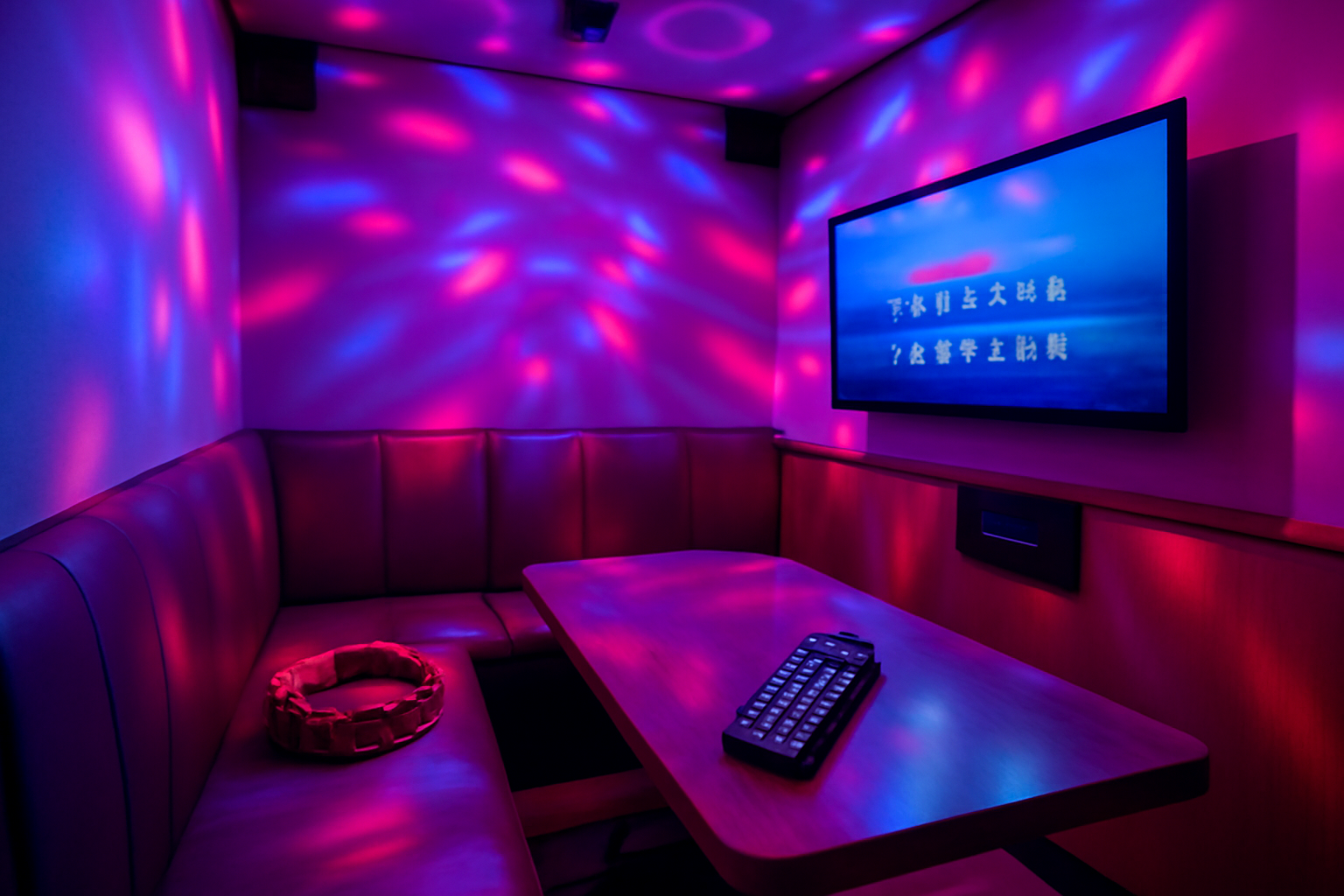
    A private Korean noraebang karaoke room with neon disco lighting, a lyrics screen, and a tambourine on the couch

    The Tambourine Is Not Optional

    If you sit quietly on the couch while someone else sings, you are, in the gentlest possible way, doing it wrong. Every room comes stocked with tambourines, maracas, sometimes a pair of little shakers shaped like fruit, and picking one up is basically the noraebang version of applause. You don’t need rhythm. You don’t need to know the song. You shake something, you clap along on the chorus, you cheer when your friend nails — or spectacularly misses — the high note. The energy in the room is a group project, and the tambourine is how you clock in.

    Why It’s Always the Second or Third Stop

    Noraebang rarely happens on its own. It’s a chapter, not the whole book. A typical night out follows a rhythm almost everyone here intuitively understands: dinner and soju first, then maybe a second round at a pub or a beer hof, and only after the group is sufficiently warmed up does someone say the magic words — “노래방 가자” (let’s go to noraebang). By the time you’re inside that little room, inhibitions have already left the building, which is exactly why noraebang works as well as it does. Nobody sober enough to care about pitch is walking through that door. It’s the release valve at the end of the evening, the part where hierarchy melts a little and your usually reserved boss might grab the mic for a power ballad nobody asked for.

    A group of friends laughing together in a Korean karaoke room, holding a tambourine and a microphone

    Unwritten Rules Worth Knowing

    Nobody hands you a manual, but a few norms show up so consistently they might as well be written on the wall. Pass the microphone around — don’t hog it for three songs in a row just because you found your anthem. Cheer for everyone, especially the person who’s clearly nervous and off-key; enthusiasm counts for more than accuracy. If you’re a guest of honor or the most senior person in the group, you’ll often get gently nudged toward singing first, and it’s polite to at least try. And when the room’s volume creeps up past what the walls can handle, someone — usually an aunt or a manager — will good-naturedly tell everyone to bring it down a notch.

    Frequently Asked Questions

    Do I have to sing?

    Not technically, no one is going to physically hand you the microphone against your will. But sitting there in total silence tends to read as awkward rather than reserved. Even picking one easy, familiar song — or just grabbing a tambourine and getting loud during the chorus — goes a long way toward fitting in.

    Is noraebang the same thing as karaoke bars in Japan?

    They’re cousins, not twins. Japanese karaoke boxes are built around a similar private-room concept, but noraebang culture leans more communal and less polished — the tambourine energy, the free service time, the fact that it’s almost always a group activity rather than a solo indulgence, all feel distinctly Korean. Song selections and interfaces differ too, with plenty of trot and K-pop numbers you won’t find on a Japanese machine.

    Can kids go to noraebang?

    Absolutely, and plenty of families do exactly that, especially in the daytime or early evening before the drinking crowd takes over. My own kids treat our neighborhood coin noraebang like a playground — a few songs, a lot of tambourine shaking, home before dinner. It’s really only late-night, alcohol-heavy rooms that skew toward an adult crowd.

    What if I don’t know any Korean songs?

    No problem at all. Every machine has a solid English section, and honestly, an enthusiastic, off-key rendition of a song everyone half-knows tends to get a bigger cheer than a technically perfect one nobody recognizes.

    Years in, I still don’t have a great singing voice, and I’ve made peace with that. What I’ve got instead is a tambourine arm that never gets tired and a genuine soft spot for those cramped, neon-lit rooms where an ordinary Tuesday can turn into something worth remembering. That, more than any single song, is what noraebang is really about.

  • D.B. 쿠퍼 사건, 20만 달러 챙기고 사라진 스카이재커의 진실

    D.B. 쿠퍼 사건, 20만 달러 챙기고 사라진 스카이재커의 진실

    1971년 11월 24일, 추수감사절을 하루 앞둔 오후. 오리건주 포틀랜드 국제공항 카운터에서 짙은 색 정장에 검은 레인코트를 걸친 한 남자가 현금 18달러 52센트를 내고 편도 항공권을 샀다. 이름은 “댄 쿠퍼”. 목적지는 시애틀, 노스웨스트 오리엔트 항공 305편이었다. 그가 좌석에 앉아 버번소다를 주문하고 담배에 불을 붙였을 때만 해도, 이 비행이 미국 항공 역사상 유일하게 미제로 남을 납치극의 시작이라는 걸 아무도 몰랐다.

    기내에서 벌어진 일

    이륙 직후 쿠퍼는 승무원에게 쪽지를 건넸다. 처음엔 그저 전화번호려니 했던 승무원 플로렌스 샤퍼는 곧 내용을 확인하고 얼어붙었다. 폭탄을 가지고 있다는 협박이었다. 그는 서류 가방을 열어 붉은 원통과 전선 다발을 보여줬다. 요구 조건은 명확했다. 현금 20만 달러, 그리고 낙하산 네 개.

    비행기는 시애틀-타코마 공항 상공을 몇 시간 동안 선회했다. 그사이 FBI와 노스웨스트 항공은 20달러짜리 지폐 1만 장, 정확히 20만 달러를 은행에서 긁어모았다. 지폐마다 일련번호가 마이크로필름에 기록됐다는 사실은 훗날 결정적 단서가 된다. 승객 36명과 일부 승무원은 시애틀 공항에서 몸값과 낙하산을 넘겨받는 대가로 풀려났다.

    1970년대 여객기가 저녁 하늘을 나는 모습

    어둠 속으로 사라진 남자

    기장, 부기장, 승무원 한 명만 남긴 채 305편은 다시 이륙했다. 목적지는 네바다주 리노. 쿠퍼는 구체적인 비행 조건을 지시했다. 고도 약 3,000미터, 시속 320킬로미터 이하, 착륙 장치는 내린 채, 후미 계단은 열어둘 것. 캐빈 압력조차 낮춘 상태였다.

    시애틀을 떠난 지 얼마 지나지 않은 밤 8시 무렵, 조종실 계기판에 압력 변화가 감지됐다. 쿠퍼가 20만 달러가 든 가방을 몸에 묶고 후미 계단을 통해 뛰어내린 것이다. 바깥 기온은 영하에 가까웠고, 비바람이 몰아치는 야간이었다. 그는 워싱턴주 남서부, 워싱턴-오리건 경계에 가까운 인적 없는 삼림지대 상공에서 자취를 감췄다. 그 후 그를 봤다는 신뢰할 만한 목격자는 단 한 명도 나오지 않았다.

    FBI의 대대적인 수색

    FBI는 이 사건에 “노제이(NORJAK)”라는 코드명을 붙이고 수백 명의 요원을 투입했다. 추정 낙하 지점 인근 숲을 지상 수색대와 헬기가 몇 주에 걸쳐 훑었다. 발견된 건 없었다. 낙하산 천 조각도, 유해도, 가방도 나오지 않았다. 험준한 지형과 혹독한 날씨를 고려하면 생존 가능성 자체가 낮았다는 게 수사관들의 결론이었지만, 시신조차 없다는 사실이 오히려 온갖 추측을 낳았다.

    수사에 반전이 찾아온 건 그로부터 9년이 지난 1980년 2월이었다. 여덟 살 소년 브라이언 잉그램이 컬럼비아강 강변에서 야영을 하다 모래를 파던 중 삭아버린 지폐 뭉치를 발견했다. 20달러 지폐 294장, 약 5,800달러 분량이었고 일련번호를 대조한 결과 쿠퍼가 챙긴 몸값과 정확히 일치했다. 나머지 19만 4,000달러 이상은 여전히 어디에서도 나오지 않았다.

    용의자들, 그리고 뒤섞인 추측

    50년 넘게 수백 명이 용의선상에 올랐다. 리처드 플로이드 매코이는 쿠퍼 사건 발생 5개월 뒤 비슷한 수법으로 비행기를 납치하고 낙하산으로 탈출하다 붙잡힌 인물이다. 한동안 유력 용의자로 지목됐지만, 승무원들이 묘사한 쿠퍼의 인상착의와 맞지 않는다는 이유로 결국 제외됐다.

    퇴역 군인 출신의 케네스 크리스천슨, 시애틀 인근에서 사망 후 유서 같은 메모를 남긴 듀언 웨버 등도 이름이 오르내렸다. 웨버의 부인은 남편이 죽기 전 “나는 댄 쿠퍼였다”는 말을 남겼다고 주장했지만, DNA 대조에서는 일치하지 않았다는 설이 있다. 로버트 랙스트로라는 인물이 진범이라는 다큐멘터리도 나왔으나, FBI는 이를 뒷받침할 물증이 부족하다며 선을 그었다. 확실한 물증으로 특정된 용의자는 지금까지 단 한 명도 없다.

    쿠퍼가 낙하한 것으로 추정되는 태평양 북서부 삼림지대

    왜 아직도 못 찾았을까

    추정 낙하 지점은 산세가 험하고 나무가 빽빽한 데다 강과 습지가 뒤섞인 지형이다. 야간에 시계가 거의 없는 상태로 뛰어내렸다면 정확한 착지 지점을 특정하기 어려웠을 가능성이 크다. 낙하산 조작 미숙, 저체온증, 험지 추락 등으로 사망했을 가능성이 높다는 게 다수 전문가의 시각이다. 다만 유해가 발견되지 않은 이상 어떤 가설도 완전히 입증되지는 않았다.

    FBI는 2016년 활동 인력을 다른 사건으로 재배치하며 사실상 수사를 종결했다. 제출된 증거는 여전히 보관 중이며, 새로운 단서가 나오면 재검토하겠다는 입장이다. 지역 수사 애호가들과 아마추어 역사가들은 지금도 컬럼비아강 유역을 탐사하며 남은 지폐나 낙하산 잔해를 찾고 있다.

    자주 묻는 질문

    D.B. 쿠퍼는 살아남았을까?

    단정할 수 없다. 야간, 저온, 험지라는 조건 때문에 생존 확률이 낮다고 보는 시각이 우세하지만 시신이 발견되지 않아 확정된 결론은 없다.

    돈은 왜 일부만 발견됐나?

    1980년 컬럼비아강 강변에서 나온 5,800달러는 강물의 퇴적 작용으로 오랜 시간에 걸쳐 한곳에 쌓였을 가능성이 크다는 설이 있다. 나머지 금액은 다른 지점에 흩어졌거나 아예 회수되지 못했을 것으로 추정될 뿐이다.

    진짜 이름은 밝혀졌나?

    아니다. “댄 쿠퍼”는 매표 당시 사용한 가명이며, 언론 보도 과정에서 “D.B. 쿠퍼”로 잘못 알려져 지금까지 굳어졌다. 본명과 신원은 현재까지 확인된 바 없다.

  • Korean Wedding Guest Etiquette: What to Wear and How Much Cash to Give

    Korean Wedding Guest Etiquette: What to Wear and How Much Cash to Give

    Three years into living in Korea, I still remember the flop sweat of my first wedding invitation. Not because I was scared of the couple, or the in-laws, or even the cash envelope math everyone warns you about. I was scared because I genuinely did not know what a Korean wedding looked like, minute by minute, and nobody had ever walked me through it like you would walk a friend through a new city. So I showed up forty minutes early to an empty hallway, wearing a suit that was one shade too close to the groom’s, and spent the wait pretending to read wedding hall directory signs like they were fascinating.

    I have been to a dozen or so since then — coworkers, my wife’s cousins, a neighbor I barely knew but couldn’t say no to. What follows is the guest-side playbook I wish someone had handed me before that first one: what to wear, when to walk in, how the ceremony actually flows, and what happens once you’re sitting in front of a plate of jokbal wondering if it’s rude to start eating.

    The Venue Is Running a Schedule, Not a Ceremony

    The single biggest mental adjustment for a foreigner is realizing that a Korean wedding hall is not hosting a wedding that day — it’s hosting six or eight of them, back to back, in different rooms on different floors. Ceremonies are booked in roughly 30-to-40-minute slots, and the actual vows-and-walk-down-the-aisle portion usually runs just 20 to 30 minutes. That is not a sign the couple didn’t care; it’s just how the venue’s math works. The moment one ceremony wraps, ushers are already resetting chairs and flowers for the next family waiting in the lobby.

    This explains a few things that confused me at first: why there’s a big lobby screen listing multiple couples’ names and room numbers, why there might be a completely different bride posing for photos twenty feet from where you’re standing, and why nobody lingers for a long reception in the ceremony room itself. The ceremony is a tight, almost theatrical fifteen-minute performance, and everyone — guests included — is expected to keep the flow moving.

    What to Wear (and What Absolutely to Skip)

    Korean wedding dress code sits in a comfortable middle zone: smart and tidy, but rarely formal-formal. Think “nice work meeting” rather than black-tie gala.

    • Men: A dark or muted suit, or slacks with a blazer, is always safe. Tie optional depending on how dressy you want to look. Sneakers are a stretch too far; loafers or dress shoes read much better.
    • Women: A modest dress, skirt-and-blouse combo, or tailored pantsuit works well. Shoulders covered is generally appreciated, especially if the couple’s parents are conservative.
    • Colors to avoid: Full white is the bride’s territory — even an off-white dress can read as competing with her. Full black head-to-toe, meanwhile, can look like you wandered in from a funeral, since head-to-toe black is the default Korean mourning outfit. Navy, charcoal, soft pastels, and muted jewel tones are the sweet spot.
    • What I got wrong once: I wore a bold red tie to a colleague’s wedding, thinking festive was the goal. It wasn’t offensive, just a little loud for a room where everyone else was dressed like they were attending a very pleasant board meeting. Read the room — Korean wedding style leans understated, not flashy.
    Guests dressed formally seated at a Korean wedding ceremony

    When to Arrive, and What Happens the Moment You Walk In

    Aim to arrive about 15 to 20 minutes before the listed ceremony time — not the American-style “fashionably fifteen minutes late,” which will genuinely mean you miss the whole thing. Korean weddings start close to on time because the room is booked for someone else right after yours.

    Here’s the actual sequence I’ve come to expect walking through the door:

    1. Reception desk first. You’ll see tables near the entrance, often one for the groom’s side and one for the bride’s side. This is where you hand over your cash gift envelope and sign the guestbook.
    2. You get a meal ticket. In exchange, staff usually hand you a small ticket or token (sometimes it’s just a wristband or a printed slip) that gets you into the buffet hall later. Do not lose this — it’s your entry pass to lunch.
    3. Photos, then seats. Many couples do formal family photos before the ceremony rather than after, so you might catch a glimpse of the bride in the hallway already in her dress. Guests then file into the ceremony room and take open seating — there’s rarely assigned seating for anyone but immediate family in the front rows.
    4. The ceremony itself moves fast. Officiant remarks, vows, a ring exchange, sometimes a song from a friend, a bow to the parents, and the walk back down the aisle — all inside that 20-to-30-minute window I mentioned earlier. Blink and you might miss the bouquet toss.

    The Cash Envelope, Briefly (Because You Still Need the Basics)

    I’ve written a whole separate piece on the deeper culture and psychology behind chukuigeum, so I won’t repeat all of that here — but for guest etiquette purposes, the short version matters:

    • A casual acquaintance or distant coworker: around 50,000 won.
    • A regular friend or closer coworker: 70,000 to 100,000 won.
    • A close friend or family member: 100,000 won and up, sometimes well up depending on the relationship.
    • Cash goes in a plain white envelope, ideally with crisp, unfolded bills. Write your full name (and sometimes your relationship to the couple, like “company colleague”) vertically on the front of the envelope so the reception desk can log it correctly.

    One nuance that’s genuinely about guest behavior rather than the money itself: hand the envelope over with both hands or your right hand supported by your left — it’s a small gesture, but it reads as noticeably more polite than a one-handed toss onto the table.

    The Buffet: Where the Real Socializing Happens

    If the ceremony is the formal fifteen minutes, the buffet hall is where the actual wedding feels like a gathering. You’ll head down (or up) to a separate dining floor, hand over your meal ticket, and find yourself in a large hall shared by every couple getting married in the building that day. Yes, that means the table next to you might be celebrating a completely different bride and groom.

    A few etiquette notes I’ve picked up:

    • It’s completely normal to eat first and greet the couple briefly whenever they swing by the buffet floor after their photos — you’re not expected to wait for them before starting your meal.
    • Tables are usually shared, round, and casual — you might end up seated with strangers from the same friend group or coworkers you’ve never met. Small talk is welcome but not required.
    • Nobody expects you to stay for hours. Eating, catching up briefly, and heading out within 30 to 45 minutes is completely standard — this isn’t a reception with dancing and toasts that runs into the evening.
    Shared buffet hall dining room at a Korean wedding venue

    Frequently Asked Questions

    What if I can’t attend but still want to send money?

    This happens constantly, and there’s no stigma attached. You can hand the envelope to a mutual friend or coworker who is attending and ask them to submit it at the reception desk on your behalf, along with a message of congratulations. Many people also do direct bank transfers now, especially with closer friends, though an envelope handed over in person is still considered the more traditional and polite route when possible.

    Do kids need their own envelope?

    No. A cash gift is treated as coming from a household or an individual guest, not per person. If you’re bringing your kids along, there’s no expectation of an extra contribution for them, and most venues don’t even require a separate meal ticket for young children — though it’s worth checking with the reception desk if your child will be eating a full plate.

    Is it rude to skip the ceremony and just show up for the buffet?

    It’s not considered a major offense, especially for guests who are more acquaintance than close friend, but it’s noticed. If you can only make one part, the ceremony is the more meaningful one to attend since it’s the actual event the couple is standing up for. If your schedule truly only allows the meal, dropping off your envelope at the desk and greeting the couple briefly afterward is a perfectly acceptable middle ground.

    The Short Version

    Dress smart but not flashy, avoid full white and full black, arrive early because the room turns over fast, drop your envelope at the desk before anything else, and treat the buffet as the real social heart of the day. Once you understand that a Korean wedding hall is basically running a beautifully choreographed assembly line of love, the whole experience stops feeling confusing and starts feeling — honestly — kind of impressive.

  • 대구 근대골목 맛집 코스, 진골목부터 안지랑 막창골목까지 하루 완주

    대구 근대골목 맛집 코스, 진골목부터 안지랑 막창골목까지 하루 완주

    오전 11시 10분, 진골목 초입 미도다방의 나무 문을 밀었다. 쌍화차 향이 먼저 훅 끼쳐왔고, 창가에는 백발의 어르신 세 분이 신문을 나눠 보고 계셨다. 자리에 앉자마자 묻지도 않고 쌍화차가 나온다. 이 집은 원래 그런 곳이다. 대구 중구 원도심을 반나절만 걸어보면, 관광지 느낌보다 동네 사람들의 생활이 먼저 눈에 들어온다.

    1코스, 진골목과 미도다방

    진골목은 대구 중구 남성로, 약전골목 바로 옆 골목이다. 근대문화골목 2코스로 묶여 있고, 100년 가까이 된 한옥과 옛 병원 건물이 그대로 남아 있다. 골목 폭이 좁아 자동차 한 대가 겨우 지나갈 정도라 걷는 재미가 있다.

    골목 중간쯤 있는 미도다방은 1982년에 문을 열었다. 정치인과 문인들이 즐겨 찾았다는 이야기가 전해질 만큼 오래된 사랑방이다. 쌍화차는 6,000원, 계란 노른자가 동동 떠 있는 스타일 그대로다. 평일 오전 10시에서 11시 사이는 한산하지만, 낮 12시가 넘으면 동네 어르신들로 자리가 금세 찬다.

    대구 진골목의 한옥 골목 풍경

    2코스, 걸어서 20분 서문시장

    진골목에서 서문시장까지는 도보로 20분 남짓이다. 약전골목의 한약재 냄새를 맡으며 걷다 보면 어느새 시장 초입이다. 점포 수만 5,000여 개, 대구에서 가장 큰 전통시장답게 규모부터 압도적이다.

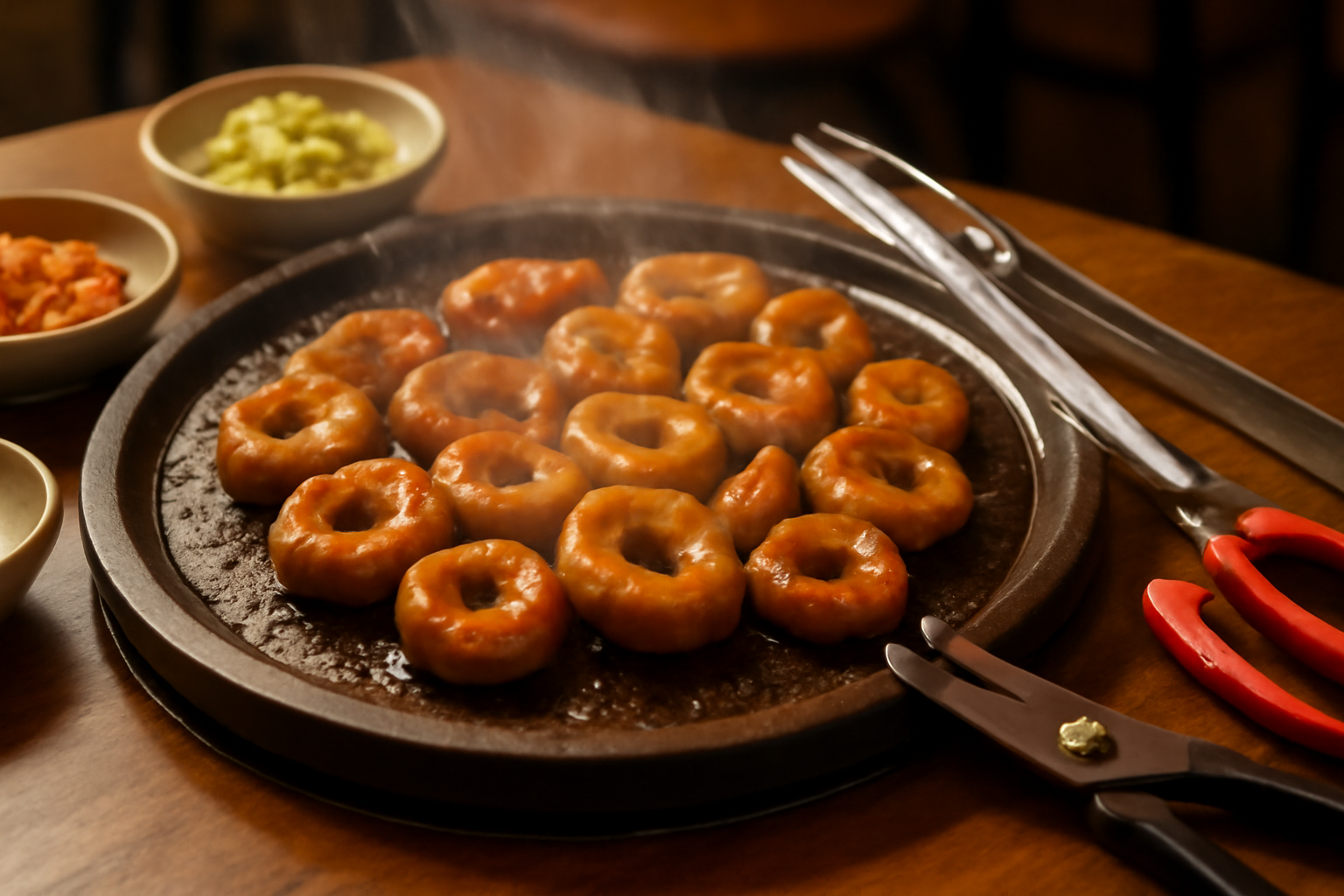
    점심은 납작만두로 정했다. 미성당의 납작만두는 얇게 편 만두피를 기름에 노릇하게 구워내고, 고춧가루 양념장을 끼얹어 먹는 방식이다. 1인분에 4,000원대로 가격 부담이 없다. 매콤한 국물이 당긴다면 칼국수골목 쪽 얼큰이칼국수도 괜찮다. 한 그릇에 7,000원, 점심시간에는 줄이 늘어선다.

    해가 지기 시작하면 서문시장 야시장이 열린다. 저녁 6시부터 자정까지, 포장마차 형태의 노점이 늘어서고 버스킹 공연도 함께 열린다. 낮과는 완전히 다른 분위기라 시간대를 바꿔서 두 번 와도 지루하지 않다.

    대구 서문시장 야시장 노점 풍경

    3코스, 택시로 15분 안지랑 막창골목

    서문시장에서 저녁 메인으로 막창을 먹으려면 이동이 필요하다. 안지랑 막창골목은 대명로36길, 안지랑시장 인근에 자리해 있고 택시로는 15분, 시내버스로는 30분 정도 걸린다. 원도심 도보 코스와는 떨어져 있어서 별도 이동이라는 점을 미리 알아두면 동선 짜기가 편하다.

    골목에는 안지곱창막창, 영생곱창처럼 오래된 집들이 나란히 있다. 막창 1인분은 200그램 기준 13,000원에서 15,000원 선이다. 두 명이면 2인분에 소주 한 병 곁들여도 3만 원대 후반이면 충분하다. 저녁 7시가 넘으면 골목 전체에 연기가 자욱해지는데, 그 냄새 자체가 이 골목의 정체성이다.

    불판 위에서 구워지는 대구 막창

    실전 동선표

    시간 장소 할 일
    11:00 진골목 · 미도다방 쌍화차, 골목 산책
    12:00 약전골목 도보 이동 한약재 거리 구경
    12:30 서문시장 납작만두, 칼국수 점심
    14:00 서문시장 내부 포목전, 그릇전 구경
    18:00 택시 이동 (15분) 안지랑 막창골목으로
    18:30 안지랑 막창골목 막창 저녁, 하루 마무리

    자주 묻는 질문

    웨이팅 피하는 시간대가 있나요?

    미도다방은 오전 10시에서 11시 사이가 가장 한산하다. 서문시장 야시장은 저녁 7시부터 8시 사이가 피크라, 6시 반 전에 도착해 자리를 잡는 편이 낫다. 막창골목도 금요일과 토요일 저녁 7시 이후에는 웨이팅이 흔하니 평일 저녁이나 조금 이른 시간을 노려보자.

    근처 주차는 어떻게 하나요?

    진골목 골목 안쪽은 노상주차가 거의 불가능하다. 계산성당 인근 공영주차장을 이용하고 걸어 들어가는 편이 마음 편하다. 서문시장에는 지하주차장이 있지만 주말엔 금방 만차가 된다. 지하철 2호선 반고개역이나 서문시장역을 이용하면 주차 스트레스 자체가 사라진다.

    하루에 다 돌 수 있나요?

    진골목부터 서문시장까지는 도보 코스라 반나절이면 충분하다. 막창골목까지 포함하면 이동 시간을 더해 저녁까지 하루 일정으로 잡는 게 현실적이다. 아침 일찍 출발한다면 저녁 8시쯤 막창골목에서 여유롭게 마무리할 수 있다.

    세 골목을 하루에 이으면 대구 원도심이 겹겹이 쌓아온 시간이 눈에 보인다. 다음엔 반대 순서로, 막창부터 시작해서 아침 다방으로 마무리해볼 생각이다.

  • Korean Elevator and Neighbor Greeting Etiquette Explained

    Korean Elevator and Neighbor Greeting Etiquette Explained

    Fourteen floors, no words. That’s how long the ride usually takes in my building — long enough to notice the small crack in the mirror, the faint smell of someone’s dinner from three floors down, and absolutely nothing else, because nobody speaks. I used to think this was coldness. Three years and a few hundred elevator rides later, I know it’s something closer to respect wearing a very quiet coat.

    When I first moved to Korea, I brought my home-country instincts into every elevator car: eye contact, a friendly “hey,” maybe a comment about the weather if the ride was long enough. I got polite nods in return and, occasionally, a look that told me I’d misjudged the room. It took a while — and a patient mother-in-law — to learn that elevators here run on a different social operating system, and once you understand the logic, it stops feeling awkward and starts feeling almost restful.

    Do Koreans Greet Neighbors in the Elevator?

    The honest answer is: not really, and that’s normal. Riding up with someone you don’t know, in a box barely big enough for four people, isn’t treated as a social occasion here — it’s a shared inconvenience to get through with minimal friction. Most adults glance at the numbers overhead, check their phones, or just stare at the door. A small nod is common if eye contact happens by accident. A full “hello, how are you” to a total stranger is not expected, and can actually read as a bit much.

    This isn’t rudeness. Korean social interaction runs heavily on context — who you are to each other, whether you’ve been introduced, whether there’s a reason to talk. Two strangers sharing forty seconds of vertical travel don’t have that context yet, so silence is the default, not a failure to be polite. Once you’ve actually met a neighbor — through the building’s parents’ group, a shared elevator mishap, or just enough repeat encounters — the ice does melt, usually into a quick bow and a first-name-optional “annyeonghaseyo.”

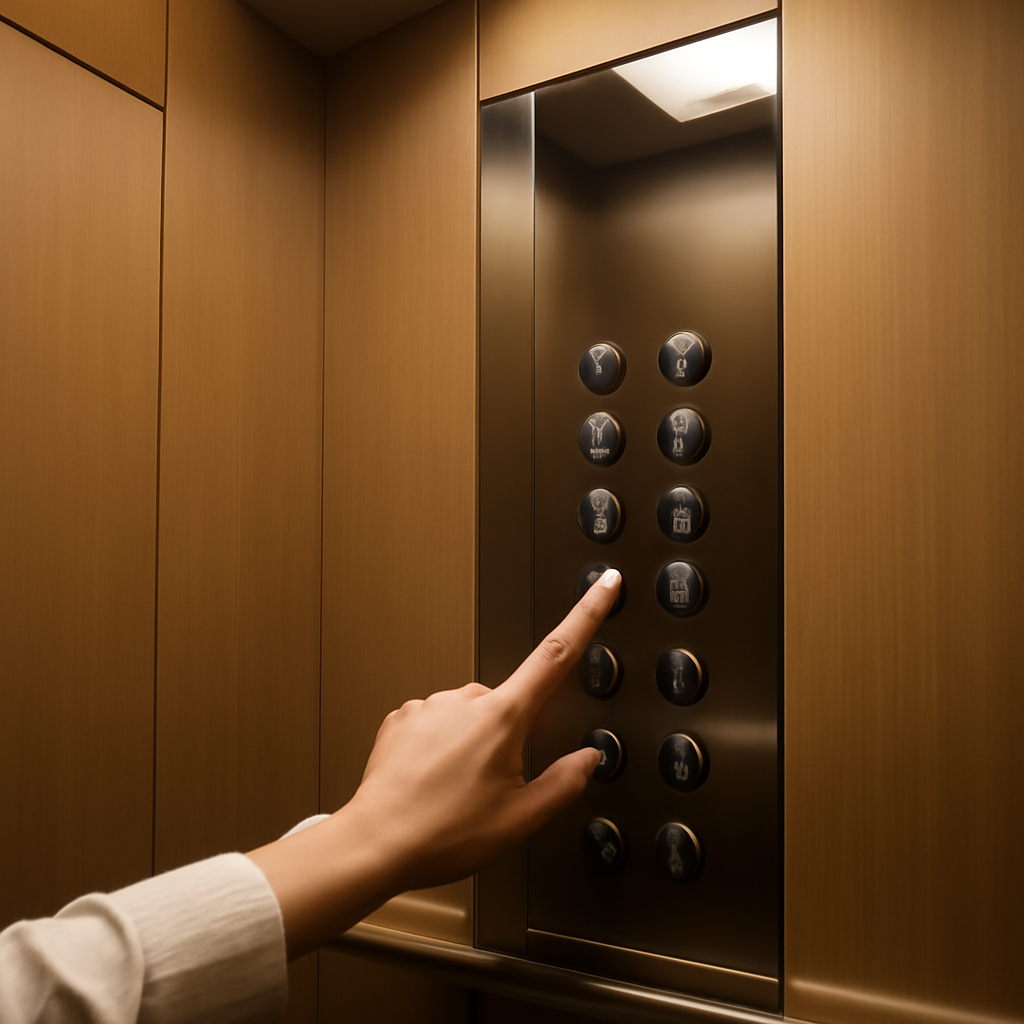
    A hand reaching to press a button on an elevator control panel in a Korean apartment building

    The People You Do Greet

    There’s a clear exception to the silence rule, and it’s the security guard. Almost every Korean apartment complex has a guard station near the entrance or lobby, staffed by older men who track deliveries, manage the parking gate, and generally keep an eye on things. You greet them, every time. A short bow of the head and a quiet “annyeonghaseyo” as you pass is standard, and skipping it repeatedly gets noticed — these are the people who end up holding your late-night package, remembering your car, and occasionally saving you when you’re locked out. My daughter figured this out faster than I did; she bows to our guard like it’s a reflex, and he lights up every time.

    Holding the Elevator: An Unwritten Contract

    Here’s where Korean elevator culture gets genuinely warm rather than just quiet. If someone is sprinting for the elevator, or wheeling a stroller, or wrestling a grocery cart through the lobby, people hold the door. Reliably. It’s one of the most consistent small kindnesses I’ve seen anywhere — the “open” button gets pressed and held without a second thought, no eye-rolling, no doors-closing games. The same goes for exiting: whoever is nearest to the panel usually holds “open” so the rest of the car can file out first, especially if there are elderly residents or someone carrying too many bags.

    What you generally won’t get is a verbal exchange around it. The door gets held, you step in, maybe there’s a small nod of thanks — and that’s the whole transaction. Coming from a culture where “thank you so much!” is basically required, this took adjustment. Nobody’s being cold; the courtesy itself is the message, and piling words on top of it can feel like overkill in a culture that tends to communicate a lot through small, efficient gestures.

    Hallways, Packages, and the Quiet Zone

    Step out of the elevator and the same low-key etiquette continues down the hallway. Korean apartment corridors are narrow and every sound carries, so hallway behavior tends to be hushed by default — no loud phone calls, no lingering conversations right outside someone’s door, especially at night. If you’re moving furniture or hosting guests, a bit of extra hallway noise is tolerated, but it’s understood as temporary, not a nightly habit.

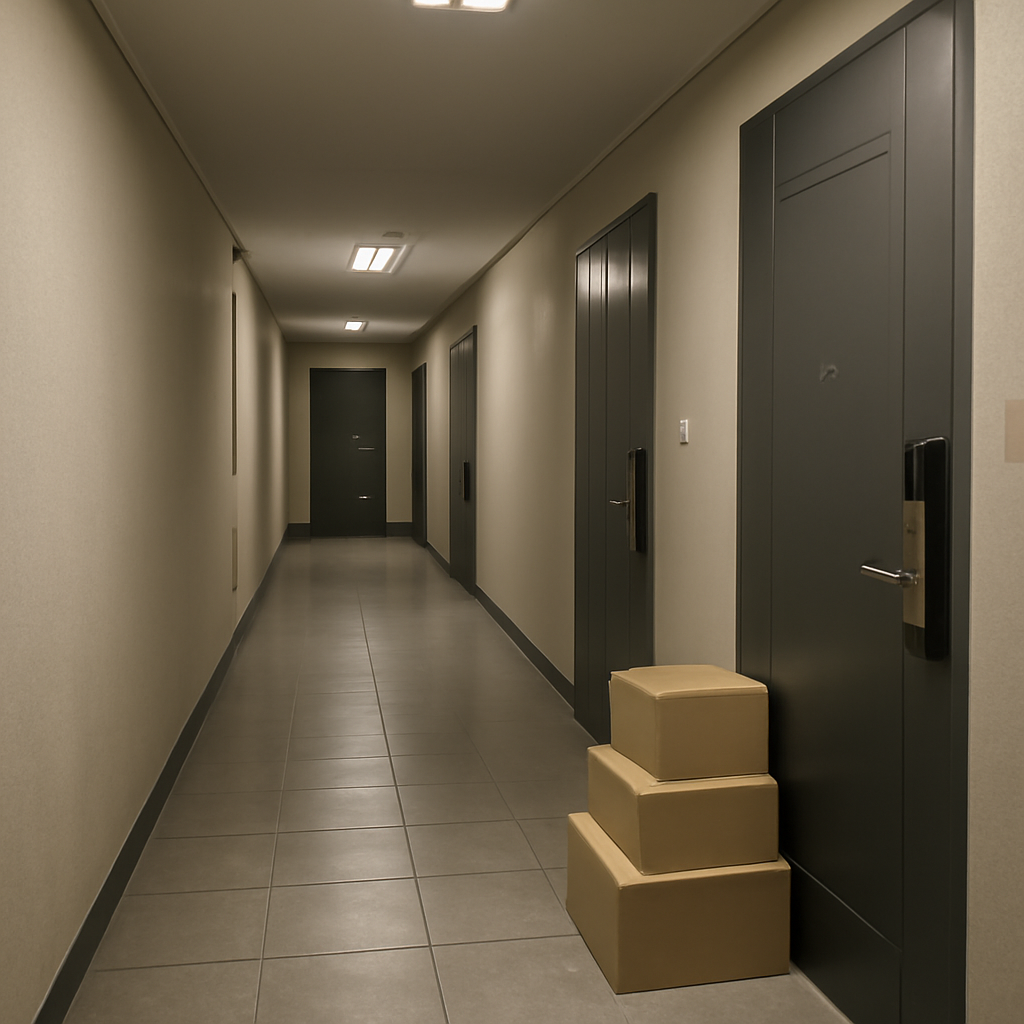
    Package culture is its own small ecosystem. With how much Korean households order online — everything from groceries to furniture arrives same-day or next-day — hallways regularly have boxes stacked outside doors, sometimes for hours before anyone’s home to bring them in. Nobody touches a box that isn’t theirs, nobody complains about a neighbor’s delivery pile blocking half the hallway for an afternoon, and delivery drivers know the routine well enough to stack things neatly rather than scatter them. It’s an honor system that, in my experience, works better than it has any right to.

    A quiet apartment hallway in Korea with delivery boxes stacked neatly outside a door

    Moving In: The One Time You Do Introduce Yourself

    There’s exactly one moment when the usual “don’t bother your neighbors” rule flips, and that’s move-in day. Tradition holds that new residents give a small gift — a pack of tissues or laundry detergent are the modern go-tos — to the households directly next door and sometimes above and below, as a sort of “hi, I live here now, sorry in advance for any noise” gesture. I won’t get into the full mechanics of it here since it deserves — and already has — its own dedicated post on this blog, but the short version is: it’s a genuinely nice icebreaker, and it’s the one context where showing up at a stranger’s door in this country is not only accepted but appreciated.

    A Word on Noise Between Floors

    I’ll keep this brief, because I’ve written a whole separate post about the sound my daughter’s feet make on our floor and what the building’s noise rules actually cover. But it’s worth noting here because it bleeds into elevator and hallway life too: Korean apartments are famously sound-conductive between floors, and that shared awareness quietly shapes how people behave in shared spaces generally. It’s part of why the hallway hush and the elevator silence feel less like coldness and more like a whole building of people trying not to add to each other’s noise load. Once you clock that logic, half of the “unfriendly” elevator behavior actually reads as consideration in disguise.

    How I Actually Handle It Now

    These days my approach is simple: I nod if eyes meet, I hold the door without fail, I bow to the guard like my daughter taught me, and I keep my voice down between the elevator and my own front door. I don’t force conversation, and I don’t take the silence personally anymore. Some of the neighbors I’ve bonded with the most started as nothing but elevator nods for a solid year before either of us said a word — and that turned out to be exactly the right pace.

    FAQ

    Should I say hello to neighbors I don’t know in the elevator?

    A quiet nod is enough, and often more natural than a verbal greeting to someone you haven’t been introduced to. Save the actual “hello” for neighbors you’ve met before — through the building, your kids’ school, or a shared event. Nobody will think you’re rude for staying quiet; a loud stranger-greeting is more likely to raise eyebrows than skipping one.

    What if my elevator gets stuck or breaks down often in an older building?

    Older apartment complexes, especially ones built decades ago, can have elevators that are slower or occasionally temperamental. If you get stuck, there’s almost always an intercom or emergency button that connects directly to the security office or a maintenance line — use it and stay calm; response times are usually fast since the guard station is often just downstairs. For chronic issues, mentioning it to the building’s management office (관리사무소) tends to get more traction than complaining to neighbors, since repairs are typically handled through the complex’s maintenance fund.

    Is it rude not to thank someone for holding the elevator?

    Not at all, though a small nod is common courtesy. Korean etiquette in these micro-interactions leans on gesture rather than words — the held door is itself a complete, unspoken exchange. A verbal “thank you” isn’t required, though it’s never unwelcome either, especially if you’re a foreigner still finding your footing; most neighbors will read it as friendliness, not awkwardness.

  • What Koreans Really Mean When They Ask ‘Did You Eat?’

    What Koreans Really Mean When They Ask ‘Did You Eat?’

    My father-in-law texts me almost every morning. Not “how’s it going” or “sleep well?” — just four words, in Korean, that show up like clockwork: 밥 먹었어요? Did you eat?

    The first year I lived in Korea, I answered this question like it was an actual question. I’d type out what I had for breakfast, sometimes with a photo, proud of my toast-and-eggs report. It took an embarrassingly long time for my wife to gently explain that nobody was checking my nutrition. He wasn’t asking what I ate. He was asking if I was okay.

    The Question That Isn’t Really a Question

    “밥 먹었어요?” (bap meogeosseoyo) translates literally to “have you eaten rice?” — bap being the word for cooked rice, and by extension, a meal in general. In practice, it functions the way “how are you” functions in English: a social reflex, not a request for a status update. You’re supposed to say yes and keep walking. Answering with a detailed rundown of your actual meal is, in its own small way, missing the point — like replying to “how’s it going” with your blood pressure numbers.

    I know that now. I did not know that then. And once I understood it, the phrase stopped sounding strange and started sounding, honestly, kind of beautiful.

    Where This Comes From

    You can’t really understand this greeting without going back to the wreckage after the Korean War. The country was flattened. Farmland was destroyed, infrastructure was gone, and for a long stretch through the 1950s and into the 1960s, hunger wasn’t an abstraction — it was a daily, physical fact for a huge share of the population. Whether someone had actually managed to eat that day was not small talk. It was a real gauge of whether they were surviving.

    Asking “did you eat” in that era meant something close to “are you making it.” Neighbors asked each other. Parents asked children the second they walked in the door. It was the most concrete way to check on someone’s wellbeing, because in a country recovering from famine and war, food security and life security were basically the same thing.

    Korea’s economy has obviously changed beyond recognition since then. Nobody in Seoul is worrying about where their next bowl of rice is coming from. But the phrase never got the memo. It stuck around, hollowed out its literal meaning, and kept the emotional core — the part where asking about food is really a way of saying I’m thinking about you.

    Who Says It, and When

    This is where it gets interesting, because the phrase isn’t locked into one kind of relationship. It shows up everywhere, just with different weight attached.

    Parents and grandparents

    This is the classic version, the one baked into Korean dramas and comedy sketches. A mother greets her adult child at the door with it before “hello.” My mother-in-law asks it before she asks about my daughter’s school day. It’s the opening line of care, deployed before any actual conversation starts.

    Bosses and coworkers

    In the office, it softens hierarchy. A boss asking a junior employee “did you eat lunch?” on a busy day is a small, low-cost way of acknowledging that the person under them is human and might be buried in work. It doesn’t fix the workload, but it registers that someone noticed.

    Friends checking in

    Between friends, especially after a rough patch — a breakup, a bad week, news of a layoff — “did you eat?” often stands in for “I heard, and I’m here.” It’s less intrusive than asking directly how someone is coping. It gives the other person an easy, low-stakes way to answer without unpacking their feelings if they’re not ready to.

    Strangers and near-strangers, rarely

    This one is not a stranger-greeting the way “how’s it going” can be tossed at a cashier. It carries some intimacy. Using it with someone you barely know can land as oddly warm, or oddly forward, depending on the context.

    How You’re Supposed to Answer

    The correct response, ninety percent of the time, is simply “네, 먹었어요” — yes, I ate — regardless of whether you actually have. It’s a script, and the script exists so both people can move on to whatever they actually wanted to talk about.

    There is a narrow exception. If it genuinely is mealtime, and you genuinely haven’t eaten, and you’re talking to someone who has the power to feed you — your mother-in-law, a close aunt, a host — saying “no, not yet” can trigger an immediate, sometimes alarming mobilization toward the kitchen. I have watched a pot of stew appear in under four minutes flat. If you’re not in the mood to eat right then, it’s safer to say “괜찮아요” (I’m fine) right after, which signals no rescue mission is required.

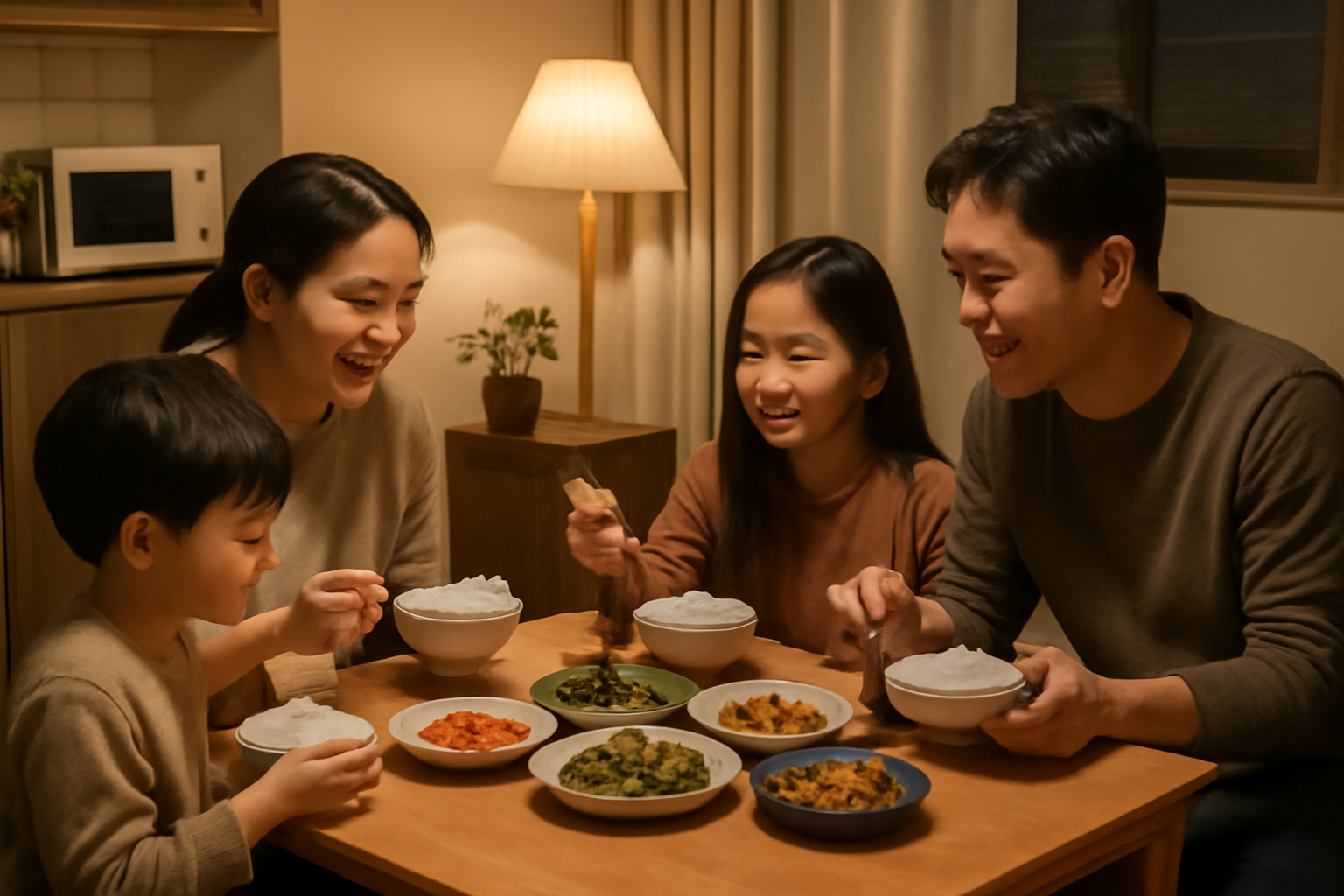
    A Korean family gathered around a home dinner table sharing a meal

    The Foreigner’s Mistake, Made Once (or Twice)

    I’ve made this mistake more than once, actually. Beyond the toast-and-eggs texting incident, there was the time a coworker asked if I’d eaten and I launched into an honest complaint about how the cafeteria was out of my usual dish. He nodded politely and had absolutely no idea what to do with that information, because he hadn’t asked a real question. I’d handed him data he didn’t request, the conversational equivalent of answering “how’s it going” with a full itinerary of your day.

    The mistake foreigners make with this phrase almost always runs one direction: taking it literally. We hear “did you eat” and our brains go straight to logistics — what, when, where, was it good. Koreans hear the same words and register something closer to a hand on the shoulder.

    Not Unique to Korea

    Once you notice this pattern, you start seeing it elsewhere too. Mandarin has “吃饭了吗?” (have you eaten?), rooted in a similar history of famine and postwar scarcity. Filipino culture has “Kumain ka na ba?” as a near-automatic greeting at someone’s door. Older generations in parts of the American South and in immigrant households across the U.S. lean on “are you hungry?” as a default expression of love, because offering food is often easier than naming the feeling directly. What sets the Korean version apart is how thoroughly it’s baked into everyday greeting culture — not just family kitchens, but office hallways and text check-ins, functioning as the default opener rather than an occasional gesture.

    Close-up of a Korean meal with rice and side dishes on a table

    Why It Still Gets Me

    What changed my relationship to this phrase wasn’t a language lesson. It was watching my father-in-law send that same text on a morning when he clearly had bigger things going on — a doctor’s appointment, a bad night’s sleep, whatever it was that had him quieter than usual at breakfast. He still typed it out. Did you eat? That’s when it landed for me: this is a language built by people who once genuinely didn’t know if the people they loved had enough to eat, and who never fully let go of checking. Every time someone asks me now, I don’t hear a question about rice. I hear an old habit of survival that quietly turned into a habit of love, handed down long after the hunger that created it was gone.

    FAQ

    Do I need to actually answer with what I ate?

    No. The expected reply is a quick “yes, I ate,” even if that’s not strictly true. Treat it like “how are you” — a greeting formula, not a request for details. Giving a literal food report tends to confuse the other person more than it informs them.

    Is this only used by older generations?

    It skews more common among parents, grandparents, and older coworkers, but it’s not exclusively an older-generation phrase. Younger Koreans use it too, especially with close friends or after hearing someone had a hard day — it’s just one of several ways they express care, alongside more casual phrases.

    What if someone asks and I actually haven’t eaten and I am hungry?

    Then it’s fine to say so plainly — this is one of the rare cases where the literal meaning and the polite meaning line up. Just know that with close family, especially older relatives, admitting you’re hungry can set off an immediate effort to feed you, so be ready for that if you’re saying it to your Korean mother-in-law and not just a casual acquaintance.

    Is there a more formal version I should use with someone senior to me?

    Yes — “식사하셨어요?” (siksa hasyeosseoyo) is the polite, respectful version, appropriate for a boss, an elder, or anyone you’d address formally. “밥 먹었어요?” works fine with peers, close coworkers, or family.

  • Why Koreans Study for Hours in Cafés: Inside ‘Kongsijok’ Café Study Culture

    Why Koreans Study for Hours in Cafés: Inside ‘Kongsijok’ Café Study Culture

    The first time I ordered a single iced Americano at 9 a.m. and was still nursing the melted ice in the same seat at 1 p.m., nobody blinked. Not the barista, not the college kid with three highlighters and a color-coded notebook, not the guy in the corner who’d built a small fortress out of a laptop stand and a stack of exam books. I glanced around and realized I wasn’t the odd one out. I was just another member of the tribe.

    In Korean, there’s a word for us: 카공족 (kagongjok, also romanized “cagongjok” or “kongsijok”), a mashup of “cafe,” “gongbu” (studying), and “jok” (tribe). Loosely: “the cafe-study people.” Once you know the term, you start seeing them everywhere — headphones on, textbooks open next to a lukewarm latte, entire afternoons quietly disappearing into a corner table near an outlet.

    As a foreign dad who’s spent a fair number of years watching Korean life unfold from a cafe chair, usually while my kid is at an after-school class, I’ve come to think kongsijok culture says more about how this country is built than almost anything else I could point to. It isn’t really about coffee. It’s about space, pressure, and where a person is allowed to sit still and think.

    What Exactly Is a Kongsijok?

    A kongsijok is anyone who treats a cafe as a temporary office, classroom, or library — university students cramming for exams, jobseekers grinding through Korea’s notoriously brutal public-service exam prep, freelancers without a home desk, language learners, even the occasional novelist. The common thread isn’t the drink order; it’s the duration. Two hours, four hours, sometimes eight, in the same seat.

    Walk through any neighborhood near a university, an exam-prep district, or a busy subway hub, and you’ll find cafes that have quietly reorganized around this exact customer: bigger tables, more outlets, seats angled away from foot traffic. Some places have stopped pretending to be regular cafes altogether.

    Why Cafes, and Why So Much of It

    My honest answer, after years of watching this play out: Korean apartments are often small, especially for students and young singles, and shared housing rarely leaves room for a desk usable for long stretches. Libraries exist, but seats fill up fast during exam season and close at set hours. Cafes, on the other hand, are everywhere — Korea has one of the highest cafe densities per capita in the world — and many stay open late with decent Wi-Fi and just enough ambient noise to keep a person from dozing off mid-paragraph.

    Then there’s the exam culture itself. Korea’s academic and career tracks run through high-stakes tests — the university entrance exam (수능, suneung) every November being the most famous, alongside certification exams and the civil service exam (“gosi”). When your future genuinely feels like it hinges on a test date, you don’t study for an hour and call it done. You study until the cafe closes, then find one that’s open later.

    The Unwritten Rules Nobody Hands You a Copy Of

    Nobody sits you down and explains kongsijok etiquette. You absorb it by watching, and occasionally by getting a pointed look from a barista.

    Buy something every couple of hours

    The rough rule of thumb: roughly one drink per two to three hours. If you’re settling in for a longer stretch, ordering a second coffee or a small snack isn’t just polite — it’s the toll you pay to keep your seat. A four-hour occupant nursing one cold Americano isn’t generating much per hour compared to a normal cafe’s table-turning rhythm.

    The outlet hunt is real

    If you’ve ever watched someone circle a cafe twice before sitting down, they’re not lost — they’re scouting a power outlet. Seats near outlets get claimed within minutes of opening, and regulars know exactly which tables have one.

    Headphones are basically part of the uniform

    Noise-canceling headphones aren’t a fashion statement here so much as load-bearing equipment. A kongsijok has to build their own quiet in the middle of espresso machines and background chatter. Big over-ear headphones have become such visual shorthand for “please don’t talk to me” that you can usually tell who’s open to a chat and who absolutely is not, just from what’s on their head.

    Watch the peak hours

    Camping out with a laptop in a small, independently owned cafe during lunch rush or busy weekend afternoons can genuinely annoy the owner and customers who just want a table for twenty minutes. Seasoned kongsijok shift to a quieter time, pick a cafe built for long stays, or free up the table during the busiest window.

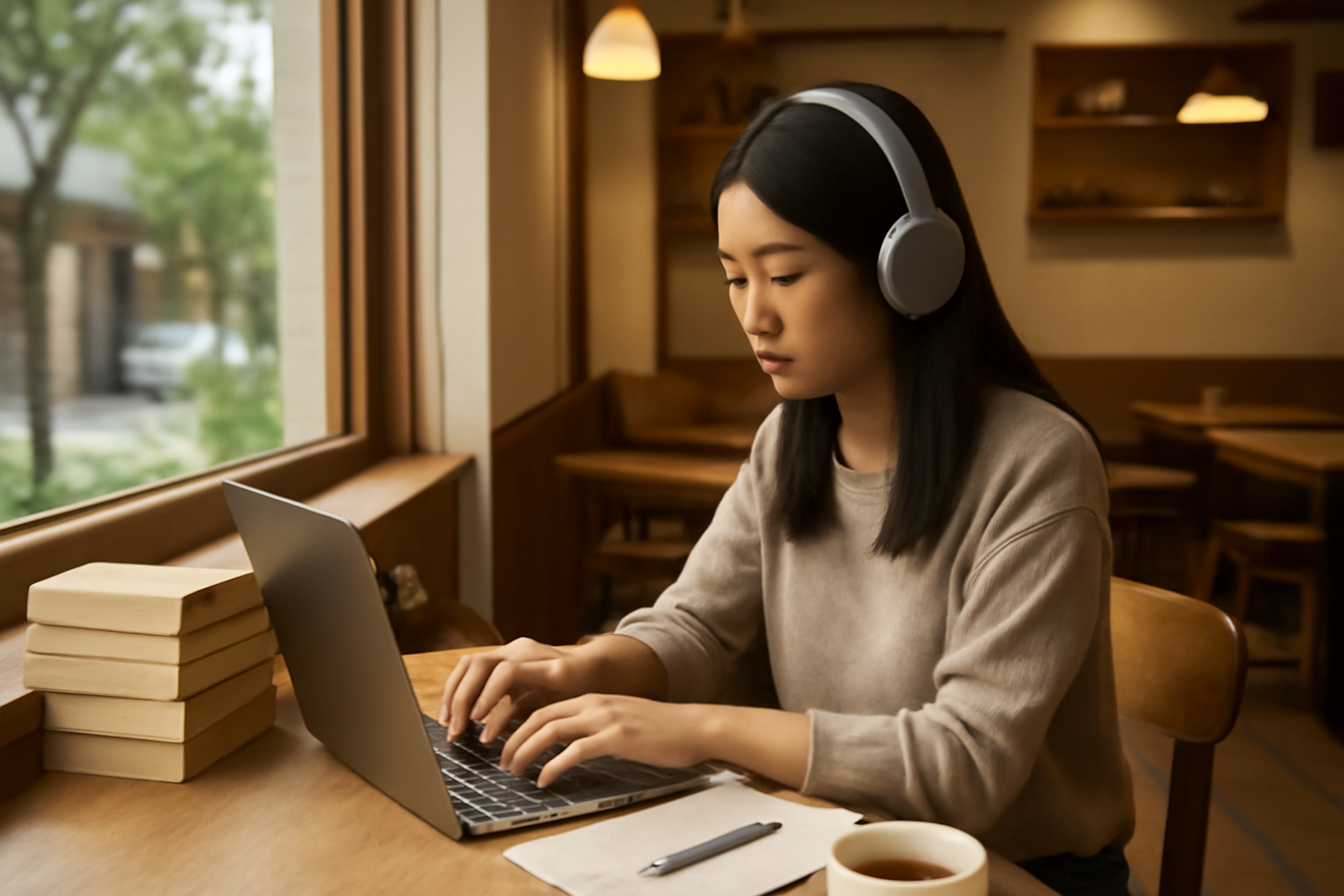
    A person studying with a laptop and books at a window seat in a Korean cafe

    Enter the Study Cafe: A Whole Different Business

    Here’s where it gets interesting. Korea didn’t just tolerate the kongsijok phenomenon — it built an entire industry around it. “스터디카페” (study cafes) aren’t coffee shops that happen to have quiet corners. They’re a distinct category: part reading room, part co-working space, running on a pay-by-time model instead of a pay-per-drink one.

    You buy a block of time — a same-day pass, a bundle of hours usable whenever, or a weekly or monthly unlimited pass — typically a few thousand won per hour, cheaper the more time you commit to. Many operate unattended twenty-four hours a day, checked in with a keypad or app, with individual desks, privacy partitions, lockers, and a self-serve coffee machine instead of a barista out front. Nobody raises an eyebrow if you sit for six hours, because six hours is exactly the product you bought.

    This quietly resolves the tension above. A regular cafe wants table turnover; a study cafe wants long-term tenants. Splitting the two into separate businesses means a student cramming before finals doesn’t feel guilty about a seat meant for a quick coffee break, and a couple catching up over lattes doesn’t have to compete with someone’s flashcards.

    The Friction Underneath the Trend

    I’d be doing this topic a disservice if I made it sound perfectly harmonious. There’s real tension here, and it shows up regularly in local news and online debate. Small independent cafe owners have posted handwritten signs — no laptops after noon, time limits during peak hours, or “no study zone” policies with a hard two-hour cap. A few cafes have gone the opposite direction and banned laptops entirely, positioning themselves as places for conversation, not concentration.

    It’s a reasonable business tension, not a moral failing on either side. A cafe survives by turning tables; a kongsijok survives by finding somewhere quiet and cheap enough to actually get work done. Study cafes exist precisely because that mismatch needed its own solution.

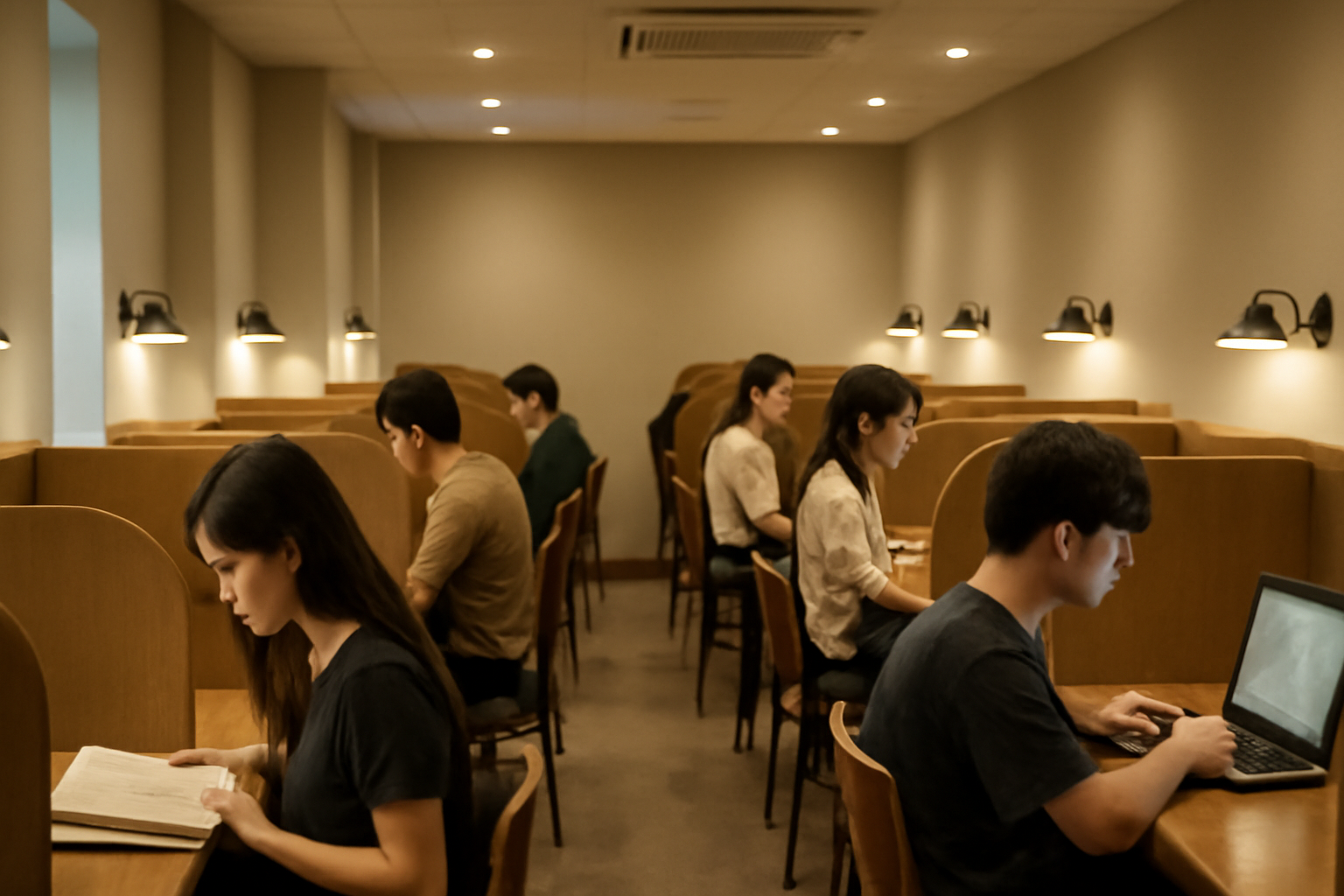
    Rows of individual desks in a Korean pay-by-hour study cafe

    Where I’ve Landed on It

    Raising a kid in this system, I understand the pressure fueling kongsijok culture, even if I don’t love every part of it. But I’ve also come to appreciate the flip side: a country dense enough, caffeinated enough, and design-conscious enough to build entire categories of business around the simple human need for a decent place to sit and concentrate for a few hours. There’s something almost communal about it, even though everyone’s wearing headphones and ignoring each other on purpose.

    These days, when I need a few uninterrupted hours myself, I’ve made peace with becoming exactly what I used to quietly judge from the next table over. I order the second coffee. I know which seats have outlets. Welcome to the tribe.

    Frequently Asked Questions

    Is it rude to stay all day at a regular coffee shop?

    Depends on the cafe. Large chains with plenty of seating generally tolerate long stays outside peak hours, as long as you order something roughly every two to three hours. Small, independently run cafes with limited tables are different — hours on one drink during a busy stretch reads as inconsiderate, and some owners now post explicit time limits.

    What’s the actual difference between a study cafe and a regular cafe?

    A regular cafe sells drinks and treats seating as incidental; a study cafe sells time, with coffee as a secondary perk. Study cafes charge by the hour or via time passes, often run unattended around the clock, and are built for long, quiet, single-person study rather than conversation.

    Why are outlets such a big deal in Korean cafes?

    Because so many people work or study on laptops for hours at a stretch. Seats near outlets fill up first, and some cafes have added more specifically to accommodate long-staying customers — which in turn attracts even more of them.

    Is kongsijok culture unique to Korea?

    The basic idea of studying in a cafe isn’t unique — plenty of countries have laptop-heavy coffee shops. What’s distinctly Korean is the scale: extremely high cafe density, a dedicated study cafe industry, an intense exam culture that rewards marathon sessions, and social etiquette built specifically around cafe studying.

  • 목포 여행 코스 추천, 낙지거리부터 유달산 케이블카까지 하루 완주

    목포 여행 코스 추천, 낙지거리부터 유달산 케이블카까지 하루 완주

    오전 9시 20분, 목포역 광장. 여행가방을 끌고 나온 사람들 사이로 좌판 리어카 하나가 먼저 눈에 띈다. 고무통 속에서 발이 여덟 개 달린 녀석들이 꿈틀거리고, 주인아주머니는 손님과 눈도 안 마주치고 낙지 한 마리를 도마 위에 턱 올린다. 목포는 이렇게 시작한다. KTX에서 내려 10분도 안 돼 산낙지와 마주치는 도시. 하루 안에 낙지거리, 유달산, 해상케이블카를 다 돌아볼 수 있을까 싶겠지만, 동선만 제대로 짜면 저녁 7시 야경까지 넉넉하게 즐길 수 있다.

    09:30 자유시장 낙지거리, 첫 끼는 낙지로

    목포역에서 도보 10분, 자유로 122에 자리한 목포자유시장은 홍어와 낙지 비중이 유독 높은 전통시장이다. 가수 남진의 고향이라 남진야시장이라는 별칭도 붙었다. 좌판 골목을 지나면 미항로 일대로 이어지는데, 이 구간이 흔히 말하는 낙지거리다. 독천골, 목포연희네포차 같은 집들이 낙지호롱구이와 연포탕으로 이름나 있다. 낙지탕탕이는 1인분 3만원 안팎, 세발낙지 코스는 2~3만원대가 보통이고, 점심 장사를 오전 11시부터 시작하는 집이 많아 아침 겸 이른 점심으로 딱 맞다. 산낙지가 부담스럽다면 낙지볶음이나 낙지호롱구이로 시작해도 충분하다.

    목포 낙지거리 저녁 풍경, 좌판에 놓인 신선한 생선과 낙지

    11:00 유달산, 노적봉에서 정상까지 90분

    배를 채웠으면 걸어야 한다. 유달산 입구인 노적봉은 임진왜란 당시 이순신 장군이 볏짚으로 산을 덮어 군량미가 쌓인 것처럼 왜군을 속였다는 곳이다. 여기서 조각공원까지는 완만하다. 가수 이난영의 ‘목포의 눈물’ 노래비와 4·19기념탑, 조각품 100여 점이 산책로 곳곳에 놓여 있어 사진 찍으며 걷기 좋다. 정상인 일등바위(해발 228m)까지는 계단이 제법 가파른데, 노적봉에서 왕복으로 잡으면 1시간 반 정도 걸린다. 체력이 아쉽다면 조각공원까지만 돌고 케이블카로 정상 구간을 대신해도 된다. 유달산스테이션이 산 중턱에 있어 케이블카 자체가 등산로 역할을 겸한다.

    13:30 점심, 그리고 목포해상케이블카

    유달산 자락 식당가에서 갈치조림이나 병어회로 점심을 가볍게 해결한 뒤 북항스테이션으로 이동한다. 목포해상케이블카는 북항에서 출발해 유달산 정상부를 ‘ㄱ’자로 꺾어 지나고, 바다를 건너 고하도스테이션까지 이어진다. 국내 최장 3.23km, 최고 높이 155m로 편도 20분, 왕복은 40분이 걸린다. 일반캐빈 왕복 요금은 대인 기준 2만4천원, 바닥이 투명한 크리스탈캐빈은 2만9천원 선이다. 운영시간은 보통 오전 9시부터 오후 6시까지고, 7월 말~8월 중순 성수기에는 오후 9시까지 연장 운행하니 여름 야간 탑승을 노린다면 목포시청 공지나 공식 홈페이지에서 당일 시간표를 한 번 더 확인하는 게 안전하다. 온라인 사전예매는 현장가보다 1천원가량 싸다.

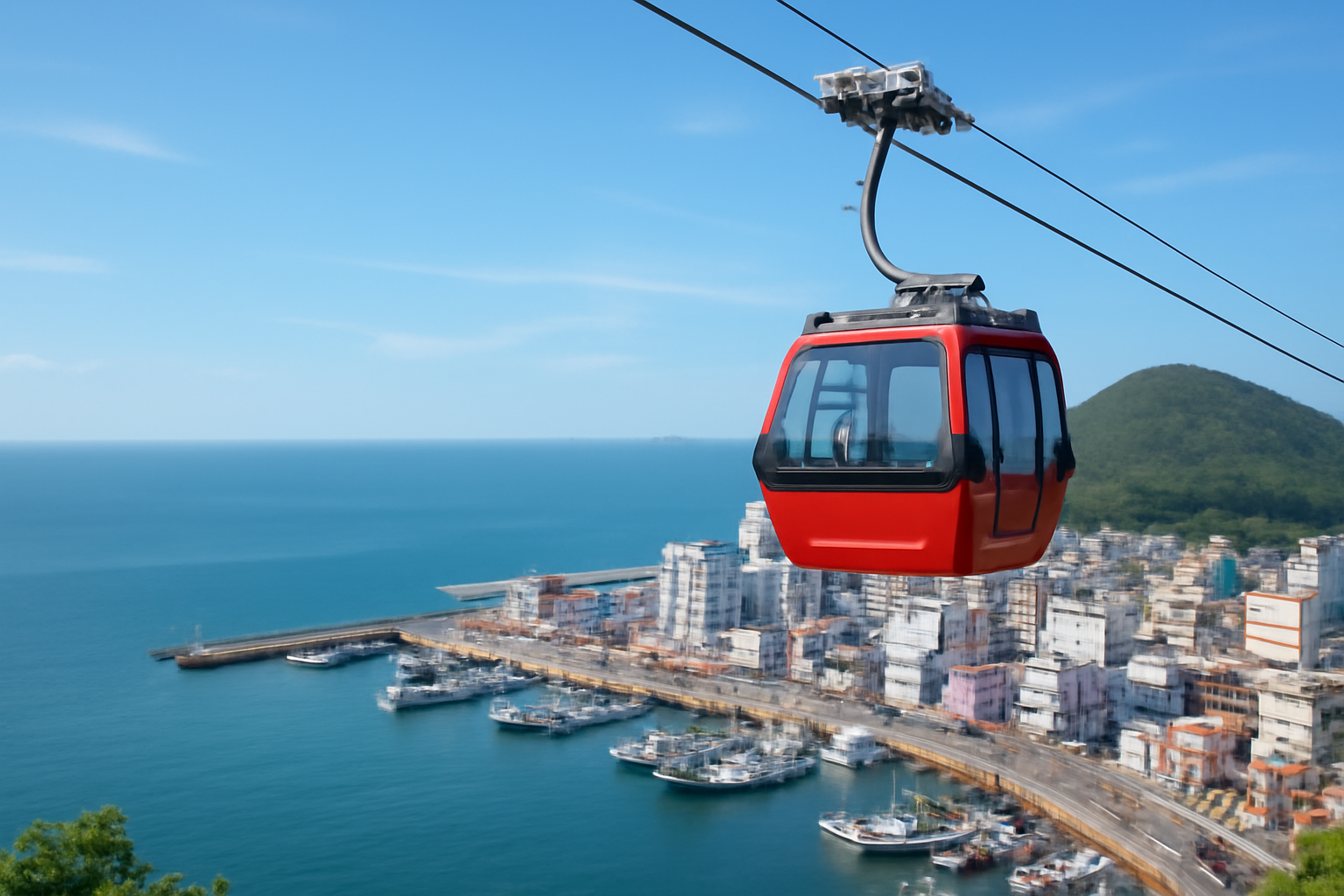
    목포 유달산과 바다를 가로지르는 해상케이블카

    15:30 고하도, 바람 쐬고 돌아오는 길

    고하도스테이션에 내리면 용오름다리라는 출렁다리와 전망대가 기다린다. 다리 위에서 보면 방금 지나온 유달산과 목포대교가 한눈에 들어온다. 카페 두어 곳이 스테이션 근처에 있어 커피 한 잔 들고 앉아 있기 좋다. 왕복 티켓이라면 다시 케이블카를 타고 북항으로 돌아오면 되고, 시간이 넉넉하면 고하도 둘레길을 30분쯤 걸어도 좋다. 이 구간까지가 딱 오후 4시 반, 저녁 일정으로 넘어가기 좋은 타이밍이다.

    18:00 평화광장 야경으로 마무리

    북항에서 택시로 10분이면 평화광장이다. 춤추는바다분수는 계절마다 운영 시간이 다르지만 대체로 저녁 8시 전후로 분수쇼가 시작된다. 분수 앞 목포대교와 스카이워크 조명이 함께 켜지면 하루 동선의 마지막 그림으로 손색없다. 시간이 남으면 근대역사문화거리로 넘어가 구 목포일본영사관 같은 근대 건축물을 배경으로 사진을 남기고 하루를 접는다. 저녁 식사는 이 근처 회센터에서 세발낙지나 병어회를 한 접시 더 시켜도 되고, 아침에 못 먹은 낙지탕탕이가 아쉽다면 자유시장 쪽으로 다시 돌아가는 것도 방법이다.

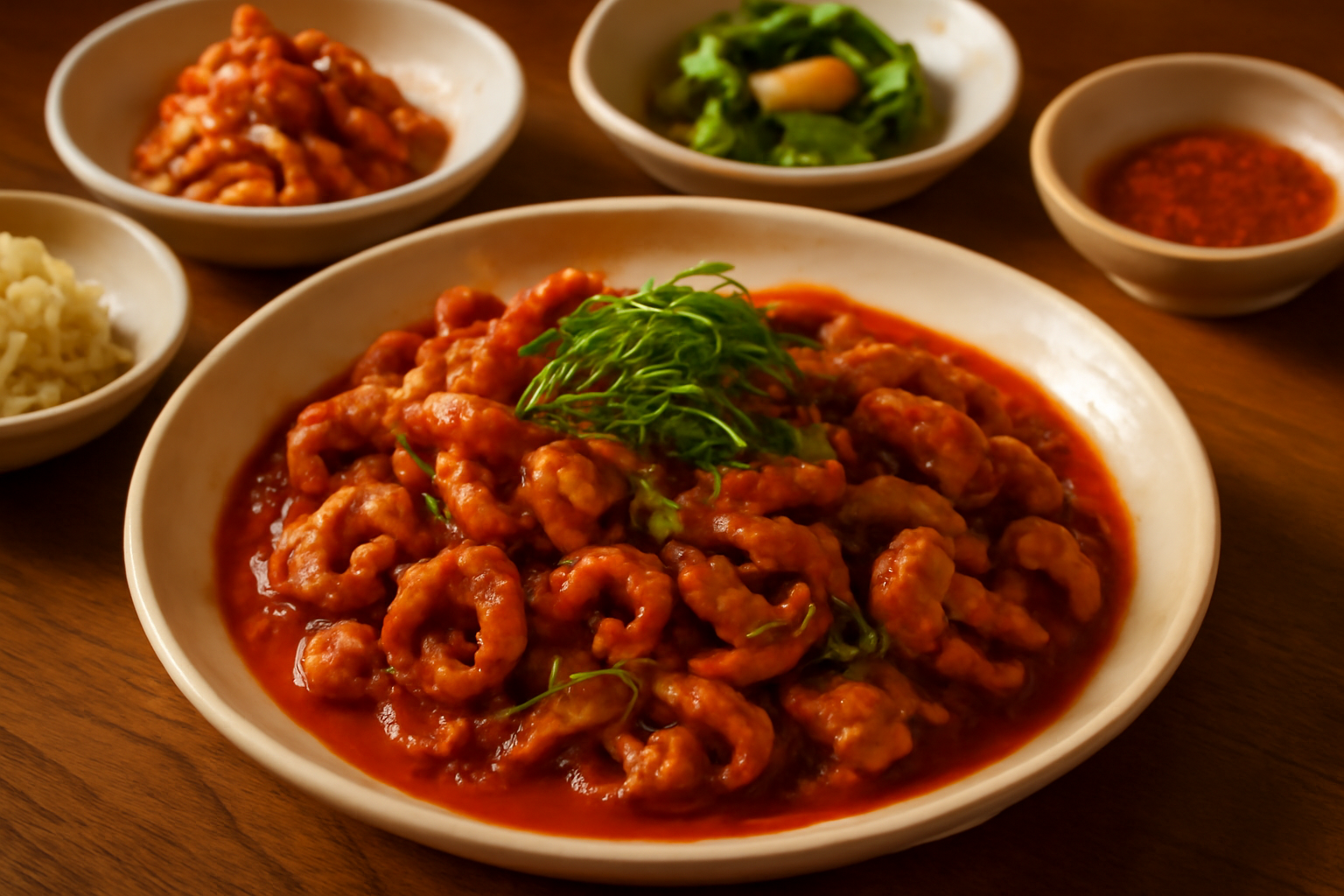
    매콤하게 볶아낸 목포식 낙지볶음과 반찬

    자주 묻는 질문

    목포 여행, 당일치기로 가능한가요?
    가능하다. KTX 기준 서울에서 목포까지 3시간 안팎이라 오전에 도착해 낙지거리-유달산-케이블카-평화광장 순으로 돌면 저녁 KTX로 충분히 올라갈 수 있다. 다만 케이블카와 고하도 산책까지 여유 있게 넣으려면 오전 9시 전 도착이 이상적이다.

    낙지거리 맛집은 어디를 가야 하나요?
    자유시장 인근 미항로 일대에 낙지 전문점이 몰려 있다. 낙지호롱구이와 연포탕은 독천골, 포차 분위기의 세발낙지는 목포연희네포차가 대표적으로 꼽힌다. 평일 점심시간대는 대기가 짧은 편이니 오전 11시 전후로 방문하면 줄을 덜 선다.

    케이블카는 예약 없이 바로 탈 수 있나요?
    평일이라면 현장 구매로도 대체로 무리 없다. 주말이나 성수기 오후 시간대는 대기가 길어질 수 있어 온라인 사전예매를 권한다. 크리스탈캐빈은 인기가 많아 오전 중에 서둘러야 한다.

  • Why Coffee Shops Are Everywhere in Korea: A Foreign Dad’s Take on Cafe Culture

    Why Coffee Shops Are Everywhere in Korea: A Foreign Dad’s Take on Cafe Culture

    Standing at the crosswalk near my kid’s hagwon a few months ago, I did something a little embarrassing: I counted cafes. Just turning my head left and right at one intersection, I got to eleven before the light changed. Not eleven coffee-adjacent businesses in the general neighborhood — eleven within maybe two hundred meters, stacked in buildings, tucked into basements, wrapped around corners. A Korean friend walking with me just shrugged. “Yeah, that sounds about right.” That shrug is the whole story, honestly. What looks like an anomaly to a foreigner is just Tuesday to everyone else.

    The Math Doesn’t Make Sense (Until It Does)

    I’ve read the comparisons that get thrown around — that Seoul alone has more coffee shops than plenty of entire countries. When I first moved here I assumed this was a bubble that would pop the way certain snack-franchise trends did back home. Years later, it hasn’t. There’s real turnover — plenty of shops don’t survive their first eighteen months — but the total keeps climbing anyway, because opening a cafe is one of the default moves for anyone leaving a corporate job with some severance and no clear next step. Enough people make that move that whole commercial streets end up wall-to-wall espresso machines.

    Cafes as the Room You Don’t Have at Home

    The part that actually explains the density isn’t the coffee, though — it’s the real estate. A lot of people here live in apartments that are compact by design, often shared with parents, roommates, or kids, and genuinely not built for hosting guests. Back home, if a friend wants to catch up, you invite them over. Here, you meet at a cafe. First date? Cafe. Slightly awkward chat with a landlord or your kid’s teacher? Also a cafe. It’s become the default neutral ground for basically every kind of face-to-face meeting that doesn’t happen at home or in an office, which means a city needs an enormous number of “neutral grounds” just to keep up.

    Kagongjok: The Cafe as Study Hall

    The first time I sat in a cafe here and watched someone unpack an actual desk setup — laptop stand, external keyboard, a stack of textbooks — I thought I was seeing something unusual. I wasn’t. There’s a term for these people: 카공족 (kagongjok), roughly “cafe-study tribe,” combining the words for cafe and studying. Students pull long study sessions over one iced Americano, office workers finish reports between meetings, exam-takers camp out for entire afternoons with headphones on. Some cafes lean into this, adding outlet-heavy seating; others push back, capping laptop hours to get table turnover back. That tension — cafe as living room versus cafe as business — is a real, ongoing debate here, not a settled one.

    Nobody’s Rushing You Out

    Which gets at something that still catches visitors off guard: there’s no real culture of a minimum or maximum stay. Order one drink and sit for four hours, and in most places nobody says a word. This isn’t universal — small independents running on thin margins have started posting stay-limit signs near the register — but as a broad norm, cafes here are remarkably tolerant of people just existing in them. I think that tolerance is downstream of the same real-estate logic above: if the cafe is functioning as everyone’s extra room, kicking people out defeats the purpose.

    Person studying with a laptop at a Korean cafe table

    Franchise on One Corner, Independent on the Next

    Walk down almost any commercial street and the pattern repeats: a big familiar chain anchoring the corner, then two or three tiny independents nearby — one doing hand-drip single-origin, another built around a pastel aesthetic and a signature dessert, another so minimalist it barely has signage. The franchises win on consistency and mobile-order convenience. The independents win by being a destination worth a subway transfer, because of how they photograph or how the espresso tastes. Both models coexist because the market is big enough, and image-driven enough, to support very different reasons for existing.

    Built for the Photo, Not Just the Coffee

    A lot of newer cafes are clearly designed with a phone camera in mind before they’re designed for efficiency. Floor-to-ceiling windows, one dramatic light fixture, a wall painted a shade that photographs well. I’ve walked into cafes that felt like small art installations with an espresso machine somewhere in back. It sounds gimmicky, but it works — a cafe that gets shared online becomes a destination rather than a pit stop, which is often the whole business model for a shop that can’t compete with a franchise on price or speed.

    Eoljuka: Frozen Solid, Iced Coffee Anyway

    And then there’s the thing that genuinely surprised me my first winter — watching people order iced Americanos in weather cold enough to make my own coffee cup feel like an insult. There’s a term for this too: 얼죽아 (eoljuka), short for “eoreo jugeodo aiseu amerikano” — roughly, “even if I freeze to death, iced Americano.” It’s said half-jokingly, but it’s a genuine, widely recognized identity here. Explanations vary — some say hot drinks feel too slow to finish before a meeting, others just say cold coffee tastes cleaner — but whatever the reason, cafes stock ice year-round in quantities that would seem absurd anywhere with an actual winter, because the demand never really drops.

    Iced Americano coffee cup on a cafe table

    Why the Boom Happened When It Did

    None of this existed at this scale a generation ago. Coffee culture here really took off after the 2000s, tracking closely with the rise of the smartphone, longer work and study hours, and a generation with more disposable income for small daily luxuries than their parents had. A few-dollar coffee is an affordable treat, and ordering one buys you hours of table space, wifi, and a bathroom. Add social media rewarding photogenic spaces, and you get a perfect incentive structure for opening more cafes, not fewer.

    FAQ

    Is it rude to stay for hours at a Korean cafe?
    Generally no — long stays are an accepted norm, especially for kagongjok studying or working. That said, during busy hours or at small independent shops, it’s worth checking for posted time limits, and ordering a second drink after a couple of hours is a nice unspoken courtesy.

    What does 얼죽아 (eoljuka) mean?
    It’s short for “eoreo jugeodo aiseu amerikano,” meaning “even if I freeze to death, iced Americano.” It describes the common habit of drinking iced coffee year-round, including in freezing winter weather.

    Why are there so many cafes instead of more bars or bookstores?
    Cafes fill a social gap that small living spaces created — they’re where people meet, study, date, and work when home isn’t an option. That combination of function keeps demand high enough to support huge numbers of shops, both franchise and independent.

  • Korean Funeral Customs Explained: What I Learned as a Foreign Son-in-Law

    Korean Funeral Customs Explained: What I Learned as a Foreign Son-in-Law

    The text came in at 6 a.m., which is how I knew before I even opened it that something was wrong. My wife read it once, went very quiet, and pulled a black suit out of the closet that I didn’t know we owned. A few minutes later she explained, in the clipped shorthand of someone whose mind is somewhere else entirely, that her uncle had passed and we needed to go to the hospital. Not a church, not a funeral home in the way I’d pictured one. A hospital. That was the first thing that didn’t match what was in my head.

    Funerals Happen at the Hospital, Not a Separate Building

    Most Korean hospitals of any real size have a 장례식장 (jangnyeshikjang), a funeral hall, built right into the complex. It struck me as strange at first — grief and treatment sharing the same parking lot — but it makes logistical sense. Many people pass away in hospital care, and keeping mortuary services, memorial rooms, and reception halls in one place spares the family a transfer during the worst days of their lives.

    Inside, the building is divided into numbered 빈소 (binso) — individual memorial rooms, each rented by a different grieving family at the same time. You could be paying respects in room 3 while an unrelated funeral happens in room 5 down the hall. It felt oddly public at first, but once you’re inside the room itself, it’s its own quiet world.

    Three Days, Start to Finish

    Korean funerals almost always run on a fixed three-day structure called 삼일장 (samil-jang). The day someone passes is day one, spent on paperwork, notifying family, and setting up the memorial room. Day two is when most visitors come — this is the day I’ve been to, more than once now. Day three is for the burial or cremation itself, usually early in the morning.

    What surprised me was how little room there is for delay. There’s no waiting a week for out-of-town relatives to arrange flights the way I grew up seeing. Everyone mobilizes fast, and the family receives visitors for most of that second day and evening, even while managing their own shock. I remember thinking, quietly, that grieving in public on a schedule like that must be its own kind of hard.

    What to Wear, What to Bring

    Black is the color of mourning here, and it’s not optional-casual — a dark suit or a simple black dress, subdued, nothing bright or patterned. Traditionally, close family wear hanbok in undyed white or black hemp cloth, a custom that goes back to when white was Korea’s own mourning color long before black became the norm for visitors. You’ll still see sons and daughters of the deceased in those plain ritual garments even at an otherwise modern funeral.

    For a guest, the uniform is simpler: dark suit, white shirt, black tie if you own one, black shoes. Women generally wear a modest black dress with minimal jewelry. I learned the hard way that a navy suit reads as “trying” but not quite right — my father-in-law steered me toward an actual black one before my second visit.

    You also bring money. Condolence money, 부의금 (buigeum), is handed over in a plain white envelope, never anything decorated or colored, with your name written on the front. You don’t hand it to the family directly — there’s a reception table near the entrance, staffed by a relative or close friend, where you sign a guest register and drop the envelope into a collection box before going further into the room.

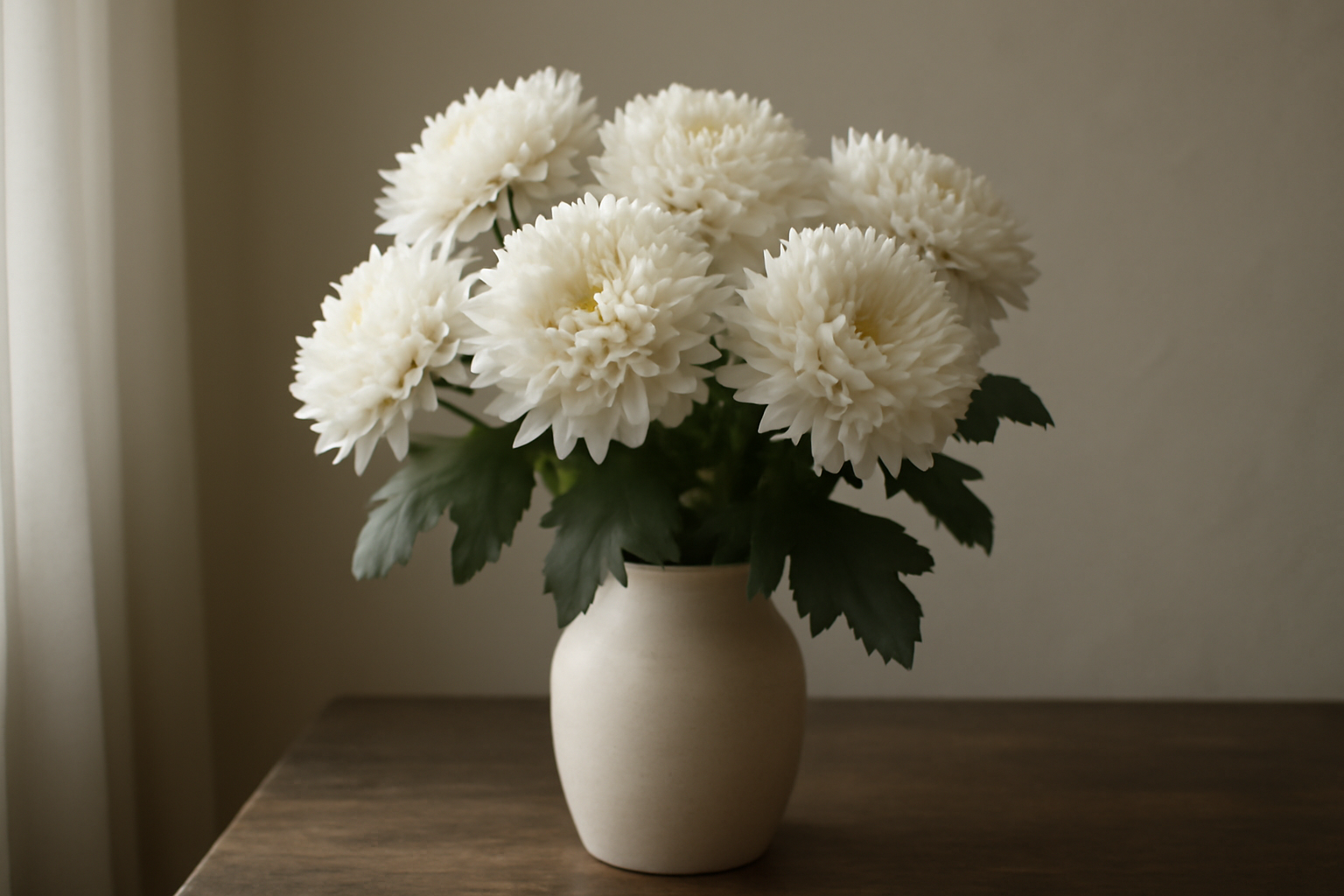
    A simple arrangement of white chrysanthemum flowers, the traditional Korean mourning flower

    The Bow, and the Order of Things

    Walking into the memorial room, you’ll see a portrait of the deceased at the front, flanked by white chrysanthemums — the flower used almost exclusively for mourning in Korea, the way lilies might be used elsewhere. You approach, bow twice toward the portrait (a full, formal bow from the waist, not a nod), and then turn to bow once to the family members standing off to the side.

    The 상주 (sangju) is the chief mourner, traditionally the eldest son, though this has been shifting — I’ve seen daughters and spouses take the role too as families reorganize around who’s present and able. The sangju stands closest to the portrait, receiving each guest’s bow and a quiet word of condolence. You don’t linger to chat. A short bow, a murmured word of sympathy, and you move to let the next person through.

    Cremation Has Quietly Become the Norm

    This is one of those slow generational shifts nobody announces but everyone notices. Burial used to be standard, and hillside family grave plots are still visible across the countryside — round mounded graves I pass every time we drive out of the city. But land is limited and plots are costly to maintain across generations, so cremation now accounts for the large majority of funerals in Korea, a near-total reversal from a few decades ago. Many families choose a columbarium, a memorial hall with wall niches for the ashes, instead of a traditional grave. My wife’s family did exactly this, and it was treated as the practical, unremarkable choice.

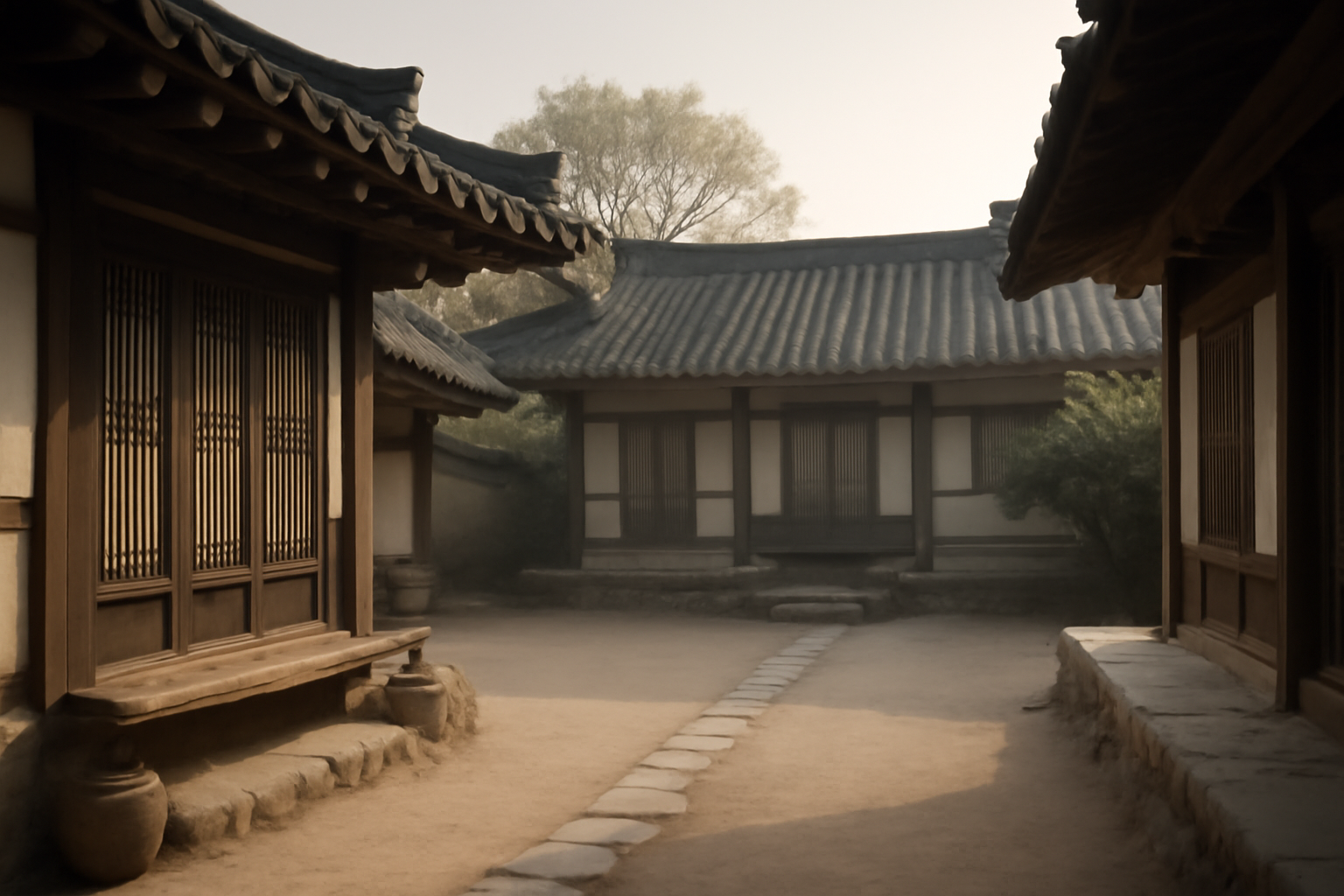
    A quiet traditional Korean hanok courtyard in soft morning light

    What I’d Tell Another Foreigner Walking In

    Dress dark, bring a white envelope with cash inside, and follow whoever you came with rather than improvising. Nobody expects a foreigner to know the choreography perfectly, and a sincere, quiet effort goes a long way. What stayed with me longest wasn’t any single custom — it was how much structure surrounds Korean grief. Three days, a set sequence of bows, an envelope, a role for everyone. I used to think that sounded rigid. Now I think it’s a kind of mercy: when you don’t know what to do with unbearable news, having something to do with your hands helps.

    Frequently Asked Questions

    How much condolence money should I give?
    For an acquaintance or coworker, 50,000 won is the common baseline in 2026. For closer friends or family, 100,000 won is typical. Traditionally, amounts in odd multiples of 10,000 won (30,000, 50,000, 70,000) were considered auspicious, since odd numbers carry good fortune in this context. Use fresh bills in a plain white envelope — never a decorated one.

    What should I wear to a Korean funeral?
    Dark, conservative clothing: a black or very dark suit for men, ideally with a black tie, and a modest black dress for women. Avoid bright colors, flashy accessories, and anything casual like jeans or sneakers.

    Do I have to bow, and how many times?
    If you’re comfortable with it, yes — two bows toward the portrait, followed by one bow to the family. If bowing isn’t part of your own background, a respectful, unhurried nod and a quiet word of condolence is also accepted from foreign guests. What matters most is moving slowly and speaking softly.